Son Tra Peninsula Da Nang – Green Lung and Eco-Tourism Paradise

Central

Da Nang

Son Tra Peninsula

Sovaba.travel

Updated at: 24/09/2026

1. Overview of Son Tra Peninsula, Da Nang

Son Tra Peninsula (also known as Son Tra Mountain or Monkey Mountain) is located in Son Tra Ward, Son Tra District, Da Nang City. It is situated about 10 km northeast of the city center, making it easily accessible in just 20-30 minutes by motorbike or car. Geographically, the peninsula covers an area of about 60 km², with a length of 13 km and an average width of 5 km (the narrowest point is only 2 km). It is bordered on three sides by the East Sea and Da Nang Bay, and connected to the mainland on one side by Han River alluvium. This is the end point of the Northern Truong Son Range, creating a natural "screen" shielding Da Nang and Da Nang Bay. The highest peak reaches nearly 700 m (Oc Peak is about 696 m).

From the center of Da Nang, you can travel along Hoang Sa – Truong Sa Road or cross the Han River Bridge and turn onto the coastal road. The road leading up the peninsula winds beautifully, flanked by lush green forests and enchanting ocean views. 
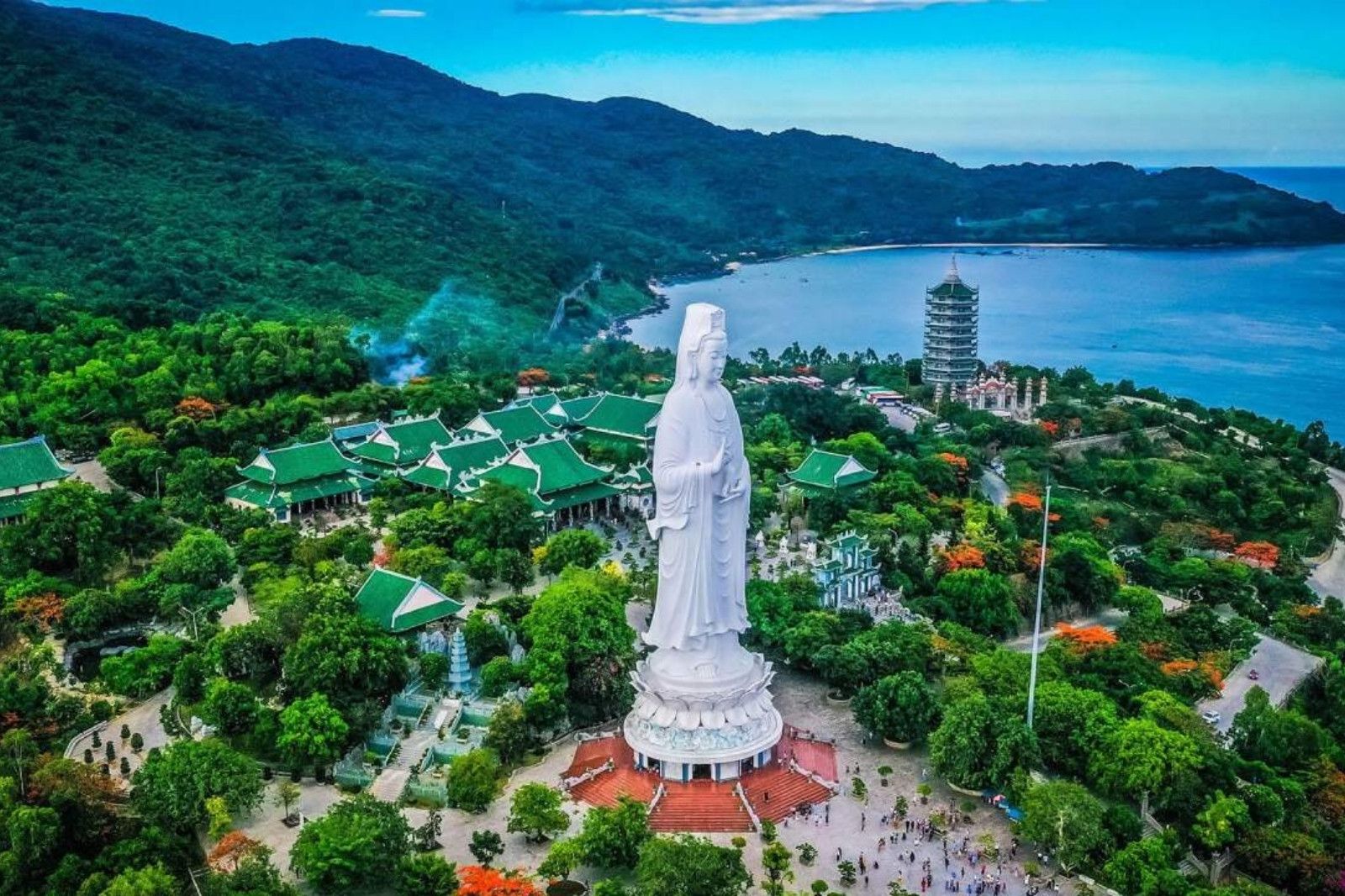
Photo: "Tourism hotspot" in Da Nang.

2. Why is Son Tra Peninsula called the 'green lung' of Da Nang?

The title "green lung of Da Nang" awarded to Son Tra Peninsula is fully justified. With over 4,000 hectares of primeval forest, this area plays a crucial role in regulating climate and balancing the urban ecosystem. According to research from Da Nang University of Science and Technology, the forest ecosystem at Son Tra has the ability to reduce air temperatures in neighboring areas by about 2–3°C compared to the city center, contributing to a more pleasant living environment for Da Nang.

Not stopping there, the peninsula also acts as a "natural screen" helping to block storm winds from the sea to the mainland during the rainy season. Although average annual rainfall in this area reaches about 2,184 mm, the dense forest system helps retain water, regulate flow, and feed more than 20 natural streams flowing year-round. This water source contributes significantly to supplying domestic water to the city through the Son Tra water supply system, with a capacity of thousands of cubic meters per day. Notably, since 1977, Son Tra has been recognized as a national nature reserve with an area of about 4,439 hectares, preserving a diverse ecosystem along with many rare plant and animal species. Thanks to this, the area not only helps minimize pollution and provide a source of fresh oxygen, but also maintains ecological balance for the entire coastal city.

Ban Co Peak
Photo: Ban Co Peak
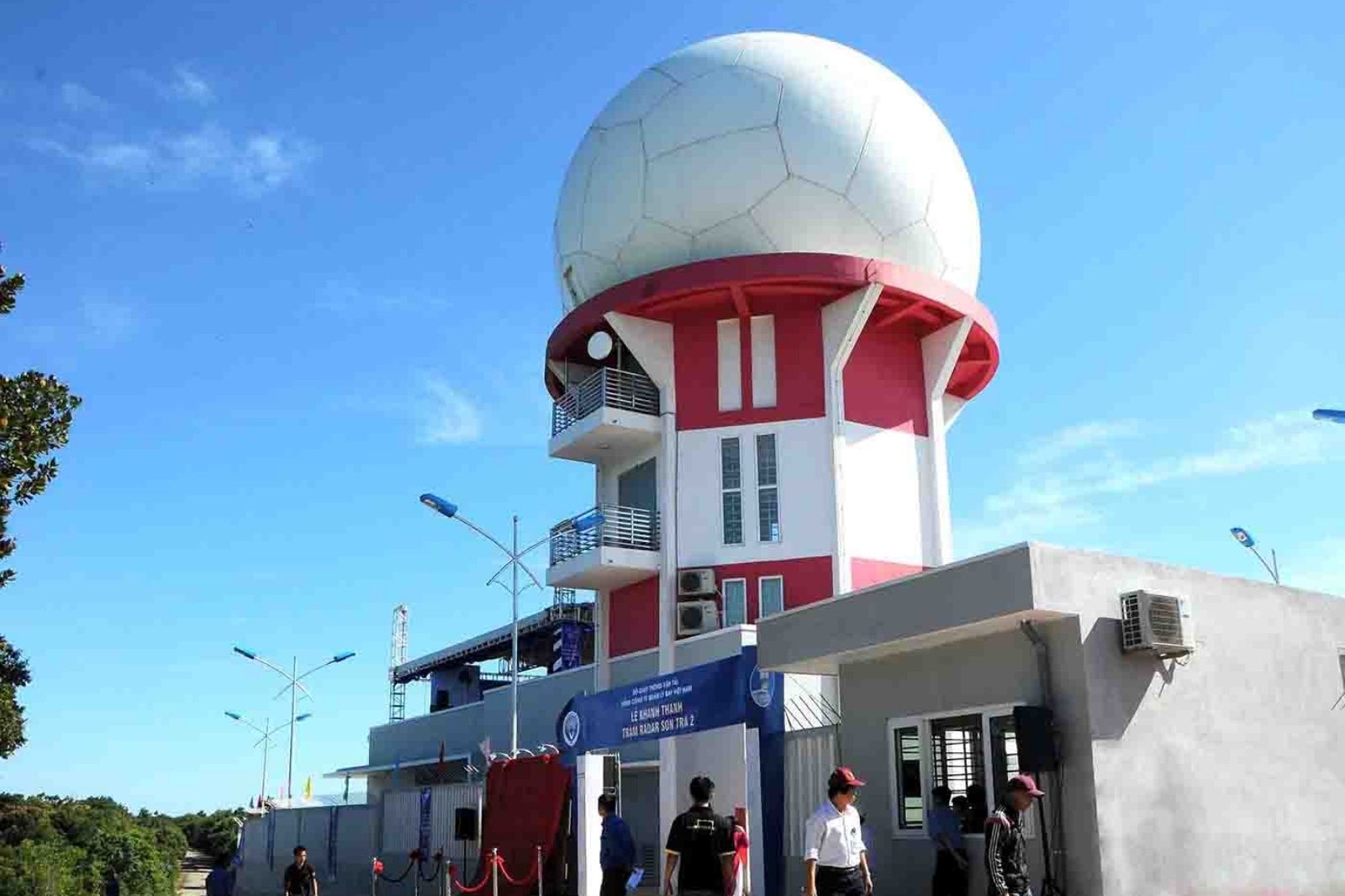
Radar Station 29
Photo: Radar Station 29.

3. The diverse ecosystem of Son Tra Peninsula

Son Tra possesses a tropical humid primeval forest ecosystem combined with coastal wetlands – one of the rare ecosystems in Vietnam. Forest covers more than 60% of the area, featuring 985 species of higher vascular plants, including 22 rare species such as Dipterocarpus alatus, Hopea odorata, Syzygium, Sindora tonkinensis, Parashorea chinensis, chestnut... There are 4 main vegetation types: tropical monsoon evergreen closed forest, recovered forest after exploitation, shrubland, and grassland.

In particular, Son Tra is home to nearly 300 animal species, including 15 rare species under strict protection. Most prominent is the red-shanked douc langur (Pygathrix nemaeus nemaeus) – the world's "primate queen", with over 300 individuals living in troops of 12-30. In addition, there are long-tailed macaques, rhesus macaques, reticulated pythons, red-faced chickens... The marine ecosystem is rich with 191 hard coral species, 72 seaweed species, and 3 seagrass species. Son Tra is also a transition zone between Northern and Southern flora and fauna, hosting many endangered species. This is also why the peninsula was ranked by WWF as one of 200 representative global ecoregions.

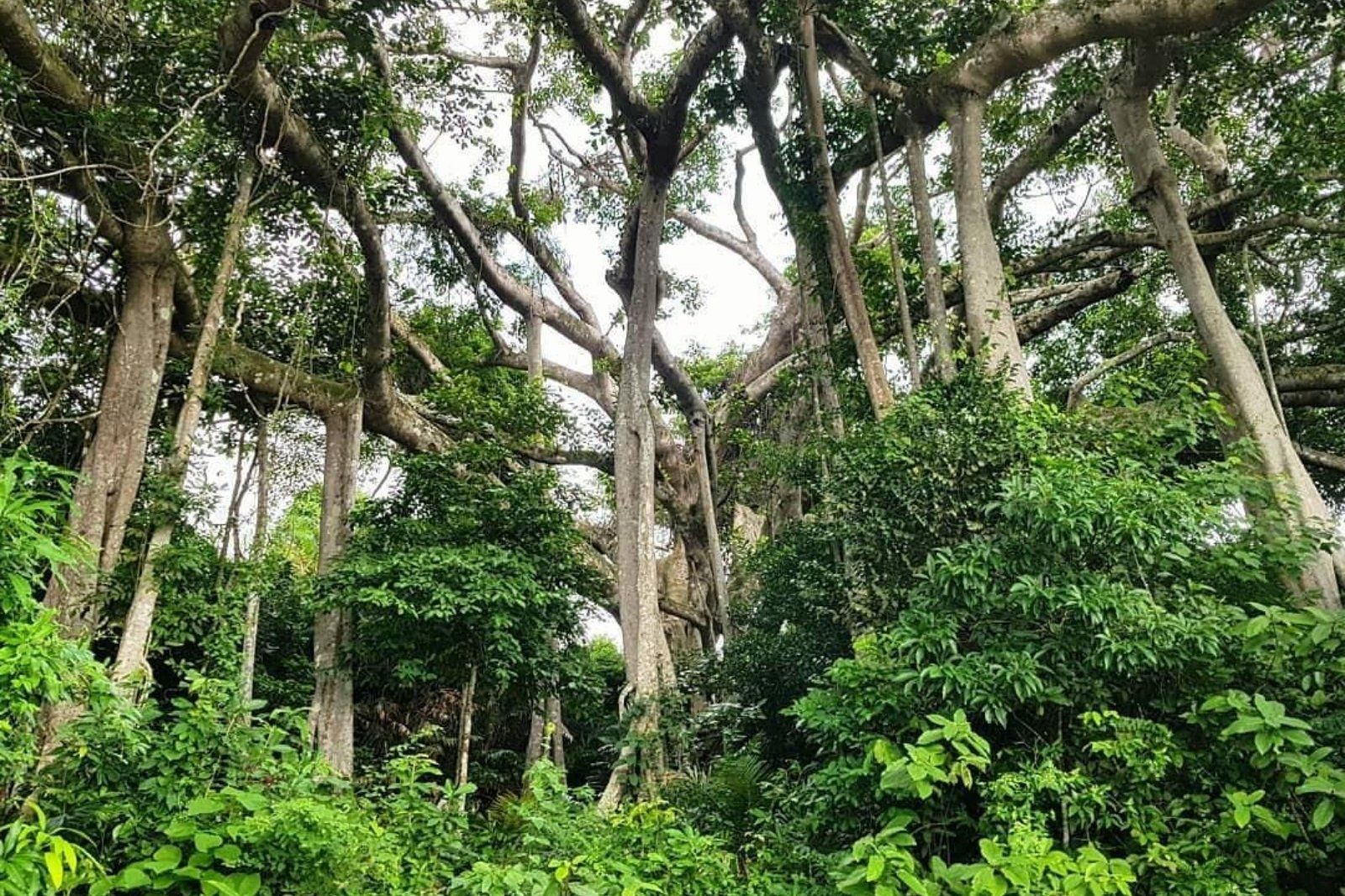
Cay-da-ngan-nam.jpg
Photo: The Thousand-Year Banyan Tree.

4. Outstanding attractions on Son Tra Peninsula

Son Tra Peninsula is not only famous for its rich ecosystem but also owns many impressive sightseeing and check-in spots, where majestic nature harmonizes with cultural and historical imprints. Below are the prominent destinations visitors should not miss when exploring Da Nang's "green lung":

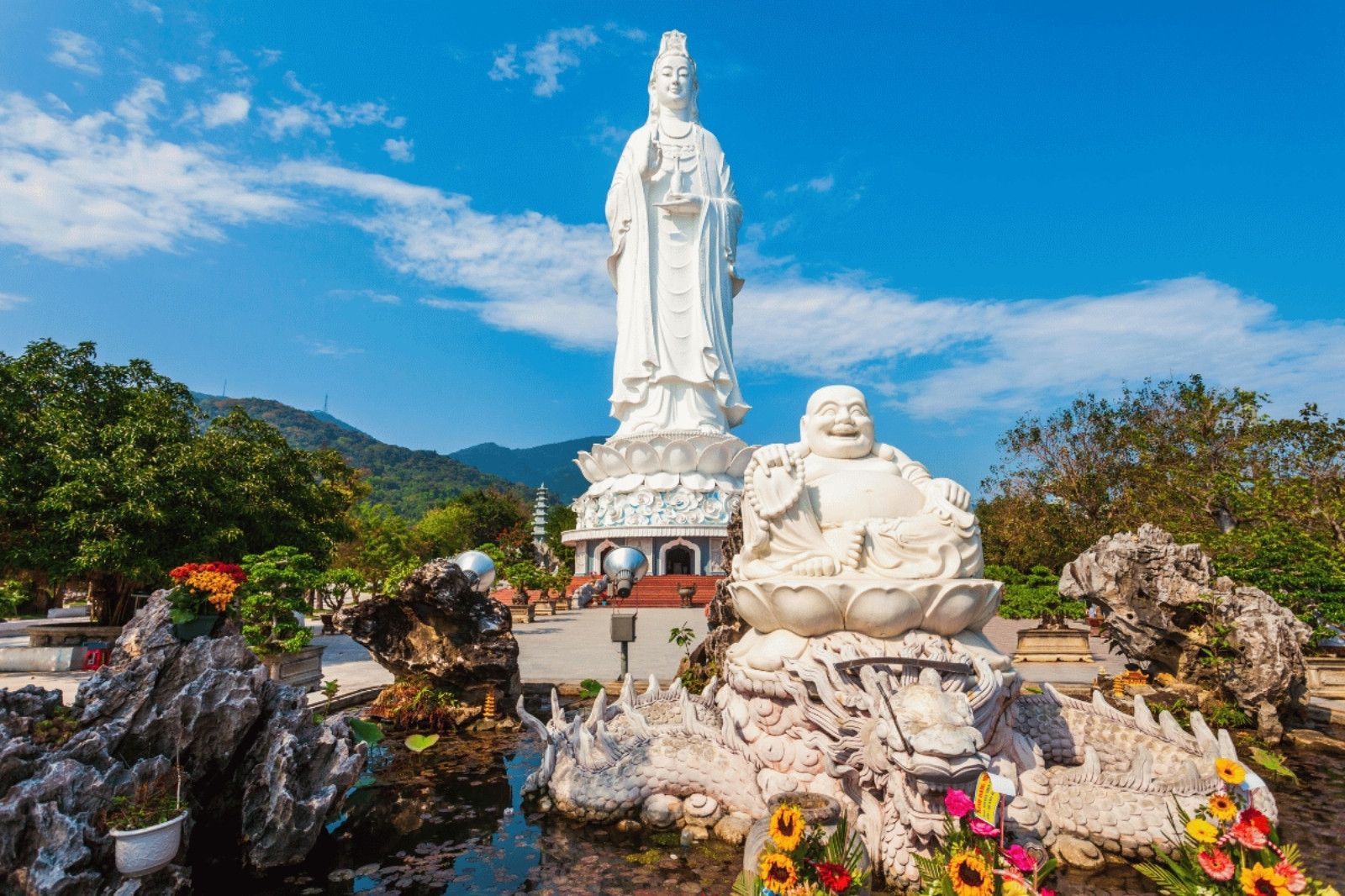
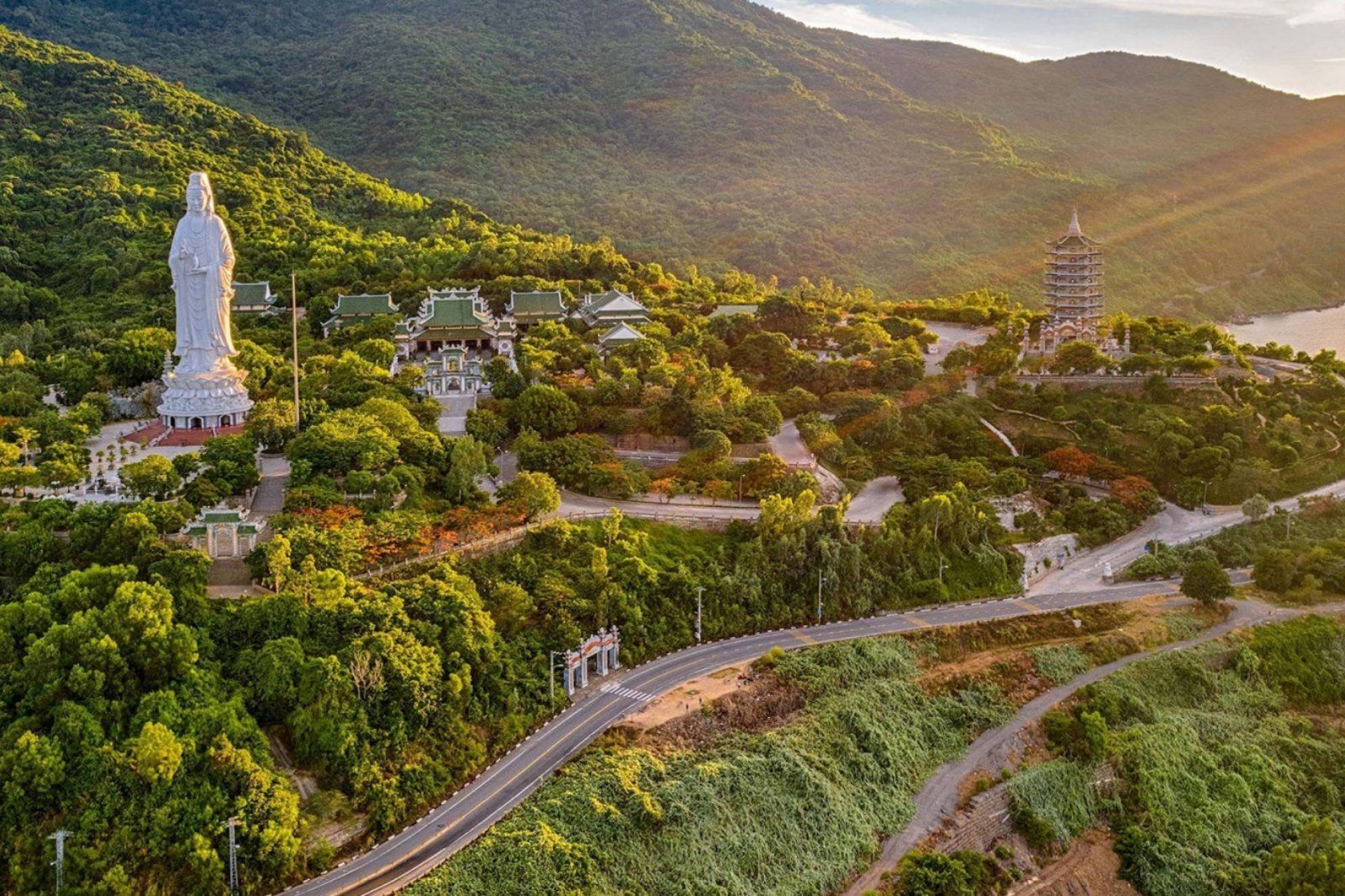
  • Linh Ung Pagoda Bai But: The largest pagoda in Da Nang with a 67 m high Lady Buddha statue (tallest in Vietnam), facing the sea. Serene ambiance, breathtaking ocean view.
  • Thousand-Year Banyan Tree: Located in sub-zone 63, the ancient banyan tree thousands of years old with trailing prop roots creates a unique landscape, carrying spiritual value.
  • Radar Station 29 (Indochina's Eye): An American-era construction located at an altitude of 621 m, once serving as an "eye" observing hundreds of kilometers away.
  • Son Tra Lighthouse: An ancient lighthouse offering panoramic, gorgeous views.
  • Ghenh Bang: The farthest point, pristine with rocky reefs and primeval forest.
  • Tien Sa Port & Tien Sa Beach: A historical area combined with a peaceful beach.

Each destination on Son Tra Peninsula carries its own distinct charm, from wild natural landscapes to unique cultural and historical monuments. This harmonious combination creates a special attraction, making Son Tra one of the most appealing destinations in Da Nang.

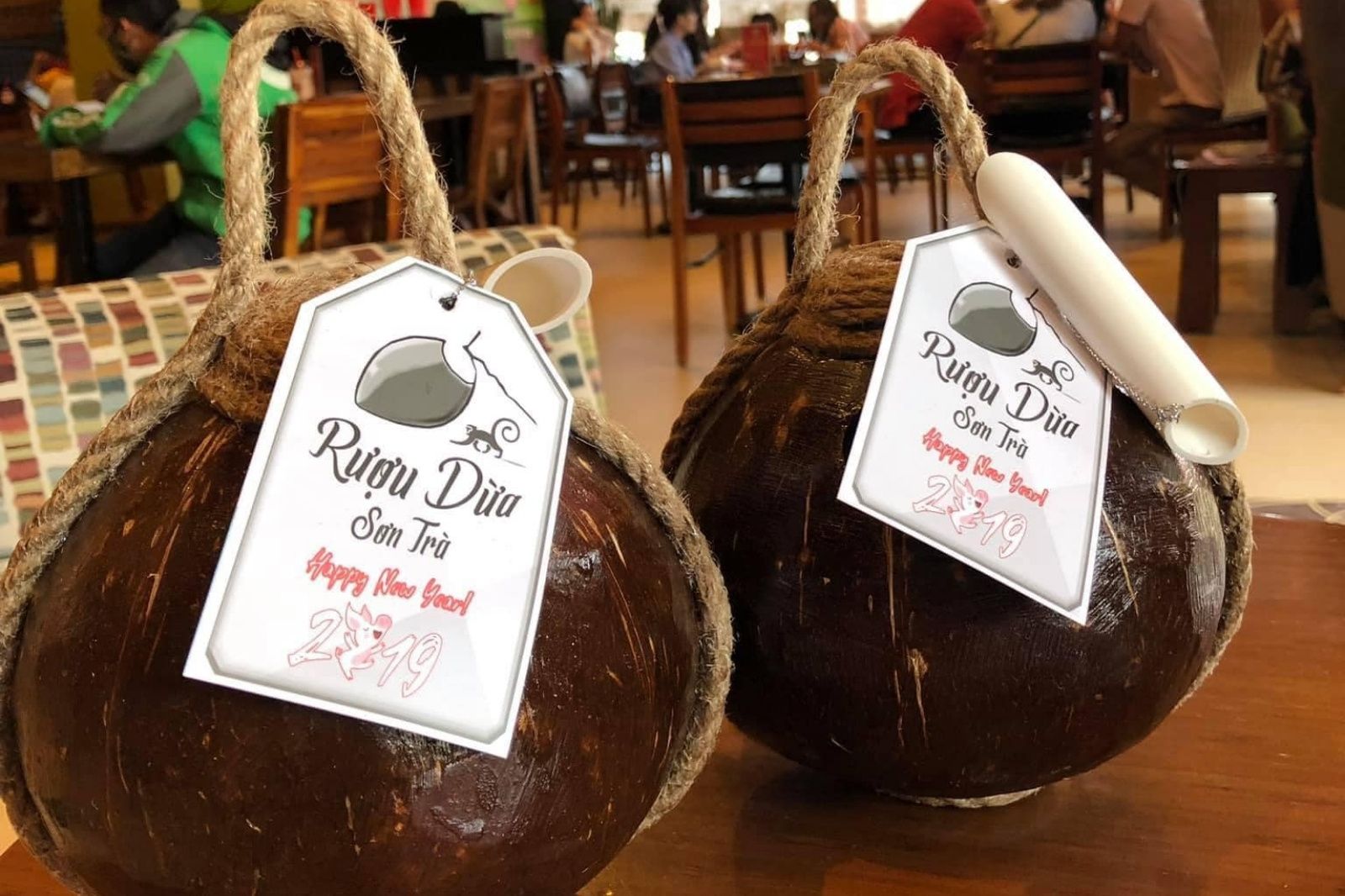
Da Nang coconut wine specialty
Photo: Da Nang coconut wine specialty.

5. Experience the panoramic views of Da Nang from Ban Co Peak

Ban Co Peak (or Oc Peak) is an unmissable "viewpoint" on Son Tra peninsula. Located at an altitude of nearly 700 m, this is the highest point on the peninsula. From here, you can sweep your eyes across the full panorama of Da Nang: the deep blue Da Nang Bay, the curving My Khe Beach, the fire-breathing Dragon Bridge, the Marble Mountains, and the majestic Truong Son Range. The road to the peak winds tortuously, flanked by lush green forests. The summit features a natural stone chessboard; legend has it that fairies once played chess here. The ideal time to visit is sunrise or sunset to watch the clouds and sky blend with the sea. Remember to bring a jacket because of strong winds and temperatures 4-5°C lower than at the foot of the mountain.

Son Tra Peninsula - A pristine wonder in the heart of Da Nang
Photo: Son Tra Peninsula - A pristine wonder in the heart of Da Nang

6. Beautiful and pristine beaches on Son Tra Peninsula

Not as bustling and crowded as the beaches located in the city center, the beaches on Son Tra Peninsula still retain their wild, peaceful, and nature-close beauty. This is an ideal place for those seeking a relaxing space, immersing themselves in Da Nang's signature sea-forest scenery.

Some prominent beaches in Son Tra:

  • Tien Sa Beach: White sand beach, clear blue water, linked to the legend of the place where fairies descended to earth.
  • Bai But: Often referred to as the most beautiful beach in Son Tra, with fine golden sand and green forest hugging the shore.
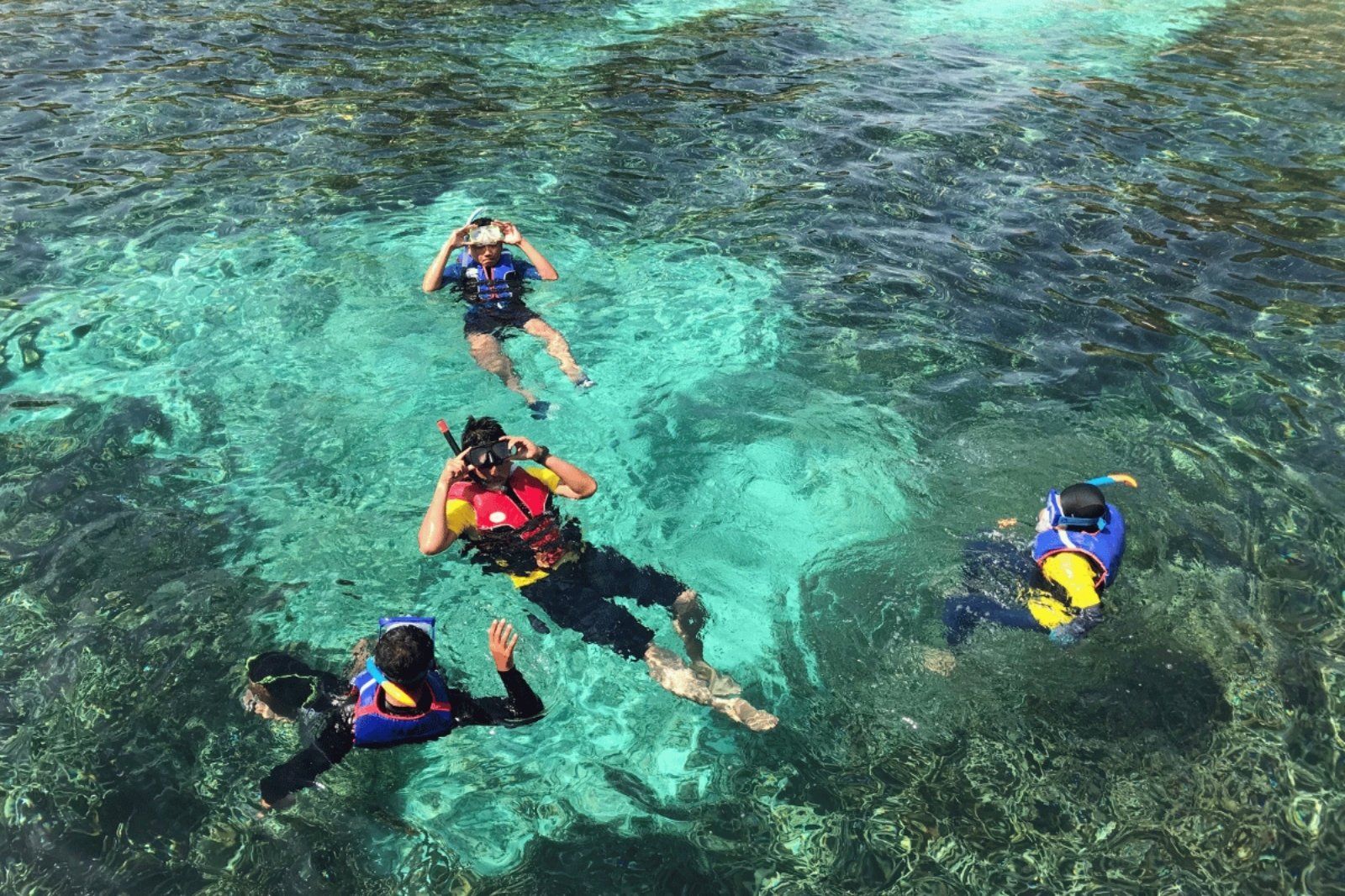
  • Bai Rang: One of the most pristine beaches, featuring natural rocky reefs and turquoise water, highly suitable for coral diving.
  • Black Rock Beach (Obama Rock Beach): Home to unique stacked black rock formations, calm waves, and impressive scenery, chosen by many visitors for check-ins and photos.
  • Bai Bac & Bai Nam: Around October – November of the lunar calendar, this area features abundant natural seaweed, creating a special landscape where mountain forests and the ocean meet.

Thanks to minimal impact from large-scale tourism operations, the beaches in Son Tra still maintain their pristine beauty. This makes the peninsula an ideal destination for eco-tourism and nature-friendly retreats when exploring Da Nang.

Swimming and coral diving
Photo: Swimming and coral diving.

7. Exciting ecotourism activities in Son Tra

Exploring Son Tra Peninsula goes beyond sightseeing or taking photos at scenic spots; it opens up many intimate experiences with wild nature. From primeval forest trekking, observing rare wildlife to exciting marine activities, visitors will have the opportunity to fully appreciate the signature ecological beauty of Da Nang's "green lung".

  • Observe the red-shanked douc langur: Trek along the 5 km excursion route (from Hoang Sa road to the Heritage Banyan Tree) to admire the "primate queen".
  • Coral diving & snorkeling: At Bai Rang or Bai Nam, explore the rich marine ecosystem.
  • Forest hiking & trekking: Walk to explore the primeval forest, pick wild berries, admire orchids.
  • Camping & picnics: At pristine beaches (with shelter huts, BBQ grilling).
  • Bird watching & nature photography: Over 280 bird species, the calls of forest muntjacs.
  • Paragliding or jet skiing (at select beaches): Combined gently with conservation.

Important note: Always comply with conservation regulations (do not litter, do not disturb animals, stick to designated paths). Ideal time: February-August (dry season). Bring drinking water, sunscreen, and comfortable shoes.

Linh Ung Pagoda
Photo: Linh Ung Pagoda.

On the journey to explore Son Tra Peninsula, visitors not only bring back spectacular photos or memories of adventurous activities, but also deeply feel the value of a rare ecosystem – where forest and sea blend as one. Participating in a Son Tra Peninsula tour is not merely admiring famous landmarks, but also experiencing a natural and cultural heritage that deserves to be cherished. With careful preparation and a spirit of responsibility, your trip will not only be complete but also contribute to preserving the pristine beauty of Da Nang's "green lung", so this precious gem shines forever amidst the East Sea.

Loading......

Featured destinations