|

Back Home

Why You Must Eat Cao Lau When Visiting Hoi An: Decoding the Appeal of a Heritage Dish

Central

Da Nang

Hoi An

Sovaba.travel

Updated at: 28/08/2026

1. What is Hoi An Cao Lau?

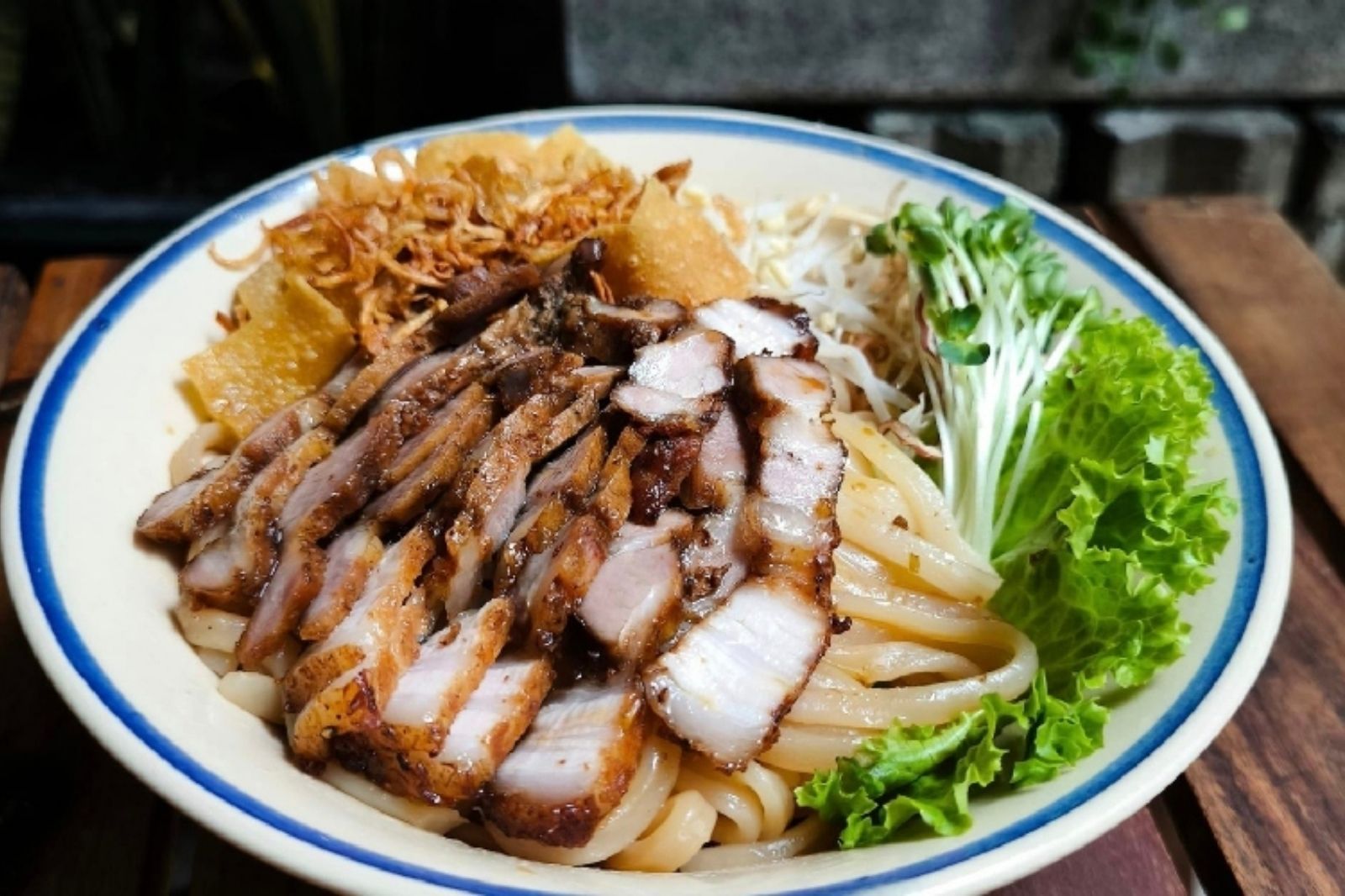
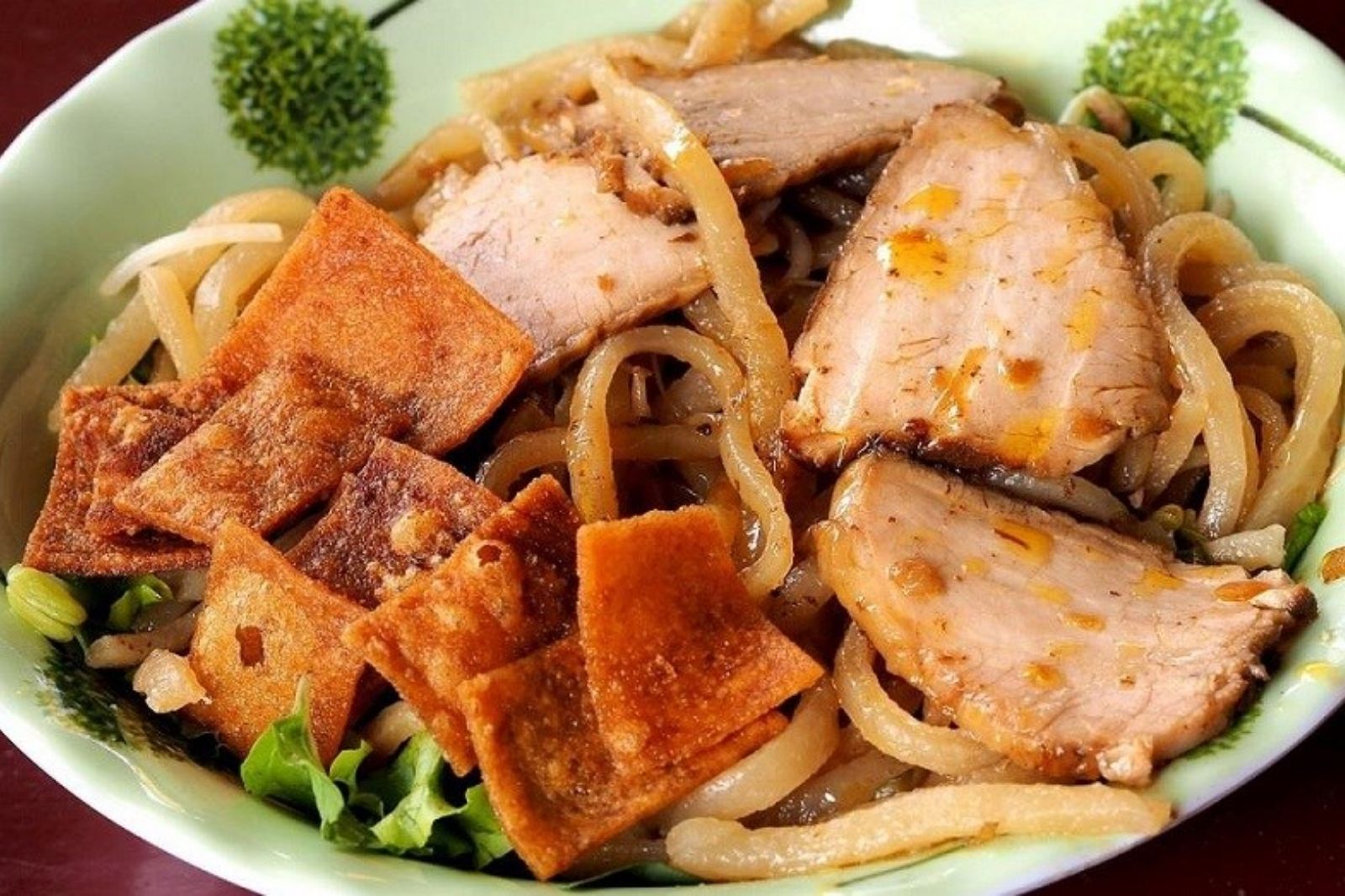
Cao Lau is a unique specialty noodle dish exclusive to Hoi An City (Quang Nam Province) and is considered the culinary symbol of the ancient town. Unlike Hanoi Pho or Northern Bun Cha, Cao Lau embodies the Central region's "dry noodle" style: golden-yellow, chewy and crispy noodles, minimal broth, served with rich, flavorful toppings and crisp fresh herbs.

A standard bowl of Cao Lau includes:

  • Noodles: A characteristic pale yellow color, about 10 cm long and 0.5 cm thick, chewy yet not tough, and non-sticky.
  • Char siu pork (thịt xíu): Marinated lean pork thigh, deeply flavorful, tender, and subtly sweet.
  • Pork cracklings / crispy fried pork skin: Crunchy, aromatic, and rich.
  • Fresh herbs: Blanched bean sprouts, aromatic herbs, Thai basil, and mint (often sourced from the famous Tra Que Vegetable Village).
  • Broth/Sauce: Very little, just enough to coat the noodles with flavor (taken from the pork marinating liquid).
  • Accompaniments: Spicy-sweet green chili, crushed roasted peanuts, and occasionally fresh shrimp.

Cao Lau is usually served piping hot right after blanching, offering a sensation that is both elegant and rich—truly encapsulating the refined, subtle, yet unforgettable culinary style of Hoi An.
Cao Lau is a specialty dish of the ancient town
Photo: Cao Lau is a specialty dish of the ancient town  

2. The origin and history of Hoi An Cao Lau

Cao Lau originated in the 17th century when Hoi An was the most bustling international trading port in Southeast Asia. Merchant ships from China, Japan, and Europe flocked here continuously. It was this cultural exchange that gave birth to this unique dish.

  • The Chinese brought char siu techniques and five-spice marinade.
  • The Japanese influenced the firm, chewy noodles (resembling udon).
  • Local Vietnamese adapted it using native ingredients: Quang Nam rice, cajeput wood ash, and ancient well water.

Initially, the dish was called "mi go" (wooden noodles) because the noodles were dry and easy to store, making them suitable for townspeople. Over time, people began calling it Cao Lau, originating from the Chinese phrase "cao luong my vi" (delicacy of the highest order), or because the dish was often served on the high floor (cao lau) of two-story eateries, where diners could enjoy their meal while admiring the bustling lantern-lit streets below. Cao Lau is not purely Chinese nor Japanese; it is a creative invention of Hoi An locals over centuries of refining and combining the culinary highlights of three cultures. To this day, it remains truly "authentic" only in Hoi An and is indirectly recognized by UNESCO through the cultural heritage values of the Ancient Town.

3. What gives Hoi An Cao Lau its signature flavor?

The flavor of Hoi An Cao Lau is a perfect balance of chewiness, rich savoriness, and freshness. Neither too salty nor too sweet, this dish conquers diners with its subtle refinement, where every ingredient plays an essential role. The secret lies in the harmonious combination creating an irresistible attraction—a single bowl of Cao Lau can leave an unforgettable impression.

What makes Cao Lau noodles special compared to other noodles?

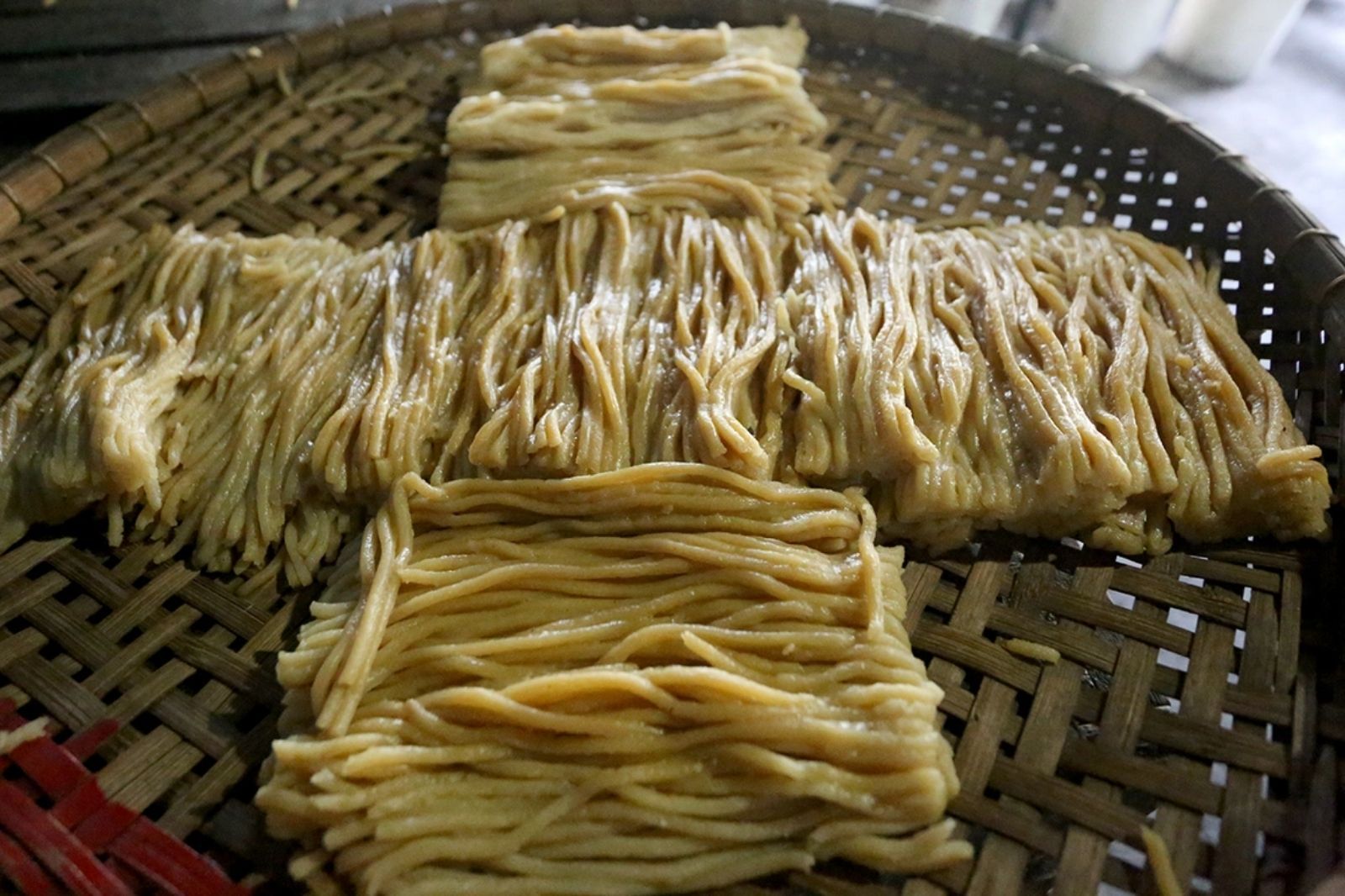
Cao Lau noodles are the "soul" of the dish, completely different from Mi Quang or standard noodles. Made from rice flour soaked in ash water (from wood ash sourced from Cham Island), the noodles have a pale yellow color, a firm and springy chew, and a subtle smoky undertone. Unlike soft Mi Quang noodles made from ordinary rice flour, Cao Lau noodles are firmer and more opaque due to the ash-soaking and multi-step steaming process, creating a unique elasticity and crunch. Compared to Japanese udon noodles, they are thinner yet similarly chewy; compared to Chinese noodles, they are less greasy, focusing on freshness. The preparation is intricate: rice is soaked in ash water, ground into flour, rolled thin, cut into strands, then steamed and dried—requiring skilled techniques to preserve the crunch.

Cao Lau noodles
Photo: Cao Lau noodles  

Ingredients for Cao Lau

The main ingredients of Cao Lau include:

  • Cao Lau noodles: 500g, made from rice flour, all-purpose flour, and tapioca starch, soaked in ash water to create chewiness.
  • Pork: 300-500g pork thigh or shoulder, marinated with five-spice powder, soy sauce, minced garlic, and sugar, then roasted or simmered into rich char siu.
  • Pork cracklings: Made from deep-fried pork skin, adding rich crunchiness.
  • Accompanying fresh herbs: Lettuce, Thai basil, culantro, blanched bean sprouts
  • Broth/Sauce: Derived from the char siu simmering pan juices, enhanced with onion, garlic, and seasonings, ladled just enough to flavor the noodles.

Preparation: The noodles are quickly blanched, topped with sliced char siu pork, sprinkled with pork cracklings and fresh herbs, then drizzled with broth. This dish does not use a bowl full of soup like Pho, focusing instead on the harmony between distinct flavor layers.

4. Why does Cao Lau only taste authentic when eaten in Hoi An?

Although many places attempt to replicate it, Cao Lau is only truly "authentic in flavor" when eaten in Hoi An due to unique local elements. First is the ash water from plants on Cham Island (Cu Lao Cham), which creates an alkalinity that gives the noodles an unmatched chewy-crisp texture. Second is the ancient Ba Le Well water with its unique mineral properties, used for kneading dough and cooking, bringing a pure taste. Hoi An's climate—humid and cool—also affects the dough fermentation and noodle drying process. Fresh local ingredients like Quang Nam pork and aromatic herbs from Tra Que Vegetable Village add depth to the flavor profile. Outside Hoi An, the dish often loses this refinement, becoming bland or lacking crispness. That is why travelers often say: "Eating Cao Lau in Hoi An is the only true experience."

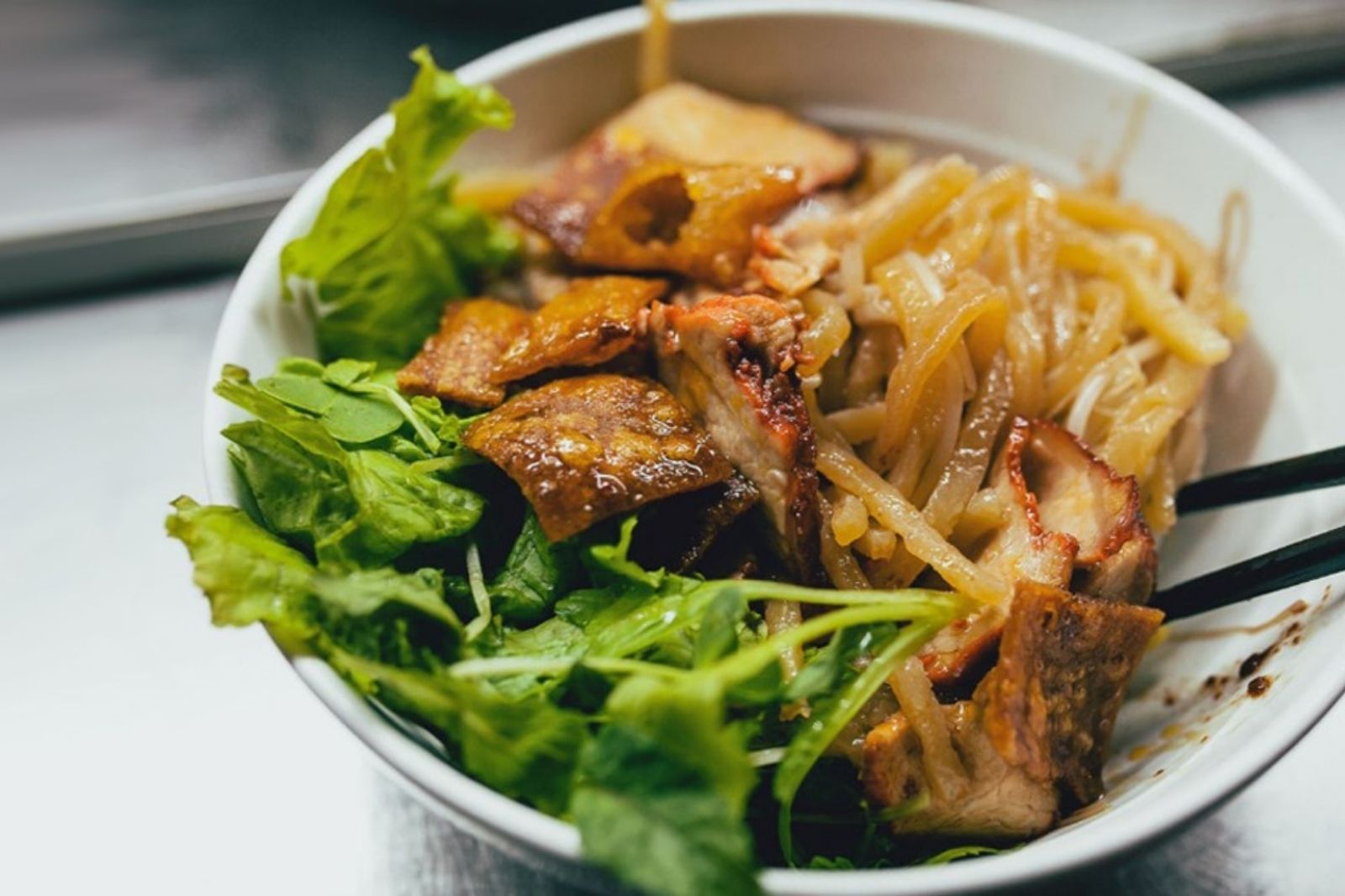
Eating Cao Lau in Hoi An offers a special feeling
Photo: Eating Cao Lau in Hoi An offers a special feeling 

5. Famous Cao Lau restaurants in Hoi An loved by locals

Hoi An locals usually favor long-standing eateries that preserve traditional recipes. Below are several prominent addresses based on reviews from travelers and locals alike:

  • Quan Ba Be (Hoi An Market): Located inside the ancient market, this small stall is always busy thanks to its flavorful broth and well-marinated meat. Price is around 40,000–50,000 VND/bowl. It is a local favorite for its reasonable price and authentic taste.
  • Quan Trung Bac (88 Thai Phien): Over 100 years old, serving Cao Lau with crispy noodles and tender char siu pork. Locals often visit for its ancient ambiance and heirloom recipes.
  • Quan Khong Gian Xanh (687 Hai Ba Trung): Affordable and clean, famous for fresh greens and crunchy pork cracklings. Though it can be warm at noon, it remains crowded due to its authentic flavor, priced around 35,000 VND.
  • Quan Cao Lau Ong Lau (28 Thai Phien): Loved for its savory char siu pork and chewy noodles. Frequently recommended by locals to friends.
  • Quan Ba Le (49/3 Tran Hung Dao): A small alley eatery famous for its peaceful setting and fresh, delicious Cao Lau. A popular choice for locals wishing to avoid tourist crowds.
Enjoying Cao Lau at a local eatery
Photo: Enjoying Cao Lau at a local eatery 

Cao Lau is not only a familiar dish in Hoi An's culinary life, but also a symbol of the formation and evolution of a heritage town. The value of Cao Lau lies in the harmonious combination of local ingredients, traditional cooking techniques, and the unique cultural context of the Ancient Town. Enjoying Hoi An Cao Lau is therefore not merely a food experience, but a way to connect with and better understand the historical depth, identity, and spirit of this land. This explains why, on any journey to discover Hoi An, Cao Lau is always the first dish mentioned and one that is truly irreplaceable.

Loading......

Featured destinations