Chợ Lớn
TRAVEL GUIDECho Lon (Big Market)

In the heart of vibrant and modern Ho Chi Minh City, Cho Lon still retains its own unique charm with ancient temples, century-old assembly halls, bustling markets, and distinctive Chinese-Vietnamese cuisine. Not only is it the long-standing commercial hub of Vietnam's largest Chinese community, Cho Lon is also an attractive destination for those who love to explore culture, history, and local daily life. Every street and architectural work here harbors fascinating stories about the formation and development of a district that has existed for over three centuries in the heart of Saigon.

If you are planning to visit Cho Lon but don't know where to start, where to go, what to eat, or what to keep in mind for a complete trip, the article "A-Z Detailed Cho Lon Travel Guide" will be your helpful companion. From transportation tips, ideal times to visit, highlighted attractions, must-try dishes, to itinerary suggestions and quality travel tours, everything will be fully compiled in this article, helping you easily and fully explore the unique cultural fusion of Cho Lon.
Where is Cho Lon Located?

Cho Lon is located in the southwestern part of Ho Chi Minh City, primarily in Cho Lon Ward (District 5) and extending into parts of District 6, District 10, and District 11. The most bustling area is concentrated around major thoroughfares such as Nguyen Trai, Tran Hung Dao, Hai Thuong Lan Ong, Lao Tu, and the Tau Hu Canal.

  • Location: About 5-6 km from the center of District 1 (Ben Thanh), easily accessible within 15-30 minutes.

This is the largest Chinatown in Vietnam, populated mainly by Chinese-Vietnamese communities from Guangdong, Fujian, Chaozhou, Hainan, and other regions. The bustling atmosphere, red lanterns, Chinese calligraphic signage, and inviting culinary aromas spread everywhere.

Cho Lon is an area densely populated by Chinese-Vietnamese people
Photo: Cho Lon is an area densely populated by Chinese-Vietnamese people 

History and Remarkable Cultural Heritage of Cho Lon

Cho Lon was established in the late 18th century (around 1778–1779), when a group of Chinese settlers (mainly from Fujian and Guangdong) migrated to escape the Tay Son war and settled along the Tau Hu Canal. Initially a small trading area, it was recognized by the French as a separate city (Ville de Cholon) in 1865. Between the 1930s and 1950s, Cho Lon gradually merged with Saigon to form the Saigon - Cho Lon Region.

Key cultural highlights:

  • Architecture: Chinese-style shophouses, tiled roofs, assembly halls featuring intricate carvings, ceramic statues, and incense burners.
  • Beliefs & Spirituality: A system of assembly halls and temples dedicated to Mazu, Guanyin, Lord Guan, serving as spiritual centers for the community.
  • Economy: A major commercial hub, wholesale markets, and specialized streets (traditional herbal medicine, fabrics, lanterns, stationery).
  • Festivals: Tet Nguyen Tieu (Lantern Festival), Thien Hau Temple Festival, and Ong Bon Temple Festival with vibrant lion dances and palanquin processions.

The harmonious blend of historical elements, culture, and contemporary life has made Cho Lon a living testimony to the sustainable co-existence and development of the Vietnamese and Chinese communities, as well as an unmissable destination for those seeking to explore the cultural depth of Ho Chi Minh City.

Guide on the Most Convenient Ways to Get to Cho Lon

Thanks to its location not far from the center of Ho Chi Minh City, traveling to Cho Lon is quite convenient with various means of transportation suitable for both domestic and international tourists. Depending on your starting point, time, and travel preferences, you can choose an appropriate mode of transport to start exploring this famous Chinatown.

From District 1 center:

  • Motorbike, taxi, or Grab: Takes only about 15 – 20 minutes via major thoroughfares such as Tran Hung Dao or Nguyen Trai, which is very convenient and flexible in terms of timing.
  • Bus: Bus routes 01, 23, 56, 62-8, 103... all have stops near the Cho Lon area, helping travelers save costs and easily reach attraction spots.

From Tan Son Nhat International Airport:

  • Taxi or Grab: Travel time takes about 30 – 40 minutes, depending on traffic conditions.
  • Bus: Travelers can take route 119 from the airport and transfer to appropriate bus lines to reach Cho Lon.

For a more comfortable sightseeing experience, visitors are advised to visit Cho Lon in the early morning or late afternoon to avoid hot weather and traffic congestion. For families or groups of friends, using private vehicle services or booking a Cho Lon discovery tour with Sovaba Travel will help optimize time while offering a deeper insight into the history, culture, and unique values of Vietnam's oldest Chinatown.

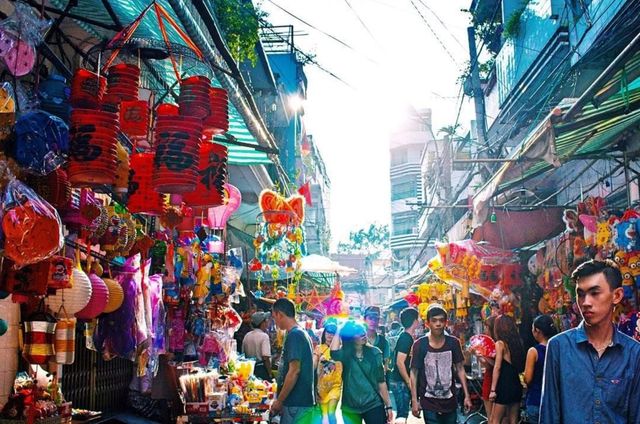
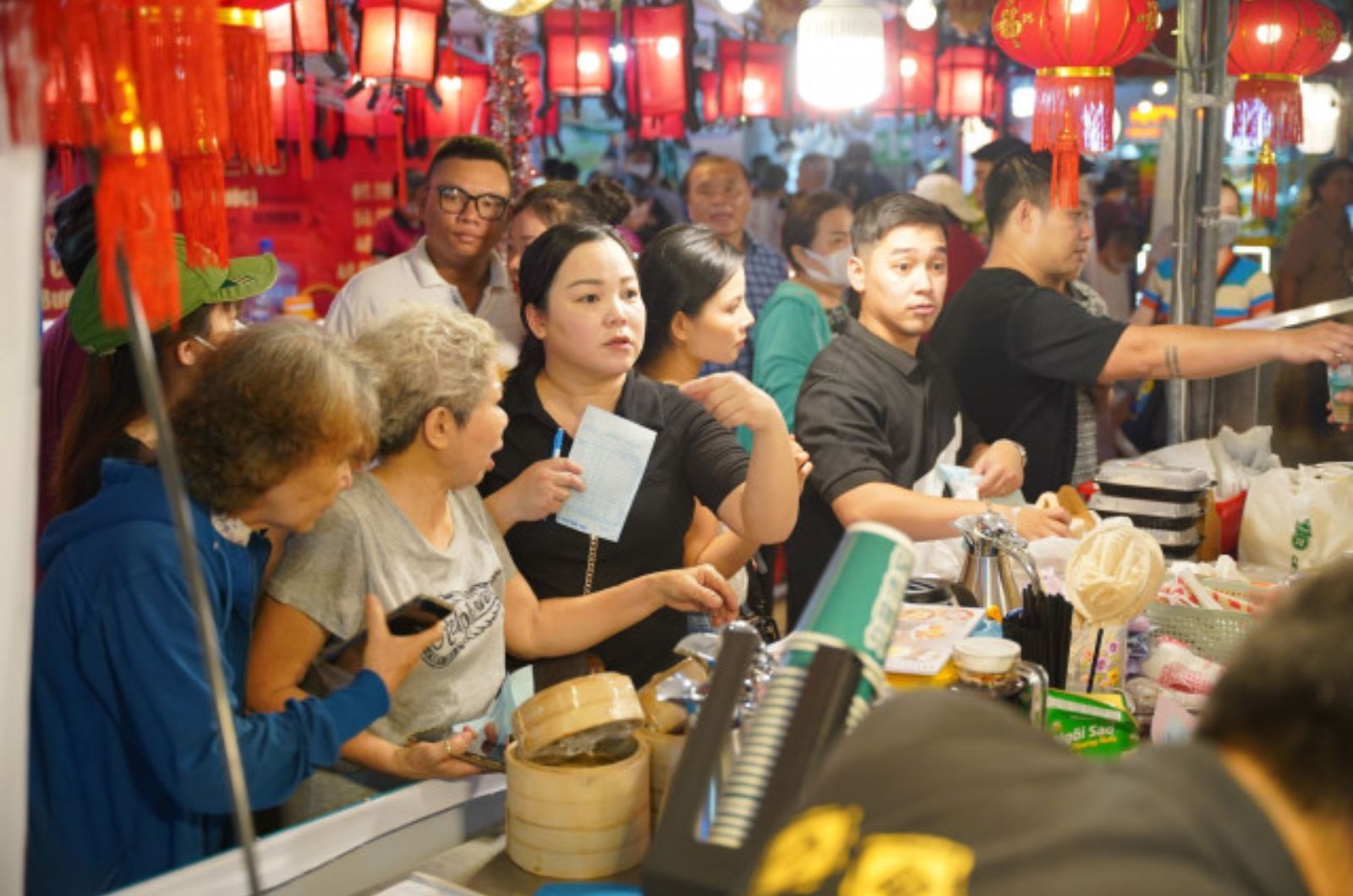
Bustling atmosphere in Cho Lon
Photo: Bustling atmosphere in Cho Lon  

Top Destinations You Shouldn't Miss in Cho Lon

Cho Lon possesses many architectural works, historical sites, and unique cultural spaces, creating a distinct charm in the heart of Ho Chi Minh City. Each destination not only holds aesthetic value but also preserves stories linked to the formation and growth of the Chinese community in Vietnam. If visiting Cho Lon, travelers shouldn't miss the following iconic landmarks:

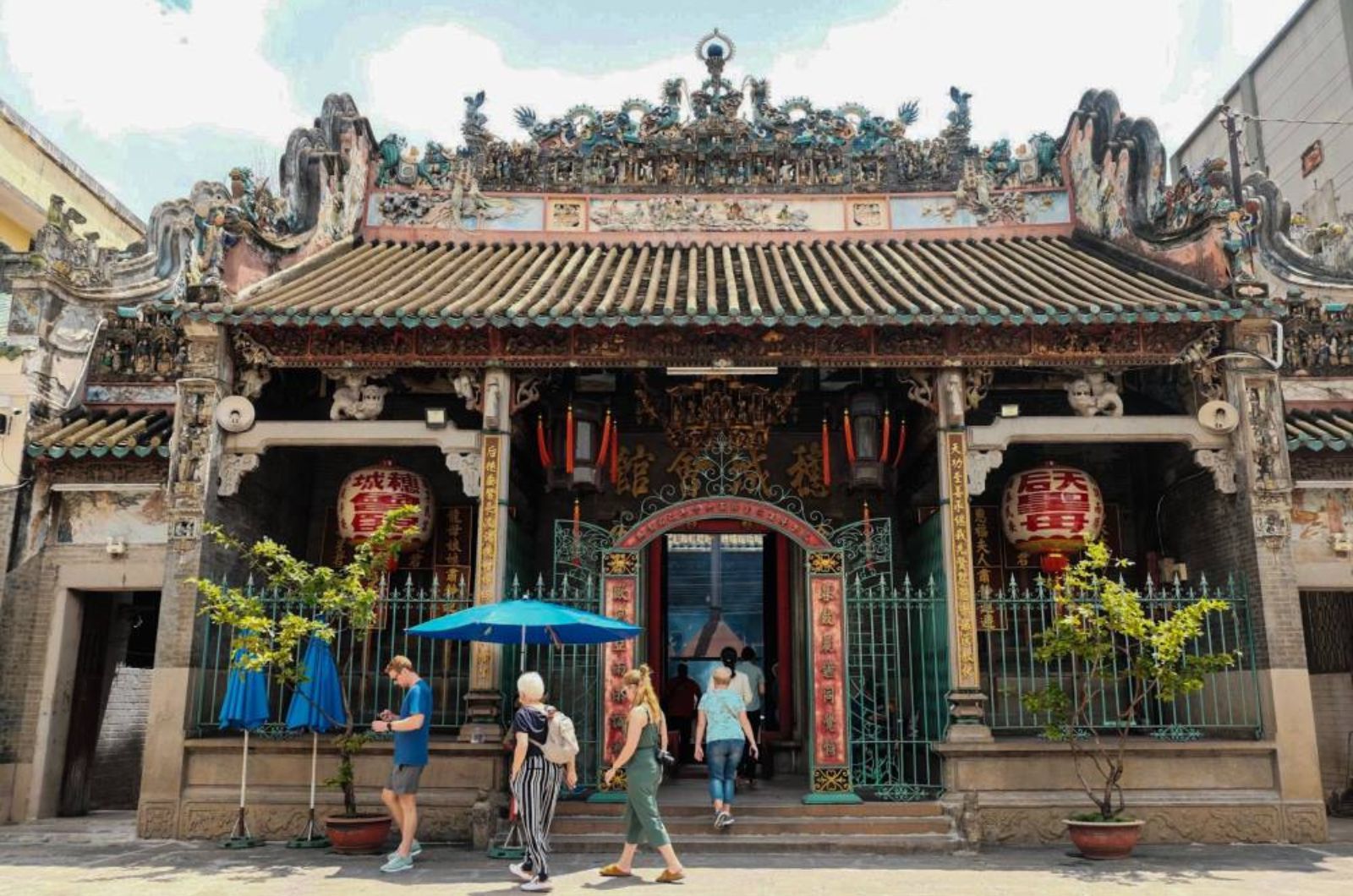
  • Tue Thanh Assembly Hall (Ba Thien Hau Pagoda) – 710 Nguyen Trai: A national heritage site featuring the finest "Quoc" character architectural layout, dedicated to Mazu. Highlights include ceramic relief carvings and giant incense coils.
  • On Lang Assembly Hall (Quan Am Pagoda) – 12 Lao Tu: Nearly 300 years old, featuring a tranquil skylight courtyard and pond, dedicated to Guanyin and Mazu.
  • Nhi Phu Temple (Ong Bon Temple) – 264 Hai Thuong Lan Ong: Dedicated to Te Thien Dai Thanh (Monkey King) and Bon Dau Cong, showcasing distinct Fujian architecture.
  • Binh Tay Market: A major wholesale market with unique Sino-French architecture, offering a wide range of wholesale and retail goods.
  • President Ho Chi Minh Memorial House – 5 Chau Van Liem: Where President Ho Chi Minh stayed before departing to seek a way for national salvation.
  • Other spots: Ha Chuong, Nghia An, Phuoc An Assembly Halls, Dong Khanh Commercial Center, lantern street, fabric street.

For the most complete experience, travelers should spend about half a day to a full day taking a leisurely walk through the assembly halls, markets, and iconic streets of Cho Lon.

Visiting architectural works
Photo: Visiting architectural works 

Unique Chinese Cultural Experiences in Cho Lon

One of Cho Lon's special attractions is the opportunity for travelers to access and experience Chinese cultural values that have been preserved intact across generations. Going beyond simply visiting ancient architectural works, the journey to explore Cho Lon opens doors bringing visitors closer to spiritual life, customs, and the daily rhythm of the Chinese community in Ho Chi Minh City.

Visitors can participate in traditional spiritual rituals such as offering incense to pray for peace at centuries-old assembly halls and temples, or watch spectacular lion and dragon dance performances during festivals. In addition, strolling through famous specialty streets such as Hai Thuong Lan Ong traditional medicine street, Soai Kinh Lam fabric market street, or Luong Nhu Hoc lantern street offers many enjoyable experiences, from shopping and photo opportunities to learning about traditional craft heritage. To get a closer feel of the local culture, visitors can chat with local residents and observe the vibrant trading activities taking place from early morning till late at night. In particular, if visiting Cho Lon during Tet Nguyen Tieu (Lantern Festival on the 15th of the 1st lunar month) or the Ba Thien Hau Festival (23rd day of the 3rd lunar month), you will be immersed in a festive atmosphere with palanquin processions, resounding lion drums, and unique traditional cultural activities. 

It is these authentic experiences that make Cho Lon an ideal destination for those wishing to explore deep cultural roots right in the heart of a modern metropolis without having to travel far.

What to Eat When Visiting Cho Lon?

When talking about Cho Lon, one cannot overlook its rich and long-standing Chinese cuisine, where traditional flavors preserved across generations come together.

Must-try dishes:

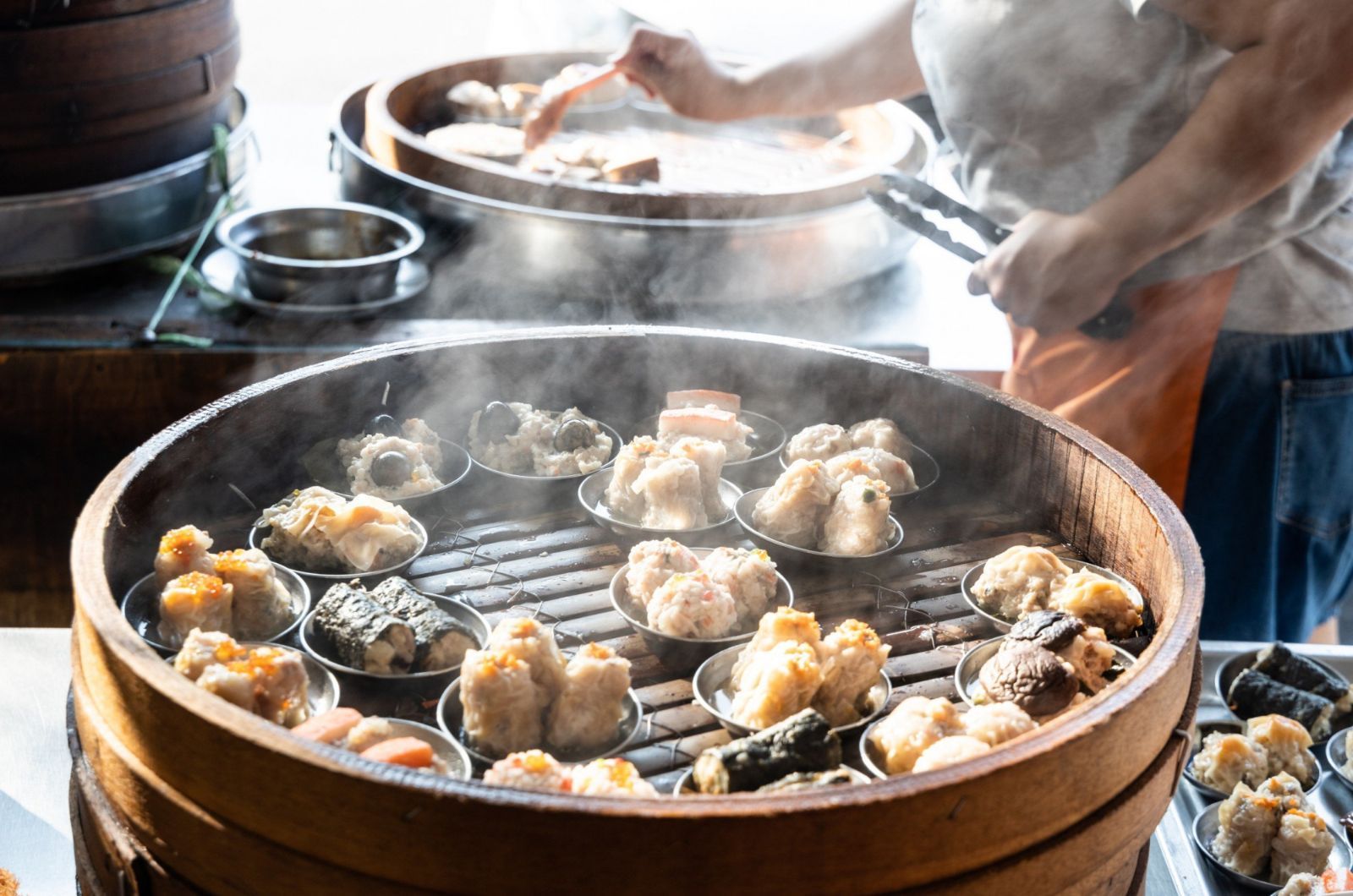
  • Dim Sum & Dumplings: Kieu Ky Dumplings (43 Lao Tu), Tan Nguyen Thai Dim Sum, or Mr. Hao.
  • Dong Nguyen Chicken Rice: A family recipe since 1945, famous for crispy fried chicken rice.
  • Noodles & Hu Tieu: Hoa Ky Noodle Soup, hand-pulled noodles, pork rib hu tieu.
  • Other dishes: Yang Zhou fried rice, Mapo tofu, roasted pork, roasted duck, pha lau (stewed offal), herbal egg sweet soup, Tang bread.
  • Sweets: Chinese dessert sweet soups, black sesame soup, soy milk.

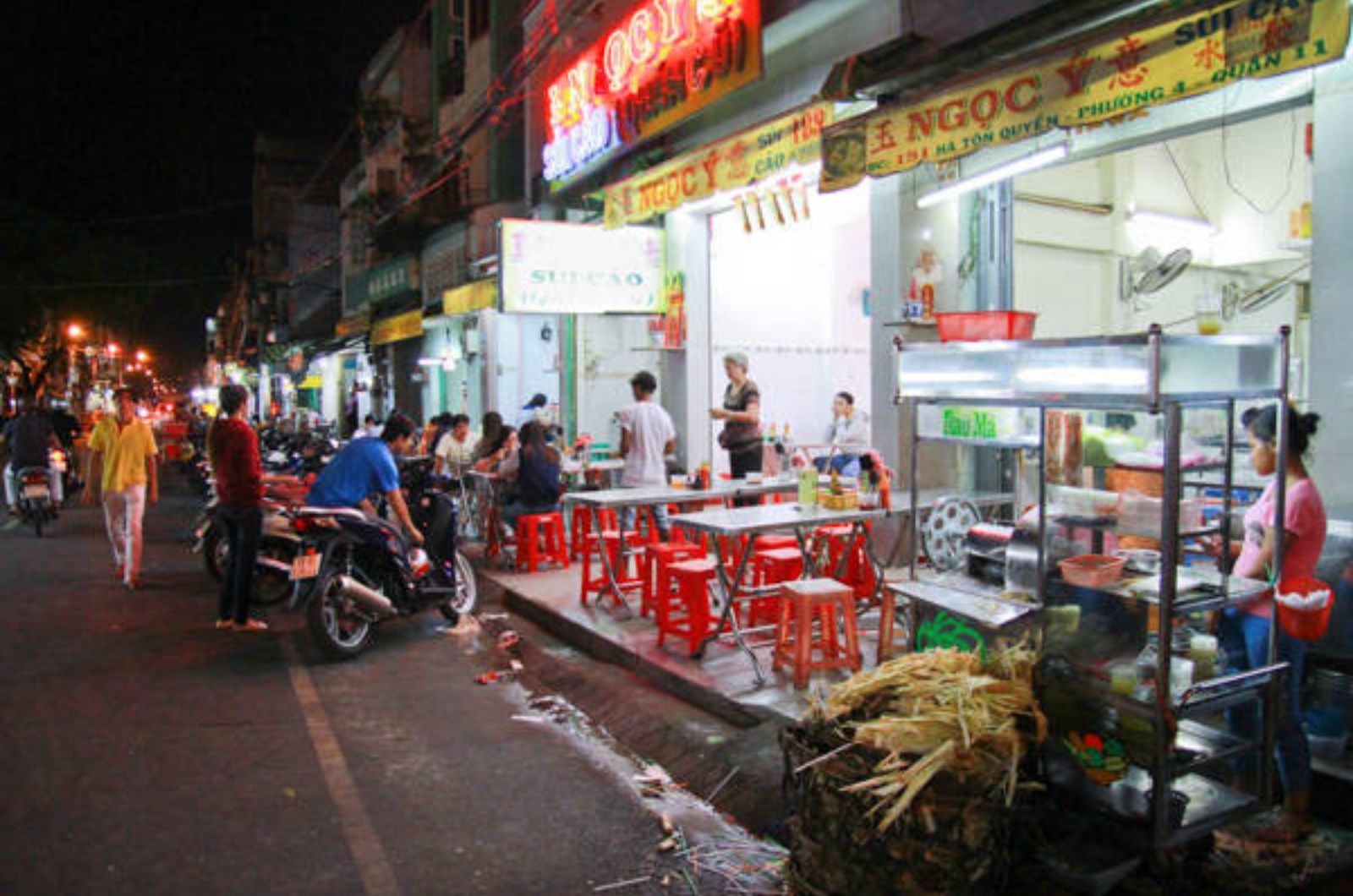
Suggested addresses: Dong Nguyen Chicken Rice, Ai Hue, street stalls around Phung Hung and Lao Tu streets. Having dim sum for breakfast, rice for lunch, and dim sum or hot pot for dinner makes a perfect schedule.

Tip: Try time-honored family recipes and select busy eateries to ensure freshness and hygiene.

Enjoying Dim Sum at long-standing eateries
Photo: Enjoying Dim Sum at long-standing eateries 

Cho Lon is not only a bustling area of Ho Chi Minh City but also a place that preserves the valuable historical, cultural, and culinary heritage of the Chinese community across generations. From ancient assembly halls, sacred temples, and lively markets to dishes rich in traditional flavors, every experience in Cho Lon helps travelers gain a deeper understanding of the unique cultural blend that forms this land's distinct identity. Whether visiting for the first time or returning many times, Cho Lon always offers new things and fascinating stories waiting to be discovered. We hope this comprehensive A-Z Cho Lon travel guide will serve as a helpful companion, making it easy for you to plan a complete and unforgettable trip.

Articles related to Cho Lon (Big Market)