|

Back Home

Cố đô Hoa Lư
TRAVEL GUIDEHoa Lu Ancient Capital

Exploring Hoa Lu Ancient Capital is an ideal journey for those who love sacred, ancient historical spaces imbued with the identity of Vietnam's first capital. From walking through the temples of Kings Dinh and Le, listening to the thousand-year echo still imprinted on each stone slab, to the moment of standing quietly in the majestic limestone valley surrounded on three sides, a self-guided trip to Hoa Lu Ancient Capital always brings a deep, sacred, and national pride-filled feeling.

In this handbook from Sovaba Travel, you will find detailed guides on prominent stops such as King Dinh Tien Hoang Temple, King Le Dai Hanh Temple, Nhat Tru Pagoda, Am Tien Cave (Tuyet Tinh Coc), along with suggestions for a complete and full day itinerary. In addition, do not miss self-guided Hoa Lu travel experiences such as opening hours, entrance fees, the ideal time to explore, as well as how to combine Hoa Lu – Trang An – Tam Coc to optimize your Ninh Binh exploration journey.
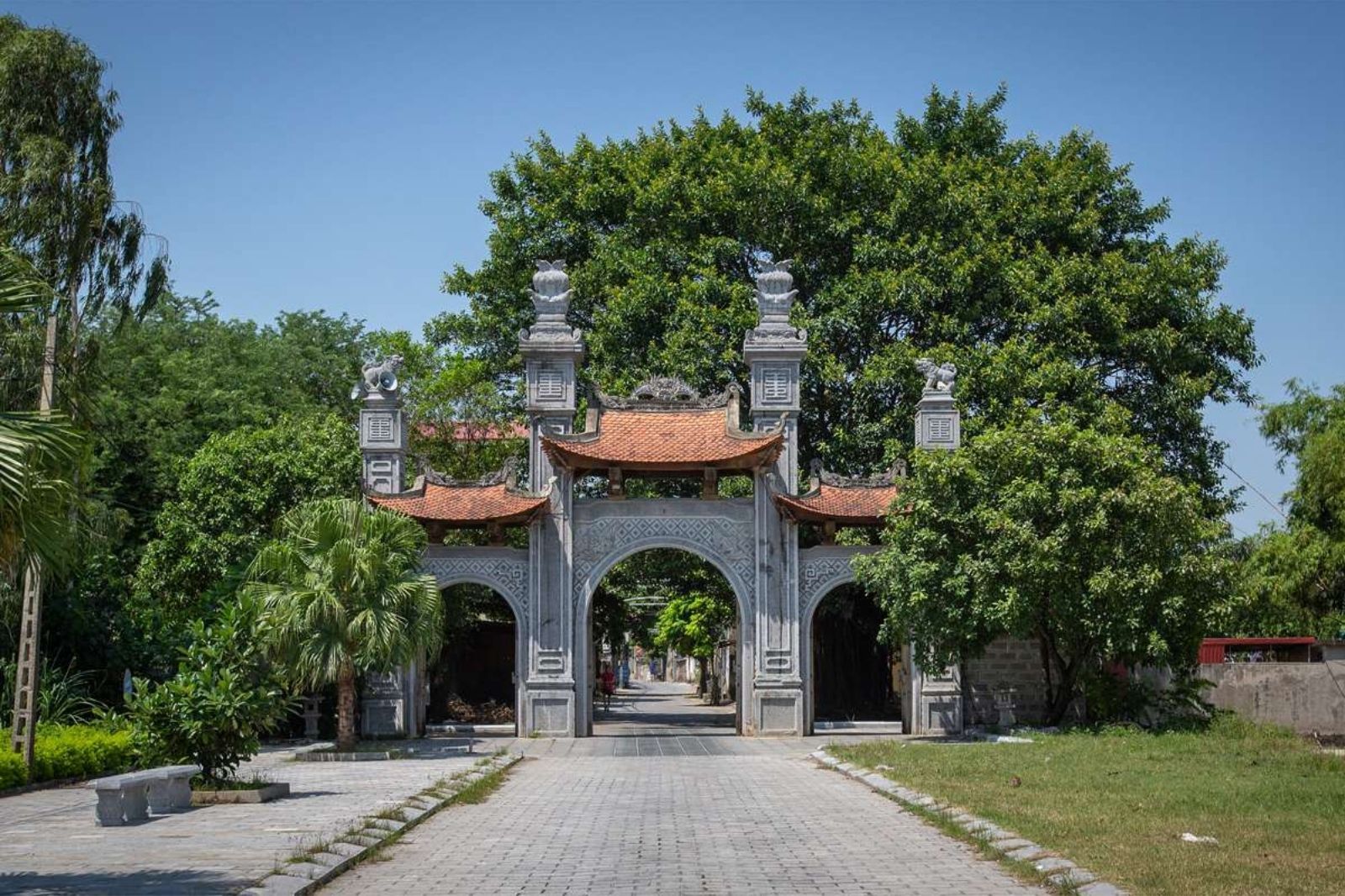
Introduction to Hoa Lu Ancient Capital

Hoa Lu Ancient Capital (Truong Yen Commune, Hoa Lu District, Ninh Binh Province) is one of the most important historical sites in Vietnam, located about 8–10 km northwest of central Ninh Binh City and approximately 90–100 km from Hanoi. It served as the first capital of the Dai Co Viet state during 968–1010, spanning three dynasties: Dinh, Early Le, and Ly, marking a vital turning point in the nation's history of country building and defense.

In 2014, the Hoa Lu Ancient Capital relic complex was recognized as one of the four core zones of the Trang An Landscape Complex—a UNESCO World Cultural and Natural Heritage site—confirming its outstanding universal value in both history and landscape. In addition to its profound historical significance, Hoa Lu impresses visitors with its harmonious natural beauty, featuring majestic karst mountain systems, romantic rivers, and peaceful rural scenery. Visiting Hoa Lu, travelers can admire ancient architecture while gaining a vivid sense of a glorious era in Vietnamese national history.

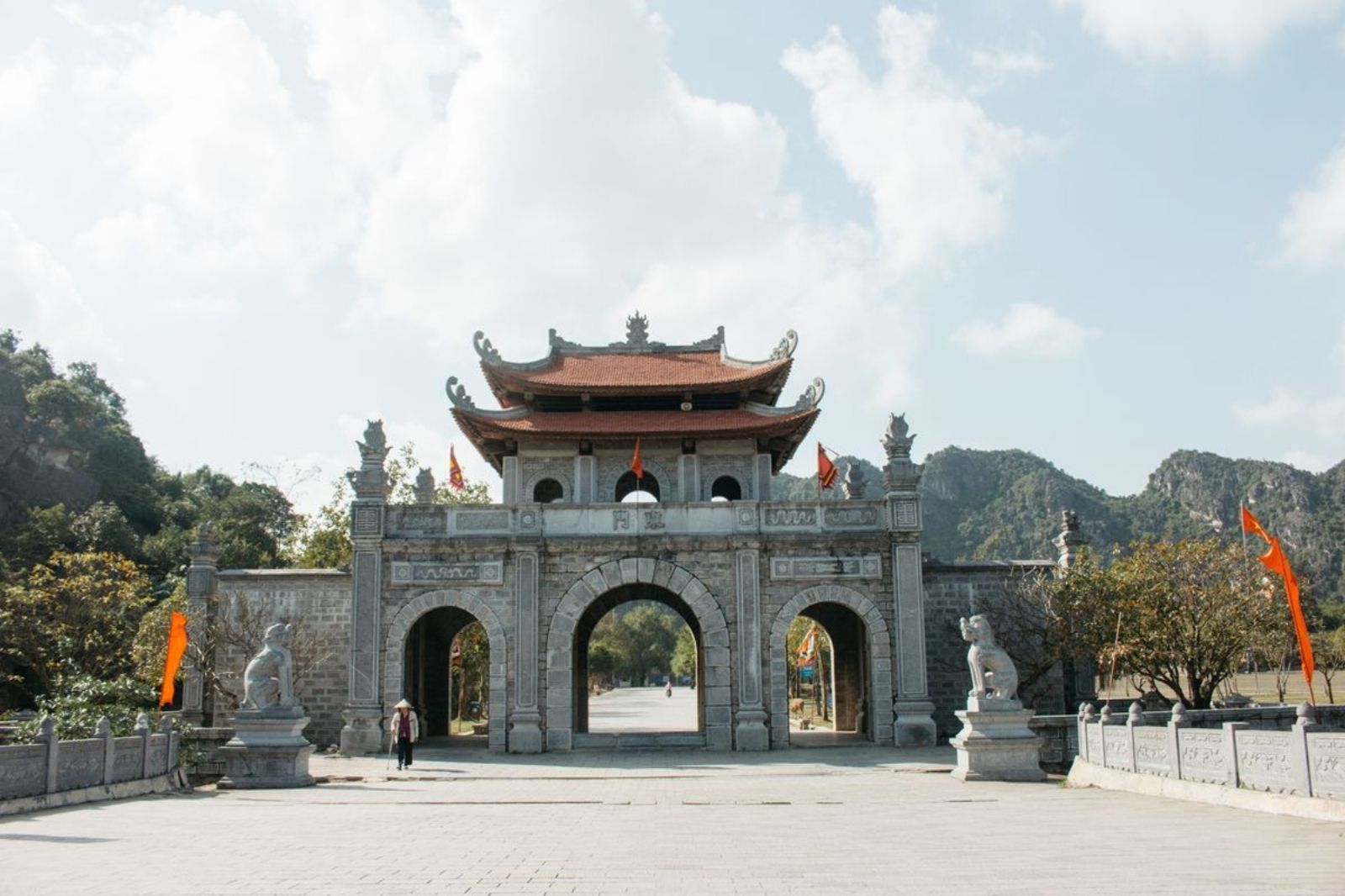
Hoa Lư là kinh đô đầu tiên của nước Đại Cồ Việt
Photo: Hoa Lu was the first capital of Dai Co Viet 

History of Hoa Lu Ancient Capital

Hoa Lu Ancient Capital is not only the first capital of Vietnam's centralized feudal state, but also a landmark witnessing key transformations in national history. Through each era, this land hosted groundbreaking events that laid the foundation for the long-term development of the country.

Key Historical Milestones

  • 968: Dinh Bo Linh (Dinh Tien Hoang) quelled the rebellion of 12 warlords, unifying the country after over 1,000 years of Northern domination. He ascended the throne as Emperor, named the country Dai Co Viet, and selected Hoa Lu as the capital.
  • 980–1009: The Early Le Dynasty under King Le Dai Hanh (Le Hoan) consolidated the nation, defeated the Song invaders, pacified Champa, and constructed large-scale palace complexes.
  • 1009–1010: Ly Cong Uan (Ly Thai To) ascended the throne and issued the Edict on the Transfer of the Capital to Thang Long (Hanoi) in 1010, officially making Hoa Lu the Ancient Capital.

Scale and Architecture of the Ancient Capital

  • The capital was encircled by natural limestone mountain chains, creating natural defense zones known as the Eastern Citadel, Western Citadel, and Southern Citadel (Trang An).
  • A defensive wall system over 1,800 meters long combined with the Sao Khe River moat created a formidable stronghold.
  • Inside lay grand palace complexes and royal pavilions reflecting classic imperial court architecture.

Conservation and Development Values

  • After the relocation of the capital, subsequent dynasties continued to restore temples, pagodas, and tombs, preserving its historical values.
  • Hoa Lu gradually transformed into a "living museum", dynamically reflecting various developmental phases of Vietnamese history.
  • Today, the relic complex spans approximately 13.87 km², with dozens of structures maintaining remarkable cultural and architectural values.

With its rich history and diverse relic system, Hoa Lu Ancient Capital is not only a source of national pride, but also a crucial destination for travelers seeking a deeper connection to Vietnamese roots and identity.

How to Get to Hoa Lu, Ninh Binh

Hoa Lu boasts a convenient location with easy connections to major provinces and cities, especially Hanoi. Depending on your departure point and preferences, you can choose from several suitable transportation options below to optimize travel time and costs.

Getting There from Hanoi (about 100 km – 2 hours)

  • Passenger bus/limousine: Fares range from 100,000 to 150.000 VND per trip. Buses depart from stations like Giap Bat, My Dinh, or offer door-to-door pickup. Many premium limousine operators provide comfortable travel experiences.
  • Train: Stops at Ninh Binh Railway Station, ticket prices range from 90,000 to 230,000 VND on trains such as SE3, SE5, and SE7. Ideal for travelers preferring a safe and steady journey.
  • Motorbike / private car: Travel along the Phap Van – Cau Gie Highway – National Route 1A, then turn onto Trang An Road. The route is easy to navigate with beautiful views, perfect for those who enjoy flexibility.

Getting Around in Hoa Lu

  • Motorbike rental: Costs around 100,000 – 150,000 VND/day, convenient for exploring nearby attractions independently.
  • Electric buggy / motorbike taxi: Costs around 30,000 – 50,000 VND per ride, suitable for short distances.
  • Taxi / Grab: A convenient choice for groups or families, ensuring speed and comfort.

Overall, traveling to Hoa Lu is very flexible with various options tailored to every traveler—from budget to premium—making your heritage discovery trip effortless and complete.

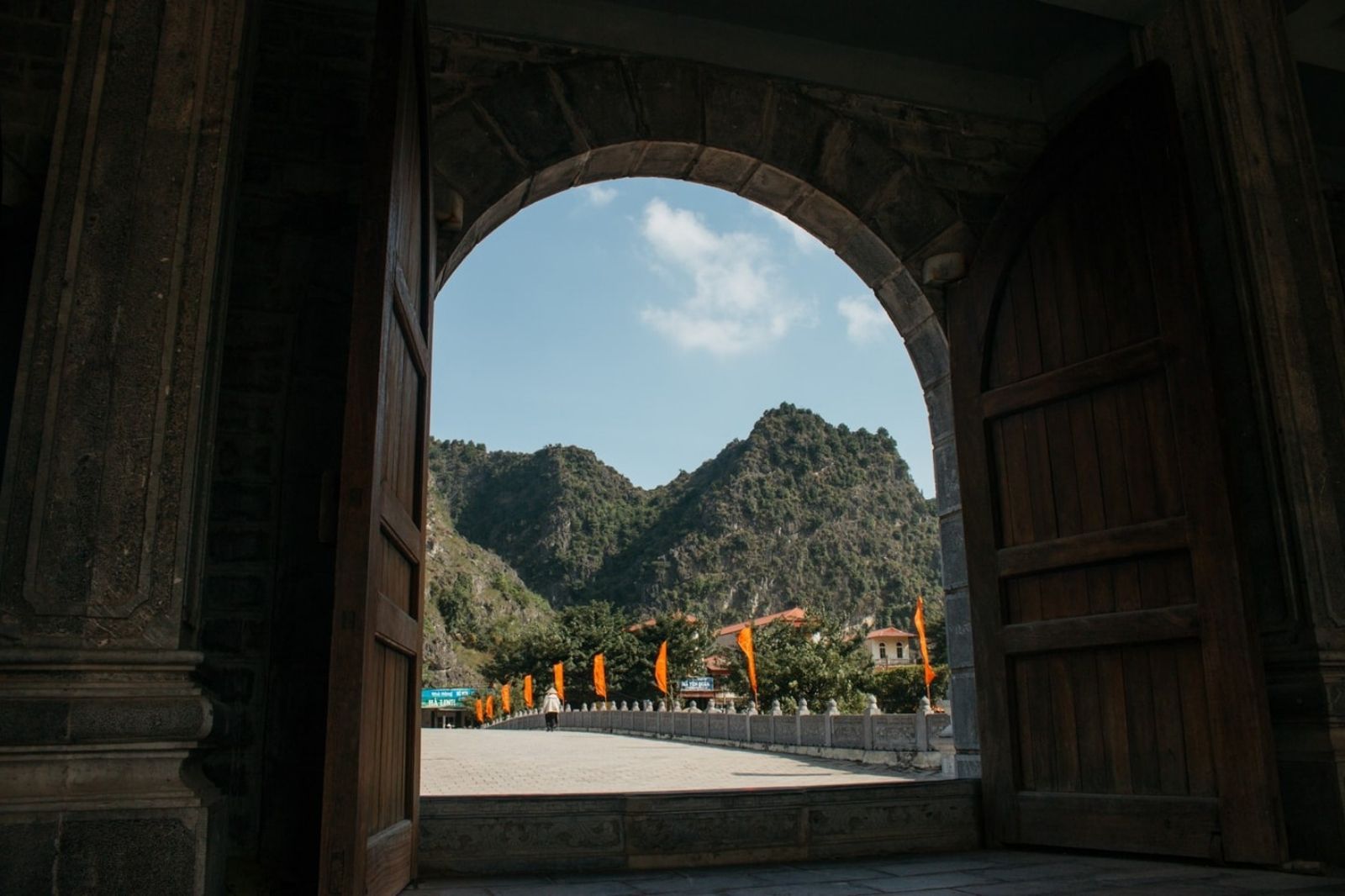
Những công trình mang dáng vẻ uy nghi của một thời
Photo: Majestic structures reflecting a glorious past 

Top Attractions in Hoa Lu Ancient Capital

Hoa Lu Ancient Capital appeals to visitors not only for its historical significance, but also for its rich variety of sights suitable for all types of travelers. Below is detailed information regarding entrance fees and iconic landmarks you shouldn't miss.

Ticket Information (2026)

  • Adults: 20,000 VND/person
  • Students: 10,000 VND/person
  • Children under 1m: Free

Main Attractions in the Relic Complex

  • King Dinh Tien Hoang Temple: The most prominent structure, built in the 17th century on the grounds of the former palace, backed by Ma Yen Mountain. Highlights include ancient architecture and detailed carvings on blue stone.
  • King Le Dai Hanh Temple: Located about 300–500 meters from King Dinh Temple, offering a tranquil atmosphere with an ancient moat behind, creating a harmonious and solemn setting.
  • Am Tien Cave (Tuyet Tinh Coc): Part of the Hoa Lu complex, enclosed by limestone mountains like a "natural fortress". Features crystal-clear water, a secluded landscape, and a modern tunnel cut through the mountain. Entrance fee: 20,000 VND.
  • Hoa Lu Old Town: A newly emerging attraction with free entrance. The space recreates the ancient capital with traditional tile-roofed houses, craft stalls, and folk art performances in the evening.
  • Other relics: Includes Nhat Tru Pagoda, Vuon Thien Shrine, Cau Den Stele, Bim Cave, Sao Khe River, and ancient palace foundations, enriching your historical exploration experience.

With affordable entrance fees and diverse attractions, Hoa Lu Ancient Capital is an ideal choice for combining historical discovery with natural exploration in Ninh Binh.

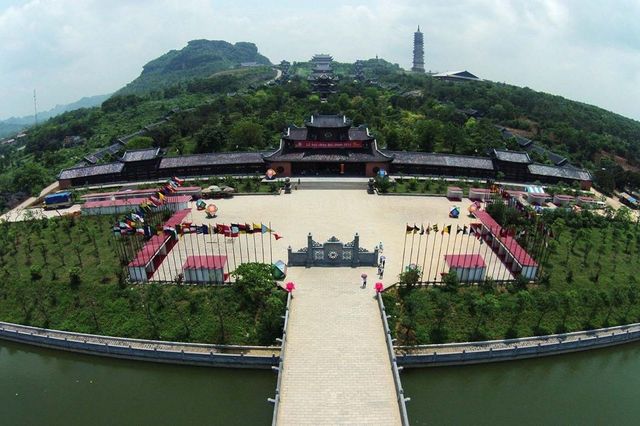
Nhiều công trình nổi bật ở cố đô Hoa Lư
Photo: Prominent structures in Hoa Lu Ancient Capital 

Specialty Cuisine in Hoa Lu Ancient Capital and Ninh Binh

Ninh Binh attracts visitors not only through majestic landscapes, but also with its distinct regional cuisine—especially dishes prepared from mountain goat meat, as goats graze naturally on limestone hills, giving the meat a firm texture and distinctive flavor.

Famous Local Specialties

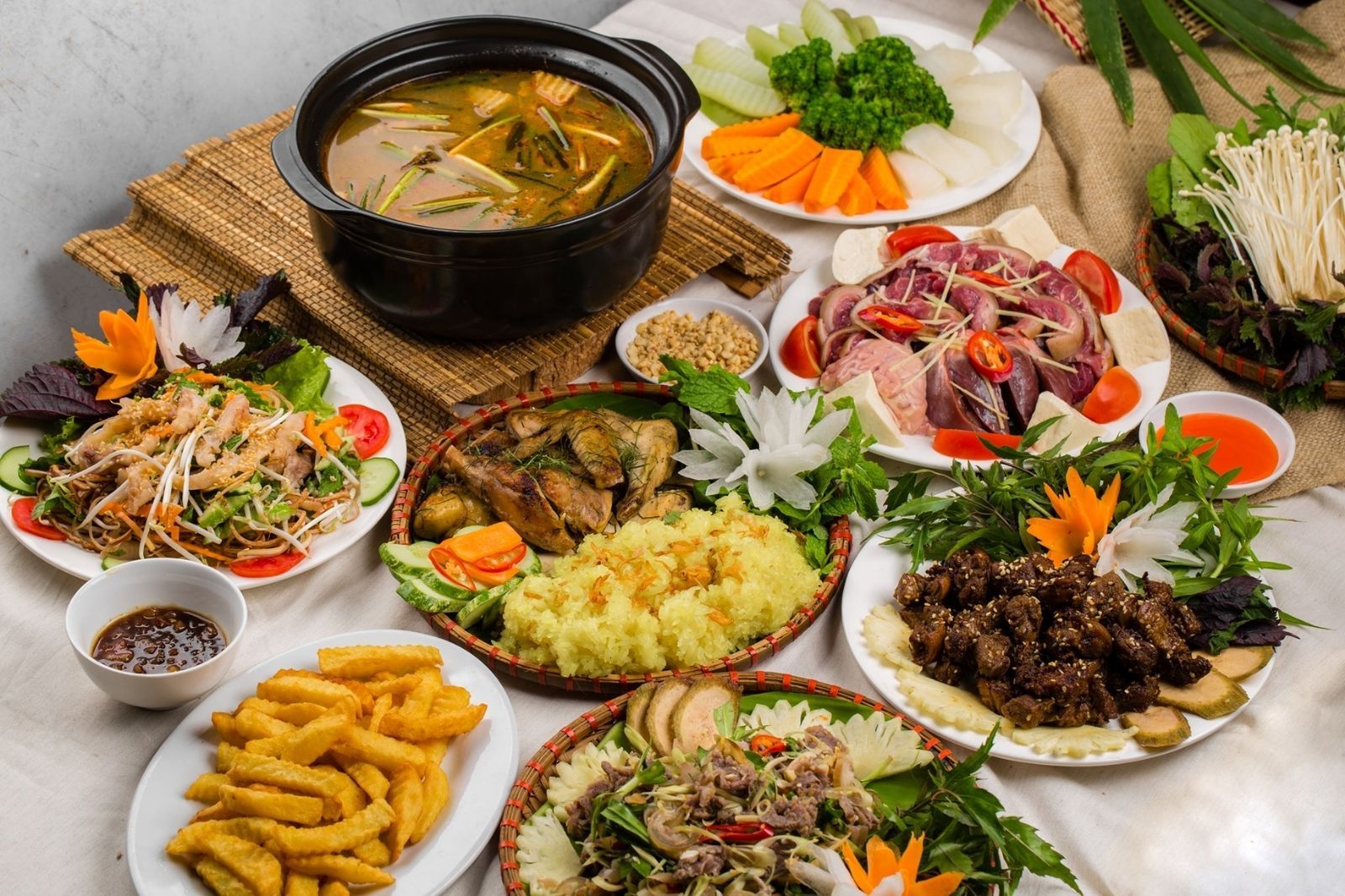
  • Mountain goat dishes: Rare goat salad with lime (Dê tái chanh), stir-fried goat, grilled goat, and goat hotpot.
  • Ninh Binh crispy rice crust (Com Chay): Crunchy rice topped with rich, savory sauce—a must-try specialty.
  • Other rustic delicacies: Eel vermicelli soup, mountain snails, raw fish salad (Gỏi cá nhệch), and field crab roasted with piper lolot leaves...

Recommended Restaurants

  • Chinh Thu Goat Meat Restaurant (Khe Thuong, Hoa Lu)
  • Duc De Restaurant (446 Nguyen Hue, Ninh Binh City)
  • Dung Pho Nui Restaurant (Ninh Xuan, Hoa Lu)

Combining fresh natural ingredients with traditional preparation techniques, Ninh Binh cuisine promises unforgettable culinary experiences during your ancient capital journey.

Ẩm thực đặc sắc Ninh Bình
Photo: Unique cuisine of Ninh Binh 

This detailed A–Z Hoa Lu Ancient Capital travel guide provides a complete overview of history, scenery, culture, and practical tips to comfortably explore Vietnam's thousand-year-old former capital. Characterized by a sacred, ancient beauty surrounded by magnificent karst mountains, Hoa Lu remains an ideal stop for history lovers seeking the roots of early Vietnam. If you are looking for a convenient, time-saving trip that fully captures the value of this heritage, the all-inclusive Hoa Lu Ancient Capital Tour by Sovaba Travel is your perfect choice. Well-planned itineraries, quality transport, knowledgeable local guides, and professional service ensure a memorable journey in Ninh Binh.

Articles related to Hoa Lu Ancient Capital