Discovering the Hue Temple of Literature: A Landmark of Confucian Culture
Hue Temple of Literature - a unique cultural heritage preserving the essence of Vietnamese Confucianism - not only honors great Confucian scholars but also stands as a symbol of intellect and education during the feudal era. Built with unique architecture and rich historical value, the Hue Temple of Literature offers visitors a fascinating journey to discover the beauty of culture and knowledge across time and space.
An Overview of the Hue Temple of Literature
To gain a comprehensive overview of the Hue Temple of Literature, let us delve deeper into the historical origins of this cultural landmark, as well as its construction process and role throughout various dynasties.
The Historical Origins of the Hue Temple of Literature
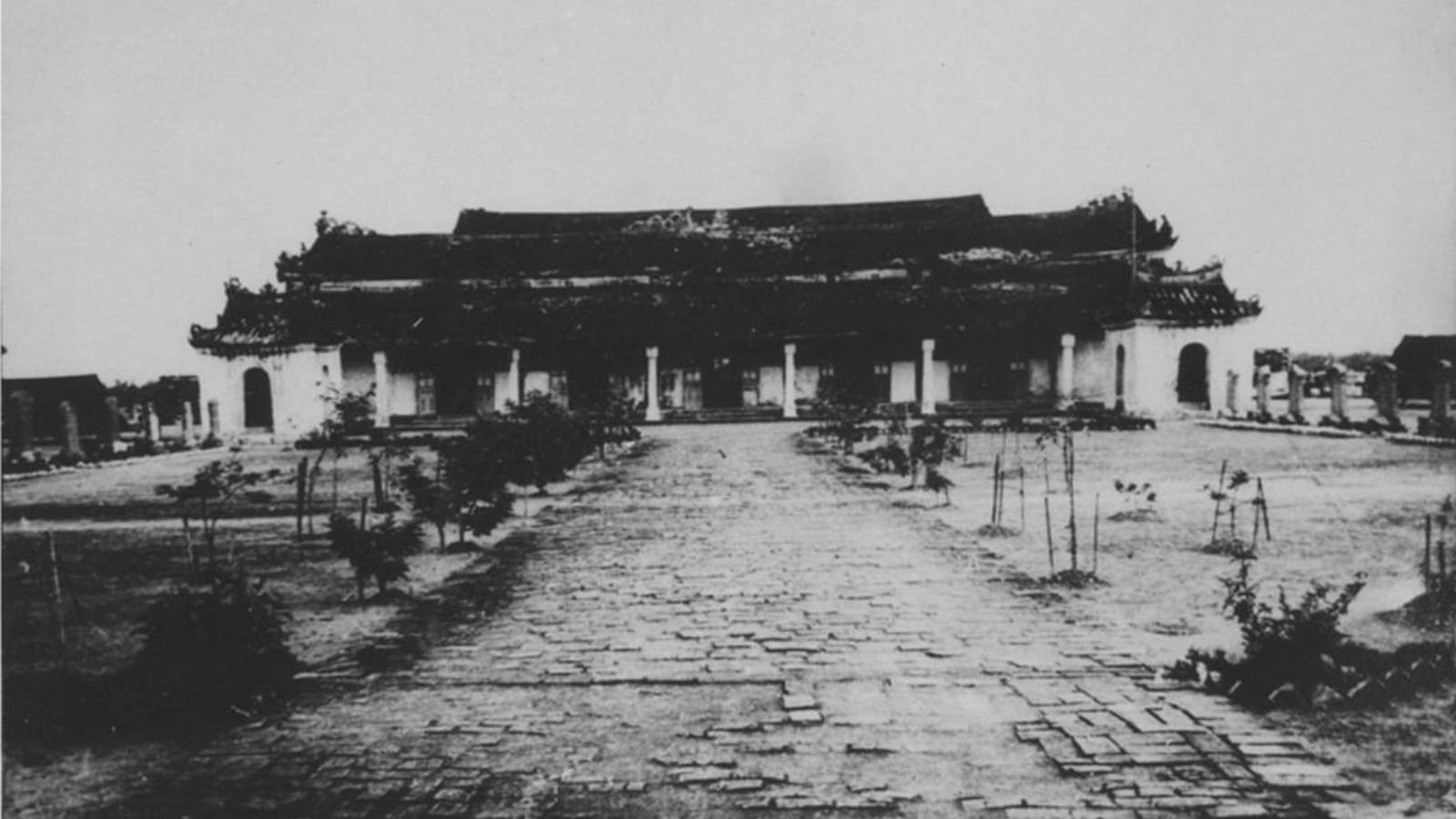
The Hue Temple of Literature was built in 1808 during the reign of King Gia Long to honor Confucius and Confucian scholars. It was one of the key monuments of the Nguyen Dynasty, demonstrating respect for Confucian education, which served as the backbone of the feudal bureaucratic system. Initially, the Hue Temple of Literature was constructed following the model of the Temple of Literature - Imperial Academy in Hanoi, but infused with the distinctive imprint of Hue court architecture, featuring a refined harmony between architecture and the natural landscape. Under the reigns of Kings Minh Mang and Thieu Tri, the Temple of Literature continued to be expanded and restored, affirming its crucial role in educating and selecting talents for the country. For over a century, it hosted the Huong and Hoi regional and national exams, where numerous talented scholars left their mark through Confucian examinations. However, after the fall of the Nguyen Dynasty, the temple was no longer used for educational purposes and became a precious historical relic, preserving cultural and spiritual values.
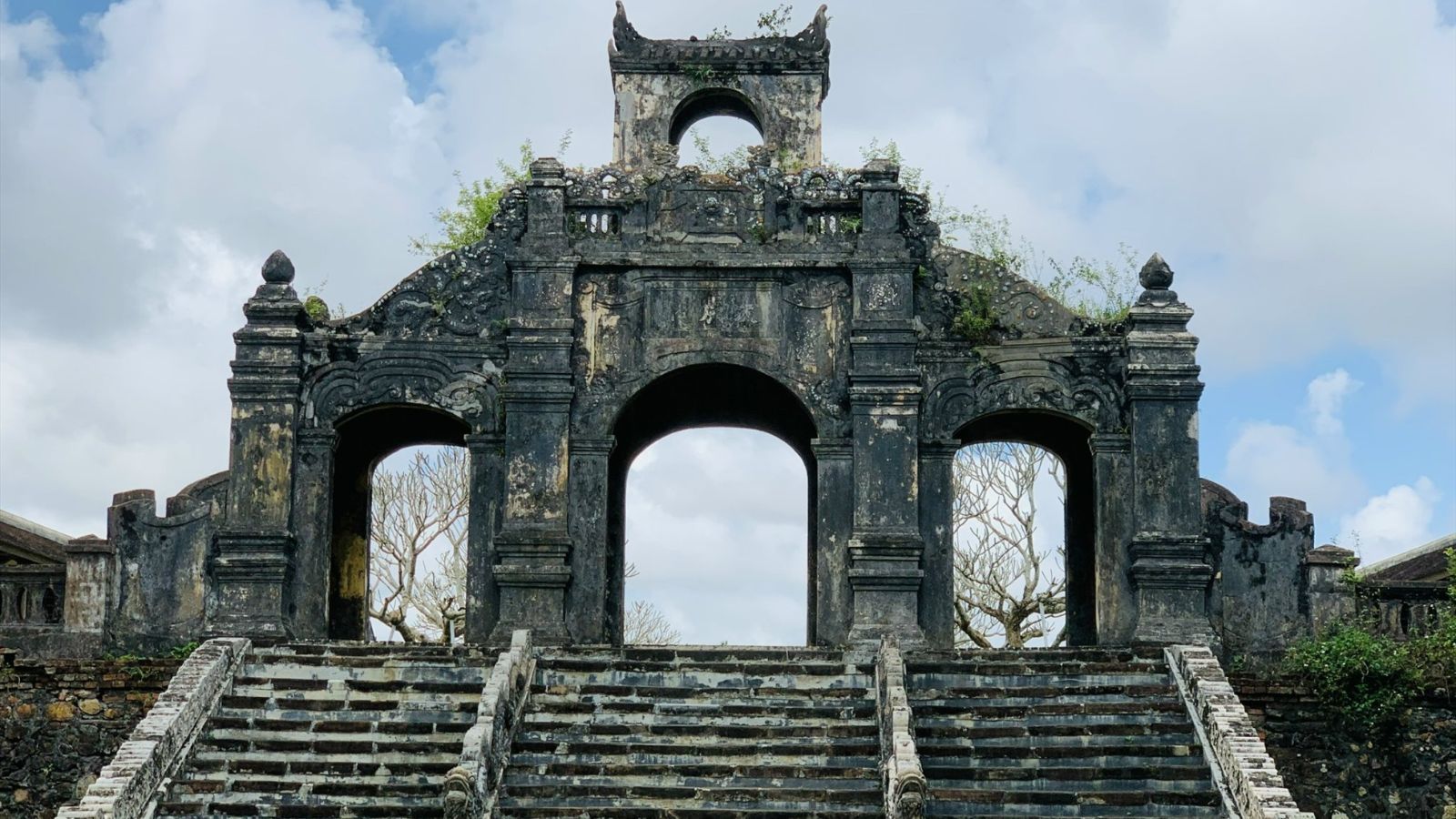
Main gate leading into the Hue Temple of Literature.
The Role and Cultural Value of the Hue Temple of Literature in Preserving Confucian Knowledge
The Hue Temple of Literature played a vital role in preserving and promoting Confucian knowledge, the ideology that governed the education and politics of the Nguyen Dynasty. It served as a place to honor Confucius and scholars, reflecting deep respect for Confucian learning and ethics. With the Huong and Hoi imperial examinations held here, the Temple of Literature became an educational center for cultivating talents for the nation. The stone steles bearing the names of successful doctorates not only reflect the traditional passion for learning but also symbolize dedication and devotion to the royal court. Furthermore, the Hue Temple of Literature holds spiritual value as a repository of culture and wisdom across generations, connecting the past with the present. Even though the Nguyen Dynasty has passed, the Temple of Literature remains a symbol of an era when knowledge and moral principles were highly valued, contributing to maintaining traditional cultural values in modern life.
The Hue Temple of Literature many years ago.
Unique Architecture and Landscape at the Hue Temple of Literature
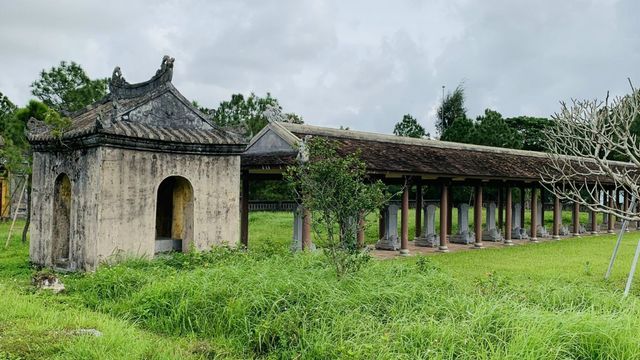
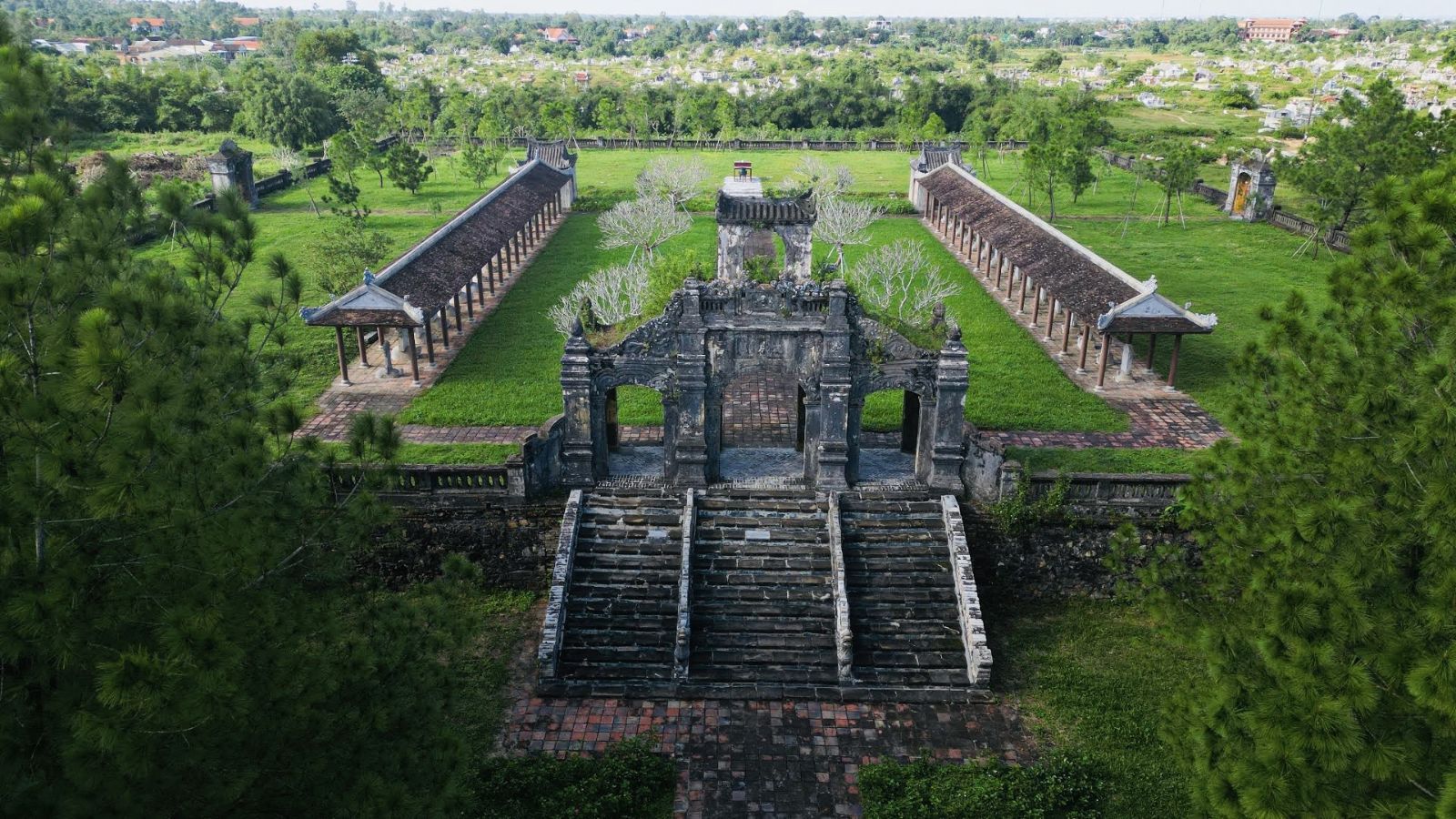
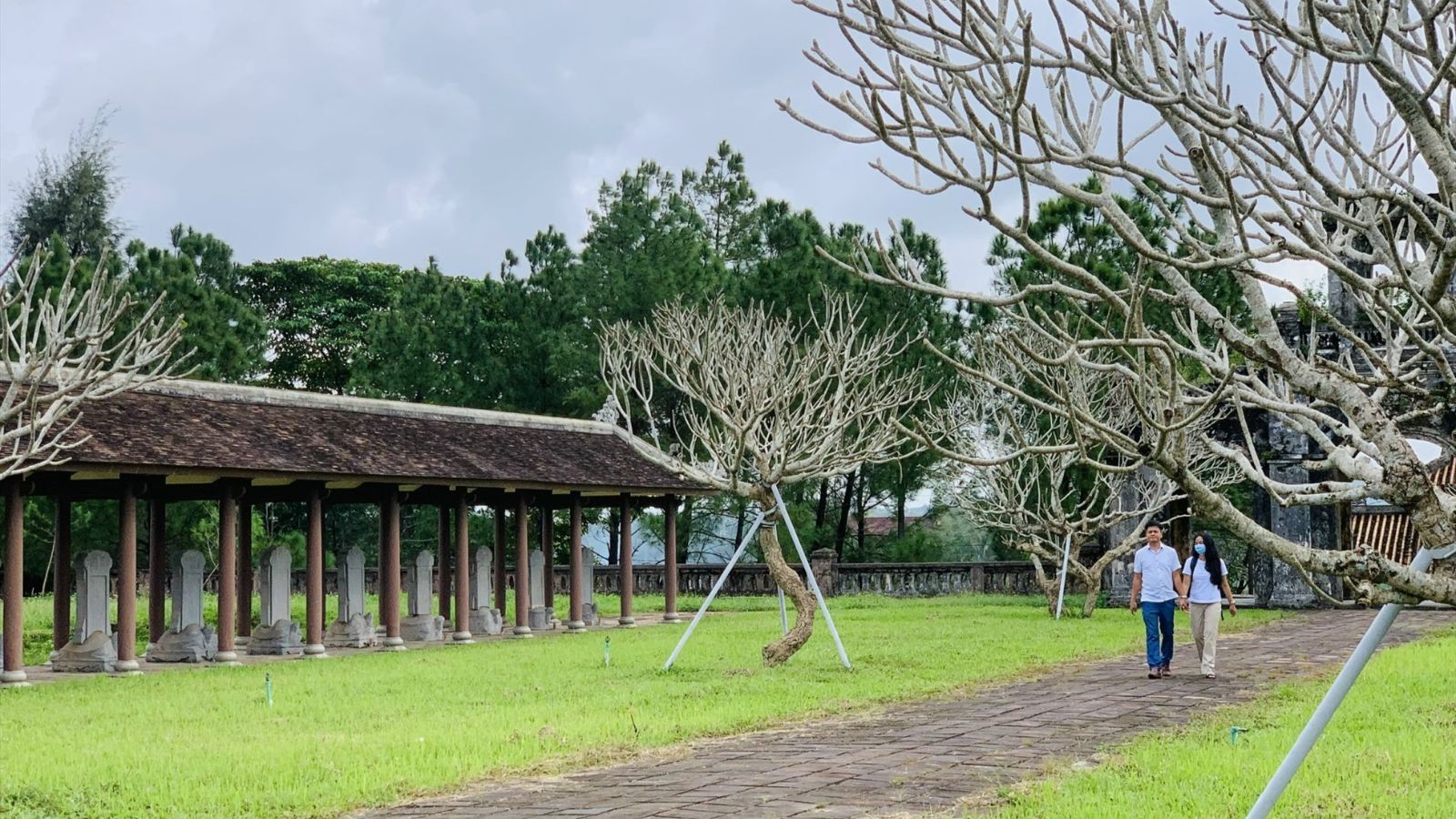
Situated on a vast plot of land, the Hue Temple of Literature was designed according to traditional feng shui principles, with main structures aligned along a North-South axis to create harmony between nature and humans. The temple's architecture comprises various structures such as worship halls, the Three-Door Gate (Tam Quan), and rows of pavilions housing doctor steles, all intricately and elaborately carved.
A highlight of the Temple of Literature is its curved pavilion roofs covered with glazed lapis tiles, embodying the refined architectural art of the Nguyen Dynasty. Statues of Confucius and his disciples are solemnly placed, demonstrating reverence for Confucian wisdom. Surrounding the temple is a lush green compound with trees, ponds, and paved stone paths, creating a quiet and peaceful ambiance that reflects the tranquility essential for fostering deep thought and academic insight. It is this combination of architecture and landscape that creates a unique cultural space—both ancient and serene—allowing visitors to feel the historic depth and spiritual value of the site.
Panoramic view of the Hue Temple of Literature from above.
Festivals and Exciting Experiences for Visitors at the Hue Temple of Literature
One of the prominent festivals at the Hue Temple of Literature is the Confucius commemoration ceremony, held annually to honor great sages and commemorate Confucian traditions. The ceremony takes place solemnly with traditional rituals, offering visitors an opportunity to participate and gain a deeper understanding of Confucian education.
In addition, the Temple of Literature organizes cultural activities such as ancient book exhibitions, calligraphy, and hands-on workshops on Confucian culture, attracting history enthusiasts and scholars. Visitors can try their hand at writing Chinese characters, explore the doctoral steles, or attend lectures on Eastern philosophy, making for a trip that is both engaging and meaningful. This is truly an unmissable destination for those looking to explore ancient culture and enjoy the peaceful space of a golden era.
Tourists visiting and taking photos at the Hue Temple of Literature.
Useful Travel Information for the Hue Temple of Literature
When visiting the Hue Temple of Literature, travelers should keep essential practical information in mind for a smooth trip. The temple is located on Van Thanh Street, Hue City, easily accessible by taxi or motorbike. To fully enjoy the experience, visitors are advised to wear comfortable shoes as the grounds are spacious and peaceful, ideal for strolling and exploring every historical corner.
Hue Temple of Literature Ticket Prices: Latest Updates
The entrance fee for the Hue Temple of Literature is very affordable, at around 15,000 VND per person. This highly budget-friendly price allows visitors to easily access one of the city's important cultural heritage sites. The temple is usually open from 7:00 AM to 5:00 PM, making it very suitable for day trips. With these flexible operating hours, you can comfortably explore the architectural, historical, and cultural beauty of the site while enjoying the fresh, tranquil atmosphere of a historical monument rich in Vietnamese cultural identity.
The Hue Temple of Literature, with its unique architectural beauty and historic value, is undoubtedly a must-visit destination when traveling to Hue. For a complete and meaningful visit, let Sovaba Travel accompany you, providing the best information and services. You are sure to have wonderful experiences and unforgettable memories at this cultural landmark.