Nam Giao Esplanade Hue: A Journey to Rediscover the Sacred Heaven-Worshiping Rituals
Hue, the ancient capital rich in history and culture, has always possessed a mystical, sacred beauty. Among the unique spiritual symbols here, the Nam Giao Esplanade – where the Nguyen Dynasty emperors performed the heaven-worshiping rituals – stands out as a special landmark. The journey to explore the heaven-worshiping rituals at Nam Giao Esplanade is not only an opportunity to return to long-standing historical values but also a chance to admire the exquisite harmony between culture and nature here.
History of Nam Giao Altar – From Early Statehood to Heaven-Worshipping Rituals
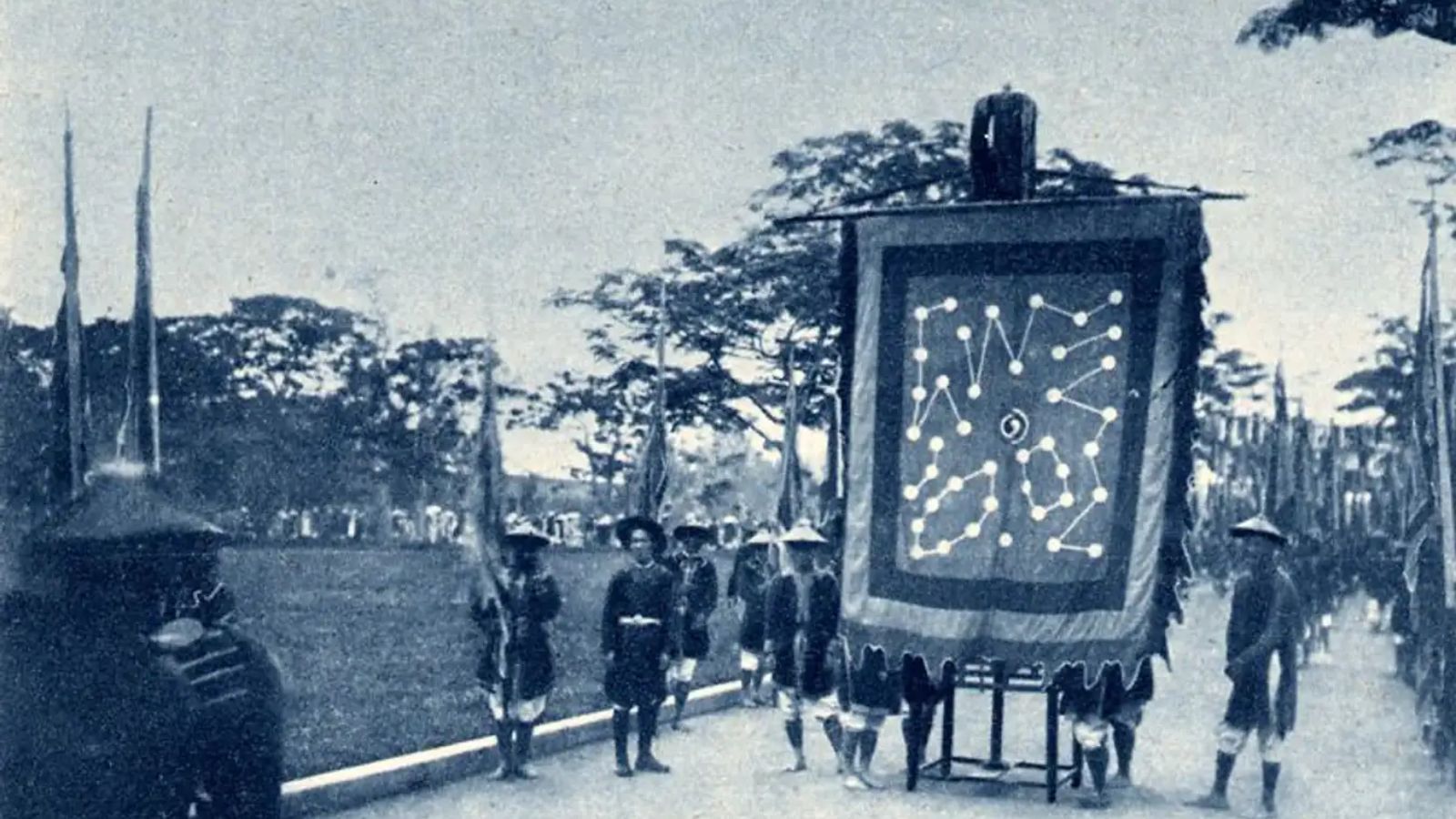
Nam Giao Altar is an important architectural work in the ritual system of the Nguyen Dynasty, built in 1806 during the reign of Emperor Gia Long. Throughout the reigns of Gia Long, Minh Mang, Thieu Tri, and Tu Duc, Nam Giao Altar was preserved and developed, becoming the most sacred site to demonstrate royal power through connecting heaven and earth. By the reign of Emperor Khai Dinh, the Heaven-worshipping ceremony at Nam Giao Altar still maintained an important role, despite being affected by the social and political changes of that era. However, during the decline of the Nguyen Dynasty, especially under French colonial rule, these rituals gradually became rare and were eventually completely interrupted. Nevertheless, the historical and cultural values of Nam Giao Altar endure, becoming an indispensable part of the cultural heritage of the ancient capital of Hue.
Nam Giao Altar during the Heaven-worshipping ceremony of the Nguyen Dynasty.
Why is Nam Giao Altar Considered Most Sacred?
The sacredness of Nam Giao Altar stems not only from its historical position but also from the profound significance the site embodies. Built for the purpose of worshipping Heaven—the most noble ritual in feudal belief—Nam Giao Altar is regarded as a bridge between heaven and earth, divine spirits and humanity.
The location of Nam Giao Altar is also a key factor making this site sacred. The altar was built south of the Imperial City of Hue, where the Nguyen emperors believed was the "heart of the realm"—the heart of heaven and earth. This reflects a strong belief in the power of the universe and humanity's central position in relation to heaven and earth.
In addition, organizing Heaven-worshipping ceremonies at Nam Giao Altar was a way for Nguyen kings to assert supreme authority while maintaining the connection between the royal court and the gods. This was not merely a religious practice but also a highly symbolic political ritual.
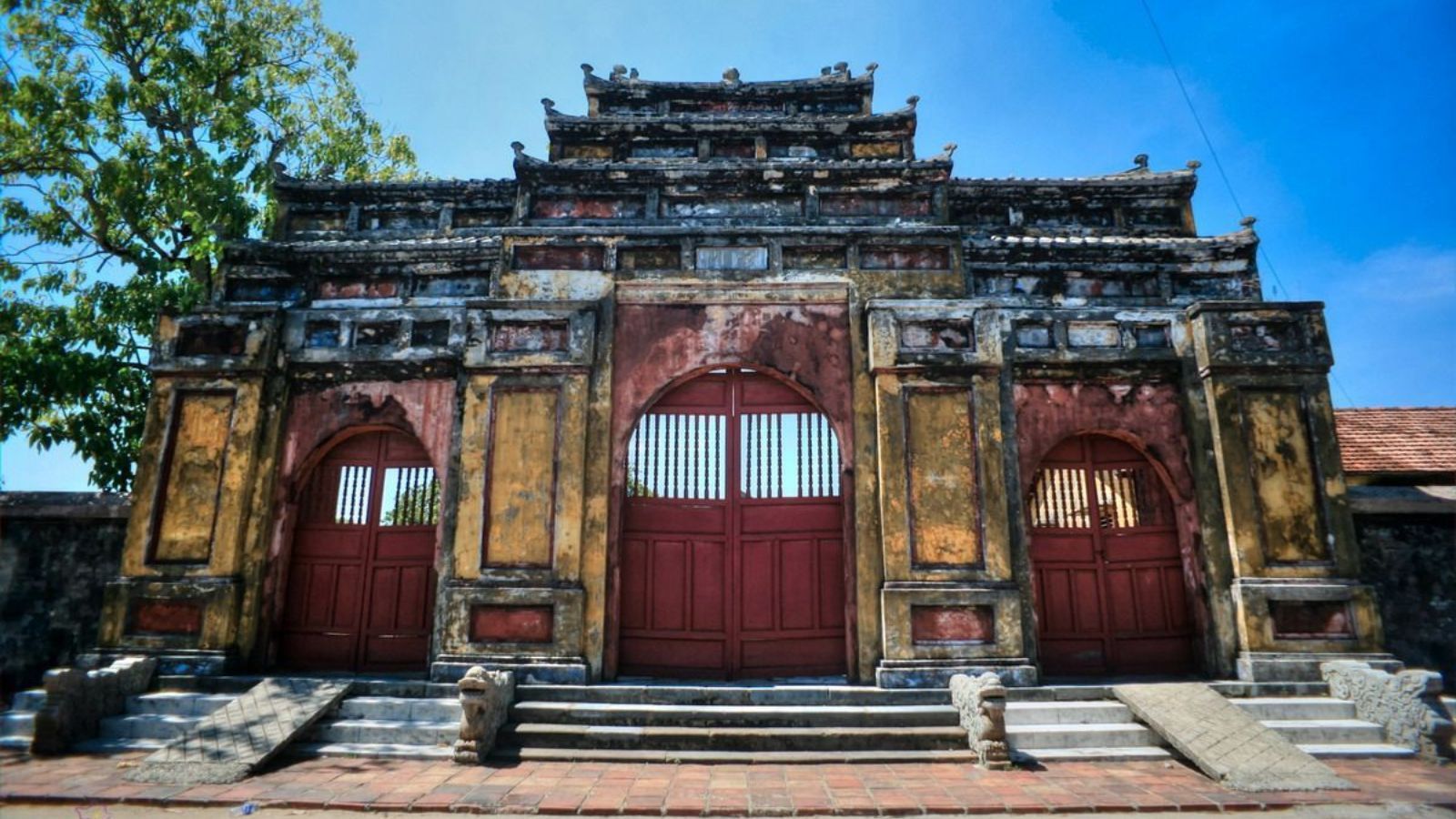
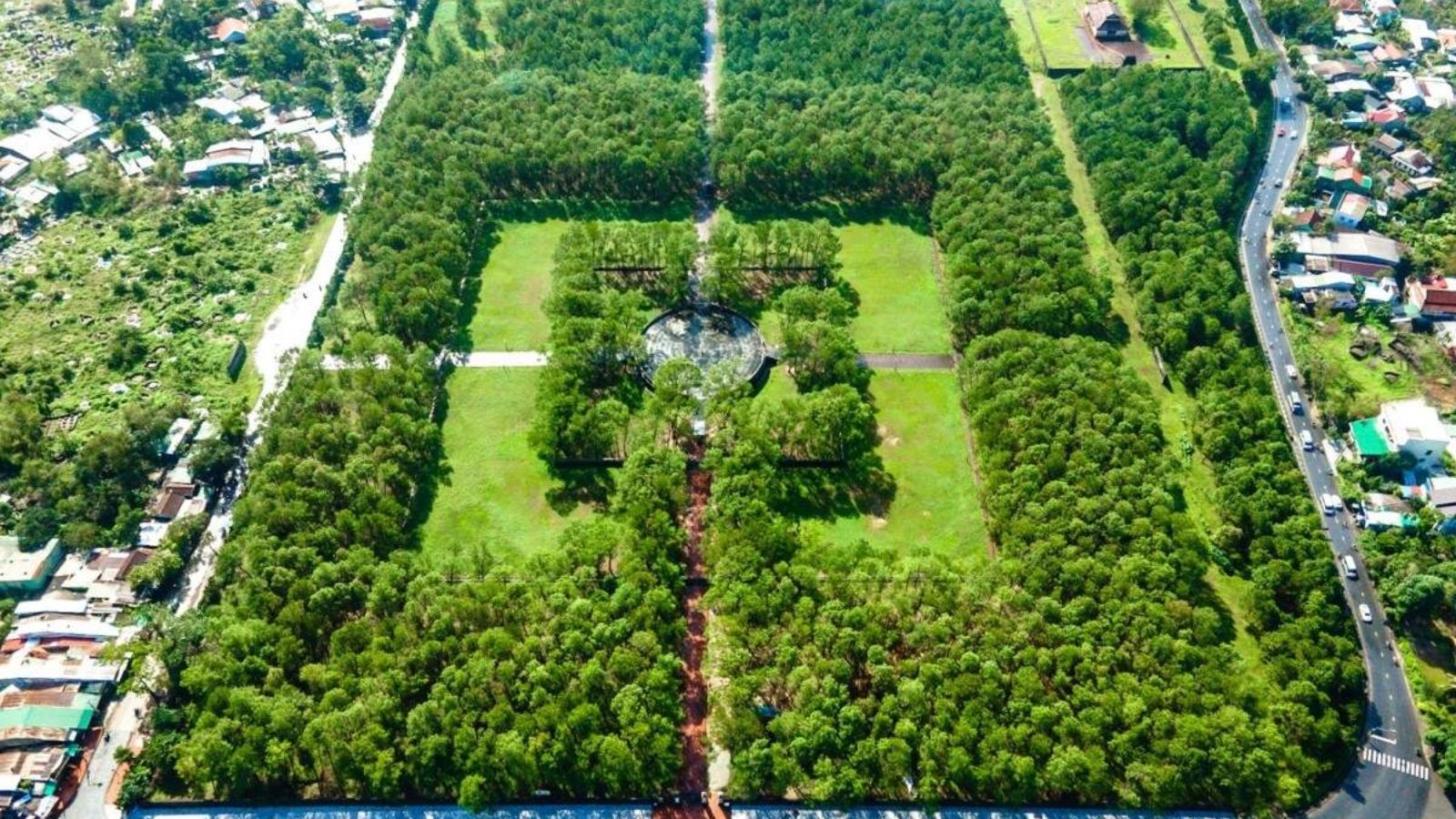
Nam Giao Altar – the most sacred site in Hue.
Architecture of Nam Giao Altar – A Masterpiece Harmonizing Culture and Nature
The architecture of Nam Giao Altar is an exquisite blend of construction art and Yin-Yang philosophy.
Three-tier structure associated with Yin-Yang philosophy
When discussing the architecture of Nam Giao Altar, one cannot overlook its unique three-tier structure. Each tier represents a realm of the universe: the topmost tier represents Heaven, the middle tier represents Humanity, and the lowest tier represents Earth. This structure reflects Yin-Yang philosophy, showcasing balance and harmony among heaven, earth, and mankind.
The Yin-Yang philosophy in the design of Nam Giao Altar also demonstrates human respect for nature and a desire to maintain peace and stability. The three-tiered structure is not only symbolic but also deeply intertwined with Eastern beliefs and philosophy, creating a sacred and meaningful space.
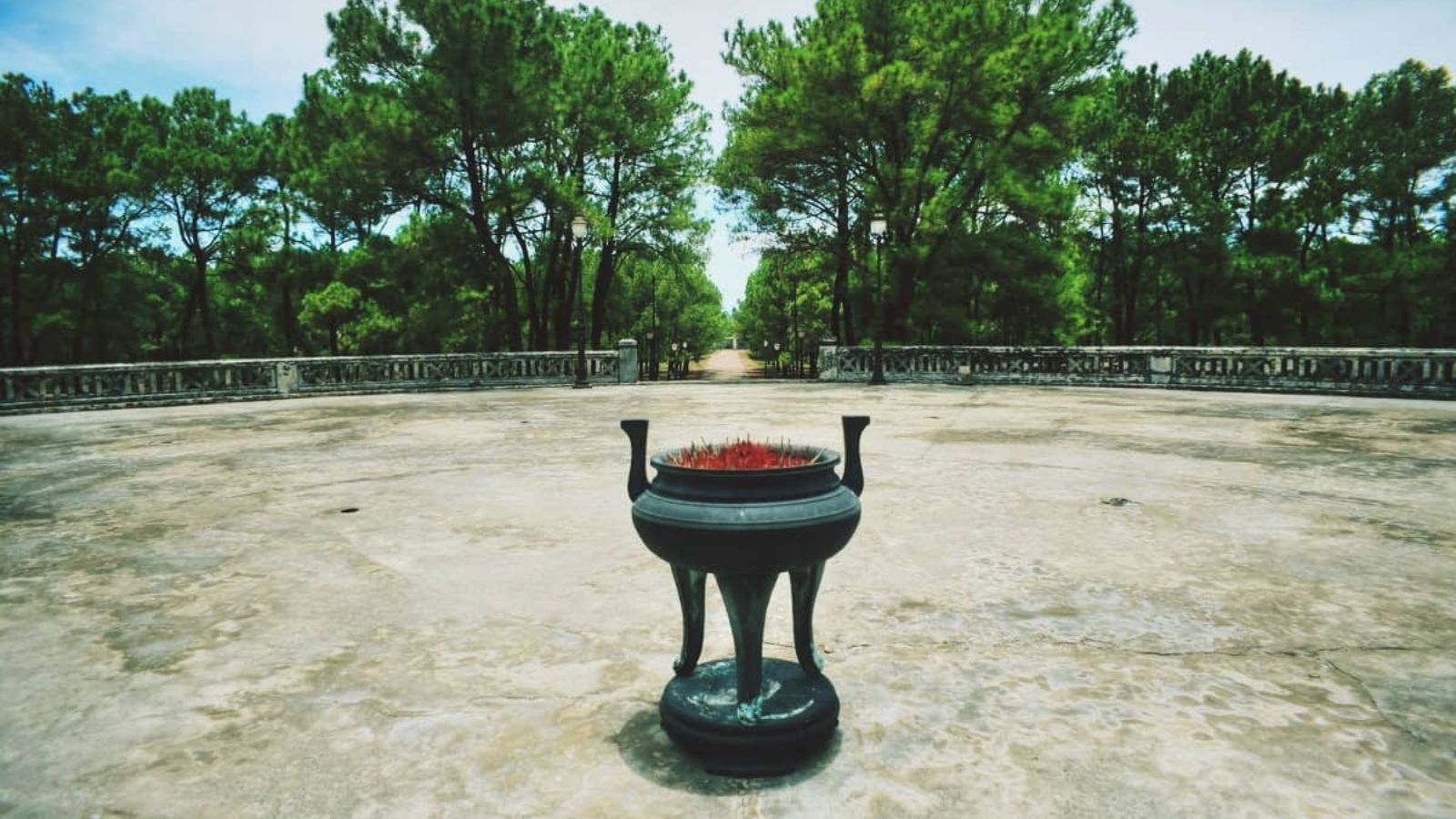
Vien Dan, the top tier in the three-tiered Yin-Yang structure at Nam Giao Altar.
Natural materials and open design of Nam Giao Altar
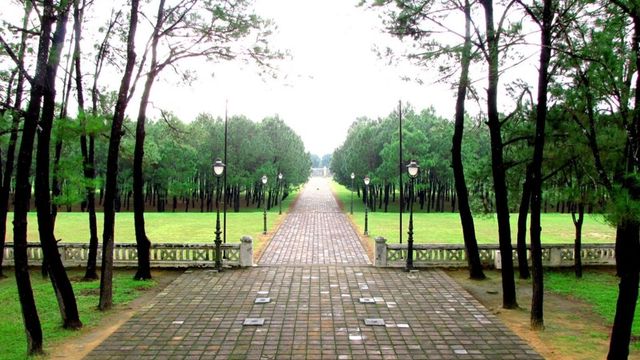
The architecture of Nam Giao Altar is distinctive not only for its three-tiered structure but also for its use of natural materials and open-air design, creating a space close to nature. Built from materials such as stone, brick, and clay, the structure blends seamlessly into its surrounding landscape, evoking a sense of tranquility and majesty.
The open layout of Nam Giao Altar ensures it is not confined by spatial boundaries, allowing it to merge into nature amidst surrounding pine forests and lush green lawns. This not only creates serenity but also reflects the intimate relationship between humanity and nature in ancient thought.
Explore the entire grounds of Nam Giao Altar with an entrance ticket price of only 50,000 VND/person.
Heaven-Worshipping Ritual at Nam Giao Altar – From Golden Past to Modern Times
Through the ages, despite changes in execution, the spirit of the Heaven-worshipping ritual at Nam Giao Altar has been preserved and honored to this day.
In the past, the Heaven-worshipping ritual was held periodically and was always a major national event. The Nguyen emperor would personally perform the ceremony under the witness of mandarins and the public. Every step of the ritual was conducted solemnly, with prayers offered for the gods and the nation.
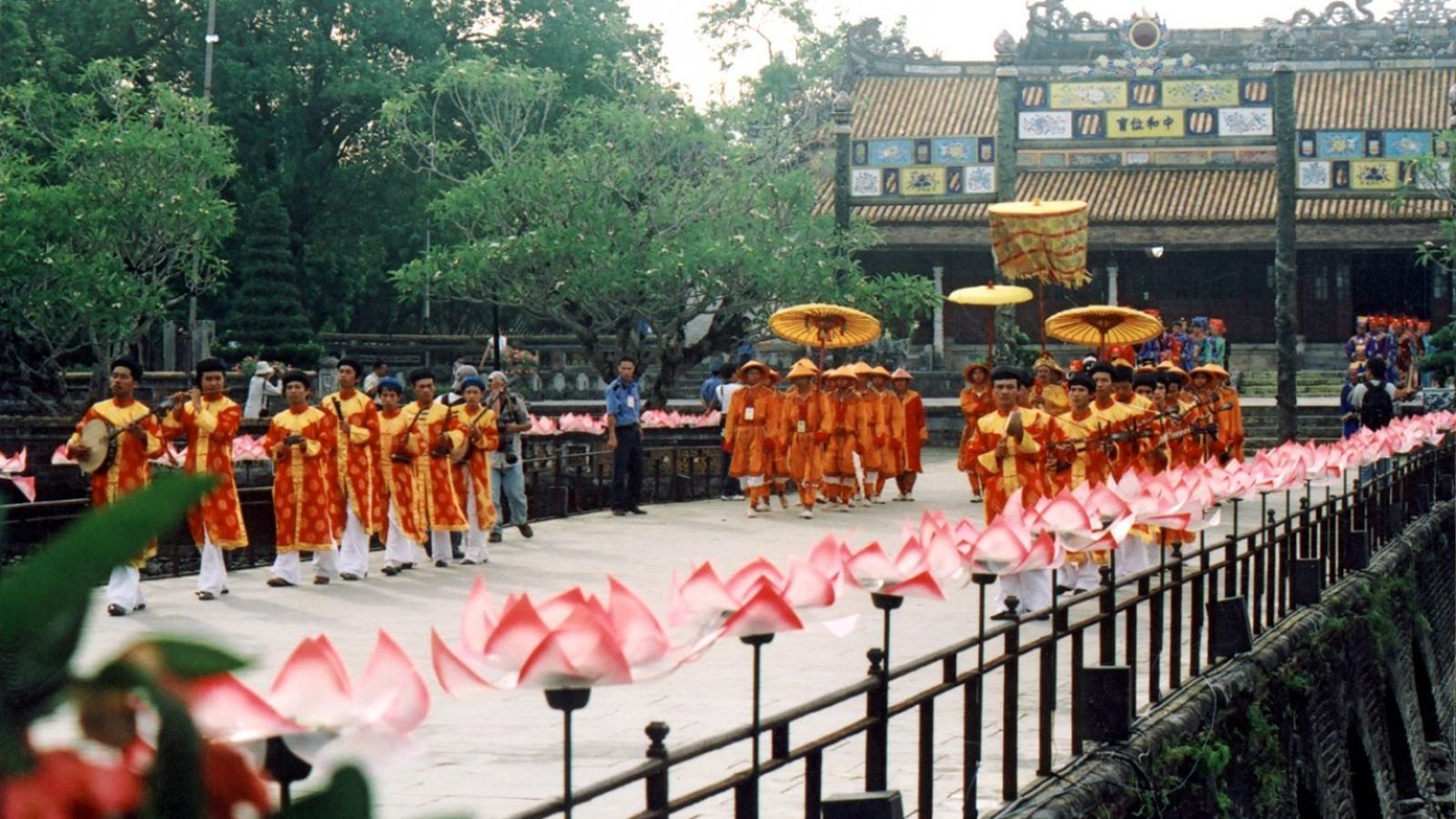
Today, although it no longer holds the exact same scale and political significance as in ancient times, the Heaven-worshipping ceremony remains an indispensable part of the spiritual life of Hue residents. Annual reenactments of the ceremony are held to preserve and promote the traditional cultural values of the nation.
The Heaven-worshipping ceremony at Nam Giao Altar in modern times.
Hue Entrance Ticket Prices - Nam Giao Altar: Latest Updates
For the convenience of visitors, the official ticket price for visiting Nam Giao Altar is listed as follows: Adult ticket: 50,000 VND/person; Child ticket (under 12 years old): Free. With this affordable price, you can not only visit the peaceful space of the monument but also have the opportunity to learn about its unique history and spiritual rituals.
The journey to explore Nam Giao Altar not only takes us back to the history of the Nguyen Dynasty but is also an opportunity to gain deeper insights into the nation's spiritual and cultural heritage. For a complete experience and to discover more exciting destinations in Hue, don't forget to contact Sovaba Travel – your trusted partner on every journey.