Exploring the Ancient Street in the Heart of Hue - Le Loi Street
Hue carries within itself an ancient, quiet beauty, like a gentle symphony of time. Hidden deep in the heart of this city are streets that preserve countless historical memories, and Le Loi Street is one of them. More than just a street, Le Loi is where the past blends with the present, where every footstep echoes the colorful stories of dreamy Hue.
A Portrait of Le Loi Street
Le Loi Street impresses not only with its quiet, contemplative beauty, but also with its strategic location and vital role in the historical tapestry of Hue.
Unique Location and Historical Role of Le Loi Street
Stretching along the Perfume River from Truong Tien Bridge to Hue Railway Station, Le Loi Street enjoys a central location steeped in the poetic tranquility of the ancient city. Considered a spine connecting major historical and cultural landmarks, Le Loi has witnessed numerous key events in Vietnam's history. Beyond hosting important political and social activities during the Nguyen Dynasty, this avenue served as a vital artery during the resistance wars against the French and the Americans. Le Loi's location is more than just a transportation corridor; it acts as a bridge between the past and the present, where visitors can feel Hue's distinctive cultural ambiance with every step along the street. Today, the avenue retains its magnetic appeal for travelers, thanks not only to its historical heritage but also to its romantic and serene setting beside the iconic Perfume River.
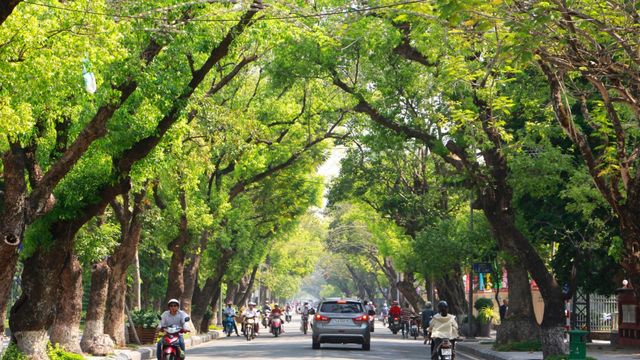
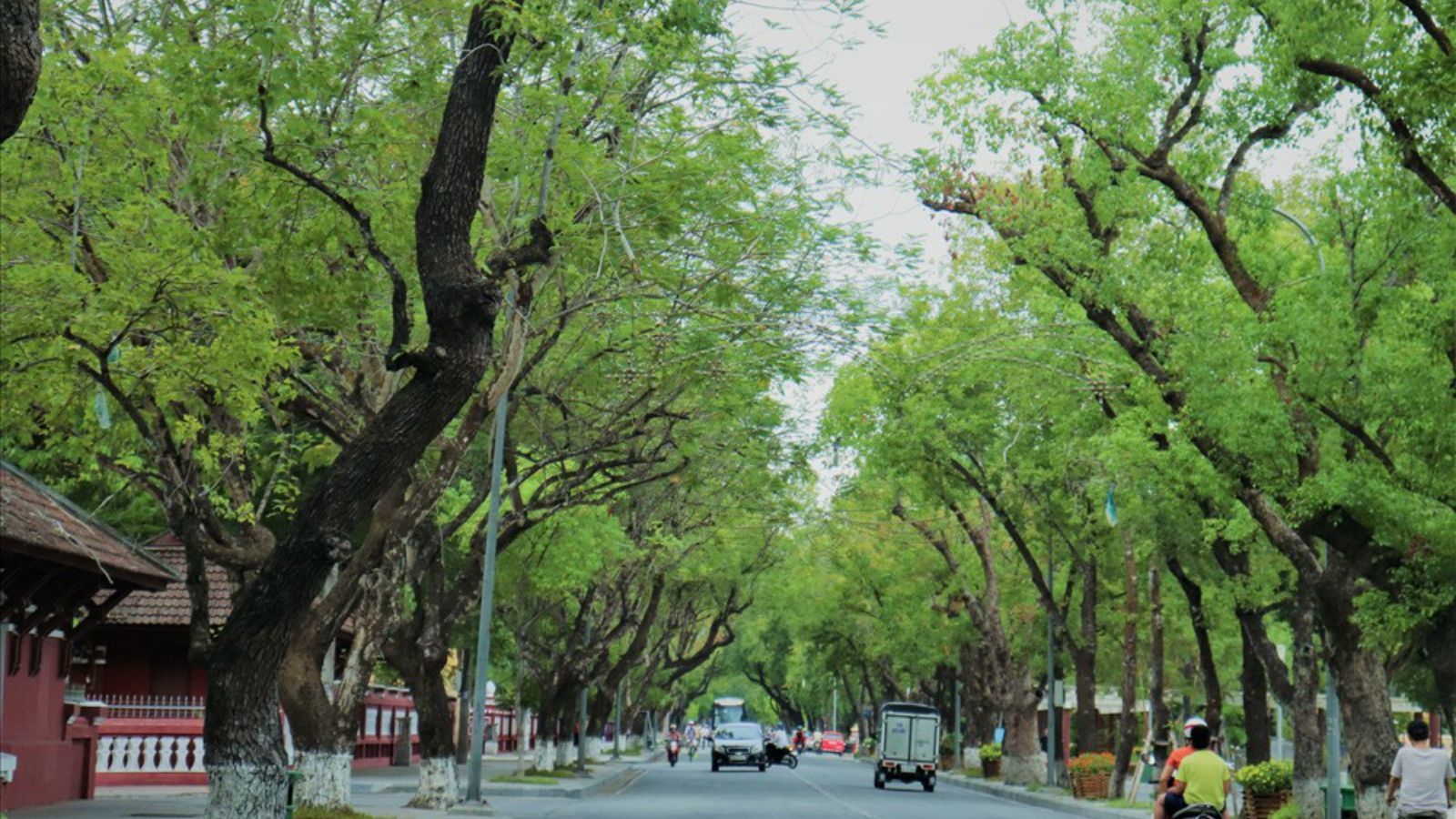
Le Loi Street lined with lush green trees, creating a peaceful atmosphere.
History and Development of Le Loi Street Through Historical Eras
Le Loi Street originated during the French colonial era under the name Rue Jules Ferry, constructed as part of Hue's urban development plan. Under French rule, the street primarily served administrative purposes, linking public buildings and government headquarters. Following Vietnam's independence, the street was renamed Le Loi in honor of the national hero Le Loi. During the war against the US, Le Loi continued to play a pivotal role as the setting for numerous patriotic demonstrations, rallies, and movements. After national reunification in 1975, the street witnessed the revival and development of Hue City, transforming from an administrative quarter into a cultural and tourism icon. Today, Le Loi Street preserves its historical values while embracing modern life with vibrant shops, eateries, and attractions that welcome visitors from near and far.
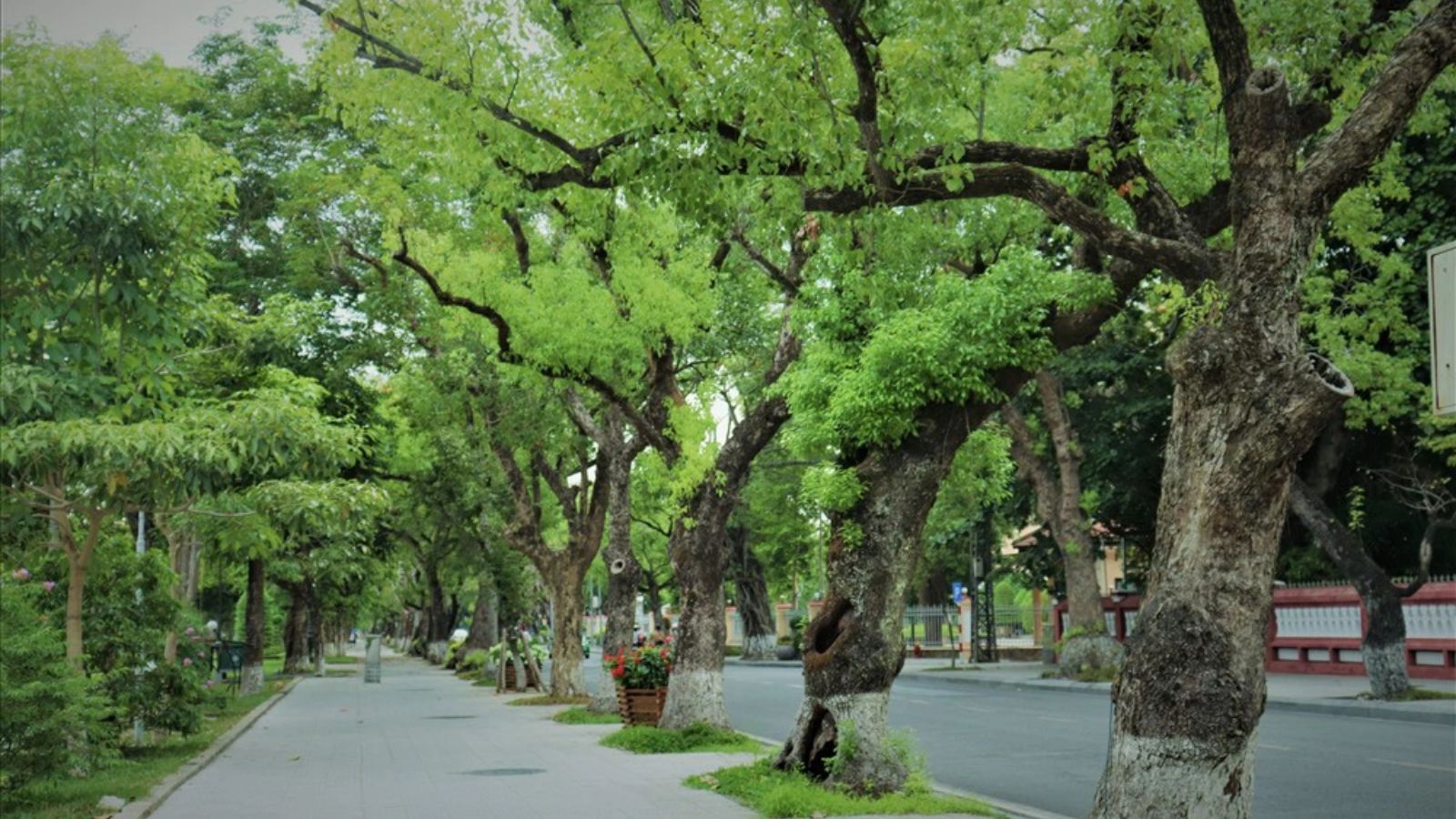
A quiet sidewalk corner on Le Loi Street on a fresh morning.
Highlights along Le Loi Street
Le Loi Street is not only steeped in history, but also serves as a hub for outstanding cultural and architectural landmarks, crafting a vivid picture of Hue's heritage. Strolling along this avenue, you will discover must-visit attractions reflecting timeless beauty and distinctive architectural styles.
Quoc Hoc Hue High School
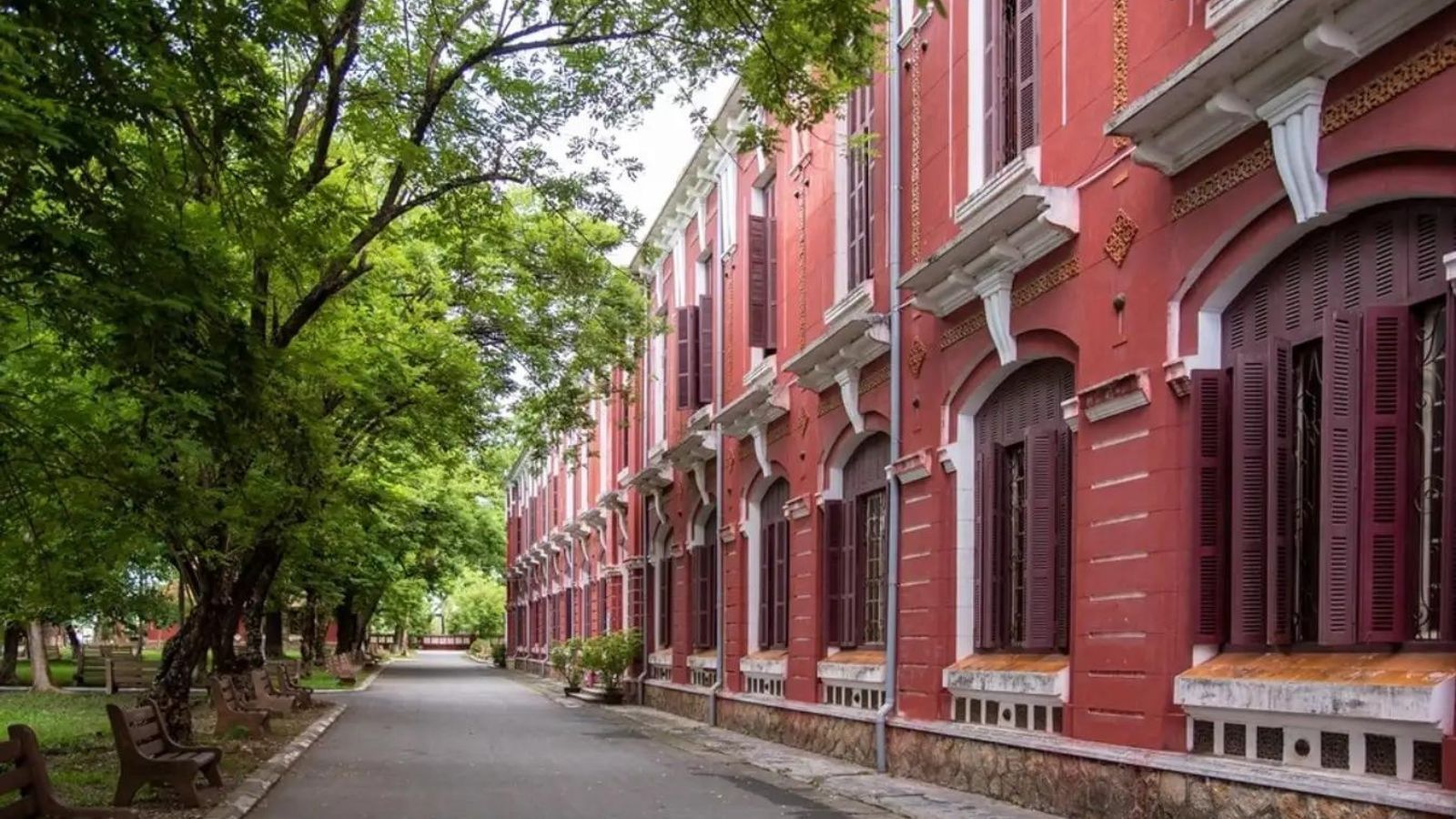
Along Le Loi Street, you will find Quoc Hoc Hue High School—a century-old institution that has nurtured numerous prominent figures for Vietnam. The campus is shaded by lush trees and features historic red-hued buildings boasting classic French colonial architecture. Quoc Hoc Hue is renowned not only for its educational prestige but also for its architectural beauty, symbolizing the intellect and elegance of Hue. Visitors come here not just to admire the design, but to sense the profound legacy of academic tradition.
The tree-shaded campus of Quoc Hoc Hue High School
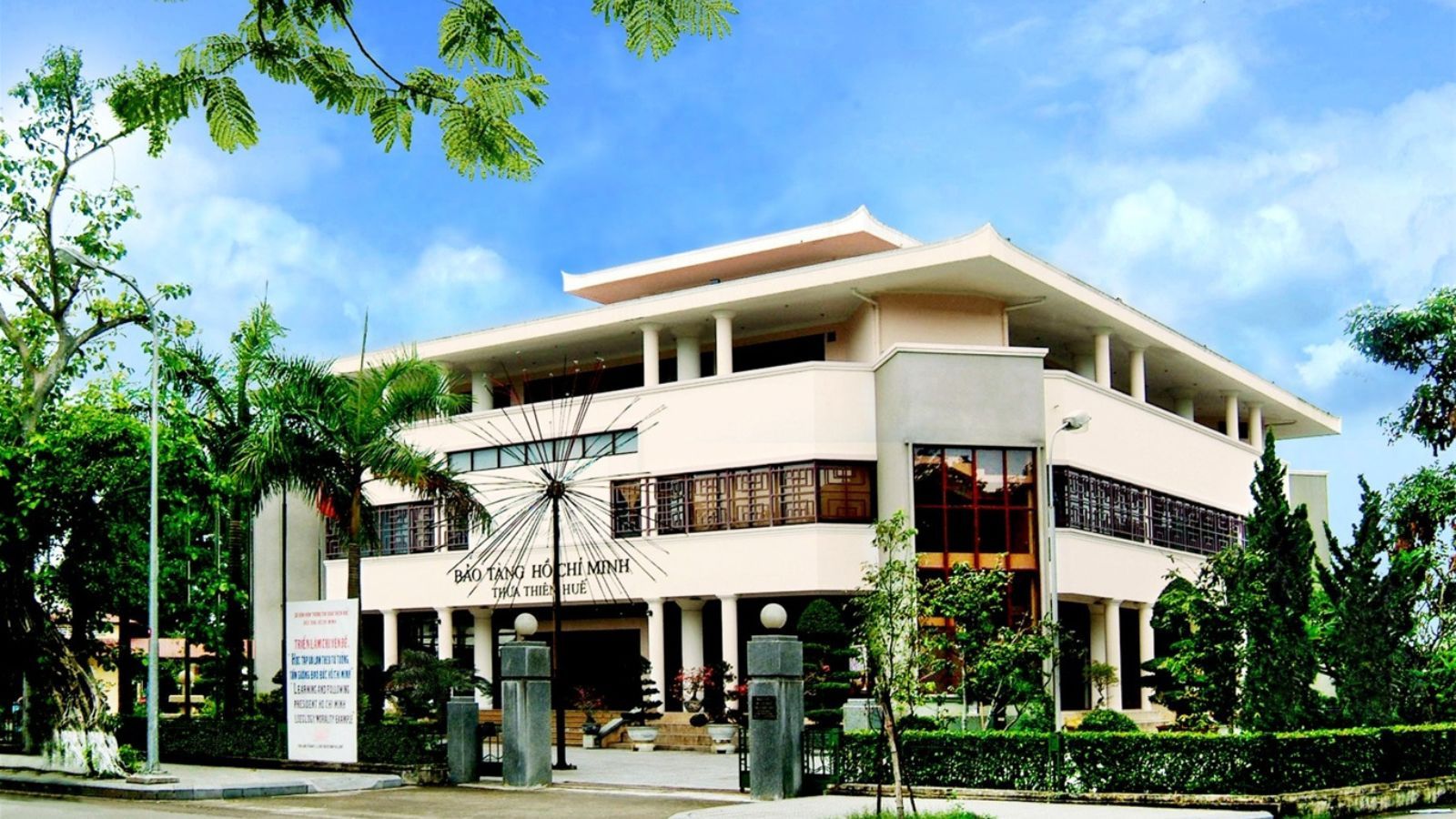
Ho Chi Minh Museum in Hue
Located right on Le Loi Street, the Ho Chi Minh Museum preserves important historical records and artifacts detailing the life and legacy of President Ho Chi Minh. It is a must-visit destination for those eager to learn about Vietnam's revolutionary history. Beyond displaying artifacts, the museum offers a meaningful space to honor and remember the great leader. Featuring elegant architecture and rich exhibits, the museum is an insightful and moving stop for visitors.
The picturesque Ho Chi Minh Museum building in Hue
Le Loi Street is truly a microcosm of Hue—simultaneously ancient and tranquil, yet infused with the rhythm of modern life. Each landmark along this street carries its own story, blending together to forge the unique identity of poetic Hue.
Culinary and Shopping Experiences on Le Loi Street
Along the avenue, you'll encounter traditional eateries serving authentic Hue specialties such as Bun Bo Hue (spicy beef noodle soup), Com Hen (clam rice), Banh Beo (steamed rice cakes), and sweet soup desserts (Che Hue). In addition, roadside cafes offer peaceful settings ideal for sipping a flavorful cup of coffee while overlooking the romantic Perfume River. Beyond dining, Le Loi Street hosts numerous shops selling handicraft items, Ao Dai fabrics, and iconic Hue souvenirs. Travelers can browse a wide array of thoughtful gifts to bring home after exploring the city.
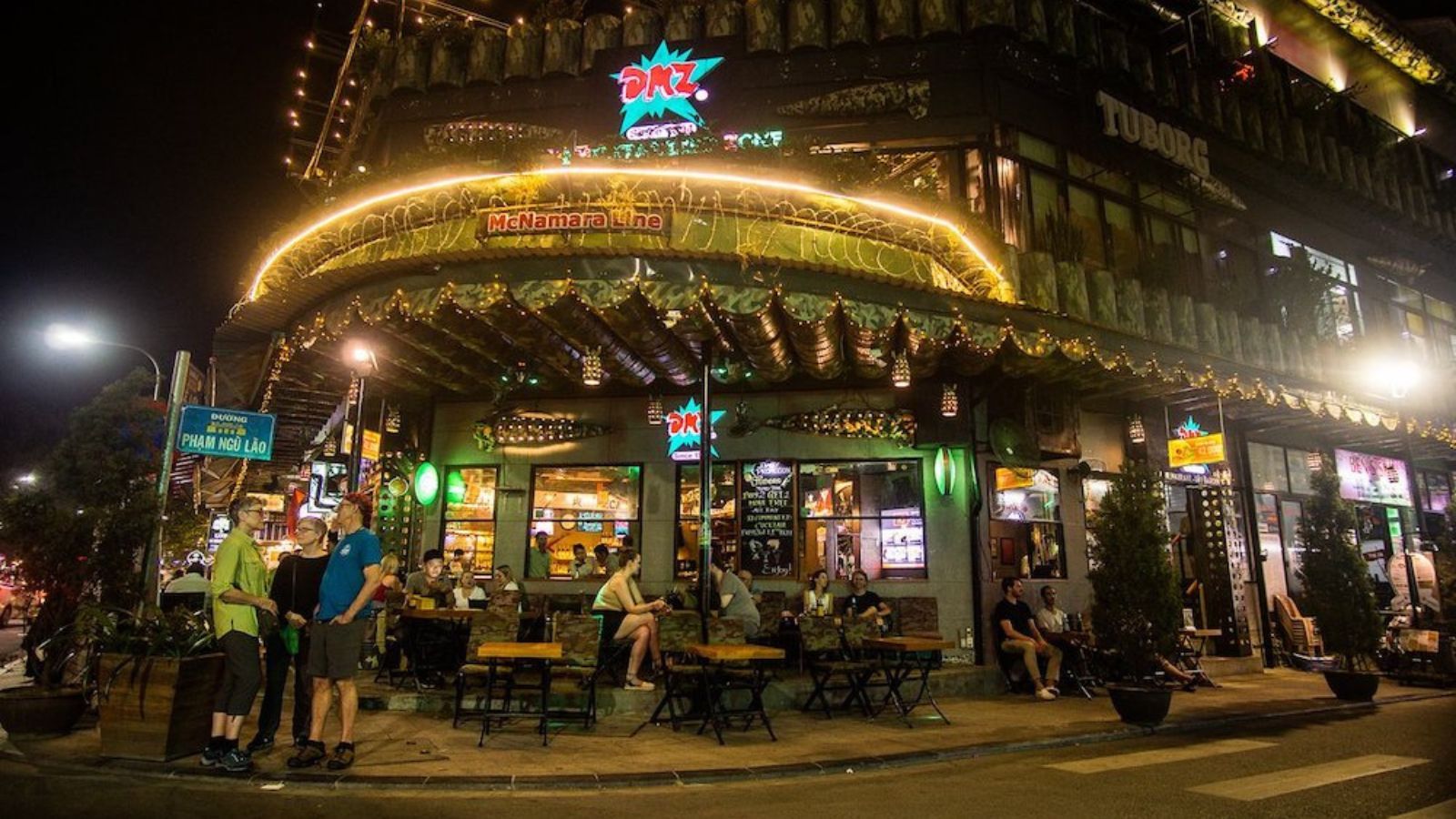
Roadside eateries along Le Loi Street become livelier on weekends.
Exploring Le Loi Street is an enchanting journey into the cultural depth, history, and vibrant modern life of Hue. If you wish to immerse yourself deeper into the ancient capital, don't forget to travel with Sovaba Travel for the most fulfilling and memorable trips. Sovaba Travel will surely help you enjoy wonderful moments in Hue.