Quảng Bình Quan
TRAVEL GUIDEQuang Binh Quan

If you are planning an independent exploration of Quang Binh Quan in your own way, Sovaba Travel has prepared a super detailed self-sufficient travel guide to help you enjoy the journey to the fullest. This guide not only provides easy and time-saving transportation directions but also introduces interesting attractions around Quang Binh Quan, helping you better understand the history and beauty of this historical landmark. You will also find suggestions on the ideal time to visit, must-do activities, along with cost-saving tips to travel without worrying about your wallet. 

With this detailed guide, you can confidently experience Quang Binh Quan your way, exploring every corner of the monument without worrying about missing anything. 

The Construction Process of Quang Binh Quan

Quang Binh Quan is not merely a military architectural relic, but a living testament to the resilience and intellect of the Vietnamese nation in defending the country. The construction process of this site began in 1631, when Strategist Dao Duy Tu, one of the great figures of the Nguyen Lords era, designed and directly commanded the construction of a rampart system to protect Dang Trong (the Inner Realm). This was no ordinary building project, but a strategic masterpiece designed to halt invasions from the Trinh Lords in Dang Ngoai (the Outer Realm).

Quang Binh Quan was part of the Luy Thay (Master's Rampart) system, stretching over 30 km with defense structures such as Truong Duc Rampart, Tran Ninh Rampart, Nhat Le Rampart, and Truong Sa Rampart—all intricately and solidly built to safeguard the southern realm. This system was not just a fortification, but a vital shield for the people of Central Vietnam, forcing any enemy attempting an invasion from North to South to face an exceptionally fierce trial. For hundreds of years, Quang Binh Quan became the "impassable gateway" for the Trinh armies, who were repeatedly defeated right here despite launching more than seven major offensives across the Gianh River.

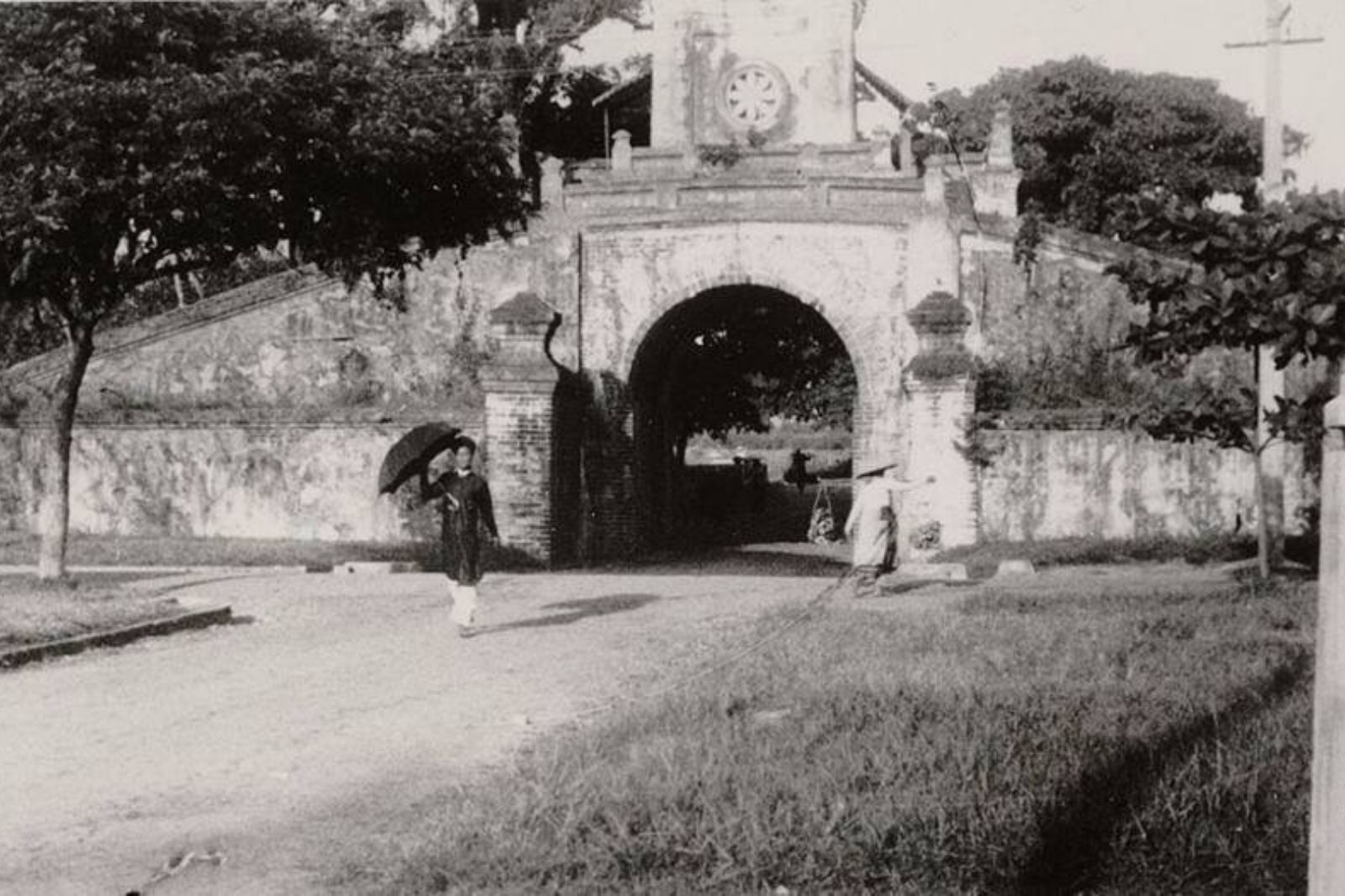
Quang Binh Quan in the old days
Photo: Quang Binh Quan in the old days 

Beyond being a military icon, Quang Binh Quan also demonstrates Dao Duy Tu's timeless strategic vision. In 1825, King Minh Mang ordered the restoration and reinforcement of the gate with durable baked bricks and added a watchtower tier, making Quang Binh Quan sturdier than ever in preparation for future historical trials.

However, the destruction of war could not erase the mark of Quang Binh Quan. In 1954, as French forces retreated from Dong Hoi, they destroyed the structure, but subsequent government reconstruction efforts restored it almost back to its original form. In 1965, during the air war of destruction, Quang Binh Quan was once again devastated by US airstrikes. Yet true to its indomitable spirit, the monument was rebuilt once more, preserving its majestic presence through long years of warfare.

Today, Quang Binh Quan still stands tall and nearly fully restored, serving as a historic and cultural symbol of Quang Binh—marking heroic moments and resolute military strategies. This monument is not only a witness to the past, but also a reminder of the spiritual strength and resilience of the Vietnamese people across generations.

Ideal Time to Visit Quang Binh Quan

Quang Binh – a land of majestic caves, pristine beaches, and heroic historic sites – holds a strong appeal for travelers. However, choosing the right time to visit is crucial for a complete and memorable trip. So when is the ideal time to explore Quang Binh?  

Dry Season (March – September)

The dry season is the best time to visit Quang Binh, featuring sunny weather, clear blue skies, and low rainfall, making it ideal for outdoor activities. Additionally, festival periods such as the Boat Racing Festival on the Nhat Le River on September 2nd showcase the local martial spirit in grand fashion.  

June to August is the perfect timeframe to enjoy Nhat Le Beach, Da Nhay Beach, and Quang Phu Beach, where you can immerse yourself in cool waters or try activities like windsurfing, parasailing, and kayaking.  

In particular, if you wish to explore Phong Nha – Ke Bang National Park, trekking tours and cave expeditions to En Cave, Duong Cam Waterfall, and Paradise Cave operate at full capacity during this season. The annual Quang Binh Summer Festival features exciting activities such as art performances, music, folk games, and spectacular fireworks along the Nhat Le River. Sports enthusiasts shouldn't miss the summer marathons, mountain bike races, or beach sports tournaments.  

Rainy Season (October – February):

The rainy season in Quang Binh lasts from October to February, bringing heavy rainfall that is unsuited for beach visits or cave exploration. However, if you prefer a serene, introspective atmosphere to experience Quang Binh's beauty from a different perspective, this can still be an intriguing time.  

In the chilly weather, you can visit historical sites like Quang Binh Quan and nearby attractions such as Dong Hoi Citadel and the Tomb of Le Thanh Hau Nguyen Huu Canh to appreciate their quiet, ancient charm. This is also a great time to visit Hoang Phuc Pagoda – one of the oldest pagodas in Central Vietnam with over 700 years of history. A winter trip to Quang Binh wouldn't be complete without piping hot local dishes like snakehead fish noodle soup (chao canh ca loc), tapioca dumplings (banh loc), and Bombay duck fish hotpot (lau ca khoai), warming you up while letting you savor authentic regional cuisine.  
The Architectural Beauty of the Monument

Quang Binh Quan is not just an ancient citadel gate, but a living architectural museum featuring unique details that reflect tactical precision and design sophistication. Every component carries deep military significance while showcasing a harmonious balance between function and artistry. Below are the architectural highlights of Quang Binh Quan:

Citadel Wall – A Fortified Shield

The citadel walls of Quang Binh Quan were built from baked bricks with a robust structure, providing a solid defensive barrier against attacks. Thickly constructed with a sturdy surface, each layer was laid using special techniques to resist both the erosion of time and the harshness of battle. Standing close, you can feel the breath of history, as if every brick tells stories of battles long past.  

The Moat – A Natural Line of Defense  

Beyond its walls, Quang Binh Quan was encircled by an extensive moat system, creating a natural barrier against enemy forces. These moats enhanced defensibility while highlighting the monument's grand stature. Looking down from the ramparts, you behold a majestic scene where water and fortification merge into a strategic yet harmonious landscape.  

The Watchtower 

One of the standout features of Quang Binh Quan is its watchtower, where sentries stood guard and observed distant movements. Positioned at a high vantage point, the watchtower allowed defenders to monitor the battlefield easily while serving as a resting area after guard shifts. Today, standing on the watchtower offers panoramic views of Dong Hoi City, winding rivers, and stretching avenues, connecting past and present.  

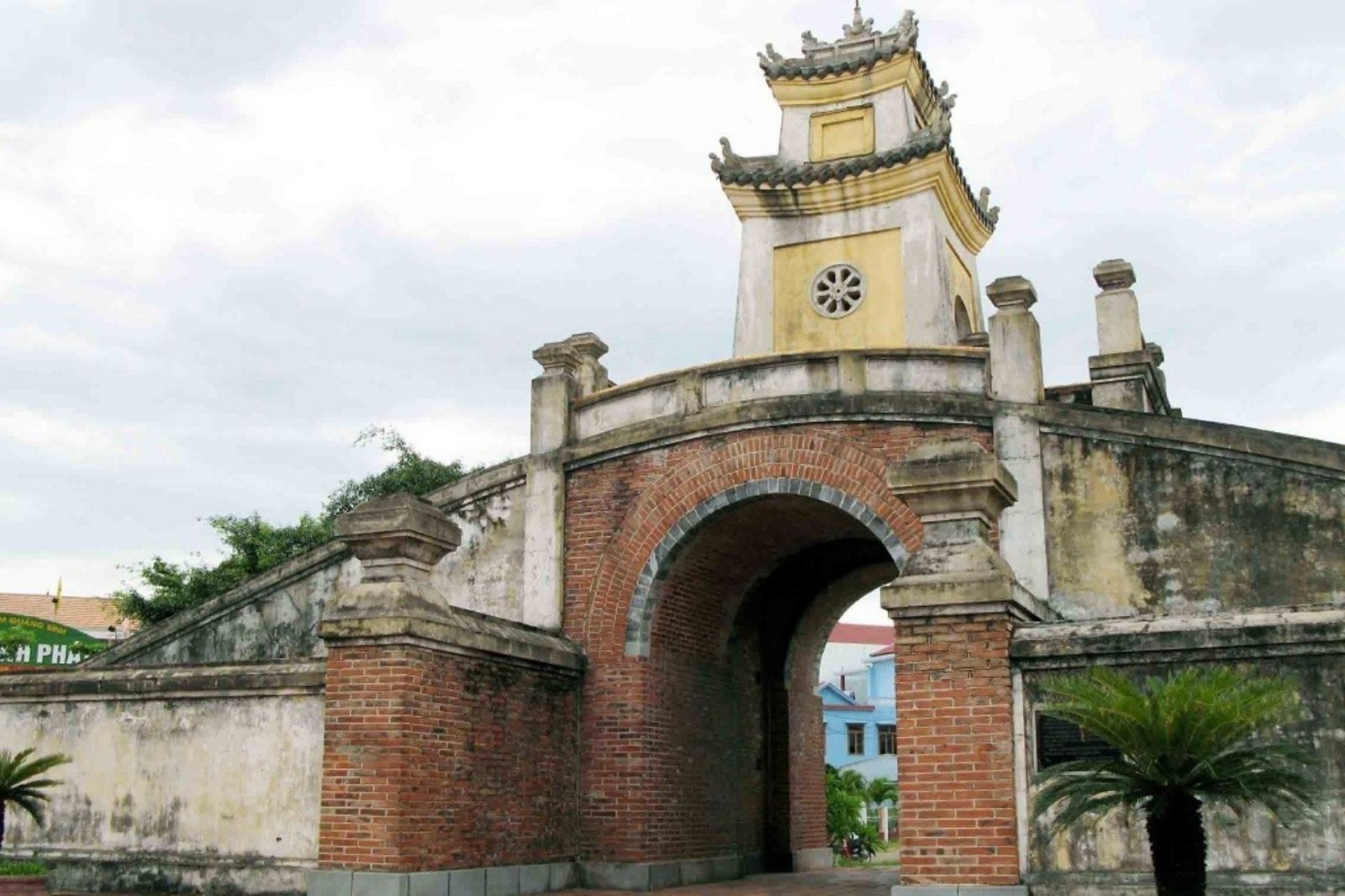
A structure of exquisite architecture
Photo: A structure of exquisite architecture 

The Main Gate 

The gate itself is the heart and soul of Quang Binh Quan. Sturdy and imposing, the main gate served as both an entryway and a symbol of defensive power. Solid iron doors, high arched vaults, and intricate decorative carvings come together to create a work of art that embodies the resilient spirit of the nation. Standing before the gate instills a sense of majesty, as if walking right into a historical epic film.  

Every detail in the architecture of Quang Binh Quan goes beyond mere military function; it stands as a symbol of tactical intelligence, unyielding resilience, and national cultural identity.

Guide on How to Get to Quang Binh Quan

Quang Binh Quan is situated in the heart of Dong Hai Ward at a key crossroads connecting major traffic routes. From here, you can easily travel in multiple directions: west toward Duc Ninh, north along the road to Hanoi, east connecting with Me Suot Street down to the Nhat Le River wharf, and south along the route to Hue.  

Getting to Quang Binh Quan is very convenient whether by private or public transport. For flexible exploration, you can rent a motorbike at QBTravel near the walking street area for around 130,000 – 200,000 VND/day depending on the model. This is an ideal option for moving effortlessly between city sights. Alternatively, taxis and Grab offer flexible and comfortable transport if traveling in a group.

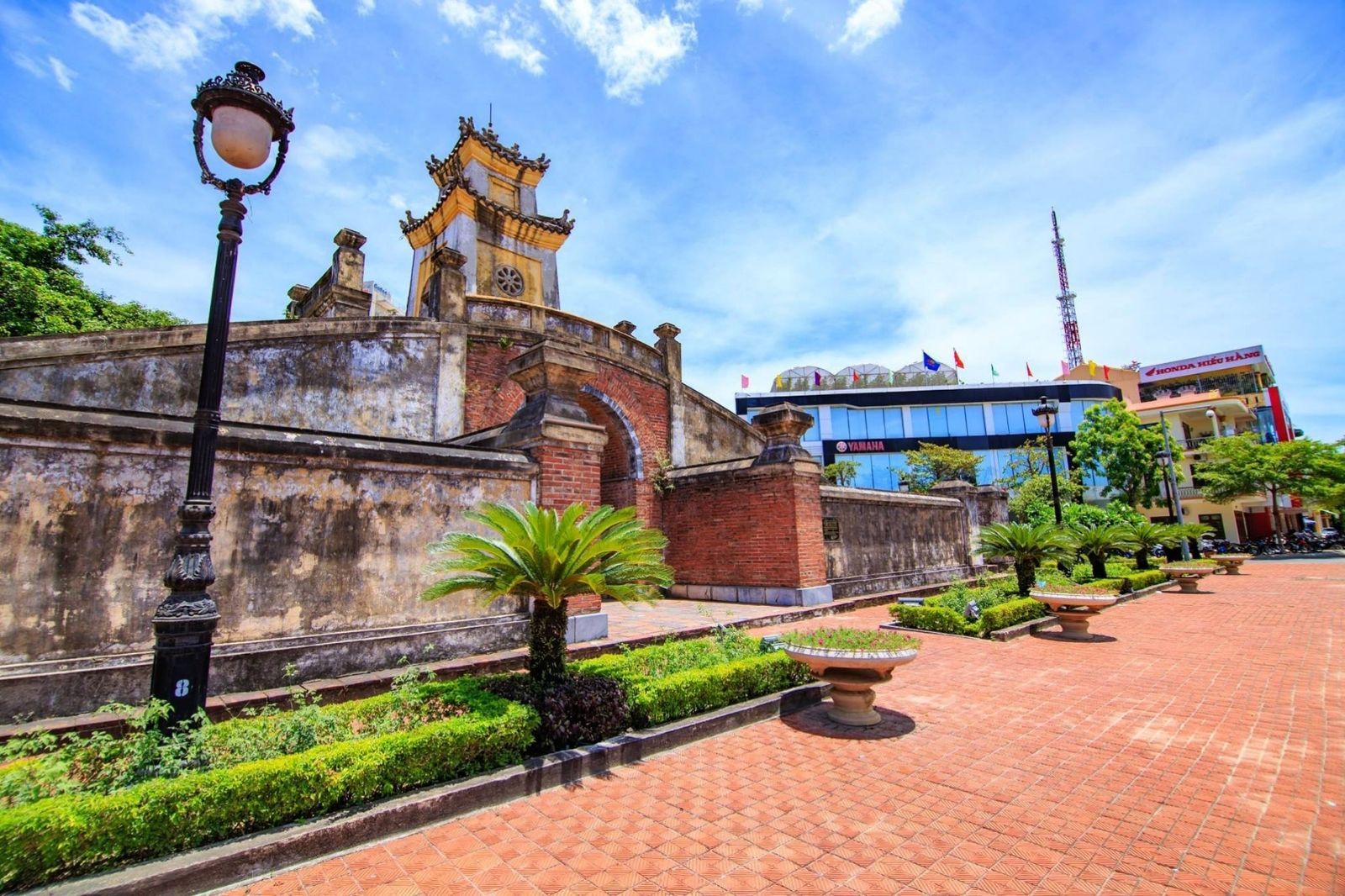
Quang Binh Quan is located in the heart of Dong Hai Ward
Photo: Quang Binh Quan is located in the heart of Dong Hai Ward 

 With this self-guided travel guide from Sovaba Travel, we hope you feel inspired to begin a fulfilling and cost-effective trip. If you prefer to experience Quang Binh Quan hassle-free with storytelling guides who deeply understand its historical heritage, don't hesitate to book a Quang Binh Quan tour directly at sovaba.travel – where every journey goes beyond sightseeing to create a deep connection with a vibrant heritage realm.

Articles related to Quang Binh Quan