Tour du lịch Hà Giang
TRAVEL GUIDE
Ha Giang

Introduction

Detailed A-Z Ha Giang Self-Guided Travel Guide

Ha Giang – the frontier land of the country, has long been a dream destination for nature lovers and adventure seekers. It is famous for the majestic Dong Van karst plateau, spectacular mountain passes like Ma Pi Leng, the emerald-green Nho Que river, and the unique culture of highland ethnic minority groups. Each season of the year, Ha Giang boasts its own beauty, from the vibrant buckwheat flower season, the golden ripe rice season in Hoang Su Phi to the magical sea of clouds in winter, making it unforgettable for anyone who sets foot here.

In the detailed A–Z self-sufficient Ha Giang travel guide from Sovaba Travel, you will find useful information to plan your trip easily and completely. From the best travel times, transportation, highlight attractions, suggested itineraries to dining, accommodation experiences, and estimated costs, everything is clearly compiled and updated. With practical experience from Sovaba Travel, this guide will help you confidently explore Ha Giang in a cost-effective, safe, and memorable way.
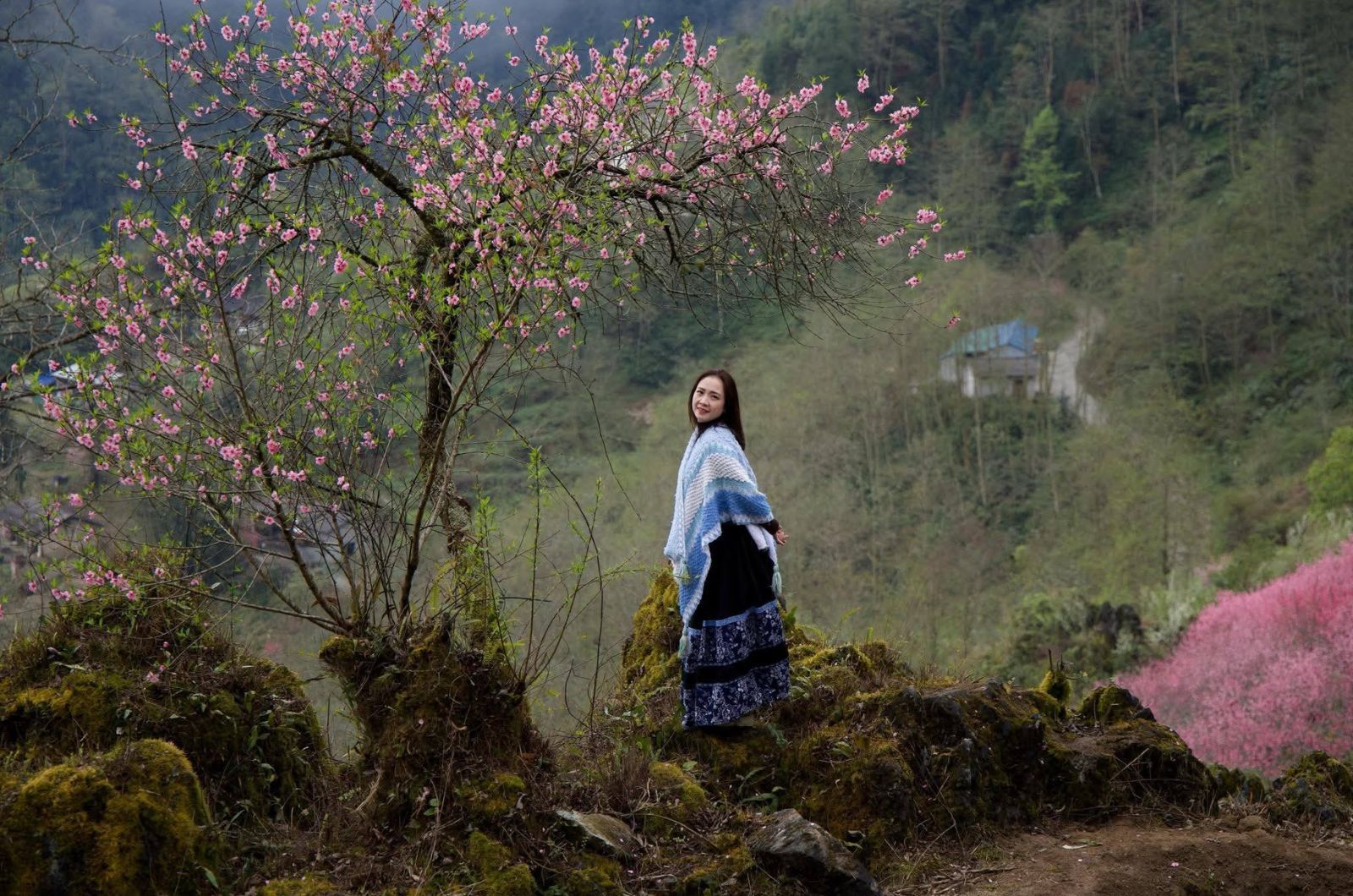
Introduction to Ha Giang Tourism

Ha Giang is the frontier province of the Fatherland, famous for its majestic mountain landscapes, spectacular mountain passes, and the unique cultural identity of highland ethnic groups. This place possesses many outstanding landmarks such as Dong Van Karst Plateau – a UNESCO Global Geopark, Ma Pi Leng Pass, Nho Que River, Lung Cu Flagpole, along with traditional villages of the H'mong, Dao, and Lo Lo people. Not only attractive with its grandiose nature, Ha Giang tourism also appeals to visitors with its characteristic flower seasons such as buckwheat flowers, yellow mustard flowers, or the beautiful terraced fields in Hoang Su Phi. With the combination of pristine nature, unique local culture, and famous backpacking routes, Ha Giang is increasingly becoming an ideal destination for those who love to explore and experience.

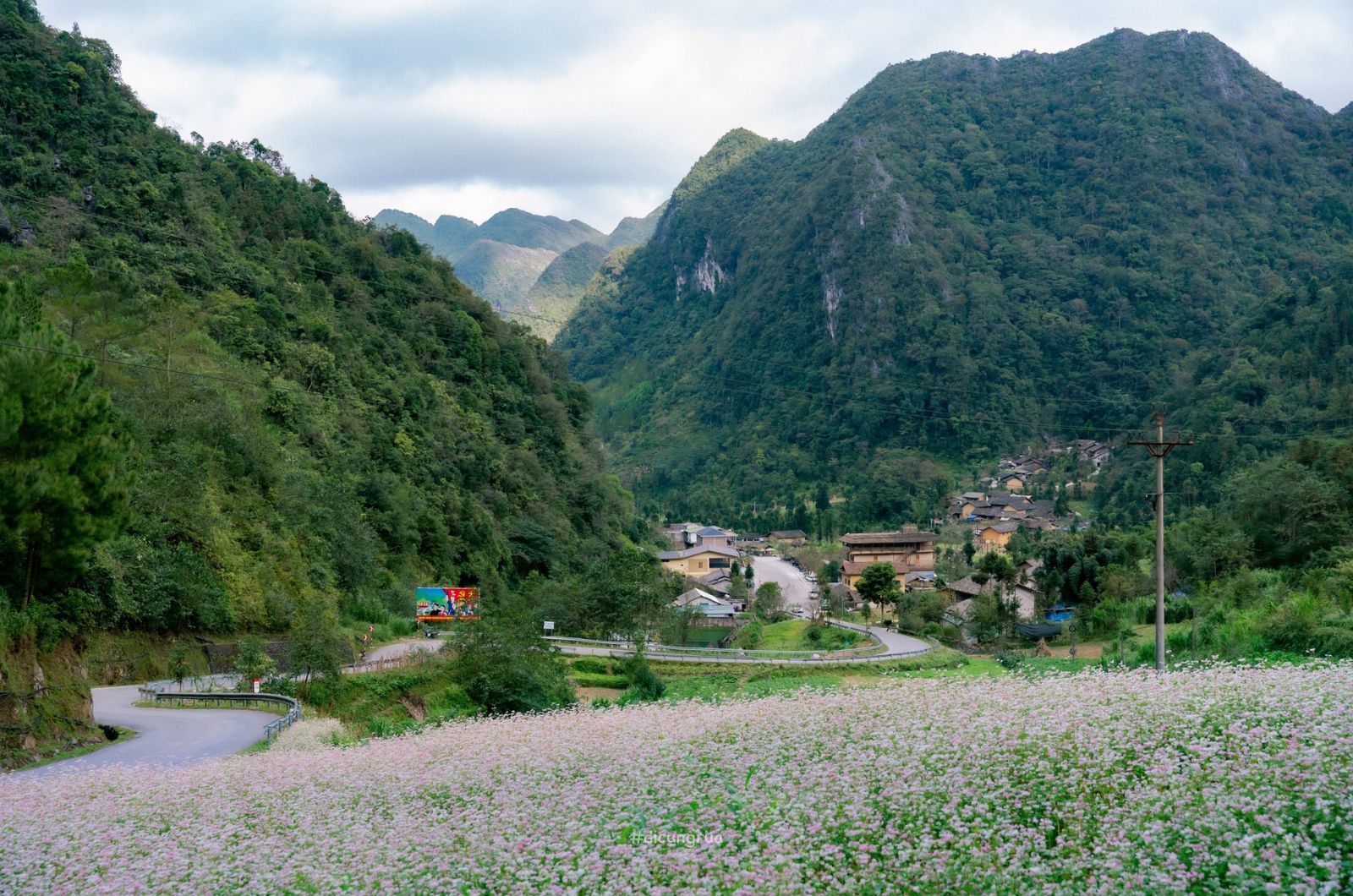
Ha Giang is famous for its mountain scenery and majestic passes
Photo: Ha Giang is famous for its mountain scenery and majestic passes  

Best Time to Visit Ha Giang

Ha Giang has a cool plateau climate all year round, with an average temperature of about 21–23°C, so tourists can visit at almost any time of the year. However, each season in Ha Giang has its own beauty, from the golden ripe rice season to the pink buckwheat flower fields or the brilliant peach and plum blossoms in spring.

  • September-October (autumn): Golden ripe terraced fields, glistening rice across Hoang Su Phi, Yen Minh – the most beautiful time of the year.
  • October-December: Buckwheat flowers blooming brilliant pink, yellow mustard flowers, chilly air ideal for trekking.
  • January-March (spring): Plum and peach blossoms blooming white and pink all over the mountains and forests, vibrant ethnic festivals.
  • April-May: Khau Vai Love Market (27th day of the 3rd lunar month), the water-pouring season on terraced fields reflecting the sky and clouds.

For a smooth trip, tourists should avoid the period from June to August, when Ha Giang enters the rainy season, making pass roads slippery and dense with fog. The most ideal time is weekends, when you can combine sightseeing with experiencing the Dong Van or Lung Cu weekend markets, which clearly reflect the unique cultural life of the highlanders.

Traveling Ha Giang during the blooming season
Photo: Traveling Ha Giang during the blooming season  

How to Travel from Hanoi to Ha Giang

The distance from Hanoi to Ha Giang is about 300 km, with an average travel time of 5–8 hours depending on the vehicle and traffic conditions. Tourists can choose one of the following options:

  • Sleeper bus/Limousine (most popular): Sleeper buses or limousines from My Dinh, Luong Yen, Gia Lam, Yen Nghia stations. Prices range from 200.000 – 350.000 VND/way (night buses are recommended to save time). Reputable operators: Ha Giang Express, Hung Thanh, Cau Me.
  • Self-drive motorbike: The popular route is National Highway 2 or National Highway 32 via Phu Tho – Tuyen Quang. However, the route is quite long with many steep passes, so it is necessary to prepare well-conditioned health and check the motorbike carefully before the trip.
  • Private car/SUV: Travel time is about 6–7 hours, depending on the route and rest stops along the way.

From TP.HCM or the Central region, tourists can fly to Noi Bai Airport (Hanoi), then continue traveling by sleeper bus or limousine to Ha Giang. The total journey time is usually about 8–10 hours, depending on layover times. 

Must-visit Destinations in Ha Giang

Ha Giang is famous for its spectacular mountain passes, majestic natural landscapes, and villages rich in highland cultural identity. In the journey to explore the northernmost land, tourists should definitely not miss the typical landmarks below:

  • Quan Ba Heaven Gate: An ideal scenic spot with a panoramic view of terraced fields and the beautiful Quan Ba valley.
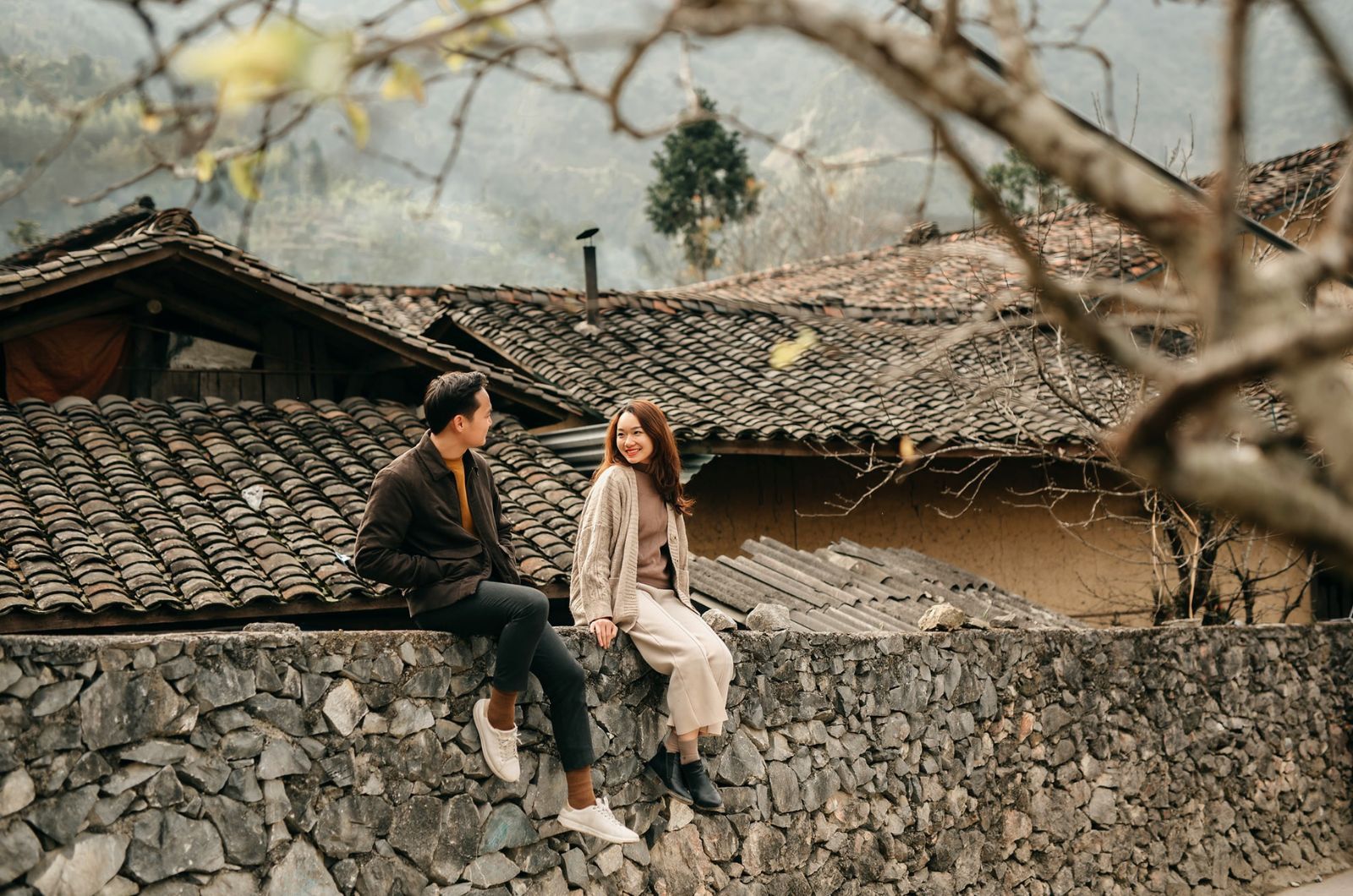
  • Pao's House: The ancient earthen walled house of the H'mong people, made famous by the movie Pao's Story.
  • King of H'mong Mansion: A unique stone architectural work in the middle of the rocky plateau, with entrance tickets costing around 20.000 VND.
  • Lung Cu Flagpole: The sacred northernmost point of the country, where the red flag with a yellow star flies at an altitude of nearly 1.700 m.
  • Ma Pi Leng Pass: One of the “four great passes” of Vietnam with a majestic scenery overlooking the emerald-green Nho Que River.
  • Dong Van Old Quarter: An ancient space over 100 years old, famous for the Sunday Market rich in highland culture.
  • Nho Que River & Tu San Canyon: Likened to “Ha Long Bay on land” with spectacular vertical cliffs.
  • Hoang Su Phi Terraced Fields: Beautiful during the ripe rice season in September-October, when the entire mountainside is dyed bright yellow.
  • Pa Vi Cultural Village: Traditional homestay space of the H'mong people, peaceful and full of local character.
  • Yen Minh Pine Forest: Romantic scenery with green pine hills, likened to “Da Lat in the middle of the rocky plateau”.

Each landmark carries its own beauty, contributing to a travel picture of Ha Giang that is both majestic and rich in cultural identity, making it unforgettable for anyone who sets foot here.

Checking in at Pao's House
Photo: Checking in at Pao's House 

Ha Giang Cuisine

Ha Giang cuisine is rich in mountain flavors, rustic but very unique thanks to the traditional cooking methods of highland ethnic groups. In the journey to explore the rocky plateau, tourists should not miss these outstanding specialties:

  • Egg rolled rice cakes (Dong Van – about 30.000–40.000 VND): Soft hot rolled rice cakes, served with soft-boiled eggs and sweet bone broth.
  • Au tau porridge (Yen Minh, Dong Van): A characteristic porridge with a slight bitter taste followed by a sweet aftertaste, usually enjoyed in the evening and considered by locals as a dish that helps keep the body warm.
  • Thang co (highland weekend markets): A traditional dish cooked from horse meat along with mountain spices such as cardamom, ginger, and lemongrass, carrying a very unique rich flavor.
  • Buckwheat cake: A cake made from buckwheat seeds, which has a light nutty taste and unique aroma, popular during the blooming season.
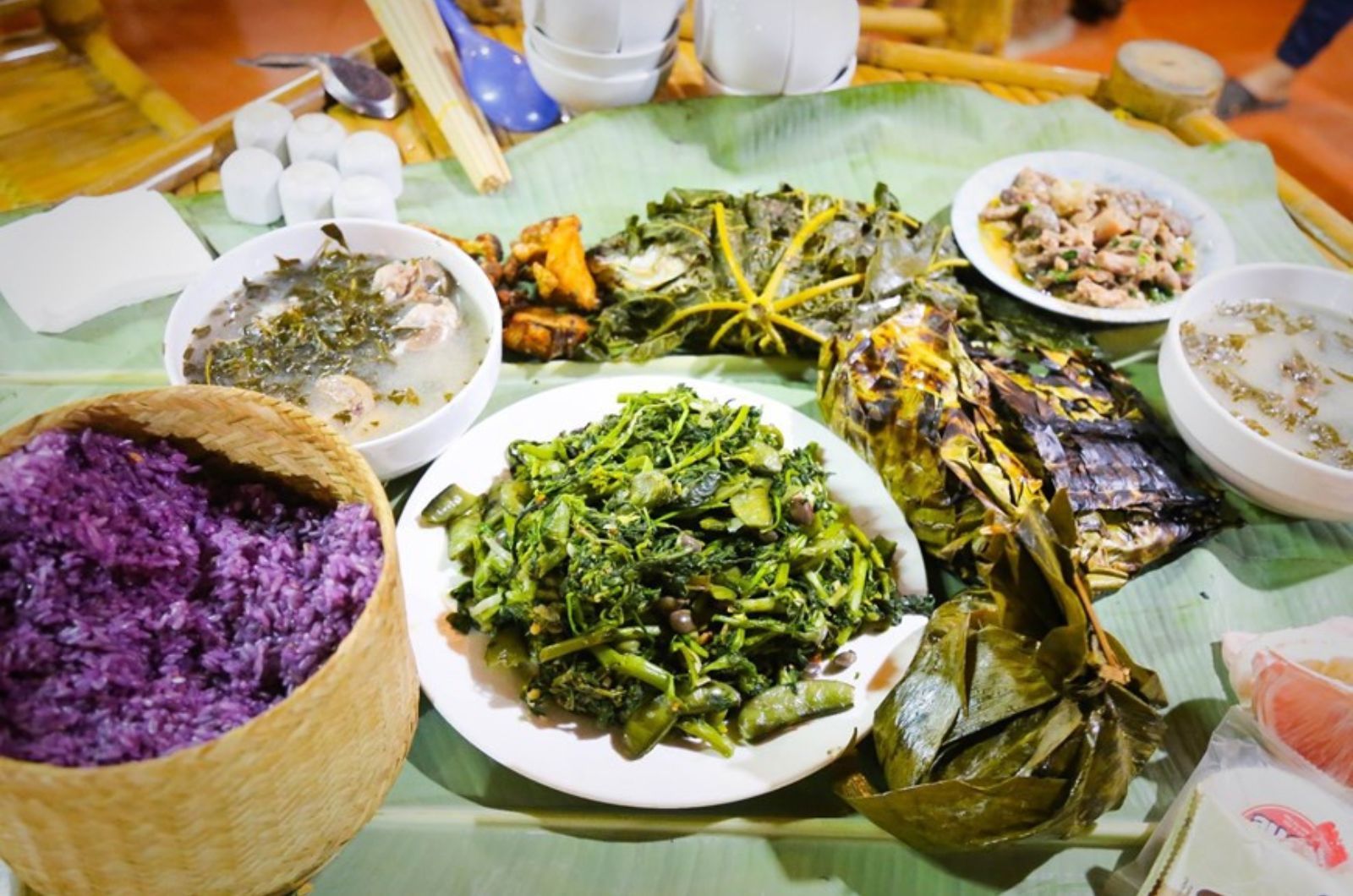
  • Bamboo-tube rice, kitchen-guard buffalo meat, leaf-fermented corn wine, five-color sticky rice: Traditional dishes that clearly demonstrate the culinary culture of highland ethnic groups.

To fully enjoy the local flavor, tourists should eat at weekend markets or local homestays, where dishes are prepared in traditional ways, both delicious and reasonably priced.

Ha Giang cuisine with many delicious dishes
Photo: Ha Giang cuisine with many delicious dishes 

Homestays and Accommodation Hotels in Ha Giang

Ha Giang has many accommodation options suitable for all needs, from cozy local homestays to comfortable hotels and high-end luxury resorts.

  • Budget homestays (100.000 – 400.000 VND/night): This is a popular choice for tourists who love experiencing local culture. Some highly-rated homestays include Bui Homestay (Dong Van), Auberge de MeoVac, Lo Lo Chai Homestay, Dao Lodge Quan Ba, Tay Coc Pang Yen Minh. Here, you can enjoy traditional meals and live with the host family.
  • 2-3 Star Hotels: If you want more private space and convenience, tourists can choose hotels such as Phoenix Ha Giang, Truong Xuan Ecolodge, Ha Giang Historic House, priced at around 200.000 – 600.000 VND/night.
  • High-end Resorts: For those seeking a luxury vacation experience amidst the mountains and forests, P’apiu Resort (prices from around 10 million VND/night) or H’Mong Village Quan Ba are outstanding choices with beautiful landscapes and premium services.

During holidays, Tet, or the buckwheat flower season (October-November), the number of tourists increases significantly, so you should book your room in advance to avoid running out of space and ensure good prices.

Important Notes for Self-Sufficient Travel in Ha Giang

For your self-sufficient exploration of Ha Giang to be safe and complete, you should note some practical experiences below:

  • Traffic safety: Ha Giang roads have many steep passes and sharp curves, so always wear a helmet, travel at speeds under 40 km/h, and check your vehicle carefully before departing. If the weather is rainy or foggy, avoid traveling through difficult sections like Meo Vac – Mau Due.
  • Prepare suitable clothing: Even in summer, nighttime temperatures in the highlands can drop low, sometimes around 10–15°C, so you should bring a warm jacket and sports shoes for convenient moving.
  • Respect local culture: When visiting ethnic villages, ask for permission before taking pictures of local people, behave politely, and prioritize buying local handmade products to support the community.
  • Protect the environment: Preserve the landscape by not littering, not breaking branches or picking flowers, especially in buckwheat flower cultivation areas.
  • Cost-saving tips: Traveling in groups of 2-4 people will help share transportation and accommodation costs. In addition, you can enjoy food at highland weekend markets and book homestays directly through Facebook or by contacting the owner to get better rates.

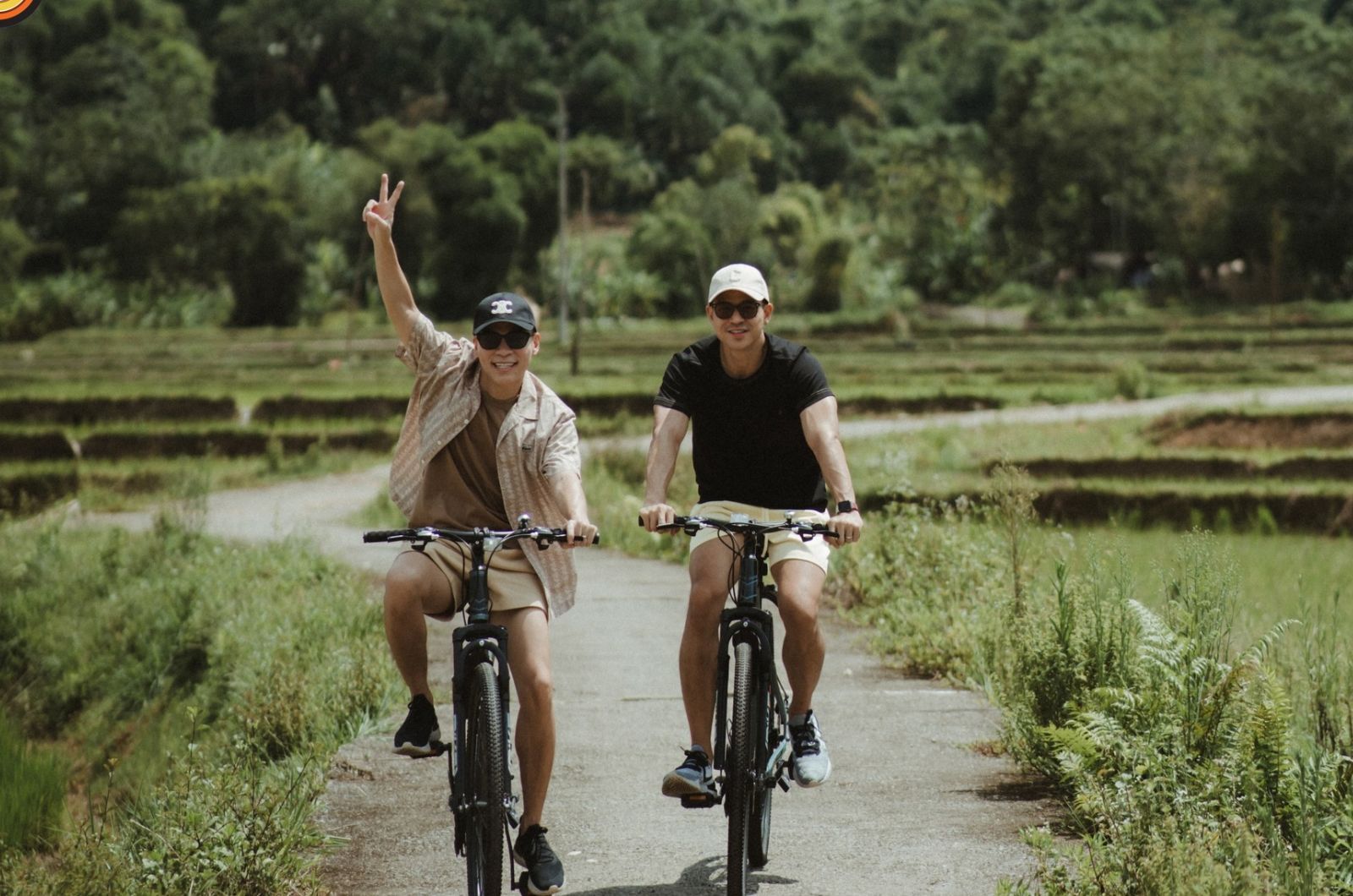
    Cycling to explore villages in Ha Giang
    Photo: Cycling to explore villages in Ha Giang 

    Hope the detailed A-Z self-sufficient Ha Giang travel guide above will help you easily plan your trip to explore the northernmost land with its majestic passes, peaceful villages, and unique ethnic cultures. Whether traveling independently or with a group of friends, Ha Giang always brings unforgettable experiences. If you want to save time planning, travel conveniently, and have local-expert tour guides, choosing an all-inclusive Ha Giang tour is the ideal option. Sovaba Travel currently provides many Ha Giang exploration journeys with optimized itineraries, all-inclusive services from shuttle buses, accommodation, dining to entrance tickets, helping you enjoy a safer and more complete trip.

TRAVEL GUIDE

No results found


Attractive destinations


Suggested hot tours in Ha Giang