Da Nang Travel: Complete A-Z Guide to Exploring the Coastal City

Central

Da Nang

Sovaba.travel

Updated at: 24/09/2026

1. What makes Da Nang so appealing?

Da Nang holds a special appeal by seamlessly blending blue seas, mountains, culture, and a modern lifestyle into a single journey. From the city, travelers can easily extend their trip to explore Hoi An, Hue, and the My Son Sanctuary, turning their Central Vietnam visit into a multi-faceted experience. Boasting a long coastline with numerous beautiful beaches, My Khe Beach is a favorite stop for visitors, thanks to its gently sloping sands, spacious setting, and stunning seaside views. Yet, Da Nang offers far more than just the beach. A day here might begin with a sunrise by the sea, followed by exploring the Son Tra Peninsula and ascending Ba Na Hills to enjoy the cool air and visit the famous Golden Bridge, before returning to the city center to watch the lights come on along the Han River.

For those who love nature and exploration, Son Tra offers scenic mountain-hugging roads, panoramic ocean views, and lush greenery. Meanwhile, the Marble Mountains (Ngu Hanh Son) impress visitors with their network of caves, pagodas, and rich cultural and spiritual heritage.

Da Nang is famous for many tourist attractions

Photo: Da Nang is famous for many tourist attractions

2. Best time of year to visit Da Nang

To plan effectively, choosing the right time to travel to Da Nang plays an important role, directly impacting your sightseeing experience and trip cost.

Da Nang has two main seasons during the year:

  • Dry season (January – August): Stable weather, plentiful sunshine, little rain. The period from March to August, especially April–July, is considered the best time with an average temperature of 28–30°C and calm seas, favorable for activities like swimming, visiting Ba Na Hills, and Son Tra Peninsula. 

  • Rainy season (September – December): Short showers often occur rather than continuous heavy rain. September–October is still a good time to visit with lower costs and fewer crowds. 

Before departure, you should check the 7–10 day weather forecast and update event schedules to plan proactively, avoiding weather disruptions or tourist overcrowding.

3. How to get to Da Nang and getting around the city

Da Nang is a tourist city with a convenient transportation network, offering visitors a wide range of options for both arriving in the city and traveling between attractions. Depending on your time, budget, and itinerary, you can choose to travel by plane, train, or long-distance bus.

Getting to Da Nang

  • By plane: Da Nang International Airport (DAD) features modern infrastructure with direct connections to Hanoi (approx. 1 hour), Ho Chi Minh City (1 hour 15 minutes), Da Lat, Phu Quoc, and many international routes such as Singapore, Seoul, Bangkok. Domestic round-trip ticket prices range from 1.2 – 3 million VND/person depending on the timing and airline.

  • By train: Travel time from Hanoi is about 16–18 hours (600,000 – 1.1 million VND), and from Ho Chi Minh City about 17–20 hours (700,000 – 1.3 million VND). The route passing through Hai Van Pass is highly rated for its scenery.

  • By sleeper bus: Suitable for neighboring central provinces, ticket prices range around 350,000 – 500,000 VND/one way.

Transportation within the city

  • Taxi/Grab: Popular, reasonable cost, easy to book via mobile app, and suitable for most travelers.

  • Motorbike rental: Prices around 100,000 – 150,000 VND/day, suitable for self-guided travel and flexible schedules.

  • Bus: Low cost (7,000 – 20,000 VND/trip), with routes connecting to Ba Na Hills, Marble Mountains, and Hoi An.

  • Car rental (4–7 seats): Prices from 800,000 – 1,200,000 VND/day, suitable for groups or families.

  • Bicycle/Electric car: Ideal for short trips around the Han River area or along the coast.

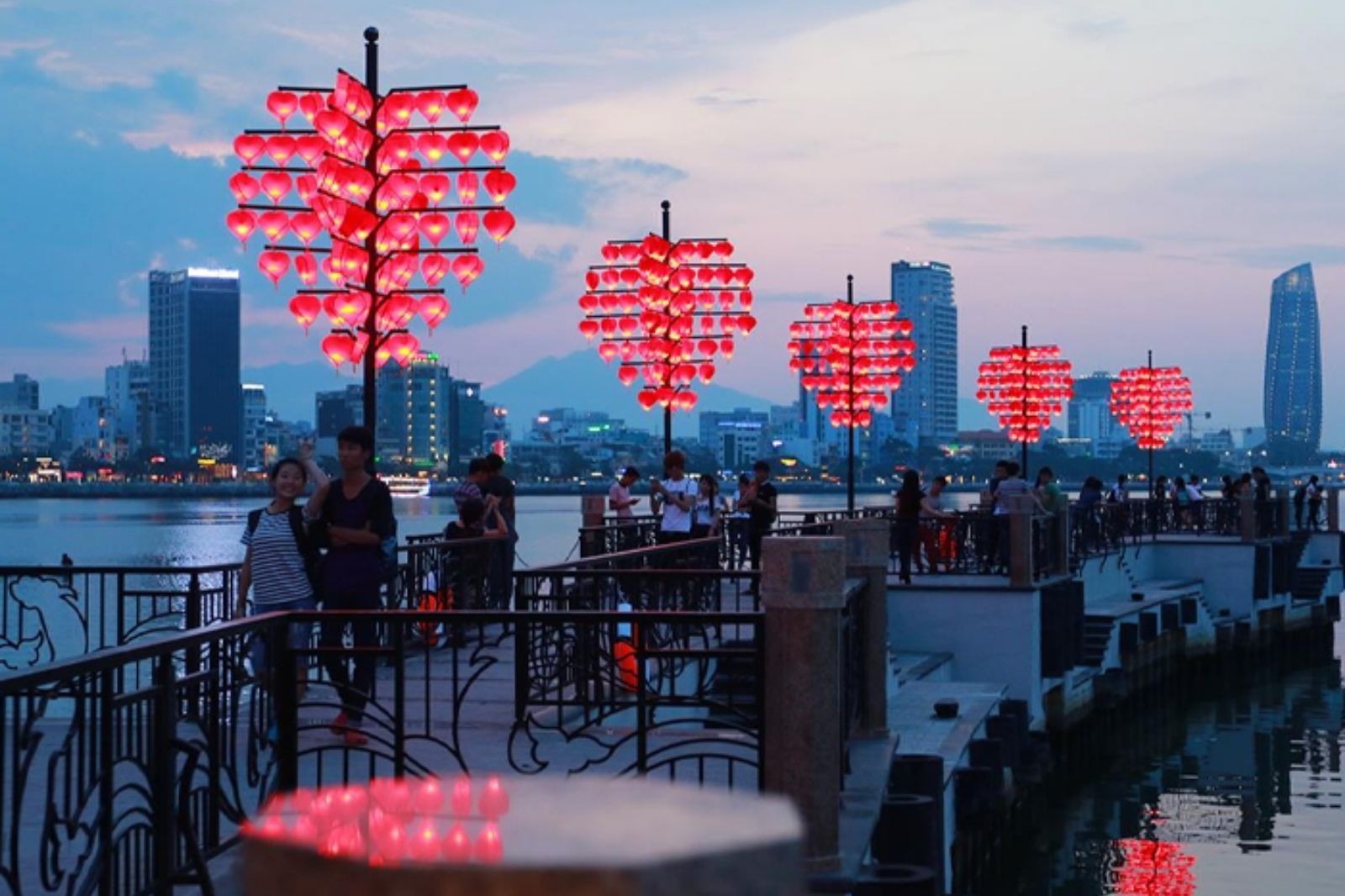
Travel tip: Use a combination of the Grab app and Google Maps for navigation and cost estimation. Avoid traveling during rush hours (7:00–9:00 AM and 4:00–6:00 PM) to steer clear of traffic jams.  If it is your first time visiting Da Nang, consider mixing up your modes of transport rather than relying on just one. Renting a motorbike for city exploration while using ride-hailing services for longer distances or during rainy weather will give you greater flexibility in your itinerary.Da Nang Love Bridge

Photo: Da Nang Love Bridge 

4. Top tourist attractions in Da Nang

Da Nang boasts a diverse range of attractions-spanning the city center to outlying areas-that cater to various travel styles, including leisure, nature exploration, and cultural experiences. Here are some highlights visitors shouldn't miss:

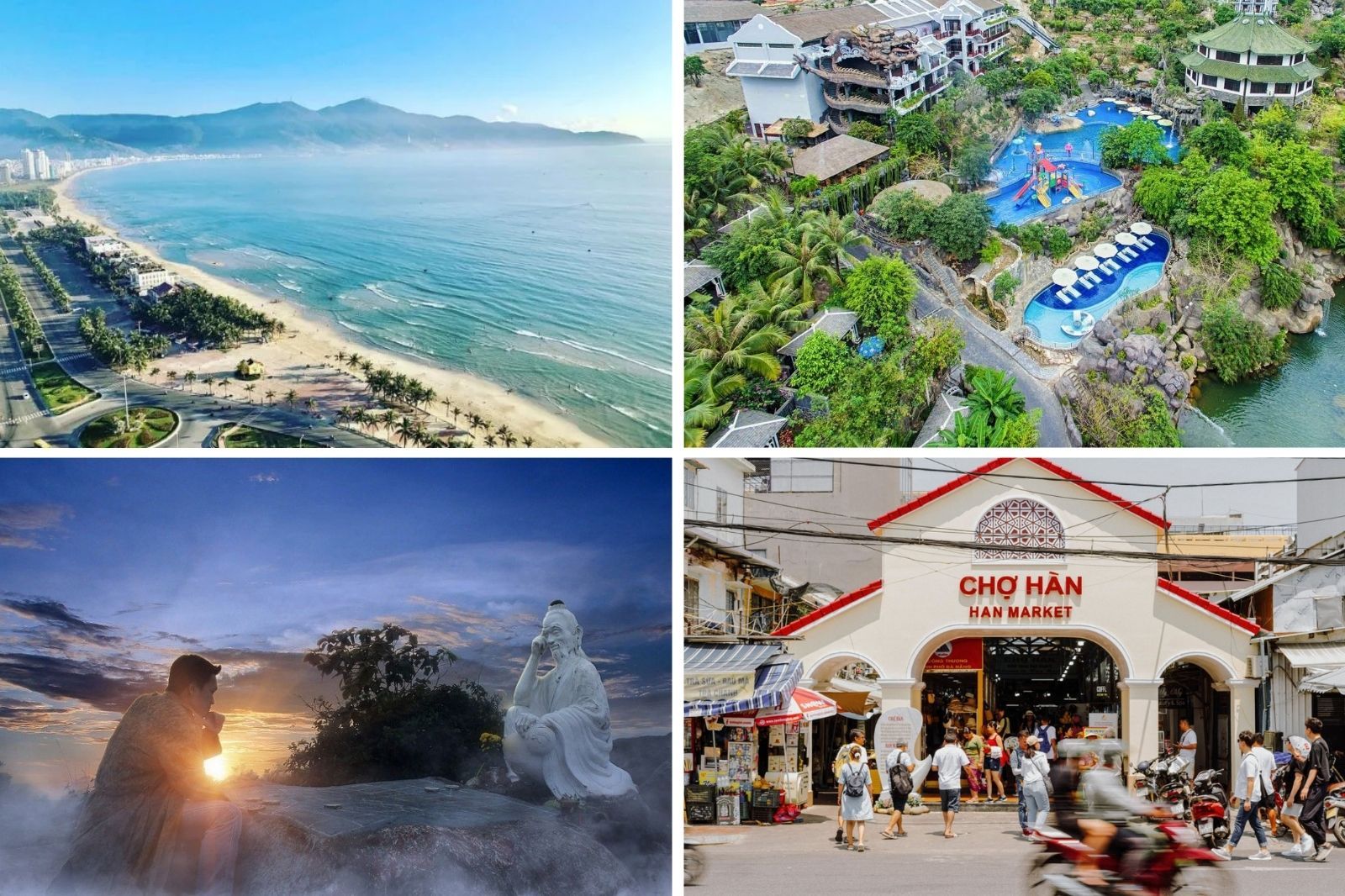
  • My Khe and Non Nuoc Beaches: Two famous beaches known for their beautiful sands, open spaces, and array of seaside activities. Early mornings and late afternoons are ideal times for swimming, strolling, and watching the sunrise or sunset.

  • Ba Na Hills: A renowned resort complex featuring the Golden Bridge and Fantasy Park; it is recommended to dedicate a full day to visiting (ticket prices range from approximately 800,000 to 1,000,000 VND).

  • The Marble Mountains (Ngu Hanh Son): A cluster of mountains featuring caves, ancient pagodas, and distinctive rocky landscapes. Visitors can also stop by the Non Nuoc Stone Carving Village and combine this visit with a trip between Da Nang and Hoi An.

  • Son Tra Peninsula and Linh Ung Pagoda: Son Tra offers lush green surroundings and scenic coastal roads winding along the mountainside. Here, visitors can explore Linh Ung Pagoda, admire the Lady Buddha (Bodhisattva Avalokiteshvara) statue, and enjoy panoramic views of the sea.

  • Dragon Bridge and Han River: Experience the city's nightlife and watch the bridge breathe fire on weekends.

  • Asia Park and Fantasy Park: Amusement parks offering a variety of rides and attractions suitable for families and groups of friends.

  • Hai Van Pass: A famous route known for its stunning scenery, perfect for exploration by motorbike or guided tour.

If you have extra time, you can extend your itinerary to include these other locations:

  • Museum of Cham Sculpture: Ideal for those interested in Champa history and art.

  • Han Market and Con Market: Great places to explore local cuisine and purchase Da Nang specialties. Asia Park – Sun Wheel: a great choice for afternoon or evening entertainment.

  • Hoi An: ideal for a day trip, especially if you want to explore the Ancient Town, local cuisine, and unique cultural atmosphere.

  • Cu Lao Cham: perfect for beach lovers and those wishing to spend more time on outdoor activities.

If you are visiting Da Nang for the first time, there is no need to rush to visit too many places. A well-balanced itinerary should allow time for sightseeing, dining, and relaxation, enabling you to truly experience the charm of this coastal city.

Some tourist attractions in Da Nang

Photo: Some tourist attractions in Da Nang 

5. What to eat in Da Nang?

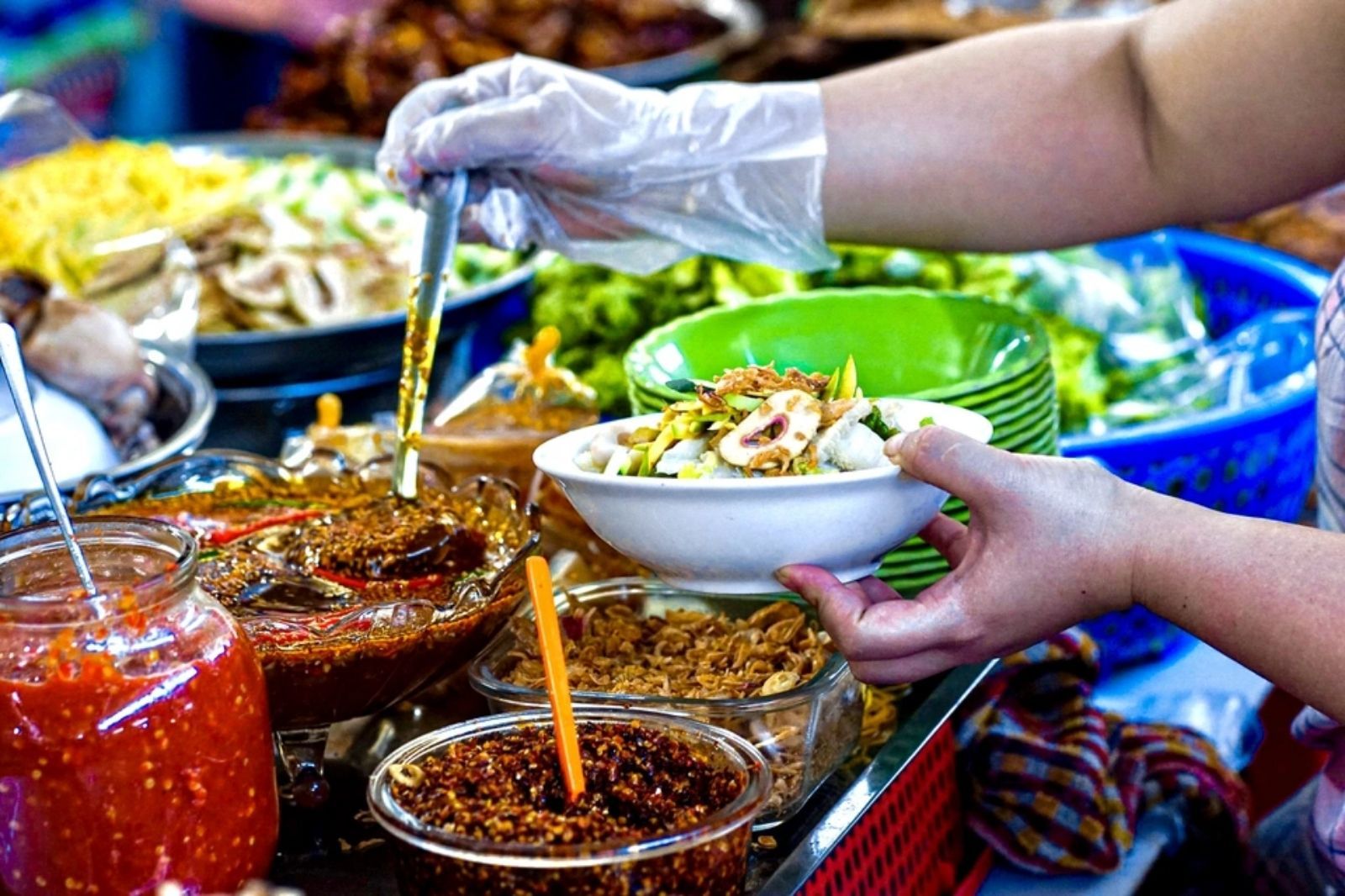
When traveling to Da Nang, the culinary experience is always an indispensable part that makes your trip complete. This coastal city boasts a rich culinary heritage with bold Central Vietnamese flavors, fresh ingredients, and delicate preparation techniques. Visitors can start their day with a topping-filled bowl of Mi Quang, enjoy delicious rice paper rolls with pork for lunch, and end their food tour with fresh seafood at coastal restaurants in the evening.

Must-try dishes when visiting Da Nang:

  • Mi Quang (Quang-style noodles): an icon of Central Vietnamese cuisine

  • Pork rice paper rolls: rolled with fresh green Tra Que herbs

  • Fresh seafood: especially shrimp, squid, and blue crab at eateries along My Khe Beach

  • Da Nang fish cake noodle soup: light yet flavorful

  • Sizzling pancakes (Banh xeo) & grilled pork skewers (Nem lui): served with fresh herbs and signature dipping sauce

For an authentic taste of local cuisine, Con Market and Han Market are well worth a visit. A quick stroll through the food sections allows you to sample a wide variety of specialties, with prices typically ranging from 30,000 to 70,000 VND per serving.

Enjoying Da Nang cuisine at local markets

Photo: Enjoying Da Nang cuisine at local markets 

6. Where to stay in Da Nang

With over 1,000 hotels and resorts spanning across the city, Da Nang offers a diverse lodging system catering to all needs, from budget travelers to luxury guests. Room rates range from 500,000 to 5,000,000 VND/night, depending on location and included services.

Budget segment (under 1 million VND/night)

Suitable for young travelers and backpackers, this segment is mostly concentrated in the My Khe coastal area.

Suggestions: Sea Wind Hotel, Hanami Hotel Danang, Gold Central Hotel by Haviland, The Garden Capsule Hotel...

Mid-range segment (1 – 2 million VND/night)

Ideal for couples or small families, this hotel group often features locations near the center or close to the beach. 

Suggestions: Monarque Hotel, Vanda Hotel, Oday Stay Hotel Da Nang,....

Luxury segment (above 2 million VND/night)

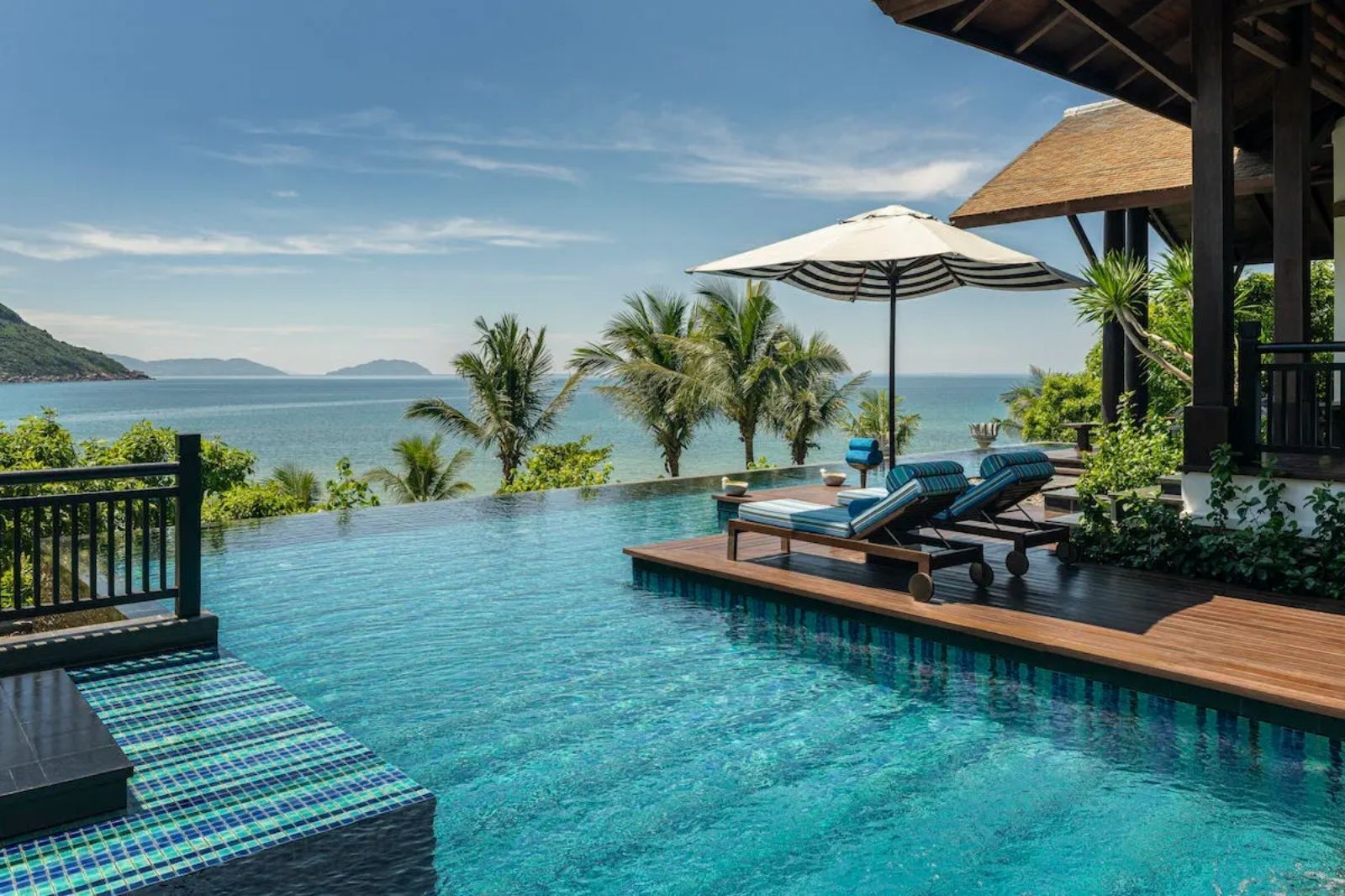
Designed for travelers seeking ultimate luxury and privacy. InterContinental Danang Sun Peninsula Resort – a renowned 5-star resort nestled in Son Tra Peninsula – consistently ranks among the most beautiful resorts in Asia.

Da Nang features many luxury resorts suitable for relaxation
Photo: Da Nang features many luxury resorts suitable for relaxation 

Da Nang is not only the city of bridges, but also a meeting point of blue seas, high mountains, and colorful culture. From the Golden Bridge suspended amidst clouds and the crystal-clear My Khe Beach to the rich flavor of Mi Quang, every experience leaves an unforgettable impression on visitors. Exploring 'Vietnam's most livable city' will be easier and more fulfilling when you choose all-inclusive Da Nang tour packages. With well-planned itineraries, professional tour guides, and all-inclusive service combos (attraction tickets, hotel, meals, shuttle bus), you can enjoy your trip without worrying about extra expenses—just bring your spirit of discovery and a fully charged camera.

Loading......

Featured destinations