Exploring the Hon Chen Temple Festival: A Unique Spiritual Tradition of Hue

Central

Thua Thien Hue

Sovaba.travel

Updated at: 28/10/2026

1. What Is the Hon Chen Temple Festival?

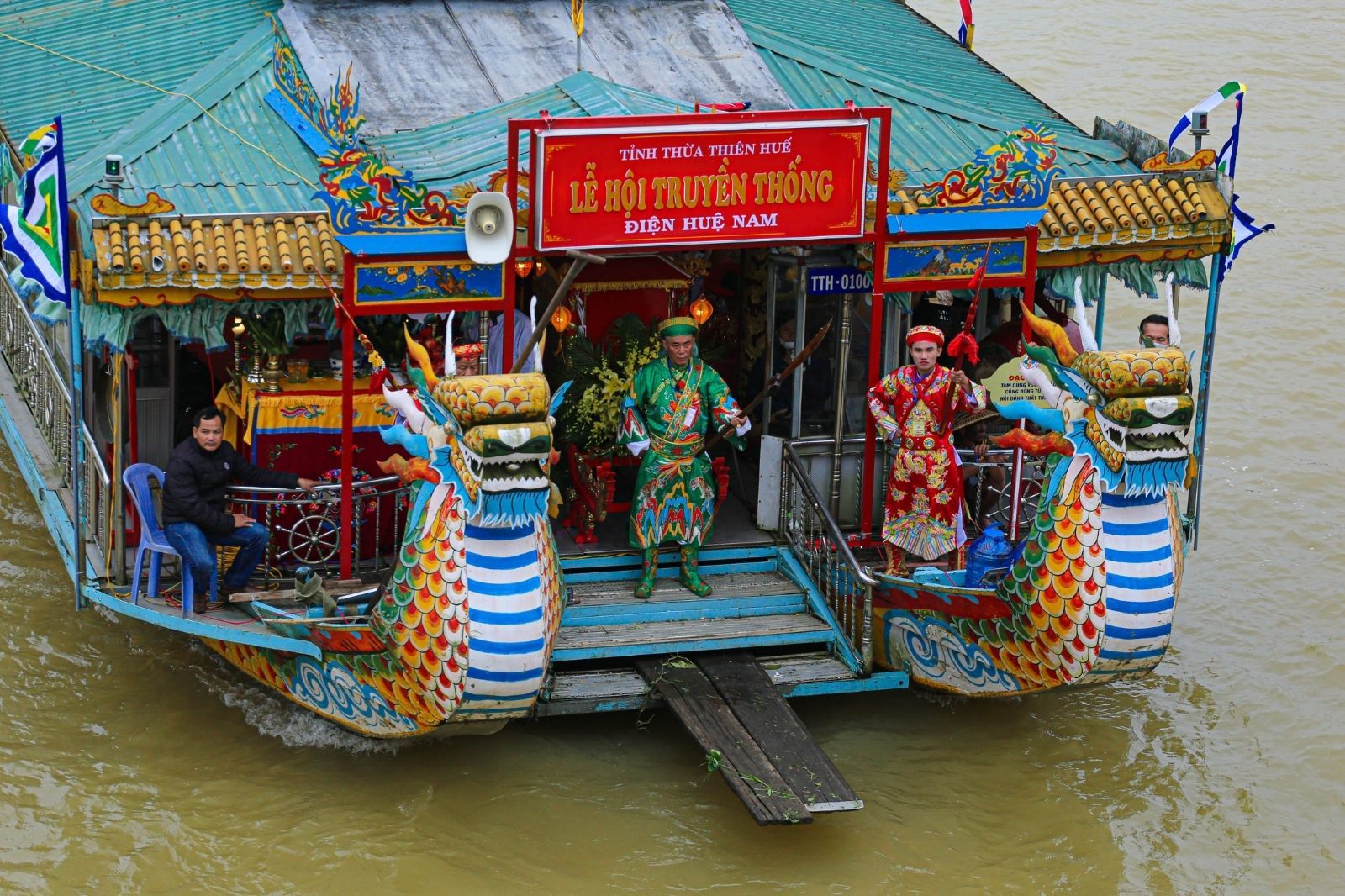
Each year, alongside the poetic Perfume River, the Hon Chen Temple Festival—also known as the Hue Nam Temple Festival—unveils a distinctive cultural and spiritual space in Hue. The festival honors Holy Mother Thien Y A Na, a deity originating from Cham Pa beliefs that was embraced and venerated by the Vietnamese under the title of Holy Mother Thien Tien. Located at Hon Chen Temple in Hai Cat Village, Huong Tho Ward, Hue City, the festival serves as a gathering point for Mother Goddess worship rituals, traditional music, and community activities preserved across generations. Flotillas of vibrant boats adorned with colorful flags glide along the Perfume River, mingling with ritual melodies and waves of pilgrims to create an ambiance that is both solemn and vibrant. This also provides travelers with an occasion to gain deeper insight into the cultural richness of Hue, where spiritual values naturally endure within contemporary life.
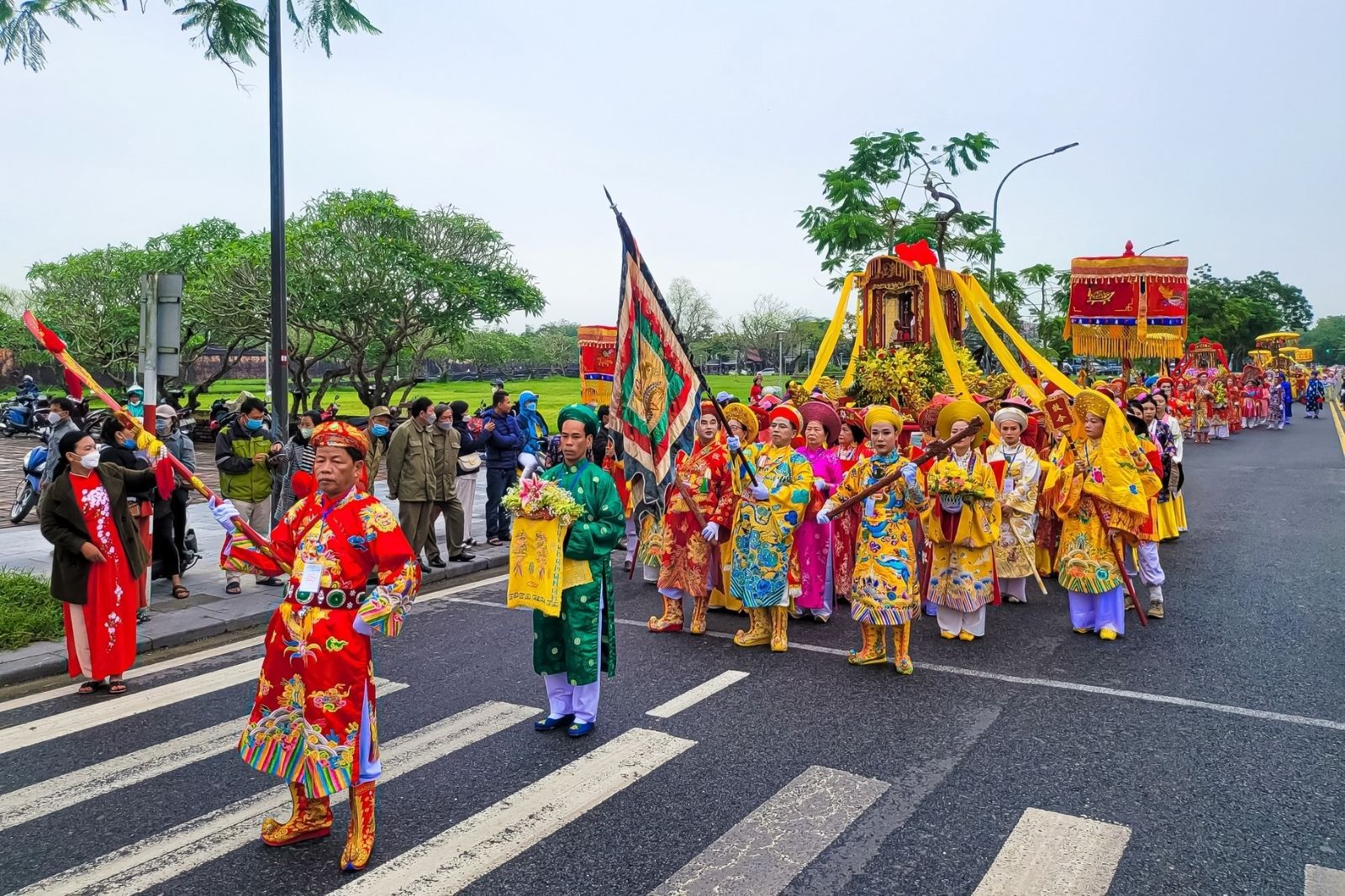
Held at Hon Chen Temple

Photo: Held at Hon Chen Temple 

2. Origins and Significance of the Hon Chen Temple Festival

The origins of the Hon Chen Temple Festival are tied to the worship of Thien Y A Na among the Cham Pa people. When Vietnamese settlers arrived to cultivate and settle in the land of Thuan Hoa, this belief system was gradually adopted and interwoven with Vietnamese Mother Goddess worship, shaping a distinct cultural expression. Across generations, the festival has become living evidence of the cultural exchange and acculturation between the Viet and Cham peoples in the ancient royal capital.

The meaning of the festival extends far beyond prayers for favorable weather and bountiful harvests. It is also an occasion for the people to express their deep reverence to the Holy Mother, conveying wishes for health, peace, and abundance. Within the ritual setting along the Perfume River, locals and pilgrims converge, fostering communal bonds and handing down spiritual values through time. It is this intertwining of spiritual faith, cultural identity, and communal affection that sustains the enduring vitality of the festival in the lives of Hue's people.

The festival conveys gratitude and prayers for favorable weather

Photo: The festival conveys gratitude and prayers for favorable weather 

3. Highlights of the Hon Chen Temple Festival

The Hon Chen Temple Festival typically spans around three days, featuring numerous traditional rituals that bring to life the rich spiritual heritage of the Hue people. Each activity carries its own character, contributing to an atmosphere that is both solemn and festive along the Perfume River.

River Procession on the Perfume River

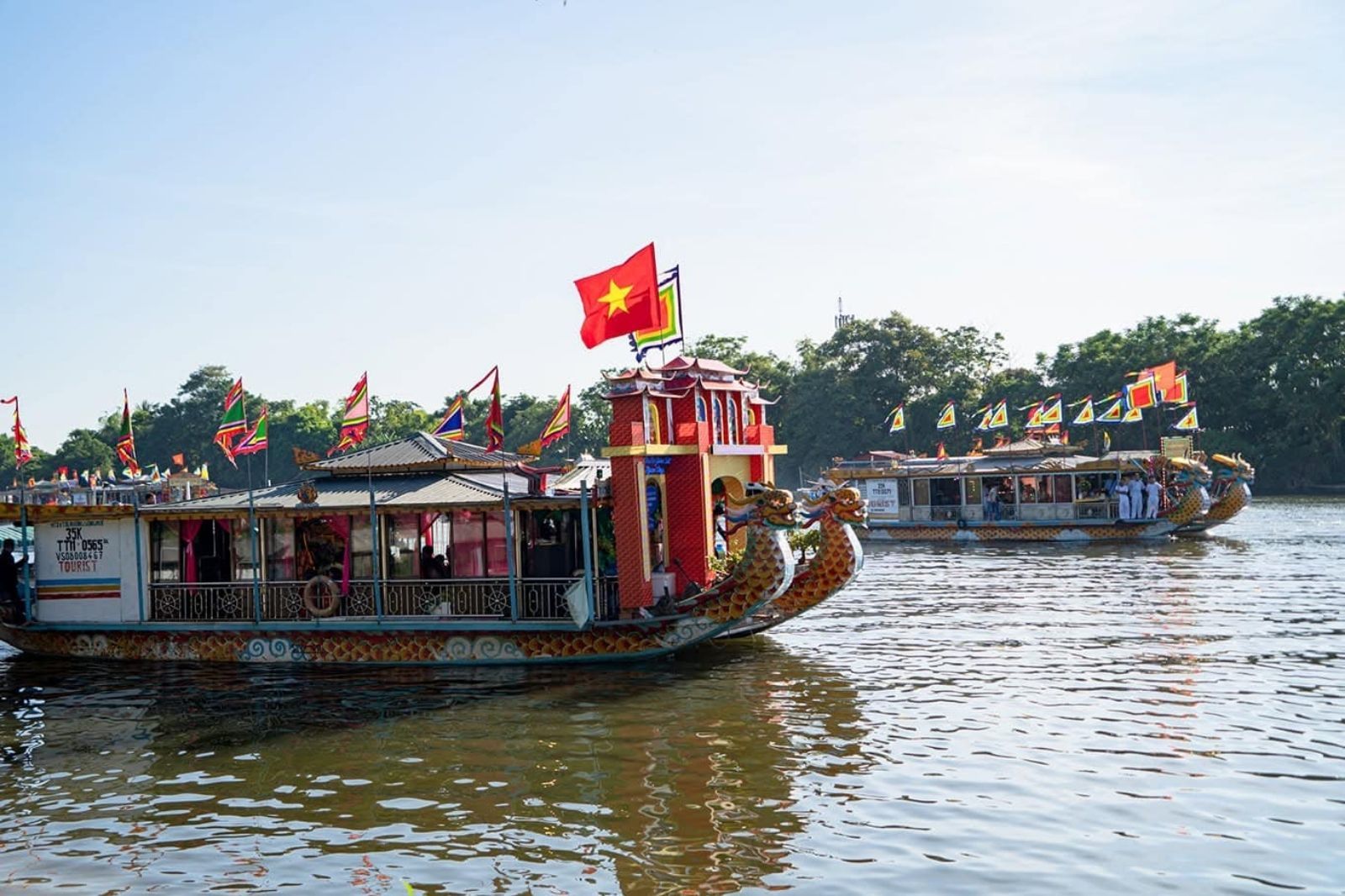
This is the most signature ritual of the festival, drawing widespread interest from visitors. Magnificently decorated dragon boats convey the deities from Hon Chen Temple downstream along the Perfume River to village communal houses or other worship shrines. The procession moves to the accompaniment of drums, gongs, and ceremonial ritual hymns, creating a mystical, sacred spectacle.

Hau Dong Spirit Possession Rituals

Hau Dong is a vital spiritual ritual within the festival, where spirit mediums become vessels to communicate with deities. The graceful dances, chant verses, and vibrant costumes showcased during this ritual constitute not only a spiritual practice but also a unique form of folk performing art.

Folk Cultural Activities

Beyond spiritual rituals, the festival hosts cultural performances such as Ba Trao boat-rowing folk songs, lion dances, and traditional folk games. This offers visitors an engaging, hands-on opportunity to encounter Hue culture up close.

Deity procession on the Perfume River

Photo: Deity procession on the Perfume River 

4. Time and Location of the Annual Hon Chen Temple Festival

The Hon Chen Temple Festival takes place twice a year, comprising the Spring sacrifice on the 2nd and 3rd days of the third lunar month, and the Autumn sacrifice in the seventh lunar month. Among these, the Autumn sacrifice usually falls around August or September in the solar calendar, drawing large numbers of locals and travelers. Visitors can reach the site by road or travel by boat on the Perfume River to immerse themselves in the festive ambiance. Each festival edition typically lasts about three days, with the main festival day featuring pivotal ceremonies and the grand river procession along the Perfume River.

5. Costumes, Music, and Festive Atmosphere Steeped in Hue Identity

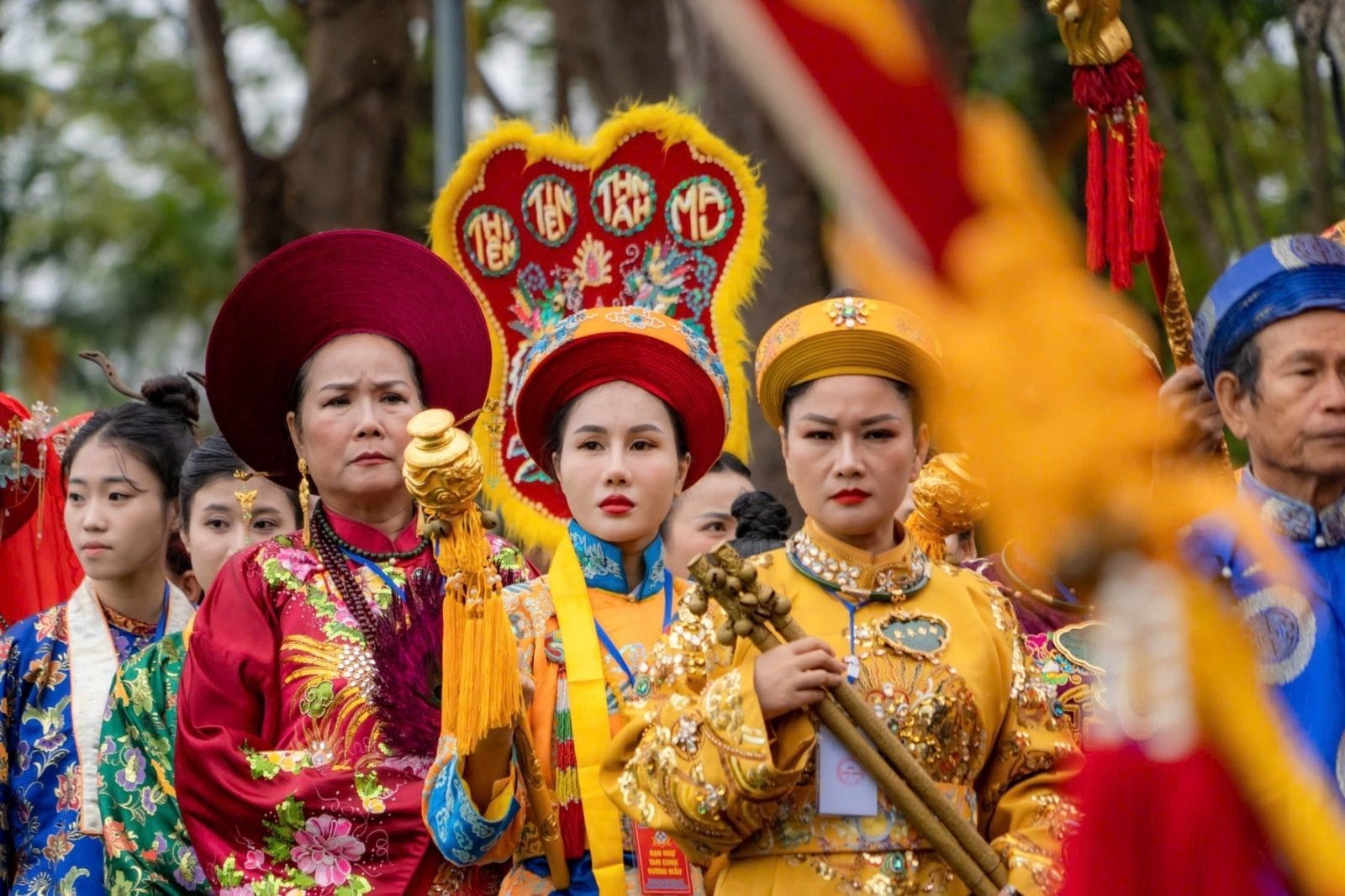
Costumes and music play an essential role in defining the distinctive character of the Hon Chen Temple Festival, where folk spirituality blends gracefully with Hue royal traditions. During the rituals, the sight of traditional five-paneled tunics and folded turbans reflects the elegance and refinement of Hue locals. Spirit mediums appear in multi-hued ceremonial vestments—with red, yellow, and blue shades bearing specific symbolic significance in each ritual incarnation—infusing the spiritual performance with rich vitality.

The resonance of Chau Van invocations blends with the cadence of drums, gongs, and flutes, guiding the Hau Dong ceremonies through rhythms that transition gracefully from gentle to jubilant. Amidst the Perfume River, flotillas adorned with ceremonial banners proceed toward the shrine; floating lanterns, plumes of incense, and colorful ceremonial robes interlace to create a setting that is deeply reverent and visually evocative. From the water surface to the courtyard of Hon Chen Temple, every detail helps recreate a spiritual legacy that has persevered within Hue culture across countless generations.

The festival is closely associated with five-paneled tunics and folded turbans

Photo: The festival is closely associated with five-paneled tunics and folded turbans 

6. Visitor Guide for Attending the Hon Chen Temple Festival

To ensure a smooth experience when attending the Hon Chen Temple Festival in Hue, visitors should proactively check the festival schedule, choose appropriate transportation, and adhere to etiquette guidelines within sacred grounds.

  • Timing: The main festival takes place in the seventh lunar month, typically lasting from the 3rd to the 7th day. Check the lunar calendar in advance to plan accordingly.

  • Location: Hon Chen Temple is situated about 10 km from downtown Hue City. You can travel by motorbike, car, or by boat along the Perfume River to arrive at the shrine.

  • Dress code: As this is a sacred religious festival, please wear polite and modest attire. Avoid overly short or revealing garments when participating in ceremonial events.

  • Cultural etiquette: Respect local customs and rituals, and avoid making noise or jostling in sacred spaces.

  • Preparation: Bring drinking water, a wide-brimmed hat, and sunscreen if participating in daytime outdoor activities.

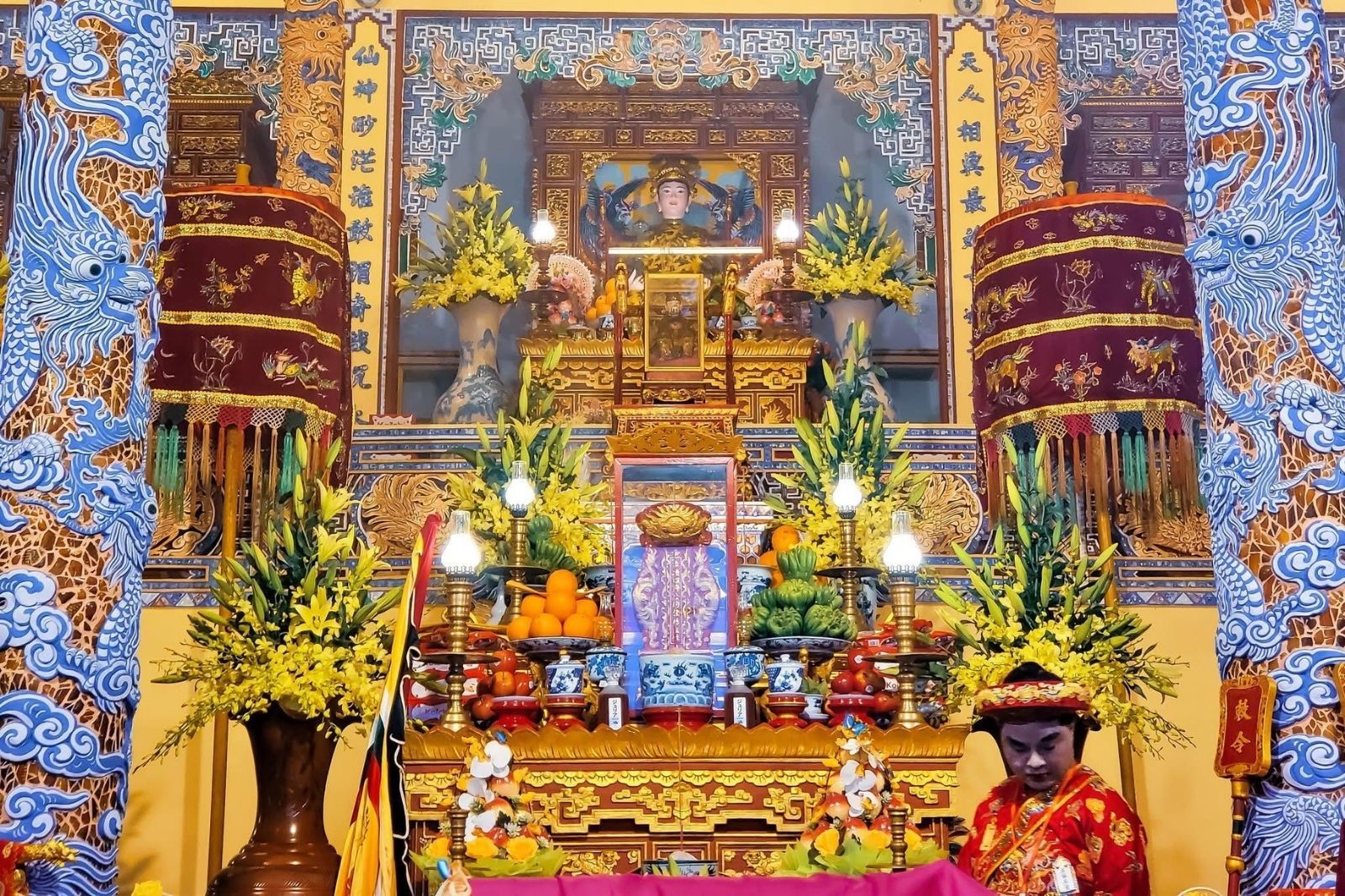
The festival takes place in the seventh lunar month

Photo: The festival takes place in the seventh lunar month 

The Hon Chen Temple Festival is not merely an extraordinary spiritual gathering, but also one of the quintessential traditional festivals in Hue rich in cultural and spiritual heritage. By participating in the festival, visitors can immerse themselves in an atmosphere that is both vibrant and sacred, explore the unique convergence of Cham and Vietnamese cultures, and admire the poetic beauty of the Perfume River. This presents a prime opportunity to truly appreciate the spirit of community solidarity and the time-honored values lovingly preserved by Hue people across generations.

Loading......

Featured destinations