|

Back Home

Hue and Traditional Festivals: The Cultural Breath Throughout 4 Seasons

Central

Thua Thien Hue

Sovaba.travel

Updated at: 28/08/2026

1. Hue Festival

Time: Takes place biennially in even-numbered years, with activities spanning throughout the year (in 2024 from June 7–12, in 2025 expected in March).

Location: Hue City, main venues including the Imperial City, Ngo Mon Gate, Perfume River.

Significance: Honoring the cultural heritage of the ancient capital, connecting traditional and modern arts.

Hue Festival is the largest cultural & artistic event of the Ancient Capital, attracting millions of domestic and international visitors during each edition. Originating in 1992 under the name Vietnam – France Festival, the event has gradually affirmed its position as a cultural bridge, turning Hue into an exchange venue between Vietnam and international friends. Over more than three decades, Hue Festival is not only a place to honor heritage values and traditional arts, but also opens up a creative space connecting with contemporary breath. In 2024, under the theme “Cultural Heritage with Integration and Development”, the Festival promises to bring a diverse and attractive series of activities such as:

  • Opening Ceremony and Ban Soc Ritual: Taking place at Ngo Mon Gate, Imperial City, reenacting the ancient royal atmosphere.
  • Street Art Performances: Domestic and international art troupes performing lion-dragon dances and folk music and dance.
  • Community Activities: Country market, kite flying, human chess, and handicraft exhibitions.

Book hotel tickets early to avoid room shortages and bring cool clothing along with comfortable footwear, as activities mostly take place outdoors.
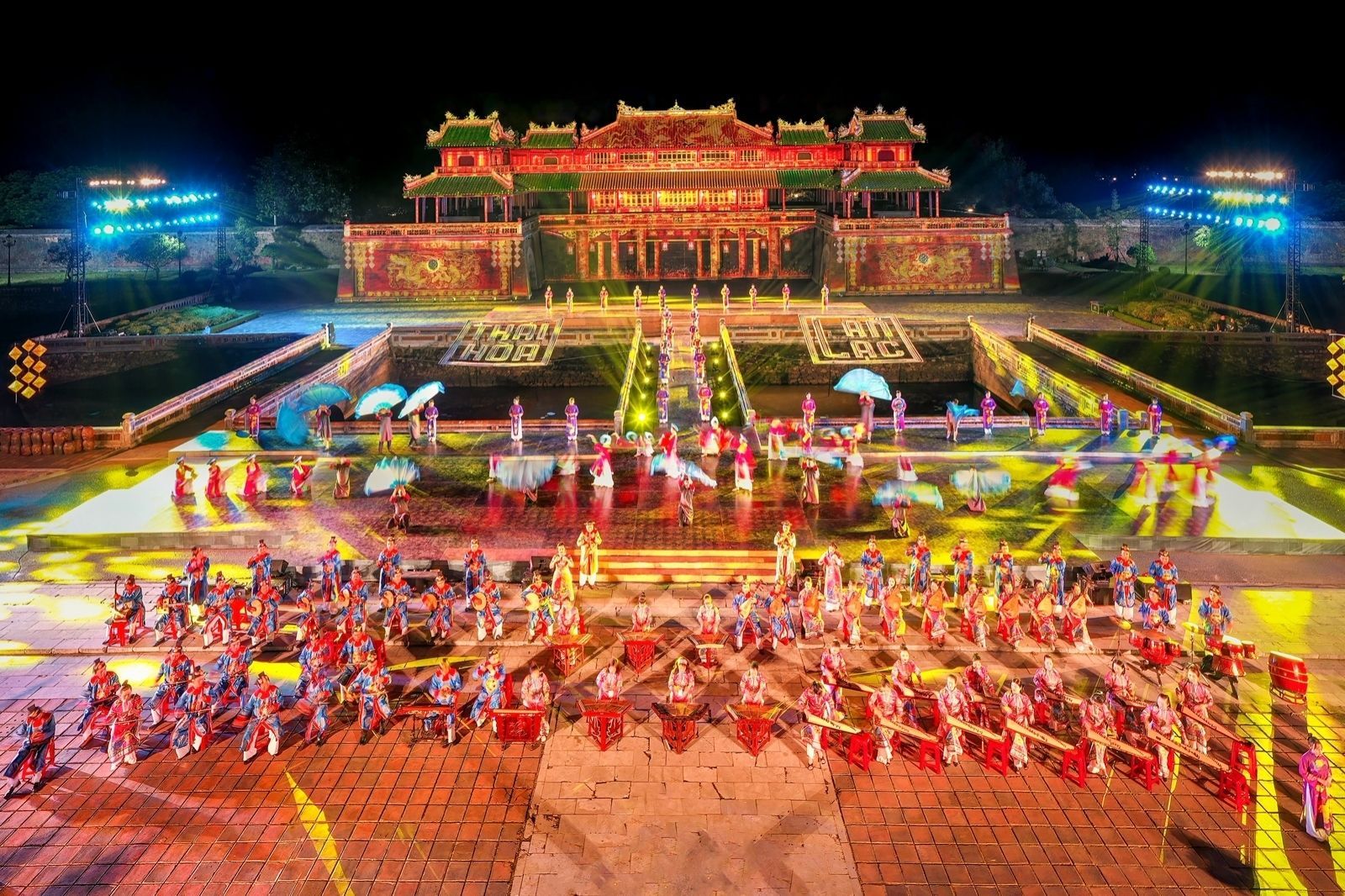
Hue Festival
Photo: Hue Festival 

2. Hue Ao Dai Festival

Time: Takes place within the framework of Hue Festival, usually in March or June

Location: Hue City, outdoor stages and historical relics.

Significance: Promoting the beauty of Ao Dai, the cultural symbol of Vietnam.

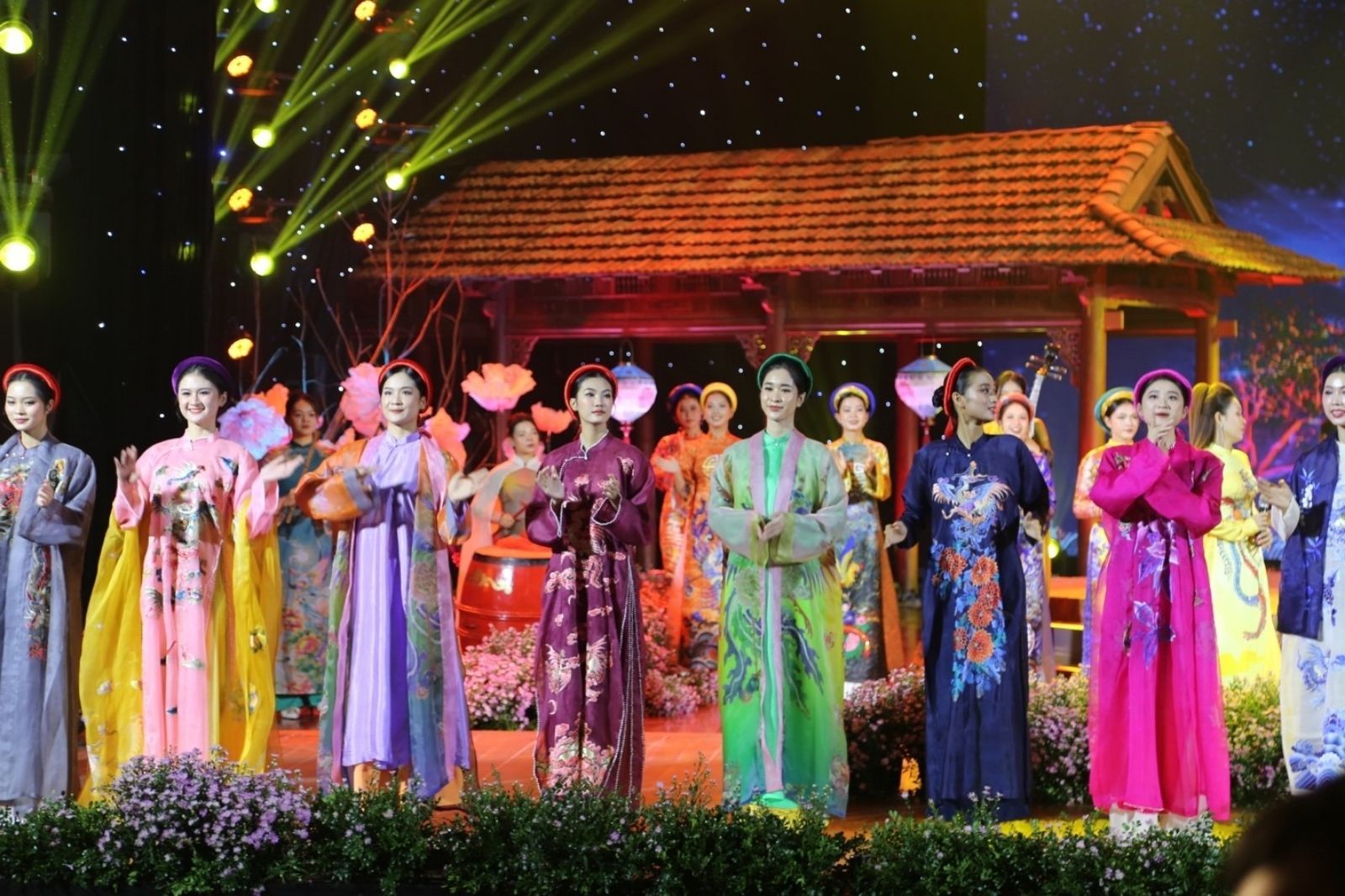
Hue Ao Dai Festival is one of the most anticipated events, gathering famous designers to showcase Ao Dai collections ranging from classic to modern. Set against the signature royal court music of the Ancient Capital, visitors will admire the graceful, splendid Ao Dai worn by professional models, creating an artistic space that is both traditional and contemporary. The festival is not only an occasion to honor the national costume, but also fully recreates the elegant and graceful beauty of Vietnamese women. A special highlight of the event is the Ao Dai parades along major streets in Hue, Ao Dai exhibitions combined with unique light and music, along with engaging interactive activities such as trying on Ao Dai or taking check-in photos, offering visitors an experience that is both cultural and intimate.

Note: If you want to participate in the parade, register early with the organizing committee and prepare suitable Ao Dai attire to immerse yourself in the festival atmosphere.

Hue Ao Dai Festival
Photo: Hue Ao Dai Festival 

3. Hon Chen Temple Festival

Time: 3rd and 7th lunar months

Location: Hue Nam Temple, Huong Tho Commune, Hue City.

Significance: Honoring Holy Mother Thien Y A Na, praying for national peace and prosperity.

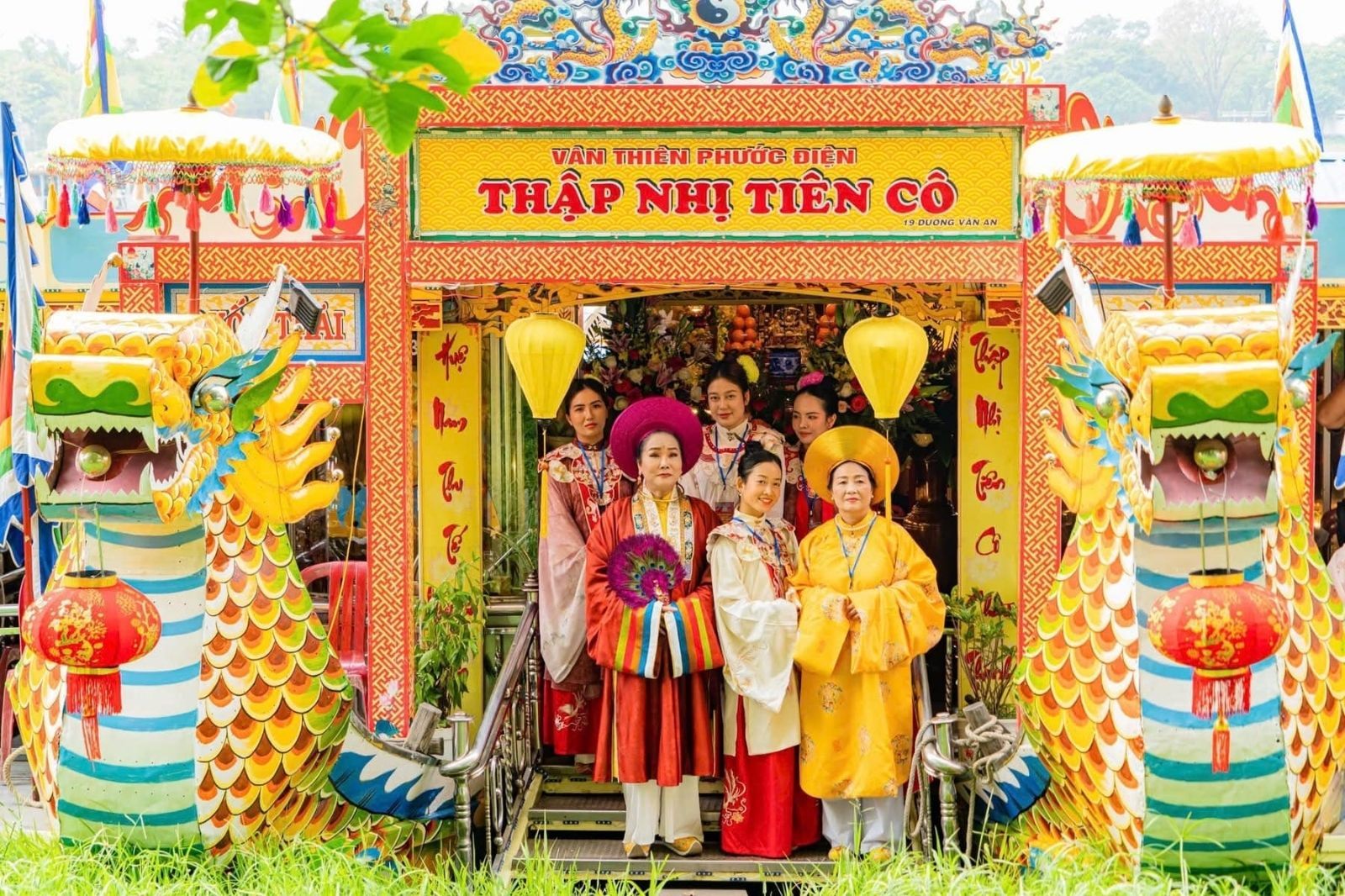
Hon Chen Temple Festival (also known as Hue Nam Temple) is one of the most important spiritual festivals in Hue, associated with Mother Goddess worship – an intangible cultural heritage recognized by UNESCO. Taking place on the romantic Perfume River, the festival makes a strong impression with the Holy Mother procession in splendid, majestic dragon boats. Hundreds of mediums and followers in traditional costumes, along with colorful banners and palanquins, create a scene that is both mystical and sacred, reflecting the rich spiritual life of Hue people.

Highlighted Rituals:

  • Holy Mother Procession: The dragon boat fleet departs from 352 Chi Lang to Hue Nam Temple.
  • Chanh Te Ceremony: A solemn ritual praying for national peace and prosperity at Hai Cat village communal house.
  • Mediumship (Hau Dong) and Devotional Singing: Unique performances deeply imbued with Vietnamese folk culture.

Travel Tips: Please wear polite attire, avoid making noise during rituals, and join a spiritual tour to better understand Mother Goddess worship.

Hon Chen Temple Festival
Photo: Hon Chen Temple Festival  

4. Vesak Festival

Time: 15th day of the 4th lunar month (May).

Location: Thien Mu Pagoda and major pagodas in Hue.

Significance: Commemorating the birth, enlightenment, and parinirvana of the Buddha.

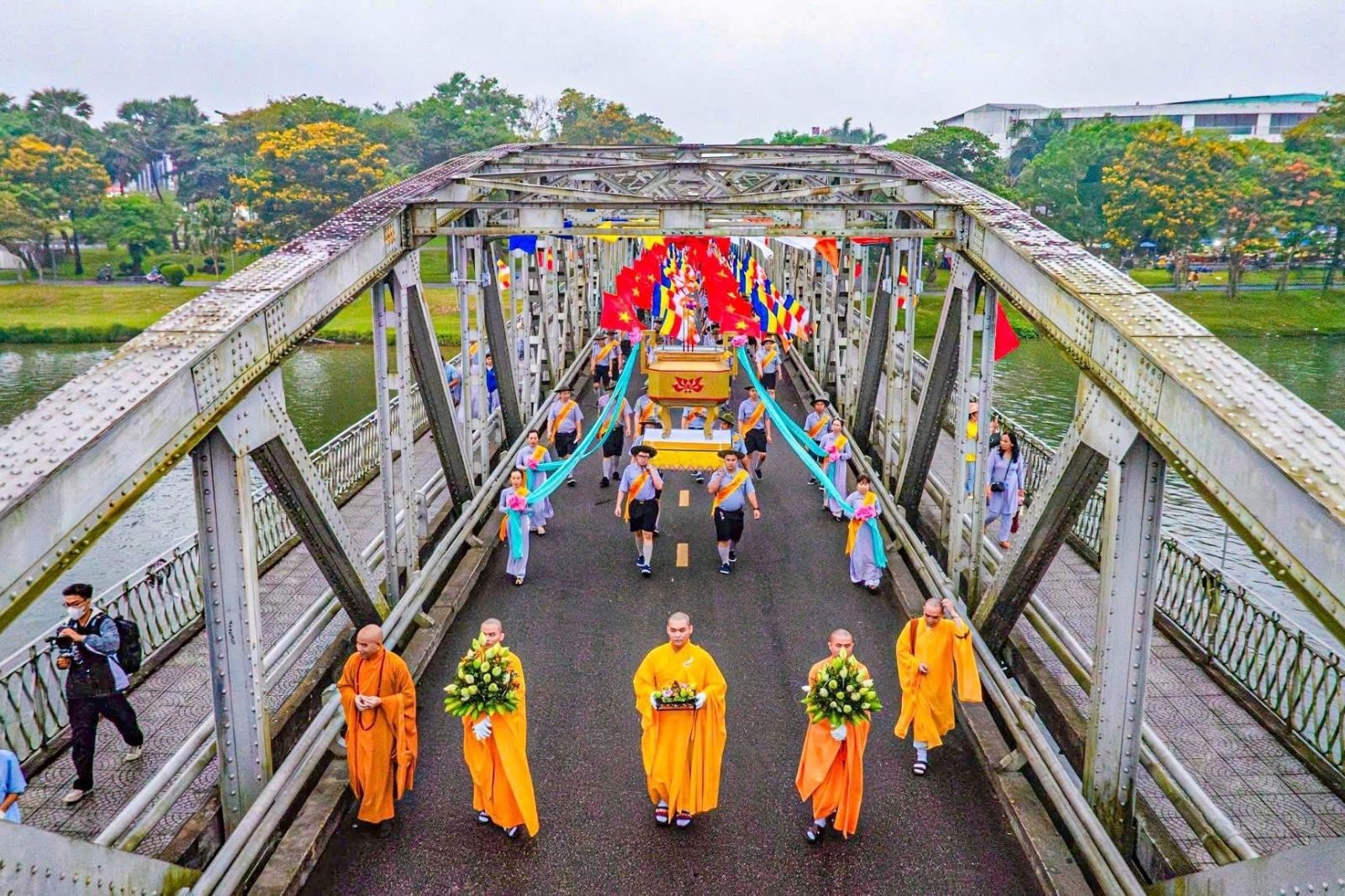
Buddha's Birthday in Hue is one of the important religious and cultural events, attracting thousands of monks, nuns, Buddhists, and tourists from all over. On this occasion, major pagodas such as Thien Mu and Tu Dam are brilliantly decorated with lotus flowers, banners, and lanterns, creating a solemn yet serene atmosphere. Prominent in the festival is the Buddha procession ritual from major pagodas to the city center, followed by the activity of releasing flower lanterns on the Perfume River, turning the river into a sparkling band of light. In addition, rituals of praying for peace and releasing captive animals are also organized, conveying wishes for peace, compassion, and kindness to spread to everyone.

Buddha's Birthday is not only an occasion to pray, but also an opportunity to experience Hue's unique Buddhist culture, with activities such as Buddhist art exhibitions and vegetarian cuisine.

Buddha's Birthday Festival
Photo: Buddha's Birthday Festival 

5. Princess Huyen Tran Temple Festival

Time: 9th day of the 1st lunar month (February).

Location: Huyen Tran Temple, An Tay Ward, Hue City.

Significance: Commemorating Princess Huyen Tran, who contributed to expanding the southern territory.

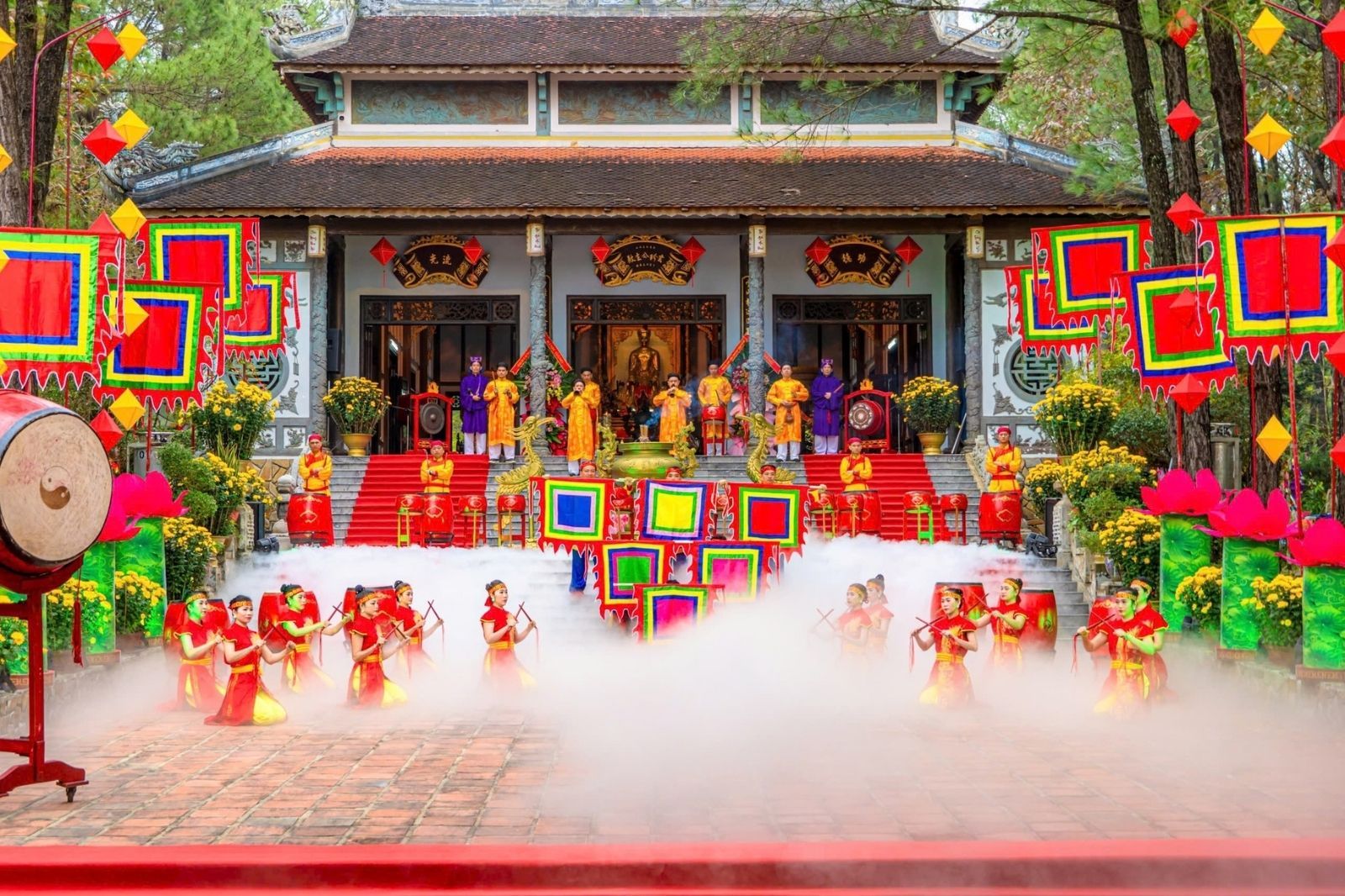
Huyen Tran Temple Festival is a special occasion to pay tribute to the contributions of Princess Huyen Tran – the woman who left her mark in national history with a mission of peace and territorial expansion. The festival is solemnly organized with the ceremonial part including incense offerings, rituals, praying for national peace, and releasing birds, expressing deep remembrance and gratitude. Besides, the festival part takes place lively with many outstanding cultural activities such as lion dance, Hue songs on the Perfume River, along with traditional handicraft exhibitions like Hue conical hats and Phuoc Tich pottery, offering visitors the opportunity to enjoy and experience the cultural essence of Hue.

Princess Huyen Tran Temple Festival
Photo: Princess Huyen Tran Temple Festival  

6. Thanh Tra Pomelo Festival

Time: August - September.

Location: Huong Phong Commune, Huong Tra Town.

Significance: Promoting Thanh Tra pomelo specialty and rural village culture.

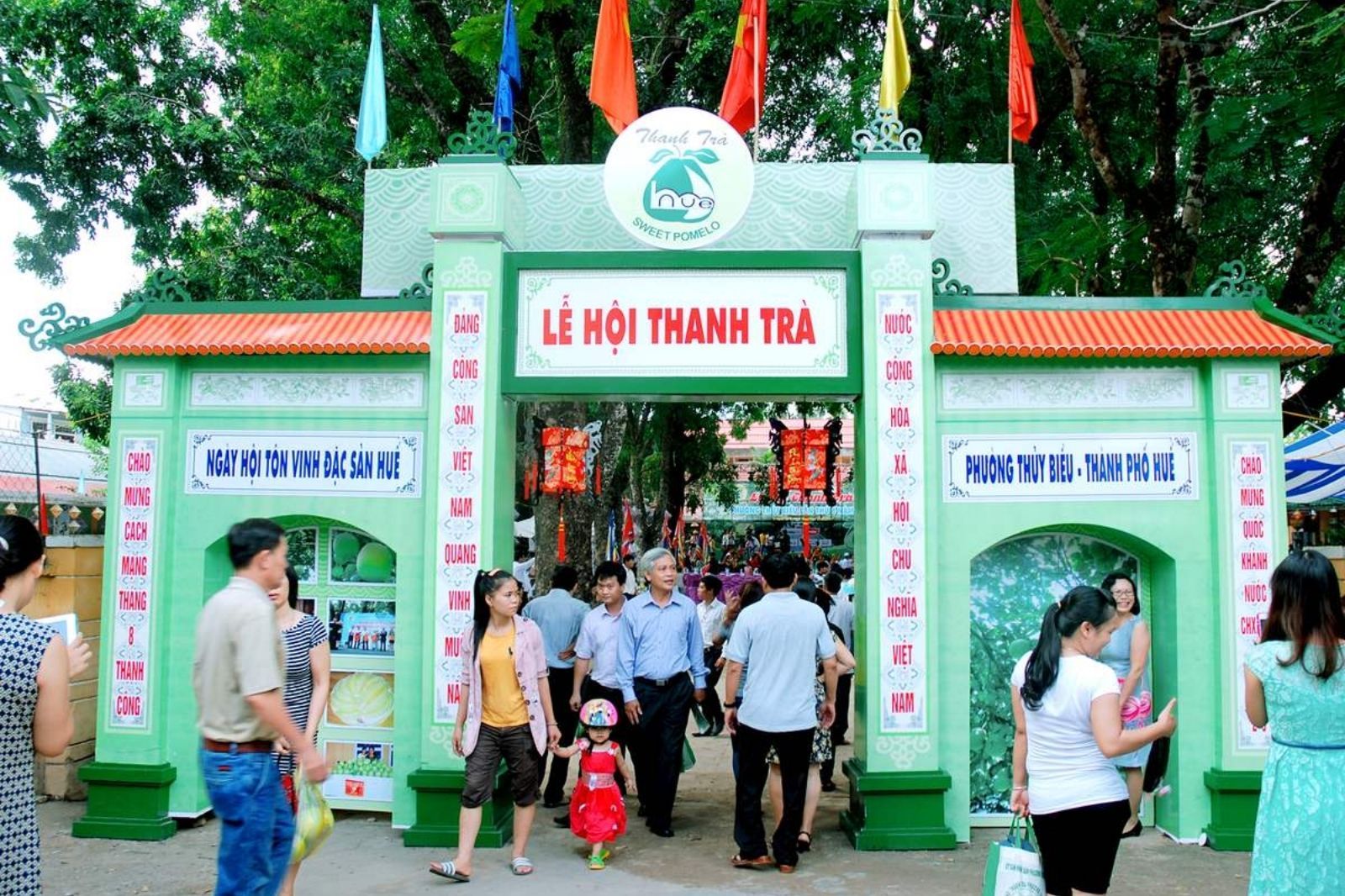
Thanh Tra Festival is an occasion to honor Hue's famous specialty fruit, featuring a mild sweet taste and delicate fragrance. Coming to the festival, visitors can not only enjoy fresh, delicious Thanh Tra pomelos but also have the chance to sample unique dishes prepared from this fruit, such as Thanh Tra sweet soup or Thanh Tra thick noodle soup. The festival atmosphere is further livened up with product exhibitions, folk games, Hue music performances, and a tour of Thanh Tra orchards to learn about traditional farming processes. A small tip for visitors is to bring a tote bag to buy Thanh Tra pomelos as gifts, and don't forget to taste the unique dishes made from this fruit to fully experience the flavor of Hue.

Hue Thanh Tra Festival
Photo: Hue Thanh Tra Festival 

7. Cau Ngu Festival

Time: 12th day of the 1st lunar month.

Location: Thai Duong Ha Village, Phu Vang District.

Significance: Praying for favorable weather and a bumper fish catch for fishermen.

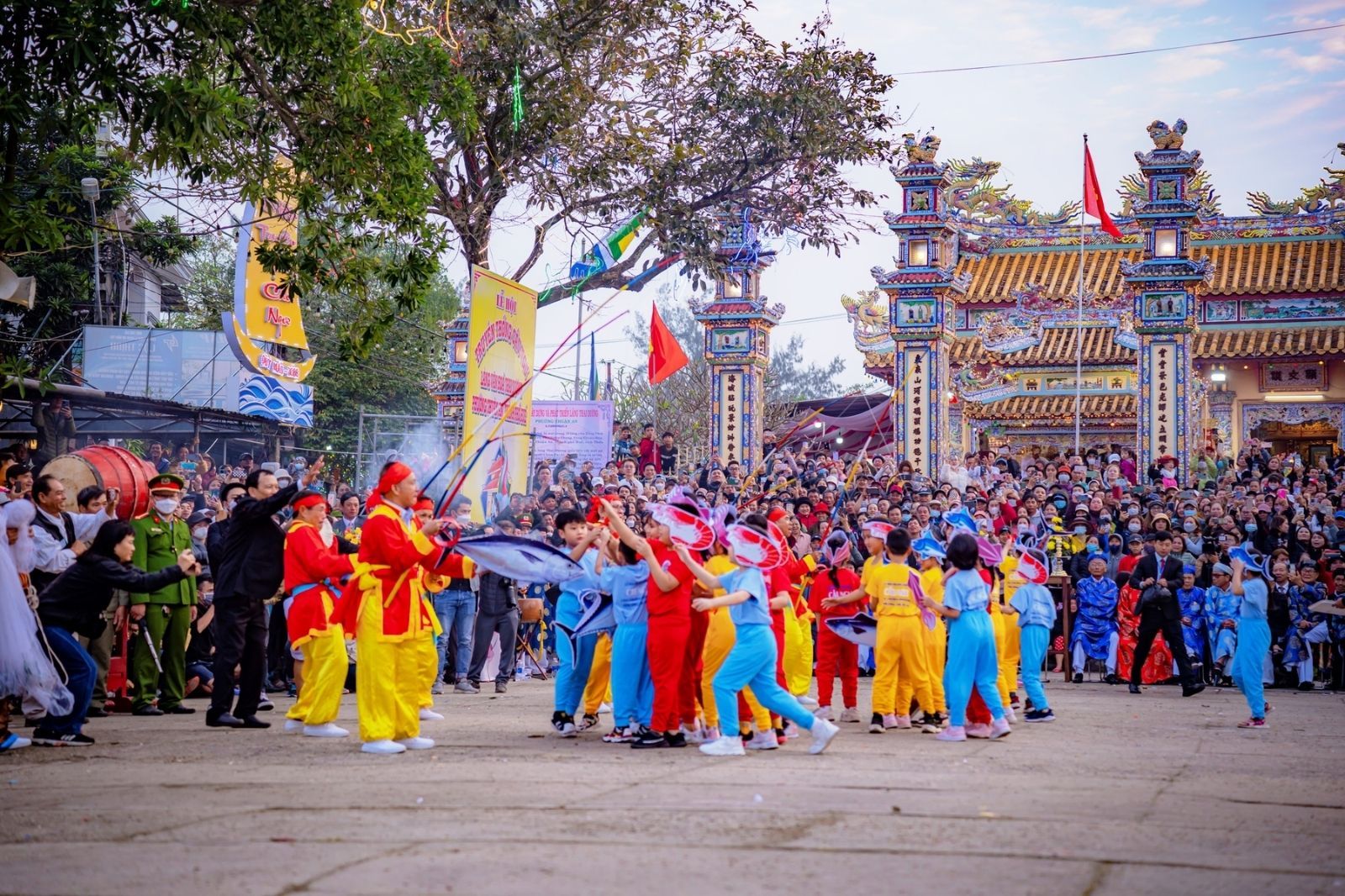
Cau Ngu Festival is one of the characteristic cultural features of coastal fishermen in Hue, organized to honor the Village Tutelary God and pray for a bountiful fishing season. The festival usually begins with solemn rituals such as palanquin processions, offerings at the village communal house, and releasing flower boats onto the river, sending prayers for safety and peace. Following the ceremonial part is a vibrant festival portion featuring boat racing, fishing demonstrations, and Ba Trao singing—a folk singing genre closely linked to fishermen's lives. The special highlight of the festival is the vivid recreation of the coastal fishing village atmosphere, where visitors can both witness traditional rituals and join in folk games to fully feel the excitement and warmth of Hue's fishing community.

Cau Ngu Festival
Photo: Cau Ngu Festival 

8. Sinh Village Wrestling Festival

Time: 10th day of the 1st lunar month.

Location: Lai An Village Communal House, Phu Mau Commune, Phu Vang District.

Significance: Encouraging martial spirit and promoting health and physical fitness.

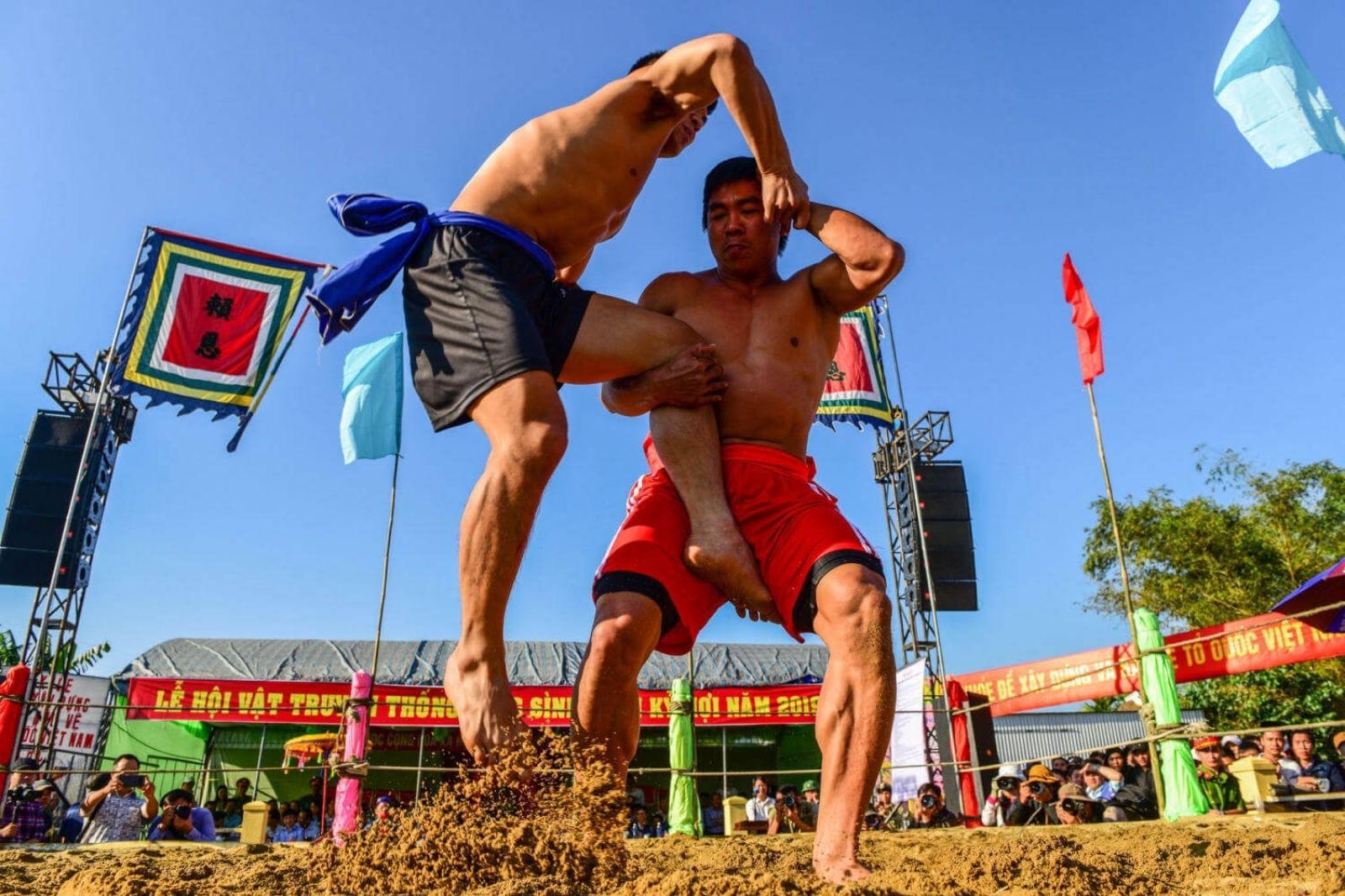
Sinh Village Wrestling Festival, with a history of over 200 years, is one of Hue's unique folk sports arenas. Here, wrestlers compete according to traditional wrestling rules, demonstrating strength, agility, and courage, while the winner's award is considered a honor far greater than its material value. The festival atmosphere is always animated with thrilling matches and enthusiastic cheering from spectators, creating an exciting vibe. An interesting point is that anyone, including tourists, can participate in the experience as long as they follow the rules and ensure safety. If you want to give it a try, it is advisable to train your fitness beforehand to fully immerse yourself in this special folk sport spirit.

Sinh Village Wrestling Festival
Photo: Sinh Village Wrestling Festival 

9. Nam Giao Offering Ritual

Time: 3rd lunar month (usually on the 10th day).

Location: Nam Giao Esplanade, Hue City.

Significance: Praying for national peace and prosperity, reenacting Nguyen Dynasty royal rituals.

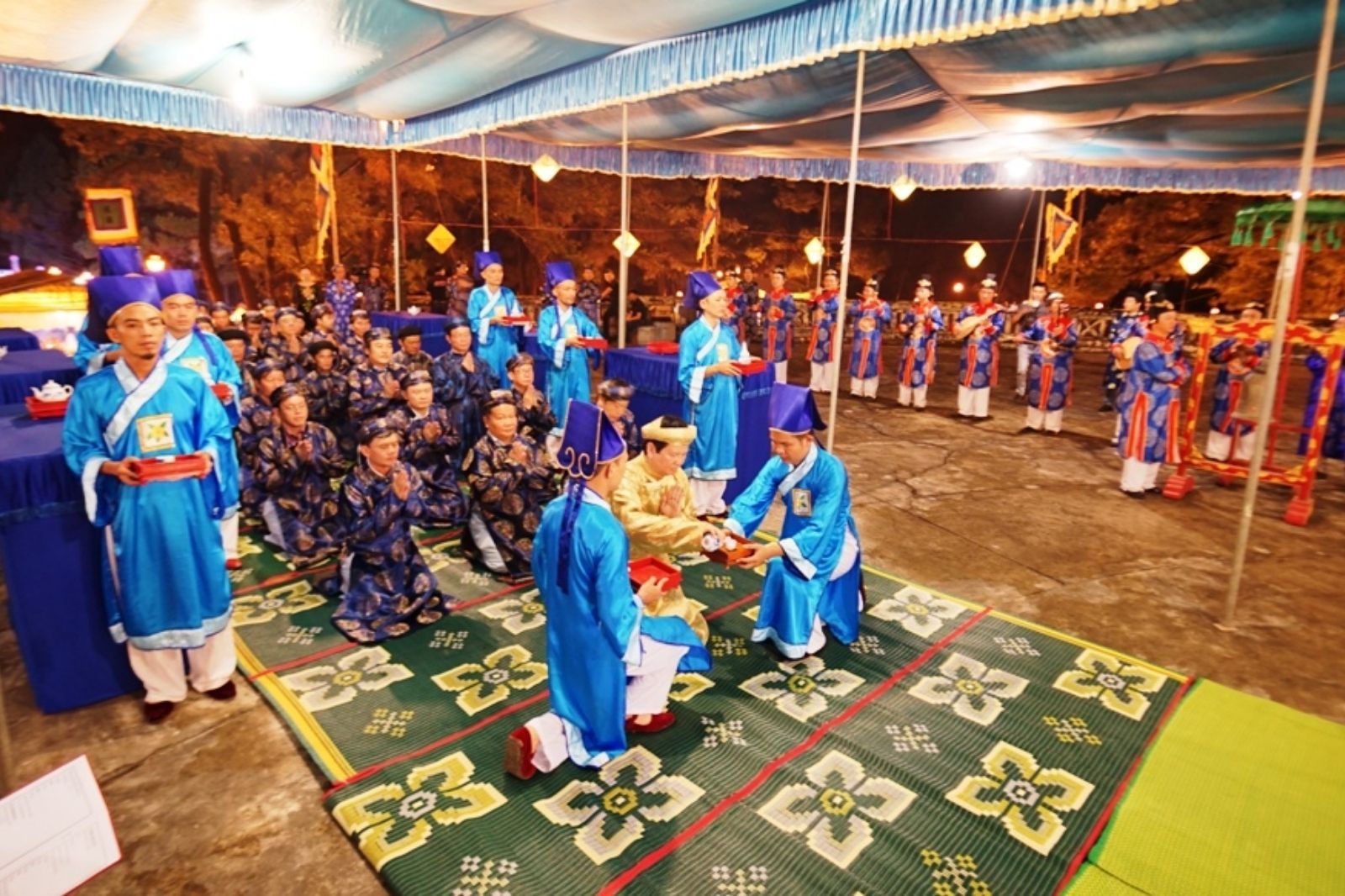
Nam Giao Offering Ceremony was one of the most important royal rituals during the Nguyen Dynasty, now reconstructed within the framework of Hue Festival to recreate the sacred atmosphere of a golden age. The ceremony begins with a royal procession from the Imperial City to Nam Giao Esplanade amid the solemnity of banners and royal court music. This is followed by sacrifice rituals praying for national peace, prosperity, and blessings for the people, evoking images of ancient emperors communicating with Heaven and Earth. Attending the festival, visitors not only witness firsthand the reconstructed ancient royal setting, but also have the opportunity to enjoy Hue Court Music (Nha Nhac) – an intangible cultural heritage recognized by UNESCO, delivering an experience that is both solemn and rich in historical significance.

Nam Giao Offering Ceremony
Photo: Nam Giao Offering Ceremony 

Hue is not only a land of heritage and history, but also a gathering place for traditional festivals rich in cultural identity. From the resplendent Hue Festival, elegant Ao Dai Festival, to spiritual rituals like Hon Chen Temple, Buddha's Birthday, or folk activities such as Sinh Village Wrestling Festival, Cau Ngu Festival, each event sketches a vivid slice of the spiritual life of the Ancient Capital's people. If you are planning to visit Hue, schedule your journey during festival occasions to fully feel the unique atmosphere here. And to make your trip even more complete, you can check out Hue tours with Sovaba Travel – an optimally designed itinerary helping you discover heritage while immersing yourself in the rich cultural festival space of the Ancient Capital.

Loading......

Featured destinations