1. Prehistoric Quảng Bình: The Cradle of Hoa Binh Culture
Quang Binh is one of the earliest lands to show traces of human existence dating back to the Stone Age. Archaeological excavations in caves in western Quang Binh, conducted by the French archaeologist Madeleine Colani in 1926, revealed many artifacts belonging to the Hoa Binh culture. Artifacts such as ceramic jars, labor tools, and earthenware prove that humans have inhabited this area for thousands of years.
In addition, archaeological sites belonging to the Bau Tro culture and Dong Son culture in the North, along with the cultural intersection with the Sa Huynh and Champa cultures in the South, have enriched the cultural traditions of Quang Binh. This laid the foundation for the development of unique cultural and tourism activities in later years.
2. The Văn Lang Period and Northern Domination
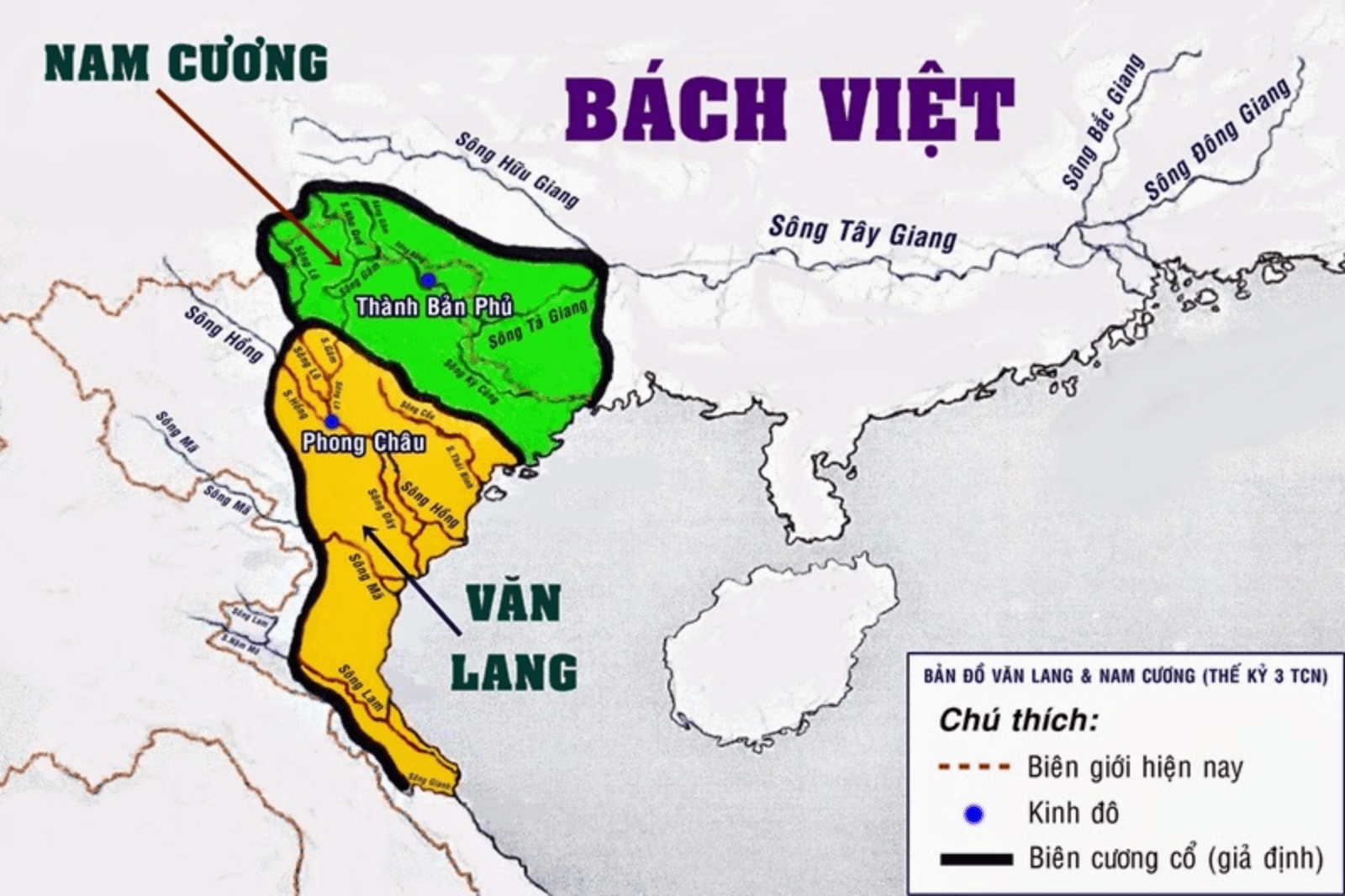
According to ancient historical records such as Dai Nam Nhat Thong Chi and Thuy Kinh Chu, Quang Binh during the Van Lang state period belonged to the Viet Thuong division, one of the 15 divisions of Van Lang founded by the Hung Kings. This was the southernmost region of this early state, demonstrating an important role in cultural exchange and fighting against foreign invaders.
During the period of Chinese domination, Quang Binh was part of the Tuong Lam and Nhat Nam prefectures under the rule of Chinese feudal dynasties. In 192 AD, as the Eastern Han Dynasty weakened, this land became part of the Lam Ap kingdom, the predecessor of Champa. In 758, Lam Ap changed its name to Champa, and Quang Binh comprised the two districts of Bo Chinh and Dia Ly.
Photo: Van Lang Era
3. Quảng Bình during Vietnam's Feudal Era
Throughout the country's history, Quang Binh has held a special geographical and strategic position, serving as an important region during various stages of national development under Vietnamese feudalism.
Part of Dai Viet
After the Viet-Champa War in 1069, the famous general Ly Thuong Kiet officially incorporated Quang Binh into the territory of Dai Viet, marking an important turning point in the history of this land. Under the reign of King Le Thanh Tong (1460–1497), land reclamation policies were implemented, helping villages in Tan Binh and Bo Chinh flourish. In 1469, Tan Binh Prefecture was divided into two districts, Le Thuy and Khang Loc, along with two sub-prefectures, Minh Linh and Bo Chinh.
The Trinh - Nguyen Conflict Era
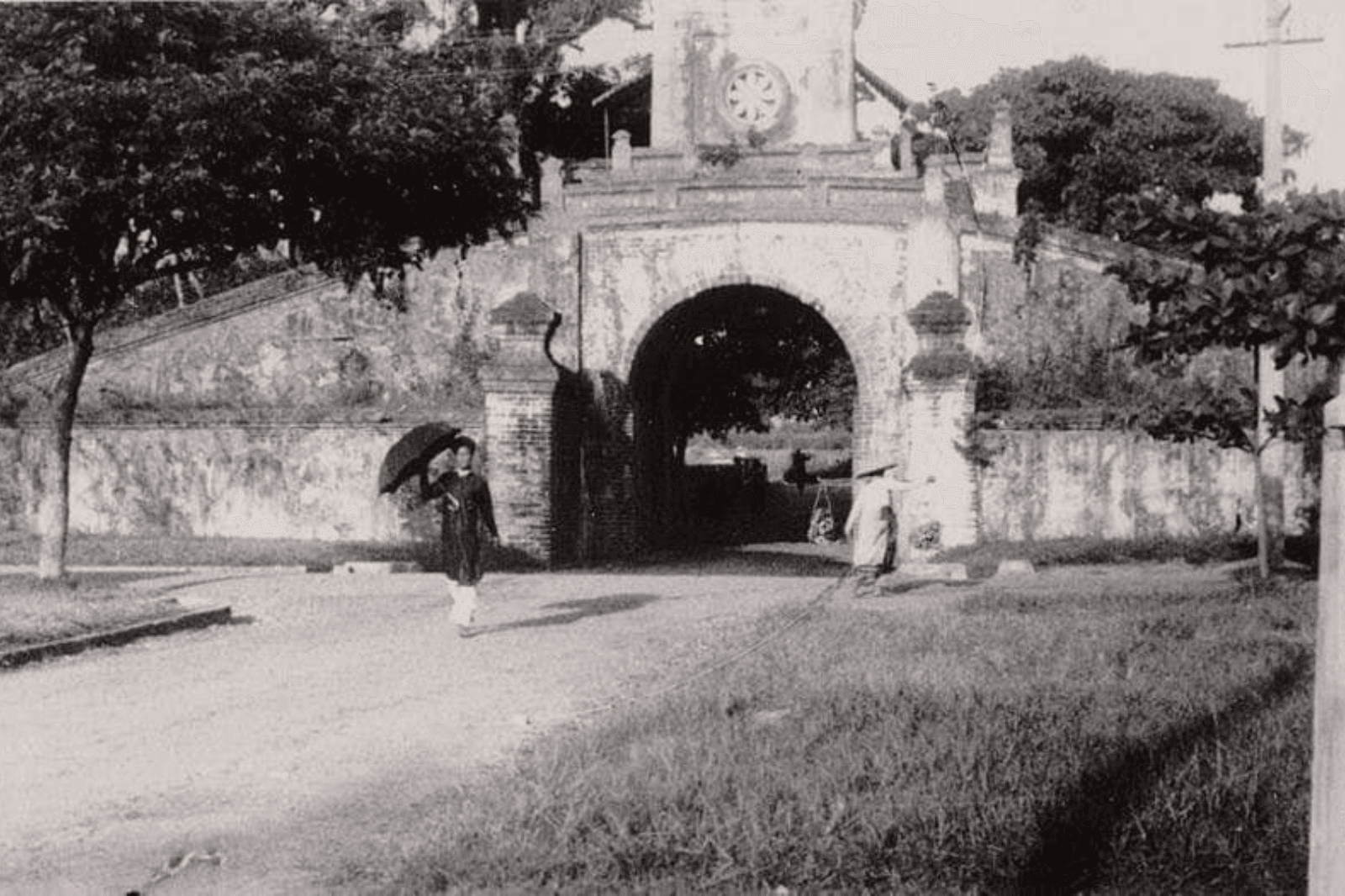
During the period of the Trinh - Nguyen conflict (16th–18th centuries), Quang Binh became a border region with the Gianh River serving as the boundary dividing the two forces. Dong Hoi Citadel and Luy Thay (Thay Wall), built by the Nguyen Lords, acted as solid military outposts. Quang Binh Quan Gate, a key military structure, witnessed many fierce battles between the Trinh and Nguyen armies, becoming a 'historical witness' of a painful civil war era. In 1832, during the reign of King Minh Mang, the land of Bo Chinh was officially renamed Quang Binh Province, marking administrative stability with two prefectures, Quang Ninh and Quang Trach, along with six districts.
The historical marks left during the feudal period not only affirmed Quang Binh's role on the political and military map, but also contributed to enriching the local cultural identity.
Photo: Quang Binh Quan Gate in the years 1937-1938
4. The French Colonial Period and Resistance
During the French colonial period (1858–1945), Quang Binh was one of the cradles of patriotic movements. Following the Can Vuong movement, Quang Binh province underwent administrative restructuring with two prefectures, Quang Ninh and Quang Trach, and three districts, Le Thuy, Bo Trach, and Tuyen Hoa. Dong Hoi became the provincial capital, serving as the political and cultural center.
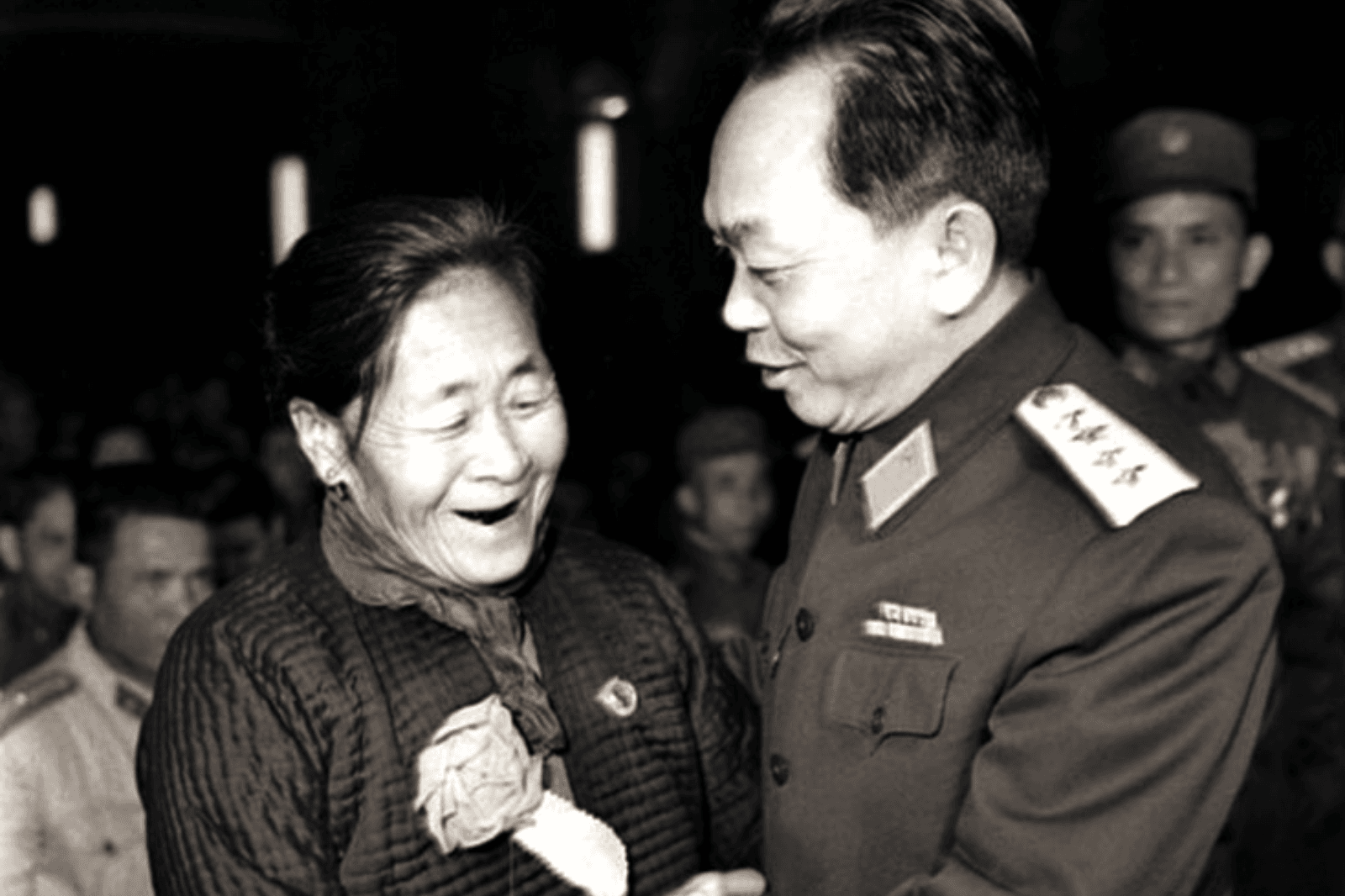
During the anti-French and anti-American resistance wars, Quang Binh was the frontline of the Northern rear base and a direct provider of support to the Southern front line. Movements such as 'Save the house, pass the truck' and heroic figures like Mother Suot, Quach Xuan Ky, or Truong Phap became symbols of resilient willpower.
Photo: Mother Nguyen Thi Suot and General Vo Nguyen Giap
From 1975 to 1989, Quang Binh was merged into Binh Tri Thien province. In 1989, Quang Binh province was re-established, marking a new phase of development.
5. Quảng Bình Today
Entering the modern era, Quang Binh has continuously striven to innovate, becoming one of the highlights of tourism, economic, and cultural development in the North Central region.
Economic and Tourism Development
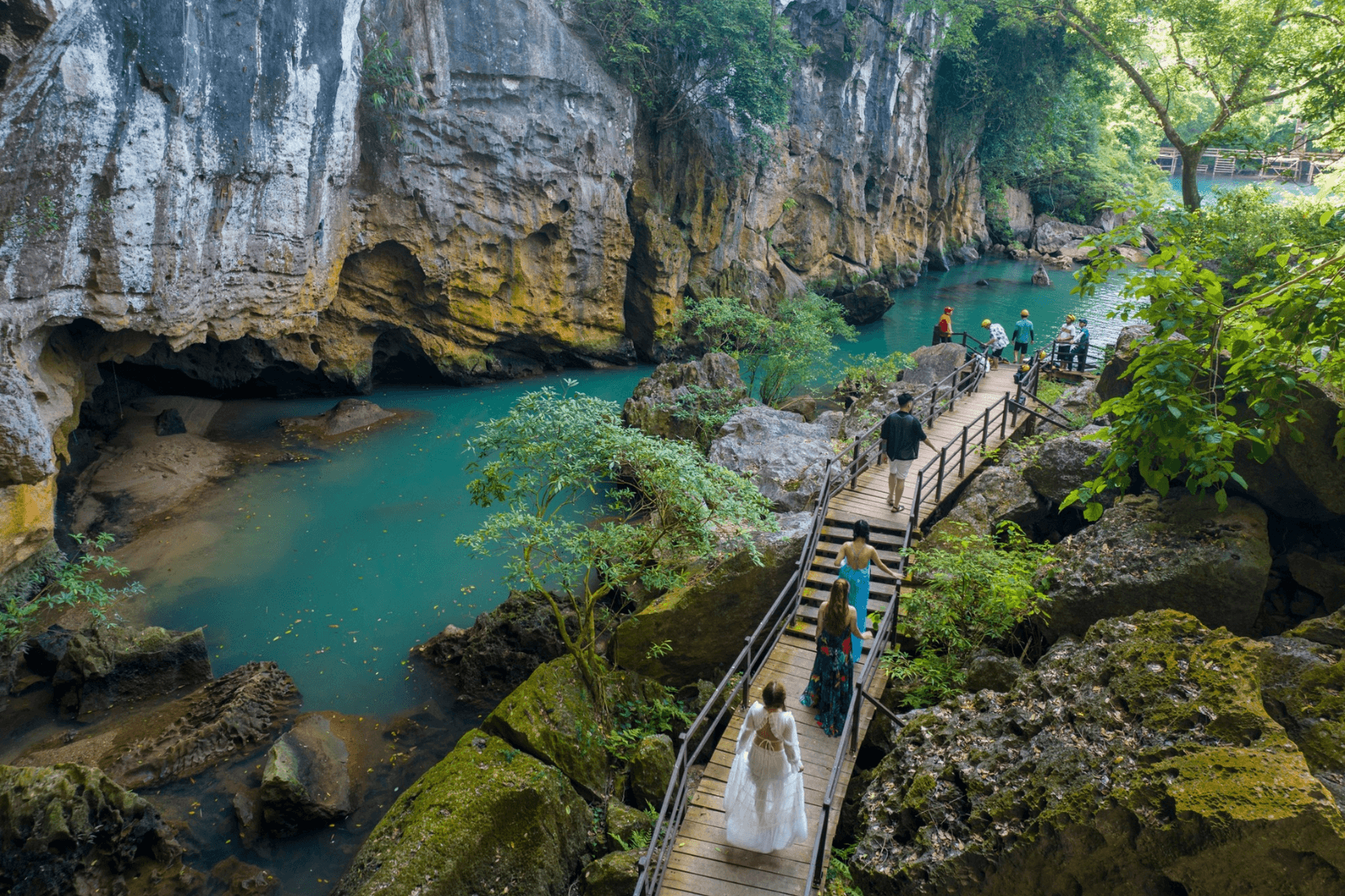
Today, Quang Binh is one of Vietnam's top travel destinations, thanks to hosting Phong Nha - Ke Bang National Park, a UNESCO World Natural Heritage site. Famous caves such as Son Doong, Paradise Cave (Dong Thien Duong), and En Cave (Hang En) have attracted millions of domestic and international visitors. Additionally, Nhat Le Beach, Da Nhay Beach, and Quang Phu Sand Dunes contribute significantly to Quang Binh's tourism brand.
Photo: Son Doong Cave
Beside tourism, Quang Binh is developing other economic sectors such as seaports, logistics, and renewable energy. With a coastline stretching over 116 km and ports like Hon La and Gianh, the province possesses great potential for international trade.
Administrative Merger
In 2025, a proposal to merge Quang Binh and Quang Tri into a new province named Quang Tri, with its administrative center located in Dong Hoi, was submitted. This merger promises to create a larger development space, efficiently tapping into tourism, energy, and logistics potential, while raising the stature of the North Central region.
Photo: Quang Binh and its tourism potential
The history of Quang Binh is an epic saga recording ups and downs, from prehistoric times and Chinese domination to resistance wars and the modern development era. With its rich cultural heritage, majestic nature, and resilient human spirit, Quang Binh is emerging as a bright spot on the map of Vietnam. The development process of Quang Binh is clear evidence of the resilience and aspirations of its people. Despite being a land impacted by natural disasters, wars, and hardships, Quang Binh has preserved its distinctive cultural and historical values while transforming dynamically for integration and development. Exploring the history of Quang Binh not only helps us feel proud of national traditions but also opens up deep insights into the potential and bright future of this land.