Hue Folk Cuisine – A Journey to Discover the Rustic Delicacies of the Ancient Capital
Central
Thua Thien Hue
Sovaba.travel
Updated at: 28/08/2026
1. History and characteristics of Hue folk cuisine
Hue cuisine began to take clear shape in the 19th century under the Nguyen Dynasty—when Hue was the country's political and cultural center. While royal cuisine is associated with elegance and sophistication in every ingredient and preparation method, Hue folk cuisine displays a different look: rustic, everyday, yet still exuding a very distinctive refinement of the ancient capital. Simple dishes created from local ingredients—Perfume River baby clams, home-grown herbs, or familiar spices like chili, lemongrass, and ginger—have contributed to its signature flavor: both light and rich.
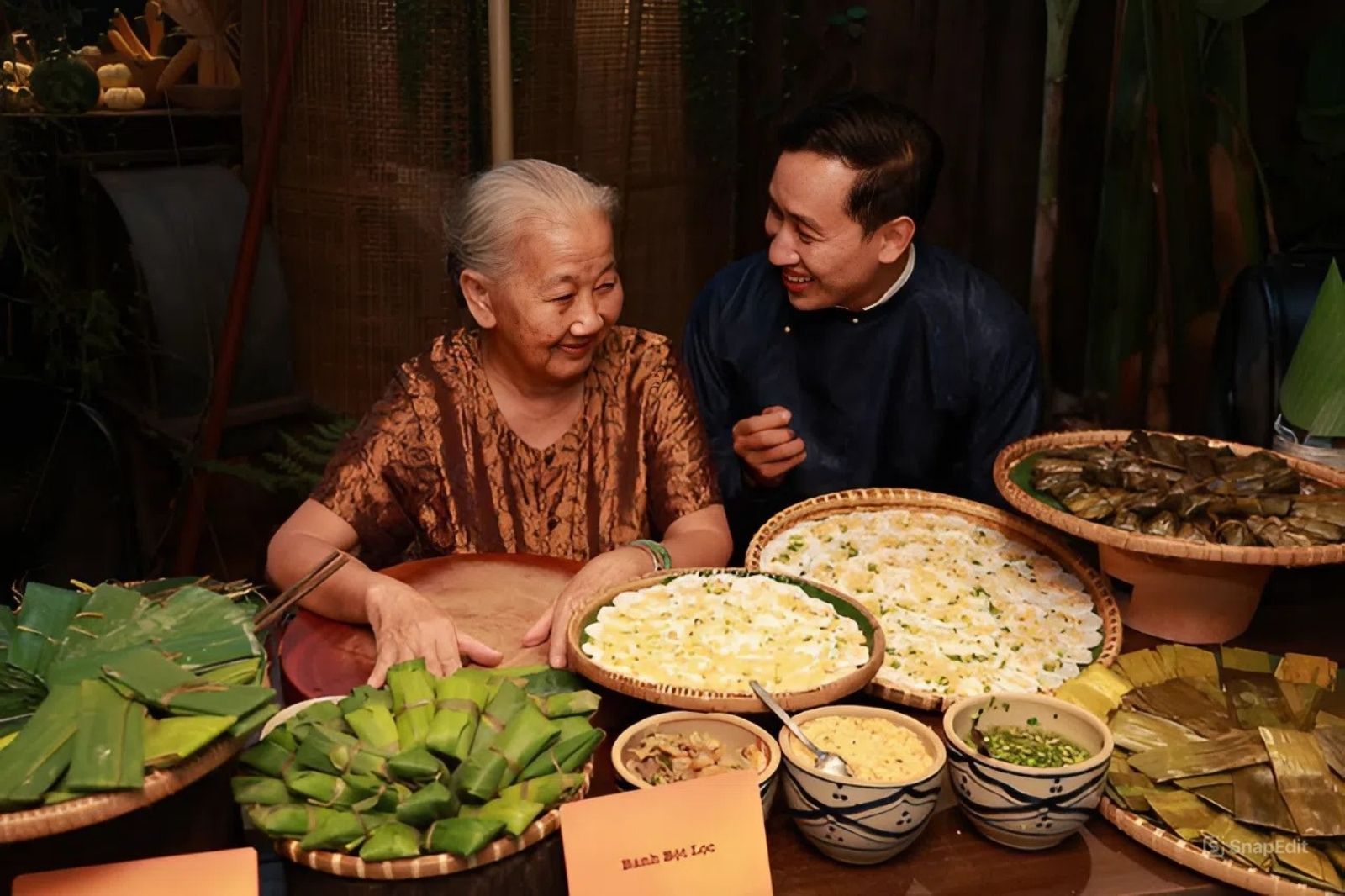
Photo: Folk cuisine originates from the daily life of local people
The highlight of Hue folk cuisine lies in the yin-yang harmony in every dish: balanced sour, spicy, salty, and sweet flavors, combined with fresh herbs to dissipate the harsh Central Vietnam heat. Each dish not only nourishes the body but also reflects culture and lifestyle: mussel rice (cơm hến) symbolizes thriftiness and simplicity; or the trio of Hue cakes (bánh bèo, bánh nậm, bánh lọc) stands as proof of the skillfulness and grace of ancient capital women. Since the 1920s, thanks to the footsteps of merchants and travelers, Hue cuisine gradually spread across the country, becoming a pride and a living cultural heritage. Today, these rustic dishes not only evoke tradition but have also become an inspiration for culinary tourism, attracting millions of visitors back to Hue every year.
2. Top 8 must-try rustic Hue dishes on your journey of discovery
Hue is famous for hundreds of dishes, but the rustic Hue delicacies below are truly the essence, fully reflecting the soul of the ancient capital's countryside. Whether it is a small roadside stall or a street vendor in the market, you can easily find these flavors. What makes them special is that each dish is not only delicious to the taste buds, but also hides cultural stories and the lifestyle of Hue people over generations.
Bun Bo Hue (Hue Beef Noodle Soup)
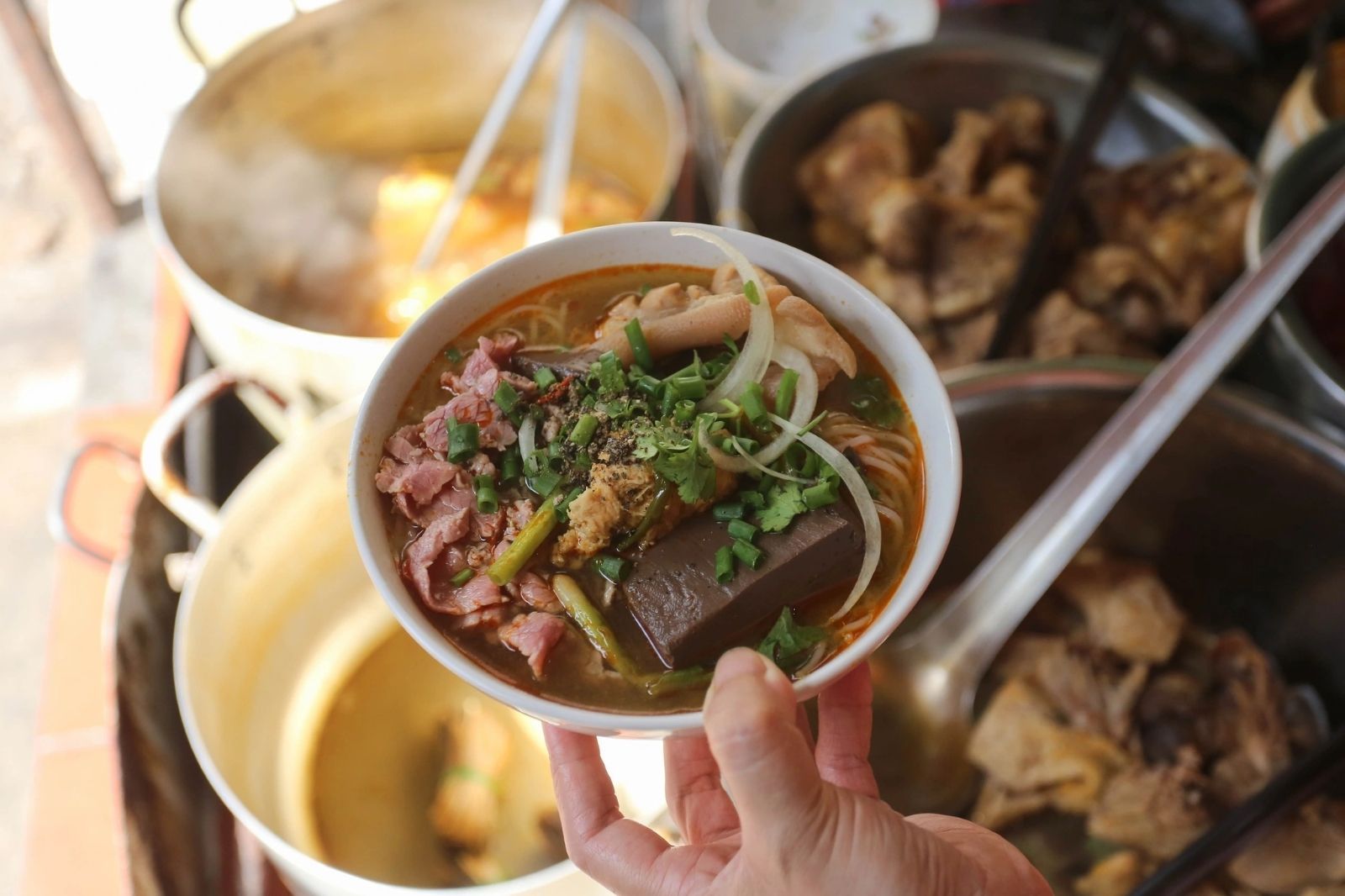
When mentioning Hue folk cuisine, one cannot miss Bun Bo Hue – a dish described as the "soul" of the ancient capital's gastronomy. A standard bowl is a refined harmony: silky white rice noodles, a rich red broth simmered from beef bones with lemongrass, fermented shrimp paste (mắm ruốc), and fresh chili. Essential toppings include thinly sliced beef, crab balls, pork blood pudding, and fresh herbs like basil and bean sprouts, all creating an unforgettable rich flavor.
What makes Bun Bo Hue special is its elaborate preparation, where the broth is continuously simmered for at least 8 hours to fully absorb the sweet savory flavor from bones and spices.
Photo: Bun bo is considered the soul of Hue folk cuisine
Com Hen (Baby Clam Rice)
Among rustic Hue delicacies, Com Hen is considered the most typical dish, clearly reflecting the rustic yet refined nature of the ancient capital's cuisine. A standard portion of Com Hen consists of cooled rice mixed with crispy stir-fried baby clams, greasy pork cracklings, crunchy roasted peanuts, and spicy fermented shrimp paste. Served alongside are shredded banana blossoms, garden herbs, and fresh red chili – all blending together to create a flavor that is both rustic and unforgettably rich.
The main ingredient of the dish is baby clams harvested from the Perfume River, skillfully stir-fried with lemongrass, garlic, and fish sauce to bring out a fragrant aroma. According to records, Com Hen appeared during the reign of King Minh Mang, closely associated with the clam fishing trade of Hue women. Costing only about 20,000 VND per portion, Com Hen is nevertheless rich in nutrients, providing protein from clams and fiber from vegetables.
The Trio of Hue Rice Cakes
One cannot mention Hue folk cuisine without bringing up the cake trio:
Banh beo (Steamed rice cakes): Rice flour steamed in small bowls, topped with dried shrimp flakes, fried shallots, served with spicy seasoned fish sauce.
Banh nam (Flat rice dumplings): Smooth rice flour wrapped in banana leaves with minced pork and mushroom filling, steamed to perfection with an enticing aroma.
Banh loc (Clear tapioca dumplings): Translucent tapioca dough filled with shrimp and pork, chewy and flavorful.
This trio originated in the 18th century, created by royal maidservants. They are symbols of the skillfulness and delicacy of Hue women. The price is usually just 25,000 VND per plate, suitable as a light appetizer.
Nem Lui (Grilled Pork Skewers)
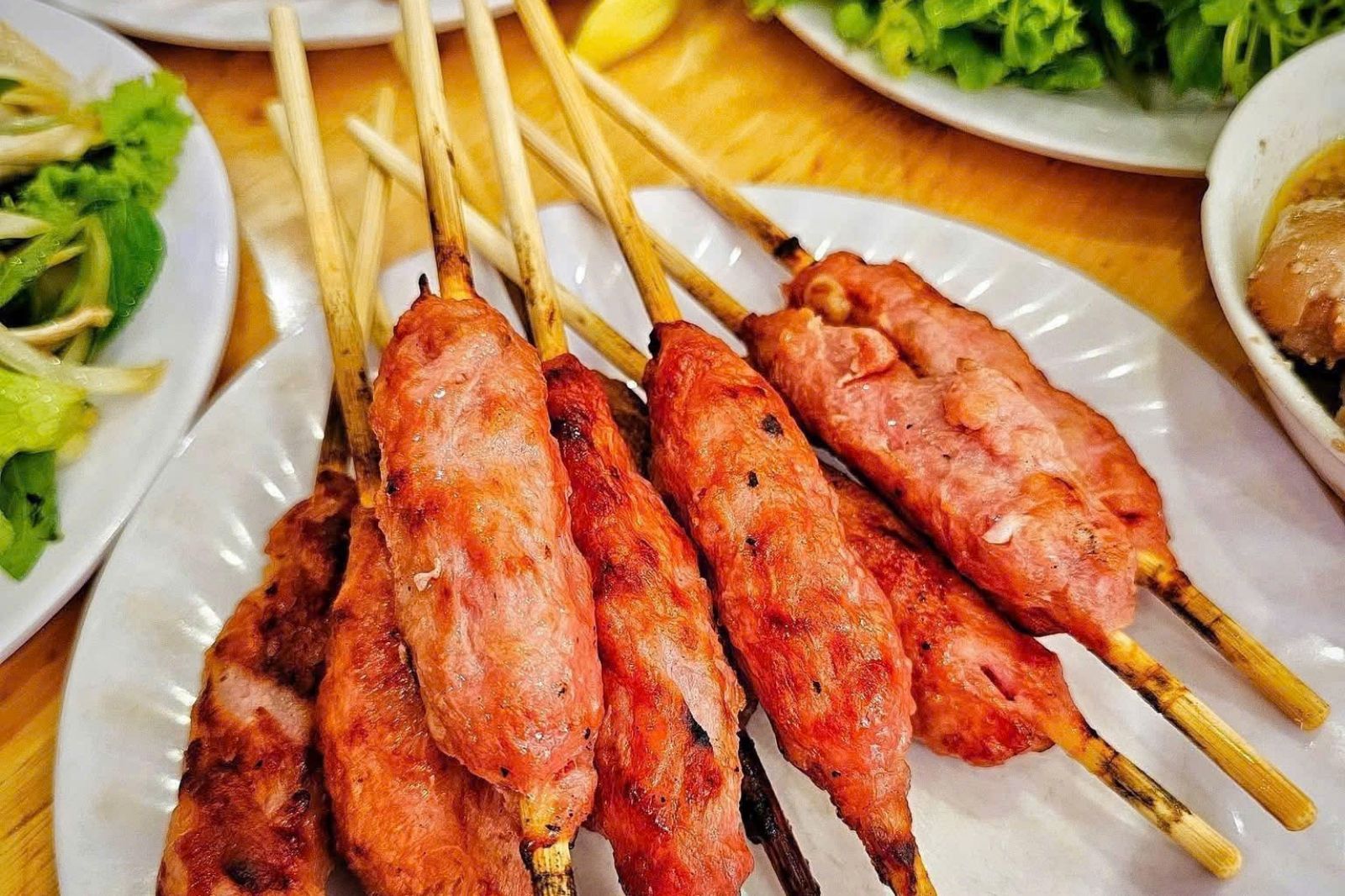
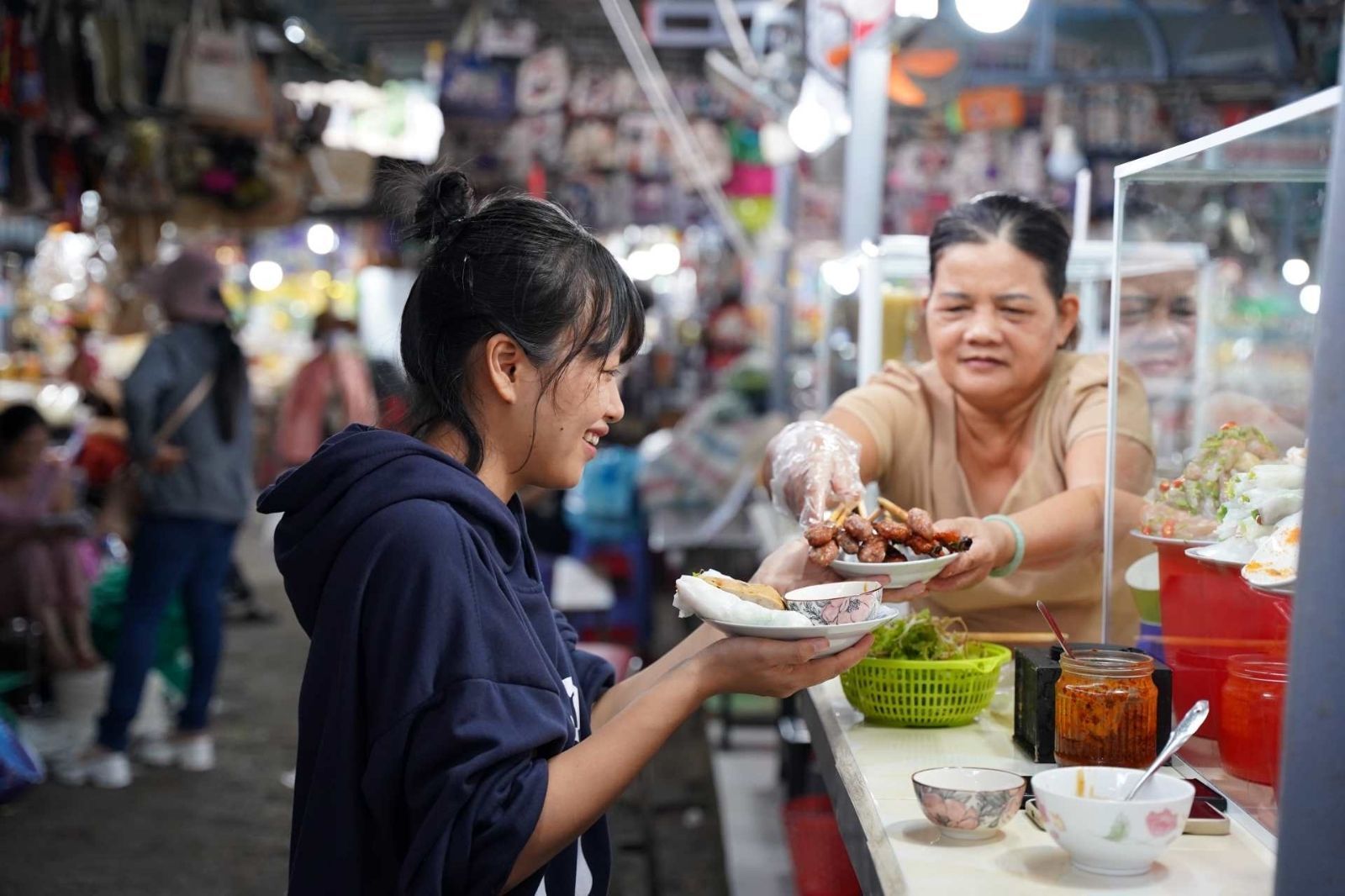
Nem lui is made from finely ground pork, marinated with garlic, shallots, fish sauce, and skillfully wrapped around bamboo skewers. When grilled over hot charcoal, the meat releases a fragrant aroma, slightly crispy and charred on the outside while remaining soft and sweet on the inside, infused with the distinctive seasoned dipping sauce. The way to enjoy it is also very "Hue": Nem lui is rolled in rice paper with fresh green herbs and dipped in a rich, savory dipping sauce, creating a rustic yet memorable experience. Appearing since the 1930s and often associated with village festivals, Nem lui has long been a familiar dish for locals and tourists alike.
Photo: Hue Nem Lui
Che Hue (Hue Sweet Soup)
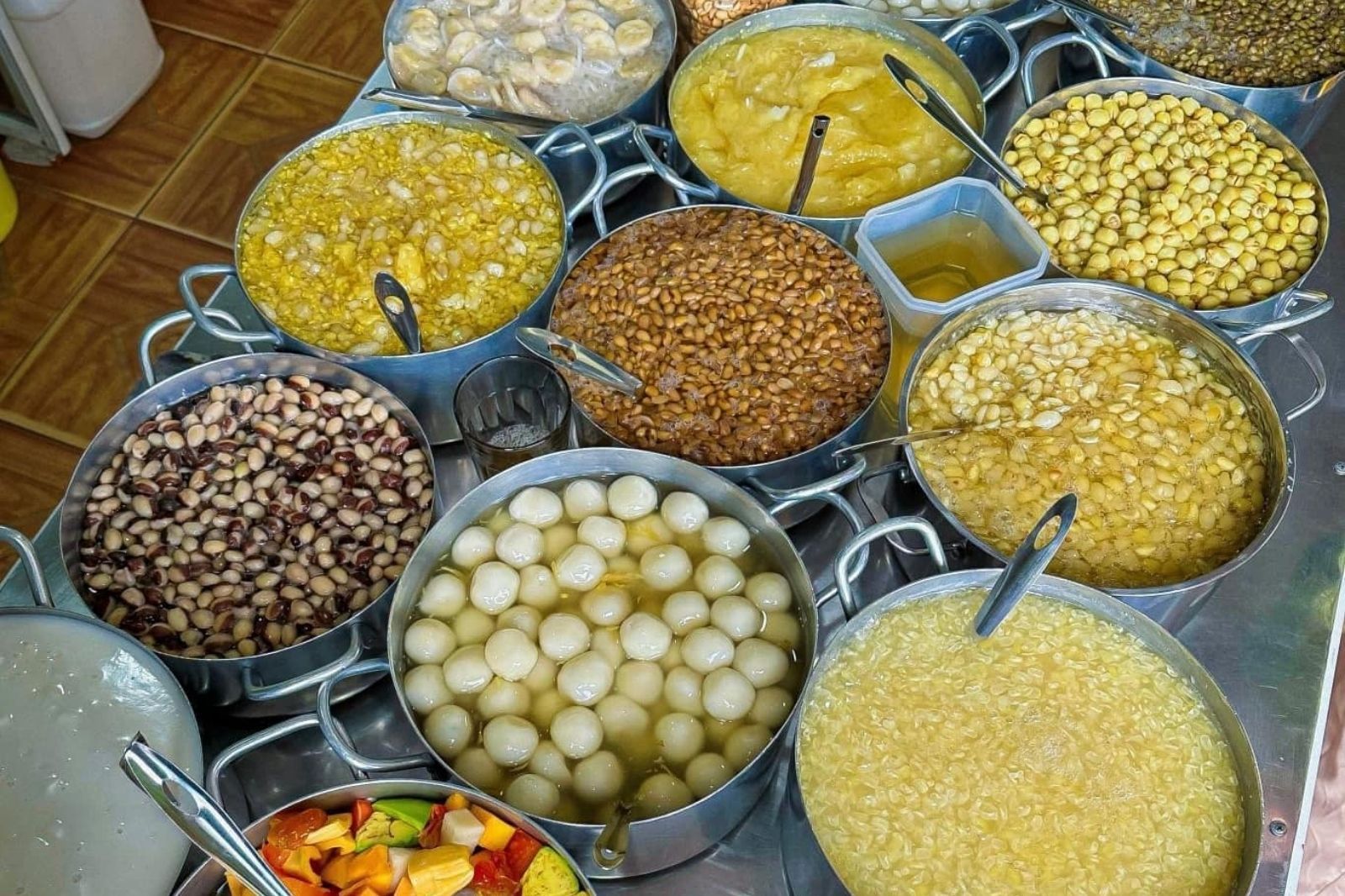
Hue boasts 36 types of sweet soup (chè), ranging from white cowpea sweet soup, sweet corn soup, to mixed sweet soup. The special feature is that Hue sweet soups are cooked with palm sugar over low heat to maintain a mildly sweet, velvety flavor. Originating from the royal court, the folk version is more accessible, using garden-grown ingredients. Hue sweet soup not only quenches thirst but also carries the meaning of balancing yin and yang in traditional medicine. Priced from 15,000 to 25,000 VND per glass, it is ideal for ending a meal.
Photo: Hue sweet soup has more than 36 varieties
Tom Chua (Sour Fermented Shrimp)
On the list of Hue specialties, sour shrimp is always mentioned as an unforgettable flavor. Fresh river shrimp, after being prepared, are fermented with salt, chili, garlic, and sugar for about 3–5 days, creating a natural sweet-and-sour fermentation. When enjoyed, each shrimp is delightfully crunchy, spicy, and tangy, bringing a feeling both unique and familiar. Sour shrimp is often served with hot white rice or wrapped in steamed rice rolls (bánh ướt) with fresh herbs, creating a rustic yet rich taste of the ancient capital. Originating from riverside fishing traditions, the dish is not only delicious but also nutritious, rich in healthy omega-3 fatty acids for heart health.
Com Am Phu (Hades Rice)
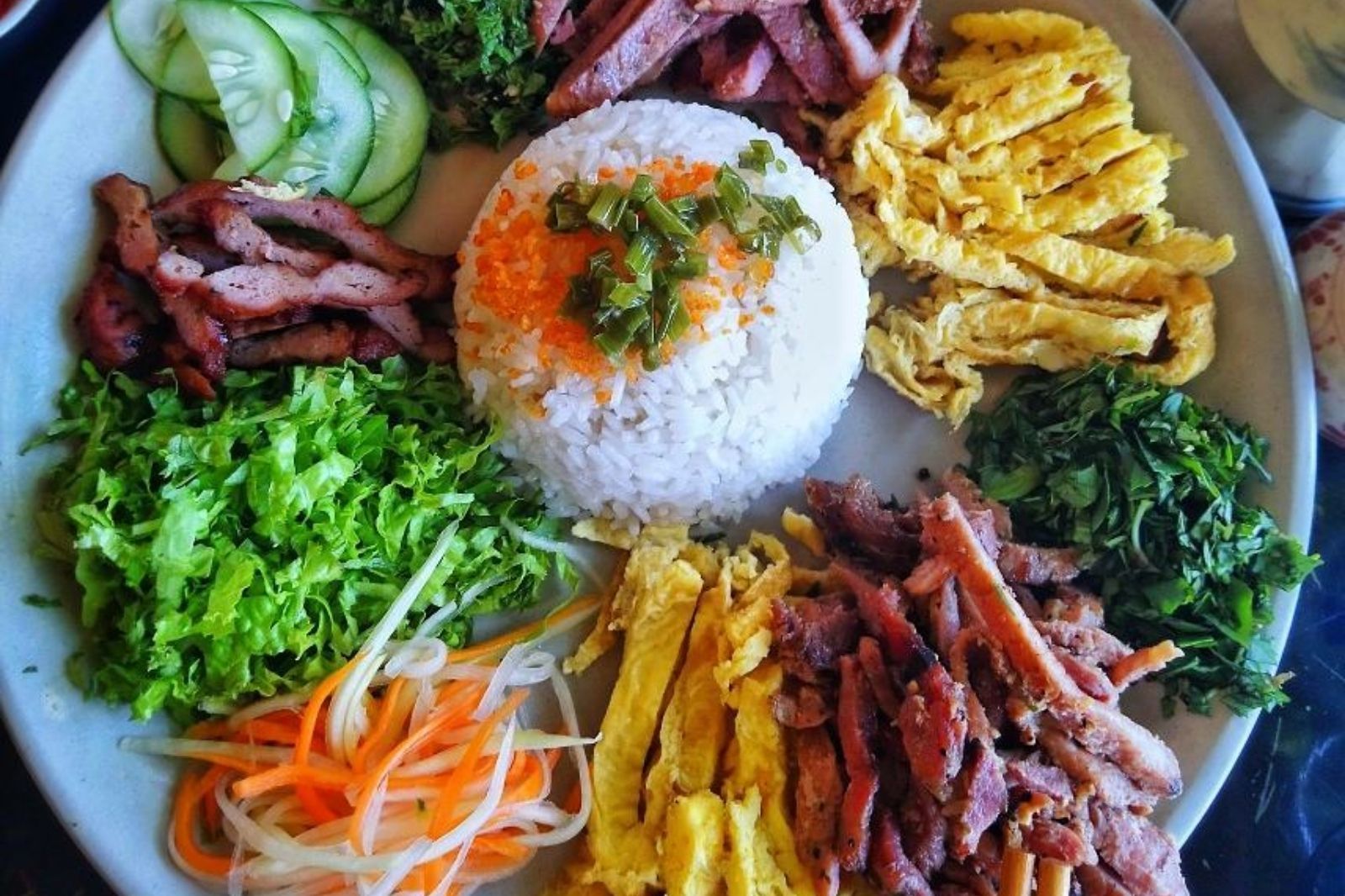
Com Am Phu consists of white rice served with various small side dishes: roasted pork, Vietnamese ham (chả lụa), braised shrimp, fermented pork (nem chua), fried egg, and stir-fried vegetables. The name "Am Phu" (Hades) stems from the colorful yet harmonious appearance of the rice plate. Originating in the 1916s, this dish is both rustic and convenient, priced at around 40,000 VND per portion – perfect for a filling lunch.
Photo: Hue Com Am Phu
Banh Khoai (Hue Crispy Pancake)
Banh khoai is made from diluted rice flour batter, poured onto a hot cast-iron pan to become crispy, filled with shrimp, pork, and bean sprouts. When eaten, it is wrapped with fresh herbs and dipped in a specially prepared thick dipping sauce. Unlike Central Vietnam's banh xeo, banh khoai is smaller, thicker, richer, and nuttier in taste. This is a dish that clearly reflects the creativity of Hue people in transforming familiar ingredients into a unique flavor.
3. Where to enjoy the most authentic Hue folk cuisine
To fully enjoy Hue folk cuisine, you can visit the following famous addresses:
Dong Ba Market: A street food paradise, gathering all famous dishes such as Bun Bo, various Hue rice cakes at affordable prices.
Hoa Dong Com Hen Restaurant: 64 Alley 7 Ung Binh, Vy Da, Hue, Hue City
Vy Da Restaurant: 131 Nguyen Sinh Cung, Vy Da, Hue, Hue City
Ba Do Banh Beo Nam Loc Restaurant: 8 Nguyen Binh Khiem, Phu Hiep, Hue, Hue City
Each address not only delivers authentic, delicious flavors but also preserves the original Hue cultural identity, allowing visitors to enjoy the food while sensing the rustic, refined soul of the ancient capital.
Photo: Traditional markets are where visitors can fully enjoy folk cuisine
Hue folk cuisine is not just food to satisfy hunger, but also a part of memory, reflecting the lifestyle and soul of the people in the ancient capital. Every bowl of clam rice, bowl of beef noodle soup, or simple tapioca dumpling contains the philosophy of "less is more", rustic yet profound, making it hard to forget for anyone who has tasted it once.
However, the culinary picture of Hue does not stop at rustic simplicity. Alongside everyday dishes, Hue is also famous for royal cuisine – the apex of gastronomy once served to kings and emperors, elaborate and luxurious. At the same time, the influence of Buddhism has created a distinct stream in Hue vegetarian cuisine, pure yet surprisingly rich.
If you have been captivated by the rustic flavors of folk cuisine, continue to explore those two parallel worlds – where food is not only deliciousness, but also art and a philosophy of life for the people of Hue.