Phong Nam Ancient Village: A Peaceful Retreat Back in Time in the Heart of Da Nang

Central

Da Nang

Sovaba.travel

Updated at: 24/09/2026

1. Where is Phong Nam Ancient Village located?

Located in the southwest of the city, Phong Nam Ancient Village belongs to Hoa Xuan Ward, Da Nang City, formerly Phong Nam Village, Hoa Chau Commune, Hoa Vang District. The village covers an area of about 1.6 km², situated peacefully along the Yen River and not too far from National Highway 1A. From central areas such as Dragon Bridge, the journey to Phong Nam takes only about 15–20 minutes by motorbike, close enough for a day trip while still providing the feeling of stepping right out of the urban hustle and bustle.

From central Da Nang, it takes you just 15-20 minutes riding a motorbike along Pham Van Dong Street or Le Duan Street, then turning onto National Highway 1A. Google Maps provides accurate directions straight to the village gate. This location makes Phong Nam an ideal choice for a day trip combined with exploring Da Nang.

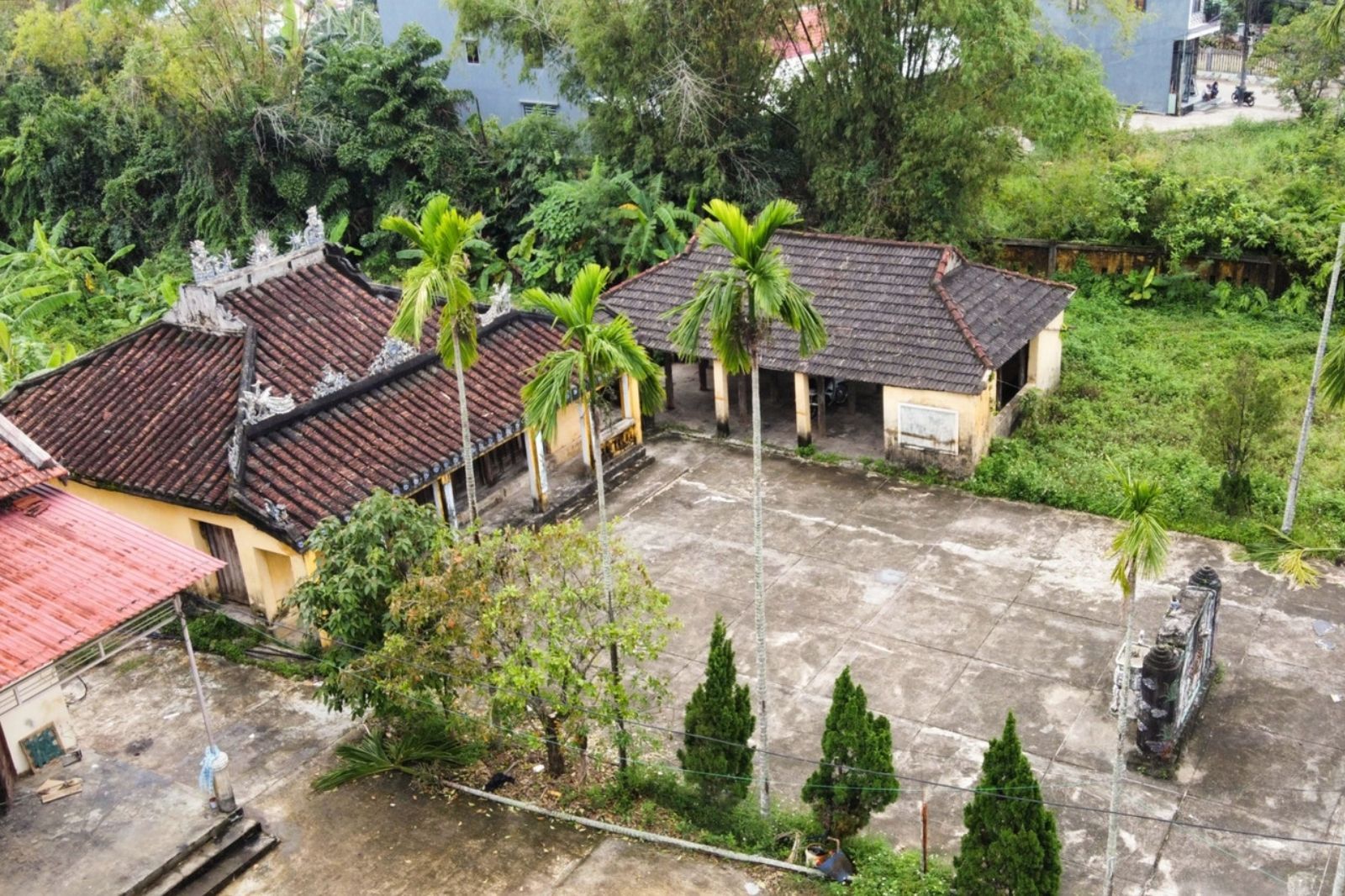
Làng cổ Phong Nam có từ thời nhà Hồ

Photo: Phong Nam Ancient Village dates back to the Ho Dynasty 

2. History of the Formation of Phong Nam Ancient Village

More than 500 years have passed, yet Phong Nam still retains layers of memories of a land that has undergone numerous changes. Traces of the ancient settlement here are tied to the Champa cultural space, while the history of the village is more clearly mentioned from the time of the Ho Dynasty, when the Da Ly region was recorded in 1404. From the very first steps of exploration, the land gradually expanded, hamlets formed, and a residential community began to take root along the Yen River. In 1841, under the reign of King Thieu Tri, the Da Ly region was renamed Phong Lệ, symbolizing a pioneering village in the reclamation and expansion of land toward the South. By 1896 (the 8th year of Thanh Thai's reign), Phong Le Village was divided into two areas: Phong Le Bac (now Phong Bac) and Phong Le Nam (now Phong Nam), thus forming the familiar name of the village to this day.

Not only famous for its long history, Phong Nam is also known as the homeland associated with many prominent historical figures, including General Ong Ich Khiem – a talented general of the Nguyen Dynasty. Through many upheavals of war and urbanization, the locals here have persistently preserved the ancient architecture, traditional customs, and characteristic rural lifestyle. Thanks to these distinctive cultural and historical values, Phong Nam Ancient Village today is likened to a "living museum" of the Central Vietnamese countryside in the heart of Da Nang. Currently, the Hoa Vang District People's Committee is implementing a project to build the "Phong Nam Characteristic Cultural Village" by 2030, aiming to preserve heritage combined with sustainable community-based tourism development.

Phong Nam vẫn giữ được vẻ đẹp của kiến trúc cổ

Photo: Phong Nam still preserves the beauty of ancient architecture 

3. Ancient House Architecture and Traditional Rural Space in Phong Nam Ancient Village

The charm of Phong Nam lies precisely in what has remained through the years. Entering the village, visitors easily encounter old tiled roofs nestled behind rows of trees, small pathways leading through courtyards, ancient wells, or spiritual structures that have been attached to the community for generations. Each detail is not overly elaborate, but when placed side by side, they create a Central Vietnamese rural space with a rustic and profound beauty.

  • Ancient houses: Phong Nam currently still has about 5 houses aged between more than 100 to nearly 200 years old. Most are built in the three-compartment or three-compartment-two-lean-to style, featuring wooden frames, yin-yang tiled roofs, dirt floors, and traditional carved details. Some houses are still inhabited by families across many generations, including the house of Mr. Le Duc Phuc's family, which is estimated to be over 150 years old. Besides these ancient houses, the village also has about 125 traditional three-compartment houses, creating a distinctive architectural appearance for the area.

  • Than Nong Communal House (Phong Le Communal House): Built in 1855, the communal house is dedicated to Than Nong – the deity associated with agriculture and the harvests of the villagers. The structure features a Chinese-character "Ding" (Đinh) architecture and was recognized as a municipal-level historical and cultural relic in 2007.

  • Predecessors Worship House: This is a place to commemorate 17 clans who contributed to clearing the land and establishing Phong Nam Village. Family names such as Tu Le, Ngu Ngo, Phung, Ong, Nguyen, Vo, Tran Nhi, Phan, Bui… are recorded as part of the community's formative history.

  • Thai Giam Temple: With a history of over 500 years, Thai Giam Temple is one of the oldest traces of Phong Nam. The structure was once built with rosewood pillars, and later restored with mortar and yin-yang tiled roofs.

  • Village space: Leaving the ancient structures behind, visitors can still clearly feel the rural silhouette through the village gate by the old banyan tree, green bamboo groves, ancient wells, and small paths running amidst rice fields.

The traces still present in Phong Nam not only create architectural value, but also demonstrate how the people of the Quang region built houses, established villages, adapted to nature, and preserved community life across generations. From the ancient roof, communal house, well to the bamboo groves along the small paths, every image contributes to preserving the appearance of a countryside that has resiliently survived through numerous changes.

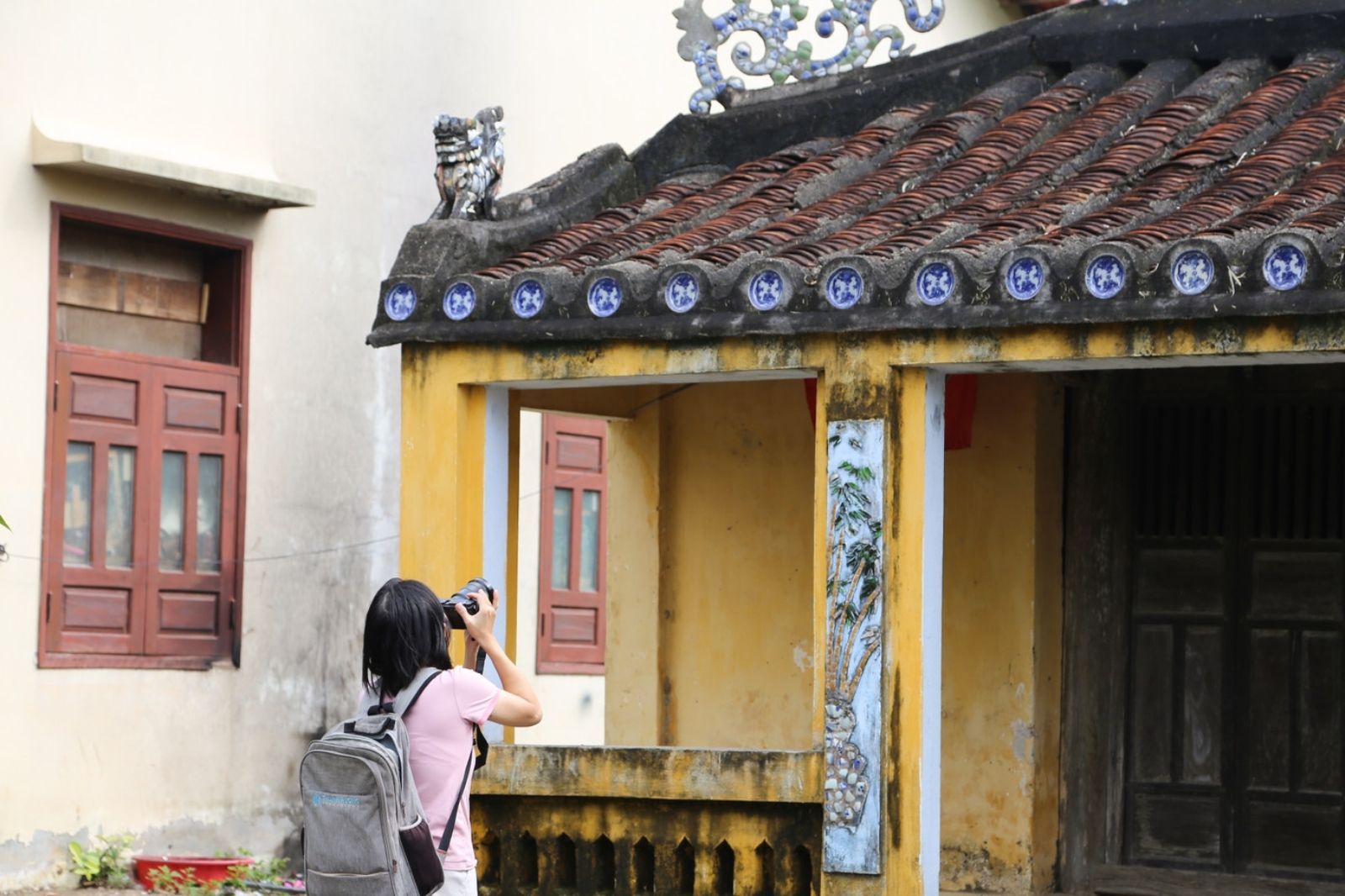
Tham quan và chụp ảnh tại các nhà cổ

Photo: Visiting and taking photos at the ancient houses 

4. Interesting Experiences When Exploring Phong Nam Ancient Village

Coming to Phong Nam Ancient Village, visitors not only simply sightsee but also have the opportunity to experience the authentic rhythm of life in a Central Vietnamese countryside. Each activity here brings a close-knit feeling, helping you immerse yourself in the rustic daily life of the local people.

Must-try experiences in Phong Nam Ancient Village:

  • Strolling through the peaceful rural space: Wandering along winding stone-paved paths, feeling the faint fragrance of ripe rice and listening to the wind rustling through green bamboo groves.

  • Experiencing traditional rural labor: Visitors can participate in everyday activities such as plowing fields, picking vegetables, herding ducks, or traditional hand-weaving, thereby gaining a better understanding of the lifestyle of rural residents.

  • Savoring local rustic cuisine: Characteristic dishes such as Mi Quang, rice paper rolled with pork, fish salad, vermicelli with fried tofu and shrimp paste, or steamed rice rolls carry the bold flavor of Central Vietnam. Additionally, visitors can buy local specialties such as rice paper, sesame candy (me xung), or fermented shrimp paste at the rural market.

  • Check-in with ancient village symbols: Familiar spots like the village gate, banyan tree, water well, or communal courtyard serve as ideal backgrounds for photos steeped in traditional rural culture.

  • Participating in community tourism activities: Visitors can stay at ancient house homestays, learn to cook local dishes, or join folk games like tug-of-war and blindfolded pot breaking, offering a fun and culturally rich experience.

With its peaceful atmosphere and authentic experiences, Phong Nam Ancient Village is an ideal destination for families, couples, or groups of friends wanting to temporarily escape the urban pace of life, rediscover childhood memories, and regain positive energy amidst rural nature.

5. Traditional Festivals and Unique Cultural Features of Phong Nam Ancient Village

Phong Nam Ancient Village preserves many folk rituals, notably the Muc Dong Festival (Herdsboy Festival) (held annually in late lunar March or April). The festival honors Than Nong and agriculture, with village children playing the roles of herdsboys and fairies, carrying palanquins, chanting Ba Trao folk songs, competing in field plowing, and playing folk games. This is an occasion for visitors to immerse themselves in the bustling atmosphere, enjoy folk dishes, and gain a deeper understanding of the cultural identity of Quang Nam – Da Nang.

Additionally, the annual death anniversary of the Predecessors is also an occasion for all family lineages to gather and express gratitude to their ancestors. These cultural features are not only a heritage but also a bond connecting the community, helping the village maintain its soul as time passes.

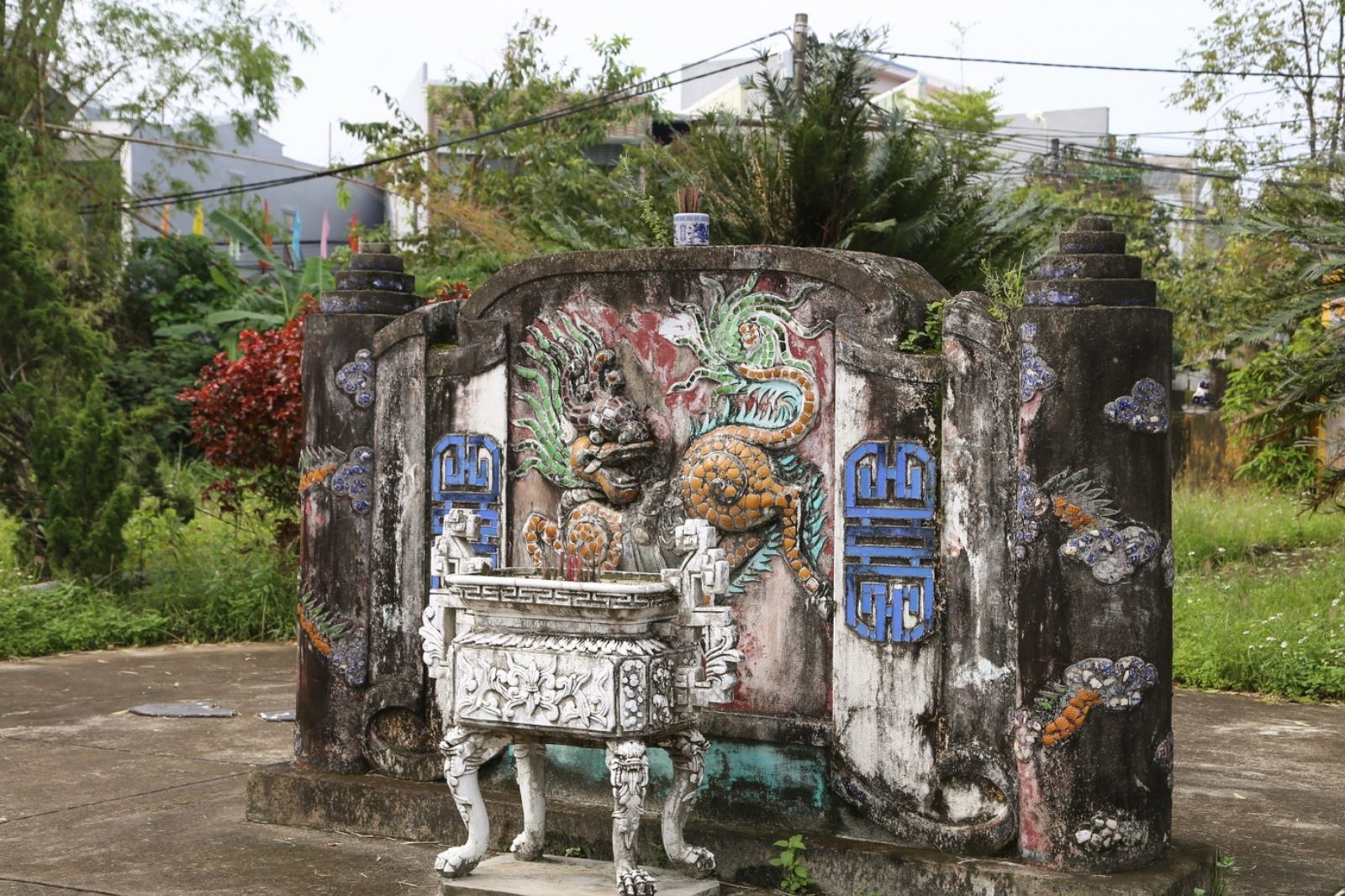
Tại nhà thờ tiền hiền Phong Lệ
Photo: At the Phong Le Predecessors Worship House

Amidst the bustling flow of Da Nang, the most dynamic city in Central Vietnam – Phong Nam Ancient Village still quietly exists as a witness of time, where the past and present harmonize in every roof, every row of bamboo, and every mossy water well. Every small corner here carries the breath of memory, a gentle reminder of the origins and cultural identity of Vietnam. Coming to Phong Nam, visitors are not only able to tour an ancient village, but also experience the ancient Vietnamese spirit – gentleness, rusticity, and a deep attachment to nature. This is a place where people find balance between modern life and traditional values, a stopping point to slow down and feel more at ease amidst a busy life.

Loading......

Featured destinations