The history of Kien Trung Palace is a journey marked by numerous constructions, alterations, and destruction, closely intertwined with the pivotal shifts of the Nguyen Dynasty during the 19th and 20th centuries. Before attaining its current splendid appearance, this site was home to a succession of architectural structures, each bearing its own unique royal imprint.
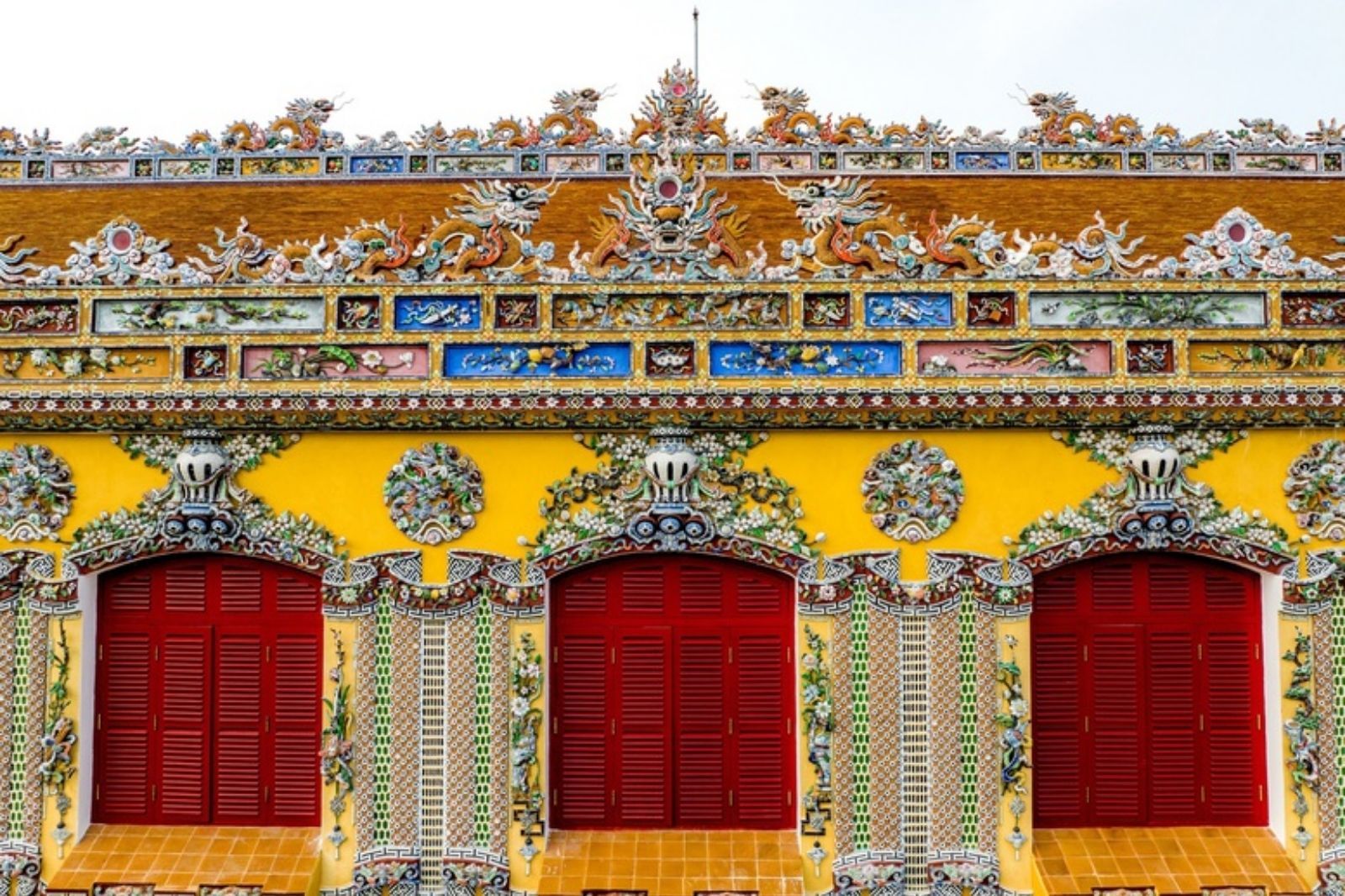
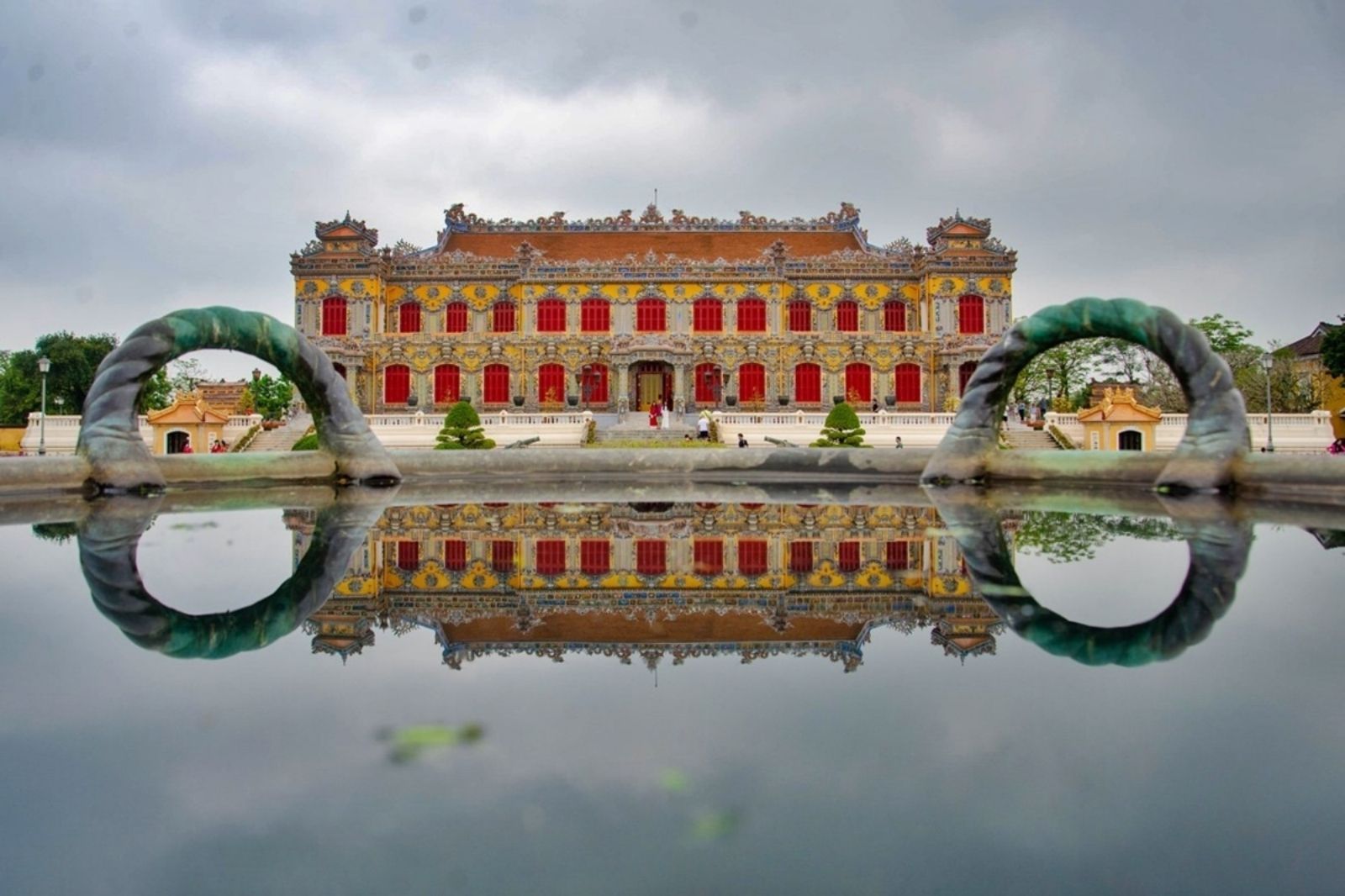
In 1827, under the reign of Emperor Minh Mang, Minh Vien Pavilion was constructed here with a three-story wooden structure measuring approximately 15.8 m in height. Ranked among the Twenty Landscapes of the Imperial Capital, the pavilion served as a retreat where the emperor could admire scenic views and enjoy the cool breeze. However, by 1876, during the reign of Emperor Tu Duc, the deteriorating structure was dismantled. In 1913, upon the old architectural foundation, Emperor Duy Tan had Du Cuu Pavilion built. Three years later, when Emperor Khai Dinh ascended the throne, the building was renamed Kien Trung Pavilion. The name embodies the concepts of constructive foundation and upright integrity. Between 1921 and 1923, the emperor ordered the old structure demolished to completely rebuild the palace, engaging French architects and engineers alongside the Imperial Ministry of Works. The synthesis of East Asian and Western architectural styles conferred a distinctive character upon Kien Trung Palace, vividly reflecting the court architectural trends during the transitional era.
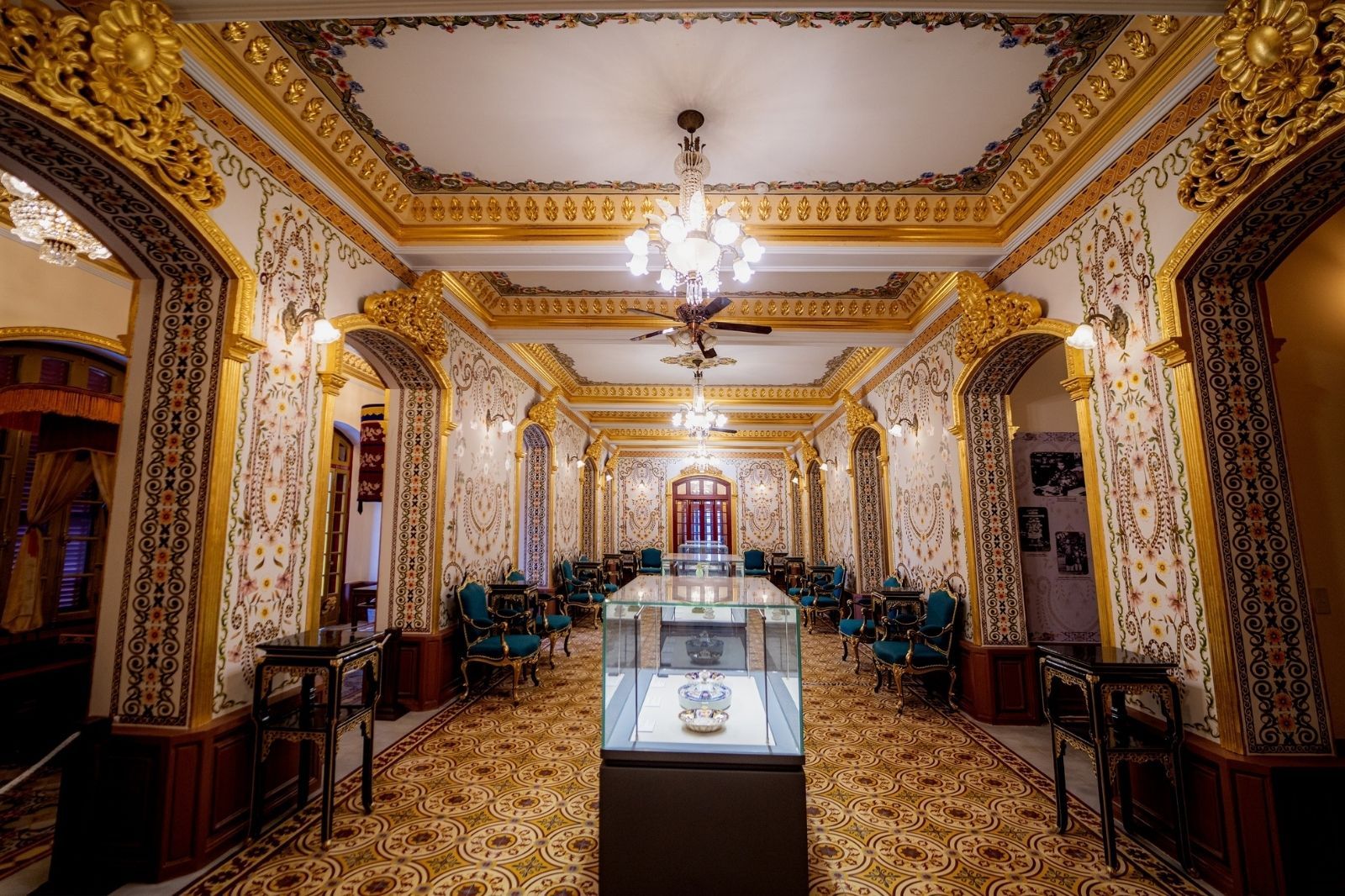
Upon completion, the palace became the daily residence and workplace of Emperor Khai Dinh. On November 6, 1925, the emperor passed away here. During the reign of Bao Dai, the building underwent further renovations and received modern Western amenities, becoming the private residence of the emperor, Empress Nam Phuong, and the princes and princesses. On January 4, 1936, Crown Prince Bao Long was born within these very walls, marking another memorable milestone in royal history.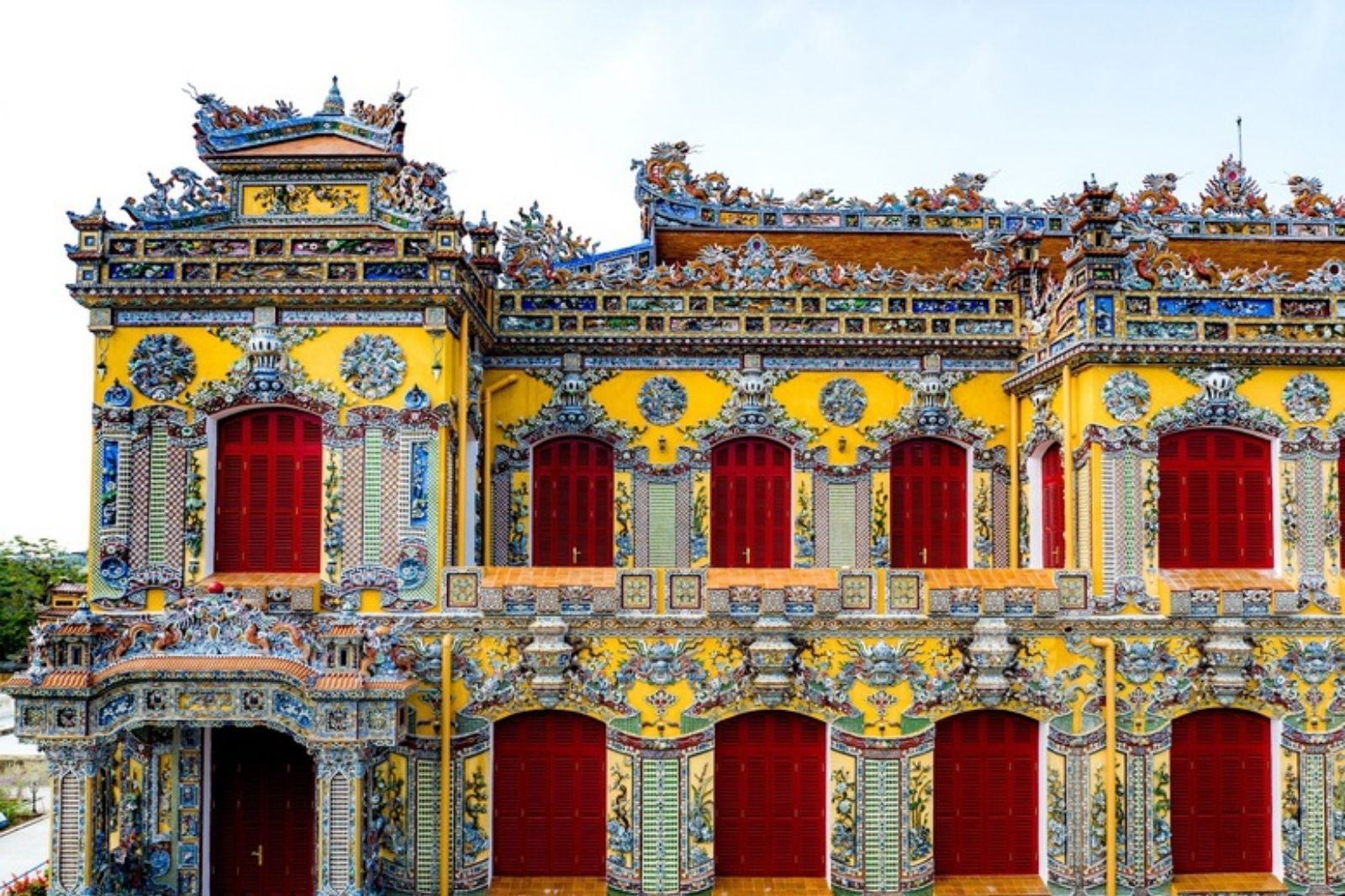
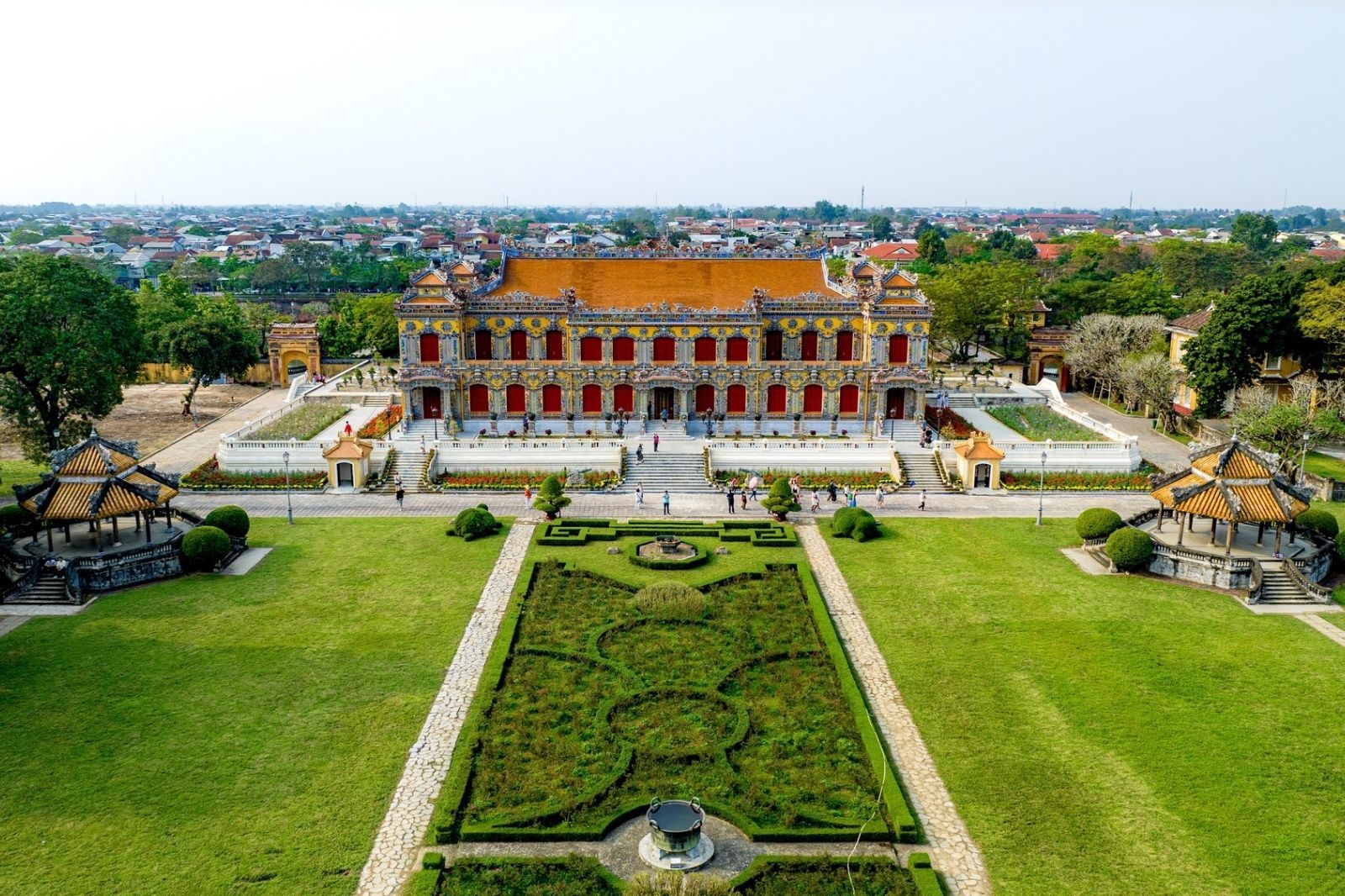
Photo: The revival of Kien Trung Palace after more than 5 years of restorationKien Trung Palace also witnessed one of the watershed moments in the history of the Vietnamese monarchy. On August 29, 1945, Emperor Bao Dai met here with representatives of the Provisional Government to discuss his abdication. From a private royal residence, Kien Trung Palace became the backdrop for momentous transformations in the nation's history.
In 1947, war led to the near-total destruction of the structure, leaving only the foundation and scattered remnants. The splendor of the palace gradually receded into memory, leaving a void in the architectural landscape of the Hue Imperial Citadel for decades. Historical research for its reconstruction began around 2013; in February 2019, the restoration project officially commenced with a total investment exceeding 123 billion VND.
After nearly five years of meticulous work, the restoration of Kien Trung Palace was completed, opening its doors to visitors during the 2024 Lunar New Year (Year of the Dragon). Rebuilt from the surviving vestiges of war, the palace has reclaimed its majestic, radiant stature, contributing an indispensable piece to the architectural tapestry of the imperial court of Hue. Today, each step through the palace transports visitors back to an eventful historical epoch, where royal grandeur and national milestones coexist within a living heritage space.