|

Back Home

sovaba
TRAVEL GUIDEHai Van Pass Da Nang

Exploring Hai Van Pass on your own is an ideal journey for those who love pristine nature, majestic landscapes, and the thrill of conquering heights amidst the clouds. From winding through curves around the Bach Ma mountainside, admiring the panoramic view of Lang Co Bay and Da Nang beach, stopping at the ancient Hai Van Quan, to enjoying coffee floating amidst the clouds, a self-guided trip to Hai Van Pass promises to bring you unforgettable moments – adventurous, poetic, and deeply Central Vietnamese.

In Sovaba Travel's self-guided Hai Van Pass travel guide, you will find detailed directions to outstanding stops such as the Lonely Pine Tree, Turtle Rock, Bac Hai Van Station, Don Ca Arch Bridge, and Lang Co Bay – dubbed one of the "most beautiful bays in the world". Additionally, we share useful tips for conquering Hai Van Pass on your own, such as the ideal time to hunt for clouds and watch the sunrise, safety tips for driving on the pass, and cafe recommendations, helping you save money while still having a complete experience.
Introduction to Hai Van Pass

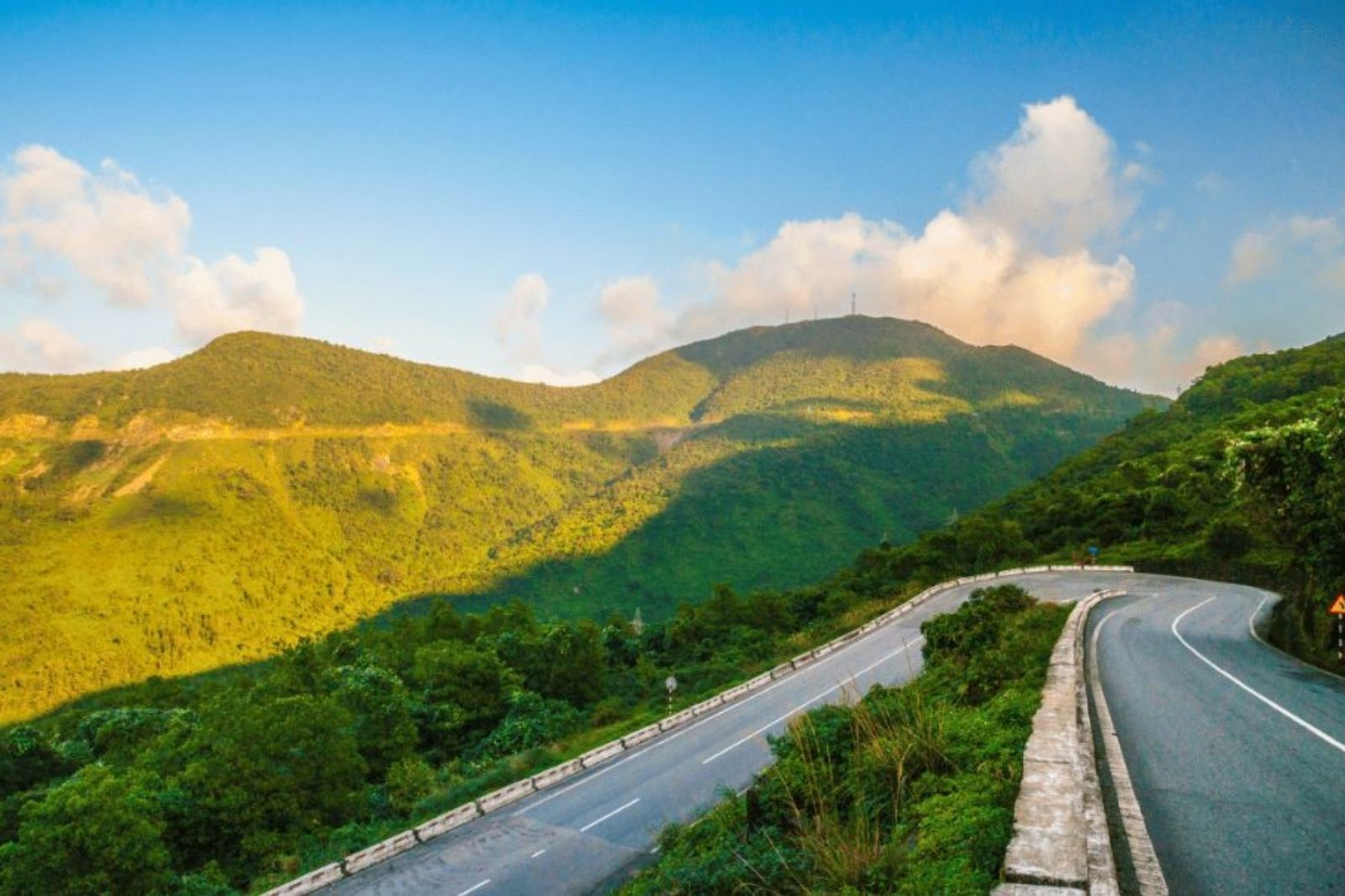
Hai Van Pass (also known as Ai Van Pass or Cloud Pass) stretches approximately 20 km at an average elevation of 500 m above sea level, straddling the Bach Ma Mountain range of the Truong Son belt. It serves as the natural border between Da Nang City and Thua Thien Hue Province, located about 20 km north of central Da Nang. On one side are sheer cliffs blanketed in deep green primeval forest; on the other lies the sunlit East Sea stretching to the horizon. It is this sublime grandeur that earned Hai Van Pass a spot among CNN Travel's top scenic coastal drives in the world.

Đèo Hải Vân thuộc ranh giới Đà Nẵng và Huế
Photo: Hai Van Pass on the border between Da Nang and Hue 

History of the Hai Van Pass Road

The history of Hai Van Pass is closely tied to major national events, from feudal times to modern history. Prior to 1306, this area belonged to the O and Ri prefectures of the Champa Kingdom. That year, King Che Man offered the pass as a betrothal gift to marry Princess Huyen Tran of Dai Viet, marking the first time the pass became a natural frontier. By 1402, after the Ho Dynasty seized Chiem Thanh, the pass officially became territory of Dai Ngu (the predecessor of modern Vietnam).

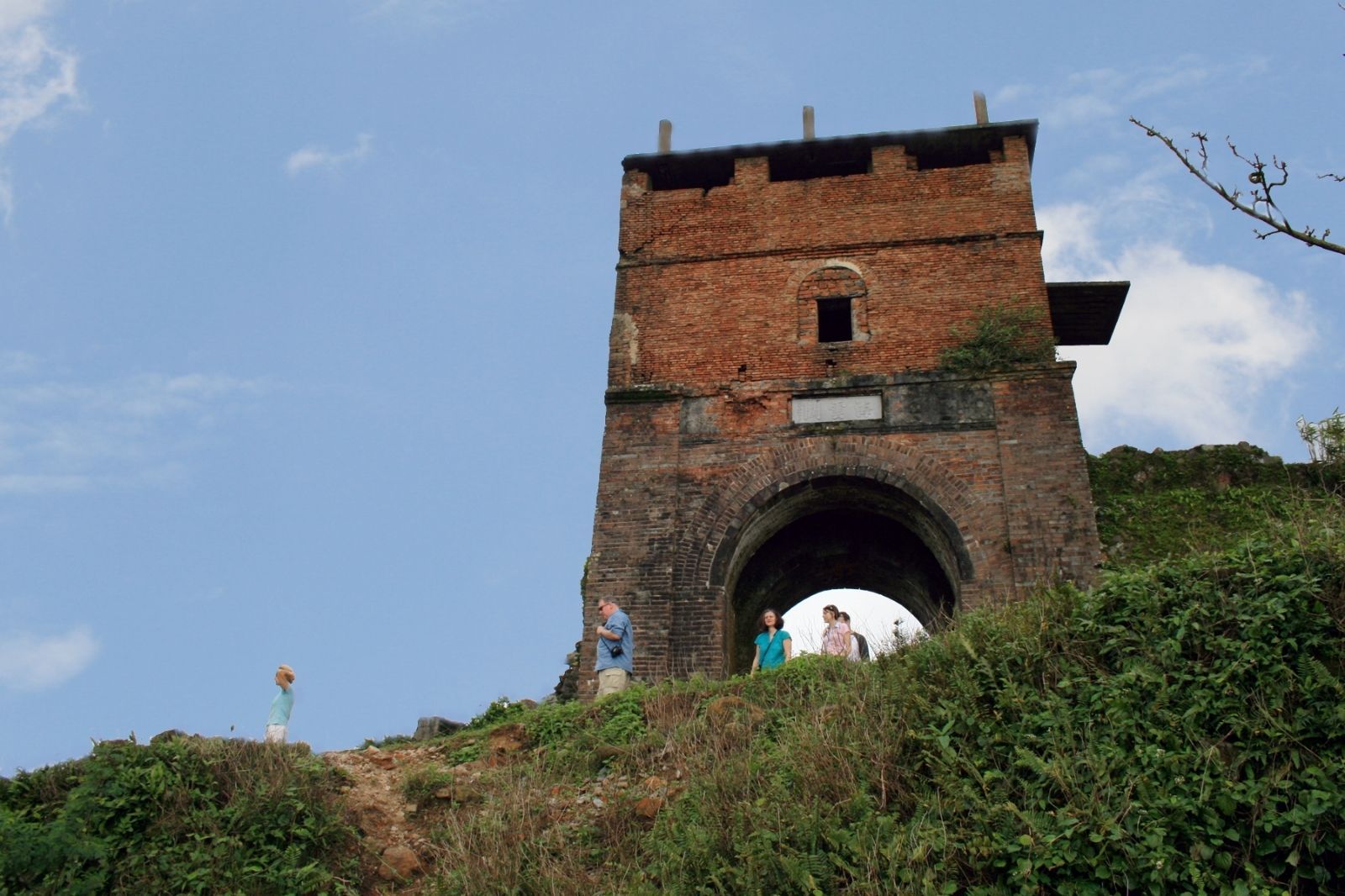
During the French colonial period (late 19th century), colonizers built a railway line across the pass to control North-South transport, though the road remained narrow, hazardous, and prone to wild beasts and bandits. During the anti-French resistance war (1946–1954), the pass earned the nickname "grave of French invaders" due to its treacherous terrain. Later, US forces constructed radar stations and defense bunkers here. The historical pinnacle is Hai Van Quan—the gate built in 1826 under Emperor Minh Mang, bearing the inscription "The World's Most Wondrous Gate" bestowed by King Le Thanh Tong. In 2017, this complex was recognized as a national monument.

Hải Vân Quan
Photo: Hai Van Quan 

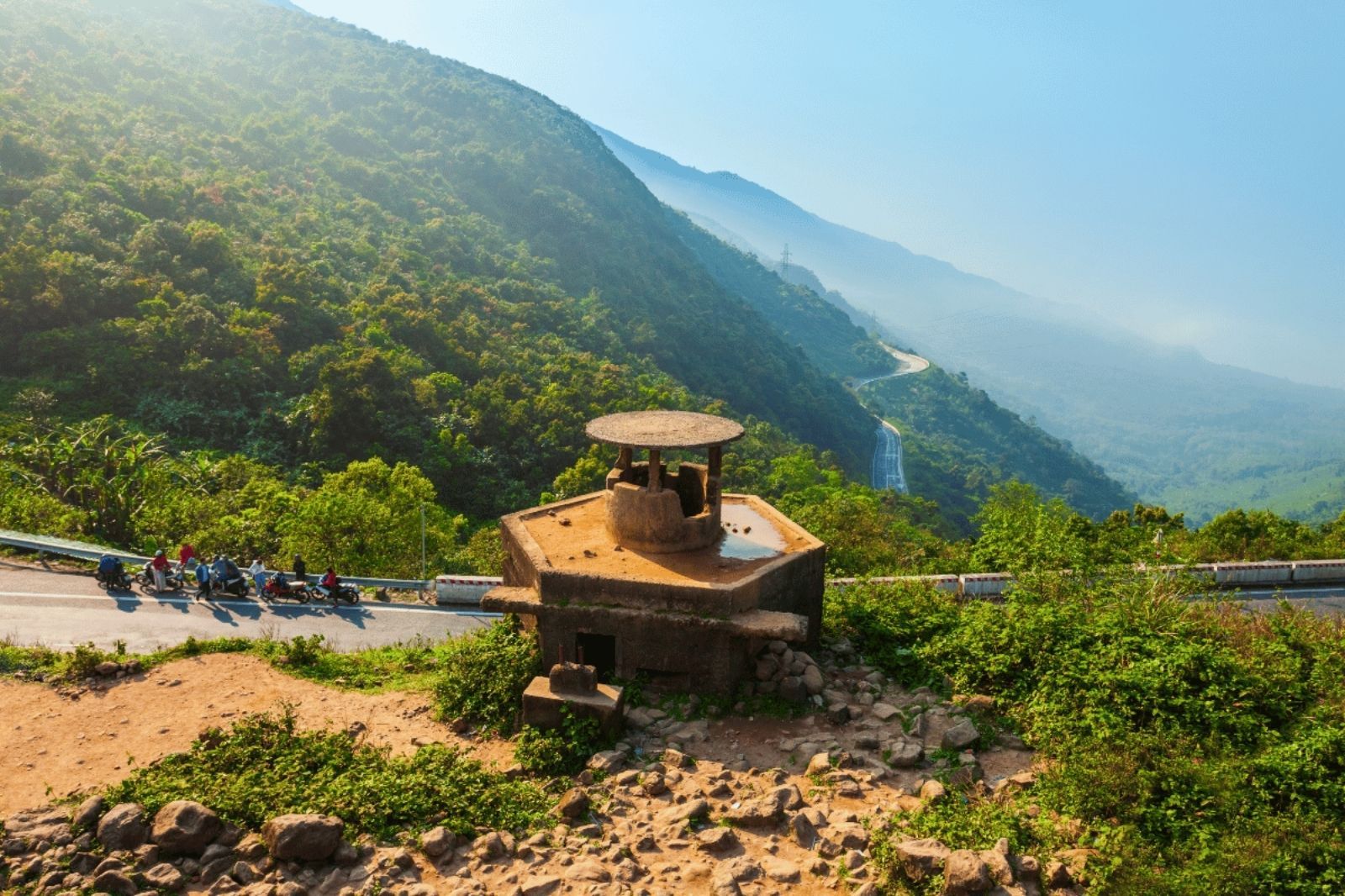
Today, Hai Van Pass is not only a historical site but also a travel icon where visitors can observe wartime remnants like French bunkers and US radar stations, recalling a heroic past.

Guide on How to Get to Hai Van Pass

Hai Van Pass occupies a favorable position along the North-South transport corridor linking Da Nang and Thua Thien Hue, making travel here straightforward. Below is a detailed guide to popular travel options suited for different types of travelers:

Departing from Da Nang (approx. 20–30 km, 45–60 minutes)

  • Motorbike: Visitors can rent motorbikes in central Da Nang for 80,000 – 250,000 VND/day; semi-automatic or manual bikes are recommended for easier uphill riding.
    Suggested route: Da Nang → Dien Bien Phu → Ton Duc Thang → Nguyen Luong Bang → Nam O Bridge → Nguyen Van Cu → Lien Chieu Bridge → Hai Van Pass.
    This option is ideal for backpackers and adventurous travelers, though it requires confident driving skills and adhering to speeds under 40 km/h on mountain roads.
     
  • Train: A great option for sightseers. Ticket prices range from 70,000 – 120,000 VND/one-way (Da Nang – Hue leg). Choose a left-side seat for sweeping views of the sea and coastal cliffs as the train winds along the pass. 

Departing from Hue (approx. 80 km, 2–3 hours)

Travelers can go by motorbike, car, or book a Hue – Da Nang – Hai Van Pass tour following National Route 1A through Lang Co → Hai Van Quan → Da Nang.
This option combines multiple highlight stops while saving travel time and expense.

Safe and Economical Travel Tips

  • If you are uncomfortable driving on winding mountain roads, you can take the Hai Van Tunnel (toll around 200,000 VND/car one-way), then loop back via the old pass road for photos.
  • Avoid peak commuting hours (7:00–9:00 AM, 4:00–6:00 PM) to minimize traffic congestion.
  • Check the weather forecast beforehand, as dense fog can reduce visibility drastically.
  • Carry water, a jacket, and a fully charged phone for safety and convenient photo opportunities along the way.

Ideal Time to Visit Hai Van Pass

Weather is a crucial factor directly affecting safety and overall experience when conquering Hai Van Pass. The period from March to August is considered the best time of year to visit. During these months, clear blue skies, minimal fog, and high visibility allow travelers to enjoy unobstructed panoramic views of the sea, mountains, and sky while capturing crisp, impressive photos.

Conversely, from September to December, heavy rains, thick fog, and strong winds are common, making roads slippery and increasing the risk of landslides and flash floods. Therefore, travelers should avoid visiting during this period, especially those traveling by motorbike.

Golden Hours for Photos and Sightseeing

  • Early Morning (5:00 AM – 7:00 AM): The ideal window for catching the sunrise and cloud hunting around Turtle Stone or the Lonely Pine Tree. Light mist combined with early sunlight creates a magical setting perfect for photography.
  • Late Afternoon (3:00 PM – 5:00 PM): Sunset at Hai Van Quan is one of the most magnificent moments. Visitors can combine a quick rest, coffee break, or light picnic before heading back.
  • Cool Season (November – February): Although chilly and windy, this is the prime cloud-hunting season of the year. Travelers should prepare windproof jackets, gloves, and non-slip shoes for safety.
Nên đi đèo lúc trời còn sáng để đảm bảo an toàn
Photo: Drive the pass during daylight hours to ensure safety 

Attractions on Hai Van Pass

Stretching from base to summit, Hai Van Pass features a series of ideal stops for photography enthusiasts, explorers, and nature lovers. Below are 8 prominent landmarks curated and recommended by Sovaba Travel for your trip:

Nam O Beach (Base of the pass – Da Nang)

A peaceful ancient fishing village famous for fine white sand, basket boats, and renowned Nam O raw fish salad. From February to April each year, moss-covered rocks create a unique landscape heavily favored by photo enthusiasts.

Turtle Stone (Hòn Đá Cụ Rùa) 

The finest vantage point on the pass for panoramic views of Da Nang Bay and Son Tra Peninsula. Located here is Turtle Stone Cafe, serving drinks from 20,000 – 50,000 VND, making it a great spot to rest and hunt clouds.

The Lonely Pine Tree

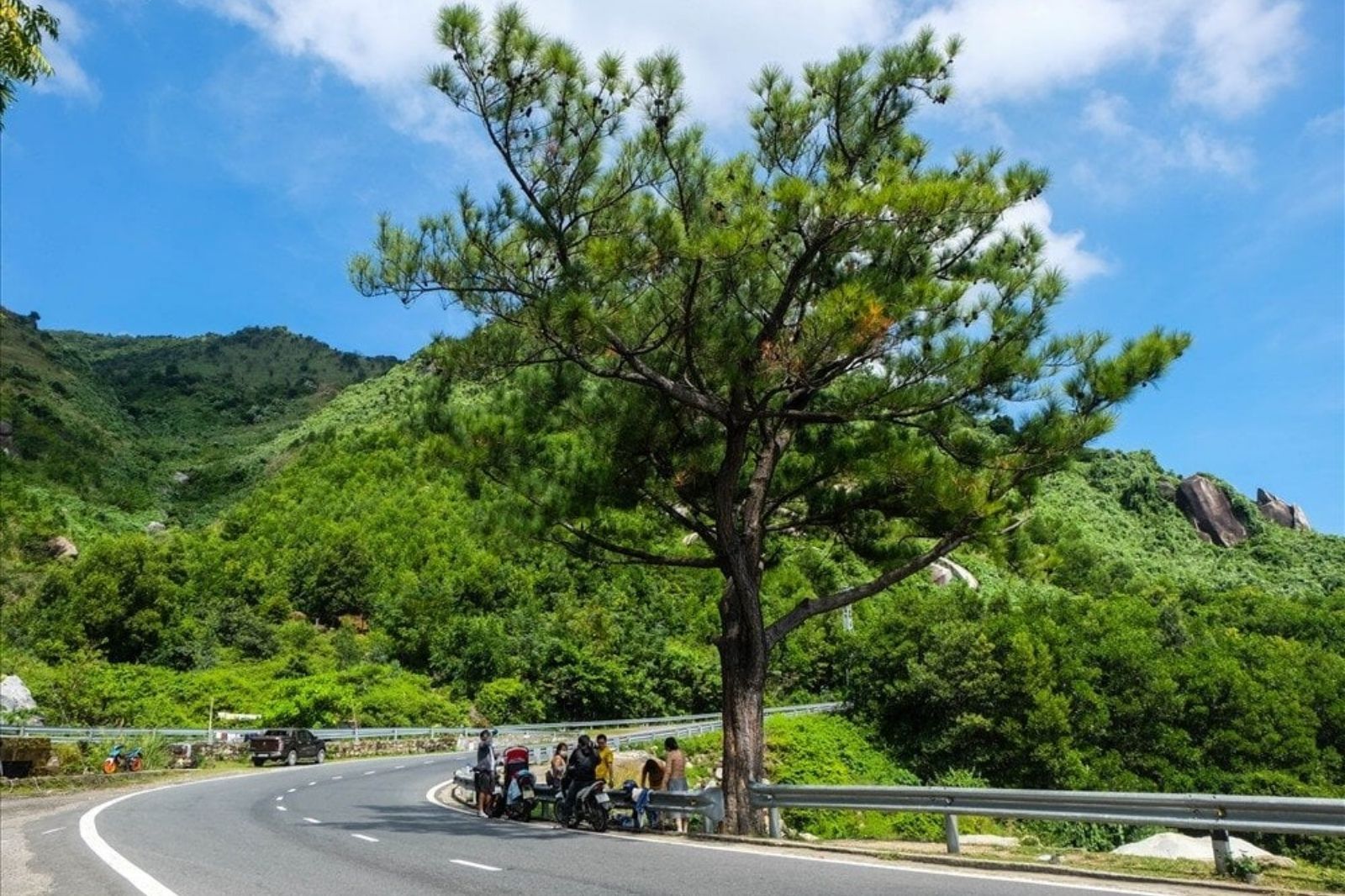
Located about 2 km from the peak, this is an iconic check-in landmark on Hai Van Pass. Standing solitary amidst the vast sea and sky, it looks particularly striking at sunset—a favorite angle for photographers.

Cây thông cô đơn ở đèo Hải Vân
Photo: The Lonely Pine Tree on Hai Van Pass 

"Death Curve" Hairpin Bend

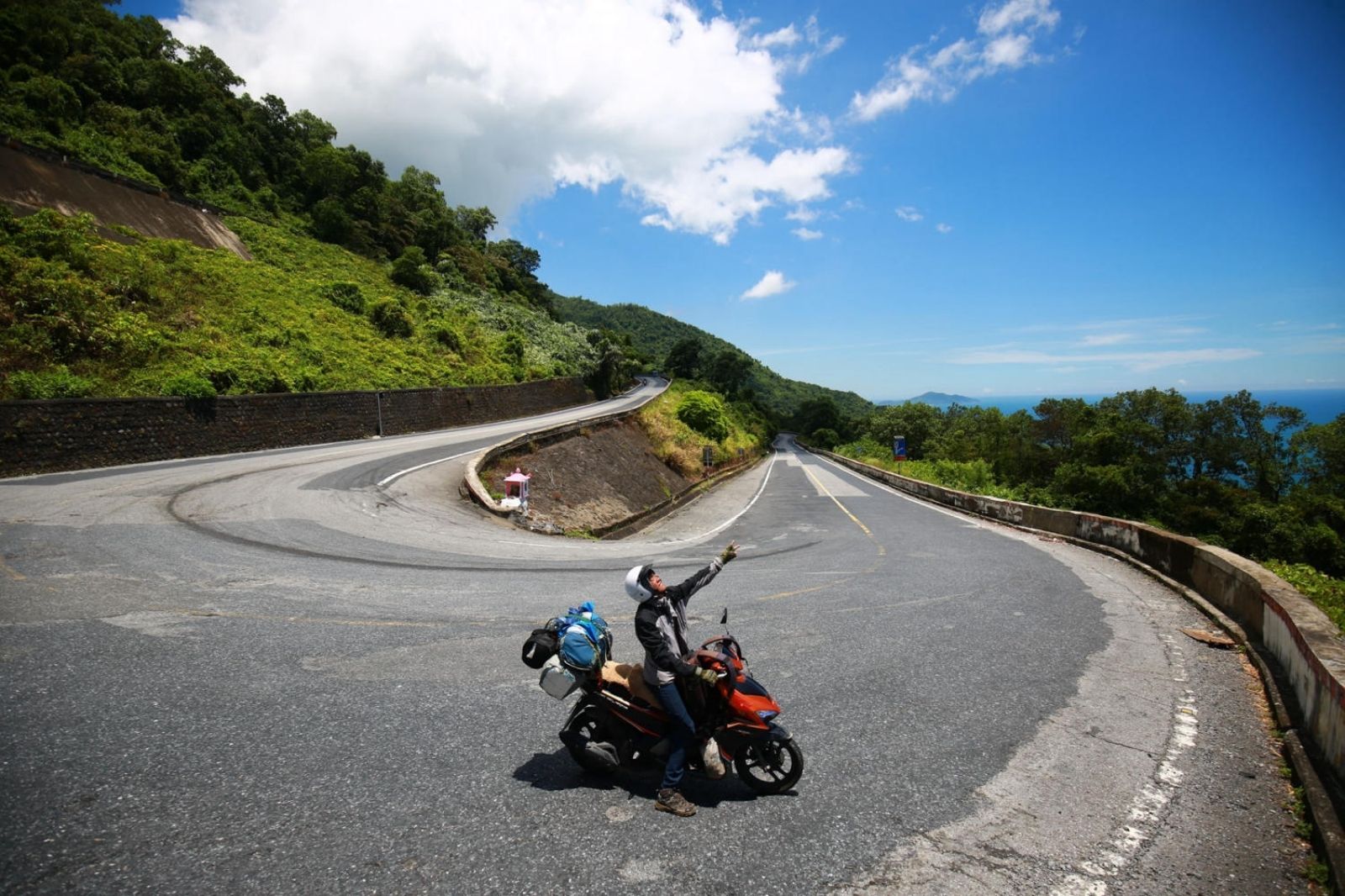
One of the most dramatic bends along the pass, featuring sweeping views of lush mountains and the East Sea. When stopping for photos, travelers must pay close attention to traffic and park safely off the road.

French Colonial Bunker

Situated midway up the pass, this historic remnant from the French period bears bullet scars and war marks. It is a meaningful historical stop helping visitors understand the strategic role of Hai Van Pass during wartime.

Hai Van Quan (Hai Van Gate)

Perched at the summit at an altitude of roughly 496 m, Hai Van Quan is an ancient fortress built in 1826 under Emperor Minh Mang. It offers an unmatched high-altitude vantage point over Lang Co Bay and Da Nang City.

Bac Hai Van Station & Don Ca Arch Bridge

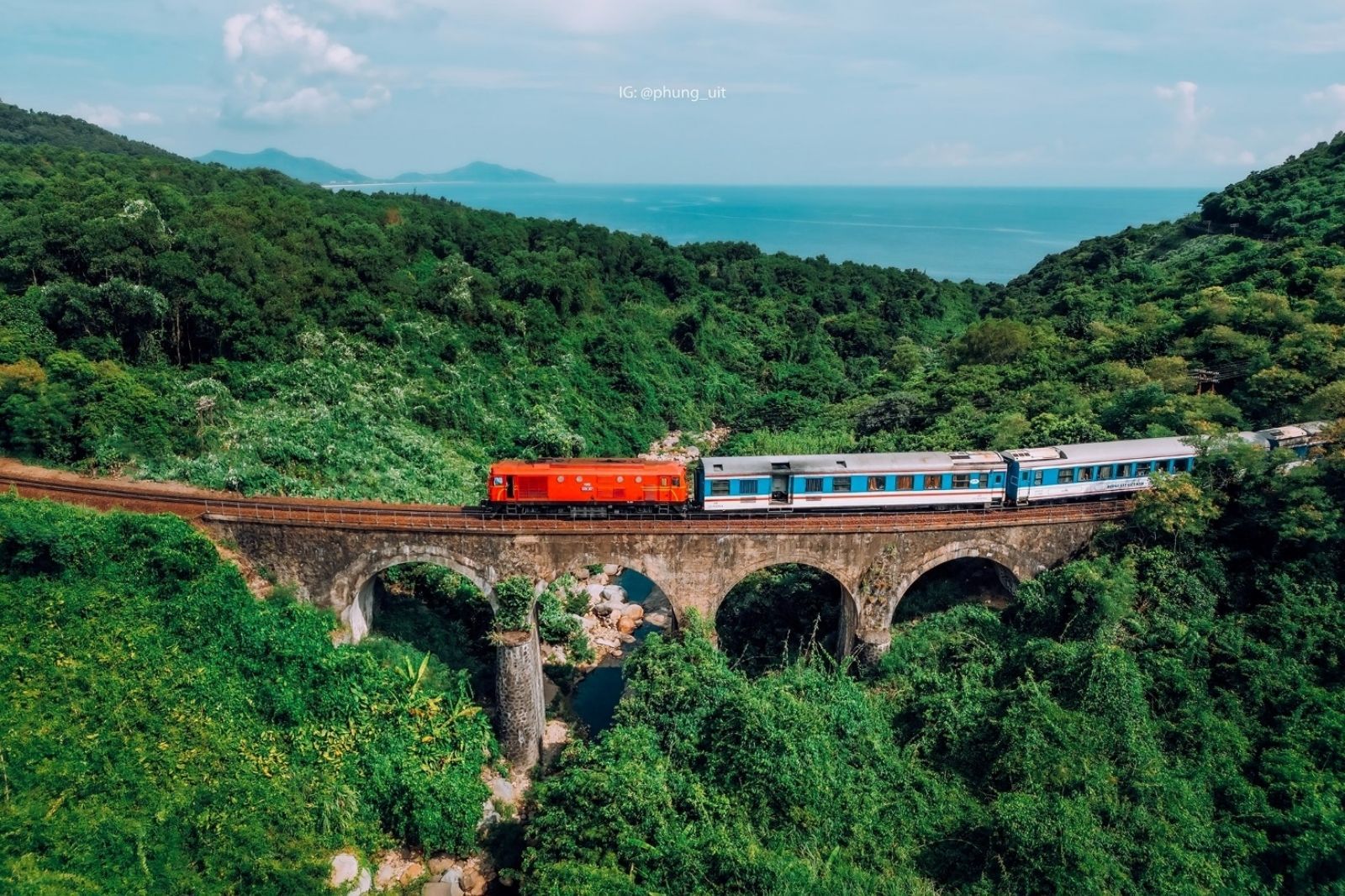
A serene area perfect for nature enthusiasts and light trekking. The 4-arch stone bridge built by the French between 1902 and 1906 sits amidst green jungle and bubbling streams. From the station, walk about 1 km to reach the main photo spot.

Cầu Vòm Đồn Cả
Photo: Don Ca Arch Bridge 

Tips and Notes When Exploring Hai Van Pass

Although famous for its magnificent scenery as one of Vietnam's most beautiful coastal drives, Hai Van Pass remains a challenging route with steep inclines, sharp hairpin turns, and rapidly shifting weather conditions. To keep your journey safe and enjoyable, keep the following tips in mind:

  • Drive safely: Maintain a speed of 30–40 km/h, slow down before turns, and strictly avoid sudden braking when going downhill. Use a manual/semi-automatic bike if riding, and check brakes, lights, and tires before setting off.
  • Weather awareness: Limit travel during rainy or foggy seasons (September–December). Bring a light raincoat, anti-fog glasses, and watch out for wild monkeys along the road.
  • Personal gear: Pack a windproof jacket, drinking water, light snacks, and an offline map or GPS in case mobile coverage drops. Traveling in groups of 2–3 people is recommended for mutual assistance.
  • Stopping for photos: Park neatly along the road shoulder, avoiding obstructed views around U-turn bends. Never stand or photograph near active train tracks.
  • Health: If prone to motion sickness, take medicine about 30 minutes before departing. Wear a face mask or neck gaiter to protect against wind and dust.

Adhering to safety guidelines ensures your Hai Van Pass exploration with Sovaba Travel is safe, comfortable, and memorable.

Chú ý an toàn khi lái xe máy trên đèo
Photo: Pay attention to safety when riding a motorbike on the pass 

Exploring Hai Van Pass independently offers freedom and flexibility, especially suited for photography lovers, road trippers, or those seeking quiet moments in nature. However, given the steep terrain and unpredictable weather, self-guided trips demand thorough preparation and solid driving experience. If you prefer a safe, effortless, and well-organized experience, booking an all-inclusive Hai Van Pass tour with Sovaba Travel is the perfect solution. With a well-structured itinerary, reliable vehicles, and experienced guides, you will not only take in the spectacular scenery but also gain a deep appreciation of the cultural and historical legacy of the "World's Most Wondrous Gate".

Articles related to Hai Van Pass Da Nang