Hai Van Tunnel – The Most Modern and Safest Road Tunnel in Vietnam
Central
Da Nang
Hai Van Pass Da Nang
Hai Van Pass Hue
Sovaba.travel
Updated at: 02/10/2026
1. Where is the Hai Van Tunnel?
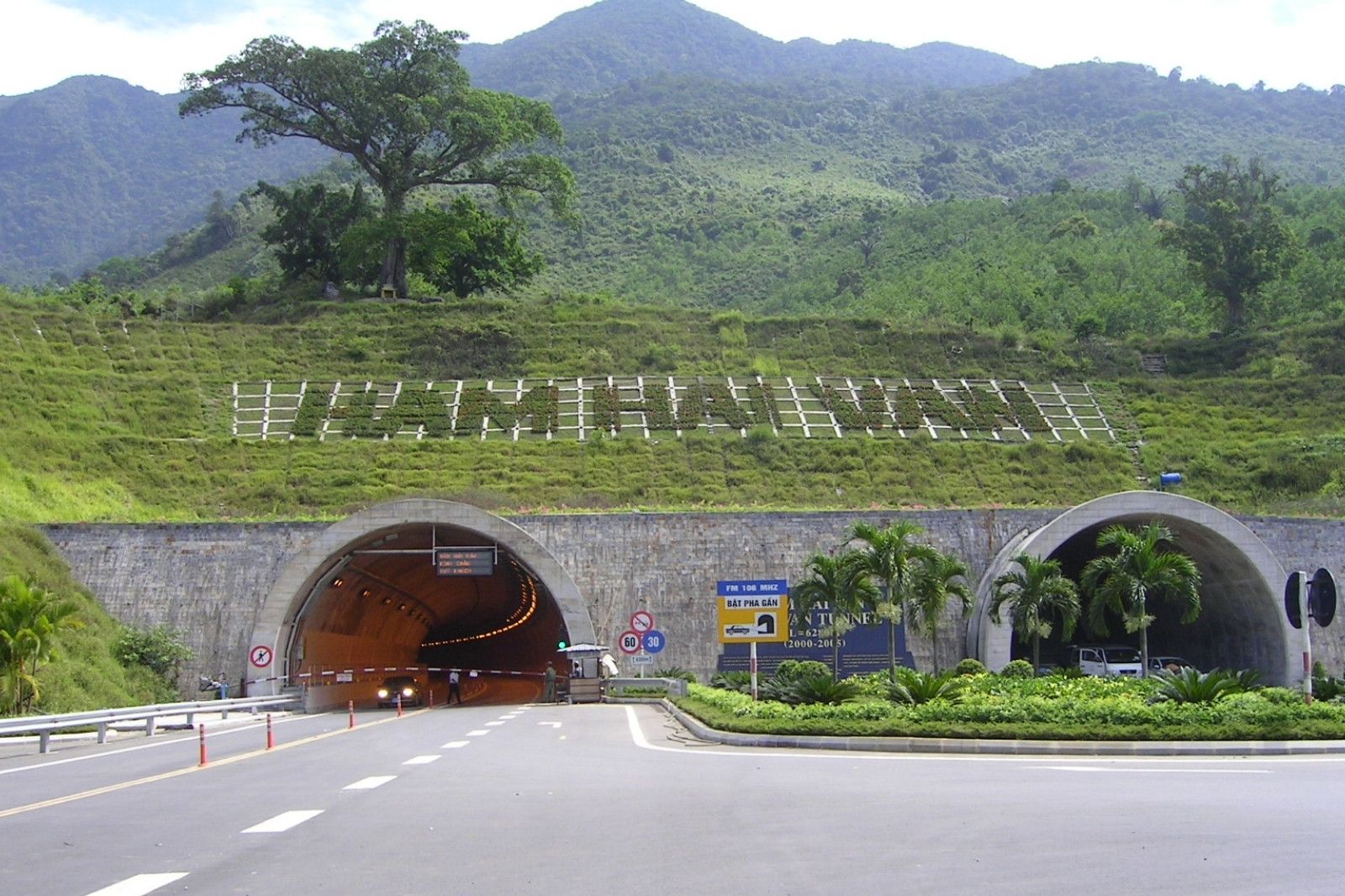
Hai Van Tunnel is located on National Route 1A, at the border between Da Nang City to the south and Thua Thien Hue Province to the north. The structure was built through the Hai Van Pass range, part of the Bach Ma mountain system, an area that historically served as a natural border between Dai Viet and Champa. Thanks to its key geographical location, the tunnel has become a direct link between two major tourism hubs in Central Vietnam. Opening the tunnel for operation has significantly reduced the travel time between Da Nang and Hue from about one hour over the Hai Van Pass down to around 10–15 minutes.
In terms of distance, Hai Van Tunnel is located about 20 km north of central Da Nang and about 80 km south of central Hue. The structure is also a crucial link along the North-South transport corridor, contributing to enhanced transport capacity and serving a large volume of vehicles annually.
A "trillion-dong" megaproject built in the heart of the majestic Truong Son range
2. The history of construction and modern upgrades of the Hai Van Tunnel
Before 2005, Hai Van Pass was considered one of the most difficult routes along National Route 1A. Spanning approximately 21 km with steep slopes, sharp bends, and frequent fog, this mountain pass posed major challenges for transportation and carried high risks of traffic accidents. The idea of constructing a mountain-tunneling highway was actually raised during the French colonial era for railway projects; however, it was not until the early 2000s that the project was officially implemented.
Key Project Milestones
Groundbreaking: August 27, 2000
Inauguration: June 5, 2005
Funding source: Japan's Official Development Assistance (ODA) via JICA
Total investment cost: around 127 million USD
The project took nearly 5 years to construct using the NATM (New Austrian Tunnelling Method) tunneling technology – an advanced technology applied for the first time in Vietnam at the time. Upon completion, Hai Van Tunnel became the longest road tunnel in Southeast Asia and ranked among the top 30 longest road tunnels in the world.
Upgrade and Expansion Process
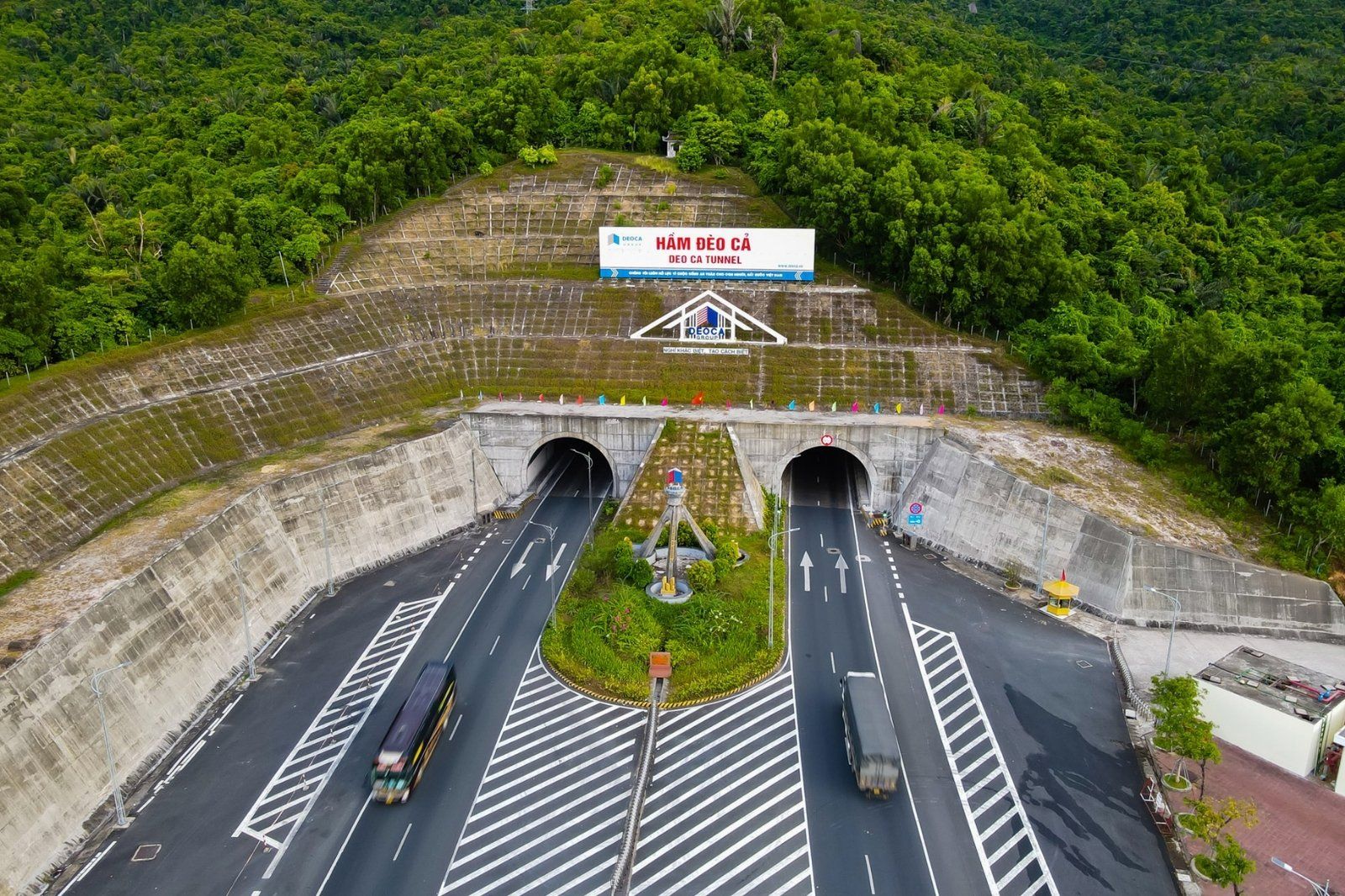
To meet growing traffic demands, the Hai Van Tunnel 2 project was implemented between 2016 and 2021, with a total route length of over 12.6 km. The project comprised two phases: upgrading and repairing the existing tunnel and pass road, and constructing a new parallel tunnel. After completion, the two tunnels were organized for two-way traffic in separate directions, reducing congestion and enhancing road safety. The entire system is also equipped with ITS intelligent transport technology and SCADA monitoring and control systems, enabling 24/7 automated operation and management. As of 2025, Hai Van Tunnel has served over 48 million vehicles while maintaining high safety standards throughout its operational life. The infrastructure not only improves traffic capacity on the North-South transport spine but has also become a symbol of modern transport infrastructure in Central Vietnam.
Photo: Hai Van Tunnel becomes a vital transport artery connecting North and South
3. How long is the Hai Van Tunnel in kilometers?
Hai Van Tunnel is one of the key road transport projects on the North-South route, designed with a large-scale system of tunnels and access roads. Thanks to its modern engineering structure and impressive length, the project was once rated as one of the longest and most modern road tunnels in the region upon opening.
Length Specifications of the Tunnel System
Main Tunnel (Tunnel 1): approximately 6.28 km long, once the longest road tunnel in Southeast Asia at its inauguration.
Parallel Service Tunnel:6.28 km long, built for rescue, maintenance, and operational support.
Ventilation Shaft/Tunnel: approximately 1.81 km long, ensuring air circulation and safety during operation.
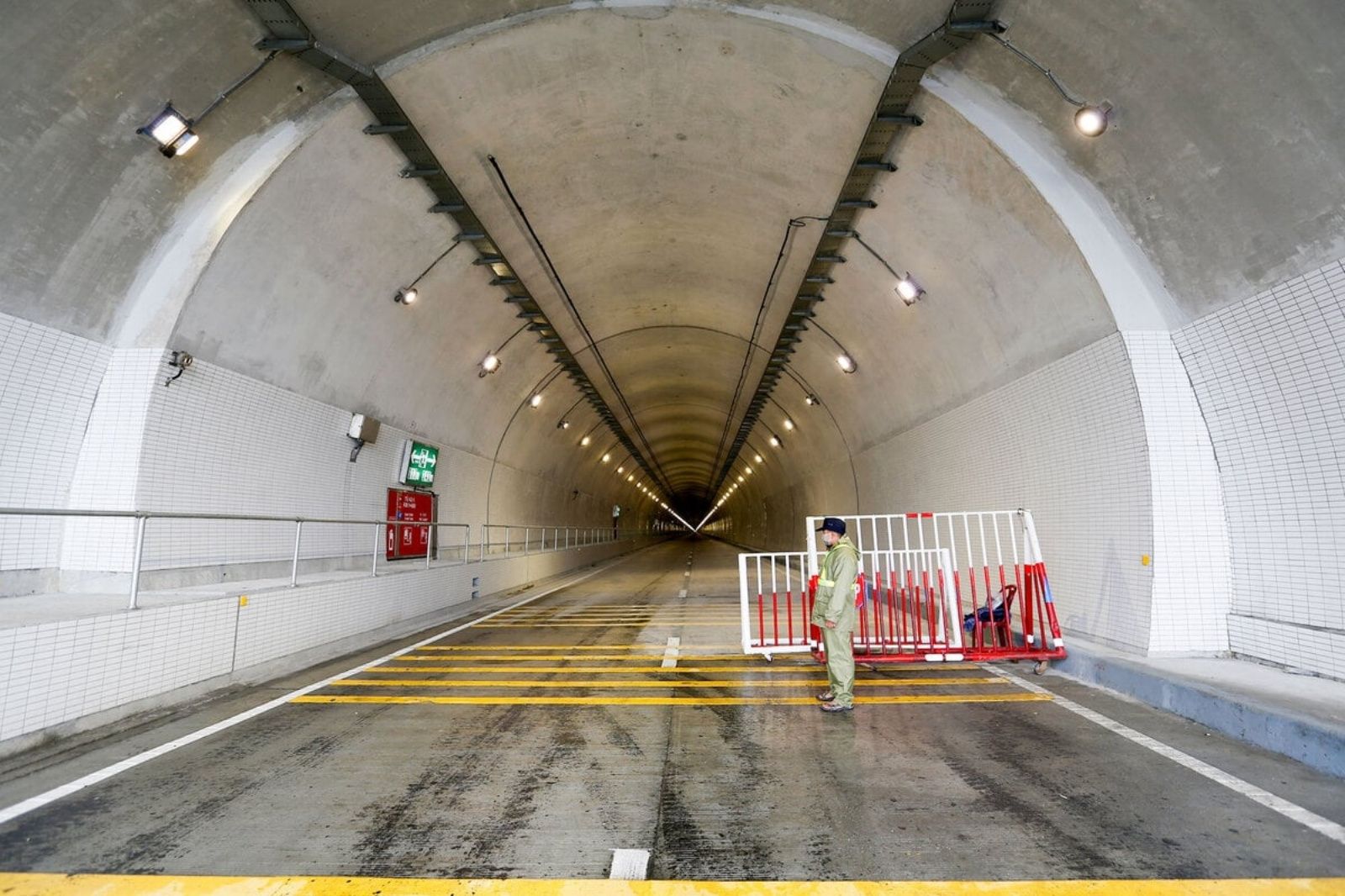
Total length of the tunnel system: approximately 15.1 km, including 3 electrostatic dust filter caverns and 15 cross-passages for emergency evacuation connecting the tunnels.
Total length of the entire project route (including access roads and bridges): approximately 12.047 km.
Operational Specifications
The tunnel is designed for a maximum speed of 80 km/h and a clearance height of 7.5 m, meeting standards for large vehicles such as trucks and container trucks to travel safely. With its significant engineering scale and length, Hai Van Tunnel not only reduces travel time across the Hai Van range but also plays a vital role in boosting transport capacity and ensuring traffic safety on National Route 1A.
Photo: The tunnel excavated by talented engineers
4. Safe driving tips for travelers passing through the Hai Van Tunnel
To ensure a safe and smooth journey through Hai Van Tunnel, drivers must strictly observe traffic regulations and operational guidelines inside the tunnel. Below are several important principles to keep in mind:
Speed: Do not exceed 70 km/h (50–60 km/h recommended). Maintain a steady speed without sudden acceleration.
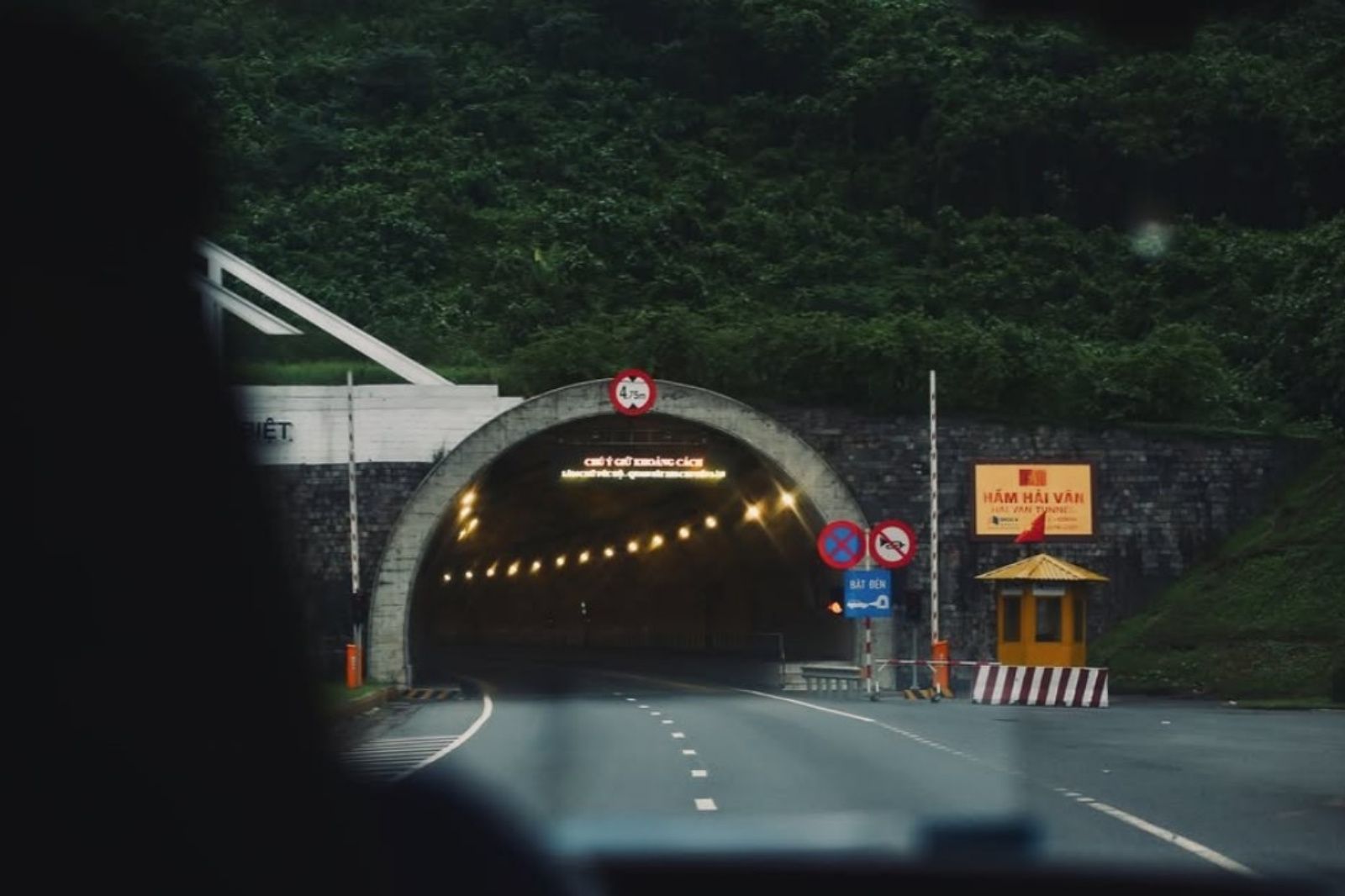
Vehicle lights: Keep low-beam headlights on continuously, even when the tunnel is lit. High beams are prohibited.
Safety distance: Maintain a minimum distance of 30 m from the vehicle ahead.
Prohibited traffic: Motorcycles, bicycles, and pedestrians are not allowed inside the tunnel.
Emergency: In case of breakdown, pull over to the right shoulder, turn on hazard lights, turn off the engine, use an emergency telephone or call the operation center. Move to the nearest cross-passage emergency exit.
Preparation: Check tires, brakes, and fuel before entering. Have toll fee ready (if driving yourself).
Tips for new drivers: Focus on observing LED signs and traffic lights. Do not panic if you see smoke, as the ventilation system is very powerful.
Photo: Hai Van Road Tunnel becomes the key promoting economic trade between regions
Closing two decades of successful operation, Hai Van Tunnel has not only fulfilled its historical mission as the "path of light" through the Truong Son mountains—erasing the dangers of mountain passes—but has also become a vibrant symbol of Vietnamese technological mastery and aspiration in transportation. This project, especially with Hai Van Tunnel 2 in operation, has firmly consolidated its status as one of the most modern and safest road tunnels in the region. While the main arterial route remains seamless and clear, the historical Hai Van Pass has now transformed into a charming destination for those seeking majestic nature experiences, opening up great potential for Hai Van Pass tour services to explore "The World's Most Magnificent Gateway". Hai Van Tunnel, therefore, contributes not only to the economy but also to national pride, continuing to drive sustainable development and integration for Central Vietnam.