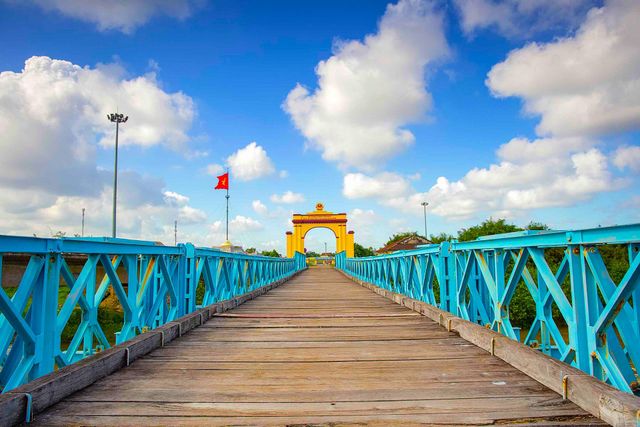
The journey to Hien Luong Bridge and Ben Hai River, historical landmarks closely associated with the 17th parallel in Quang Tri, will be a profound experience of the nation's heroic past. Once a symbol of the 17th parallel where the country was divided during the war years, the Hien Luong dual-banks relic site today offers visitors a special journey: walking in the present space to listen to the stories of the past. In this self-guided travel guide, we will accompany you from A to Z: from the history of the 17th parallel, convenient transportation, the ideal time to visit, and must-see attractions, to practical experiences to make your journey to discover Hien Luong Bridge - Ben Hai River more complete and meaningful.
History of Hien Luong Bridge - Ben Hai River
Hien Luong Bridge – Ben Hai River is not merely a transport structure, but a special historical witness. It became a witness to the years when the country was divided, while preserving the burning desire for reunification of millions of Vietnamese people.
Key Historical Milestones
1928: The people of Vinh Linh built the first wooden bridge, about 2 meters wide, serving the travel and trading needs of local residents.
1950–1952: French colonialists built a reinforced concrete bridge 178 meters long. Following the 1954 Geneva Accords, the bridge became the boundary dividing the North and South, with each half painted a different color: the northern bank in blue and the southern bank in yellow, separated by a white line in the middle.
1967: During the fierce war years, Hien Luong Bridge was destroyed by US bombs. The bridge that once connected the two banks left only traces, but its stories continue to be preserved.
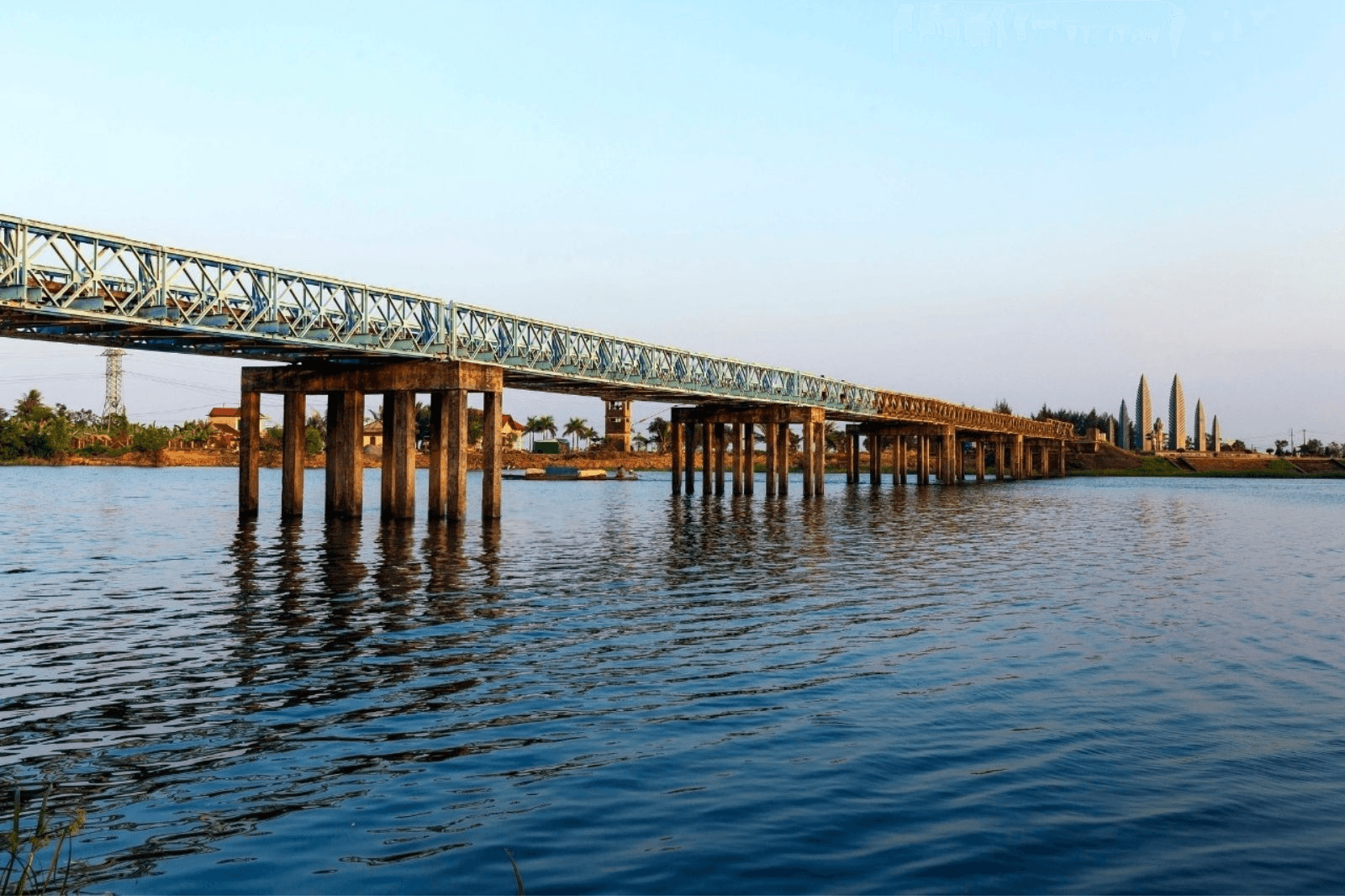
2001–2008: The bridge was restored almost to its original 1952 design, with a length of 183.65 meters and a width of 5.5 meters, to preserve its historical value.
Looking at the bridge today, it is hard to imagine that this was once one of the hotspots in modern Vietnamese history. The peace of the present makes the stories of the past more poignant than ever.
Current State of the Relic Site Today
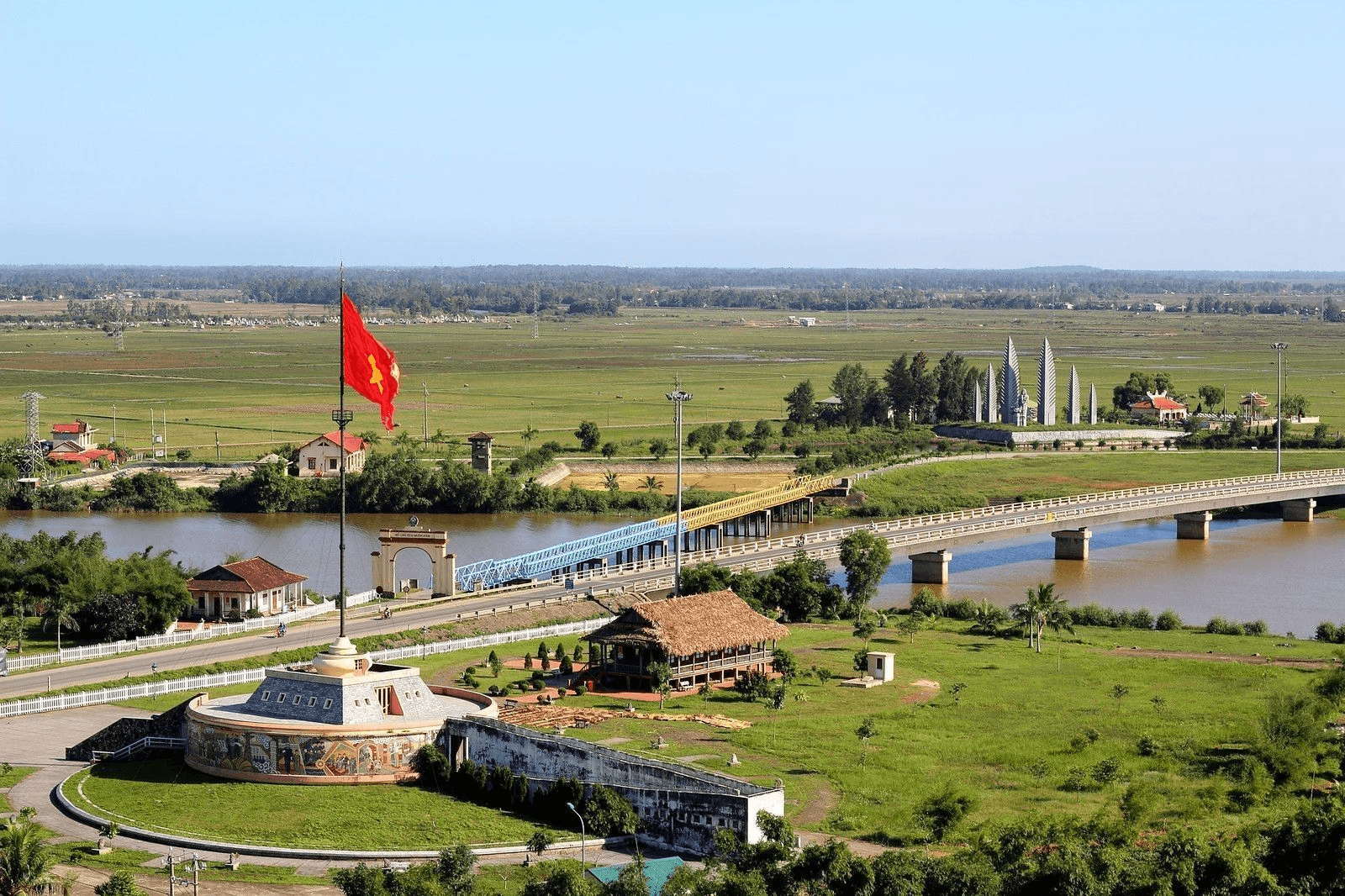
Beyond the historical bridge, the relic complex preserves many significant traces of the period of national division.
Beside the historical Hien Luong Bridge is a modern concrete bridge about 230 meters long, serving present-day traffic.
The relic site includes several meaningful structures:
17th Parallel Flagpole (North Bank)
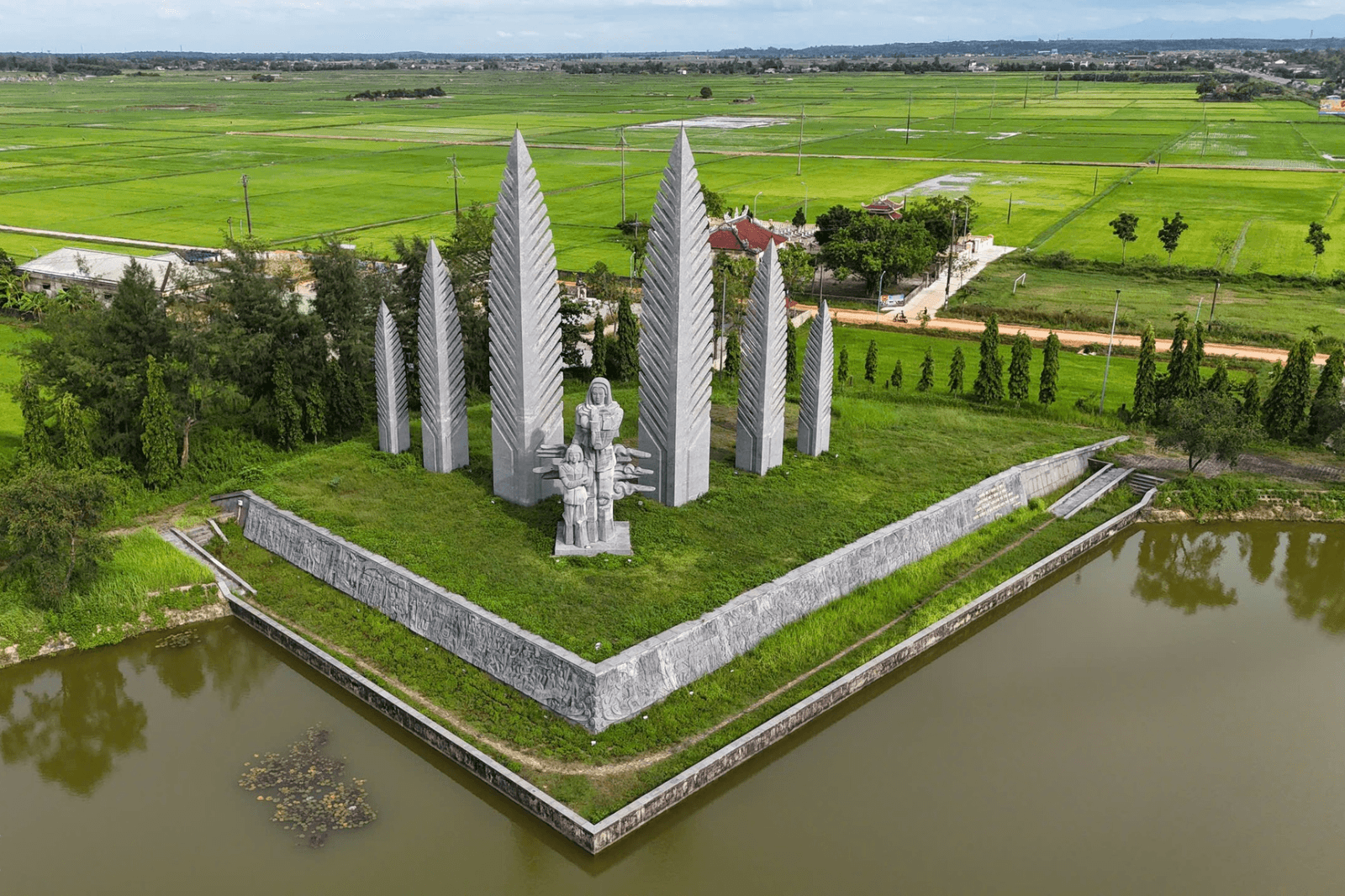
Desire for Reunification Monument (South Bank)
Joint Assembly Hall and historical artifacts display area
Today, the Hien Luong – Ben Hai Banks Relic Site was designated a Special National Historic Site in 2013 and is an important stop on DMZ (Demilitarized Zone) tours. Visiting here is not only to learn history, but also to deeply feel the value of peace, independence, and unity, paid for by countless sacrifices of the nation.
Directions & How to Get to Hien Luong Bridge - Ben Hai River
Located right on National Highway 1A, the Hien Luong – Ben Hai Banks Relic Site stretches from Hien Luong Village on the north bank to Xuan Hoa Village on the south bank. Thanks to its convenient location and clear signage, it is easily accessible by various means of transportation.
From Nearby Locations
Dong Ha City: About 22–30 km, taking 30–45 minutes heading north along National Highway 1A, passing Ho Xa and following signs to Hien Luong – Ben Hai.
Hue: About 100–120 km, taking around 1.5–2 hours.
Dong Hoi: About 70 km, taking around 1 hour 15 minutes heading south.
Da Nang: About 180–200 km, taking around 3–3.5 hours.
Means of Transportation:
Motorbike: Most flexible (rental in Dong Ha around 100,000–150,000 VND/day).
Private car or Taxi/Grab: Convenient parking available on both banks.
Coach/Bus: Get off at Ho Xa or Dong Ha, then take a motorbike taxi or taxi for a short ride.
Pro Tip: Simply open Google Maps and search for “Hien Luong Bridge” or “Hien Luong – Ben Hai Relic Site” to easily find your way.

Best Time to Visit & Opening Hours
To fully experience the historical space along the Ben Hai River, the timing of your visit is just as important as the journey itself.
Opening Hours & Ticket Prices
The relic site usually welcomes visitors from 7:00 AM – 5:00 PM / 6:00 PM daily, including weekends and holidays. However, operating hours may vary during renovation periods or special events, so it is recommended to check before your trip.
Reference Ticket Prices:
Adults: approx. 50,000 VND/person
Children: approx. 20,000 VND/person
Certain visitors may be eligible for free or discounted admission under local regulations.
Ideal Visiting Hours
Early morning (7:00 AM – 9:00 AM): cool air, gentle light, less crowded
Late afternoon (3:00 PM – 5:00 PM): beautiful sunlight, perfect for photos and relaxed sightseeing
If you love history and want to feel the solemn atmosphere, consider visiting during:
April 30th: Commemorative events, including the 'National Reunification' Flag Raising Ceremony.
July: A period with numerous memorial and tribute activities across Quang Tri.
Ideal visit duration: About 1.5 – 2 hours to explore the main highlights. If combining with Vinh Moc Tunnels, plan for half a day to ensure a relaxed journey.
Top Highlights at the Relic Complex
Spanning about 9 hectares along the Ben Hai River, the relic complex is where history comes alive, displayed through every bridge, flagpole, artifact, and preserved story. To fully appreciate the site, you can start your journey on the North bank and gradually move to the South bank.
North Bank (Vinh Linh District):
Hien Luong Flagpole: Standing about 38 meters tall, with the red flag and yellow star flying high – a symbol of the historic 'flag battle'.
Demarcation Police Post: Faithfully restored, showing the living quarters of the demarcation guard force.
Joint Assembly Hall: Featuring a 4-roof stilt house architecture, once the meeting venue for both sides.
Loudspeaker System & Watchtower: Evidence of the propaganda 'loudspeaker war'.
Exhibition House: Photos and documents about the 17th Parallel and life during the division period.
Hien Luong Bridge: 183.65 meters long, restored to its original state in 2008. The two halves are painted blue (North) and yellow (South), separated by a white dividing line – a poignant symbol of division. This is the best photo spot.
South Bank (Gio Linh District):
'Desire for Reunification' Monument Complex: Large green stone statues of a mother and child, expressing longing and the hope for family reunion.
Desire for Reunification Exhibition House: Documents and artifacts representing the resilient national spirit.
Beyond the main attractions, the relic site features watchtowers, historic ferry wharves, and peaceful countryside river scenery.
What to Eat & Where to Stay Near Hien Luong Bridge?
A historical trip becomes even more complete when slowing down to enjoy local flavors and finding a comfortable place to rest. Around Hien Luong Bridge – Ben Hai River, you will easily find suitable choices.
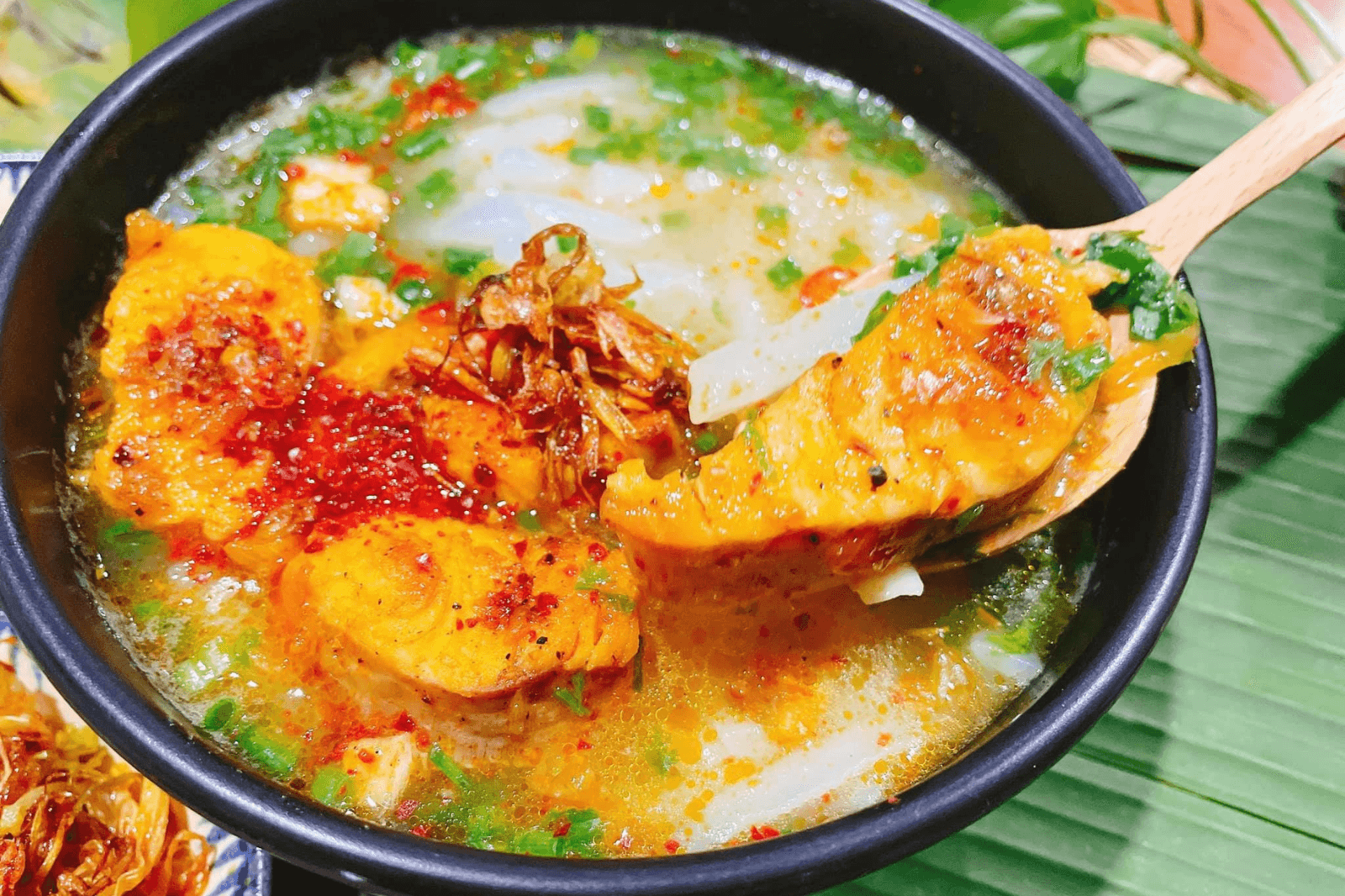
Near the relic site and Ho Xa Town, you can discover simple local dishes such as offal porridge, snakehead fish porridge, fish noodle soup, beef noodle soup, or turmeric noodles. Though unpretentious, these rustic flavors offer a distinctive Central Vietnam culinary experience. If you have time to travel toward Cua Tung, don't miss a fresh seafood meal with grilled shrimp, squid, fish, and fish porridge at beachfront restaurants or local eateries.
Additionally, steamy rice rolls with pork (banh uot thit heo), tapioca dumplings (banh bot loc), and buffalo meat cooked with troong leaves (thit trau la troong) are must-try dishes if your itinerary includes exploring Dong Ha and surrounding areas.
Accommodation Suggestions
Budget/Mid-range: Hotels in Dong Ha such as Muong Thanh or Saigon – Dong Ha, priced around 400,000 – 700,000 VND/night, suitable for business travelers or short stays.
Resort/Leisure: Resorts in Cua Viet or Cua Tung such as Golden Sea or Sepon, featuring beautiful sea views, airy spaces, and located 15–20 minutes from the historic site.
With a combination of regional cuisine and diverse accommodation options, the area around Hien Luong Bridge offers travelers a comprehensive experience, from historical discovery to relaxing retreats.
Important Tips when Visiting Hien Luong Bridge - Ben Hai River
To make your journey to Hien Luong Bridge – Ben Hai River smoother and more meaningful, visitors should prepare a few small things before departing. This is not just a tourist attraction, but a historical space that warrants thoughtfulness and respect.
Essential Tips
Attire: Prefer polite, modest, and comfortable clothing. If you wish to capture beautiful photos, Ao Dai is a great choice. Wearing sneakers or walking shoes is recommended due to walking.
Essentials: Don't forget hats, sunscreen, drinking water, umbrellas, and power banks. Bringing some cash is also convenient as some service points may not support electronic payments.
Check the weather: Be sure to check the weather forecast beforehand, especially since the Ben Hai River area often experiences strong winds that can affect your visiting experience.
Traffic safety: National Highway 1A has heavy traffic, so travel carefully, stay in the proper lane, and obey road signs.
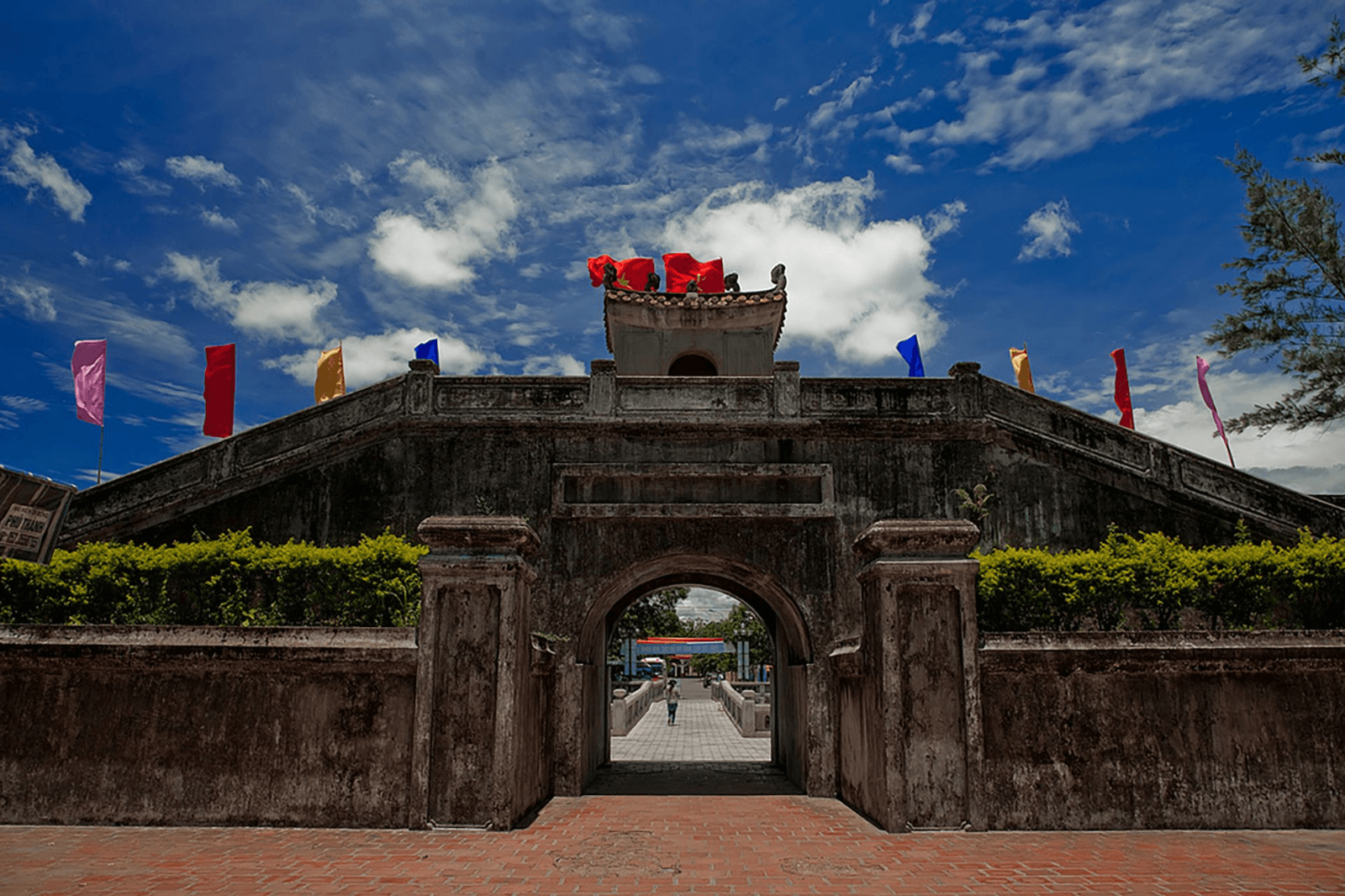
Combine destinations: You can extend your trip to include Vinh Moc Tunnels, Quang Tri Ancient Citadel, Truong Son National Cemetery, or Cua Tung Beach.
Self-guided travel to Hien Luong Bridge – Ben Hai River is not only a voyage of historical discovery, but also a meaningful 'back to roots' journey to deeply feel the value of peace and national solidarity. However, if you prefer to save planning time and ensure a smooth, safe experience, consider booking professional Hien Luong Bridge - Ben Hai River tours from Sovaba Travel. Here, you will be accompanied by knowledgeable guides with quality services and well-structured itineraries.