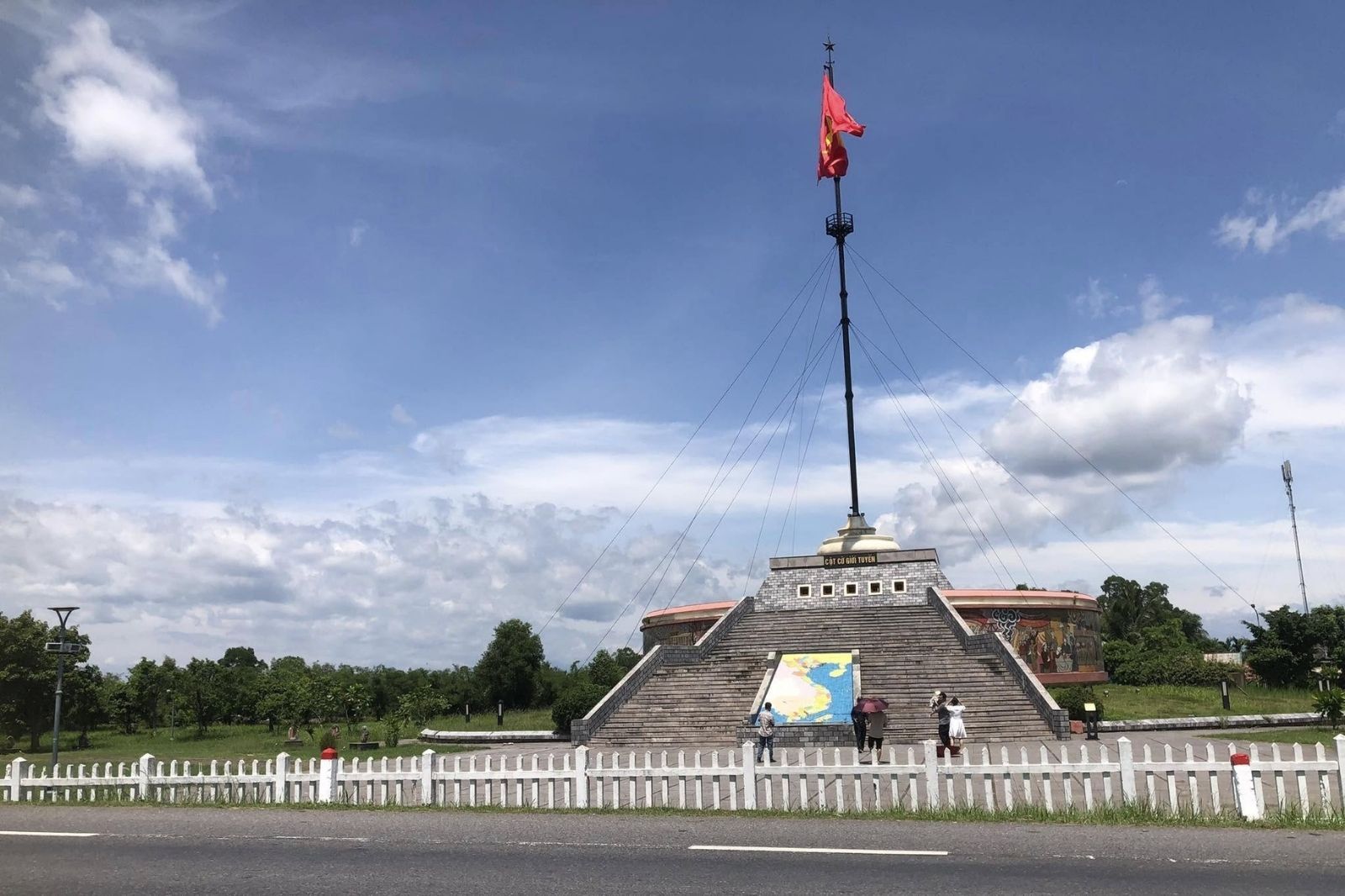
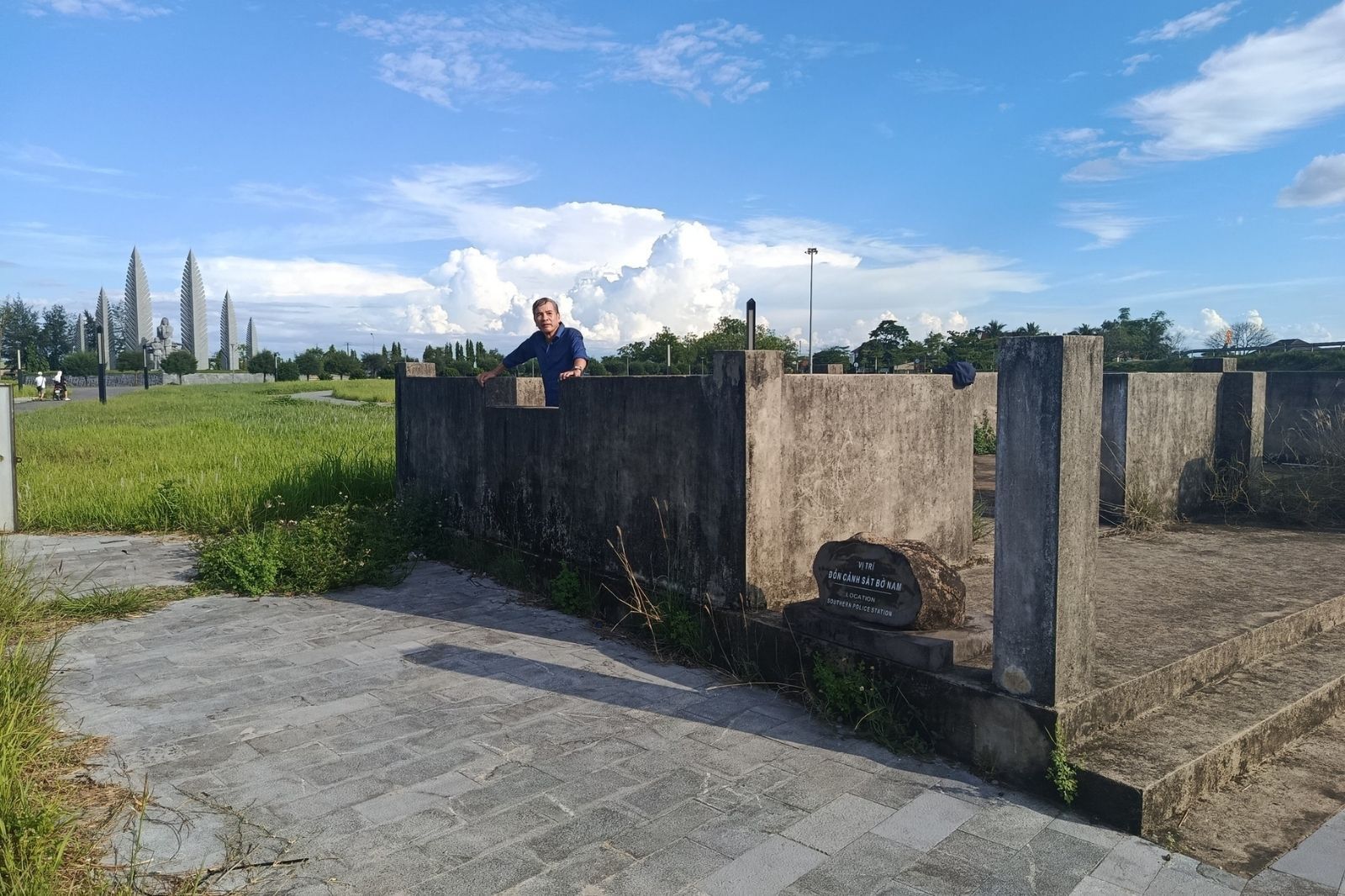
Hien Luong Bridge was first built in 1928 by Vinh Linh District, with contributions from local people in the area. At that time, the bridge was made of wood with iron piles, only 2 meters wide, primarily serving pedestrians crossing the Ben Hai River. However, this bridge only existed for a short period and failed to meet the growing traffic demands.
In 1950, the French colonialists decided to rebuild Hien Luong Bridge using reinforced concrete, with a length of 162 meters, a width of 3.6 meters, and a load capacity of 10 tons. However, this bridge was destroyed by Vietnamese guerrillas in 1952 to prevent the advance of French troops to the North.
Also in 1952, the French colonialists built a new bridge with a more modern design: 178 meters long, consisting of 7 spans, reinforced concrete piers, steel girders, pine wood flooring, 4 meters wide, with 1.2-meter high side guardrails on both sides, and a maximum load capacity of 18 tons. This is the "original" Hien Luong Bridge most frequently mentioned in history, surviving through the period of national division and becoming a symbol of the 17th parallel.
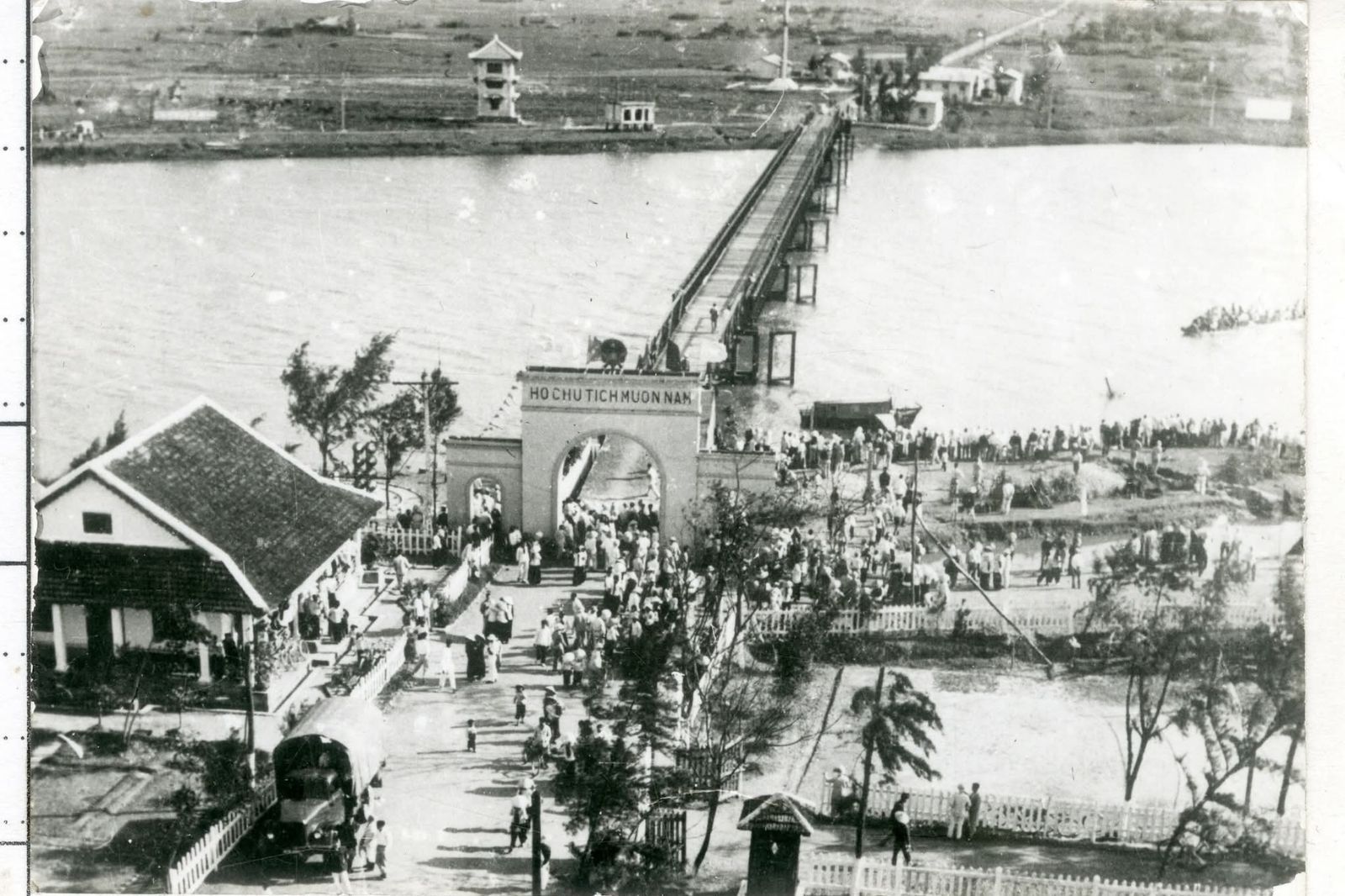
After being bombed and destroyed by the US military in 1967, Hien Luong Bridge was replaced by temporary pontoon bridges. By 1974, the government of the Democratic Republic of Vietnam rebuilt the bridge using reinforced concrete, 186 meters long, 9 meters wide, with a pedestrian walkway. In 1996, the Ministry of Transport of Vietnam built a new bridge 230 meters long and 11.5 meters wide, using modern incremental launching technology, located next to the old bridge to serve traffic.
To preserve its historical value, in 2001, Quang Tri province restored Hien Luong Bridge according to the original 1952 design, with a length of 182.97 meters and ironwood flooring, inaugurating it in 2003. This bridge currently mainly serves visitors and is painted in two colors: blue (North bank) and yellow (South bank) to recreate the period of division.