sovaba
TRAVEL GUIDEO Quy Ho Pass

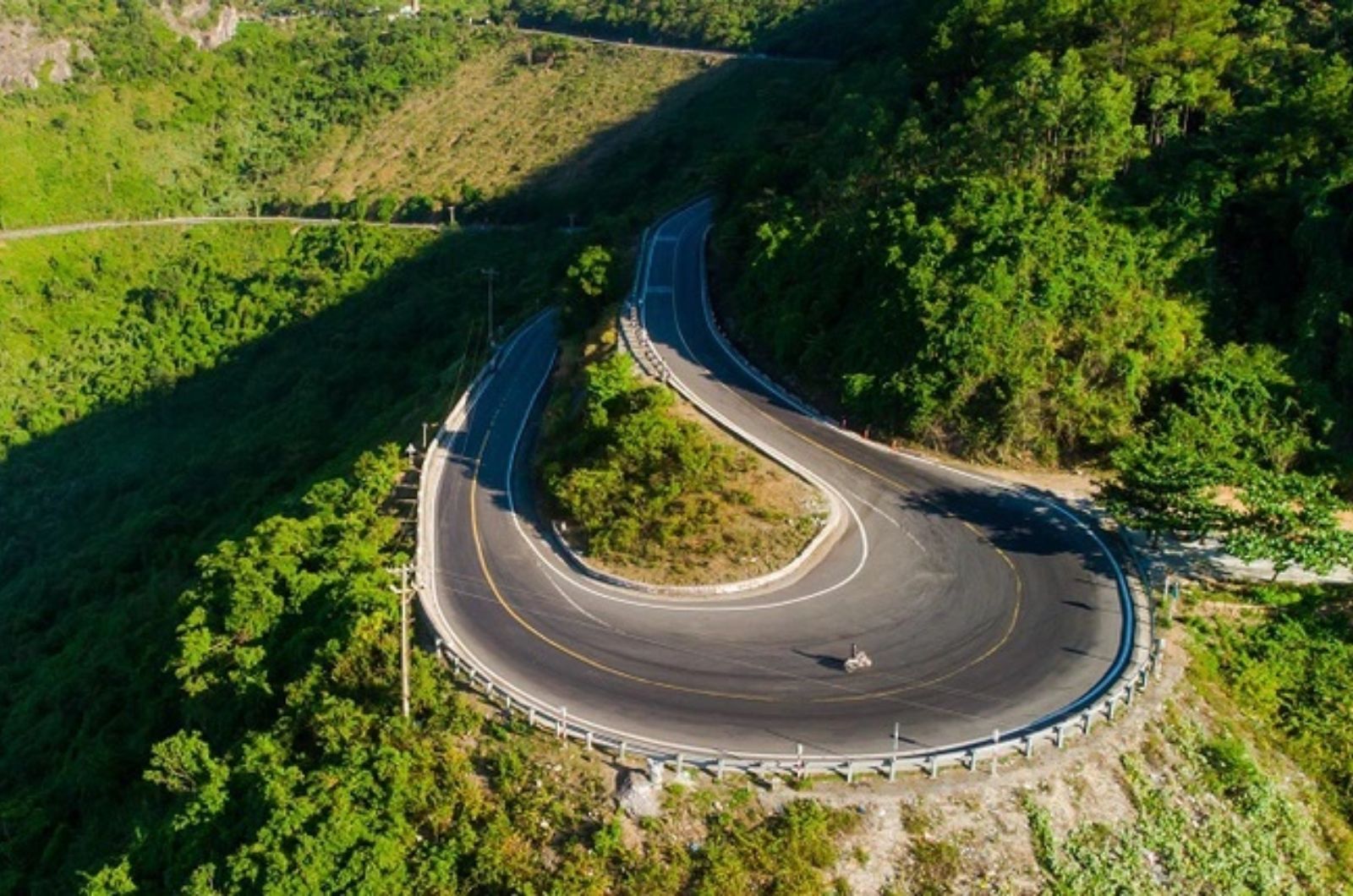
Known as one of the "four great mountain passes" of Vietnam, O Quy Ho Pass has long been a dream destination for travelers who love exploring and conquering the nature of the Northwest. Stretching across the border of Lao Cai and Lai Chau provinces, this legendary pass impresses visitors with its winding roads amidst majestic mountains, floating seas of clouds, and scenery that changes with every season of the year. Beyond its spectacular beauty, O Quy Ho Pass is also associated with many cultural stories, legends, and the lives of ethnic minorities in the high regions. 

If you are planning to explore this legendary route, this detailed A-to-Z O Quy Ho Pass travel guide will help you prepare with all the necessary information, from the ideal time to visit, transportation, famous check-in spots, and cloud-hunting tips to useful notes for a safe and complete journey.
Where is O Quy Ho Pass Located?

O Quy Ho Pass is located on National Highway 4D, cutting across the majestic Hoang Lien Son mountain range, serving as the natural boundary between the two provinces of Lao Cai and Lai Chau.

  • Specific location: The majority (about 2/3) belongs to Tam Duong District, Lai Chau Province; 1/3 belongs to Sa Pa Town, Lao Cai Province. The pass peak is about 12-15 km northwest of central Sa Pa and about 50-60 km from Lai Chau City.
  • Altitude: Around 2,000 – 2,035 m above sea level (pass peak).
  • Length: Nearly 50 km, making it one of the longest mountain passes in the Northwest.

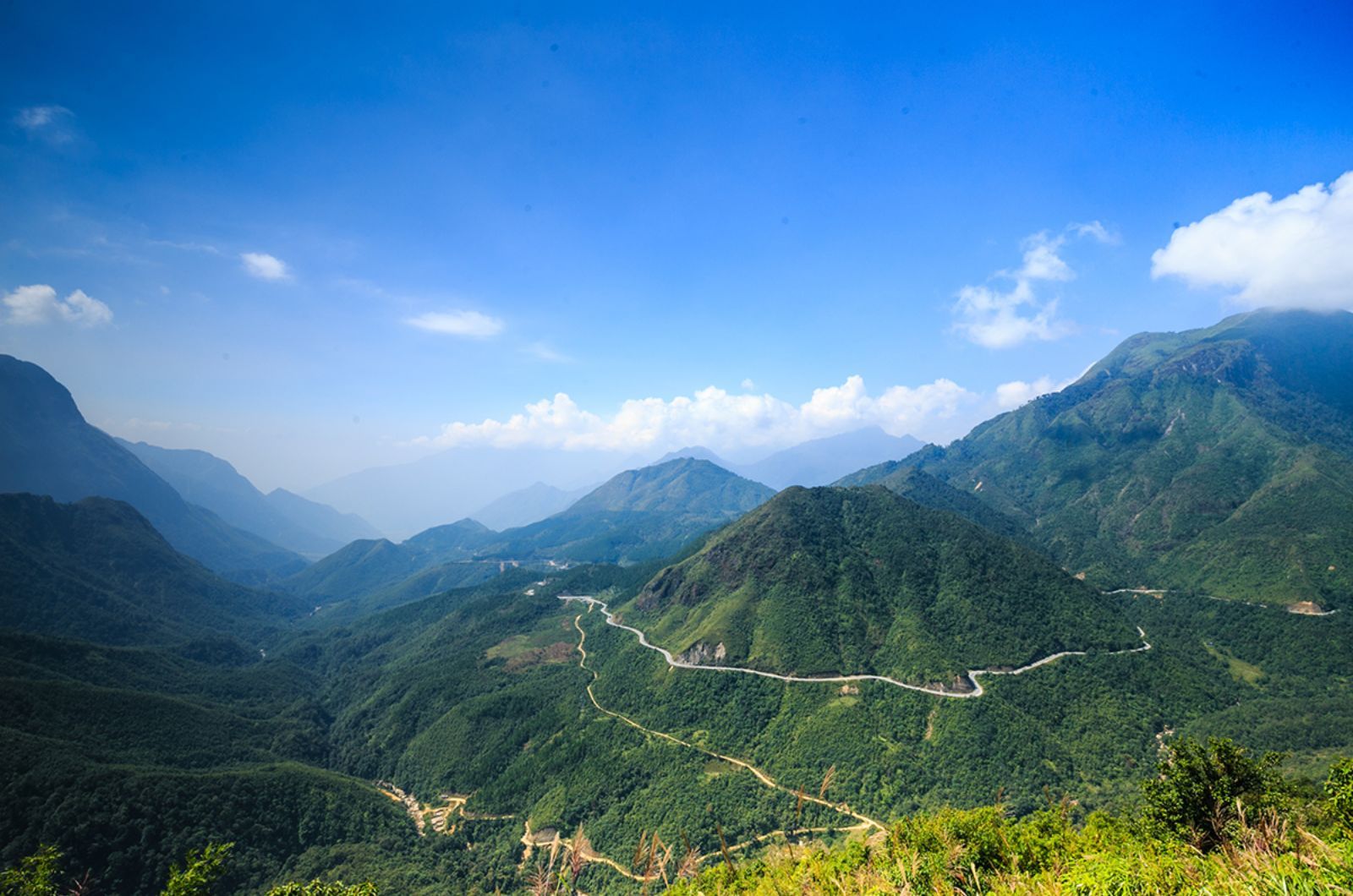
From the peak of the pass, you can admire panoramic views of the Hoang Lien Son range, deep valleys, terraced rice fields, and endless skies. This is also why the pass is often called "Sa Pa Heaven Gate" or "O Quy Ho Heaven Gate".

Majestic landscape of O Quy Ho Pass
Photo: Majestic landscape of O Quy Ho Pass 

History and Legends Associated with O Quy Ho Pass

O Quy Ho Pass is famous not only for its majestic beauty but also for poetic legendary stories of the Northwest mountains. The name “O Quy Ho” is believed to originate from O Quy Ho village located at the foot of the pass in the Sa Pa area (Lao Cai), named by the H'Mong ethnic people. Besides this familiar name, the pass is also known as Hoang Lien Son Pass because it crosses the mountain range of the same name, or Cloud Pass as it is blanketed in floating white clouds all year round.

According to folk legend passed down through generations, O Quy Ho was the name of a young man – the son of the Mountain God – living a peaceful life in the vast forest. He was famous for his flute-playing talent, with melodies echoing through the mountains that enchanted all creatures. One day, seven fairies – daughters of the Jade Emperor – descended to the realm of mortals to play and bathe in the stream. The youngest fairy happened to hear his poignant flute music and fell in love with him.

Their love blossomed amidst the pristine forest, beside white cascading waterfalls and vast green woods. However, their bond was forbidden by the heavens. Separated by strict celestial laws, the youngest fairy transformed into a yellow-feathered bird, flying across the mountains day and night crying mournfully "O Quy Ho... O Quy Ho..." like a hopeless call for her lover. The bird's call echoed through the mountains over generations, gradually becoming the name of this legendary pass today.

O Quy Ho was once one of the most treacherous mountain routes in the Northwest. Winding passes, abyssal ravines, frequent thick fog, and stories of wild beasts, accidents, or challenging journeys defined its past. 

Detailed Guide on How to Get to O Quy Ho Pass

O Quy Ho Pass is located on National Highway 4D, connecting Sa Pa (Lao Cai) and Lai Chau, about 15 km from central Sa Pa. With scenic and convenient roads, travelers can easily conquer the pass peak using various modes of transportation.

From Hanoi to O Quy Ho Pass

  • Sleeper bus/Limousine: Travel from Hanoi to Sa Pa in about 5 – 6 hours, then rent a motorbike or take a taxi to the pass.
  • Personal car: Take the Noi Bai – Lao Cai Expressway, then continue along National Highway 4D toward Lai Chau. The total distance is about 300 km.

Route from Sa Pa

From central Sa Pa, follow Dien Bien Phu Street - National Highway 4D - Silver Waterfall - Tram Ton - O Quy Ho Heaven Gate - Pass Peak.

Travel Tips & Precautions

  • Check brakes and tires carefully before departing.
  • Avoid traveling at night or during heavy fog.
  • Reduce speed at sharp turns and steep uphill/downhill sections.
  • Bring warm clothing, personal IDs, and some cash.

With thorough preparation, your journey to conquer O Quy Ho Pass will become a memorable experience amid the majestic mountain scenery of the Northwest.

Motorbike backpacking on O Quy Ho Pass
Photo: Motorbike backpacking on O Quy Ho Pass 

Unmissable Experiences at O Quy Ho Pass

Renowned not only for its spectacular bends and majestic natural scenery, O Quy Ho Pass also offers many captivating experiences for travelers who love exploring, photography, and taking in the beauty of the Northwest mountains.

  • Admiring panoramic views of the Hoang Lien Son range: From the pass peak, visitors can admire impressive panoramic views of the Hoang Lien Son range, deep valleys, and winding pass roads gracefully bending through floating seas of clouds.
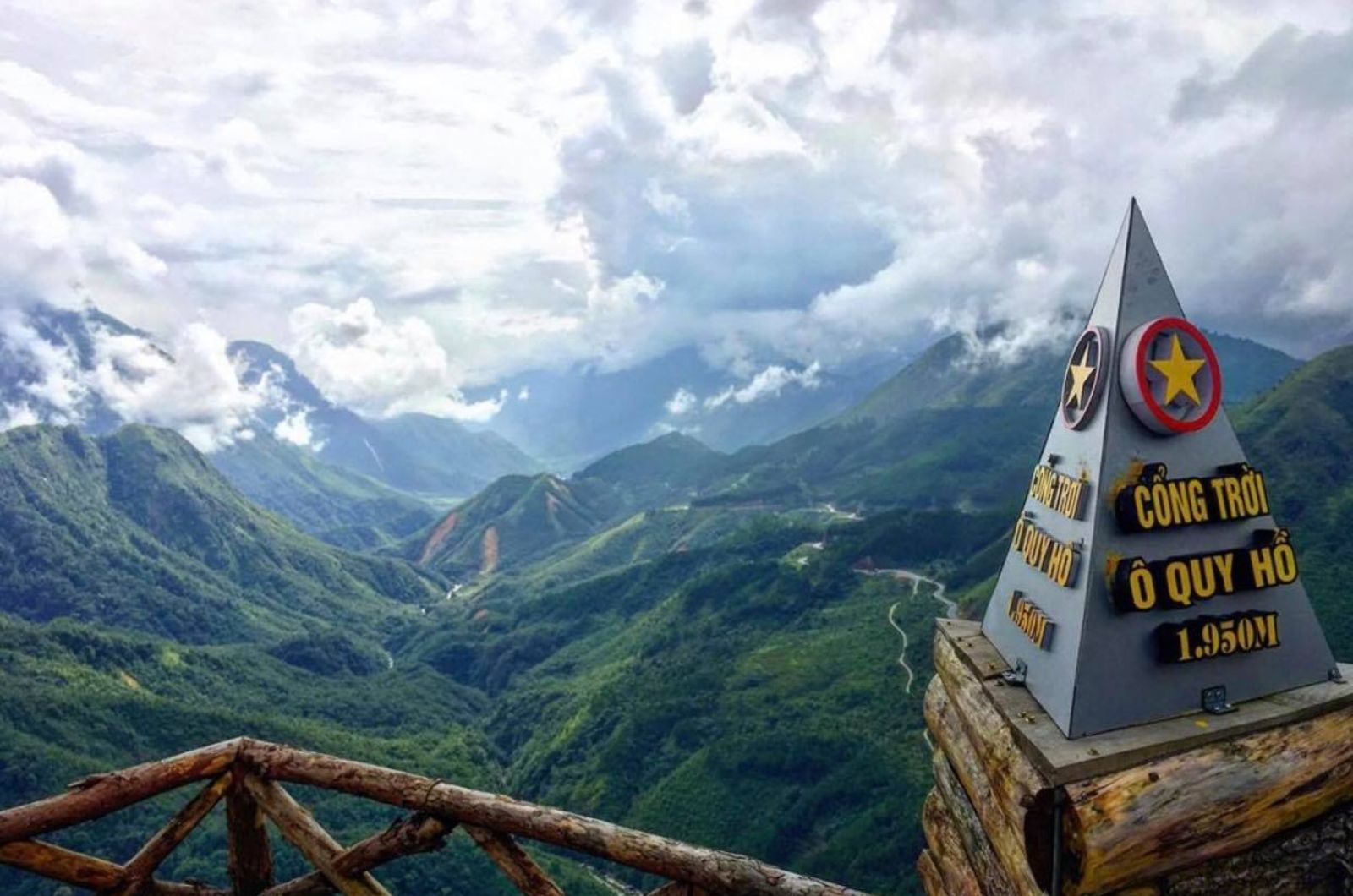
  • Checking in at O Quy Ho Heaven Gate: This is one of the most famous stops on the pass, featuring open space facing the mountains, scenic landscape miniatures, coffee shops, and an ideal cloud-watching area.
  • Experiencing Rong May Glass Bridge: Located at an elevation of over 2,000 meters above sea level, Rong May Glass Bridge offers an exciting sense of conquest with breathtaking views looking down into the valley and mountain cliffs below.
  • Visiting the Lonely Tree: Set amidst Northwestern mountains and misty clouds, the Lonely Tree has become a favorite check-in spot for many travelers thanks to its peaceful and poetic charm.
  • Enjoying local specialties: Your pass exploration will be complete when savoring Northwest specialties like Thang Co (horse meat stew), smoked sausage, wild forest vegetables, or artichoke tea at roadside eateries.

With a blend of magnificent nature, unique check-in spots, and distinct local culture, O Quy Ho Pass promises to bring visitors memorable experiences on their journey exploring the Northwest.

Cloud Hunting on O Quy Ho Pass

When thinking of O Quy Ho Pass, many visitors are impressed not only by the majestic mountain road but also by the stunning, floating seas of clouds. At an altitude of over 2,000 meters above sea level, it is considered one of the best spots for cloud hunting and sunset viewing in the Northwest region.

On favorable weather days, layers of white clouds blanket the mountain slopes, creating a fairytale-like setting amidst the vast Hoang Lien Son forest. Standing atop the pass, visitors feel as though they are stepping into an endless sea of clouds, where earth and sky harmonize in a vast, captivating atmosphere.

The ideal time to experience the beauty of O Quy Ho Pass is:

  • Summer (June – July): Cool weather, clear blue skies, and unobstructed visibility.
  • Autumn (September – November): Vibrant scenery with golden terraced rice fields and impressive sunsets.
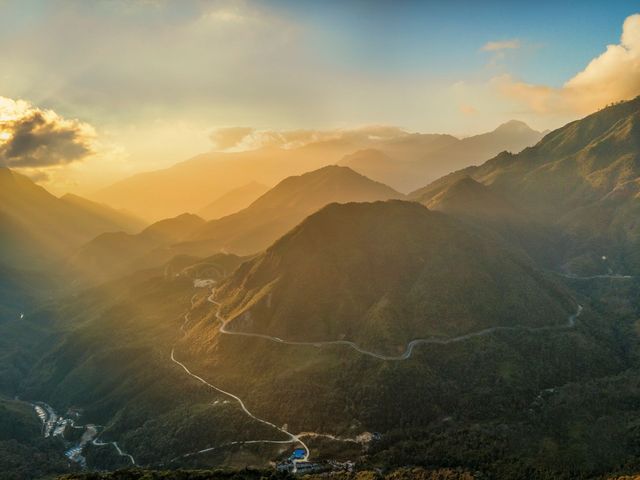
  • Early morning or late afternoon: This is the best time for cloud hunting and witnessing the sun gradually dipping behind the Northwest mountain ranges.

Regardless of the time of year you visit, the moment of watching clouds drift lazily and golden sunsets paint the mountain peaks at O Quy Ho will surely leave an unforgettable impression in your heart.

Watching the sunset at O Quy Ho Pass
Photo: Watching the sunset at O Quy Ho Pass 

Tourist Attractions Near O Quy Ho Pass

After conquering O Quy Ho Pass, travelers can combine visits to several famous nearby destinations to make the trip even more complete:

  • Silver Waterfall (Thac Bac) Sa Pa: Located about 6 km from the pass, featuring a cascading white waterfall amid Hoang Lien Son forests.
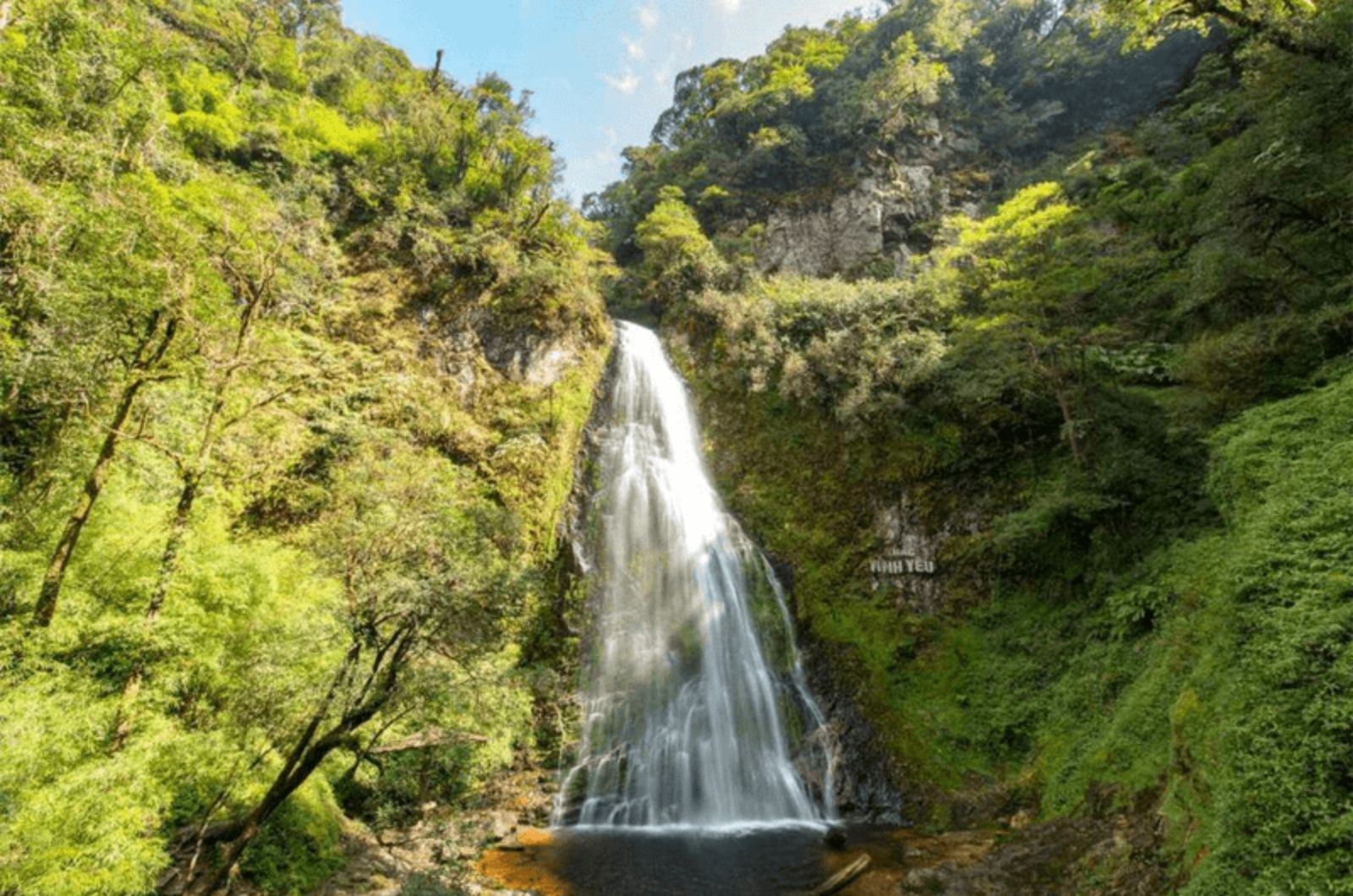
  • Love Waterfall (Thac Tinh Yeu): A romantic destination associated with a famous love legend of the Northwest.
  • O Quy Ho Heaven Gate: An ideal place for cloud watching, photography, and taking in panoramic mountain scenery.
  • Rong May Glass Bridge: Experience thrill-seeking on a glass bridge elevated at over 2,000 meters above sea level.
  • Fansipan Peak: Conquer the "Roof of Indochina" via cable car or trekking for adventure enthusiasts.
  • Cat Cat Village: Learn about the traditional culture of the H'Mong people and see characteristic highland timber houses.
  • Sa Pa Terraced Fields: A famous check-in spot featuring its most beautiful landscapes during the ripe rice season from September to October.
  • O Long Tea Hills: Highlighted by lush green tea rows and picturesque mountain backdrops year-round.
  • Lai Chau: With extra time, travelers can extend their trip to explore the pristine beauty of the land on the other side of the pass.

With its advantageous location, O Quy Ho Pass serves as an ideal connecting point for travelers to discover the most prominent attractions of Sa Pa and the Northwest.

Love Waterfall Sapa
Photo: Love Waterfall Sapa 

Important Tips for Traveling to O Quy Ho Pass

To ensure a safe and enjoyable journey exploring O Quy Ho Pass, travelers should carefully prepare their attire and transportation, as well as keep essential tips in mind before setting off.

  • Check the weather forecast: Climate on the pass changes rapidly, especially early in the morning and late in the afternoon. Bring jackets, light raincoats, and sports shoes for convenient movement.
  • Ensure traffic safety: Do not stop or park at blind corners, deep abysses, or high-traffic stretches. Limit travel during heavy rains or thick fog.
  • Protect the natural environment: Do not litter, limit single-use plastics, and respect local ethnic customs and culture.
  • Prepare your budget: The total cost for an O Quy Ho Pass tour, including transportation, dining, and admission tickets to nearby sites, usually ranges from 500,000 – 1,500,000 VND per person, depending on your itinerary and travel mode.

A little preparation prior to your trip will help you fully embrace the majestic beauty of O Quy Ho Pass and enjoy memorable experiences among the Northwest mountains.

O Quy Ho Heaven Gate
Photo: O Quy Ho Heaven Gate 

O Quy Ho Pass is not only one of Vietnam's "Four Great Mountain Passes" but also a destination where the majestic beauty of the Northwest mountains, floating cloud seas, and endless memorable experiences converge. From cloud hunting, sunset viewing, and conquering winding pass roads to discovering local culture and savoring highland culinary specialties, every moment at O Quy Ho brings unforgettable emotions. If you wish to fully experience the beauty of O Quy Ho Pass without worrying about itineraries or transportation, you can opt for all-inclusive O Quy Ho Pass tours combining visits to Sa Pa, Fansipan, Rong May Glass Bridge, Silver Waterfall, and Love Waterfall. With well-crafted itineraries and knowledgeable local guides, this is an ideal choice to help you fully explore the legendary pass and famous Northwest landmarks conveniently, safely, and efficiently.

If you are planning to explore Sapa, don't miss the chance to check out other exciting Sapa travel tours by Sovaba Travel, such as Fansipan tours, Cat Cat Village tours, Muong Hoa Valley tours, Ta Van Village tours, Ham Rong Mountain tours, or multi-day all-inclusive Sapa packages. Each itinerary is optimized to bring diverse experiences of nature, culture, and people in the Northwest highlands, making your journey even more memorable and complete.

Articles related to O Quy Ho Pass