Cua Tung Seaweed Jelly Banh Duc: A Unique Delicacy of the Quang Tri Coast
Central
Quang Tri
Cua Tung Beach
Sovaba.travel
Updated at: 24/09/2026
1. What is Cua Tung seaweed jelly?
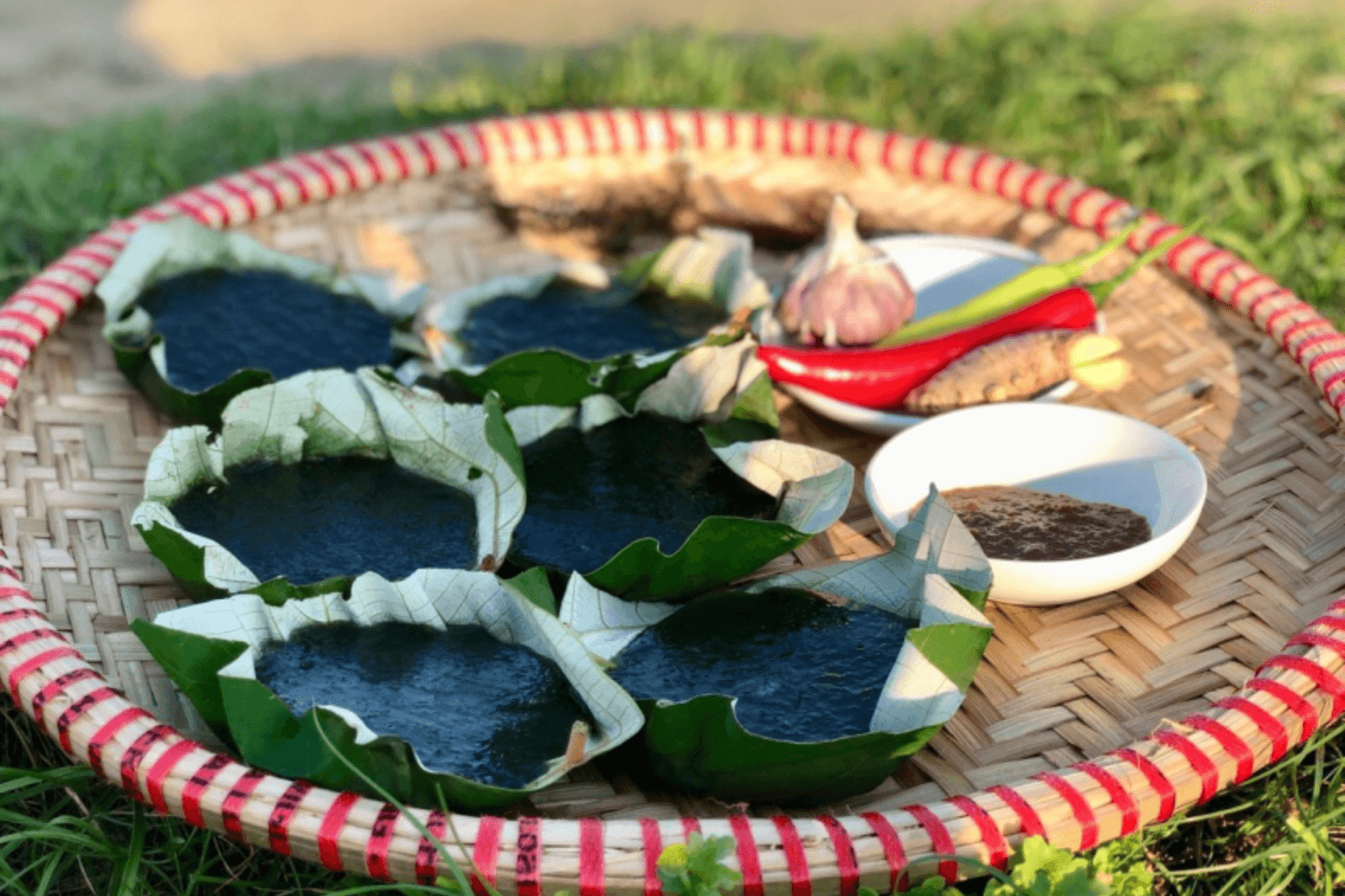
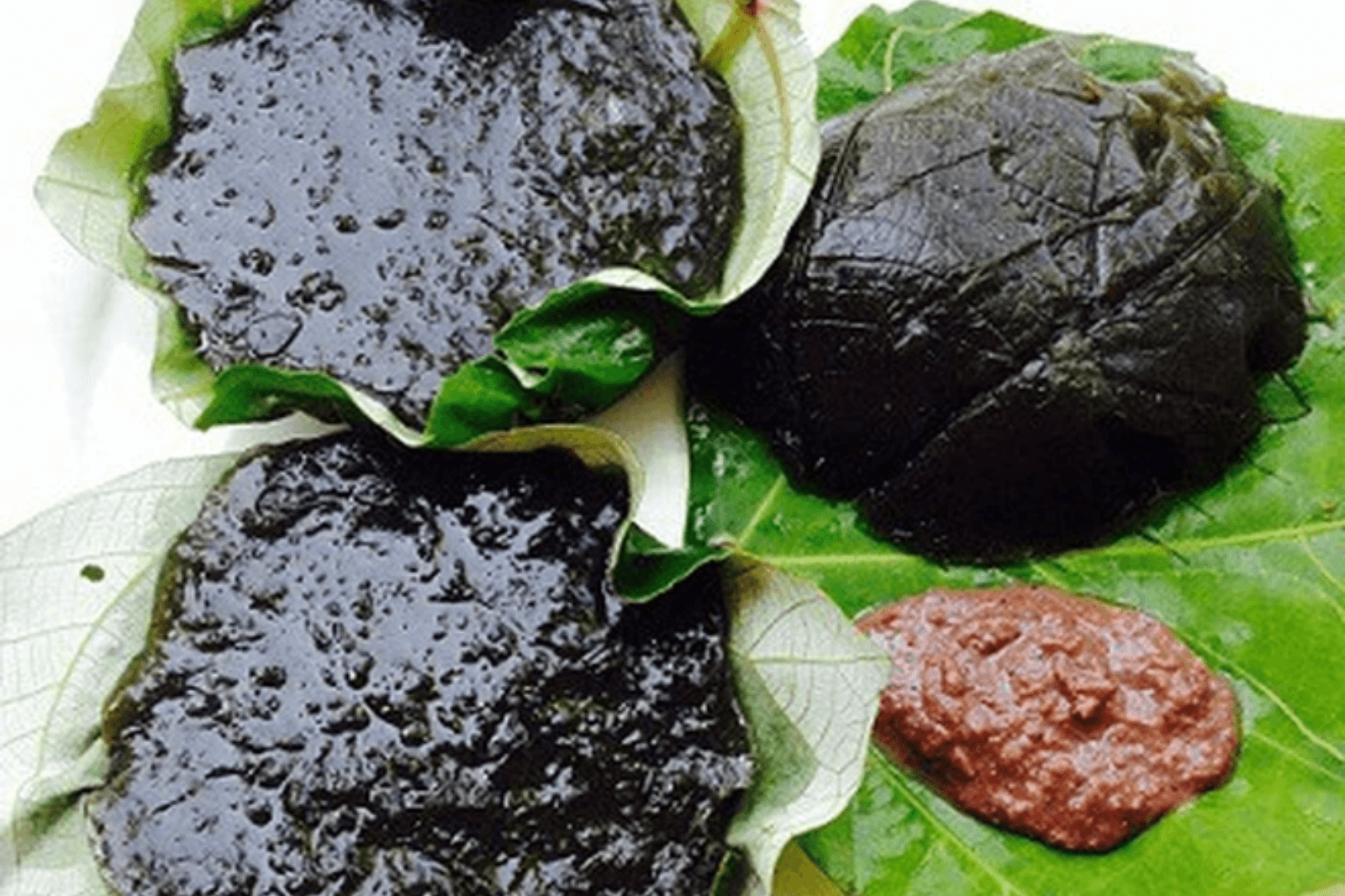
Cua Tung seaweed jelly banh duc is a specialty dish of Cua Tung Town, Vinh Linh District, Quang Tri Province. Unlike traditional banh duc made from rice flour in the North or South, Cua Tung seaweed jelly banh duc is prepared from natural seaweed, giving it a translucent emerald green color, an eye-catching appearance, and a characteristic refreshing taste. This dish is usually served with "ruoc nhoi" - a unique, flavorful dipping sauce made from fresh sea shrimp, creating a perfect harmony between the sweet taste of seaweed and the rich saltiness of the sea.
Seaweed jelly banh duc is not only a popular street snack but also a symbol of Quang Tri cuisine, demonstrating the creativity and skill of local people in using natural ingredients to create a dish that is both delicious and nutritious.
Photo: Cua Tung seaweed jelly banh duc
2. Origin of the dish
Cua Tung, a small town on the coast of Quang Tri, is famous for its clear blue sea, fine white sand, and abundant seaweed source—the main ingredient for seaweed jelly banh duc. According to locals, this dish originated from the creativity of coastal women, who sought ways to turn seaweed—a familiar yet often overlooked ingredient—into a unique dish.
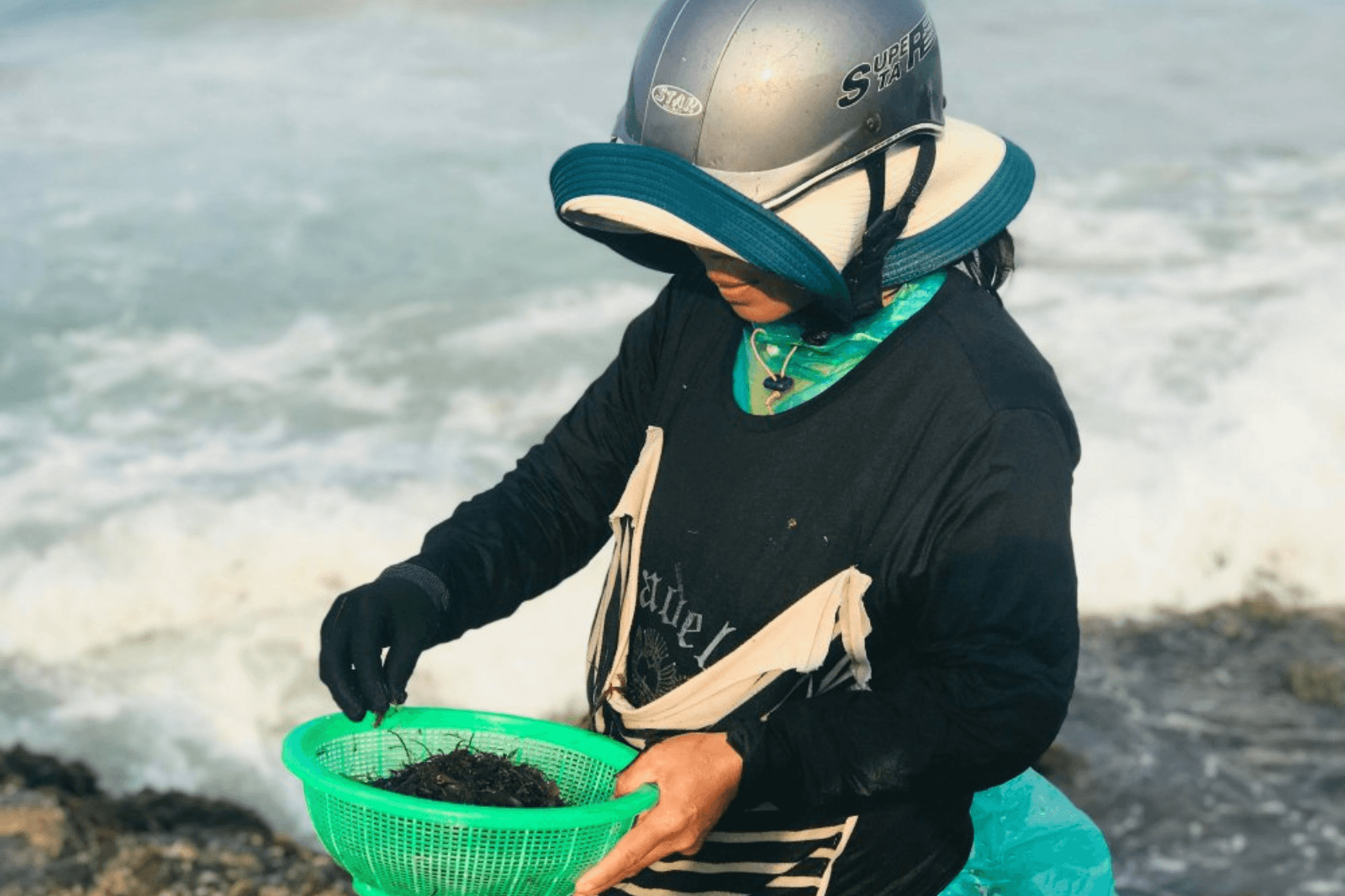
Photo: Locals heading to the sea to harvest seaweed for banh duc
Seaweed in Cua Tung is not only a rich natural resource but also holds high nutritional value, rich in minerals and vitamins. From its beginnings as a simple home-cooked dish, seaweed jelly banh duc gradually became a specialty sold in local markets like Cua Tung Fish Market, attracting tourists from all over. This dish is not only deeply tied to the childhood memories of Quang Tri residents but also a point of pride when introduced to international friends.
3. The process of making Cua Tung seaweed jelly
To create an authentic seaweed jelly banh duc, makers must go through many meticulous steps requiring patience and skill. Below is the traditional process of making seaweed jelly banh duc:
Step 1: Harvesting and processing seaweed
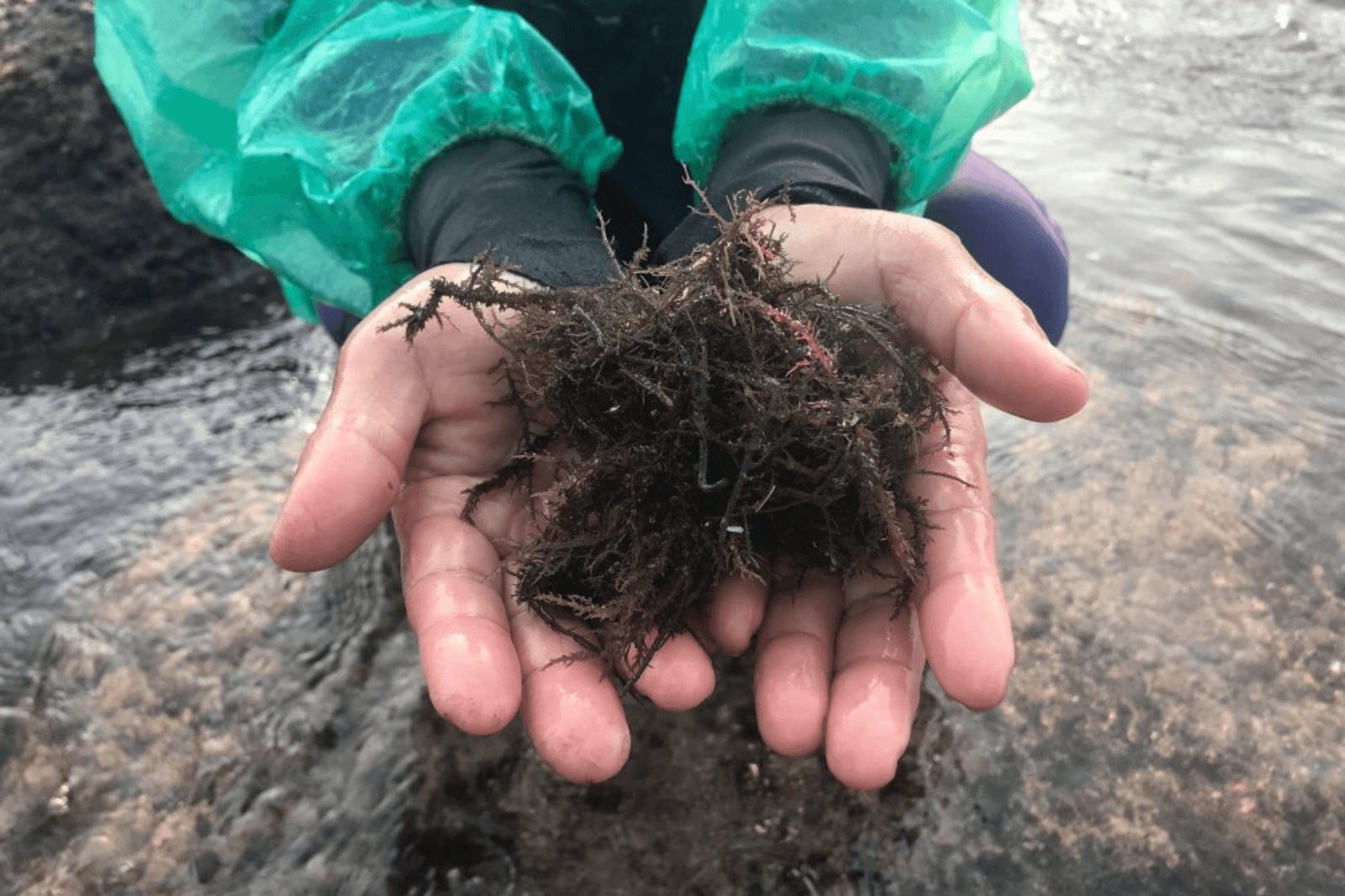
Seaweed – the soul of the dish – is harvested by locals from the vast ocean during summer, when it reaches peak freshness. This is not a task for the faint-hearted: under the harsh Central Vietnam sun and amid relentless crashing waves, workers diligently gather every tuft of green seaweed. Once brought home, the seaweed is soaked in ginger water to eliminate the fishy ocean smell, then washed multiple times with fresh water until completely clean, preserving its pristine color and characteristic crunch.
Photo: Seaweed is the main ingredient of the dish
Step 2: Cooking seaweed into jelly
After preliminary processing, the seaweed is finely chopped and simmered in boiling water over low heat. Over time, the seaweed dissolves into a light, smooth liquid with a clear emerald hue. The mixture is then strained through a cloth sieve to remove impurities, keeping only the finest essence for the molding step.
Step 3: Molding the cakes
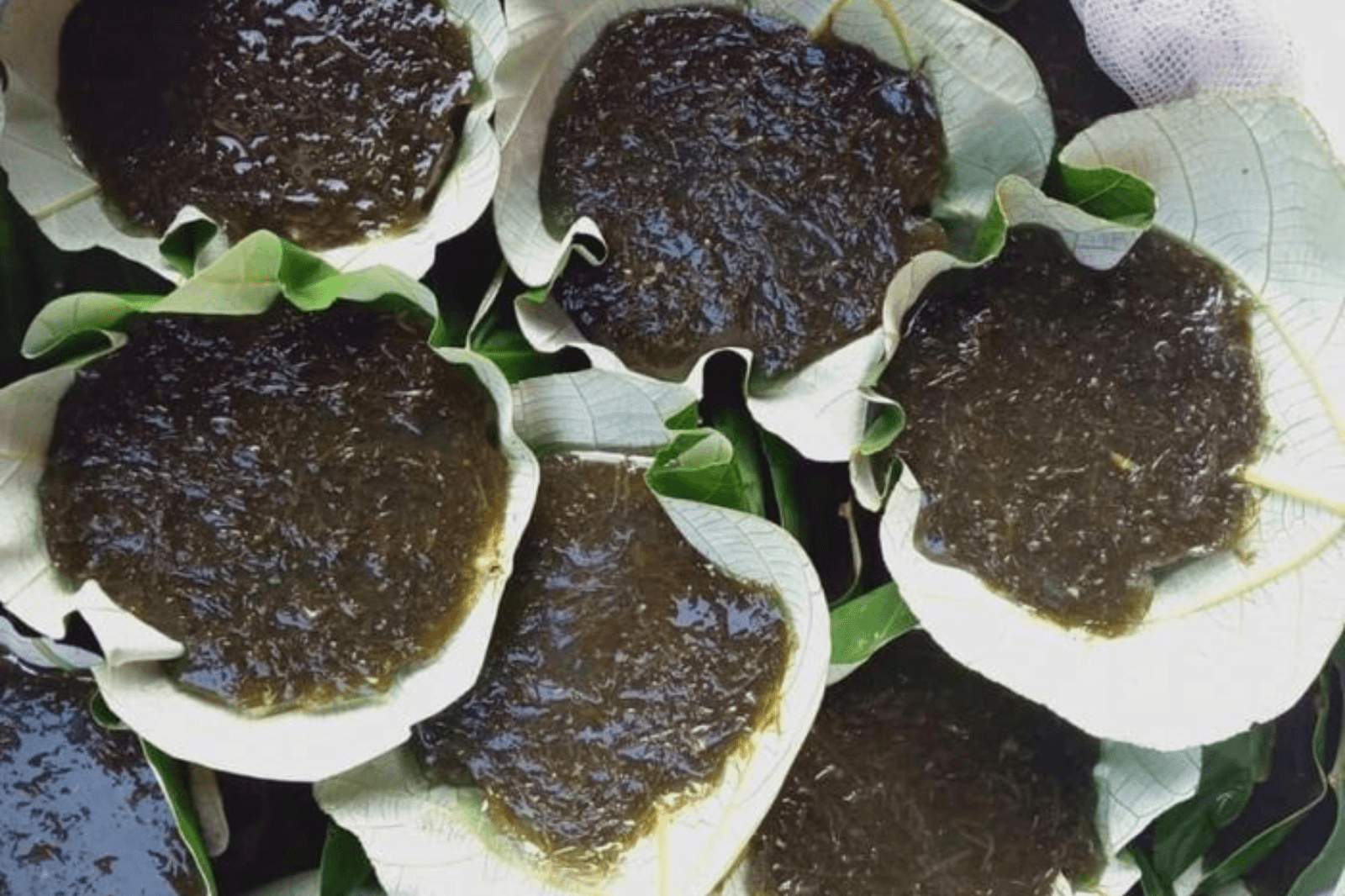
The banh duc is usually lined with bai leaves—a rare rural leaf with large, heart-shaped blades and an attractive milky-white underside, which allows easy peeling and imparts a natural aroma. The jelly mixture is poured in and spread evenly, then left to cool naturally and set, creating a soft, chewy texture that is crystal-clear like glass.
Photo: The cooked jelly liquid is poured onto bai leaves
Step 4: Enjoying the dish
Once the cake cools, people gently peel off the bai leaves, cut it into square slices, and dip them in "ruoc nhoi"—a sauce made from pounded sea shrimp paste mixed with crushed chili, garlic, fresh lime, and spices. Just a small dip, and the salty flavor of the sea, the fiery sour-spicy kick, and the cool banh duc blend harmoniously, making anyone who tries it want to come back for more.
Seaweed jelly banh duc is not only a dish but also a cultural symbol of Cua Tung locals. Furthermore, it represents sustainable culinary values by using natural ingredients without artificial colors or preservatives, perfectly fitting today's healthy eating trends.
4. The flavor of Cua Tung seaweed jelly
When enjoying Cua Tung seaweed jelly banh duc, you will feel:
Refreshing taste: The cake has a subtle natural sweetness from seaweed, which is light and not greasy, perfect for cooling down on hot summer days.
Unique texture: Soft, chewy, and translucent, it melts gently in your mouth, creating a pleasant sensation.
Ocean flavor: The combination of seaweed jelly banh duc and shrimp dipping sauce brings a rich, savory taste reminiscent of the Quang Tri sea.
Seaweed jelly banh duc is best served cold. You should store the cake in the refrigerator at 0-5°C and consume it within the day to maintain its freshness. If buying as a gift, keep it in an airtight container packed with ice to prevent it from melting or spoiling.
For a full experience, visit local eateries or markets in Cua Tung where the cakes are made fresh daily. A recommended spot is the Cua Tung Fish Market area in Vinh Quang, Vinh Linh, where you can enjoy the dish while contemplating the poetic ocean scenery.
Photo: The unique banh duc dish served with shrimp dipping sauce
Amidst countless delicious dishes from three regions, Cua Tung seaweed jelly banh duc is like a gentle symphony of the sea, the sun, and quiet yet deep rustic love. Just a small cake, but enough to show the skill of Central Vietnamese women, the peaceful lifestyle at the river mouth, and how locals love their homeland through the simplest things. If you ever visit Quang Tri, don't just stop at historical landmarks; try a piece of seaweed jelly banh duc to experience through taste what words sometimes cannot express: the wondrous gentleness, authenticity, and simplicity of this land.