Le Thuy Fermented Freshwater Shrimp Paste: A Rustic Delicacy Rich in Quang Binh Identity

Central

Quang Binh

Sovaba.travel

Updated at: 04/11/2026

1. What Is Le Thuy Fermented Freshwater Shrimp Paste?

In Le Thuy, locals have a rather unique colloquial term for this fermented freshwater shrimp dish: dut. This rustic name is intertwined with the shrimp seasons following the high waters, with expansive rice fields, and with culinary traditions cherished for generations in this low-lying wetland region. Shrimp harvested from fields, ponds, and rivers are cleaned and fermented together with humble, everyday seasonings. Through the fermentation process, these tiny shrimp transform into a paste boasting a vibrant red-orange color and a silky texture, offering a pleasantly gentle sourness, balanced saltiness, subtle natural sweetness, and a comforting warmth from ginger and chili.

Unlike the intense pungency of traditional shrimp paste or fermented krill paste, Le Thuy fermented freshwater shrimp paste has a milder, more delicate flavor profile. It pairs wonderfully with hot rice, boiled vegetables, or as a flavorful dipping sauce. Once a humble staple that sustained families through chilly, lean winter days, this fermented delicacy has now ventured beyond rural kitchens to become a sought-after specialty for travelers visiting Quang Binh. To truly appreciate this dish, one should look to its rustic name and the rural heritage that shapes its distinctive flavor.
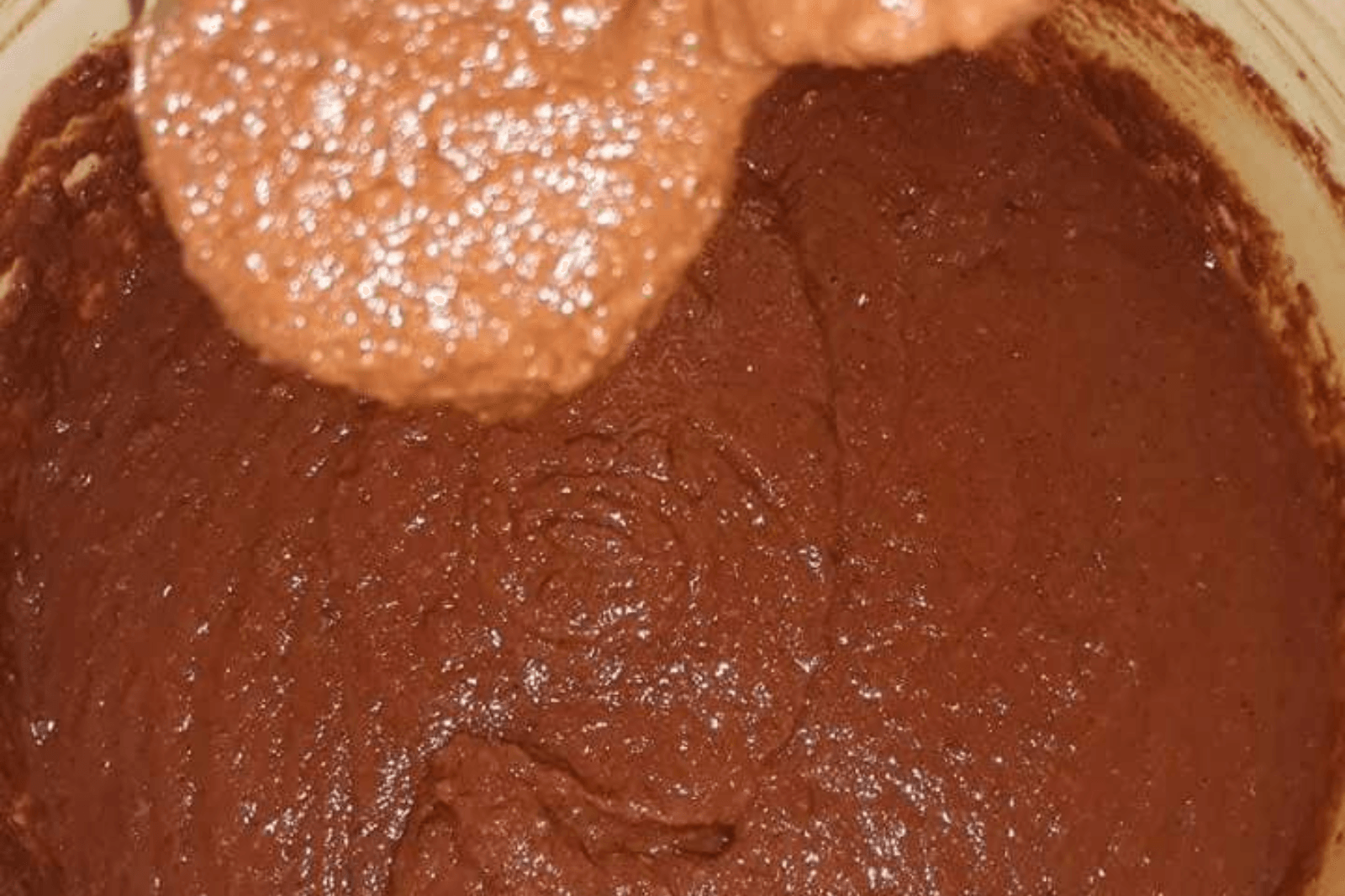
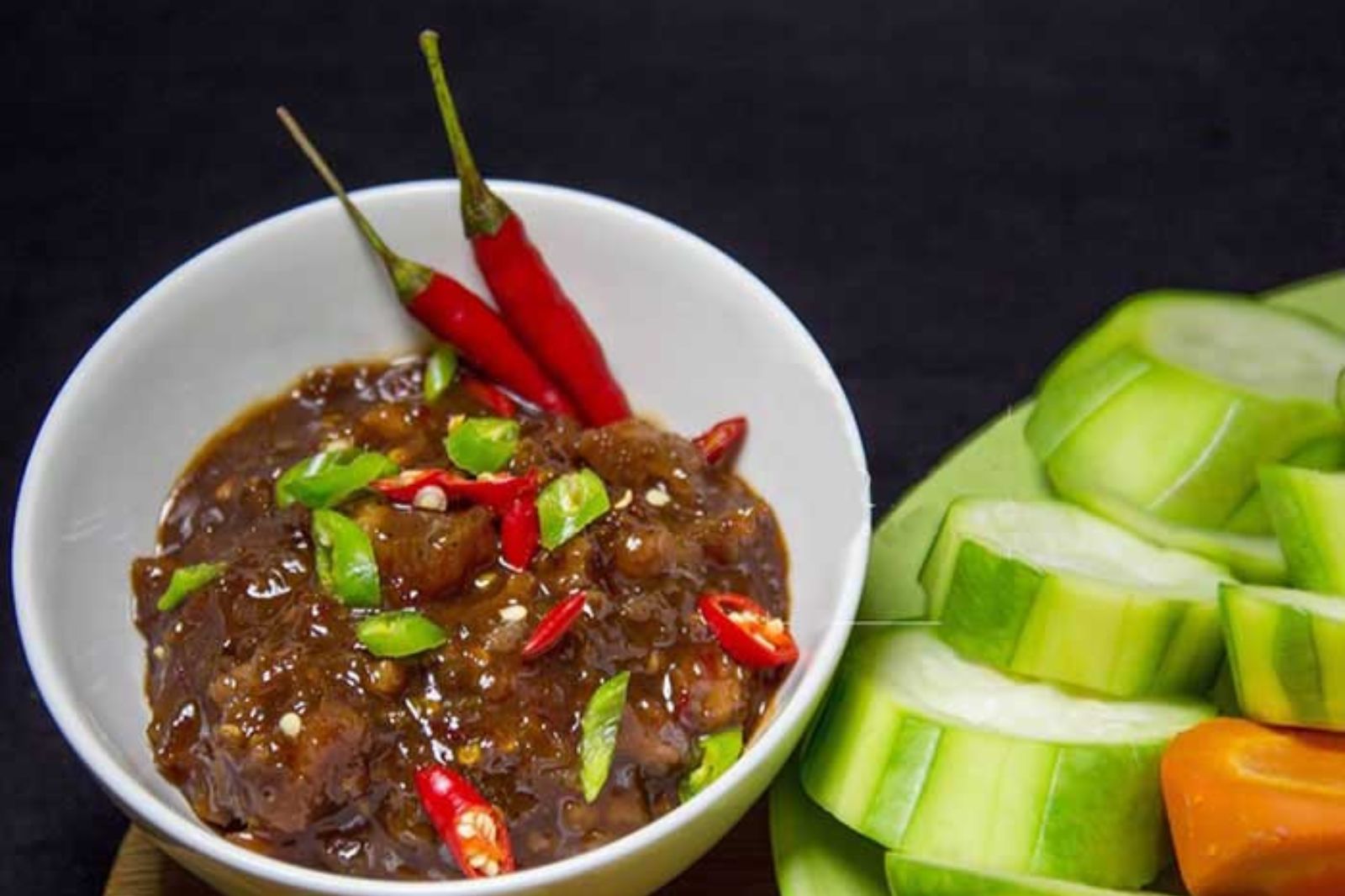
The process of making fermented shrimp paste requires dedication and meticulous care

Photo: The process of making fermented shrimp paste requires dedication and meticulous care 

2. The Origin and Story of Le Thuy Fermented Freshwater Shrimp Paste

The story of fermented shrimp paste in Le Thuy begins in the flooded fields following the rice harvest. Around the eleventh lunar month, as farmers drain the water from their paddies in preparation for the winter-spring crop, field shrimp gather in large schools. This is also when villagers take advantage of the season to bring out their traditional push nets, known locally as te. Crafted from bamboo splints and mosquito netting, this small handheld net has long been an indispensable tool for residents of this low-lying region.

Once caught, larger shrimp are sundried for long-term storage, while smaller shrimp are traditionally used to make fermented paste. During the peak harvest, the yield is often far too abundant to consume fresh, and food preservation methods in earlier times were limited. Villagers devised the method of curing shrimp with seasonings to prolong shelf life, both creating a reserve food supply and making the most of nature's bounty. Thus, the craft of making fermented shrimp paste was handed down from kitchen to kitchen, and from one generation to the next.

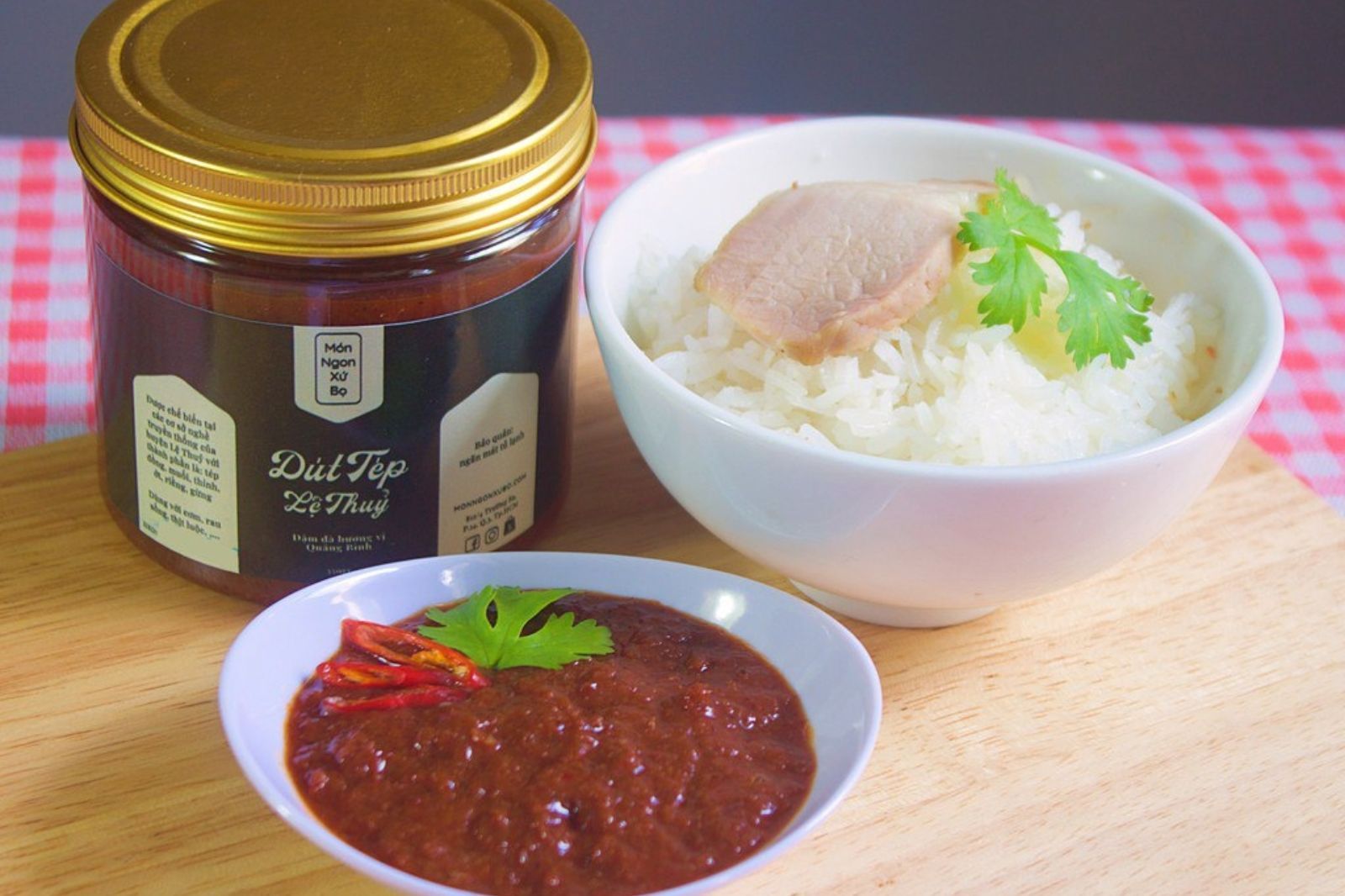
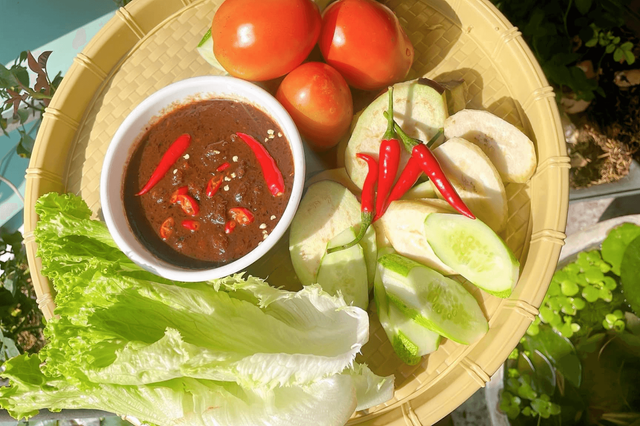
Fermented shrimp paste is often enjoyed with hot rice or as a dip for boiled vegetables

Photo: Fermented shrimp paste is often enjoyed with hot rice or as a dip for boiled vegetables 

In the past, many households would prepare large earthenware jars of fermented shrimp paste to sustain them during the post-Tet months. While never considered an extravagant delicacy, it was an ever-present staple in daily family meals, especially during cold spells when fresh food supplies were scarce. Over the years, fermented shrimp paste has earned wider acclaim, becoming a celebrated specialty of Le Thuy. Nevertheless, what makes this dish truly extraordinary remains the fresh local field shrimp and the time-honored expertise safeguarded by local families.

It is fair to say that fermented shrimp paste was born from the thrift and culinary ingenuity of rice farmers. Arising from the need to preserve sustenance through hardship, the people of Le Thuy created an unmistakable flavor profile, turning what was once humble country fare into a cherished gift eagerly sought by travelers visiting the region.

3. Secrets to Preparing Authentic Le Thuy Fermented Freshwater Shrimp Paste

To produce an exceptional batch of fermented shrimp paste, Le Thuy artisans must select the freshest shrimp, clean them thoroughly, and balance the salt ratio with great precision. Each step demands careful attention, as even a minor misstep during fermentation can affect the flavor and quality of the final product.

After being washed clean and drained thoroughly, the freshwater shrimp are placed into earthenware jars to ferment with salt. Once properly cured, the maker mashes the shrimp into a smooth paste and folds in roasted rice powder or roasted corn powder, along with fresh ginger and chili peppers. The mixture is then cured in the sun until it turns a brilliant red-orange or reddish-brown, developing a velvety consistency and a fragrant, appetizing aroma. Each family in Le Thuy typically keeps its own closely guarded recipes regarding seasoning and curing time; as a result, while following the same foundational method, the finished paste often carries subtle, delightful nuances in taste from one maker to another.

Perfecting Le Thuy fermented freshwater shrimp paste requires precision at every stage

Photo: Perfecting Le Thuy fermented freshwater shrimp paste requires precision at every stage

What Dishes Best Complement Fermented Freshwater Shrimp Paste?

Fermented shrimp paste is most commonly enjoyed in homestyle family meals, especially when served alongside hot steamed rice and boiled dishes. Its tangy, savory, and subtly aromatic profile adds depth to any spread without requiring complex culinary preparation.

Several popular ways to savor this delicacy include:

  • Dipping boiled pork belly: The tender, rich pork paired with the savory, tangy notes of the shrimp paste creates a classic and widely beloved combination.

  • Served with hot steamed rice: Just a spoonful of fermented shrimp paste over steaming rice is enough to make a simple meal utterly satisfying.

  • Paired with boiled vegetables: Boiled calabash, water spinach, and seasonal greens help harmonize and refresh the palate.

  • Enjoyed with cluster figs or elephant ear figs: The gentle astringency of the figs combined with the savory richness of the paste provides a uniquely delightful rustic contrast.

  • Accompanied by fresh garden herbs: Depending on family custom, the paste can be eaten with fresh fig leaves, young mango leaves, and assorted homegrown herbs.

Perhaps it is this very simplicity that gives Le Thuy fermented freshwater shrimp paste its enduring appeal. It requires no extravagant banquet to shine, effortlessly evoking memories of warm country meals where rural produce was treasured and skillfully preserved to nourish families throughout the seasons.

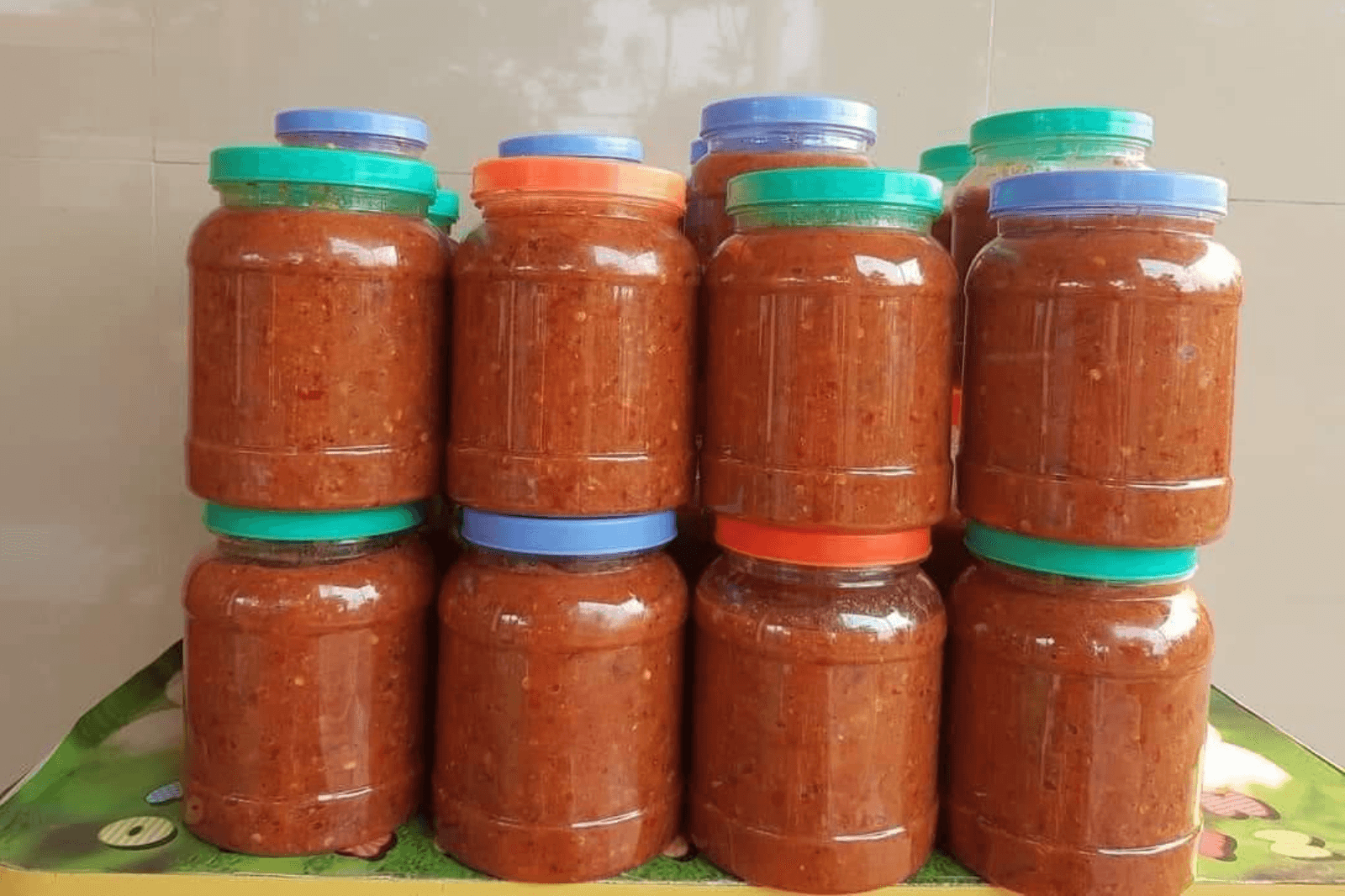
Fermented shrimp paste packed in plastic jars

Photo: Fermented shrimp paste packed in plastic jars 

4. Reputable Places to Purchase Le Thuy Fermented Freshwater Shrimp Paste

Travelers wishing to purchase authentic Le Thuy fermented freshwater shrimp paste can visit local traditional markets such as Treo Market (Lien Thuy Commune), Mai Market (Hung Thuy Commune), and Dong Market (Mai Thuy Commune). These are prime destinations to find genuine local culinary specialties, including home-fermented shrimp paste crafted by village artisans.

Alternatively, visitors can also purchase it at Dong Hoi Market or specialized Quang Binh specialty stores. If you wish to experience traditional family recipes, consider asking for long-standing artisan households in Le Thuy directly.

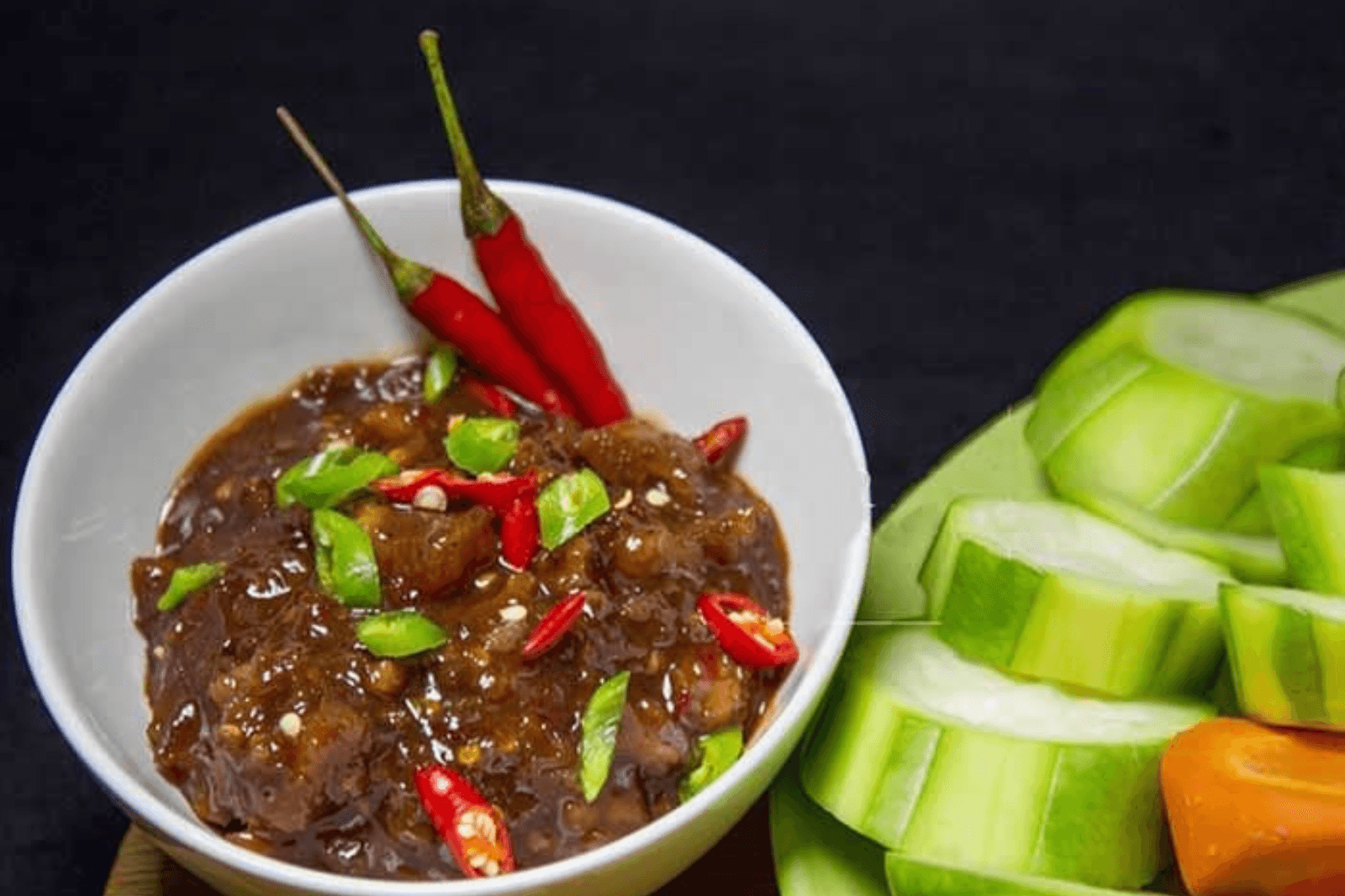
When selecting your purchase, look for paste with a natural vibrant red or reddish-brown hue, a smooth and cohesive consistency, and a distinctive fragrant aroma, completely free from rancid odors or unusual signs. Priority should be given to items with clear provenance, airtight packaging, and proper storage guidance, particularly if you are buying them as gifts or transporting them over long distances. 

Choose reputable sources when buying fermented shrimp paste to enjoy its full flavor

Photo: Choose reputable sources when buying fermented shrimp paste to enjoy its full flavor 

Le Thuy fermented freshwater shrimp paste, a rustic dish that may seem humble at first glance, embodies a rich cultural heritage, meticulous craftsmanship, and an unmistakable flavor profile. Amidst modern changes, this culinary treasure continues to hold a cherished place in the hearts of Quang Binh residents and serves as a meaningful local souvenir for visitors. Savoring this specialty is not only a culinary indulgence but also a window into the culture and people of Le Thuy. Quang Binh holds countless more captivating stories waiting to be discovered; to stay updated on the region's culinary culture and travel experiences, be sure to follow Sovaba Travel. 

Featured destinations