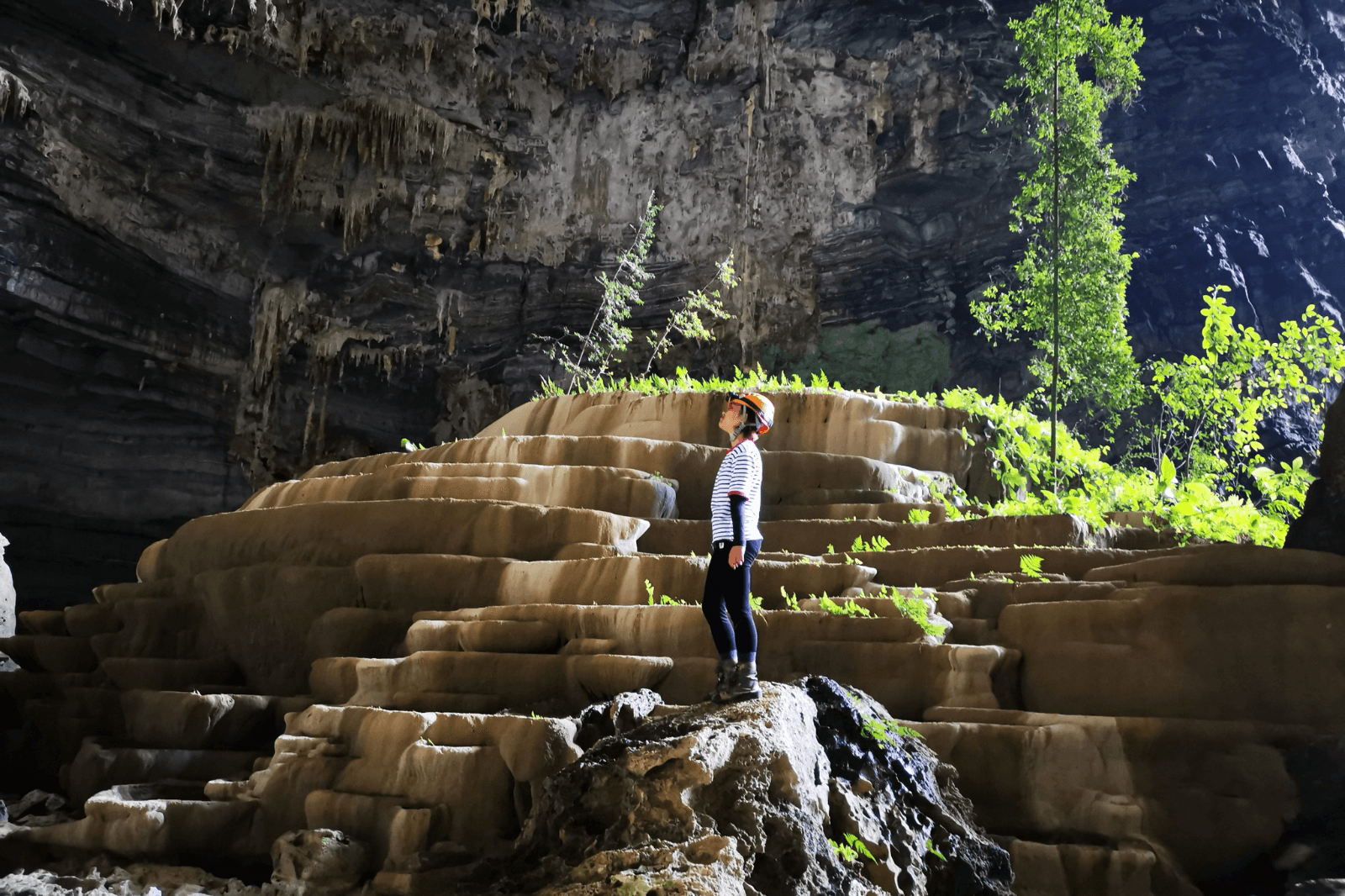
Quang Binh Cave Systems Opened for Tourism Exploitation
Central
Quang Binh
Phong Nha Cave
Paradise Cave
Cha Loi Cave
Ruc Mon Cave
Sovaba.travel
Updated at: 28/08/2026
1. Overview of the cave system in Quang Binh
The Quang Binh cave systems are mainly concentrated in Phong Nha - Ke Bang National Park, located north of the Truong Son Mountain Range, extending across Bo Trach and Minh Hoa districts of Quang Binh province. This area features the largest continuous karst limestone mountain range in Vietnam, covering an area of 1,233 km². In 2003, this area was recognized by UNESCO as a World Heritage Site, not only for its unique geological and geomorphological beauty but also for its rich biodiversity.
When talking about Phong Nha - Ke Bang, people often immediately think of the magnificent cave system with over 425 caves of various sizes. These caves vary in size, length, and characteristics, with many being explored by the British-Vietnamese Cave Expedition Team, of which more than 25 caves have been opened for tourism.
Photo: 25 caves opened for tourism
2. Outstanding caves opened for tourism in Quang Binh
With more than 400 caves of various sizes, Phong Nha - Ke Bang National Park is truly an "underground kingdom" concealing countless wonders of nature. But what makes it special is that among hundreds of caves, certain names have become iconic, attracting countless tourists and explorers from all over the world. Some prominent caves include:
Son Doong Cave
First discovered in 1991 by Mr. Ho Khanh, a local farmer looking for shelter from the rain. In 2010, Son Doong was officially confirmed as the largest cave in the world with a volume of about 38.5 million m³, nearly 9 km long, 200 m high, and 150 m wide. Inside the cave lies its own ecosystem with a primary jungle and floating clouds, creating a mystical landscape found nowhere else.
Photo: Cave exploitation
Phong Nha Cave
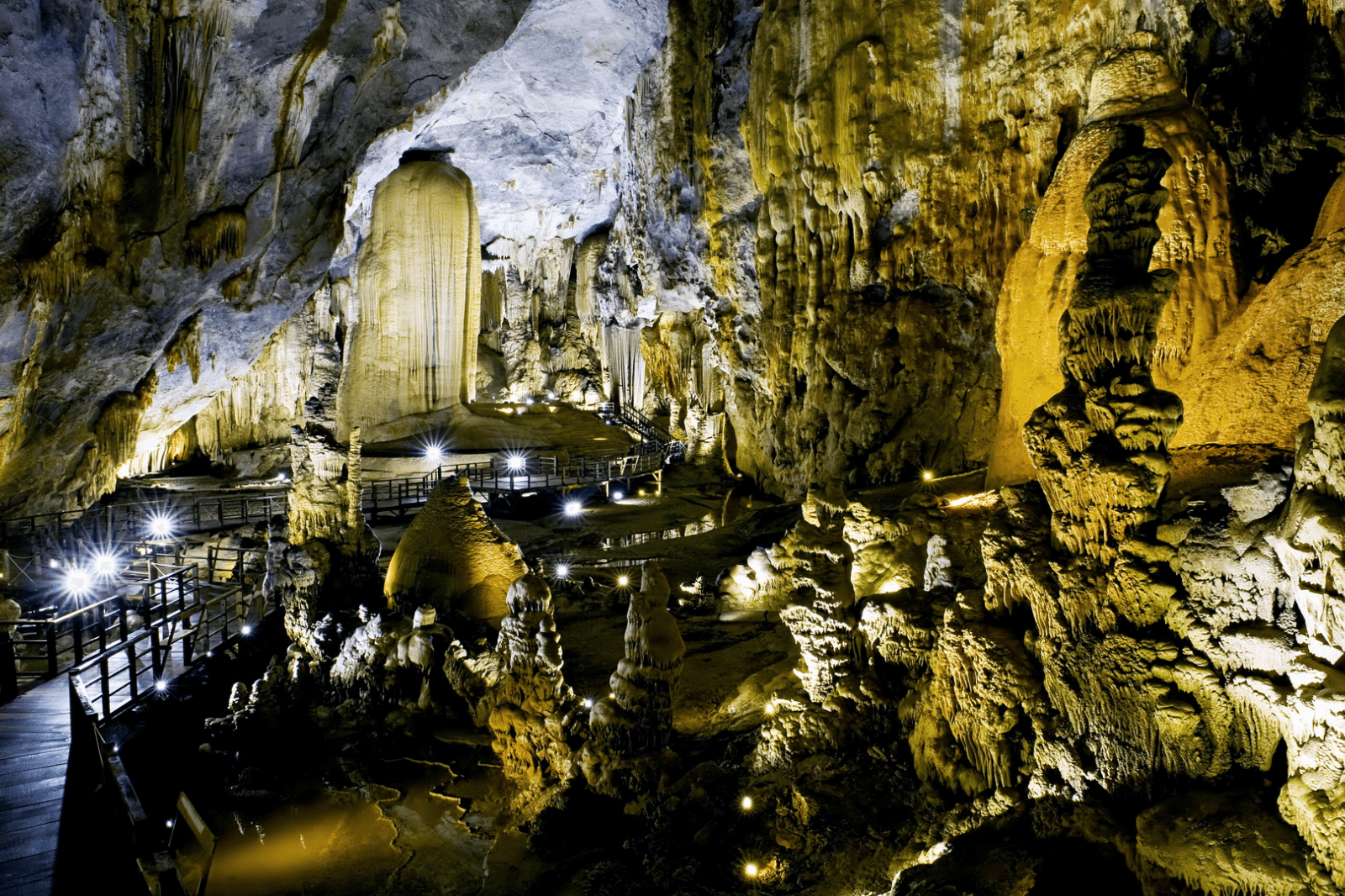
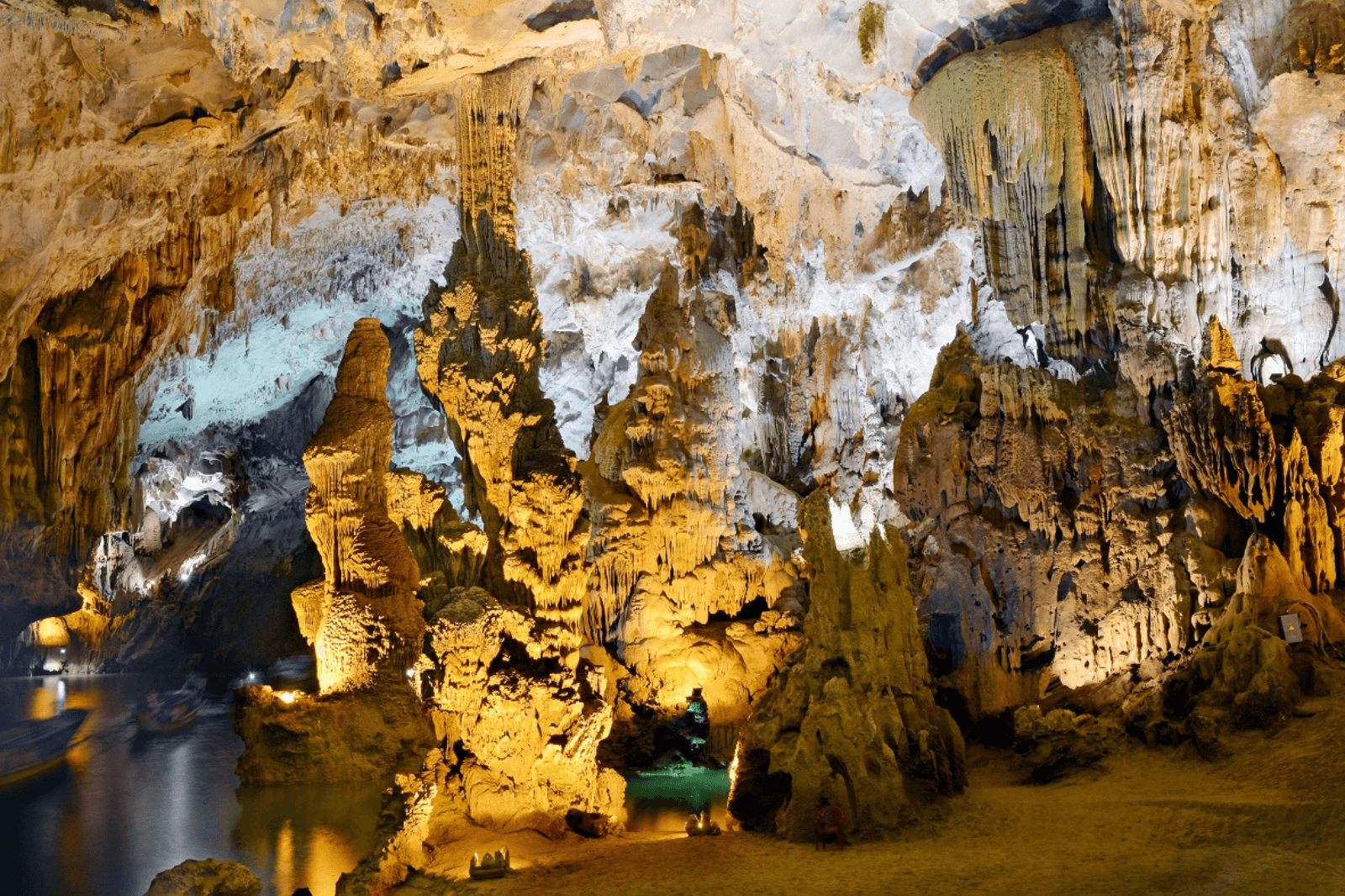
Known for its length of 7,729 m and 14 large and small chambers, it is the "heart" of the national park, featuring stunning stalactites and a mysterious underground river.
Paradise Cave (Thien Duong Cave)
Dubbed the "underground palace", it is famous for its shimmering stalactites and stalagmites, creating a magnificent and mystical space.
Other special cave systems:
Tu Lan Cave System: Consists of over 20 dry and wet caves, ideal for those passionate about exploration and adventure experiences.
Dai A - Over - Pygmy Cave System: Located in the ecological restoration zone of Phong Nha - Ke Bang.
Dai A Cave (or Tiger Cave): 1,616 m long, 46 m deep, with an entrance 50 m wide, leading into a mysterious underground world.
Over Cave: 3,244 m long, 104 m deep, with an entrance 25 m high and its widest point reaching 125 m, creating a majestic space.
Pygmy Cave: 845 m long, 94 m deep, featuring a massive sinkhole where natural light filters through, creating a mystical scene.
Ruc Mon Cave: Located in Trung Hoa and Hoa Son communes of Minh Hoa district, 2,863 m long, over 50 m high, containing winding underground rivers that create an alluring, mysterious beauty.
Photo: Pygmy Cave exploration route
The caves in Phong Nha - Ke Bang are not only beautiful sightseeing spots, but also hold countess marvels of nature and time. Every stalactite and stalagmite here is an imprint of millions of years of geological formation, a silent witness to changing ages. To the people of Quang Binh, these caves are not only a source of pride but also an integral part of their homeland, a story they wish to tell the world.
3. The exploration and tourism development of caves in Quang Binh
Discovering the caves is one thing, but exploring and opening cave tourism in Quang Binh is not only a journey to seek natural beauty, but also an arduous story of pioneers overcoming hardships to bring hidden beauty closer to visitors.
Son Doong - a name that has become the pride not only of Quang Binh but of all Vietnam, was first discovered by Mr. Ho Khanh in 1991 while seeking shelter from rain deep in the forest. However, due to difficult conditions and not realizing the cave's value, he did not remember its exact location. It was not until 2009, when he led the BCRA (British Cave Research Association) expedition team back to search, that Son Doong was truly explored and widely announced in 2010, becoming the world's largest cave.
Before Son Doong gained fame, names like Phong Nha Cave and Paradise Cave were already known and opened to tourism. Phong Nha Cave was once recognized by the British Cave Research Association as the most beautiful cave in the world, featuring the longest underground river and magnificent stalactites. Paradise Cave, with the sparkling and splendid beauty of its stalagmites and stalactites, also attracted hundreds of thousands of visitors each year.
Photo: Stalactites inside Phong Nha Cave
Regarding tourism operation, Son Doong officially opened to visitors in August 2013 with its first tour. The tour cost is quite expensive, up to 3,000 USD/person, yet many exploration enthusiasts still long to experience it. Prior to that, caves like Phong Nha Cave and Paradise Cave had already become attractive destinations, welcoming about 500,000 visitors per year.
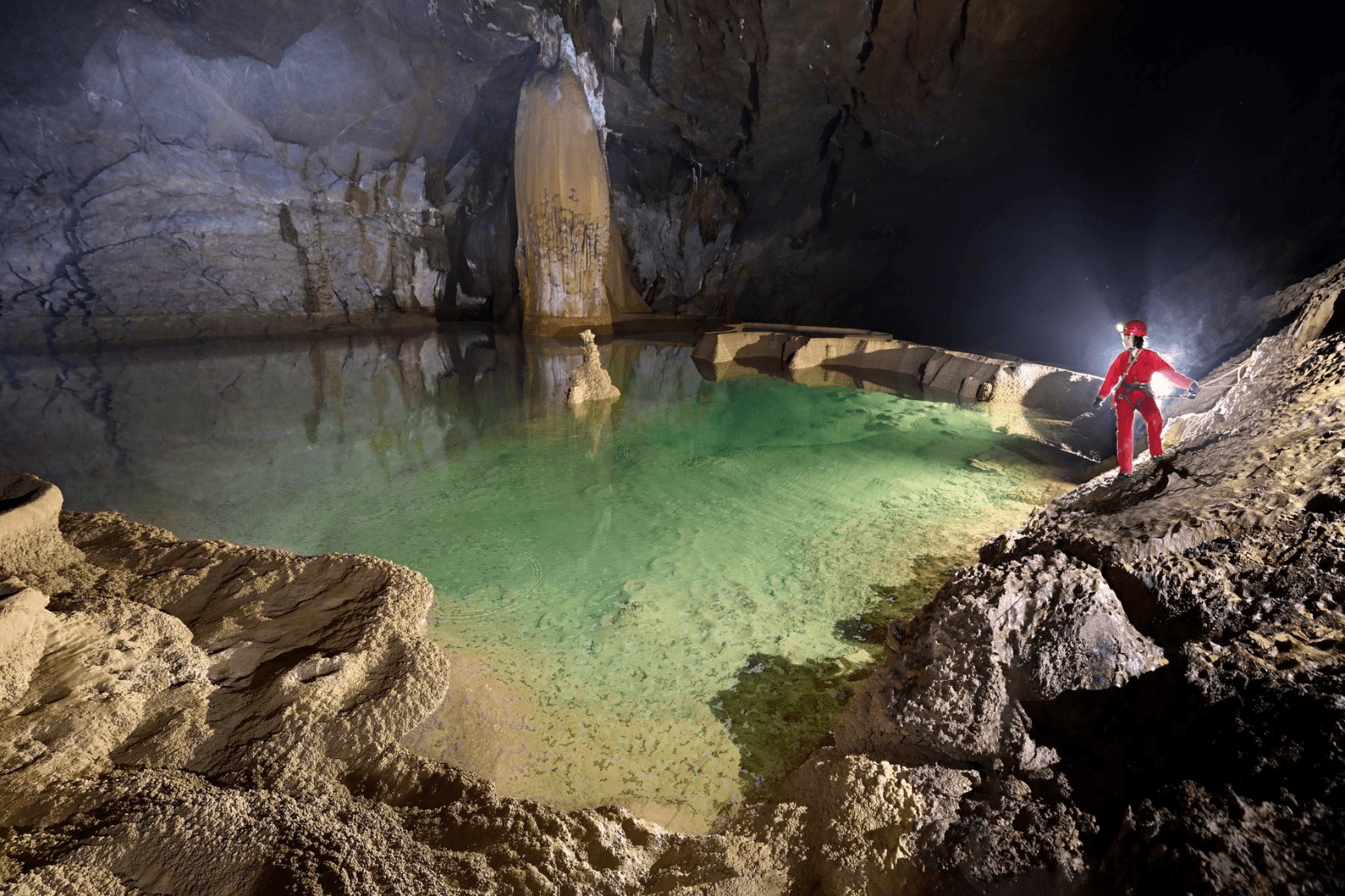
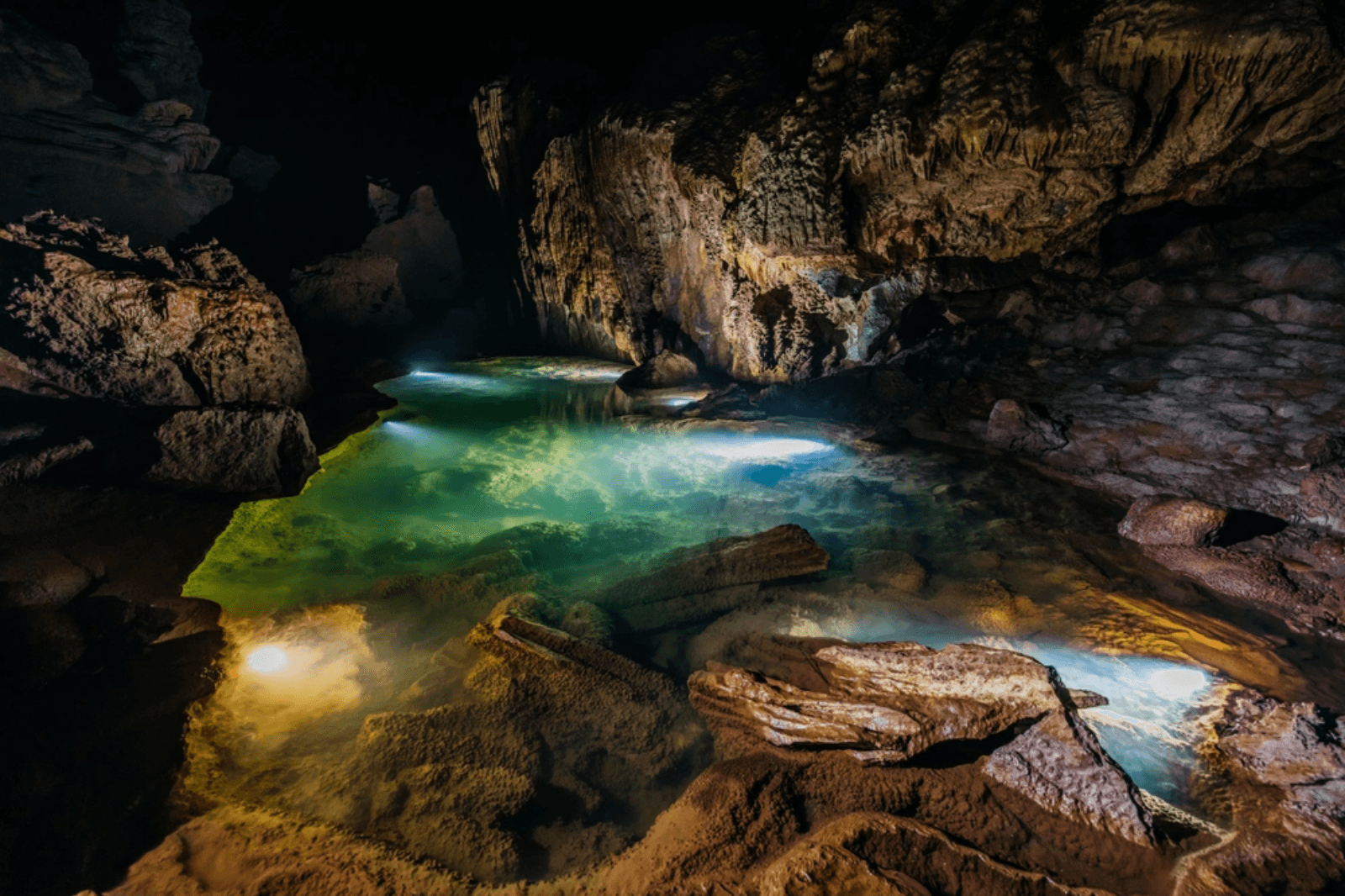
The Tu Lan cave system was also opened to adventure exploration, including trekking, swimming through underground rivers, and camping in the forest. Other caves like Cha Loi Cave, opened for tourism at the end of 2018 as an adventure tour option, or Ruc Mon Cave, combining cave exploration with learning local culture, all offer unique experiences for travelers. Currently, several caves such as Dai A - Over - Pygmy are still in trial operation, promising many exciting things in the future.
4. Impacts and sustainable tourism
Tourism development in the cave systems of Quang Binh not only provides opportunities to discover fascinating nature but also contributes to improving the economic lives of local people. Homestays, guesthouses, eateries, and tourism services are opening more and more, creating jobs and increasing income for locals. Villages that were once quiet and simple are now livelier during each tourist season, with the laughter and chatter of visitors blending into the beloved rhythm of local life.
However, to protect and preserve the pristine beauty, strict regulations have been implemented. For example, Son Doong limits the number of visitors each year and only opens from January to August to avoid the impact of the rainy season. Visitors wishing to tour are required to have professional guides knowledgeable about the terrain and local culture. The local community is also encouraged to participate in cultural conservation, maintaining traditional ways of life while benefiting from the tourism economy.
Since opening to tourists, the cave system in Quang Binh has become a top destination, attracting not only domestic visitors but also international tourists. Exploration tours such as the Cha Loi Cave tour, Ruc Mon Cave tour, etc., are organized in a well-structured and professional manner. Currently, most caves require guided tours, with very few sites open for self-guided visits. This is a measure to help manage and protect the environment and ensure visitor safety.
Photo: Exploring Tien Cave
If you want to discover or gain a more authentic experience of the Quang Binh cave system, you can contact Sovaba Travel - a reputable company organizing Quang Binh tours. With a team of professional, locally knowledgeable guides, Sovaba Travel will bring you a memorable and safe journey amidst the majestic nature of this land of sun and wind.