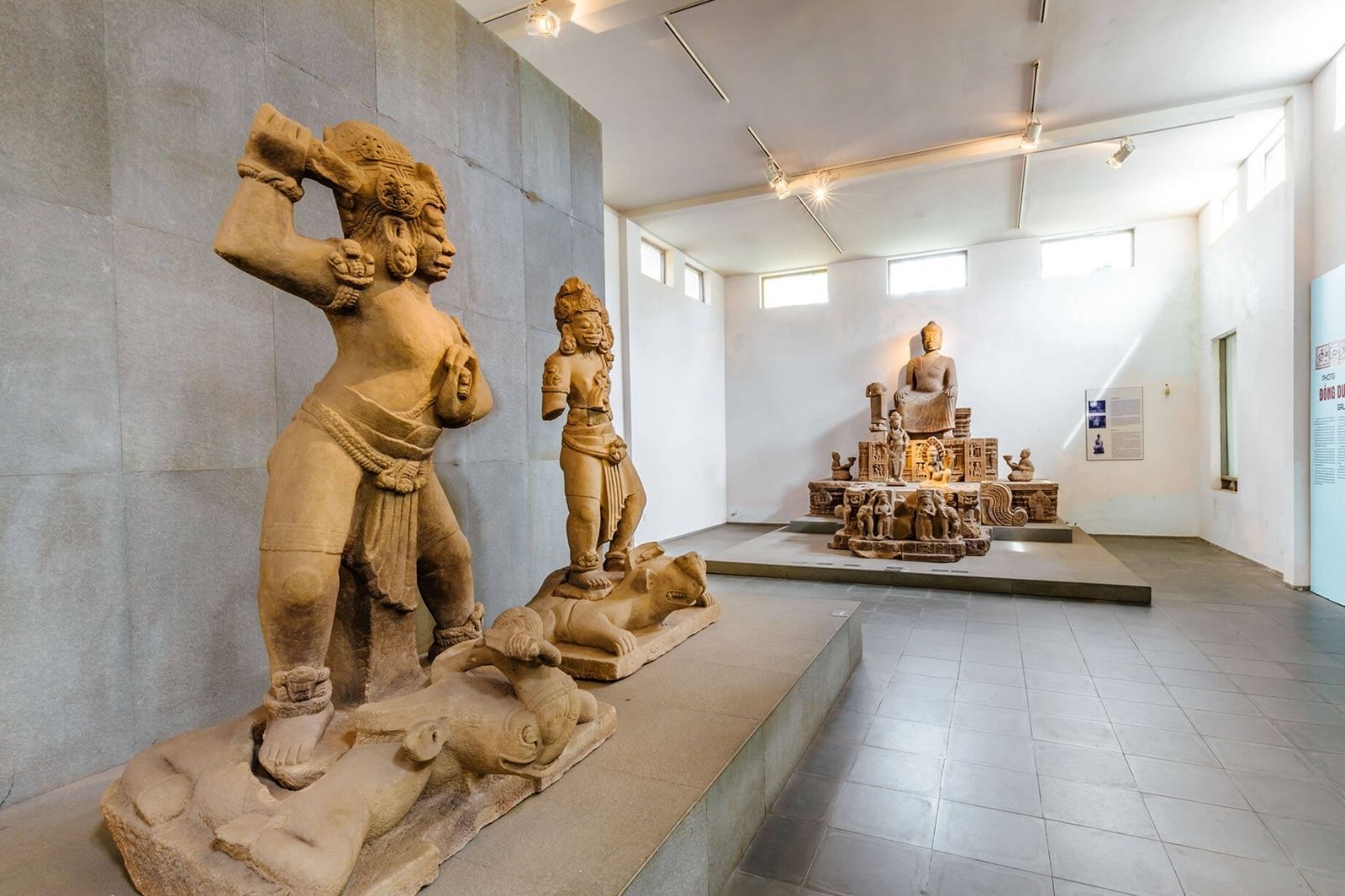
Da Nang Museum of Cham Sculpture – Preserving Champa Culture
Central
Da Nang
Sovaba.travel
Updated at: 24/09/2026
1. Where is the Da Nang Museum of Cham Sculpture?
The Da Nang Museum of Cham Sculpture (full name: Museum of Champa Sculptural Art) is located at No. 02 2Thang9 Street, Hai Chau District, Da Nang City – a prime location right at the intersection with Trung Nu Vuong Street, on the west bank of the Han River.
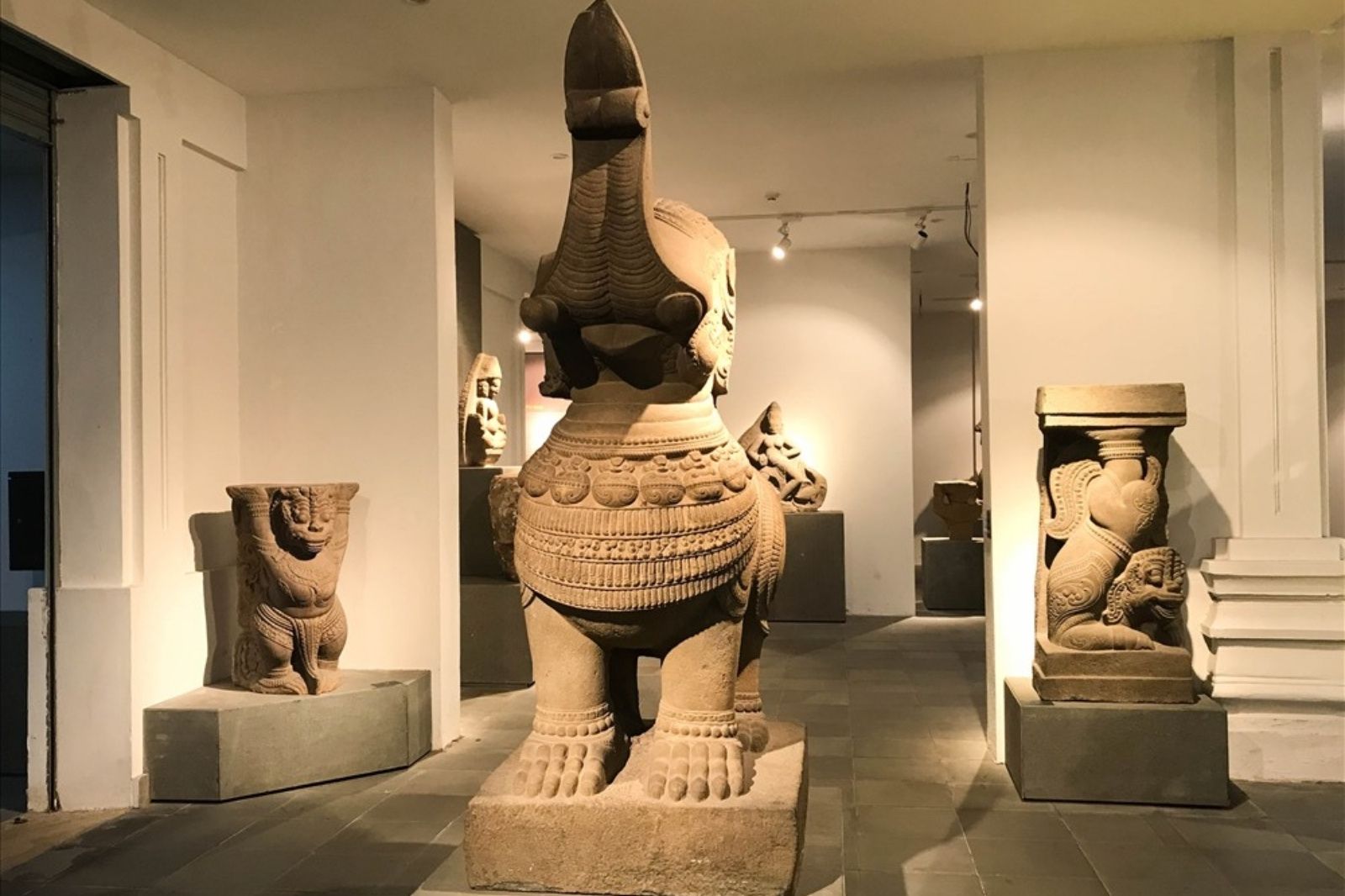
The museum holds the largest collection of Champa artifacts in Vietnam and the world, featuring nearly 2,000 original artifacts made of sandstone, terracotta, and bronze. The works were mainly excavated from famous sanctuaries such as My Son, Tra Kieu, and Dong Duong. This is an ideal space to explore the history, religion, and art of the ancient Champa Kingdom.
Photo: The repository of Cham Pa sculptures and culture
2. History of the Da Nang Museum of Cham Sculpture
The museum was founded in 1919 by the French School of the Far East (EFEO), under the leadership of archaeologists Henri Parmentier and Charles Delaval. Construction began in 1915 to centralize and preserve Champa artifacts discovered in Central Vietnam.
After Vietnam gained independence, the museum was handed over and expanded over the years. Today, after more than 100 years, it has become a cultural symbol of Da Nang, recognized as a Class I museum and housing many national treasures.
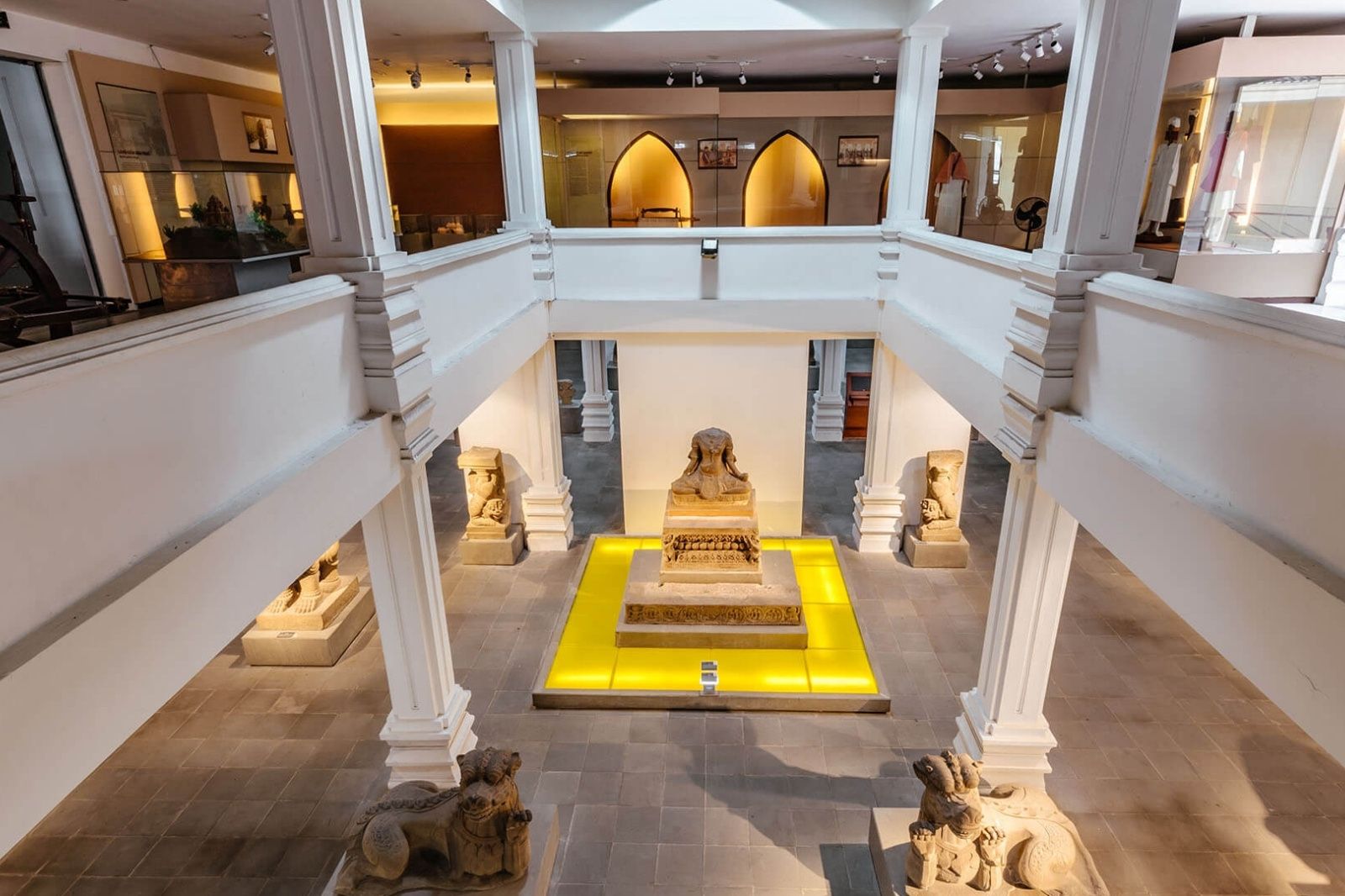
Photo: Unique architectural space inside the museum
3. What makes the Cham Sculpture Museum special?
The museum currently houses more than 2,000 large and small artifacts, of which about 500 are on display. These sculptures are mostly originals, crafted from three main materials: sandstone, terracotta, and bronze, dating from the 7th to the 15th century. They vividly reflect the cultural, spiritual, and religious life of the Champa people, depicting Hindu deities (such as Lord Shiva, the Naga snake god, Lakshmi - goddess of happiness, etc.) along with works representing daily life.
The artifacts are divided into display rooms based on the geographic area where they were excavated, helping visitors easily recognize the distinct hallmarks of Cham art by region:
Tra Kieu Room: Displays artifacts from the first capital of the ancient Champa people, featuring unique items such as altars and statues of Shiva and Vishnu, dating back thousands of years (from the 7th - 8th, 11th - 12th centuries).
My Son Room: Houses artifacts from the My Son Sanctuary in Quang Nam, including statues of Shiva, Ganesha, the Birth of Brahma, and more.
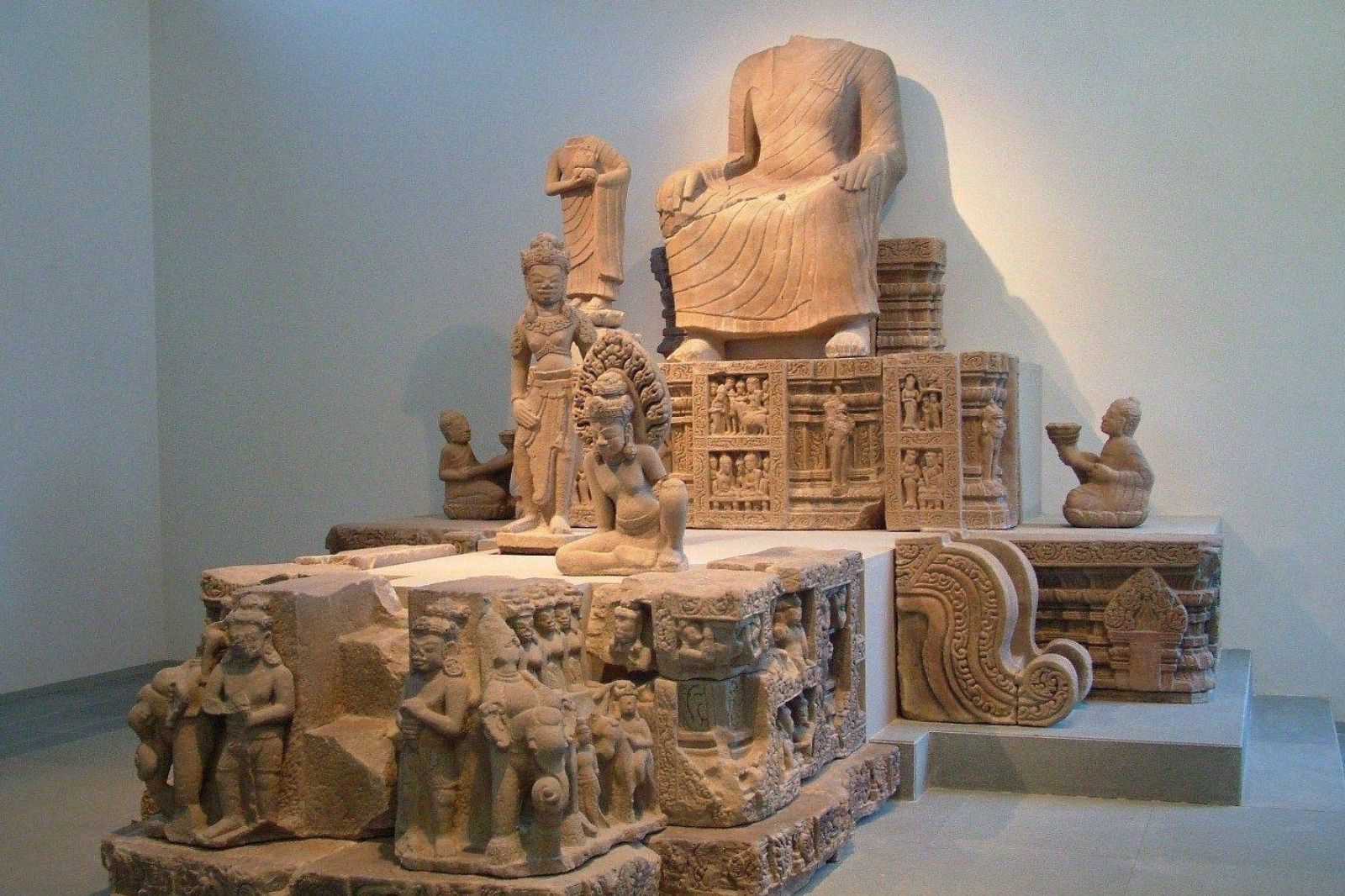
Dong Duong Room: Known as the Buddhist center of the Champa Kingdom, this exhibition room carries a strong Buddhist influence, featuring sculptures from Dong Duong towers such as Bodhisattva statues, Deva god statues, and the Dong Duong Altar.
Thap Mam - Binh Dinh Room: Gathers 67 intricate sculptures showcasing the distinctive cultural traits of the Champa people in Binh Dinh province, dating from the 12th to the 15th century.
In addition, the corridors are named after other geographical locations such as Quang Nam, Binh Dinh, Quang Ngai, and Kontum.
In particular, the museum houses 3 artifacts classified as national treasures – testament to the pinnacle of Cham sculptural art:
My Son E1 Altar: Features vivid relief carvings depicting the daily forest life of Hindu monks.
Tra Kieu Altar: Considered an immortal masterpiece of Cham sculpture, crafted with meticulous and refined detail.
Tara Bodhisattva Statue: The largest and only bronze work (1.148m high) at the Cham Sculpture Museum, exuding majestic and transcendent beauty.
Photo: Many Cham artifacts preserved at the Museum
The Cham Sculpture Museum is not only a repository but also a vivid, comprehensive mirror reflecting the spiritual life, religious beliefs, and artistic peak of Cham Pa sculpture. In particular, the successful preservation of three priceless National Treasures confirms the museum's unique status in preserving and honoring this extraordinary cultural heritage.
4. Champa Sculpture Art
Champa sculptural art is deeply influenced by Hinduism, clearly reflected through images of deities such as Shiva, Vishnu, Brahma, along with the indigenous pantheon. The works are mainly carved from sandstone – a hard material that, through the hands of artisans, becomes soft, vivid, and highly expressive.
In terms of historical value, these works authentically reflect the religious life, social structure, and power of the Champa kingdom across various periods. In terms of aesthetic value, Cham sculpture stands out with graceful lines, harmonious composition, balanced proportions, and subtle emotions, best embodied in the figures of Apsara dancers and dance reliefs, symbolizing the mystical beauty and cultural depth of Champa civilization.
5. Ticket prices and opening hours of the Cham Sculpture Museum
To conveniently arrange their itinerary and enjoy a complete experience, visitors should check ticket prices and opening hours of the Da Nang Museum of Cham Sculpture before visiting. This is a suitable cultural destination for both short day trips and in-depth historical journeys in Central Vietnam.
The museum is open daily from 7:00 AM to 5:00 PM, including holidays and Tet. Ticket prices (latest update) are applied as follows:
Free admission: Children under 15, persons with disabilities, senior citizens (per regulations), and during certain special occasions.
The ideal visiting duration ranges from 1 to 2 hours, giving visitors enough time to admire the iconic collections, learn about Champa sculpture, and fully appreciate the cultural heritage preserved at the museum.
6. Tips for visiting the Da Nang Museum of Cham Sculpture
To make your visit to the Cham Sculpture Museum complete and meaningful, visitors should keep the following notes in mind to ensure a comfortable experience while contributing to monument preservation:
Attire: Dress neatly and respectfully when entering the museum.
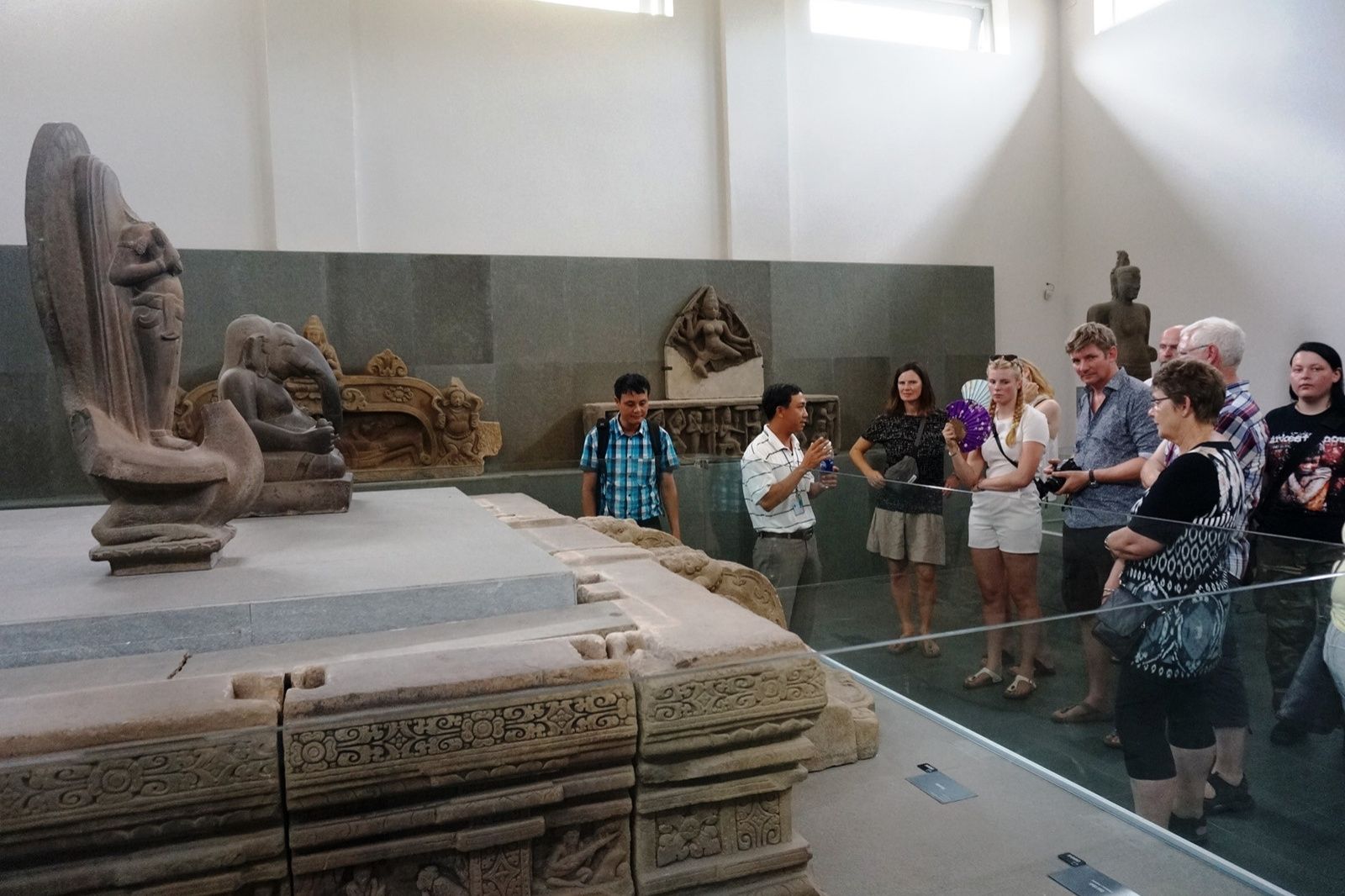
Protecting Artifacts: Strictly do not touch or rub artifacts, and do not climb or sit on display pedestals.
Photography Rules: Do not use flash when photographing artifacts, and do not bring tripods for filming or photographing inside the museum.
Maintain Order: Walk softly, speak quietly, avoid laughing, running, or making loud noises during the visit to refrain from disturbing others.
Cleanliness: Maintain general cleanliness on museum grounds and remember to dispose of trash in designated areas.
Luggage: Do not bring large luggage (over 3kg) into the museum; luggage can be stored at the cloakroom. Do not bring explosives, flammable materials, or dangerous items.
Strict adherence to general rules will ensure a dignified cultural environment, helping all visitors enjoy a complete tour and actively contributing to the preservation of the museum's priceless heritage.
Photo: Visitors are advised not to touch displayed artifacts
The Da Nang Museum of Cham Sculpture is not merely a century-old architectural landmark sitting quietly along the Han River. It is a magical bridge taking visitors across 10 centuries of history, from prosperous Buddhist eras in Dong Duong to the heights of Hinduism in Tra Kieu. With its unique architectural fusion and priceless artifact collection – highlighted by three renowned National Treasures – the museum has magnificently fulfilled its mission to preserve the soul and breath of Champa civilization. Take the time to step into this contemplative space, observe the rules of heritage respect, and personally marvel at the sophistication, prosperity, and eternal beauty of masterpieces carved in stone in the heart of modern Da Nang, enriching your unique cultural journey.