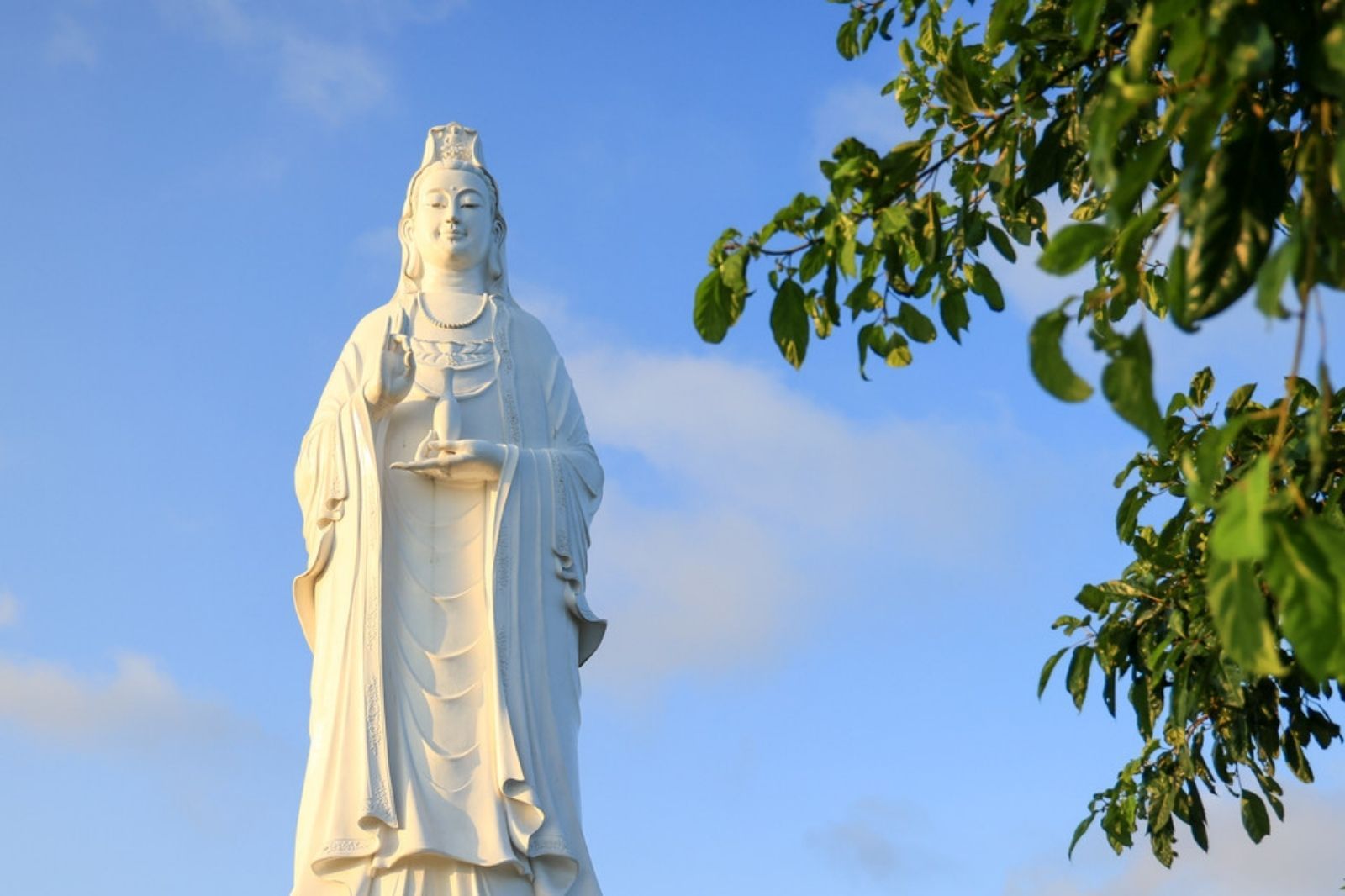
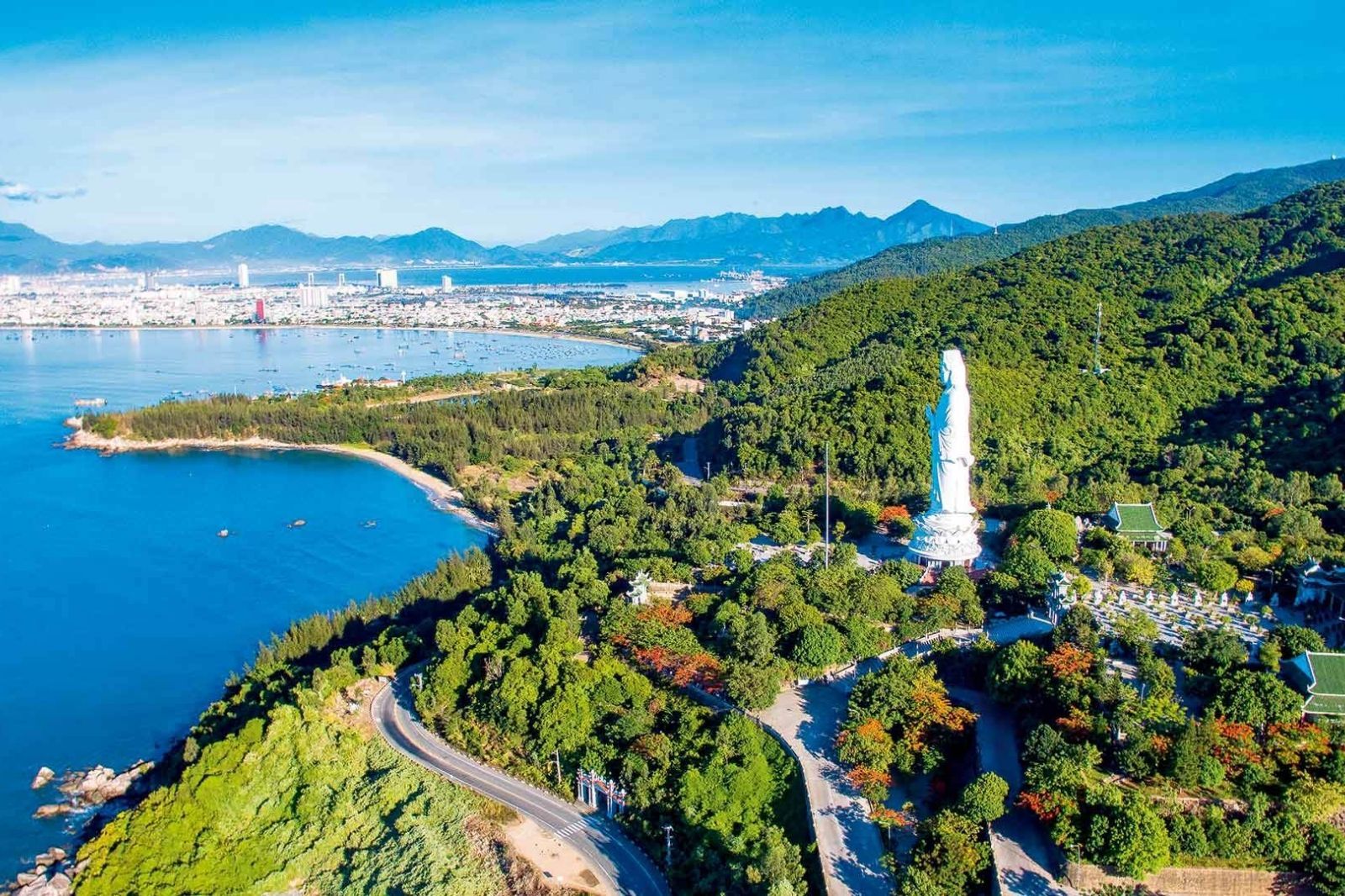
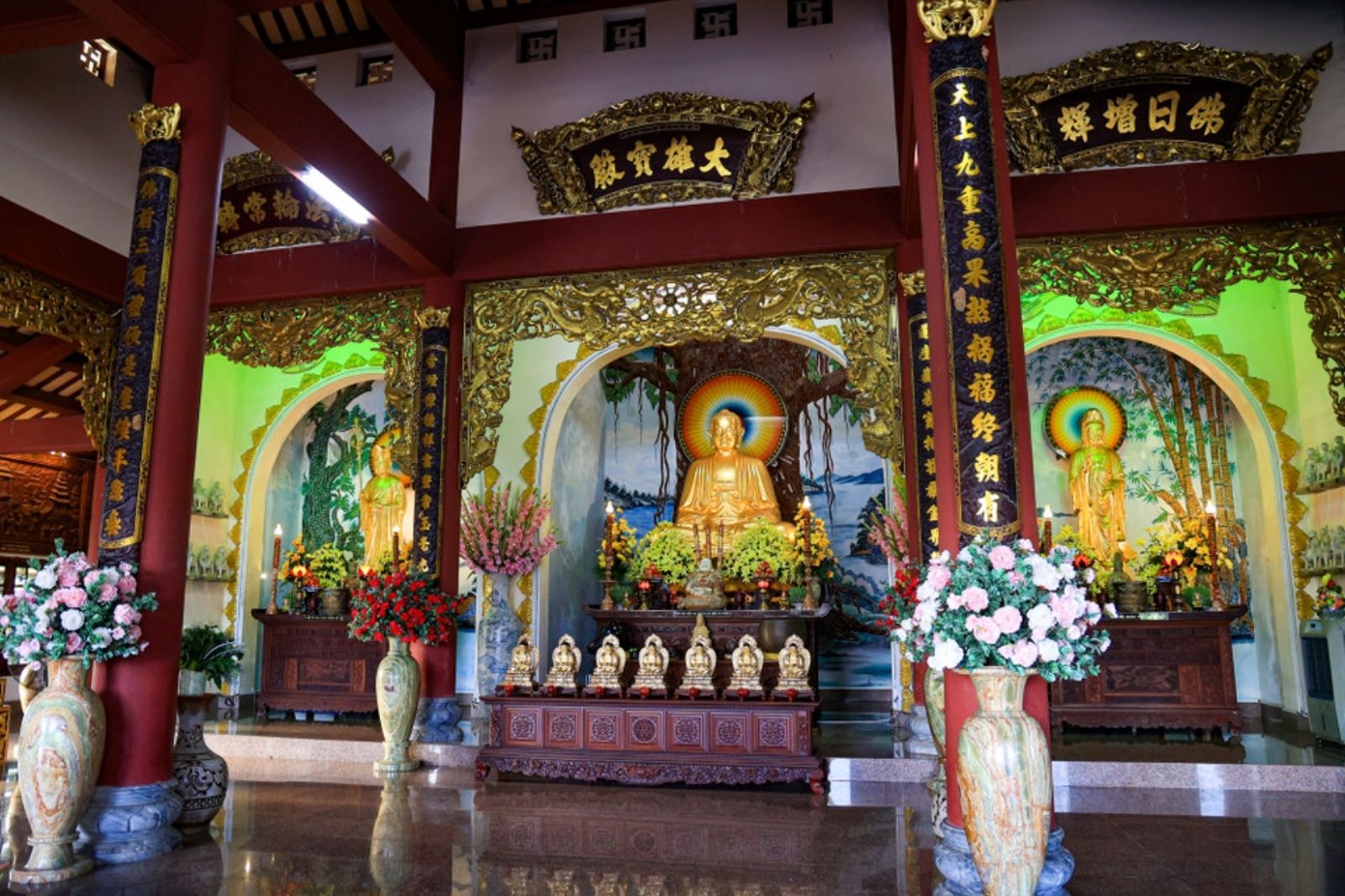
The history of Linh Ung Son Tra Pagoda originates from a deeply mystical folk legend associated with the reign of King Minh Mang (19th century, Nguyen Dynasty). According to local lore, on a day with violent rough seas, a Buddhist statue unexpectedly washed ashore on a pristine sandy beach on Son Tra Peninsula. Believing this to be an auspicious sign from the realm of the Buddha, local fishermen erected a small shrine and frequently offered incense to pray for peace, especially on full moon days, the first day of the lunar month, and before every sea voyage. Miraculously, from then on, the sea remained calm and peaceful, and the fishermen enjoyed prosperous livelihoods. That sandy beach was named Bai But, meaning "Buddha's Realm on Earth," which is also where Linh Ung Son Tra Pagoda stands today.
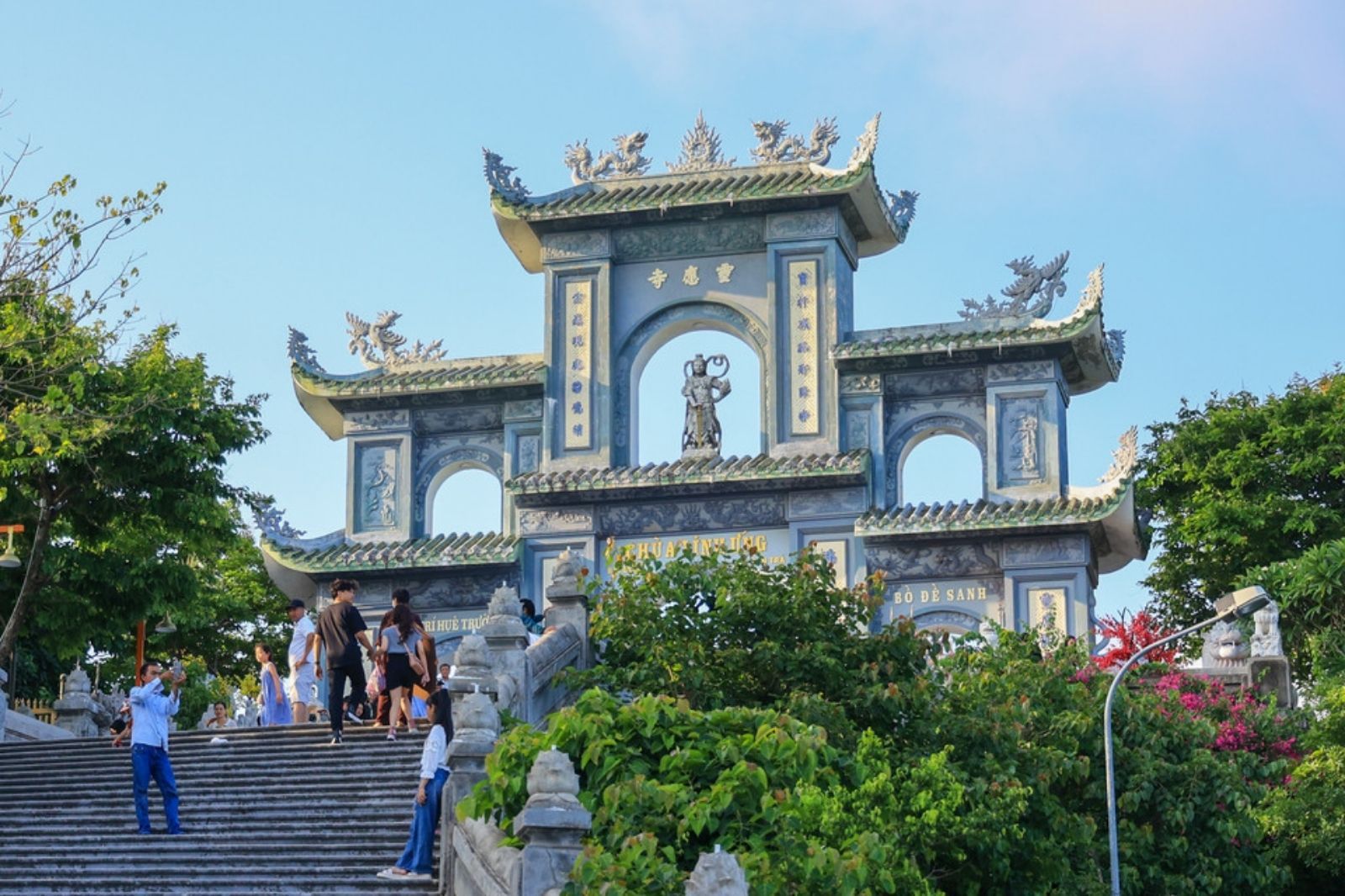
From a humble fisherman shrine, the pagoda gradually grew into a large-scale spiritual complex thanks to Most Venerable Thich Thien Nguyen – the abbot who played a major role in planning and developing the system of three Linh Ung pagodas in Da Nang. With the united effort of monks, nuns, Buddhists, and support from the city government, the first stone of Linh Ung Son Tra Pagoda was laid on the 19th day of the 6th lunar month in 2004 (July 2004 solar calendar). After 6 years of construction, the pagoda was officially inaugurated on July 30, 2010 (matching the 19th day of the 6th lunar month in the Year of the Tiger), becoming the largest pagoda in Da Nang covering nearly 20 hectares within the Son Tra tourism complex.
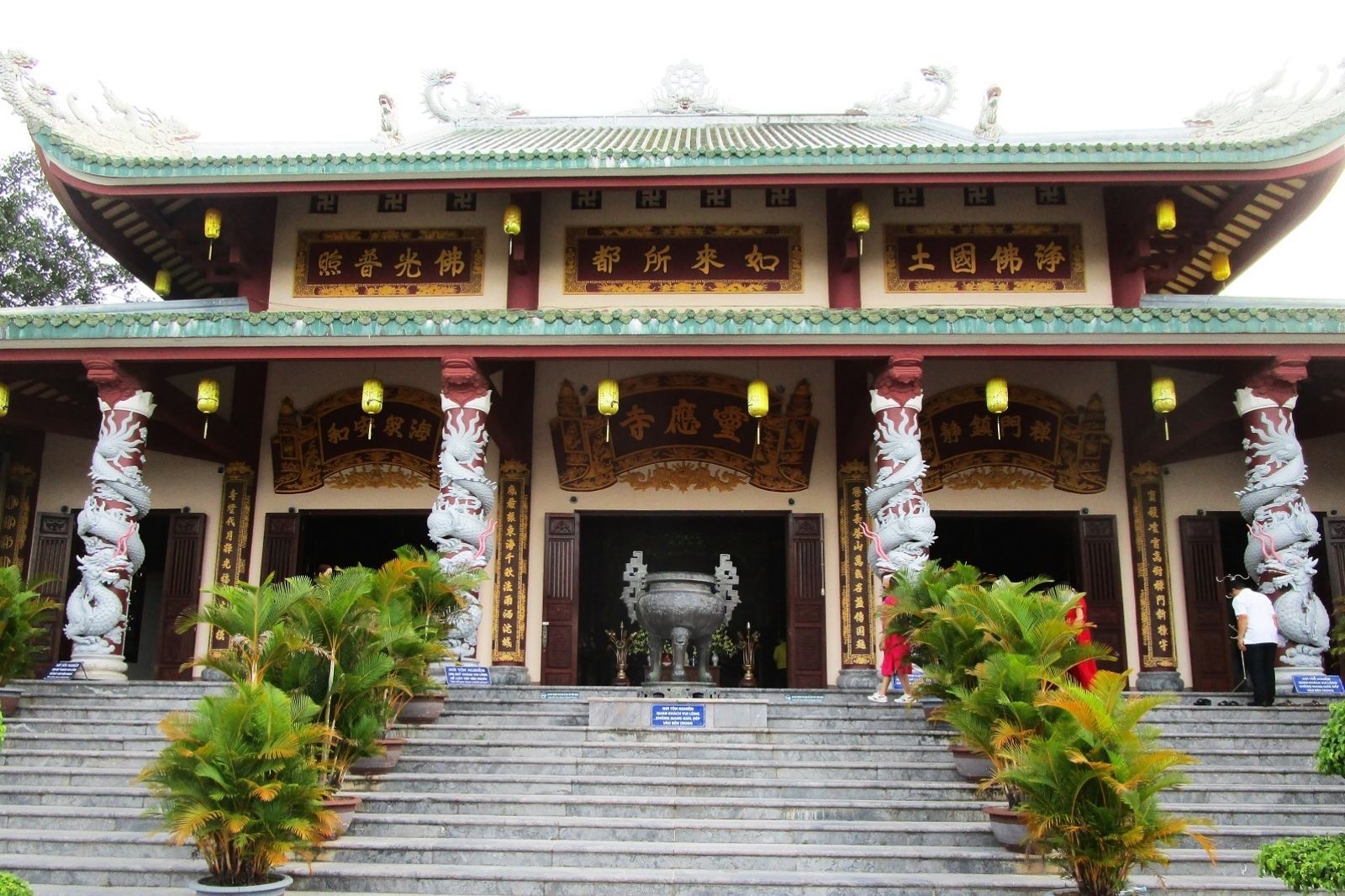
The name "Linh Ung" carries the meaning of "sacred efficacy and divine responsiveness" in Buddhist teachings, while also inheriting the tradition from the Nguyen Dynasty, when temples were often granted this title to honor the miracle of the Dharma. Compared to its two namesake "siblings" – Linh Ung Non Nuoc Pagoda (dating from the 17th century, restored in 1825) and Linh Ung Ba Na Pagoda (inaugurated in 2004) – Linh Ung Son Tra Pagoda is the youngest, yet stands out with its magnificent scale and prime position with its back against the Son Tra mountain forests and its front facing the vast East Sea.
To this day, Linh Ung Son Tra Pagoda continues to be expanded and renovated, becoming a representative Mahayana Buddhist center in Central Vietnam, where faith, architectural art, and spiritual tourism converge. Each year, the pagoda welcomes millions of tourists and Buddhist pilgrims, proving the enduring vitality of a spiritual symbol in the heart of modern Da Nang.