Discovering the Lieu Hanh Princess Temple Festival at Deo Ngang – A Spiritual Destination Not to Be Missed

Central

Quang Binh

Sovaba.travel

Updated at: 24/09/2026

1. Who is Holy Mother Lieu Hanh?

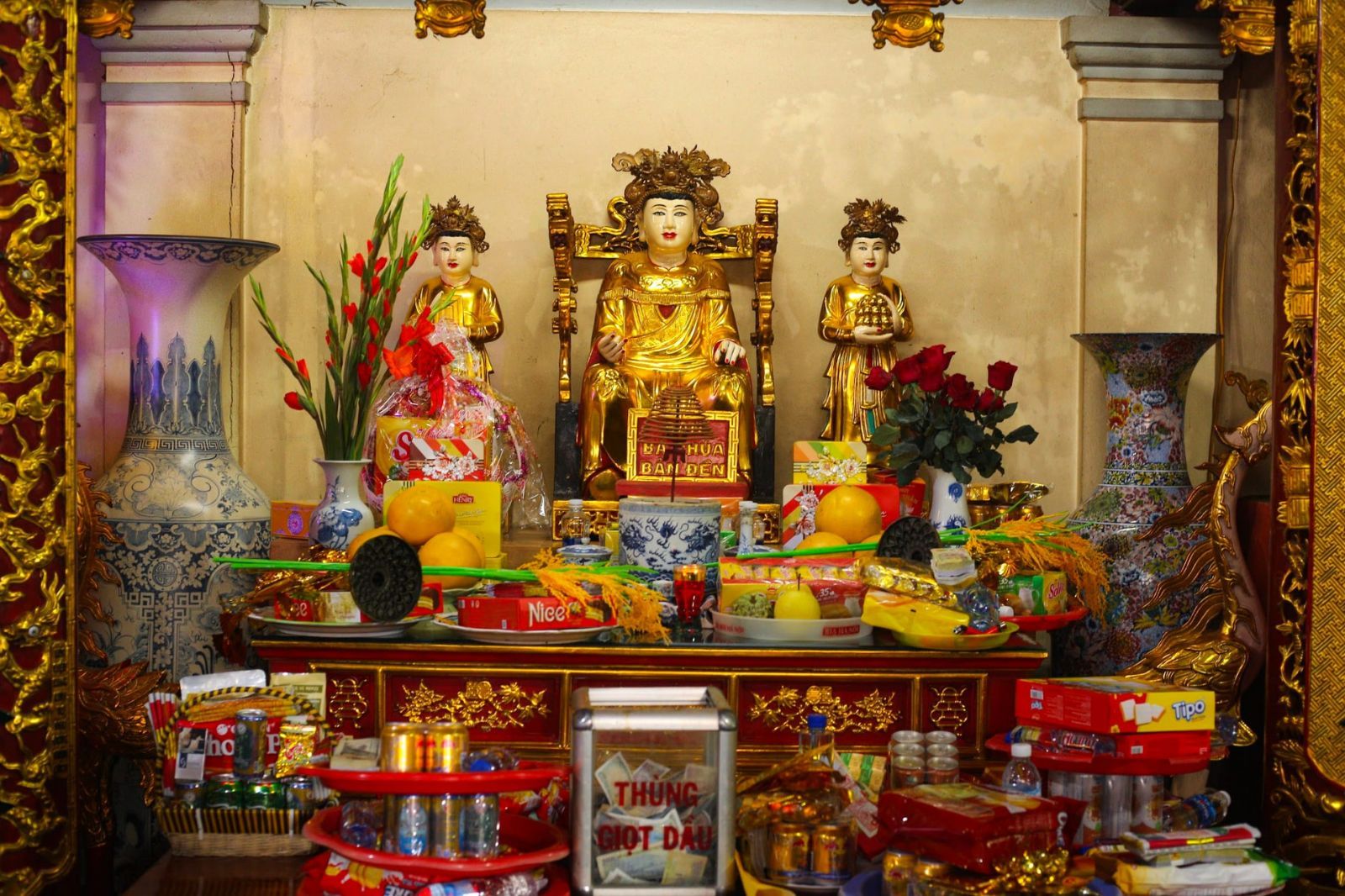
Lieu Hanh Temple, also known as Holy Mother Lieu Hanh Temple, stands majestically at the foot of Deo Ngang Pass, one of the famous 'Eight Scenic Views of Ngang Shan' in Vietnam. Built in 1557 during the Later Le Dynasty, the temple stands as a vivid testament to Mother Goddess worship—one of the distinctive and enduring spiritual traditions in the spiritual life of the Vietnamese people.

According to folk legend, Holy Mother Lieu Hanh (whose real name was Quynh Hoa) was the second daughter of the Jade Emperor. She descended to earth three times to support the people and aid commoners through numerous hardships. The first time, she reincarnated as Giang Tien in Nam Dinh, passing away at the young age of 21. During the next two times, bearing the title Princess Lieu Hanh, she continued to manifest her divinity, helping the populace fight against floods, wars, and injustices during the Trinh-Nguyen conflict.

Over the centuries, Lieu Hanh Temple endured numerous wars and natural disasters, suffering damage multiple times. In 1995, the People's Committee of Quang Binh Province officially recognized the site as a provincial-level historical and cultural relic, while undertaking restoration to recover its ancient architecture.

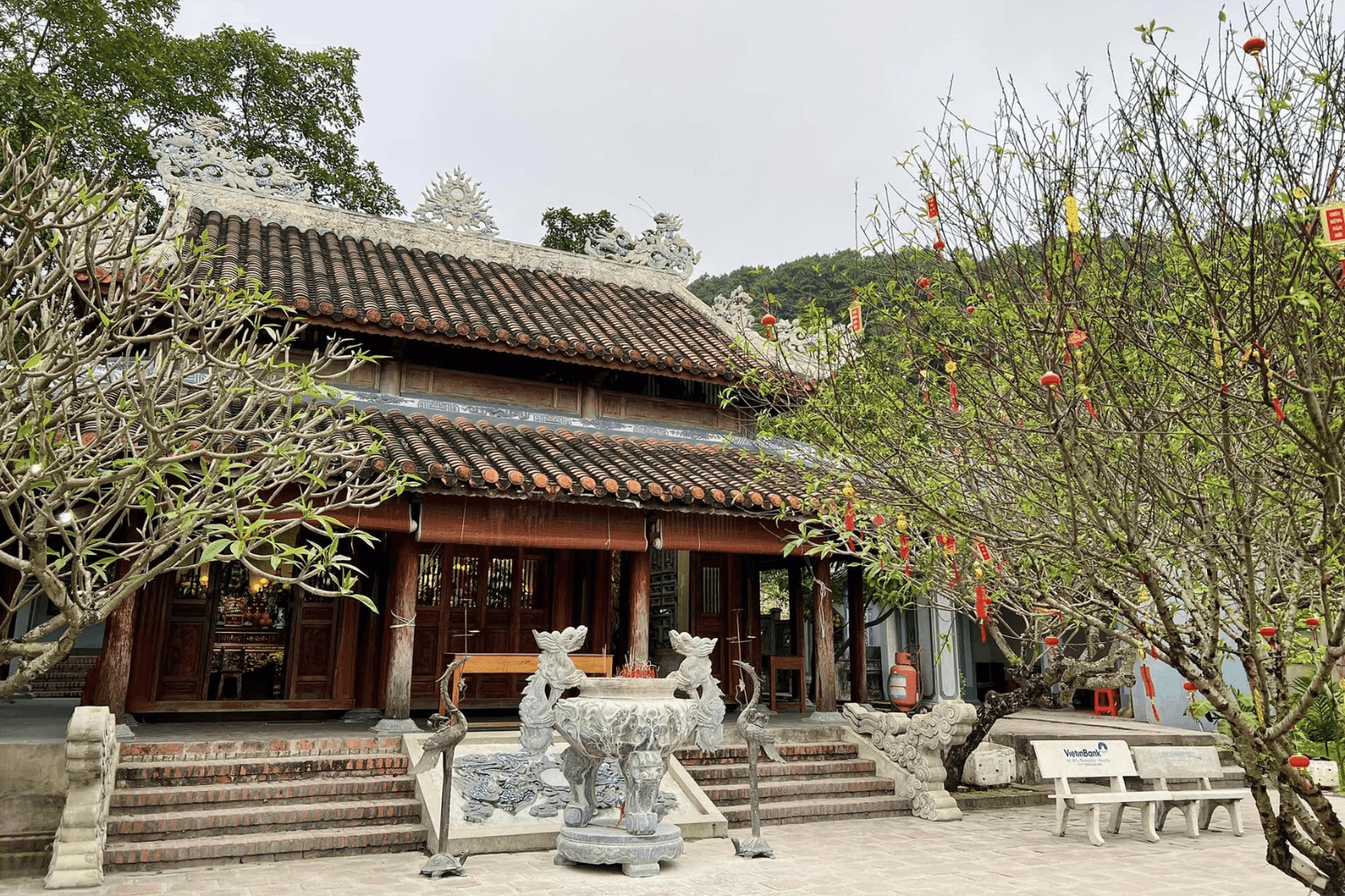
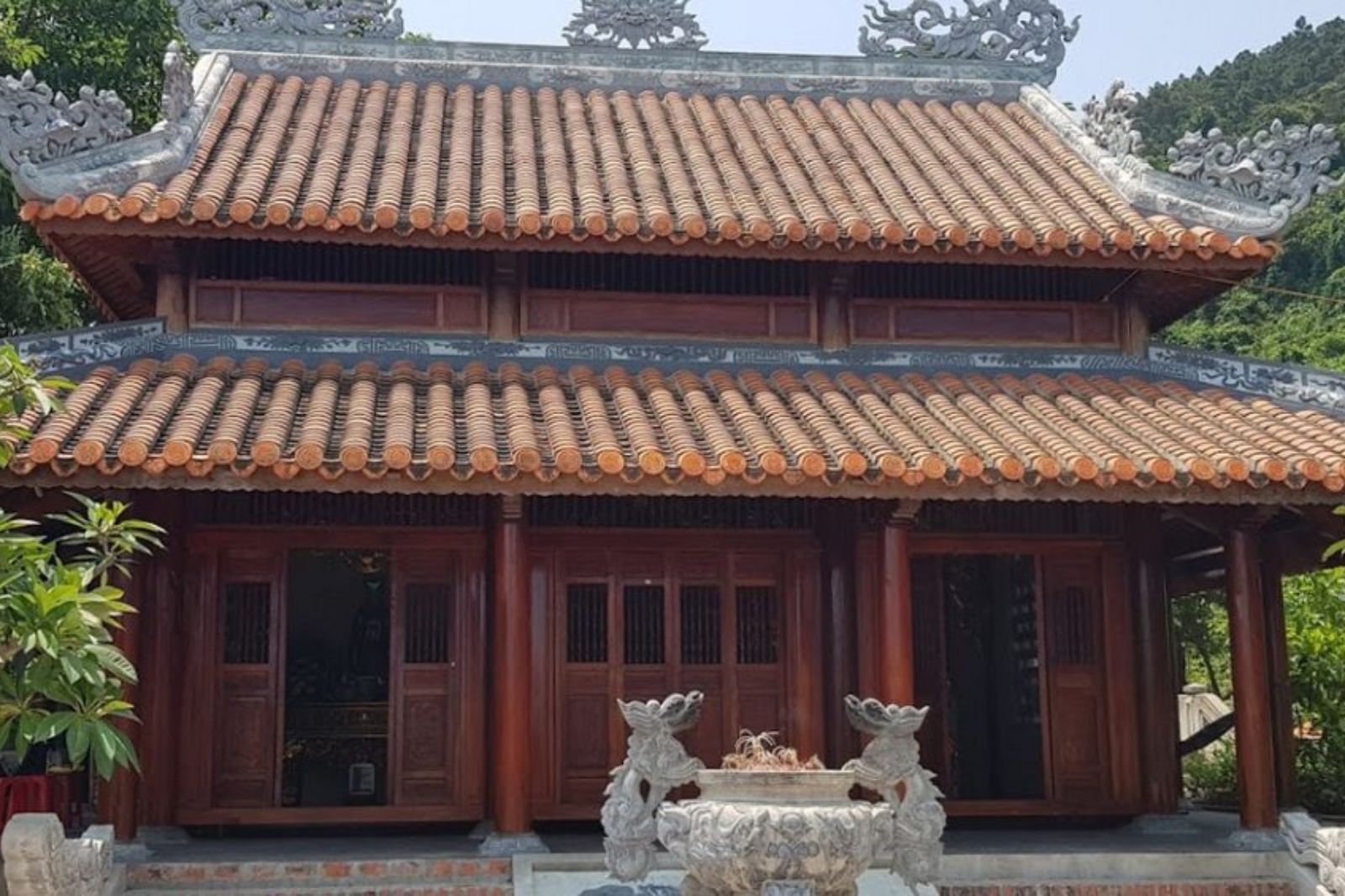
Covering an area of about 350m², the temple was solidly constructed using laterite, bricks, and traditional lime mortar, leaning against the Hoanh Son Range with its front facing Quang Dong Lake. The entire structure is steeped in classic Oriental style, from the three-door gate with unicorn-topped pillars to the main sanctuary intricately decorated with symbols of the Four Sacred Mythical Creatures (dragon, unicorn, turtle, phoenix), the Four Artistic Pursuits (zither, chess, poetry, painting), and the Four Seasons (pine, bamboo, apricot, chrysanthemum). Unique carved motifs such as 'chrysanthemum turning into dragon' or 'apricot turning into dragon' not only showcase master craftsmanship but also carry profound feng shui significance, symbolizing the permanence, prosperity, and flourishing of the nation and its people.
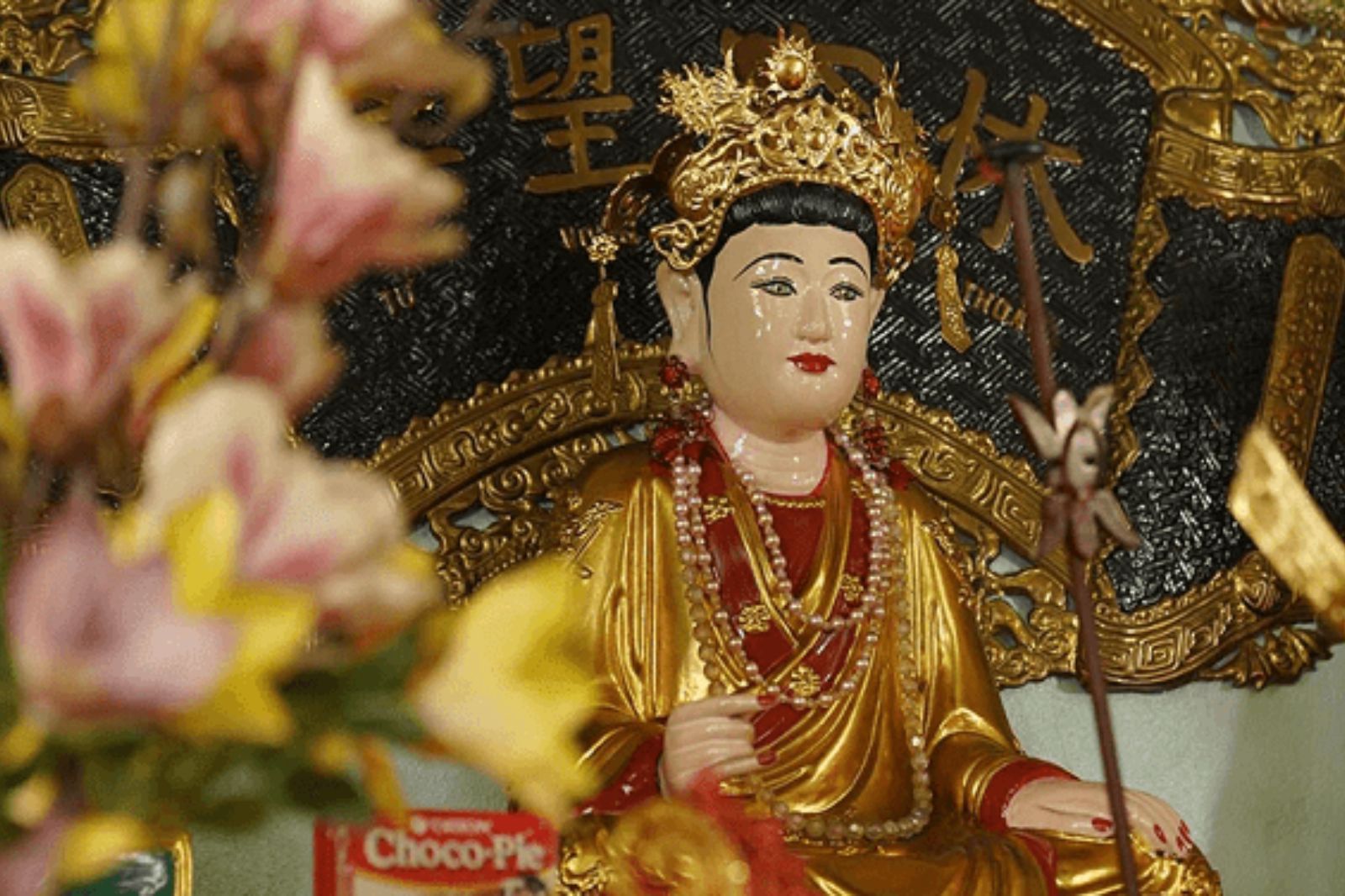
Holy Mother Lieu Hanh is the daughter of the Jade Emperor
Photo: Holy Mother Lieu Hanh is the daughter of the Jade Emperor

2. When and where does the Deo Ngang Princess Lieu Hanh Temple Festival take place?

Annually, the Princess Lieu Hanh Temple Festival at Deo Ngang (or the Commemoration Day of Holy Mother Lieu Hanh) is held from the 1st to the 3rd day of the 3rd lunar month, coinciding with the memorial of the Holy Mother's ascension. This is the time when thousands of local people and visitors from afar travel to Deo Ngang to offer incense, pray for peace and prosperity, and express their deep reverence for the Holy Mother, who has been venerated by the people for centuries.

The temple is located in Vinh Son village, Quang Dong commune, Quang Tri province (formerly part of Quang Trach district, Quang Binh province), right at the foot of Deo Ngang Pass and along National Route 1A. The temple boasts a special feng shui position with its back resting against the Hoanh Son Range and its front facing the East Sea, creating a scene that is both sacred and magnificent. Within the grounds is a system of altars dedicated to the First, Second, and Third Holy Mothers, bearing the distinct architectural mark of Mother Goddess worship.

From Dong Hoi city, visitors only need to travel about 50 km north along National Route 1A to reach the temple. If starting from the top of Deo Ngang Pass, traveling about 2 km south and turning into the access road will bring you to the relic site. Many visitors also combine their trip with a visit to the Lieu Hanh Temple on the northern side of Deo Ngang (Ha Tinh), creating a unique spiritual and cultural exploration journey across both sides of the pass.

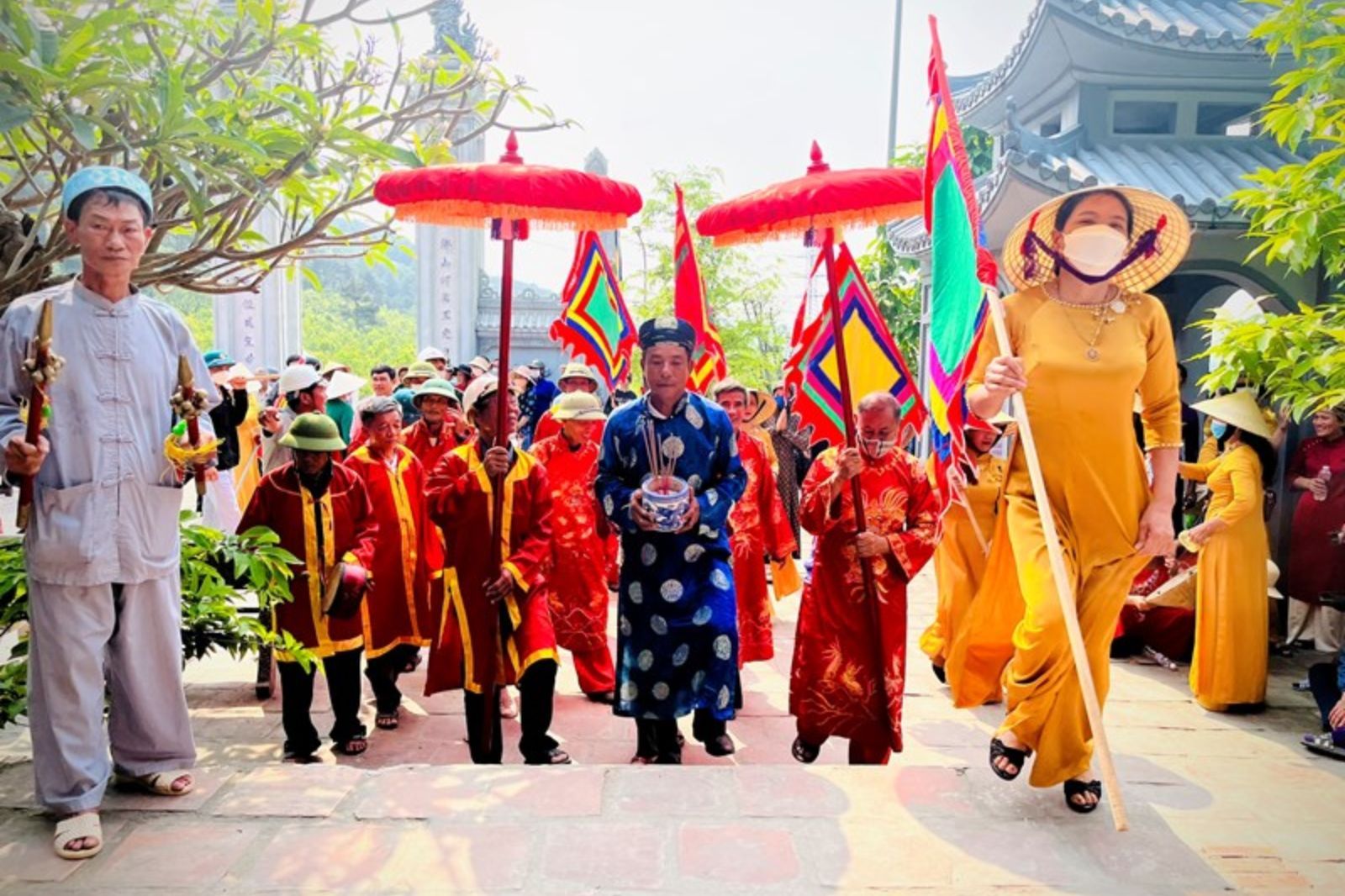
The Holy Mother Lieu Hanh Temple Festival being held

Photo: The Holy Mother Lieu Hanh Temple Festival being held 

3. Unique rituals of the Deo Ngang Princess Lieu Hanh Temple Festival

The Princess Lieu Hanh Temple Festival at Deo Ngang is a fusion between sacred spiritual space and the folk cultural identity of Central Vietnam residents. Throughout the festival days, the ritual and festive parts interweave, creating a solemn yet approachable and vibrant atmosphere.

  • Main rituals: Opening with the palanquin procession of the Holy Mother from the temple to the festival grounds, featuring a procession of hundreds of people dressed in traditional costumes carrying vibrant flags and flowers. This is followed by incense offering ceremonies, orations, and lion-dragon dances—rituals praying for national peace, favorable weather, and prosperity.

  • Cultural activities: A traditional market fair featuring Quang Binh specialties such as tapioca dumplings (banh bot loc), crab tapioca noodle soup (chao canh ghe), or fresh seafood. Visitors can participate in folk games like tug-of-war, blindfolded duck catching, or enjoy performances of cheo, tuong theater, and vi dam folk singing. 

  • Community activities: Cultural exchange sessions between locals and tourists, combined with a historical photo exhibition of the temple. Notably, on the main day (3rd day of the 3rd lunar month), the Mother's death anniversary ceremony takes place, where everyone kneels and prays together.

Not only is it an occasion to commemorate Holy Mother Lieu Hanh, but the festival is also a gathering place for faith, preserving long-standing cultural values and attracting numerous locals and travelers from all directions to offer incense and pray for peace, health, and a auspicious year ahead.

The festival helps young people understand more about root cultural heritage

Photo: The festival helps young people understand more about root cultural heritage 

4. Tips for attending the Deo Ngang Princess Lieu Hanh Temple Festival

The festival takes place in the 3rd lunar month (usually falling in April). The temple is open year-round; however, visitors should avoid the storm season (from September to November) for easier travel and sightseeing. To have a complete and meaningful pilgrimage, visitors should keep in mind the following tips:

  • Best time to visit: The ideal time is from the 1st to the 3rd day of the 3rd lunar month, when unique rituals and cultural activities of the festival take place. In addition, the temple receives large numbers of visitors on the 1st day of the lunar month, the full moon day, and during Lunar New Year (Tet).

  • Attire: Select polite, modest clothing suitable for a sacred worshipping space. Prepare extra drinking water, an umbrella or sun hat, and small change for incense offerings and donations.

  • Offerings: Offerings usually include incense, flowers, fruits, sweets, puffed rice porridge (chao no), and vegetarian items. Visitors can prepare them in advance or purchase them near the temple area.

  • Accommodation and Cuisine: If you want to stay overnight to experience the festival atmosphere, you can choose local homestays or guesthouses priced at around 300,000 – 500,000 VND/night. Don't forget to savor famous specialties like tapioca dumplings (banh bot loc), noodle soup (chao canh), fresh seafood, and rustic dishes of the coastal region.

  • Suggested 2-day 1-night itinerary:

    • Day 1: Depart from Dong Hoi, stop to admire the scenery of Deo Ngang Pass, visit Princess Lieu Hanh Temple, and participate in the festival opening activities.

    • Day 2: Offer incense on the main festival day, visit nearby historical sites such as Hoanh Son Quan Gate, or combine with a visit to the Lieu Hanh Temple on the Ha Tinh side before returning.

  • Important notes: Maintain general hygiene, comply with regulations set by the organizing committee, refrain from pushing or shoving, and respect traditional rituals to help preserve the cultural beauty of the festival.

The temple is located at Deo Ngang

Photo: The ancient atmosphere of the temple 

5. Cultural and spiritual significance of the festival

The Princess Lieu Hanh Temple Festival (Quang Binh) plays a pivotal role, extending far beyond a simple religious event. It serves as a sacred bridge connecting past and present, humanity and nature, and stands as a multi-layered cultural symbol.

The festival is an integral part of the Tam Phu Mother Goddess worship tradition, honoring the image of the Mother—the embodiment of protection, granting health and fortune. In modern society, the festival fulfills deep spiritual needs, helping individuals find balance between reality and the supernatural. It guides people toward core values such as compassion, love for the homeland and nation, and a strong sense of community spirit.

From a cultural perspective, the festival strongly reflects the resilient identity of the people of Quang Binh, especially those in coastal areas, expressed through solemn rituals facing their roots. The festival becomes an invaluable 'shared asset,' not only reinforcing social cohesion but also fulfilling the vital function of transmitting profound historical and cultural values to younger generations.

The festival still retains its rich cultural identity today
Photo: The festival still retains its rich cultural identity today 

Attending the festival offers a unique blended experience where visitors have the chance to witness the intersection of history and contemporary life. It provides a space for visitors to perform rituals praying for peace and fortune for their families, while directly experiencing the enduring vitality of Vietnamese folk culture and beliefs.

Stepping through the temple gates is stepping into another world—where the sounds of the past still echo, where human hearts find solace, reminded of the most precious things. And perhaps, amid that sacred atmosphere, each person will rediscover themselves: a peaceful soul carrying a sky full of homeland memories.

Loading......

Featured destinations