Hai Van Gate – Historical Relic on Top of Hai Van Pass

Central

Da Nang

Sovaba.travel

Updated at: 02/10/2026

1. Where is Hai Van Gate?

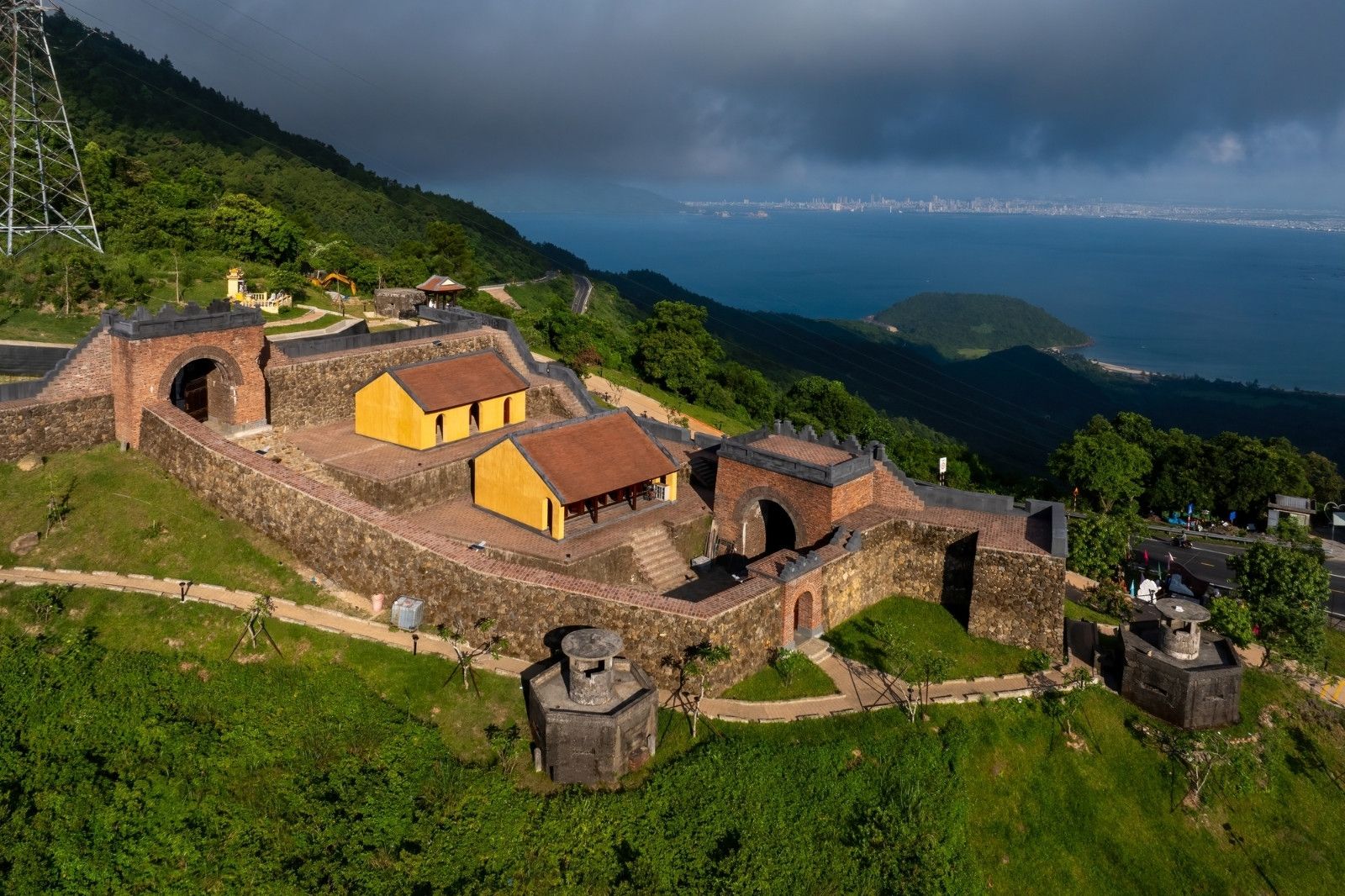
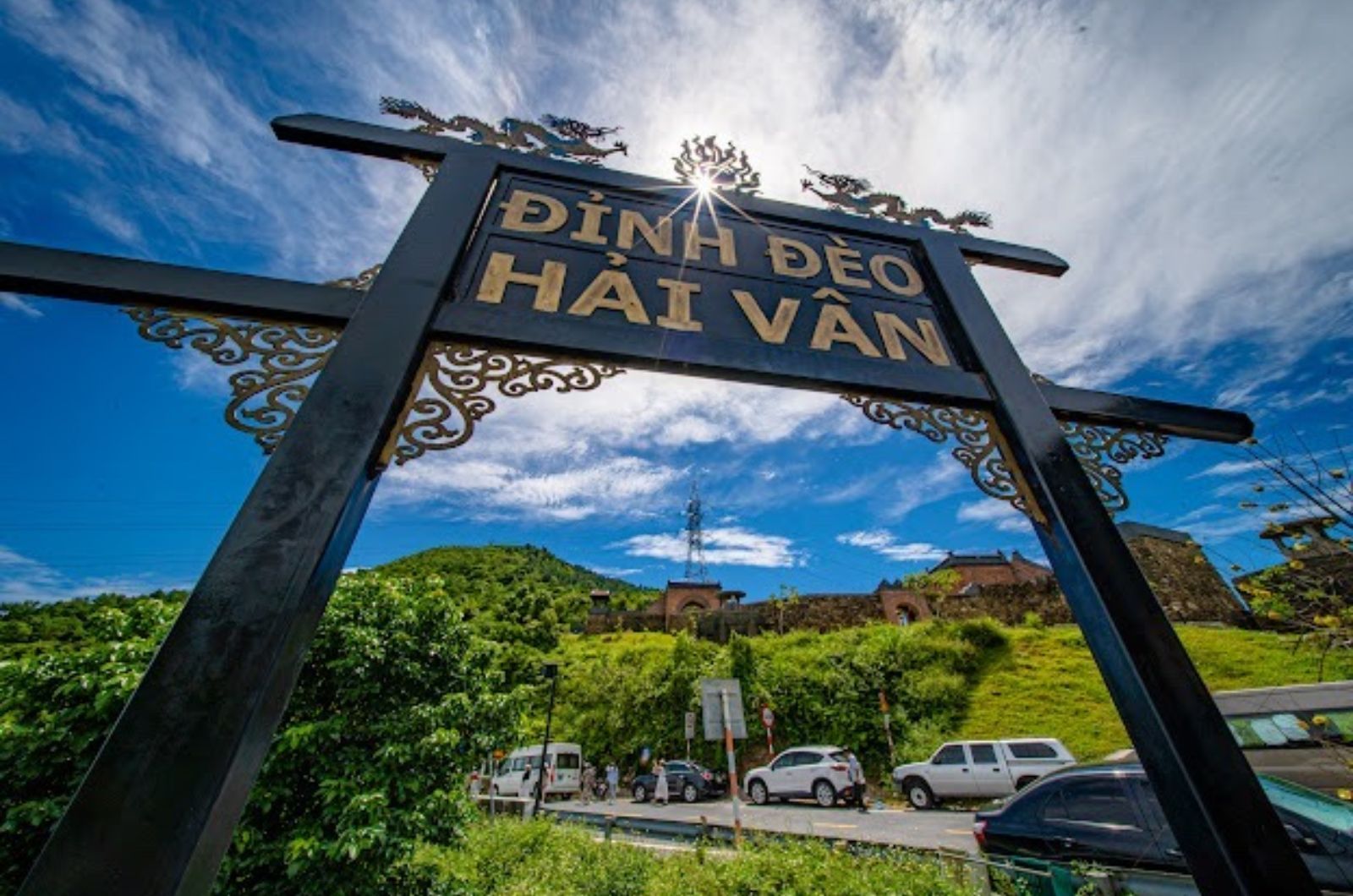
Hai Van Gate is located on the peak of Hai Van Pass (also known as Ai Van), belonging to the Bach Ma – Hai Van mountain range, at an altitude of about 496m above sea level. This is the administrative boundary location between two localities:

  • Lang Co Town, Phu Loc District, Thua Thien Hue Province (to the North)
  • Hoa Hiep Bac Ward, Lien Chieu District, Da Nang City (to the South)

The relic is situated between two mountains, Hai Van Son to the East and Ba Son to the West, creating a rugged terrain with important strategic significance throughout history.

From Da Nang city center, Hai Van Gate is about 28km to the North, while the distance from Hue City is nearly 90km to the South. Thanks to this special location, this place has long been considered the “choke point” of the North – South transportation route, as well as an ideal observation point offering panoramic views of Da Nang Bay, Son Tra Peninsula, Cu Lao Cham, and the Lap An Lagoon – Lang Co Bay area.
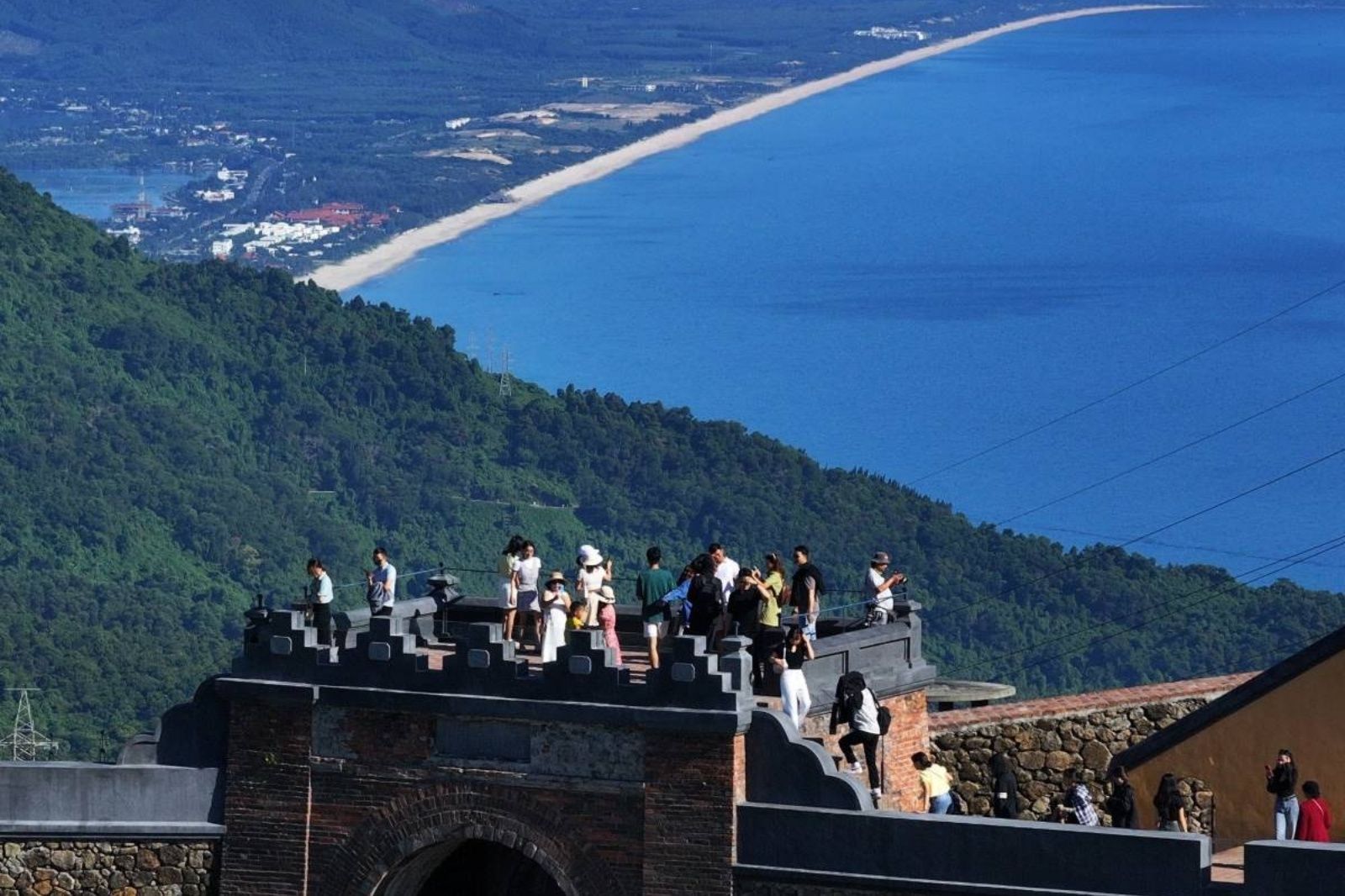
Unique strategic location on top of Hai Van Pass
Photo: Unique strategic location on top of Hai Van Pass

2. The history of Hai Van Gate through different periods

Hai Van Gate is not just a single military structure, but a historical mark formed and developed across various dynasties. Over hundreds of years, this place has witnessed major shifts in Vietnamese history, from the feudal era to modern times.

  • Tran Dynasty (14th century): The pass existed early on when Hai Van Pass became a natural border between Dai Viet and the Champa kingdom (after Princess Huyen Tran's marriage in 1306). At this time, there were only isolated military outposts and guard stations.
  • Le Dynasty (1470): King Le Thanh Tong personally led an expedition to Champa, halted his troops here, and according to legend, bestowed the title “The Most Heroic Gate Under Heaven”.
  • Nguyen Lords and Nguyen Dynasty: Hai Van Pass was considered the “choke point of the Thuan Quang region”. In 1826 (7th year of Minh Mang's reign, 2nd lunar month of the Binh Tuat year), King Minh Mang issued a decree to construct a large-scale, solid defensive fortress to protect the Hue Citadel. The project was completed quickly thanks to laborers from Thua Thien prefecture and Quang Nam province.
  • Colonial and Resistance War Periods: After 1885, the gate gradually deteriorated. French and American militaries built bunkers and posts here. During the two resistance wars against the French and Americans, Hai Van Pass witnessed many fierce battles.
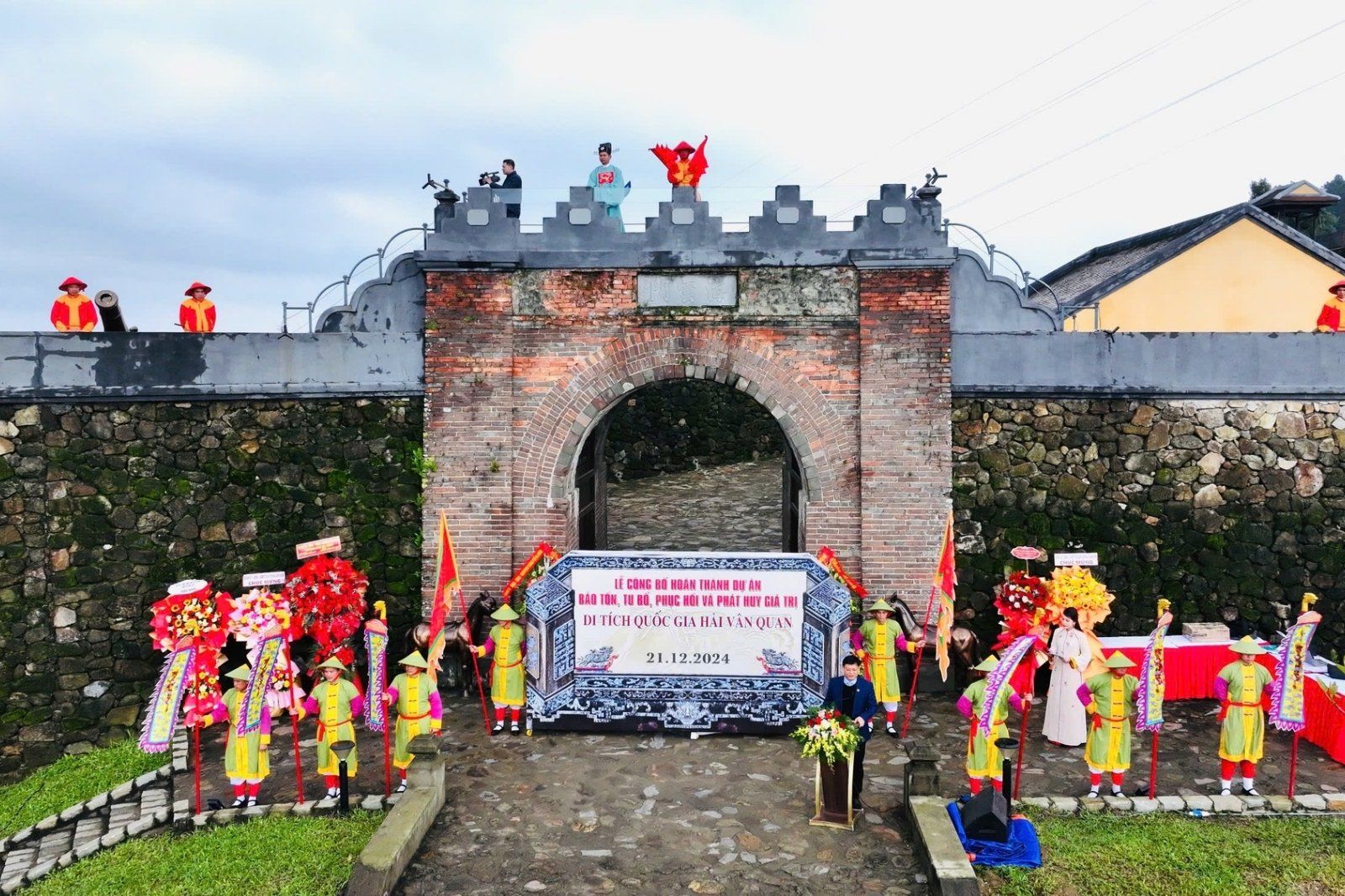
  • Modern Period: In 2017, it was classified as a National Historical and Architectural Artistic Relic. From 2021–2024, Da Nang and Thua Thien Hue jointly undertook a major restoration (over 42 billion VND), restoring it to its original Nguyen Dynasty state. The relic officially opened to visitors in August 2024 (temporary free admission).

It can be seen that, from an ancient military pass to a famous historical and cultural relic, Hai Van Gate has gone through many historical ups and downs. That rich history has created special values, turning this place into one of the most impressive historical symbols and landscapes atop Hai Van Pass.

Hai Van Gate revived after restoration process
Photo: Hai Van Gate revived after restoration process

3. What makes the ancient architecture of Hai Van Gate special?

After restoration, Hai Van Gate appears majestic and grand, fitting the military architectural style of the Nguyen Dynasty. The most prominent highlight is the two large gate arches built of heavy bricks in a vaulted style, similar to the city gates of Hue but without a watchtower:

  • North Gate (facing Thua Thien Hue): Engraved with three large characters “Hai Vân Quan”.
  • South Gate (facing Da Nang/Quang Nam): Engraved with six characters “Thiên ha de nhat hung quan” along with the inscription “Minh Menh that niên cat nhat tao” (built on an auspicious day in the 7th year of Minh Mang, 1826).

Surrounding it is a system of closely stacked stone walls forming ramparts, inside of which are:

  • Garrison quarters (for guard troops).
  • Armory (weapon warehouse).
  • Observation platform facing all four directions with access staircases.

The entire structure harmoniously combines defensive functions (solid, easy to observe) with ancient aesthetics. After restoration, visitors can easily visualize the scale of the old fortress with its Great Wall system, steps, and auxiliary components.

Attractive tourist destination on Hai Van Pass
Photo: Attractive tourist destination on Hai Van Pass

4. Why is Hai Van Gate called the 'Most Magnificent Gateway Under Heaven'?

Hai Van Gate was not constructed at a single point in time, but evolved across multiple historical periods. From a simple military outpost, it gradually became an important defensive fortress on top of Hai Van Pass.

  • Tran Dynasty (14th century): The Hai Van Pass area served as a natural border between Dai Viet and Champa after Princess Huyen Tran's marriage in 1306. At that time, military outposts and guard stations were established to control the pass route.
  • Le Dynasty (1470): King Le Thanh Tong, during his southern campaign against Champa, halted his troops here and is said to have bestowed the title “The Most Heroic Gate Under Heaven”.
  • Nguyen Dynasty (1826): King Minh Mang built Hai Van Gate into a solid fortress to protect the capital of Hue and control the North – South traffic route.
  • Colonial and War Periods: After 1885, the structure gradually fell into disrepair; French and American forces built additional military bunkers in the area.
  • Modern Era: In 2017, Hai Van Gate was recognized as a National Historical and Architectural Artistic Relic. From 2021–2024, the site underwent restoration and officially opened to visitors in August 2024.

Thanks to its deep history across many periods, Hai Van Gate today is not only an ancient military structure but also a historic-cultural relic and a prominent tourist attraction on top of Hai Van Pass.

5. Directions to Hai Van Gate from Da Nang and Hue

To visit Hai Van Gate, tourists can conveniently travel from both Da Nang and Hue, as the relic is located right at the top of Hai Van Pass – a crucial transportation route connecting the two localities.

  • From Da Nang (about 28–30km, 40–60 minutes): Travelers follow National Highway 1A heading North, pass through the Lien Chieu area, and then begin ascending Hai Van Pass. The road has clear signposts leading to the top of the pass and Hai Van Gate. 
  • From Hue (about 80–90km, 1.5–2 hours): From Hue city center, take National Highway 1A heading South through Lang Co, then continue up Hai Van Pass to reach Hai Van Gate. Visitors can also take the La Son – Tuy Loan expressway and turn onto the pass road to visit.

Some notes when traveling:

  • The best time to visit is from February to August, when the weather is dry and visibility is clear.
  • The pass road is quite winding, so drive slowly and pay attention to safety.
  • The area near the relic has a large parking lot, convenient for visitors to stop and explore.

Thanks to its location between two major tourism hubs, traveling to Hai Van Gate is quite easy, allowing visitors to combine it into an exciting Da Nang – Hue itinerary.

Hai Van Gate located between Da Nang and Hue
Photo: Hai Van Gate located between Da Nang and Hue  

6. Must-try experiences when visiting Hai Van Gate

Coming to Hai Van Gate, visitors not only explore a famous historical site but also have the opportunity to experience the magnificent natural landscape on top of Hai Van Pass. This place offers many exciting activities that you shouldn't miss on your journey of exploration.

  • Check-in at the ancient gate: Take photos at the two city gates featuring distinct ancient inscriptions – an iconic symbol of Hai Van Gate.
  • Enjoy panoramic nature views from the peak: From here, you can see Lang Co Bay and Lap An Lagoon to the North, while to the South lie Da Nang City, Son Tra Peninsula, and Cu Lao Cham.
  • Hunt clouds, watch sunrise and sunset: Early morning or late afternoon is when the scenery becomes most impressive, with floating clouds and gentle sunlight.
  • Explore the restored historical site: Visitors can stroll around the fortress area, observation deck, and learn about history through information display boards.
  • Light trekking around the pass: Some high vantage points near the site, such as the old radar station area, offer impressive panoramic views of Hai Van Pass.
  • Enjoy coffee or a picnic: Many tourists choose to stop and relax, sipping coffee while admiring the mountain and sea views right at the peak area.

With its harmonious blend of historical value and natural scenery, Hai Van Gate is not only a famous sightseeing spot but also a place where travelers can fully appreciate the majestic beauty of Hai Van Pass.

Check-in at Hai Van Gate
Photo: Check-in at Hai Van Gate 

With the magnificent revival of Hai Van Gate, we not only witness the restoration of a nearly 200-year-old architectural work, but also feel the seamless flow of national history and culture. "The Most Heroic Gate Under Heaven" has now regained its inherent majesty, becoming a shared symbol of solidarity and sustainable cooperation between Thua Thien Hue and Da Nang. Through careful preservation efforts and the application of modern technology to the visitor experience, Hai Van Gate has been repositioned on Vietnam's heritage map – not just a defensive fortress of the past, but a living cultural landmark and a must-visit destination on the journey to discover the magnificent beauty of Central Vietnam, especially for those choosing a Hai Van Pass tour.

Loading......

Featured destinations