The Ultimate Travel Guide to Tra Que Vegetable Village, Hoi An

Central

Da Nang

Sovaba.travel

Updated at: 24/09/2026

1. Where is Tra Que Vegetable Village located?

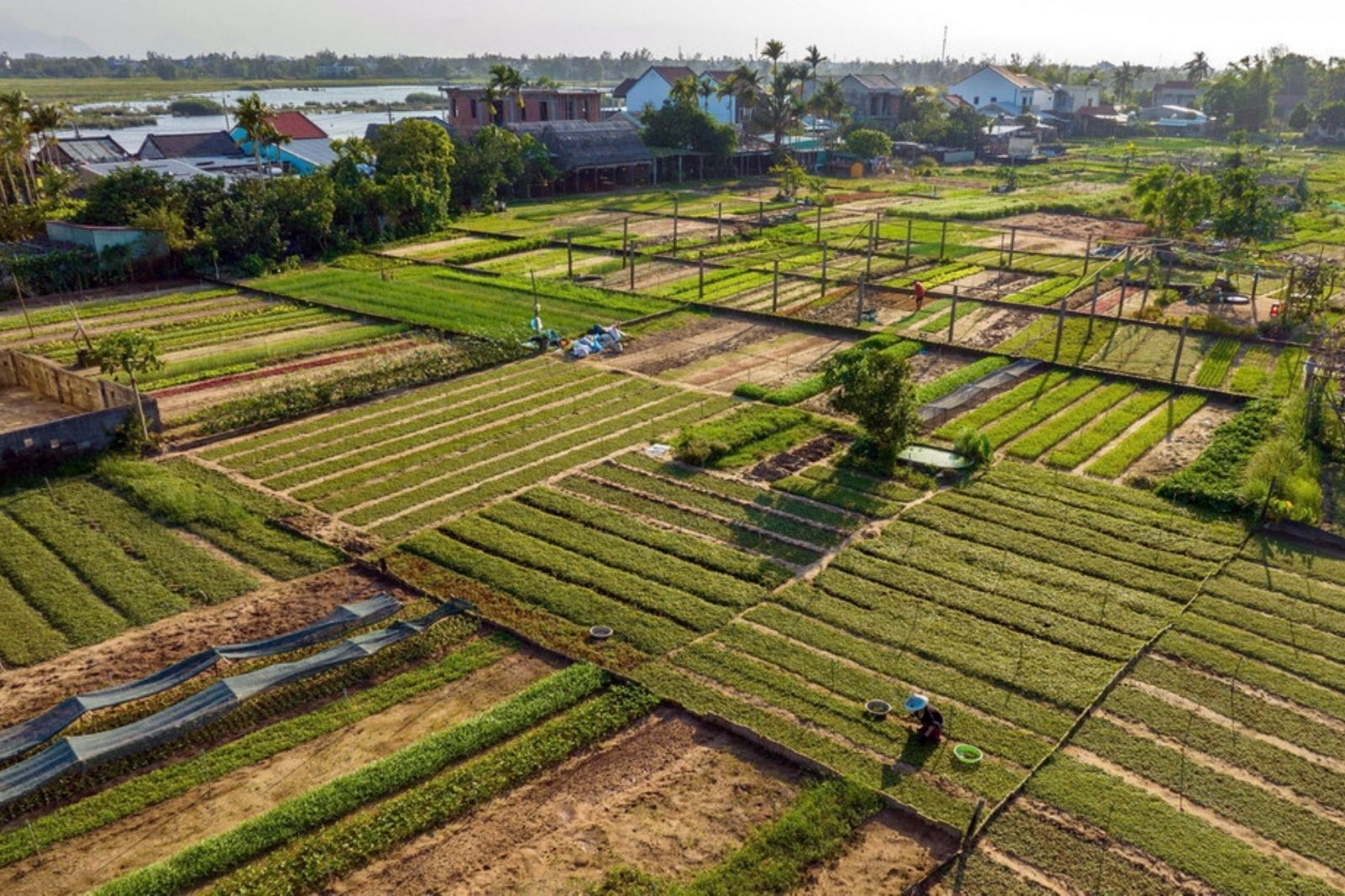
Located about 2–3 km to the northeast of Hoi An Ancient Town, Tra Que Vegetable Village is situated in Hoi An Tay Ward, Da Nang City. Evolving from a traditional vegetable-farming craft village, Tra Que today has become a favorite destination for many travelers thanks to its verdant rural landscape and experiences tied to local agricultural life. The village lies on a tract of land bordered by the Co Co River (De Vong River) and the Tra Que Lagoon. Alluvial sandy soil, abundant water sources, and a favorable climate have created ideal conditions for herbs to thrive, contributing to the distinct flavors of Hoi An cuisine.

How to get there:

  • From Hoi An Ancient Town: Take Hai Ba Trung Street, cross the bridge, about 10–15 minutes by motorbike or bicycle (the most enjoyable way).

  • Taxi, Grab, or tourist shuttle buses are also very convenient.

  • Cars can be parked near the village gate, allowing visitors to walk or cycle inside.
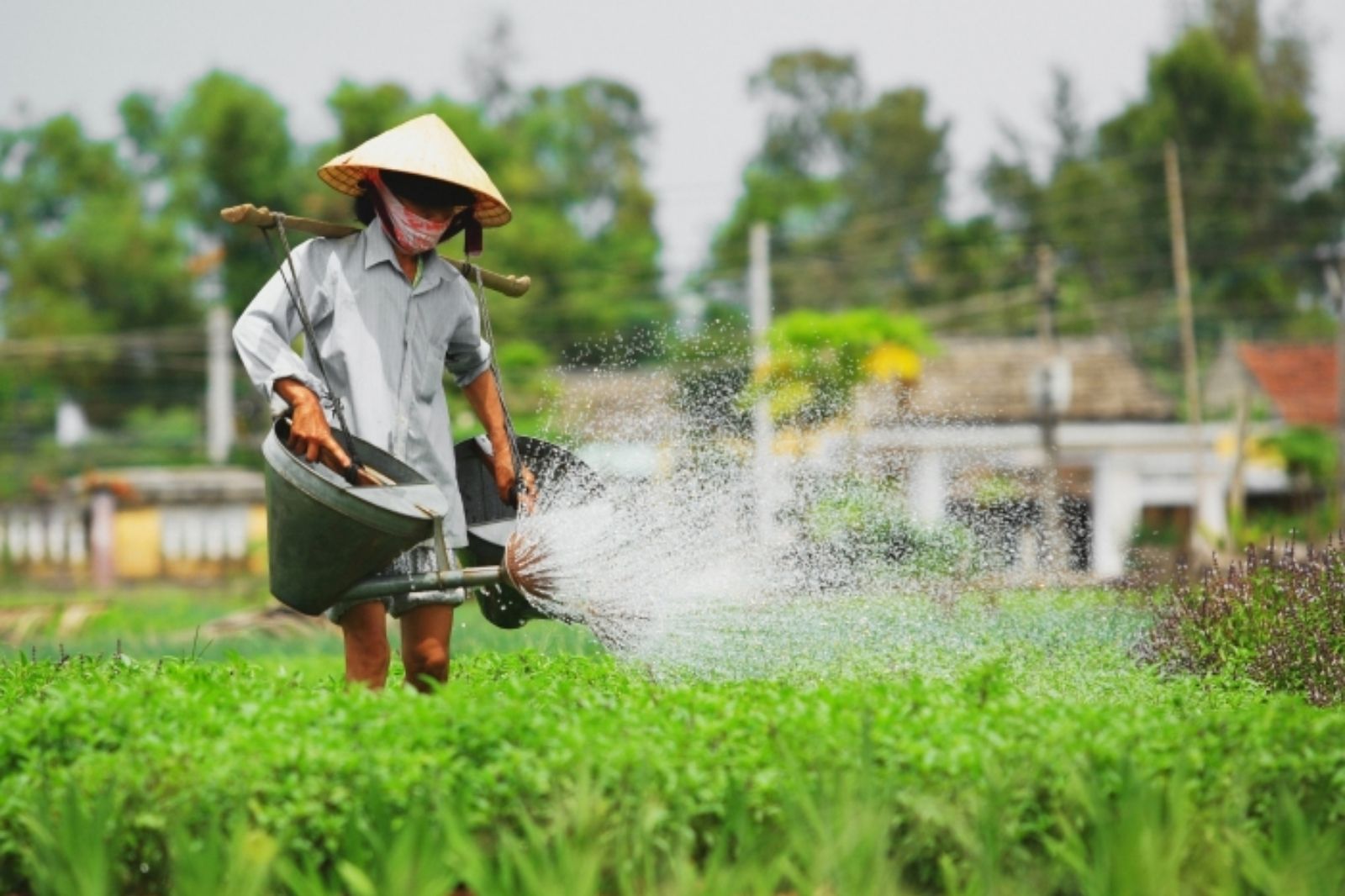
Tra Que Village is famous for its vegetable-farming craft

Photo: Tra Que Village is famous for its vegetable-farming craft 

2. Formation History and Cultural Values of Tra Que Vegetable Village

With a history of over 400 years, Tra Que originated from fishermen living along the De Vong River. When fishing became difficult, they turned to clearing land and growing vegetables, gradually discovering that the soil conditions here were uniquely suited for aromatic herbs. The name "Tra Que" is believed to originate from "Nhu Que," evoking the fragrance and characteristic flavor of the herbs. Legend has it that in the 18th century, a king of the Nguyen Dynasty tasted the vegetables here and noticed their tea-like aroma and cinnamon-like spice, hence the name Tra Que was adopted.

What sets the vegetable village apart is its traditional farming method, where locals use seaweed harvested from the river and lagoon along with decomposed manure for fertilization, minimizing chemical use. More than 20 types of vegetables, especially aromatic herbs such as sweet basil, perilla, fish mint, lemon basil, scallions, and coriander, contribute to the signature flavors of many Hoi An dishes like cao lau, mi Quang, and banh xeo. Beyond being a craft village, Tra Que preserves various cultural landmarks such as the ancient Cham stone well, the Earth God temple, the Five Elements temple, and the Cau Bong Festival held on the 7th day of the first lunar month, when locals pray for favorable weather and bumper crops.

Notably, in April 2022, the Tra Que vegetable-farming craft was recognized by the Ministry of Culture, Sports and Tourism as a National Intangible Cultural Heritage. This title acknowledges not only the value of the vegetable beds but also the farming knowledge and cultural life preserved by the community across generations.

3. Ideal Time to Visit Tra Que Vegetable Village, Hoi An

Tra Que is lush and green year-round, but February to May is considered the most favorable time to visit. This is the dry season, featuring relatively pleasant weather with little rain, while the sprouting green vegetable beds create a picturesque setting for sightseeing and photography. If you prefer the fresh vibrancy of the countryside after rainfall, you might consider September to November. The landscape during this period is even greener, the air is cool, and the scenery carries a unique, pristine charm.

The time of day also greatly influences the experience. Around 6:30 AM–9:00 AM or 3:00 PM–5:30 PM is the ideal time to visit Tra Que. The weather is cooler, the lighting is soft, and this is also when locals begin their tasks of tending, watering, and harvesting vegetables, giving visitors a chance to closely observe the rhythm of life in the craft village. From June to August, Tra Que can still be visited normally, but the weather is hotter, so hats, drinking water, and sunscreen are essential.

Tra Que Vegetable Village from above

Photo: Tra Que Vegetable Village from above 

4. Exciting Experiences When Visiting Tra Que Vegetable Village, Hoi An

Upon visiting Tra Que Vegetable Village, travelers will have the opportunity to engage in activities close to nature and experience the quintessential rural life of Hoi An. The lush green surroundings and slow-paced lifestyle here induce a sense of relaxation, making it easy for many to fall in love at first sight.

Highlighted experiences at Tra Que Vegetable Village:

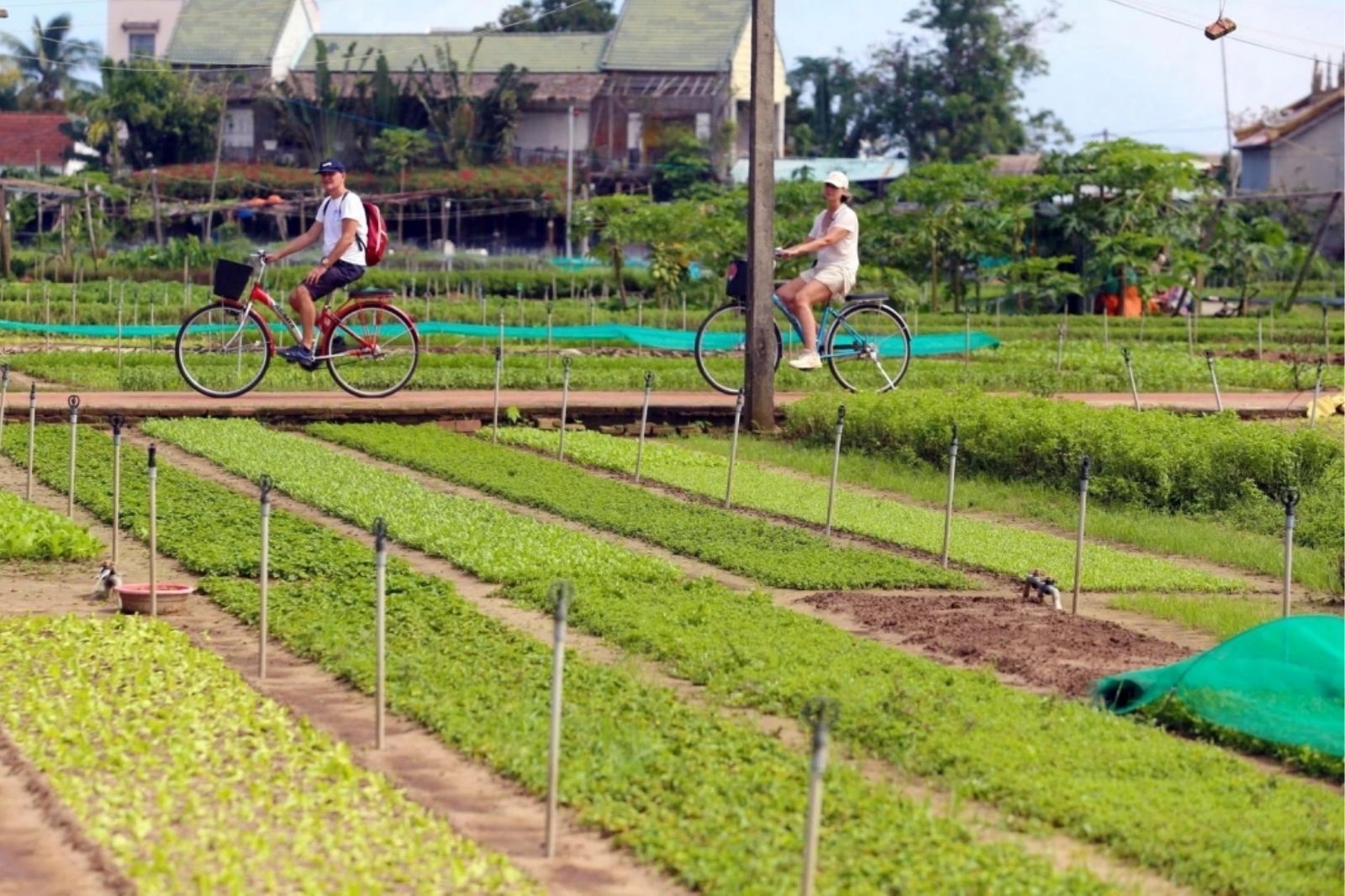
  • Cycling among green vegetable beds: Small paths wind through the fields, flanked by neatly aligned vegetable beds and the gentle fragrance of culinary herbs. In the early morning, the atmosphere is exceptionally fresh and peaceful.

  • Experiencing life as a farmer: You can try chores such as watering vegetables, planting crops, tilling the soil, or learning how locals tend to their crops using traditional methods.

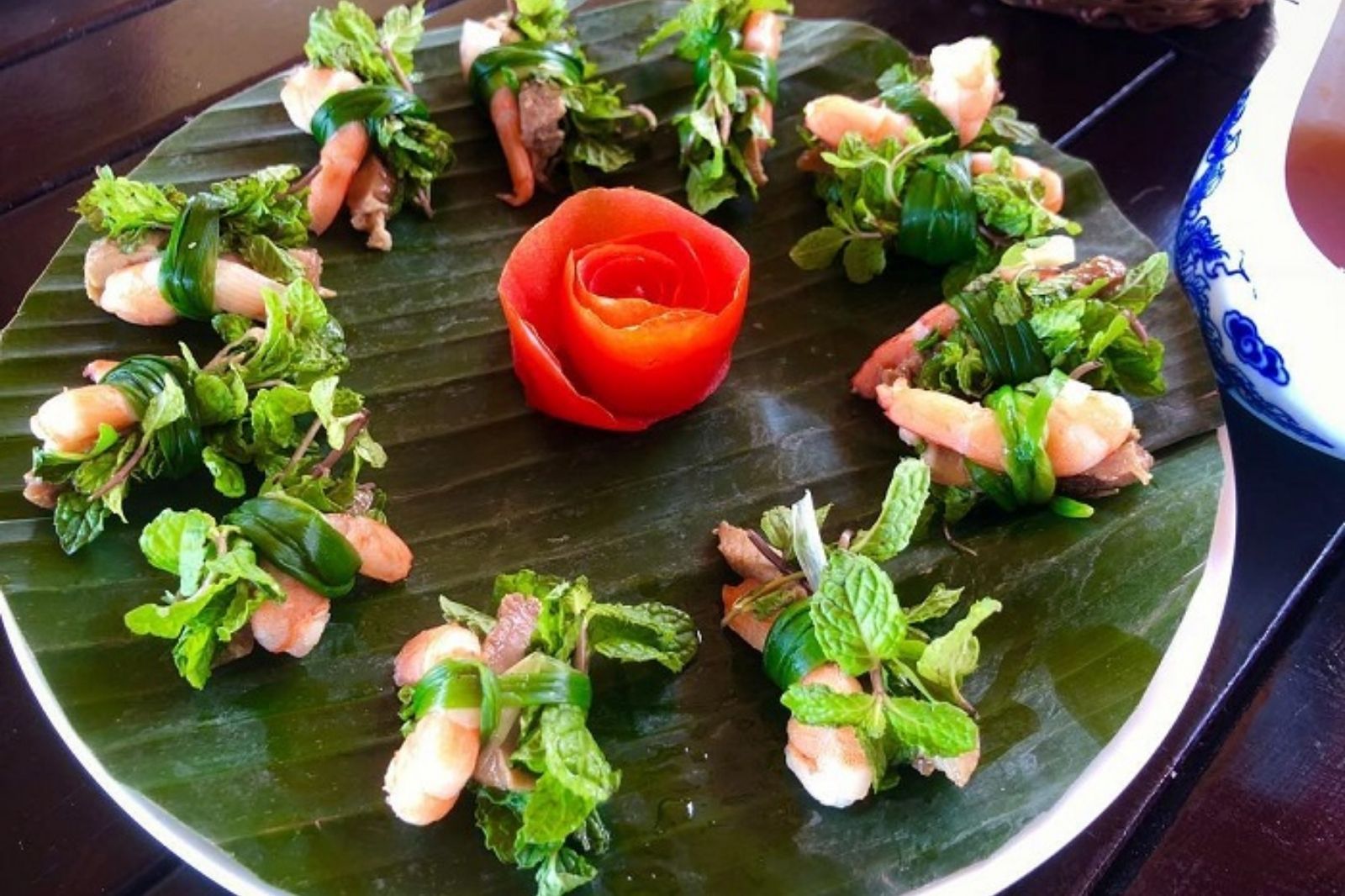
  • Savoring Hoi An specialties: Fresh Tra Que herbs are featured in many local dishes such as mi Quang, banh xeo, and Tam Huu shrimp rolls... Some experiences also include enjoying refreshing basil seed drinks.

  • Learning to cook local dishes: Cooking classes in the village area typically guide visitors from gathering ingredients to food preparation and cooking familiar Hoi An dishes.

  • Buying Tra Que vegetables as souvenirs: Fresh, green bunches of herbs make a simple yet meaningful keepsake bearing the imprint of the craft village.

These simple yet authentic experiences are what create the unique charm of Tra Que Vegetable Village, offering travelers a peaceful connection with nature.

Cycling around the vegetable village

Photo: Cycling around the vegetable village 

5. Participating as a Farmer at Tra Que Vegetable Village, Hoi An

One of the most beloved activities for visitors coming to Tra Que Vegetable Village is the chance to become a "genuine farmer" for a day. This activity is not only fun but also helps travelers better understand the long-standing traditional farming trade of the local people.

When participating in this experience, you will:

  • Don traditional farming attire such as the ba ba shirt and conical hat, creating an intimate connection with the rural landscape.
  • Directly take part in farming stages, from tilling the soil, sowing seeds, fertilizing with seaweed, watering plants with a shoulder pole, to harvesting vegetables.
  • Learn about traditional organic farming processes, a signature cultivation method of Tra Que village, renowned for using natural fertilizers from seaweed and clean water sources.

This activity typically lasts about 1–2 hours, making it ideal for families, students, groups of friends, or team-building programs. Many travelers share that this is the first time they have experienced farm work, giving them a deeper appreciation for the value of labor and clean agricultural produce.

Cooking experience at Tra Que Vegetable Village
Photo: Cooking experience at Tra Que Vegetable Village 

6. Entrance Fees and Experience Costs at Tra Que Vegetable Village

The cost of exploring Tra Que is quite flexible, depending on whether you only wish to tour the vegetable village or actively participate in experiential activities.

  • Entrance ticket: about 35,000 VND/person, suitable for walking, cycling, and exploring the vegetable village grounds.

  • Farmer experience: about 200,000–500,000 VND/person, depending on the program and included activities.

  • Cooking class: about 300,000–400,000 VND/person or higher depending on the itinerary.

  • Bicycle rental: about 50,000–100,000 VND/hour.

If you want a relatively comprehensive experience—spanning sightseeing, farming, and culinary activities—you can budget around 300,000–800,000 VND/person.

Note: Prices may vary depending on the timing, service provider, and itinerary content. If visiting on weekends or during peak season, it is advisable to check and book in advance to ensure a smooth schedule.

7. Tips for Visiting Tra Que Vegetable Village

To ensure your trip to Tra Que Vegetable Village goes smoothly and delivers a complete experience, travelers should keep in mind some practical tips regarding visiting hours, proper etiquette for farming activities, and essential notes for traveling and exploring the craft village.

  • Preparing attire: Wear comfortable, breathable clothing and sports shoes since you will be doing a lot of walking. Don't forget hats, sunscreen, and drinking water to protect against the sun.

  • Combining destinations: Tra Que can be combined in the same itinerary with Hoi An Ancient Town, An Bang Beach, or Bay Mau Coconut Forest, depending on your schedule and mode of transportation.

  • Visiting early: Mornings offer cool air and beautiful lighting, and it's also when locals start their farm work. This is typically the ideal time to sightsee while absorbing the vibrant rhythm of the village.

  • Checking the weather: Most activities in Tra Que take place outdoors, so check the weather forecast before your trip and remain flexible to adjust your schedule if it rains.

International tourists enjoying the experience at Tra Que Vegetable Village

Photo: International tourists enjoying the experience at Tra Que Vegetable Village 

With its lush green farming spaces, traditional organic cultivation methods, and lifestyle deeply connected to nature, Tra Que Vegetable Village in Hoi An offers travelers a fresh perspective on local life and culture. The experiences here make exploring Hoi An more diverse, harmoniously blending sightseeing, craft village discovery, and sustainable agricultural values. To make your trip even more fulfilling, you can include Tra Que Vegetable Village in your Hoi An Ancient Town tours, where itineraries are scientifically designed, easy to navigate, and rich in cultural experiences. Booking a tour helps you save time, gain deeper insight into heritage, and experience Hoi An not just through architecture, but also through its native way of life.

Loading......

Featured destinations