Hoi An White Rose Dumplings: The Culinary "Flower" Captivating Travelers

Central

Da Nang

Sovaba.travel

Updated at: 24/09/2026

1. What are Hoi An white rose dumplings?

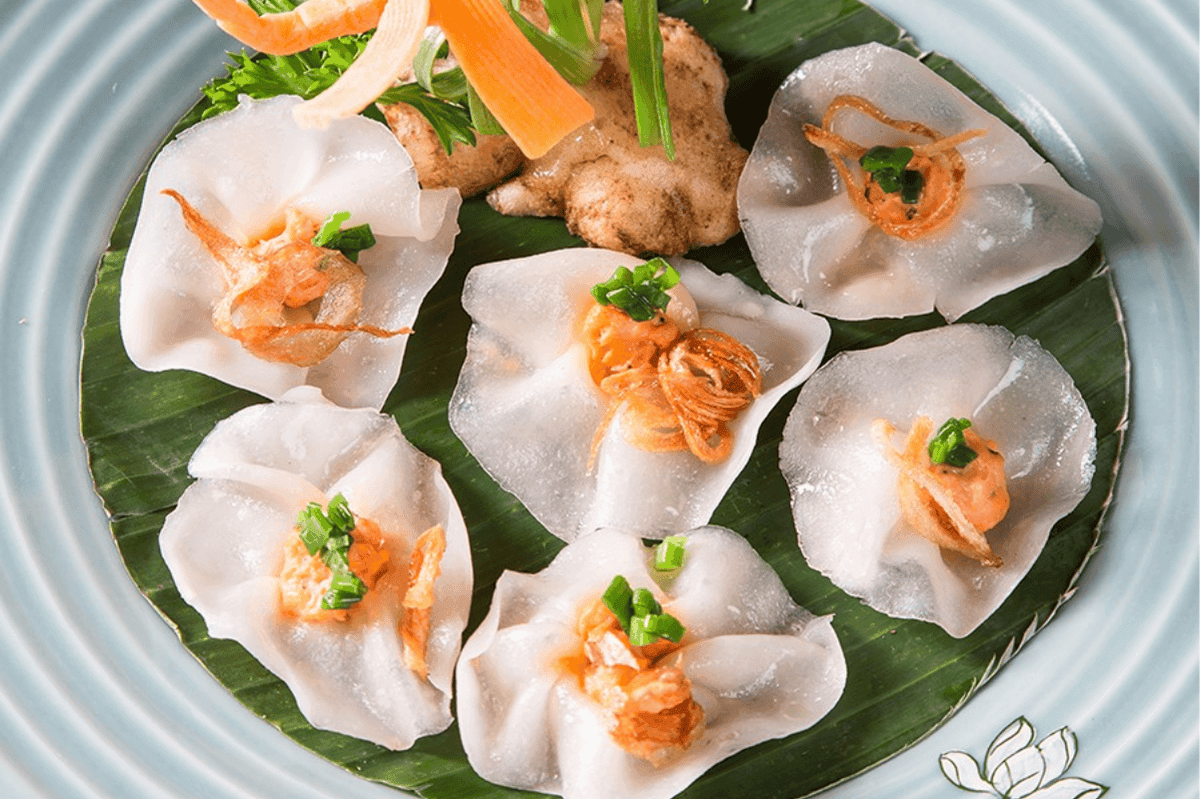
White rose dumplings (also known as banh bao banh vac or White Rose Dumplings) are a signature dish of Hoi An Ancient Town, consisting of two delicate types of dumplings served together on a plate: banh bao (rose dumpling) and banh vac (cauldron dumpling).

  • Banh bao: Small and round with the top flaring out like rose petals, filled with minced seasoned shrimp.
  • Banh vac: Crescent-shaped, filled with shrimp, pork, wood ear mushrooms, bamboo shoots, and green onions.

When arranged alternately on fresh banana leaves and sprinkled with crispy golden fried shallots, the plate looks like a pristine white rose in bloom, which is why Western tourists named it "White Rose". The dumplings are usually steamed and served hot with a signature sweet, sour, and spicy dipping sauce, creating a perfect balance between taste and sight.
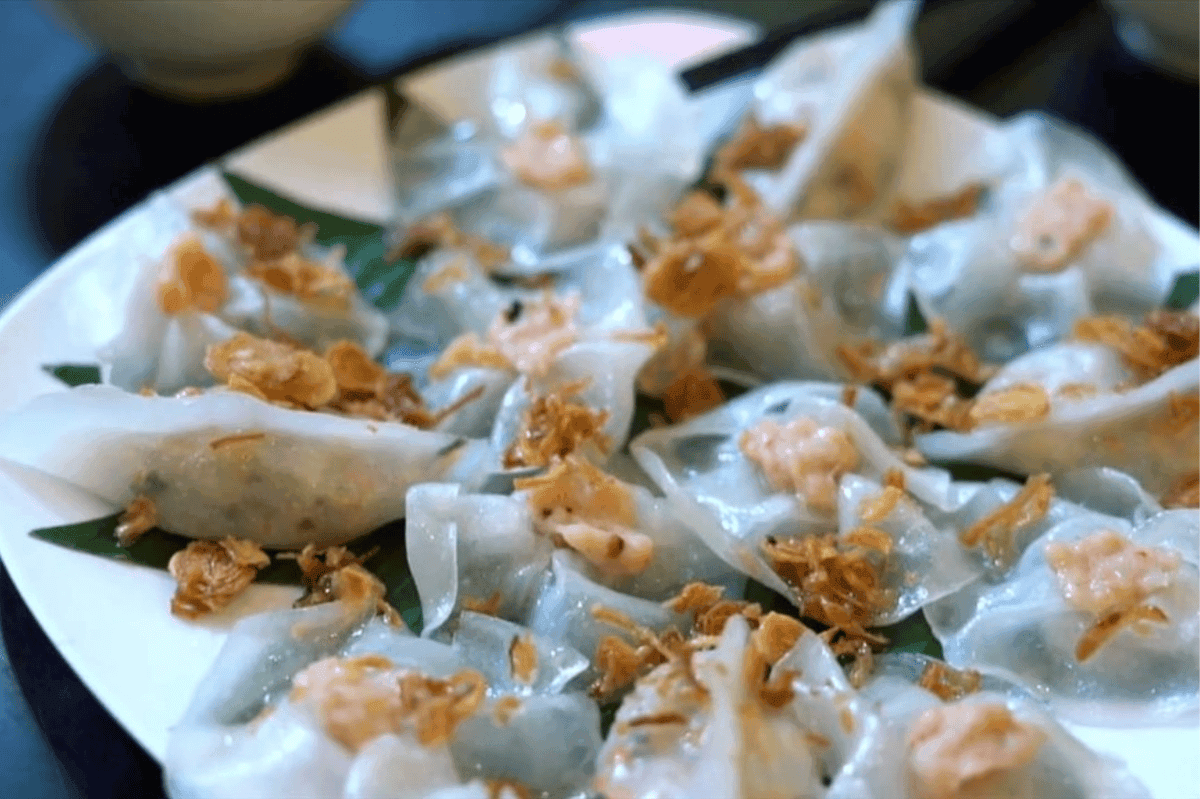
White rose dumplings, also known as banh vac
Photo: White rose dumplings, also known as banh vac

2. The origin and story behind white rose dumplings

White rose dumplings originate from Chinese dim sum (ha gow), introduced to Hoi An over 130 years ago by the Chinese community who settled and established their lives here. From a home-cooked meal, it gradually became a local specialty thanks to the creativity of Hoi An locals.

By the 1990s, as Hoi An opened up to international tourists, Western visitors were amazed by the pure beauty of the dumplings and named them "White Rose". This poetic name quickly spread, turning white rose dumplings into a culinary symbol of Hoi An. Many families have preserved the secret recipe across generations, such as the bakery of Mr. Tran Tuan Ngai – one of the oldest guardians of the traditional recipe.

The dish is not just food, but also a cultural "heirloom", showcasing the skillfulness and meticulousness of Hoi An women who have passed down the craft for generations.

3. What is special about the ingredients of Hoi An white rose dumplings?

The highlight of white rose dumplings lies in the meticulous selection of ingredients, using familiar items prepared with refined technique:

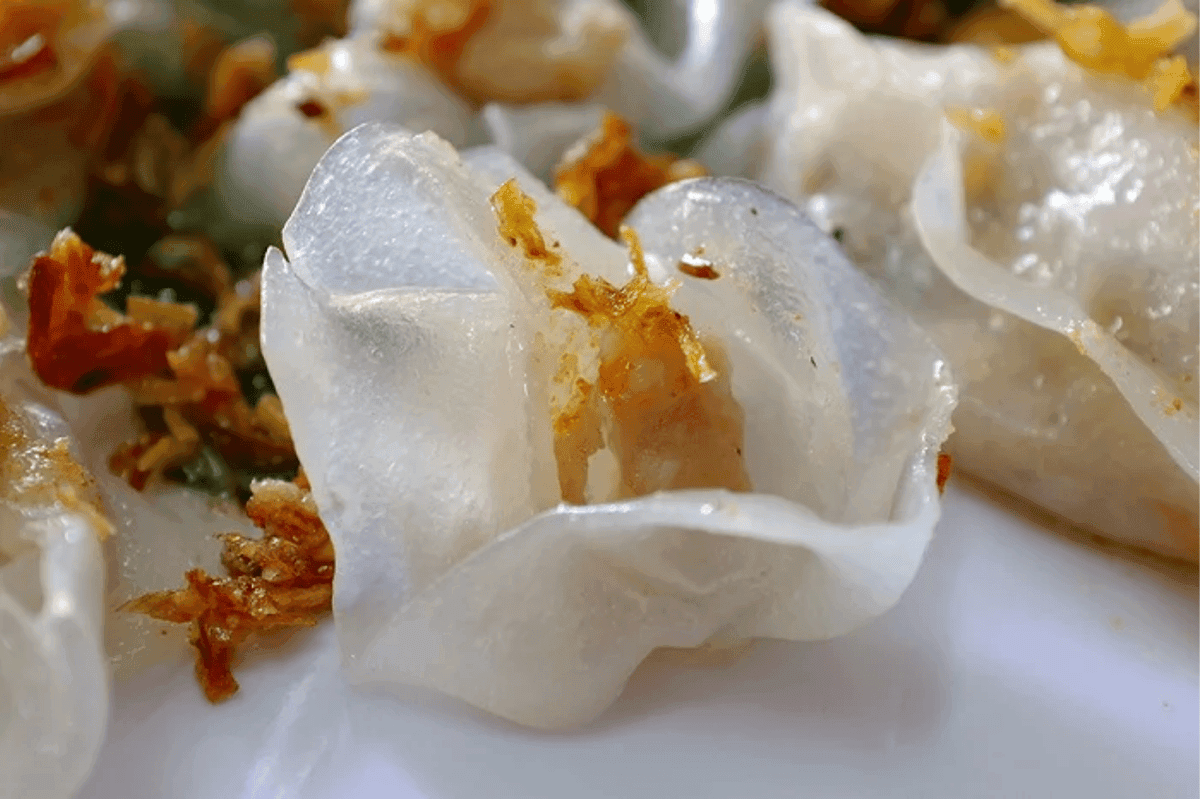
  • Wrapper: Made from newly harvested rice (aromatic, soft rice from Central Vietnam), finely ground and filtered through water multiple times (usually 15-20 times) to remove impurities, creating a translucent, thin, silky wrapper with a natural sweetness from rice without adding sugar.
  • Filling:
    • Fresh shrimp (usually ground shrimp or Hoi An river shrimp) finely mashed for natural sweetness.
    • Lean pork (for banh vac), wood ear mushrooms, bamboo shoots, green onions, lemongrass, garlic, pepper, salt
  • Accompaniment: Crispy golden fried shallots, dipping sauce mixed from fish sauce, lime juice, sugar, chili, garlic 

No preservatives or additives are used—everything is completely natural, keeping the dumplings fresh, delicious, and safe.

Thin and translucent dumpling wrapper
Photo: Thin and translucent dumpling wrapper 

4. The artisanal process of making authentic Hoi An white rose dumplings

To craft paper-thin, translucent, and exquisite Hoi An white rose dumplings resembling blooming flowers, artisans must undergo a completely handmade process that requires patience, skillful hands, and years of accumulated experience.

  • Making the wrapper: Choose newly harvested rice, soak, grind into flour, and repeatedly filter through water until pure white flour settles. Knead into a smooth dough and let it rest.
  • Making the filling:
    • Pound fresh shrimp into a smooth paste.
    • Sauté the filling with spices (shallots, garlic, lemongrass, pepper) until fragrant, then let it cool.
    • Mix in minced pork, wood ear mushrooms, and bamboo shoots for banh vac.
  • Shaping:
    • Roll dough evenly thin, shaping it into round discs with fingers.
    • Place filling in the center and fold carefully.
    • For banh bao: Gently pinch edges to form flared rose petals.
    • For banh vac: Pinch edges together into a cauldron-handle shape.
  • Steaming: Place dumplings on banana leaves and steam for about 10-15 minutes until wrappers become translucent and filling is tenderly cooked.
  • Presentation: Arrange banh bao in the center, surround them with banh vac, sprinkle with fried shallots, and place on fresh banana leaves.

Thanks to this entirely manual process without reliance on machines, white rose dumplings retain the natural chewy-soft texture of the wrapper, the light sweet taste of the filling, and their signature delicate shape. Each dumpling is not just a dish, but an embodiment of culinary art and the long-standing tradition preserved by Hoi An locals.

Dumplings shaped like newly opened flowers
Photo: Dumplings shaped like newly opened flowers 

5. Famous places to eat white rose dumplings in Hoi An

To enjoy authentic Hoi An white rose dumplings, choosing reputable and long-established addresses is essential, as each restaurant offers its own distinct flavor and presentation.

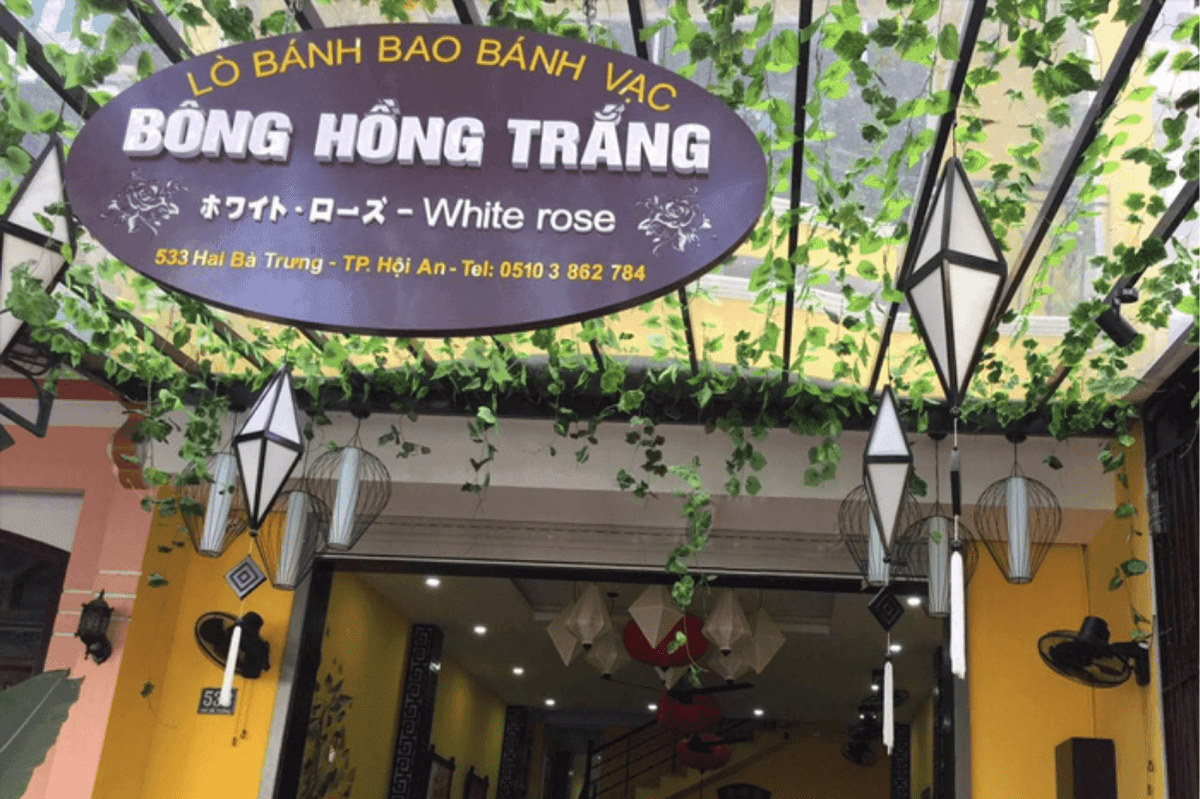
  • White Rose Restaurant: 533 Hai Ba Trung St, Cam Pho Ward, Hoi An
  • Quan Thang Ancient House: 77 Tran Phu St, Minh An Ward, Hoi An

Tip: Eat in the morning or early afternoon when the dumplings are freshly made and hot. If traveling in a group, order a large platter to share and snap photos of the beautifully presented dish.

Famous white rose dumpling workshop in Hoi An
Photo: Famous white rose dumpling workshop in Hoi An  

Hoi An white rose dumplings captivate visitors not only with their pristine shape and elegant flavor, but also with the quiet cultural story hidden beneath each delicate layer. Amidst the slow pace of the ancient town, savoring a plate of white rose dumplings is a way to fully experience the refinement, patience, and culinary pride of Hoi An locals. If you have the chance to visit, don't just stroll under the mossy tile roofs—stop, taste this special "flower", and carry home a gentle yet unforgettable culinary memory.

Loading......

Featured destinations