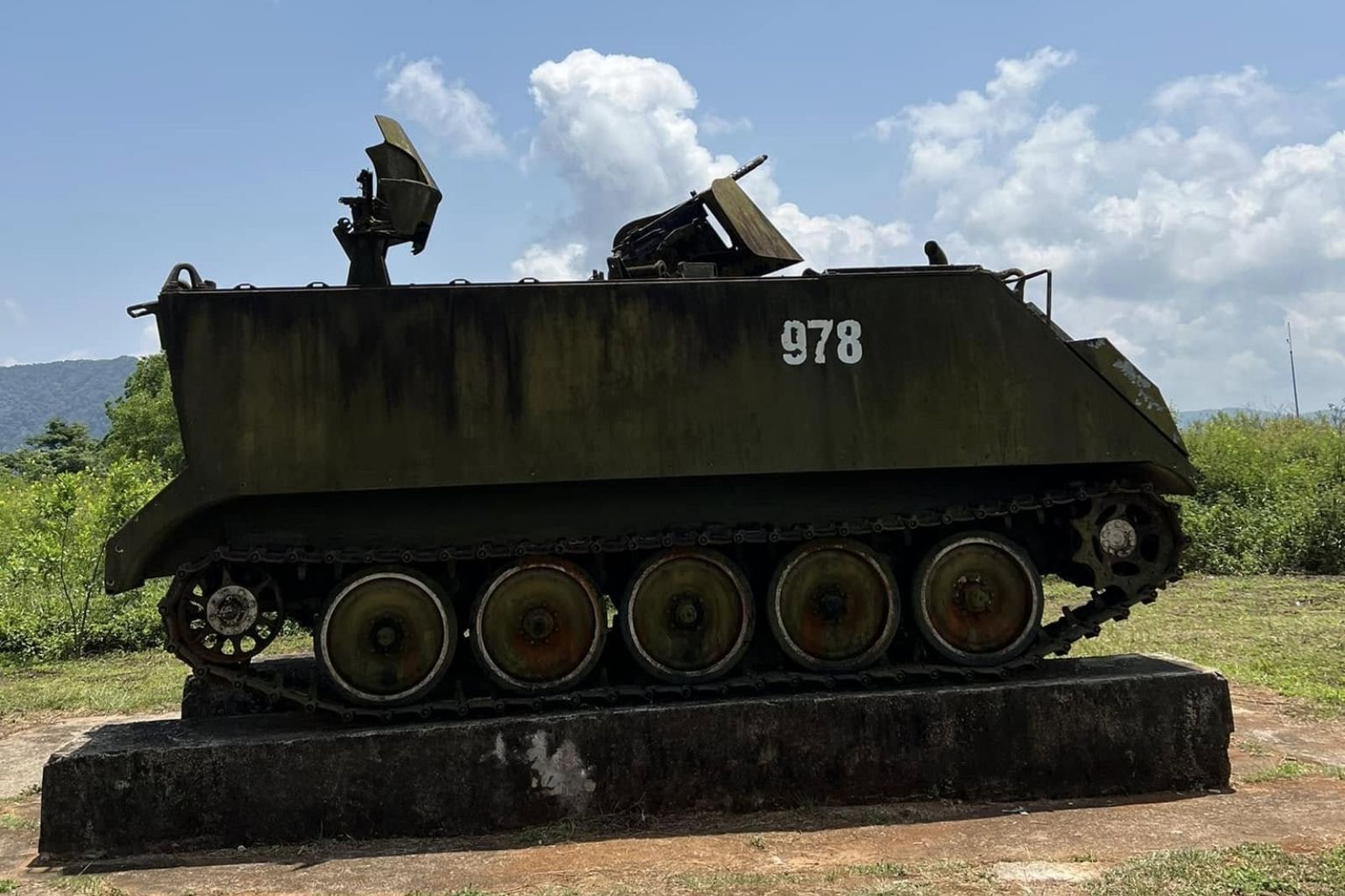
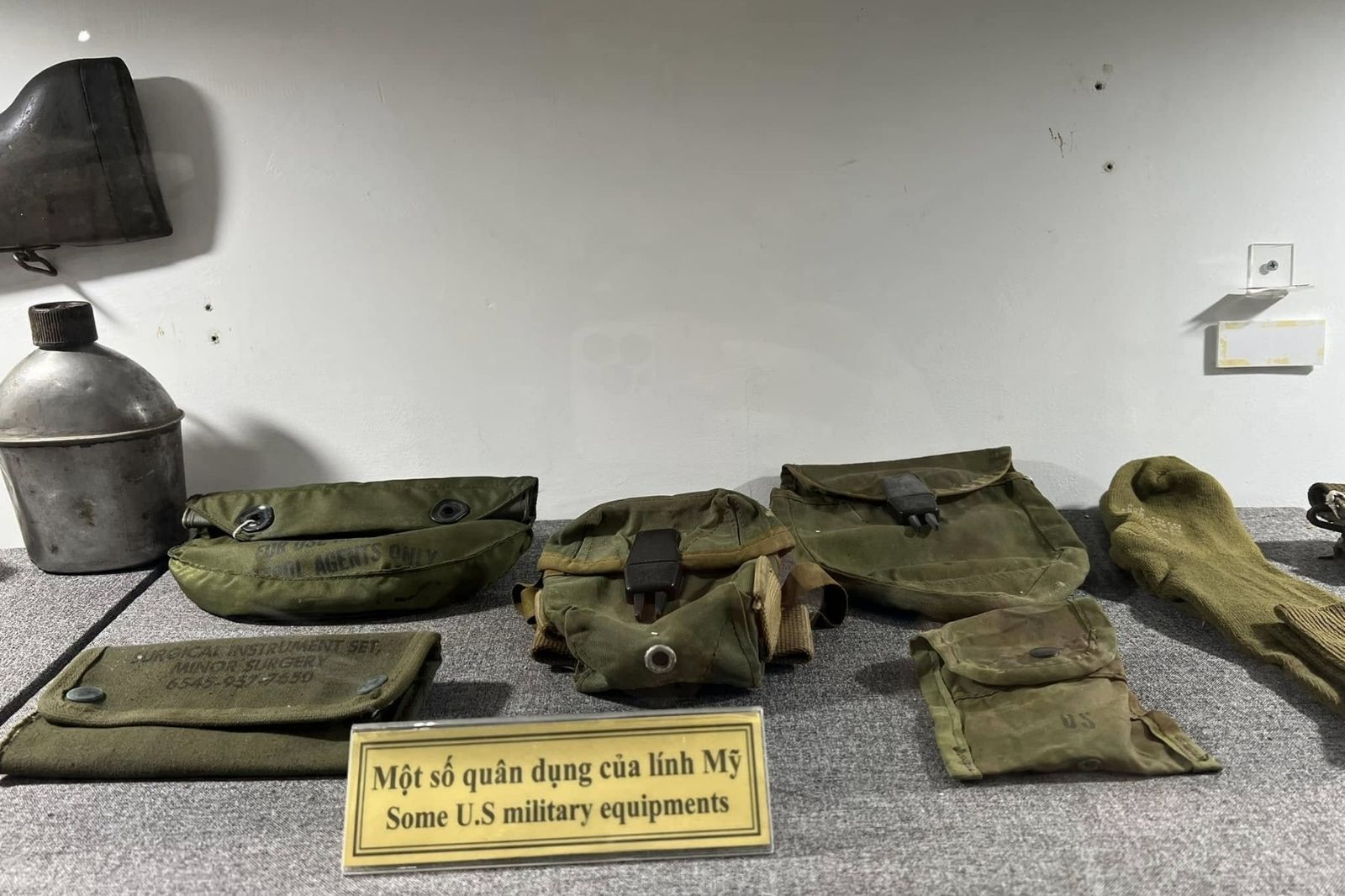
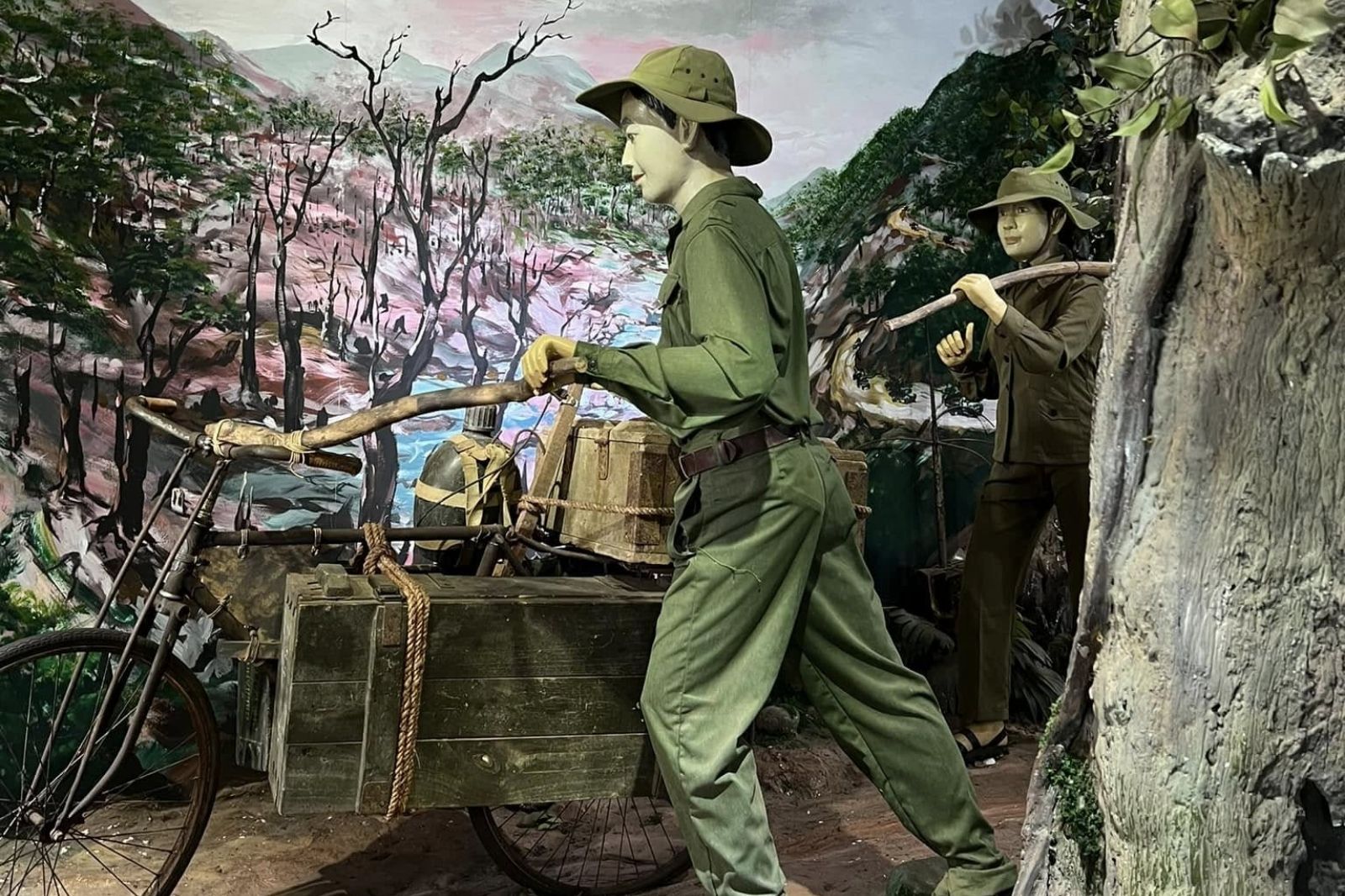
Someone once said: “If you want to understand a land, visit its museum.” And in Khe Sanh, the victory museum is where the fiercest years are retold, quietly yet profoundly in every detail.
Location and Historical Significance
Khe Sanh Victory Museum is located within the Ta Con Airfield relic area, an important military stronghold of the US military during the Vietnam War (1966-1968). Khe Sanh, located 63 km west of Dong Ha City and 20 km east of Lao Bao Border Gate, was once the center of world attention when the Politburo and the Central Military Commission decided to launch the Route 9 – Khe Sanh Campaign in early 1968.
The battle of Khe Sanh is considered one of the most fierce battles, marking the defeat of the US military in its attempt to block the Ho Chi Minh Trail – the vital supply line from North to South. This victory not only collapsed the strategic defense line of the US, but also caused political and military shockwaves, forcing the US to withdraw from Khe Sanh in July 1968.
Khe Sanh Victory Museum was built to honor the indomitable spirit of the Vietnamese army and people, while preserving precious artifacts and documents about this heroic historic period. It is an indispensable part of the war relic system in Quang Tri, attracting numerous domestic and international tourists, especially American veterans who served in Vietnam.
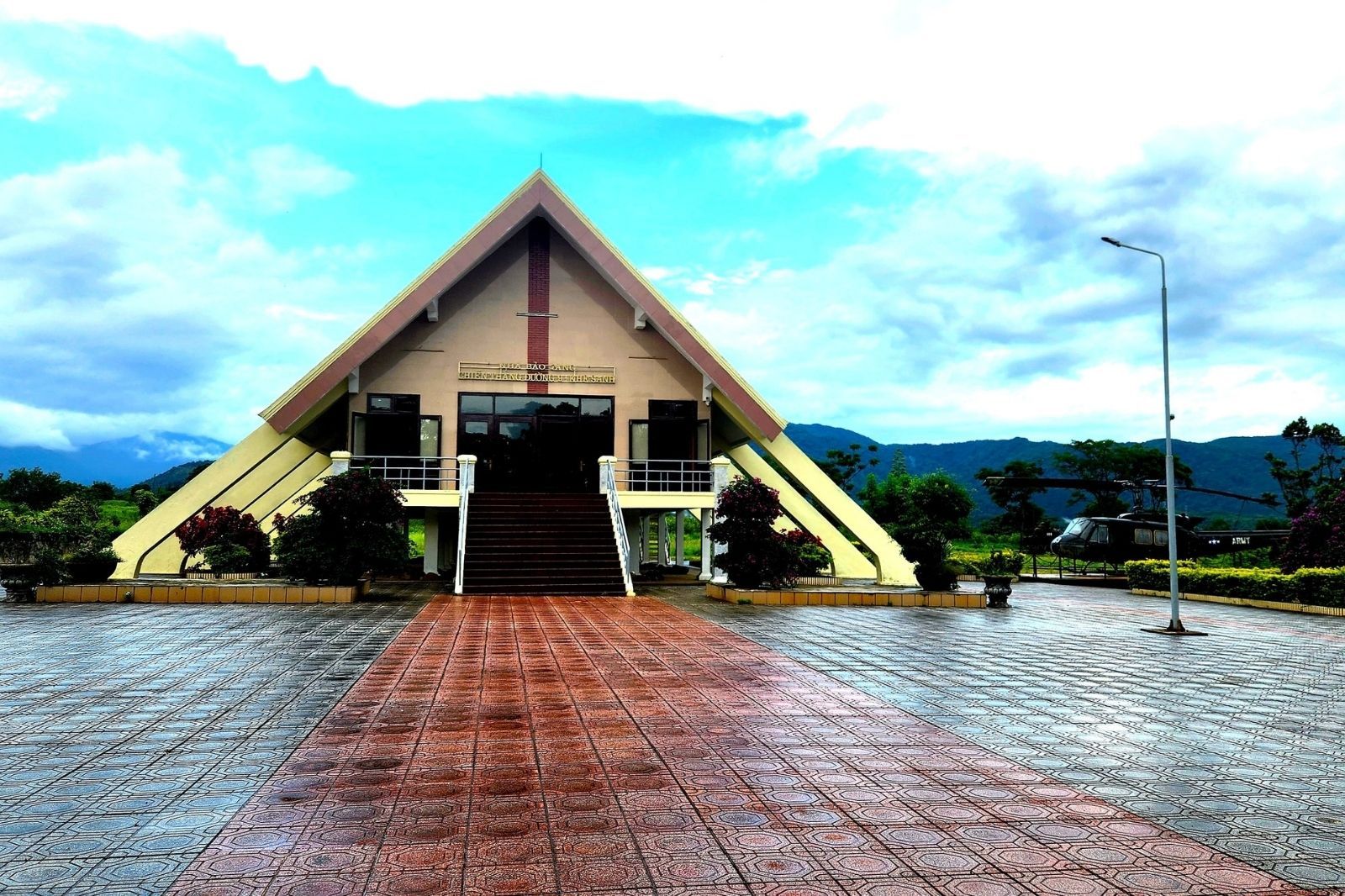
Architecture and Display Space
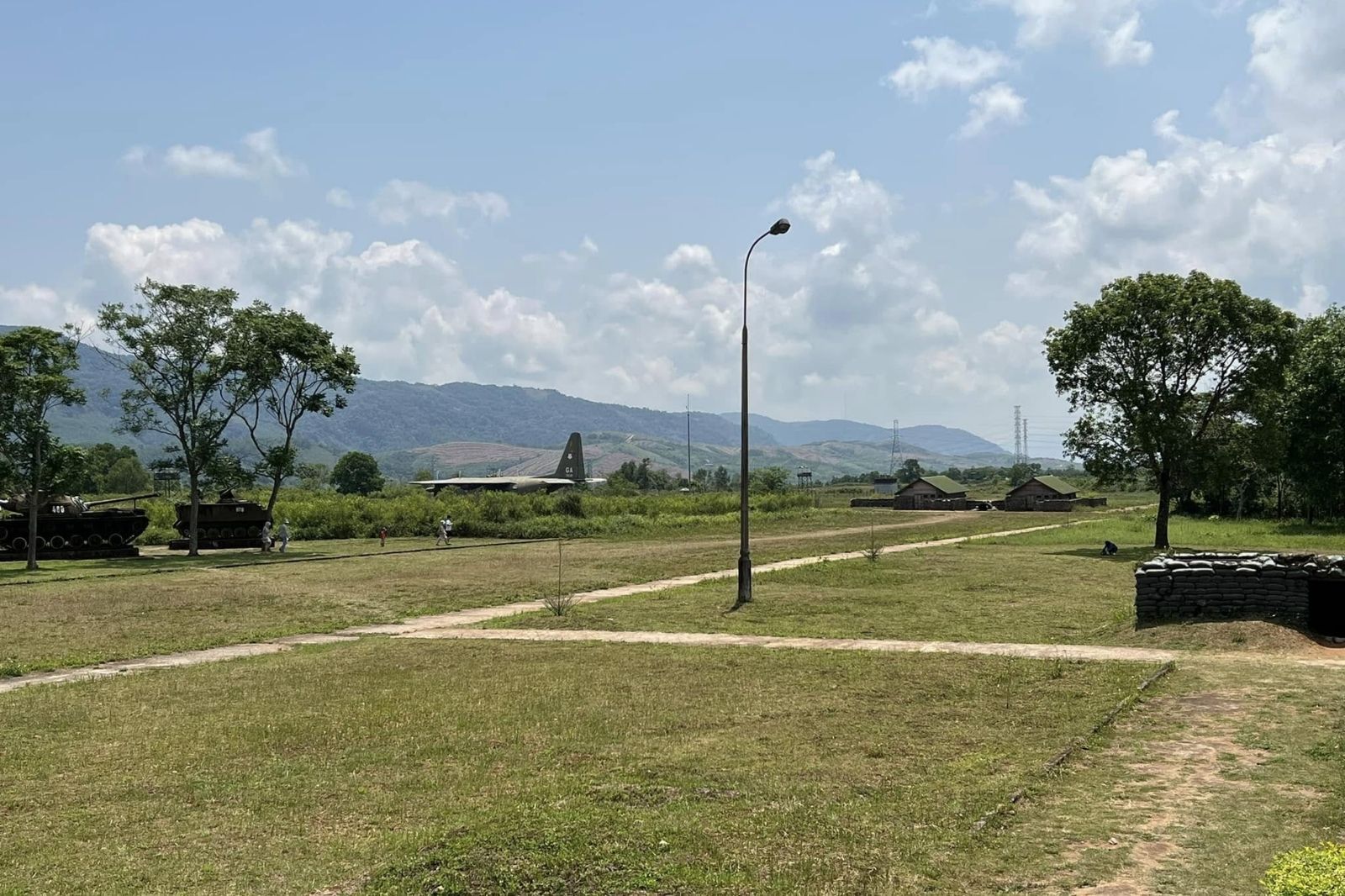
The museum is located within the Ta Con Airfield relic complex, planned with a spacious campus recreating part of the fierce battlefield landscape of the past. The highlight of the museum is the Route 9 – Khe Sanh Exhibition House, preserving artifacts, photos, and documents about the Route 9 – Khe Sanh Campaign. In addition, the outdoor display area features military hardware such as aircraft, tanks, and artillery, offering a visual perspective on the scale of the battle.
In addition, a stone stele erected at the museum records historic military feats during 1965-1972, when the US military dropped dozens of types of bombs on western Quang Tri. These artifacts are not only war relics but also symbols of the courage and resilient will of the Vietnamese army and people.