Nam O Cau Ngu Festival: Unique Cultural Heritage of Da Nang Fishermen

Central

Da Nang

Nam O Beach

Sovaba.travel

Updated at: 24/09/2026

1. Origins of the Cau Ngu Festival in Nam O Village

The Nam O Cau Ngu Festival originated hundreds of years ago, closely linked to the formation and development of Nam O fishing village, one of the oldest coastal villages in Da Nang. According to historical records and elders' accounts, the festival was established in the 17th century when the first residents from Quang Nam migrated to this land to settle and make a living from fishing.

Amidst the vast ocean, where every sea trip carries inherent dangers, the people of Nam O formed the Cau Ngu ritual as part of their belief in worshipping Ca Ong (whales). They believe that Ca Ong is the guardian deity of the sea, protecting fishermen through big waves and violent storms, bringing bumper fish catches and peace to the community.
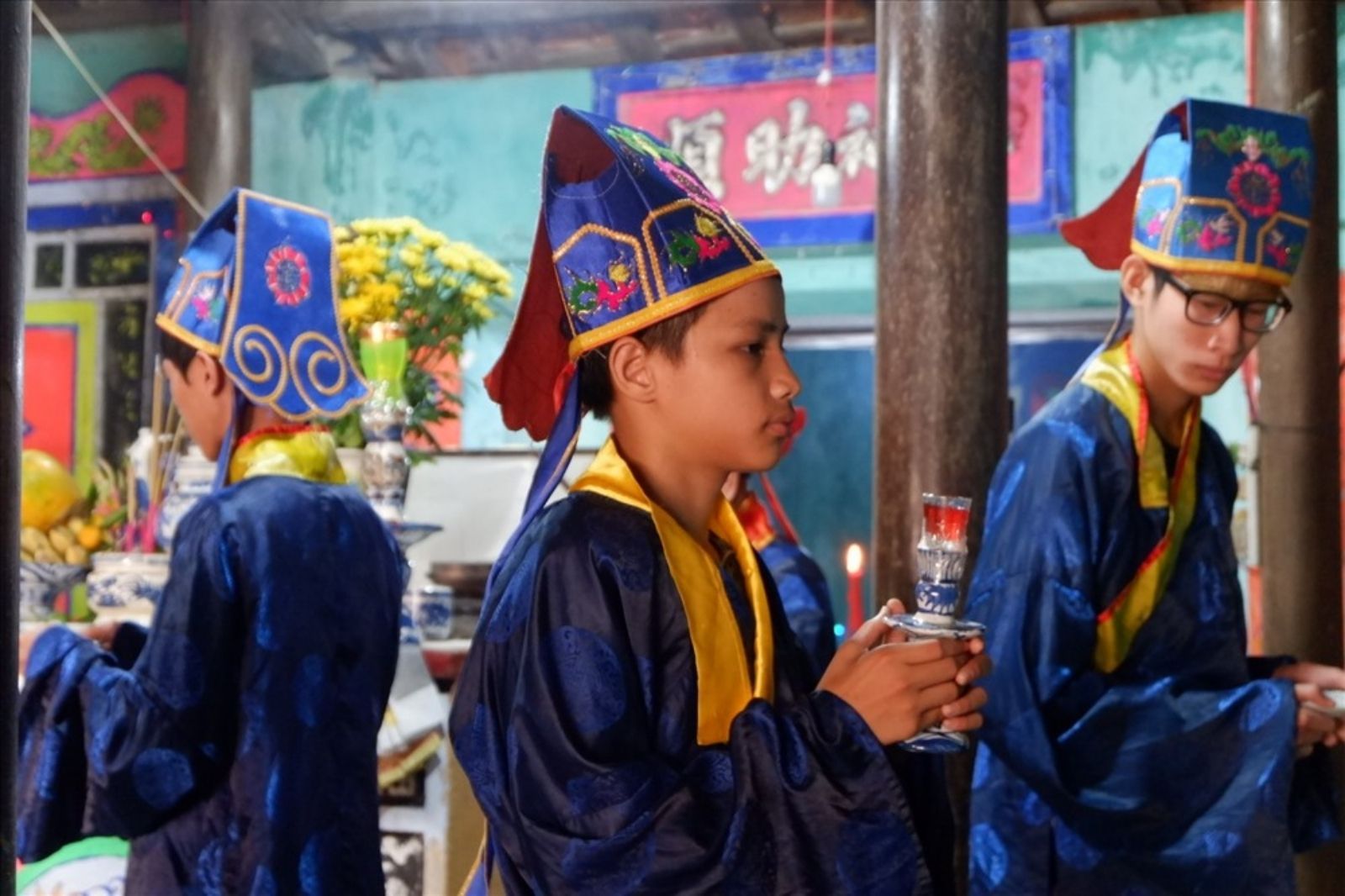
Cau Ngu festival associated with the history of Nam O fishing village
Photo: Cau Ngu festival associated with the history of Nam O fishing village 

In 2017, the Nam O Cau Ngu Festival was recognized by the Ministry of Culture, Sports and Tourism as a National Intangible Cultural Heritage. This event not only affirms the festival's historical and spiritual values, but also opens up opportunities to preserve and promote marine cultural heritage amidst Da Nang's rapid urbanization. To date, the festival is regularly held from the 13th to 15th day of the second lunar month (usually falling in late March or early April in the Gregorian calendar), attracting thousands of tourists and locals to attend and immerse themselves in the sacred and bustling atmosphere of the Nam O coastal village.
2. Profound cultural significance of the Nam O Cau Ngu Festival

The Nam O Cau Ngu Festival is not only a ritual event, but also a symbol of community solidarity, gratitude toward nature, and deep humanistic values in the lives of Da Nang fishermen. The core of the festival is honoring Ca Ong – a sacred animal considered the “deity of the ocean”, who has repeatedly saved fishermen from danger among the waves. In every ritual, locals convey their trust in the sea's protection while reminding the younger generation of the tradition of hard work, resilient willpower, and love for their homeland linked to sea and islands.

From a cultural perspective, the Nam O Cau Ngu Festival is a subtle intersection of folk beliefs and Buddhist influences, manifested through distinctive rituals such as the Ca Ong palanquin procession, lion dances, and Ba Trau singing—unique folk art forms of Central Vietnam. In the context of climate change and marine environmental pollution today, the festival also conveys a timely message: protecting marine resources, encouraging sustainable fishing, and guiding people toward harmony with nature.

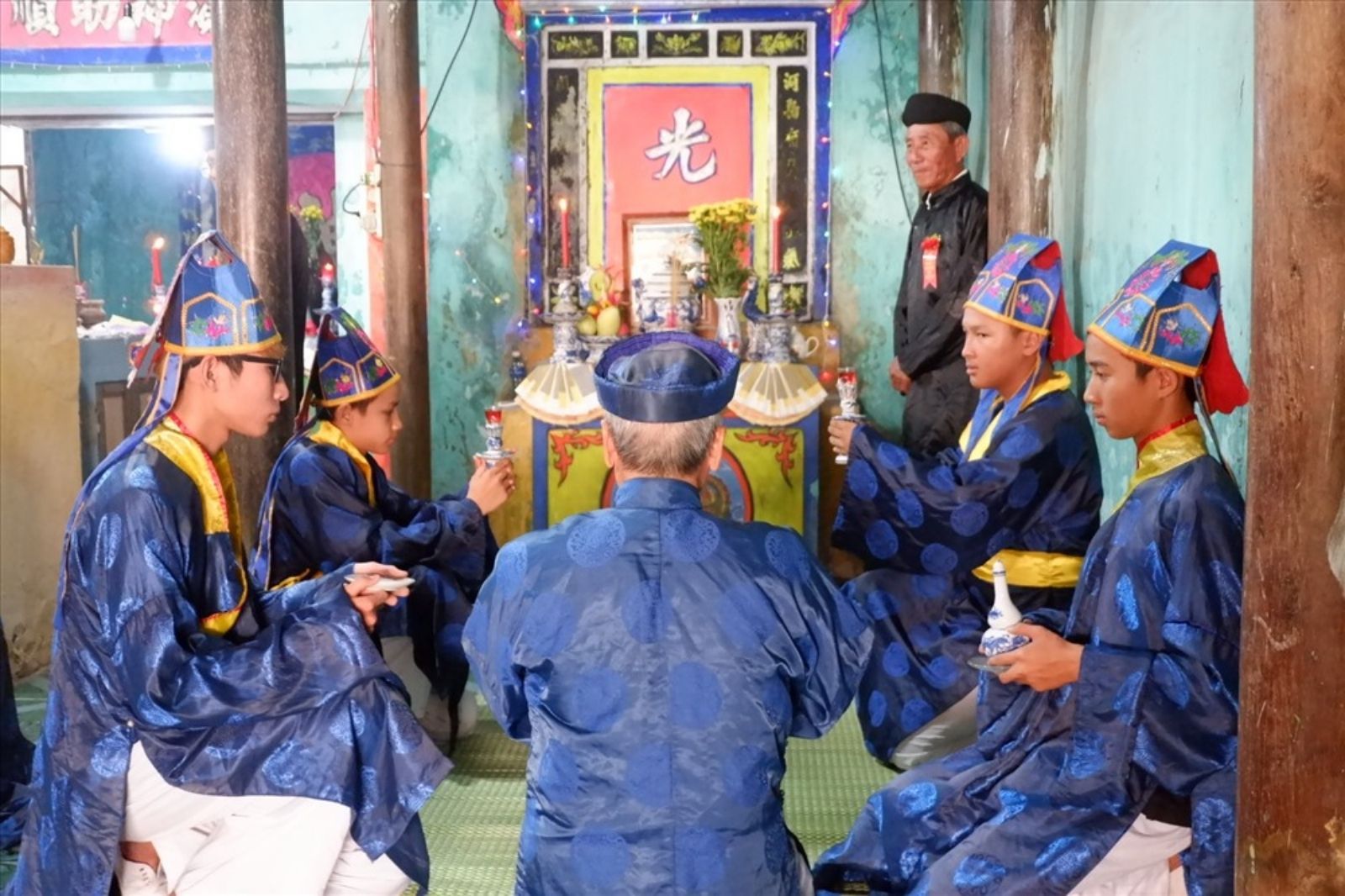
Cau Ngu ceremony honoring Ca Ong
Photo: Cau Ngu ceremony honoring Ca Ong  

For tourists, this is not only an opportunity to attend a festival, but also a journey to discover the marine cultural heritage of Da Nang, where memories, beliefs, and the spiritual identity of coastal residents are preserved—people who live harmoniously and resiliently amidst the ups and downs of the sea of life.

3. Highlights of the Nam O Cau Ngu Festival

The Nam O Cau Ngu Festival usually lasts for three consecutive days, including a rich series of activities that harmoniously combine solemn spiritual rituals with vibrant folk games. The entire festival space is steeped in the coastal village atmosphere, both sacred and intimate, clearly reflecting the spiritual life of Da Nang fishermen.
Below is the main schedule of the festival (referenced from recent editions, subject to slight changes depending on the year):

Day 1: Opening Ceremony and Ca Ong Palanquin Procession

Time: Early morning of the 13th day of the 2nd lunar month.

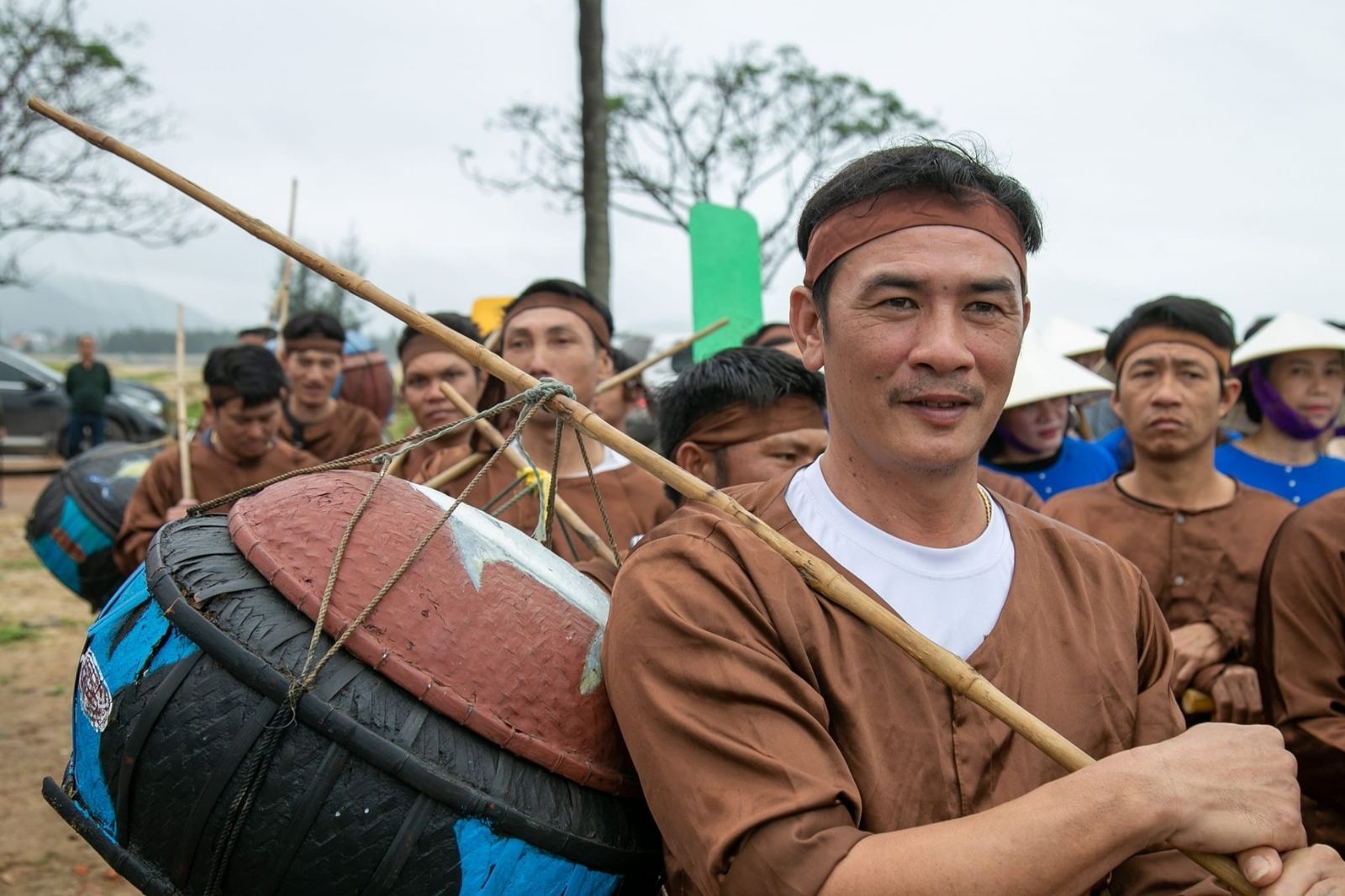
Main activities: The Ca Ong palanquin procession departs from Nam O communal house to the beach, accompanied by the sound of drums, gongs, and vibrant flags and flowers. Hundreds of fishermen dressed in traditional attire and wearing conical hats participate in carrying the palanquin in a solemn and joyful atmosphere. Interspersed within are lion dances and Ba Trau singing. 

Day 2: Fish Worshipping Ceremony and Folk Games

Time: Throughout the 14th day of the 2nd lunar month.

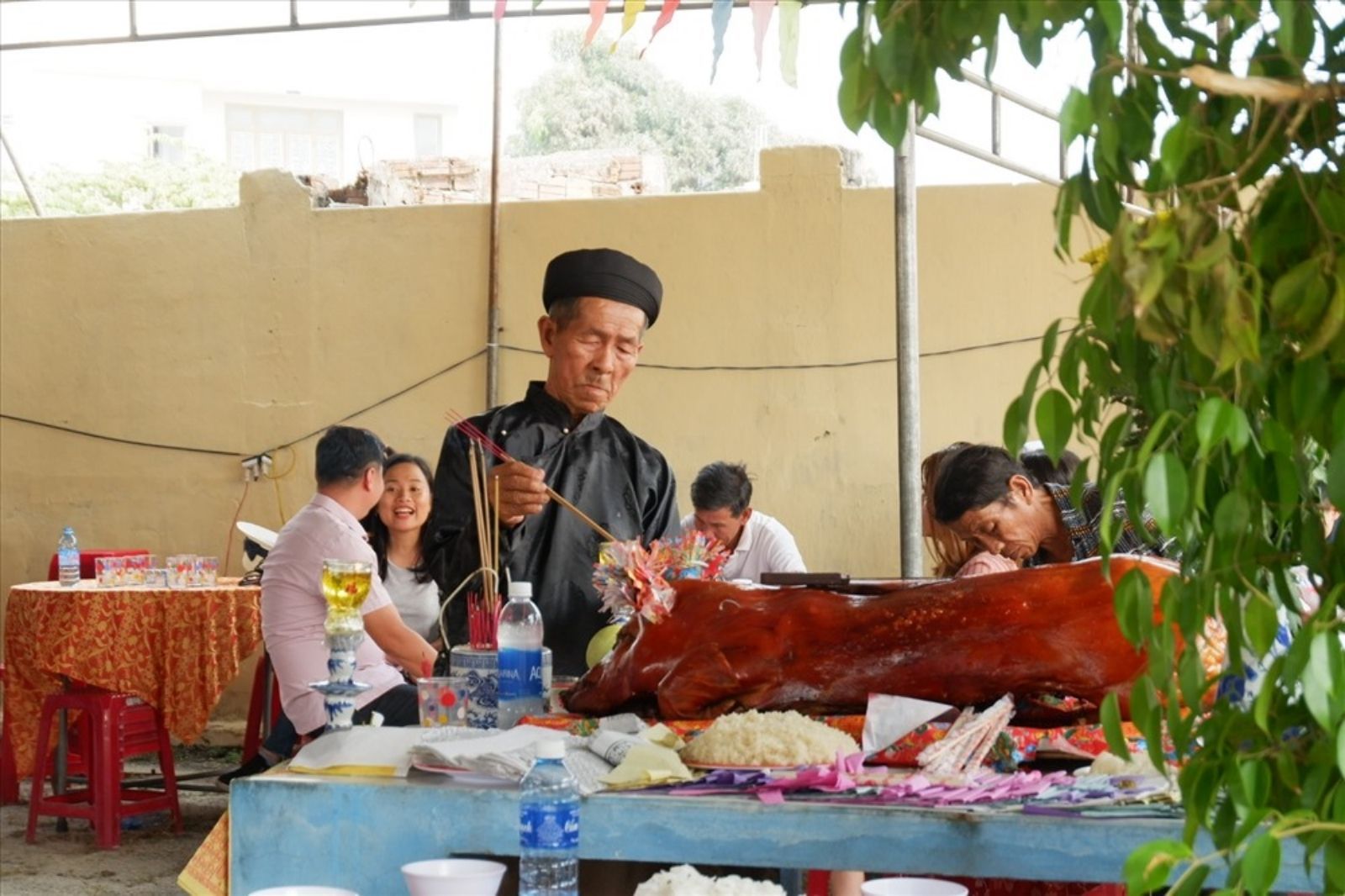
Main activities: In the morning, a solemn Ca Ong worshipping ceremony takes place at the shrine, featuring traditional offerings including roast pork, sticky rice, sweet soup, fruits, and incense candles. The ritual is carried out with strict reverence, demonstrating the people's gratitude to the sea deity. In the afternoon and evening, the festival atmosphere becomes lively with various folk games such as boat racing, boat pulling, net weaving, alongside a brilliant fireworks display over the sea, recreating the joy of sea voyages.

Day 3: Thanksgiving Ceremony and Closing

Time: 15th day of the 2nd lunar month.

Main activities: After two main festival days, fishermen hold a thanksgiving ceremony to the sea, praying for a favorable new fishing season. The festive part continues with a seafood cooking contest, folk art performances, and a ritual releasing fish fingerlings into the sea, symbolizing the spirit of gratitude, rebirth, and sustainable development of Nam O fishing village.

Folk art performances
Photo: Folk art performances 

4. Visitor guide to attending the Nam O Cau Ngu Festival

If you have the chance to visit Da Nang in spring, do not miss the Nam O Cau Ngu Festival, one of the most distinctive coastal festivals in Central Vietnam, where you can immerse yourself in a sacred, vibrant, and rich fishermen culture.

  • Getting there: From Da Nang city center, you can take bus No. 1 or take a taxi to Nam O village, about 10 km from the center. Travel time takes only 20–30 minutes with convenient roads and many signposts.
  • Accommodation: Visitors should choose homestays or coastal guesthouses for easy participation in early morning festival activities. Room rates range from 500,000 to 1,000,000 VND/night, suitable for both young groups and families wanting to experience local fishermen's life.
  • Useful tips: You should wear lightweight, comfortable clothing, bring sunscreen, a wide-brimmed hat, and especially respect the ritual space, avoiding pushing or taking photos during the worshipping ceremony. You can follow the official fanpage of Nam O village on Facebook to update specific event schedules each year.
  • Combined experiences: After attending the festival, take time to explore the pristine Nam O beach with its beautiful green mossy rocks, or head back to the city center to admire the Dragon Bridge breathing fire. 
Worshipping ceremony at Ca Ong shrine
Photo: Worshipping ceremony at Ca Ong shrine  

The Nam O Cau Ngu Festival is a vivid testament to the enduring vitality of marine culture in the lives of Da Nang residents. Over hundreds of years, the festival has been maintained and preserved, not only as a religious ritual but also as a community cultural living space where tradition and modernity coexist harmoniously. The value of the festival lies not in its scale or organization format, but in its deep humanistic significance: gratitude to nature, respect for the profession, a sense of community bonding, and awareness of marine environment protection. These elements have helped the festival transcend local boundaries to become a national intangible cultural heritage with distinct historical, artistic, and social value.

Loading......

Featured destinations