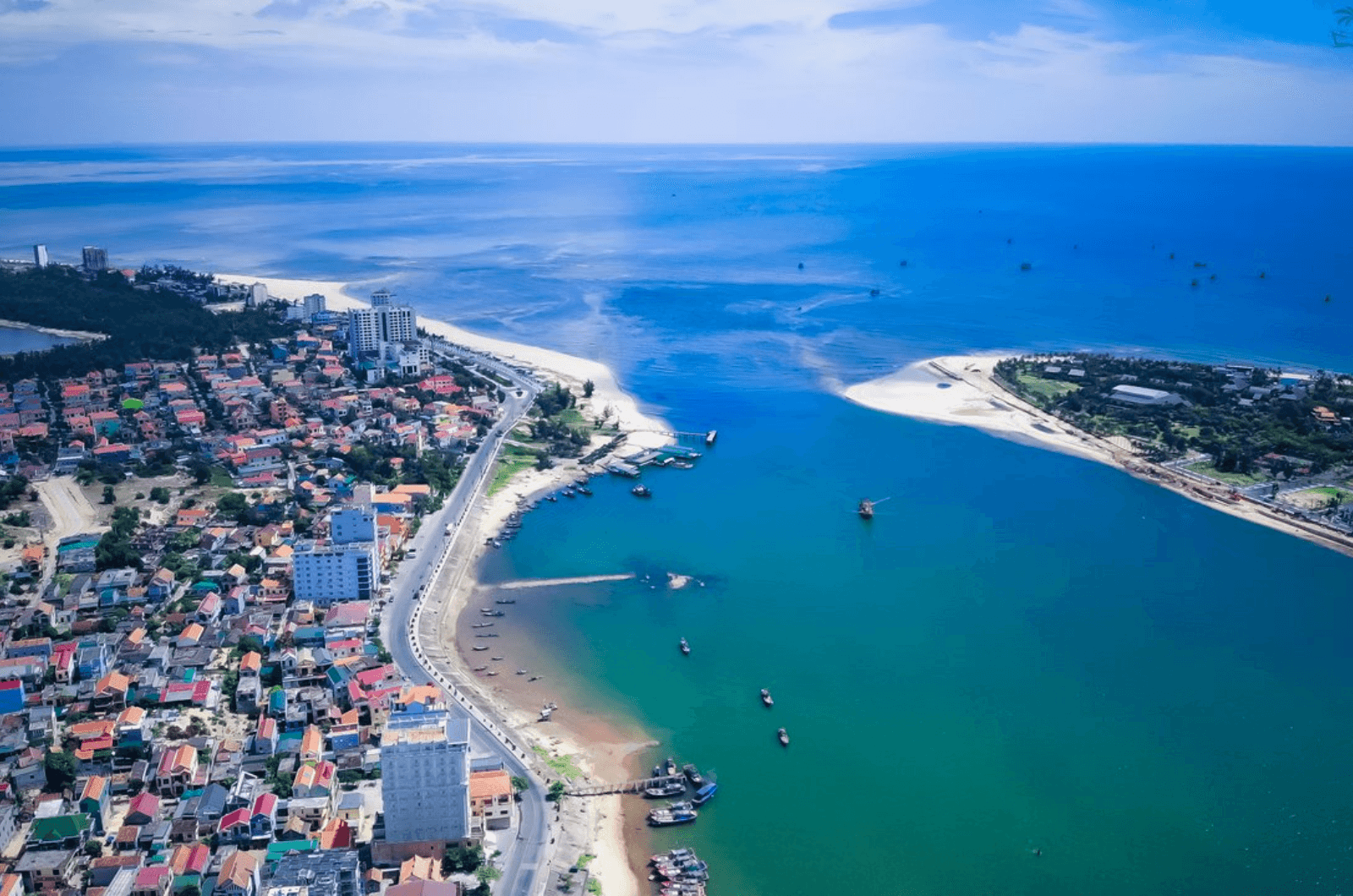
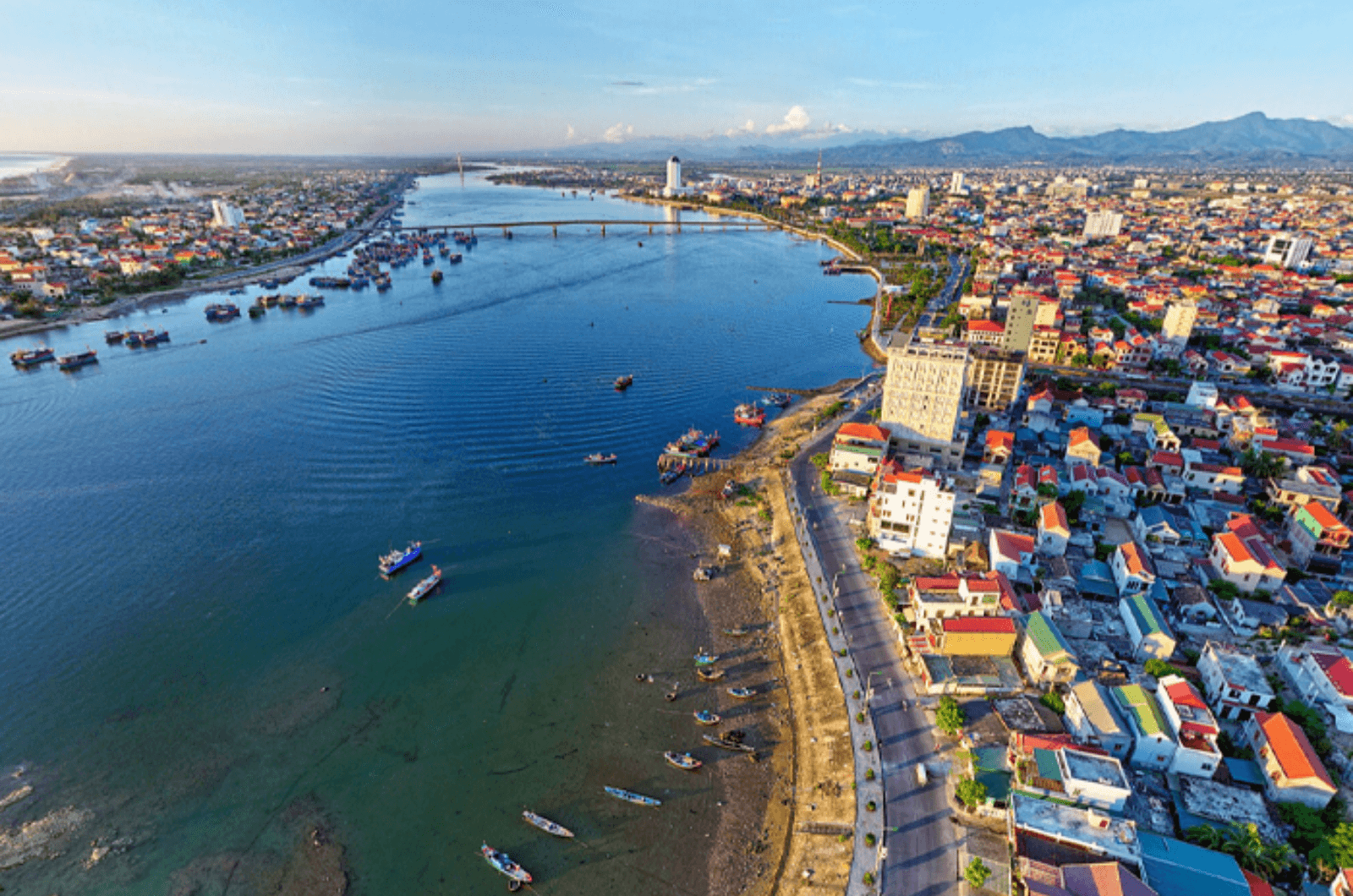
Originating from the West, winding past the Rose Myrtle hills in Ha Kien towards Cho Go creek, the Nhat Le River follows a unique journey before merging into the sea. Reaching Quan Hau, the river splits to embrace Con Soi, then rejoins and meanders along the white sand slopes of Bao Ninh. At Mui Sac, the river receives an additional water supply from Le Ky creek before flowing out to sea. Although the straight-line distance from Tran Xa junction to the river mouth is only just over 15km, the river's flow is dynamic and rich.
According to Dai Viet Su Ky Toan Thu (Complete Annals of Dai Viet), the river was originally named Dai Uyen and was renamed Nhat Le around the 11th century. This name is associated with the tragic love story of Princess Huyen Tran (daughter of King Tran Nhan Tong) and King Che Man of Champa, a tearful royal marriage that entered history.
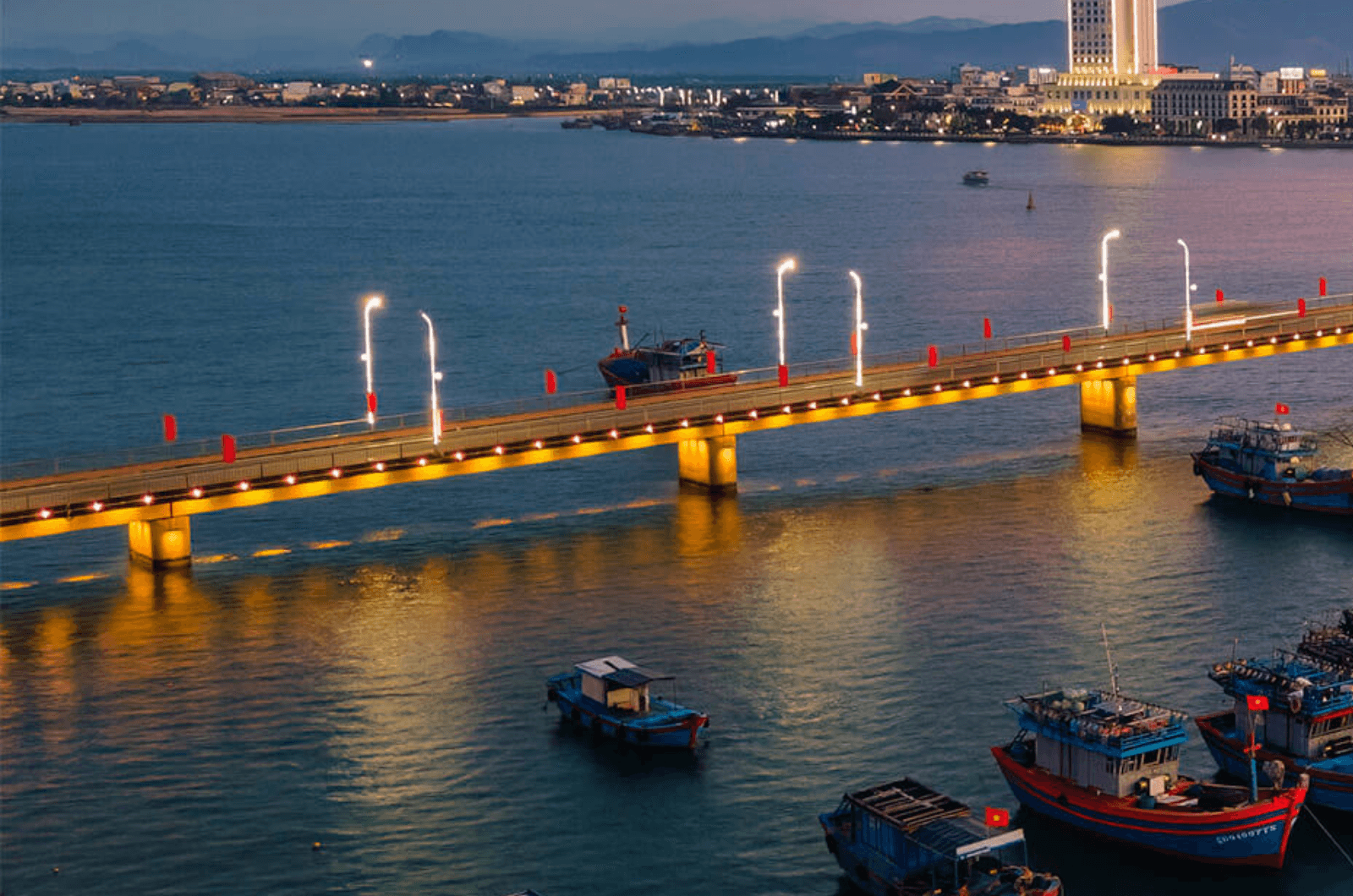
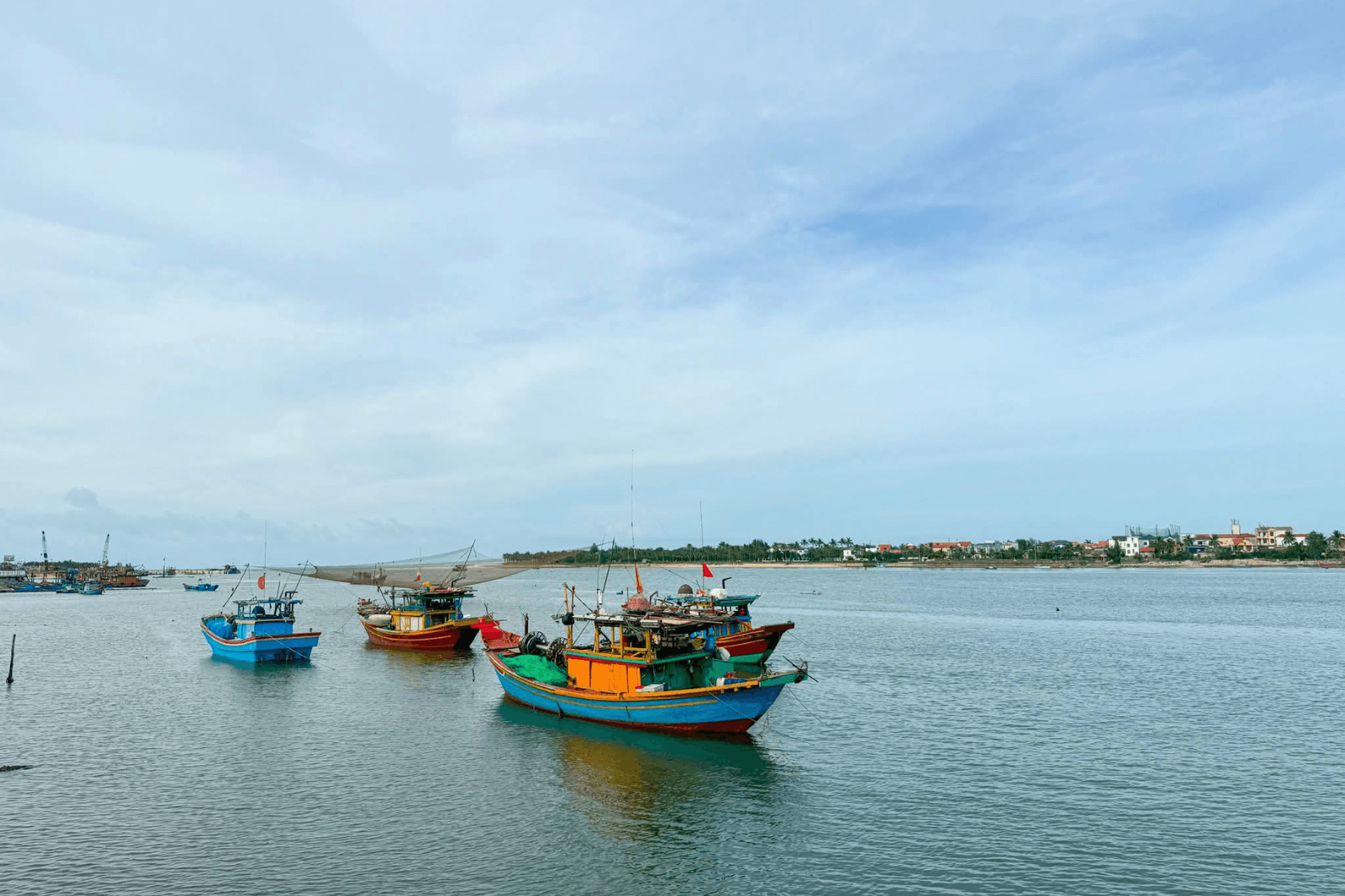
For generations, fishermen along both banks of the Nhat Le River have tied their livelihoods to the river. Thanks to having both brackish and salt water, aquatic resources here are extremely diverse and rich. During the flood season, large amounts of alluvium pouring in from Hac Hai Lagoon further increase the food supply for species like fish, shrimp, crabs, and freshwater crabs... This promotes year-round traditional river trades like netting, line fishing, and trap setting, providing a stable income for the locals.
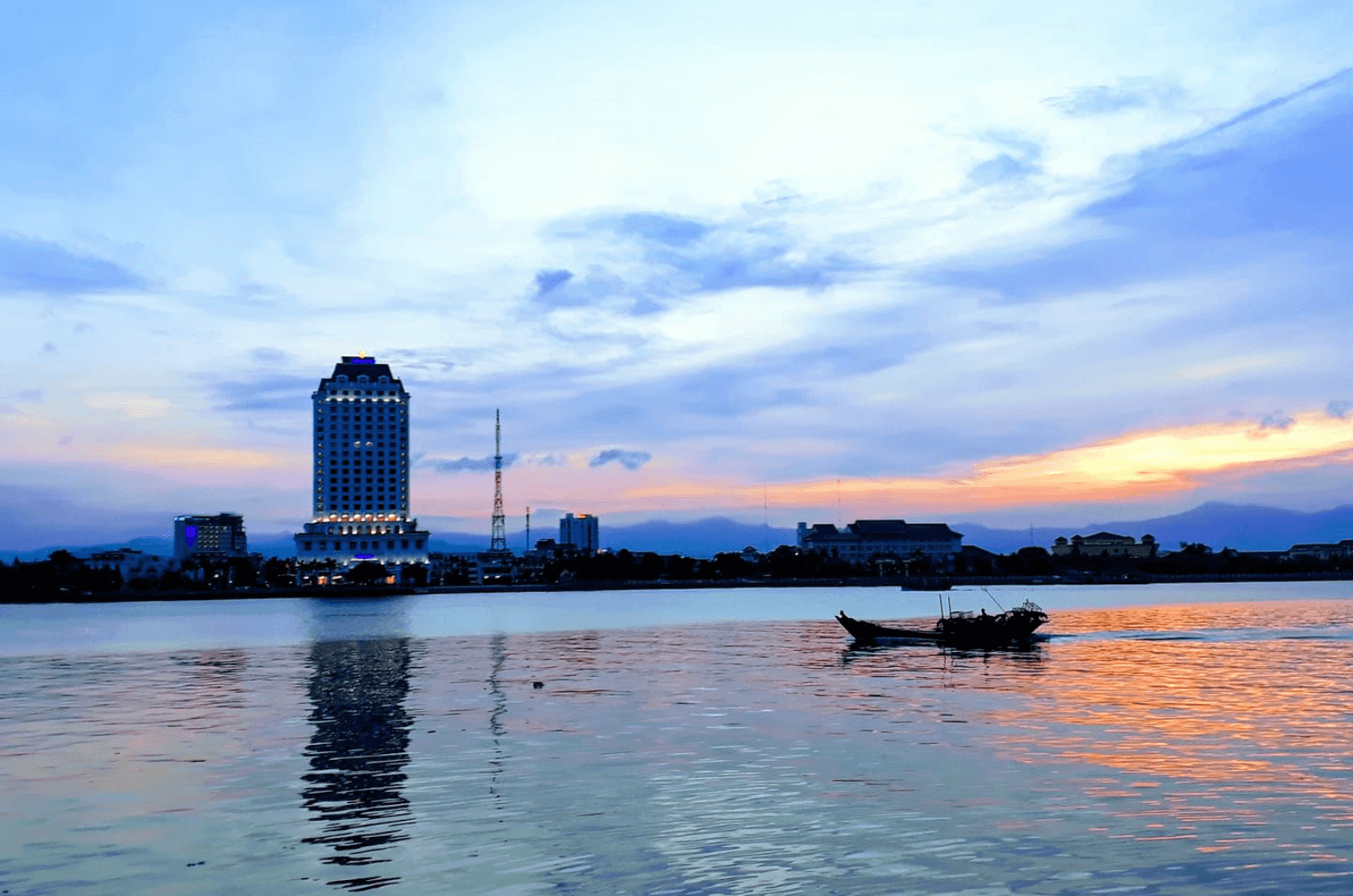
The Nhat Le River is not only a source of food but also adds to the beauty of the coastal city of Dong Hoi. As spring arrives, around mid-January to February, light southerly winds blowing from offshore bring mist inland. From early dawn, the entire river surface is covered in a dreamy, milky mist, creating a romantic and captivating scene that makes the Nhat Le River a symbol of the natural and cultural beauty of Quang Binh.