Overview of Dong Hoi City

Central

Quang Binh

Dong Hoi

Sovaba.travel

Updated at: 02/10/2026

1. Where is Dong Hoi City?

Dong Hoi City is located in the central position of Central Vietnam, in Quang Tri province (after the merger of former Quang Binh and Quang Tri on July 1, 2025). Specifically, the city is situated along the Nhat Le River, bordering the East Sea to the east with 12 km of fine white sandy coastline. It borders Bo Trach district to the north and west, and Quang Ninh district to the south. Dong Hoi is about 500 km south of Hanoi, about 1,200 km north of Ho Chi Minh City, and lies along major transportation arteries such as Highway 1A, the Ho Chi Minh Highway, the North-South Railway (with Dong Hoi Station as the main station), and Dong Hoi Airport connecting domestic and international flights.

The climate here is tropical monsoon, with a dry season from April to August and a rainy season from September to March. The average annual temperature is around 25-27°C, making it ideal for beach tourism and nature exploration.

Nhat Le Beach Quang Binh
Photo: Nhat Le Beach Quang Binh

2. History and development of Dong Hoi City

The history of Dong Hoi is closely linked to important events of the Vietnamese nation. The name "Dong Hoi" originates from the Nguyen Lords era, when Lord Nguyen Phuc Nguyen built ramparts here in the 17th century to protect the southern border of Dang Trong (Inner Realm). Dong Hoi Citadel (or Luy Thay) was an important military fortification, witnessing many battles against the Trinh army and later the French colonialists.

After the August Revolution of 1945, Dong Hoi was heavily destroyed during the war. By 1977, following national reunification, the town was restored and became Dong Hoi Town. In 2004, Dong Hoi was officially upgraded to a provincial city under Quang Binh Province.

Tam Toa Church Bell Tower
Photo: Tam Toa Church Bell Tower

In particular, following the merger of Quang Binh and Quang Tri in 2025, Dong Hoi was chosen as the political and administrative center of the new Quang Tri province due to its central geographical position (120 km northwest of Tuyen Hoa district and 100 km south of Hai Lang district), its history as a shared provincial seat during the Nguyen Dynasty (in 1831 and 1937), and its superior economic potential. This merger opens a new chapter, fostering comprehensive development and turning Dong Hoi into the "heart" of the new province with a growing population and heavily invested infrastructure.

Many cultural festivals are held annually
Photo: Many cultural festivals are held annually

3. What makes tourism in Dong Hoi City so attractive?

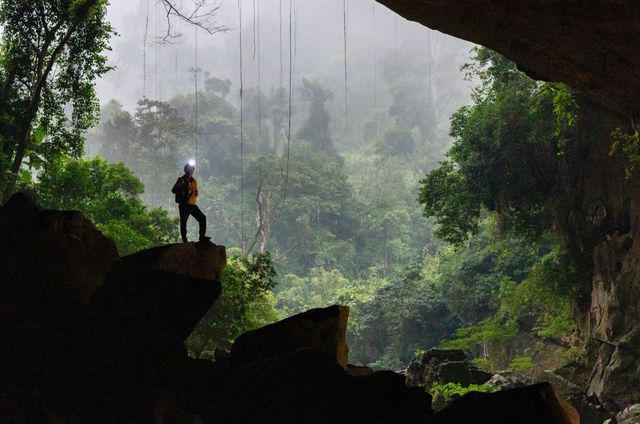
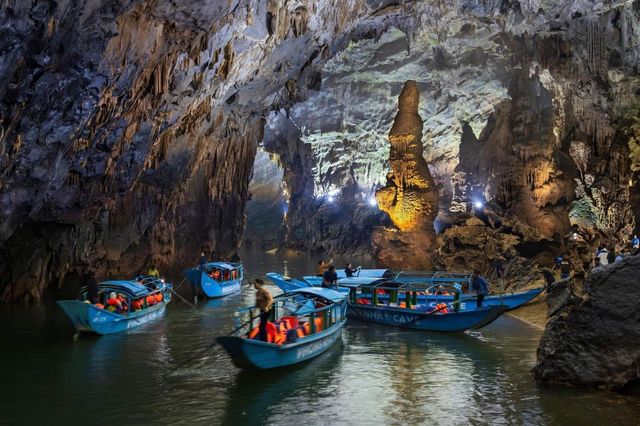
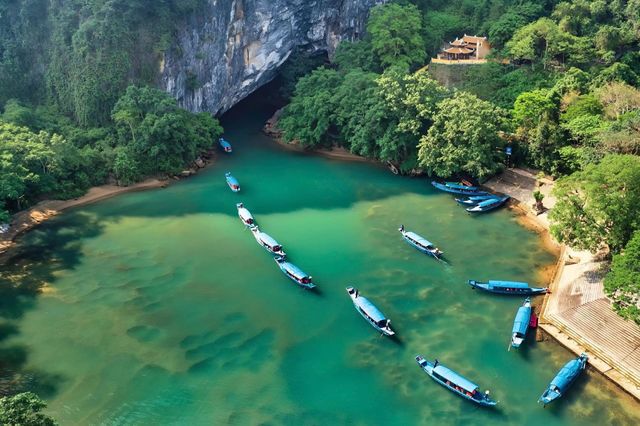
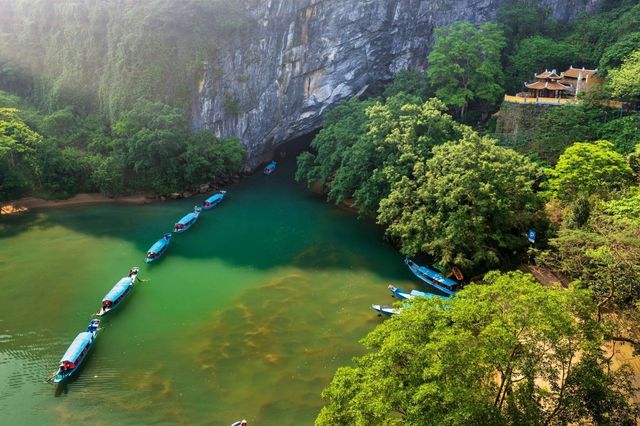
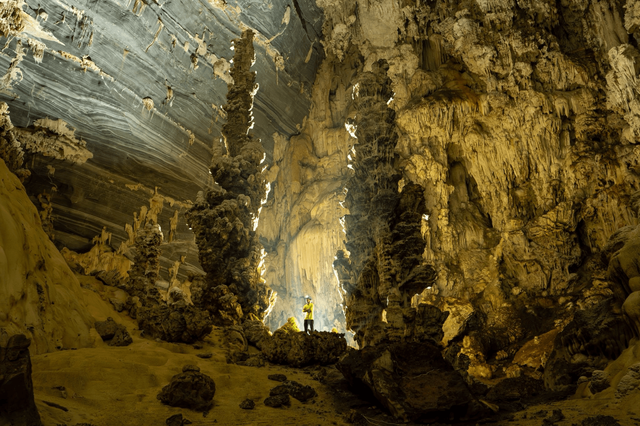
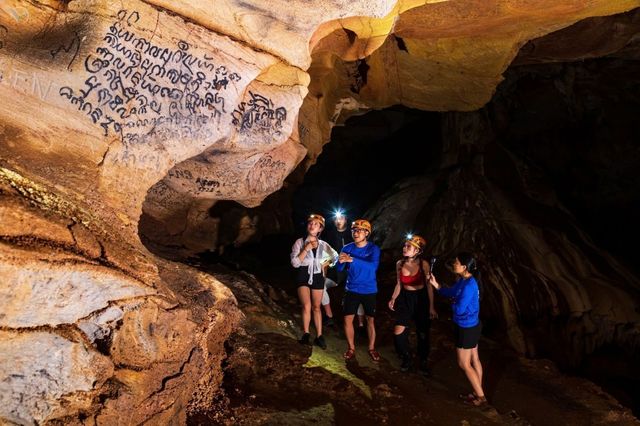
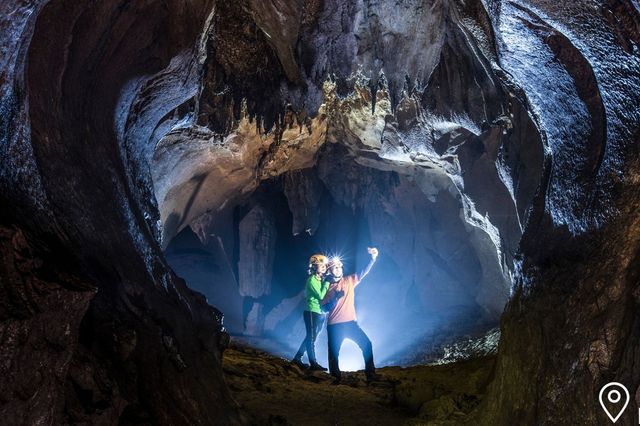
Dong Hoi tourism attracts visitors through the harmonious blend of pristine nature, historical sites, and local folklore culture. The city is famous for clear blue seas and fine white sand beaches like Nhat Le or Bao Ninh, where you can enjoy the Central region's sun, wind, and coastal sports activities. Dong Hoi is also the gateway to Phong Nha - Ke Bang National Park (a UNESCO World Natural Heritage Site), located just 40-50 km from the center, home to magnificent cave systems such as Son Doong - the world's largest cave.

The climate is mild year-round, especially in summer (May-August) which is ideal for beach tourism, while winter offers a peaceful charm for historical exploration. Dong Hoi tourism is also appealing thanks to its rich cuisine, ranging from fresh seafood to rustic Central dishes, alongside cultural festivals such as the Boat Racing Festival on the Nhat Le River.

The beautiful city of Dong Hoi, an unmissable tourist destination
Photo: The beautiful city of Dong Hoi, an unmissable tourist destination

4. Famous attractions in Dong Hoi

Dong Hoi boasts a wide variety of attractions, from nature to historical landmarks. Below are some prominent destinations:

  • Nhat Le Beach: The most beautiful beach in former Quang Binh, with clear blue water and fine sand, ideal for swimming, kayaking, or watching the sunset. Located 2 km from the center.
  • Bao Ninh Beach: More peaceful than Nhat Le, featuring an ancient fishing village and Quang Phu Sand Dunes—an exciting sand-sliding spot, located 5 km from the center.
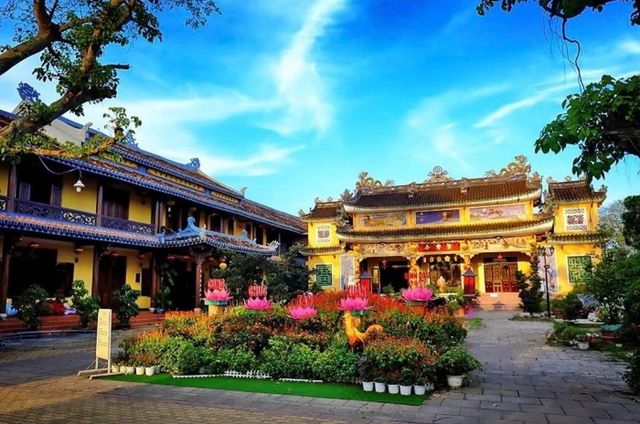
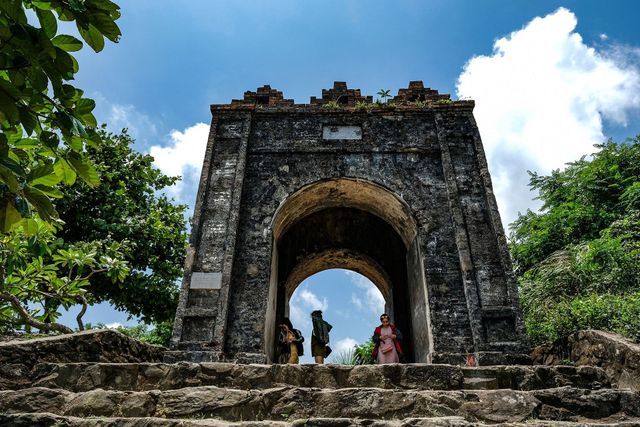
  • Quang Binh Quan Gate: An ancient city gate from the 19th century, a historical icon that often hosts festivals.
  • Mother Suot Monument: Commemorating a national heroine, situated along the Nhat Le River alongside a lush green park.
  • Ho Chi Minh Square: A vast public space featuring a shrine dedicated to President Ho Chi Minh, a venue for major events, perfect for evening walks.
  • Tam Toa Church Relic: War ruins and a historical testament, attracting visitors interested in the Vietnam War.
  • Dong Hoi Market: A bustling traditional market, a great place to buy fresh seafood and local specialties.
  • Quang Binh Museum: Showcasing the history and culture of the region with rich artifacts.

Additionally, from Dong Hoi, it is easy to travel to Da Nhay Beach, Paradise Cave, or Son Doong Cave. Plan a 2-3 day tour to fully explore the region.

You can visit beautiful Dong Hoi in many different ways
Photo: You can visit beautiful Dong Hoi in many different ways

5. Signature cuisine of Dong Hoi

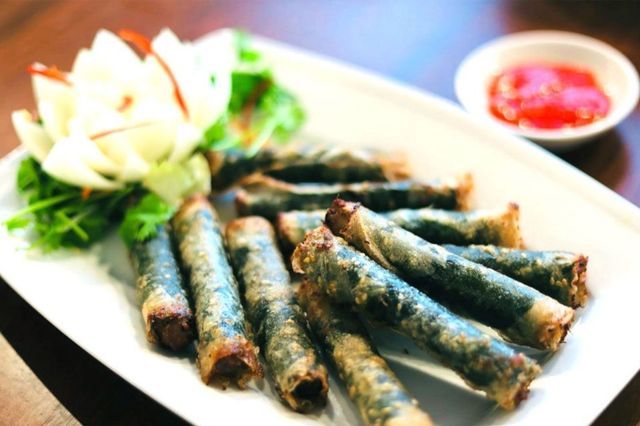
Dong Hoi cuisine is deeply rooted in the Central style, combining fresh seafood with spicy seasonings. Here are signature dishes you should try:

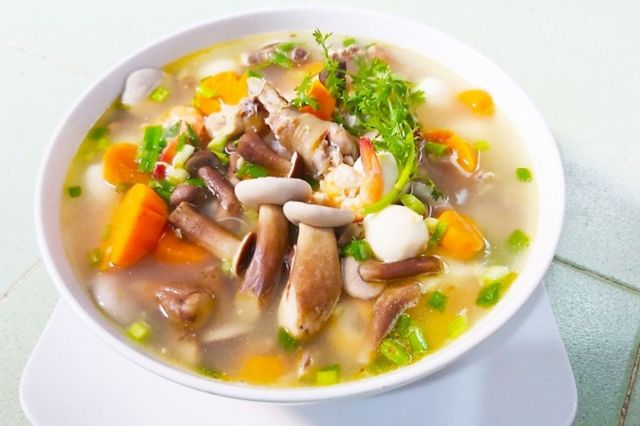
  • Banh bot loc (Clear shrimp and pork dumplings): Translucent dumplings filled with shrimp and pork, served with spicy fish sauce, popular at Dong Hoi Market or Me Xuan eatery.
  • Banh beo (Steamed rice cakes): Thin rice cakes topped with dried shrimp, served warm with sweet and sour dipping sauce.
  • Chao canh (Noodle soup): A signature noodle soup with chewy thick rice noodles topped with fish or pork, best tried at Gia Bao restaurant.
  • Lau ca khoai (Bombay duck fish hotpot): Fresh Bombay duck fish cooked in a sour and spicy hotpot, highly nutritious, popular at coastal seafood restaurants.
  • Khoai deo (Chewy dried sweet potatoes): A specialty made from sun-dried sweet potatoes, naturally sweet, perfect as a gift.
  • Chep xao (Stir-fried clams): A dish made from sea clam species, stir-fried sweet and sour, representing rustic local cuisine.
  • Fresh seafood: Lobster, squid, grilled grouper, best enjoyed at the night market or coastal eateries.

Dong Hoi cuisine is not only delicious but also affordable (around 50,000 - 200,000 VND/dish), concentrated around Dong Hoi Market or the walking street. Try pairing it with local beer for a complete experience.

The familiar banh beo with toasted shrimp topping of Quang Binh people
Photo: The familiar banh beo with toasted shrimp topping of Quang Binh people

6. Useful travel tips for Dong Hoi

To help you have a complete and memorable journey, let's explore some useful Dong Hoi travel tips below!

  • Ideal time: Best to visit from March to September, when the weather is fine with little rain, favorable for sightseeing.
  • Summer weather note: Quite hot due to the Foehn wind (Lao wind); visitors should carefully prepare sunscreen, hats, and sunglasses.
  • Buying gifts: Fresh seafood (bought at Dong Hoi Market), shrimp paste, Bao Ninh fish sauce, and Quang Binh dried sweet potatoes make meaningful souvenirs.

Dong Hoi, with its harmonious blend of natural beauty, historical imprints, and unique culture, will surely bring you unforgettable experiences on your journey to explore Central Vietnam.

Quang Binh specialties are always attractive to visitors
Photo: Quang Binh specialties are always attractive to visitors

Are you planning a trip to Dong Hoi and want to fully discover the beauty of this city? Don't miss the chance to visit the finest destinations that Dong Hoi has to offer. To make your journey even more complete and convenient, you can book a tour directly on the website sovaba.travel or call our hotline at 0934 733 223. Our team of consultants is always ready to assist you in having a memorable Dong Hoi tour!

Featured destinations