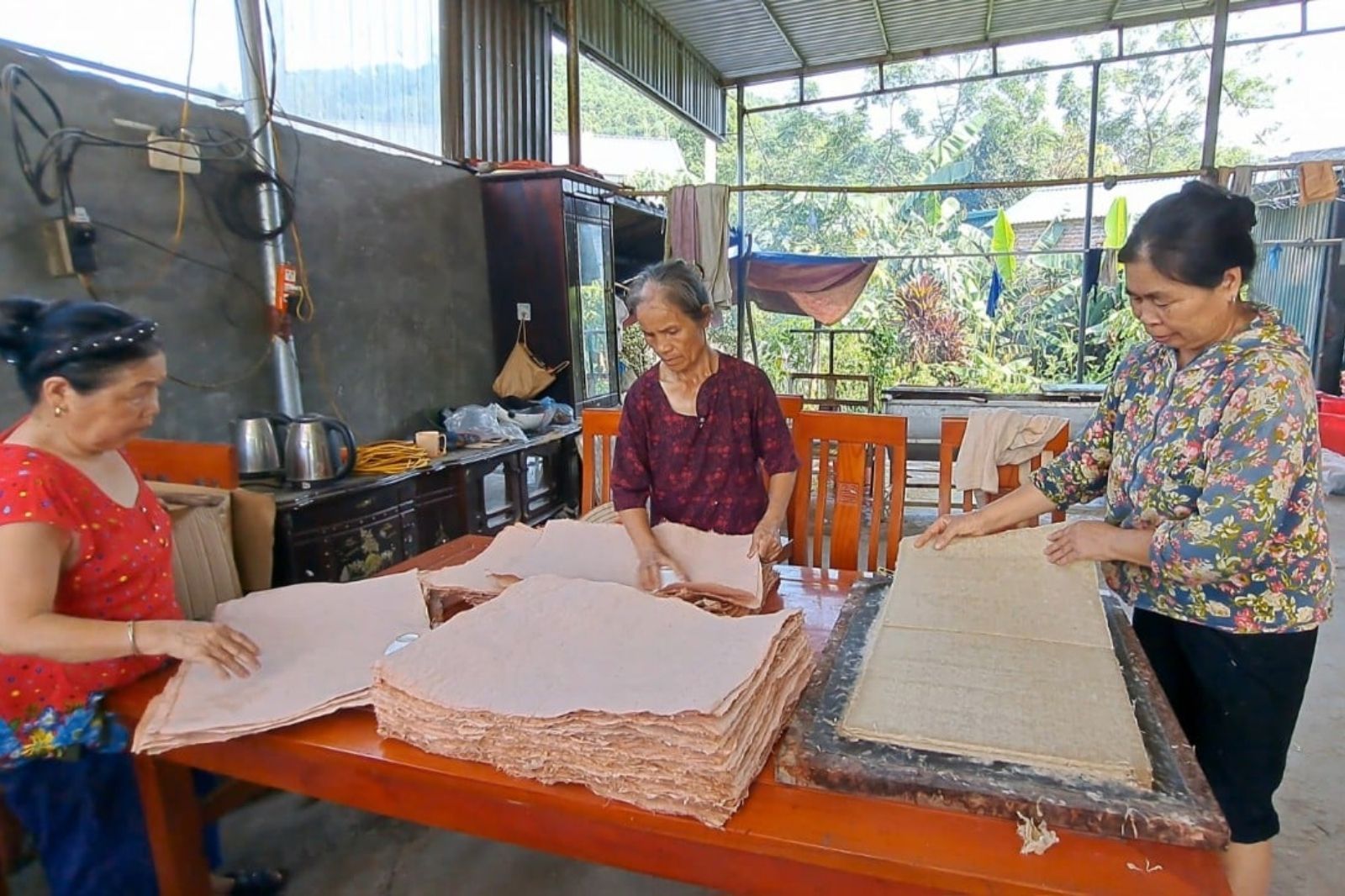
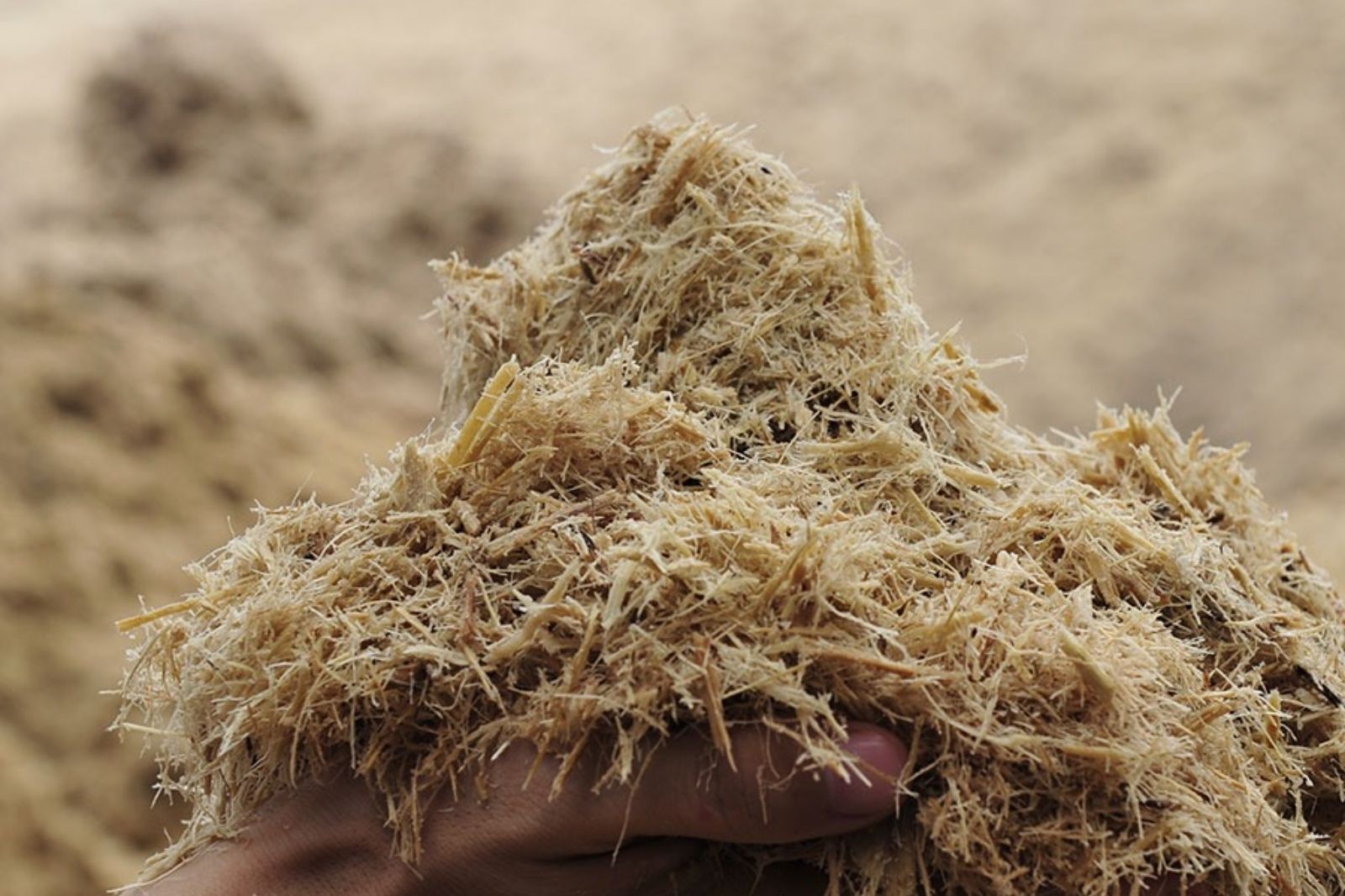
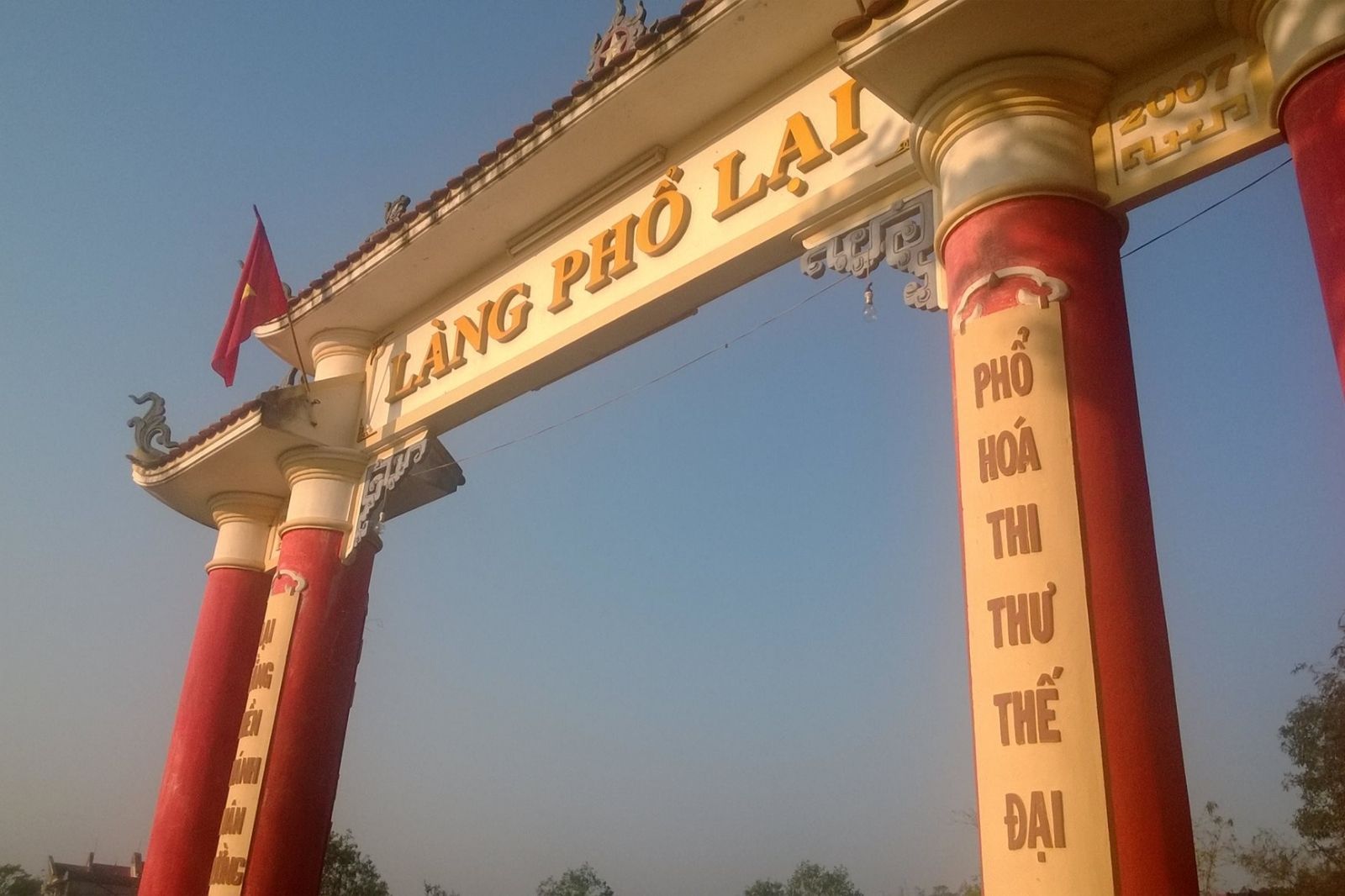
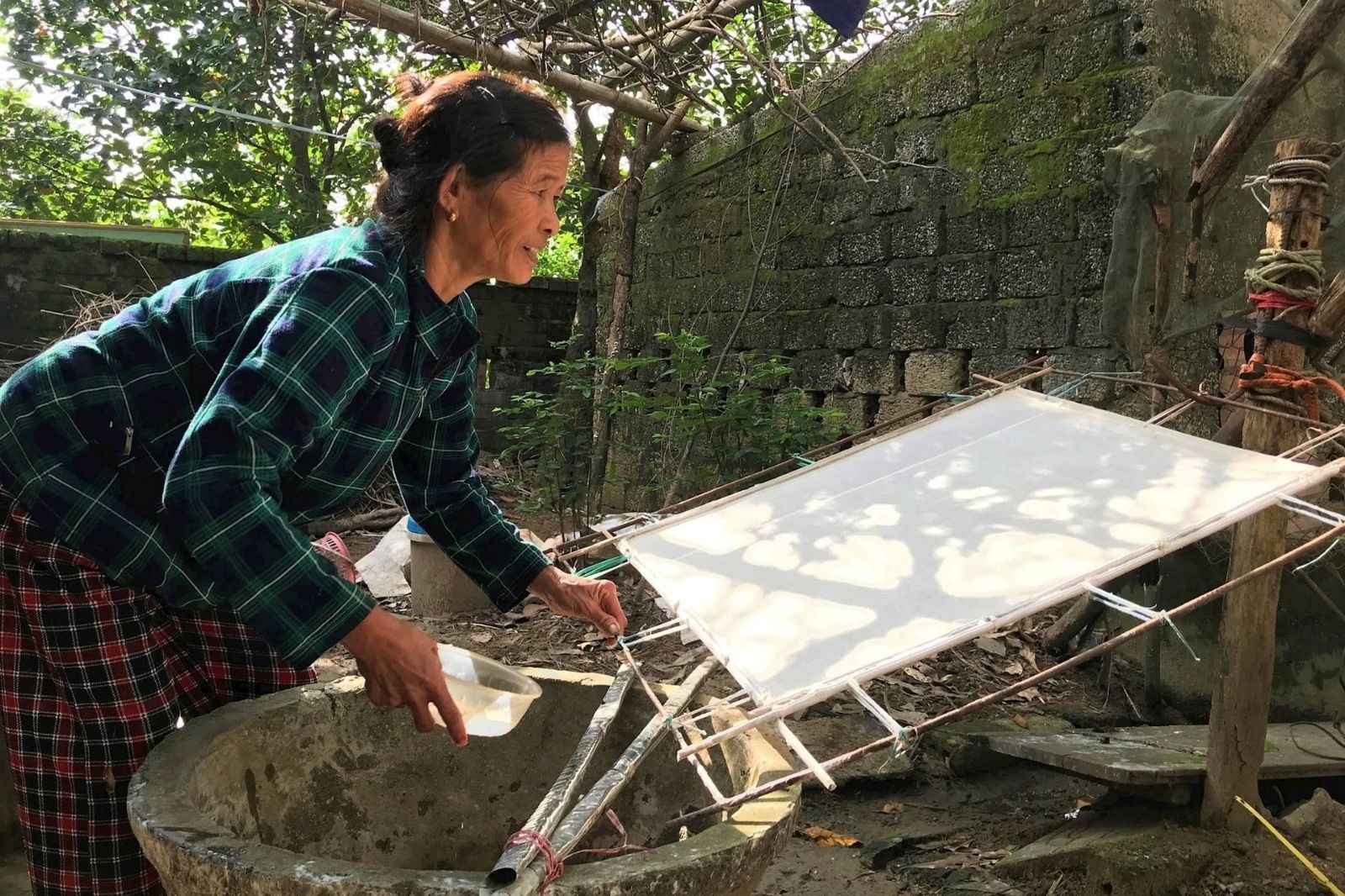
Pho Lai is situated on the southern bank of Hoi Song, in Cam An Commune, Cam Lo District (Quang Tri), a land with a favorable location intersecting waterways such as Hoi Song, the Hieu River, and the ancient Thien Ly land route. This advantage enabled Pho Lai to early form and develop traditional trade, handicraft, and commercial activities. For a long time, the village has been famous for two characteristic handicrafts: making boi paper (handmade do paper) and lime slaking. Among them, the lime slaking craft is still maintained on a small scale, serving traditional construction needs and local daily life. In contrast, papermaking was once highly developed but gradually faded after 1975; however, it remains deeply imprinted in the community's memory through the familiar landmark "Cau Phuong Giay" (Paper Guild Bridge).
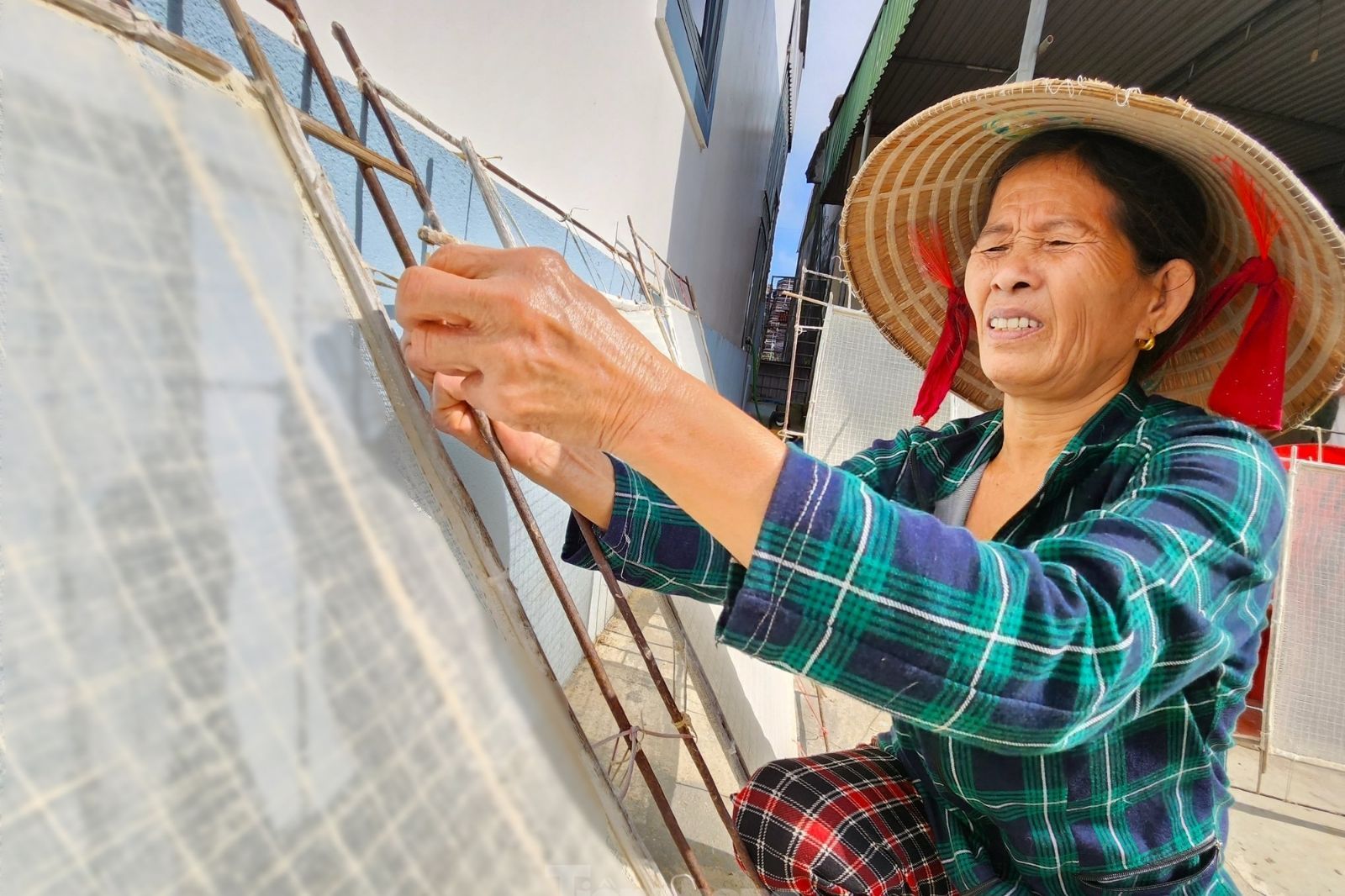
Although established later than many other ancient villages in Cam Lo, Pho Lai quickly became an important goods production point in the region. Products like paper and lime not only met self-sufficiency needs but were also traded and sold at major market sessions like Song Market and Phien Market – bustling commercial hubs of ancient Quang Tri. Today, the village still retains the characteristic peacefulness of the North Central countryside with images of rice fields, water wells, banyan trees, and a simple rhythm of manual labor.
In addition to economic value, Pho Lai stands out for its strong community cohesion. The local people not only preserve traditional crafts but also safeguard ancestral customs and traditions, including many families originating from Tuy Loc (Quang Binh). All of these create a Pho Lai rich in identity, serving as a living testament to the industriousness, creativity, and strong adaptability of Quang Tri people across generations.