|

Back Home

Quang Binh Rice Noodle Soup – The Flavor of Home in Every Noodle

Central

Quang Binh

Dong Hoi

Sovaba.travel

Updated at: 28/08/2026

1. What is Quang Binh Chao Canh noodle soup?

Coming to old Quang Binh (now part of Quang Tri province), you will easily come across a very familiar sight every morning: steaming Quang Binh rice noodle soup (cháo canh) eateries, with people bustling in and out from small roadside stalls to addresses that have been attached to local residents for many years. No elaborate signboards, no need for fancy spaces, just a hot pot of broth, freshly rolled noodle strands, and the lively sound of ordering are enough to create a very distinct “Quang Binh corner”, where visitors can slow down, sit down, and start their journey of exploring this land with the most sincere local flavor.

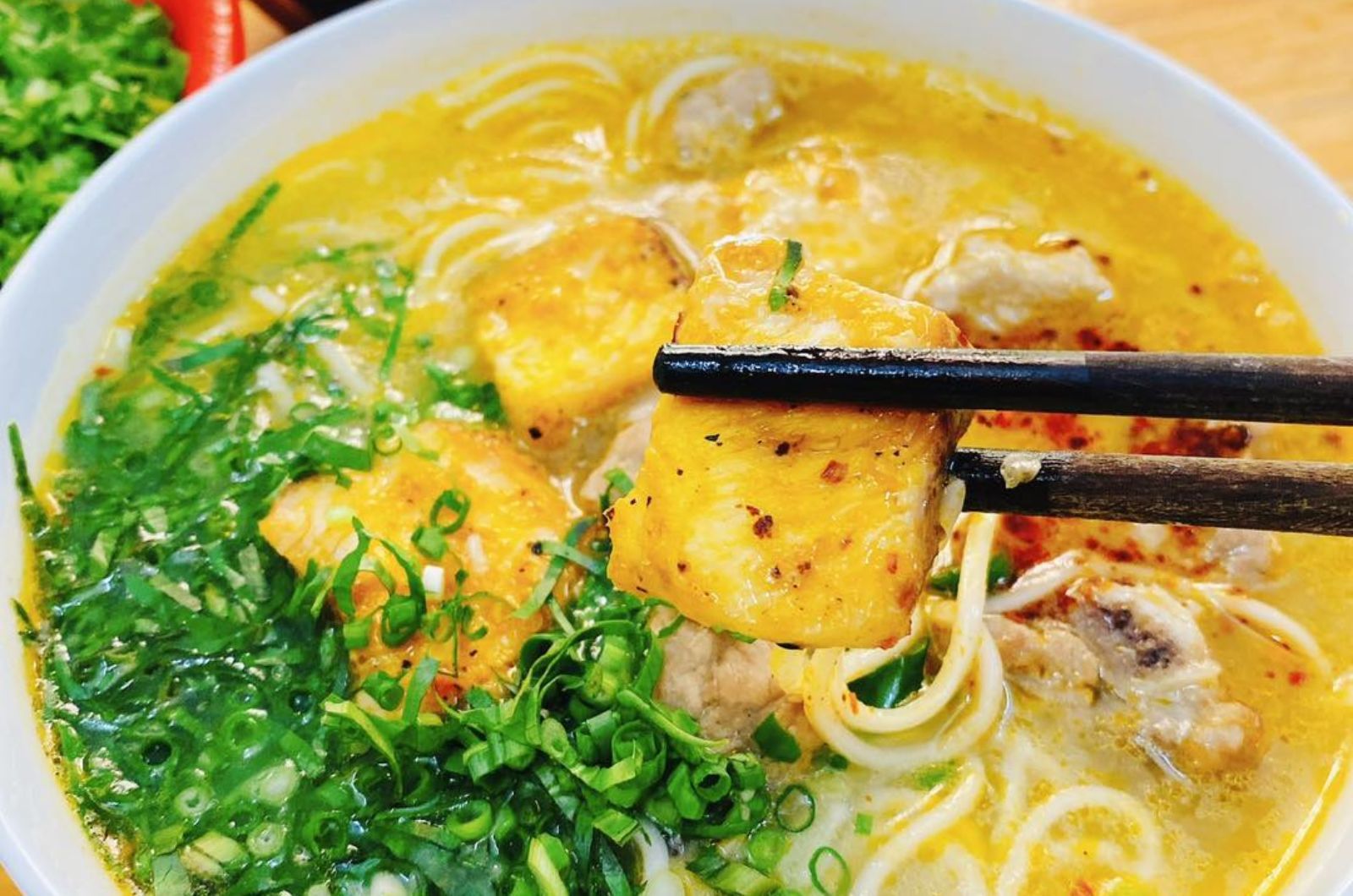
Hearing the name “cháo canh”, many first-time visitors to Quang Binh will be curious: is this porridge (cháo) or noodle soup (bánh canh)? In fact, this dish resembles bánh canh more, but possesses its own unique flavor profile. The broth is usually clear, light, and just rich enough, not too thick, so that each noodle strand stands out fully in the bowl. The noodle strand is the soul of the dish, handmade from rice flour, rolled thin, and then cut into moderately flat strands.

Perhaps what makes Quang Binh cháo canh special lies not only in how it is cooked, but also in the story behind the dish. Born from the lives of people in the sun-and-wind-swept Central region, cháo canh was once a rustic dish with unpretentious ingredients and simple preparation, yet enough to warm the stomach and keep you full. During difficult years, a hot bowl of cháo canh could become a precious meal, carrying the diligence, skill, and resourceful spirit of the Central people.
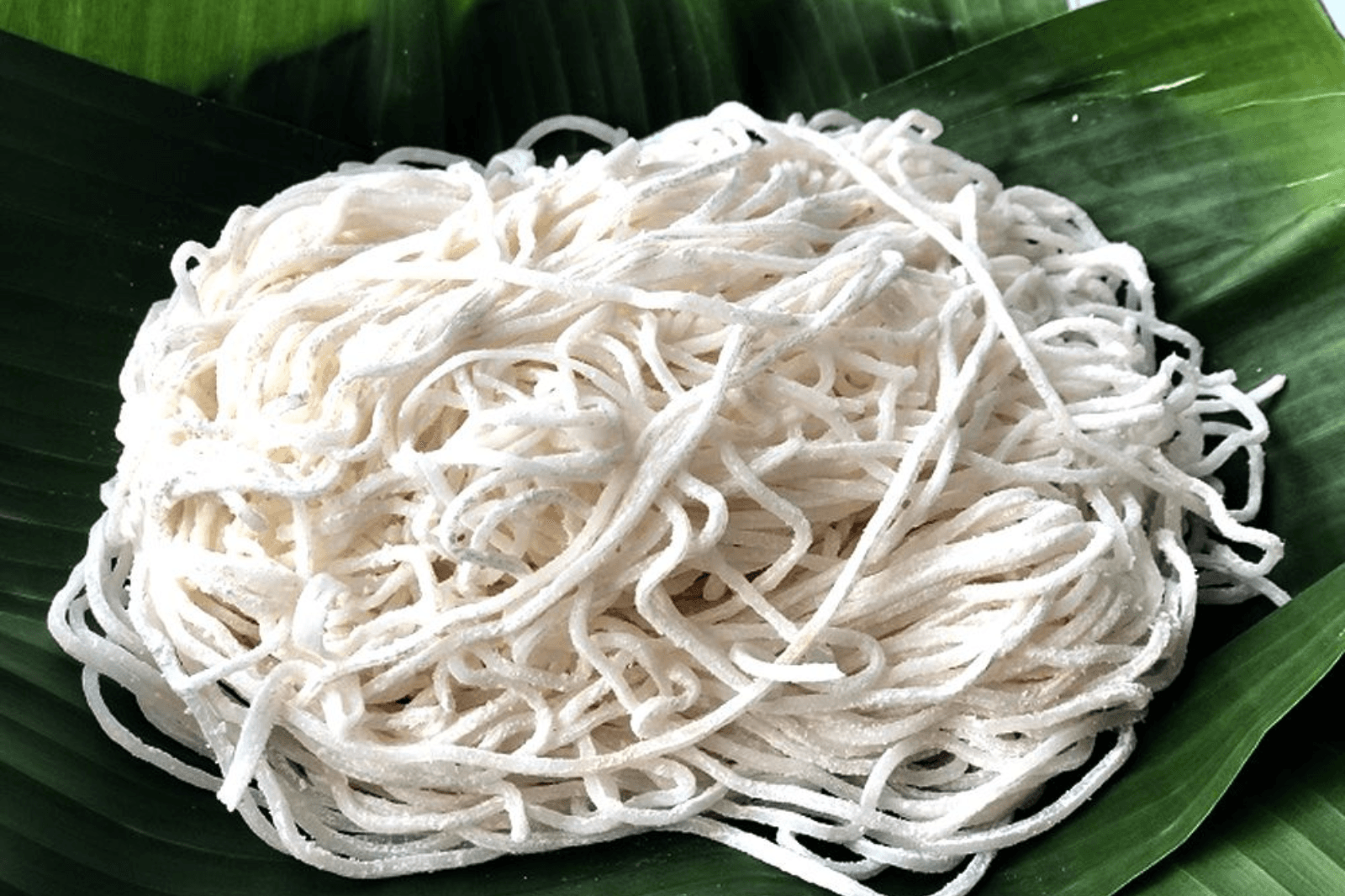
Quang Binh cháo canh noodle strands

Photo: Quang Binh cháo canh noodle strands 

Today, cháo canh is not only a familiar breakfast dish for locals, but also a culinary experience sought after by many tourists when visiting Dong Hoi and Quang Binh. Some remember the dish for its signature noodles, some love the broth's flavor, while others just need to sit by a small stall in the morning, enjoying a hot bowl of cháo canh amidst the rhythm of local life to feel a part of Quang Binh's "rural soul".
2. Key ingredients of a bowl of Quang Binh Chao Canh

What makes Quang Binh cháo canh appealing does not lie in elaborate ingredients, but in how locals select very familiar items and skillfully combine them to create a well-rounded breakfast bowl.

  • Noodle strands: Mainly made from rice flour, with some places mixing tapioca starch or wheat flour to create a soft and chewy texture. In particular, the traditional “cháo sát” style cuts the dough directly into the boiling pot when customers order, so the noodles are always fresh, soft, and naturally chewy.

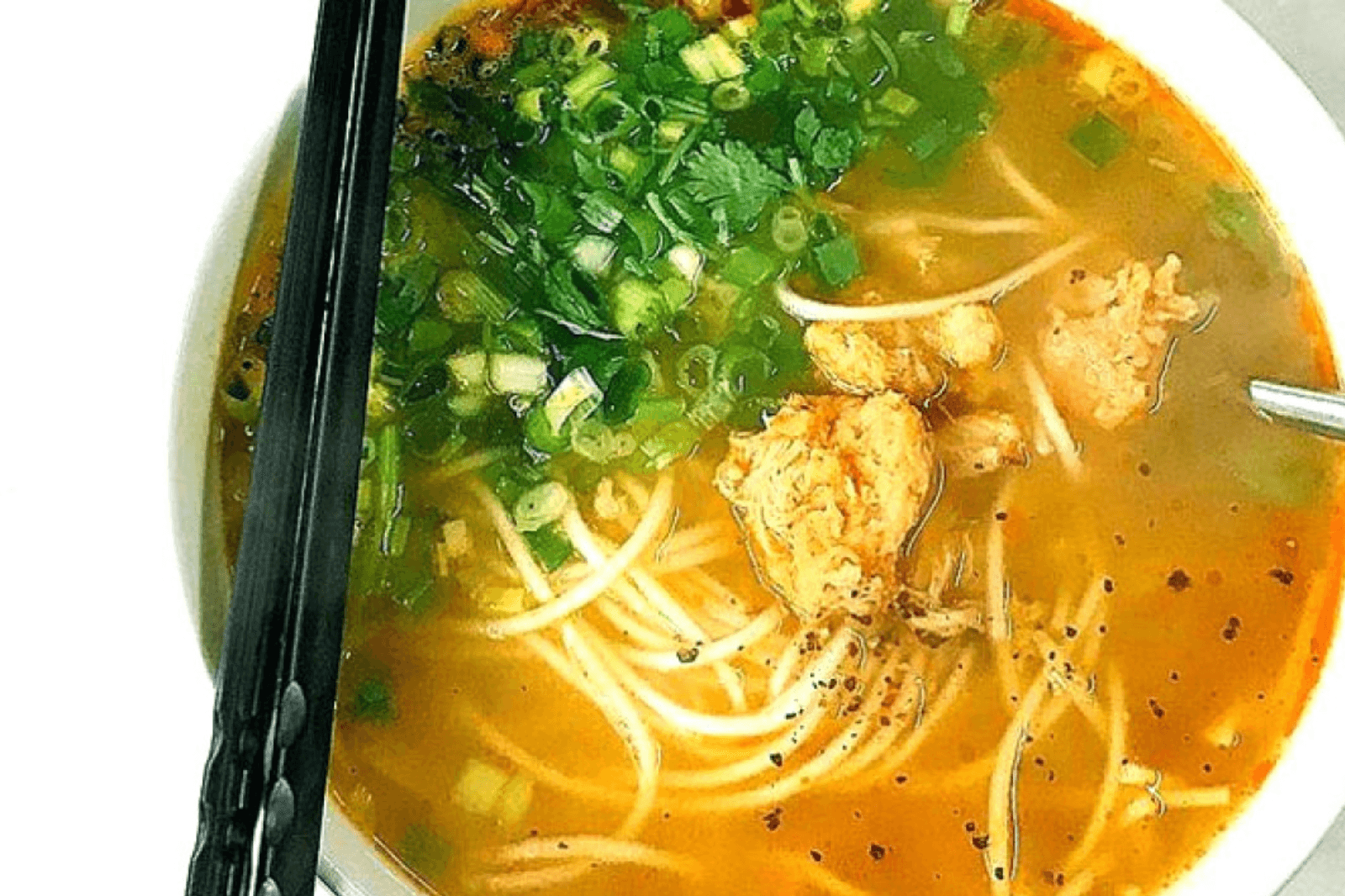
  • Broth: Simmered from pork bones combined with heads or bones of snakehead fish, giving a sweet, clear broth. Some stalls add shrimp, field crab juice, or a bit of turmeric to create their own color and flavor.

  • Toppings: Wild snakehead fish is the most characteristic choice, usually boiled, filleted, and lightly stir-fried to make the meat firm and flavorful. Depending on the stall, there may also be shrimp, pork ribs, lean pork, quail eggs, or pork rolls.

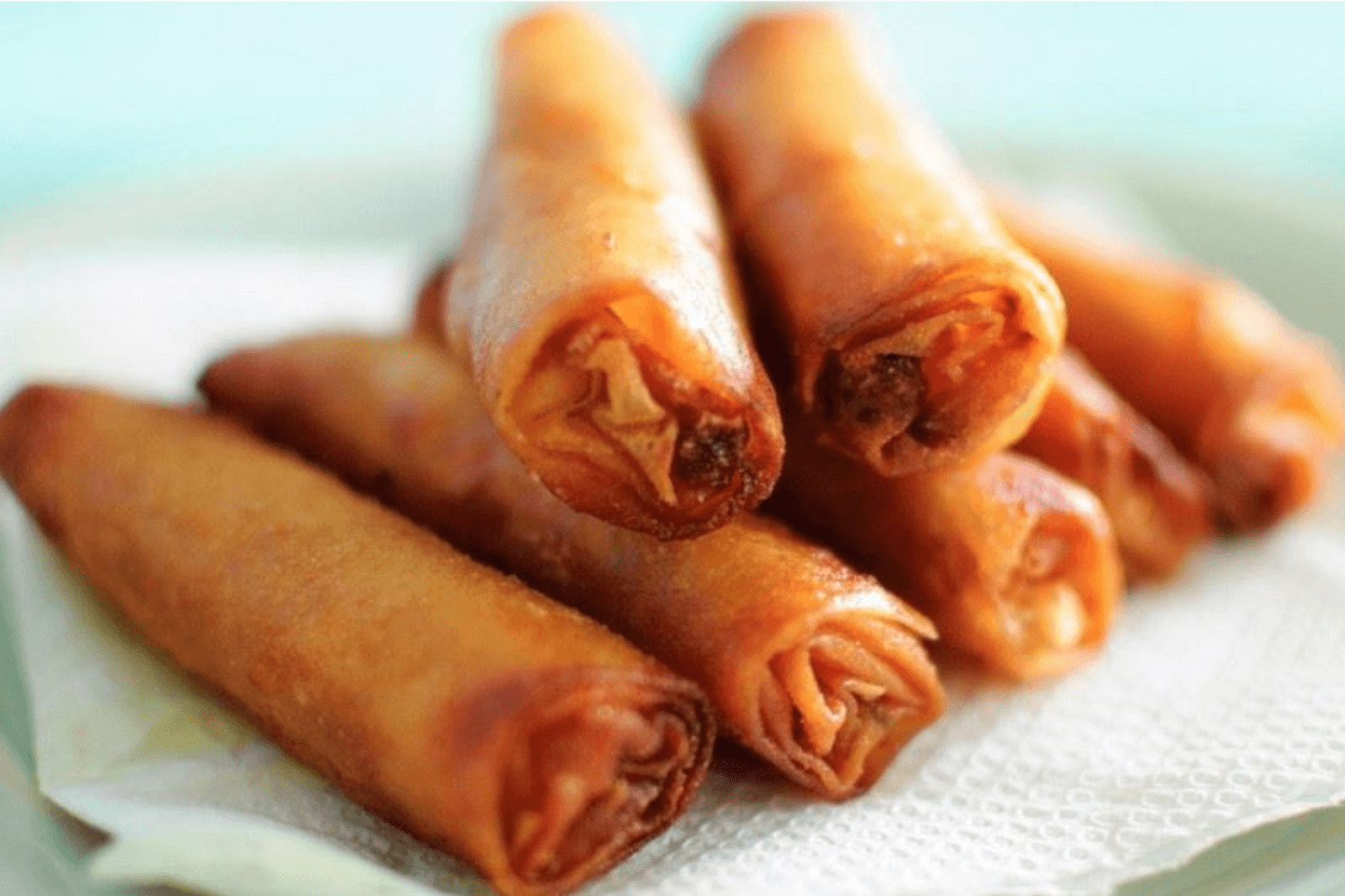
  • Accompaniments: Indispensable are crispy fried Ba Don ram (spring rolls), finely shredded mustard greens, scallions, pepper, chili, and a squeeze of lime.

Each cháo canh stall in Quang Binh has its own way of cooking, yet still retains the rustic, rich flavor of the Central region. And it is precisely these local ingredients like wild snakehead fish, Ba Don ram, along with handmade noodles that make cháo canh a breakfast dish that travelers to Quang Binh should try at least once.

Bowl of snakehead fish rice noodle soup

Photo: Bowl of snakehead fish rice noodle soup

3. How to enjoy Quang Binh Chao Canh like a local

To fully appreciate the flavor of Quang Binh cháo canh, don't rush to eat it the ordinary way; try enjoying it like a local at least once. The bowl of cháo canh is best when just ladled out steaming hot, with soft and chewy noodle strands blended in a sweet, clear broth. The special feature is that finely shredded mustard greens are added directly into the bowl. The gentle heat is just enough to cook the greens lightly, maintaining a mild pungent taste and crispness, helping to balance the sweetness of the broth. Order an extra plate of golden crispy fried Ba Don ram, take a bite of the ram, and swallow a spoonful of broth—the crunchiness blending with the warm softness creates a very satisfying mouthfeel.

Finally, depending on your taste, you can add chili paste, pepper, or lime to make the bowl richer. Some people also like to break crisp bread into pieces and drop them into the bowl to soak up the broth.

Ba Don ram served with cháo canh

Photo: Ba Don ram served with cháo canh

4. Best Chao Canh eateries in Dong Hoi - Quang Binh

If you want to find an authentic bowl of Quang Binh cháo canh, Dong Hoi is where you should start. From small stalls in residential areas to long-established cháo canh eateries, each address has its own way of cooking, yet all preserve the rich, rustic characteristics of Central region cuisine. Prices are usually only around 15,000–40,000 VND/bowl, making it easy for you to try multiple stalls during your culinary exploration.

  • Cháo Canh Bà Hồng (49 Nguyen Huu Canh, Dong Hoi): It is no coincidence that Ba Hong stall is always in the top list of best cháo canh eateries in Dong Hoi. The broth is sweet and clear, rich from simmered bones, and the noodles are small and soft yet retain their chewiness, creating a harmonious overall bowl that is not too heavy on the stomach but satisfying enough for an energetic breakfast.

  • Cháo Canh 24 (24 Dong Hai, Dong Hoi): Cháo Canh 24 is famous for its light, sweet broth cooked from sea fish without any fishy smell. Each noodle strand absorbs the flavor, accompanied by fresh fish pieces and crispy fried ram charged per piece eaten. Even though the stall is always crowded, service is fast, and the owner is cheerful and welcoming. 

  • Quán Thúy Hường (46 Dong Hai, Dong Hoi): Located right on Hai Thanh walking street, this stall is small but always packed with customers. The noodle strands here are pre-made but still maintain their soft smoothness. Special toppings include fresh, sweet shrimp and chewy, delicious fish cakes, combined with a rich broth to create a properly flavorful bowl of cháo canh.  

  • Bánh Canh Sương Hồng (36 Nguyen Trai, Dong Hoi): Situated right next to the lake, offering a nice view. The highlight of the stall is its signature spicy ground chili; if you are a fan of spicy food, you definitely must try it right away.  

  • Cháo Canh Cá Lát (Dong Hai, Dong Hoi): Unpretentious in its presentation, Cháo Canh Cá Lát conquers diners with its rich, authentic Quang Binh flavor. 

  • Cháo Canh Bình Phương (673 Ly Thanh Tong, Dong Hoi): This stall mainly serves locals, so the flavor is authentically Quang Binh. From the seasoning of the broth and the chewiness of the noodles to how it is eaten with ram, everything retains traditional taste. Notably, the broth has a distinct fragrant aroma of fresh fish rather than using industrial seasonings. 

Cháo canh is best enjoyed while still hot

Photo: Cháo canh is best enjoyed while still hot

Quang Binh cháo canh is not just a dish, but also the pride of Central region people, encapsulating the flavor of home in every soft, chewy noodle strand and every spoonful of rich broth. For that reason, cháo canh often appears in warm breakfasts when tourists join a Quang Binh tour, as a way to start a new day full of energy.

Loading......

Featured destinations