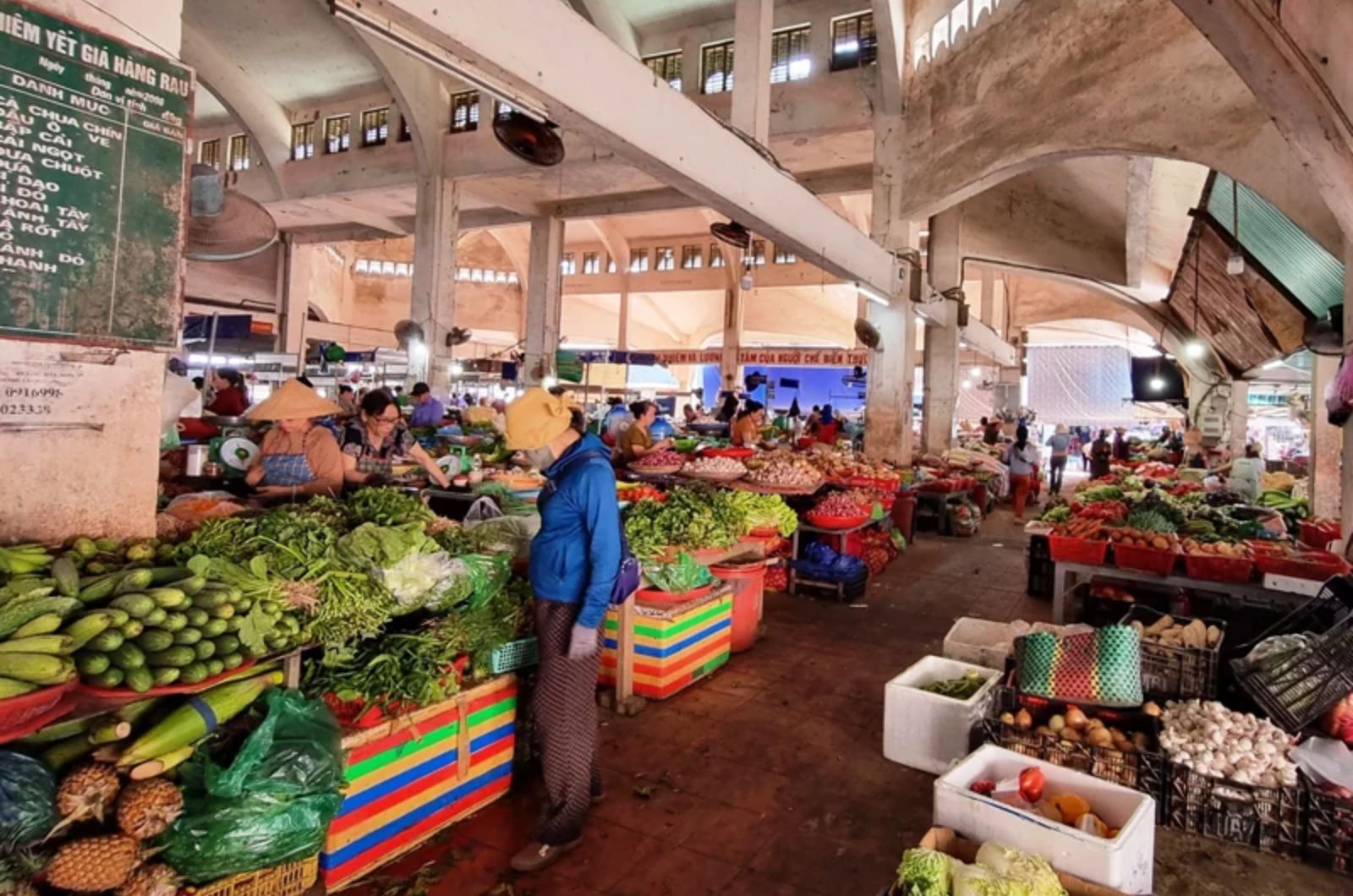
Quang Tri Country Markets – An Ideal Location to Deeply Understand Local People and Cuisine

Central

Quang Tri

Sovaba.travel

Updated at: 24/09/2026

1. Overview of Quang Tri's countryside markets

Rural markets in Quang Tri have long been an integral part of life in the province's riverside, coastal, and lowland villages. These markets often begin at the crack of dawn, while the village paths are still veiled in mist and vendors are just setting out their produce-fresh vegetables, the day’s catch of fish and shrimp, and homemade cakes. A simple tarp, a wooden table, or a pair of bamboo carrying baskets is all it takes to form a market stall. The goods on offer are mostly familiar local staples: garden-fresh greens, fish straight from the water, and rustic treats crafted from readily available ingredients.

Beyond the simple act of buying and selling lies a vital part of the culture and daily life of the people of Quang Tri. Many markets have sprung up near communal houses, river landings, coastal areas, or along historic trade routes; locals visit not only to trade but also to connect, exchanging news about their families and the harvest. Even as modern life introduces new ways to shop, these rural markets retain their unique charm through a sense of familiarity, fresh local produce, and the unpretentious, friendly interactions of the people.

Dong Ha Market located right in the center

Photo: Dong Ha Market located right in the center 

2. Famous markets in Quang Tri

To truly grasp the rhythm of daily life and the rich flavors of the Quang Tri region, there is no better way than visiting local markets-places that preserve the culture, trading customs, and community spirit of the Central region's people.

Dong Ha Market

Situated along the Hieu River, Dong Ha Market is one of Quang Tri’s largest and oldest trading hubs. It is a sprawling market offering a diverse array of goods-ranging from agricultural produce, fresh food, and household items to clothing and products imported from Laos and Thailand via the Lao Bao border crossing. A major draw for visitors is the market's casual food court. Dishes such as noodle soups, rice porridge, savory cakes, and glass noodles are served from early morning at affordable prices, all while retaining the authentic flavors of Quang Tri cuisine. A stroll through the market allows visitors to shop for local specialties while observing the bustling trade and daily lives of the locals.

Food stalls inside the market

Photo: Food stalls inside the market 

Quang Tri Market

Located near the Quang Tri Ancient Citadel and the Thach Han River, Quang Tri Market serves the trading needs of residents from Quang Tri town and the surrounding areas. It is a sizable market offering a wide range of goods for daily life. While the market usually operates at a leisurely pace, it becomes bustling and vibrant as the Lunar New Year (Tet) approaches. Agricultural produce, traditional Tet sweets and jams, flowers, and ceremonial offerings fill the stalls, creating the distinctive atmosphere of a rural market in Central Vietnam.

Cam Lo Market

Cam Lo Market is a landmark deeply rooted in Quang Tri’s long history of trade. Centuries ago, it served as a hub for exchanging goods between the lowlands and highlands, as well as along trade routes connecting to Laos. The market convenes on the 3rd, 8th, 13th, 18th, 23rd, and 28th days of the lunar month. Each session offers a variety of products, including agricultural produce, betel and areca nuts, handicrafts, and other daily necessities. The year-end session on the 28th day of the twelfth lunar month is particularly lively, drawing shoppers from far and wide to prepare for Tet. For those interested in local history and culture, visiting Cam Lo Market offers a fascinating glimpse into the trading life of Quang Tri in times past.
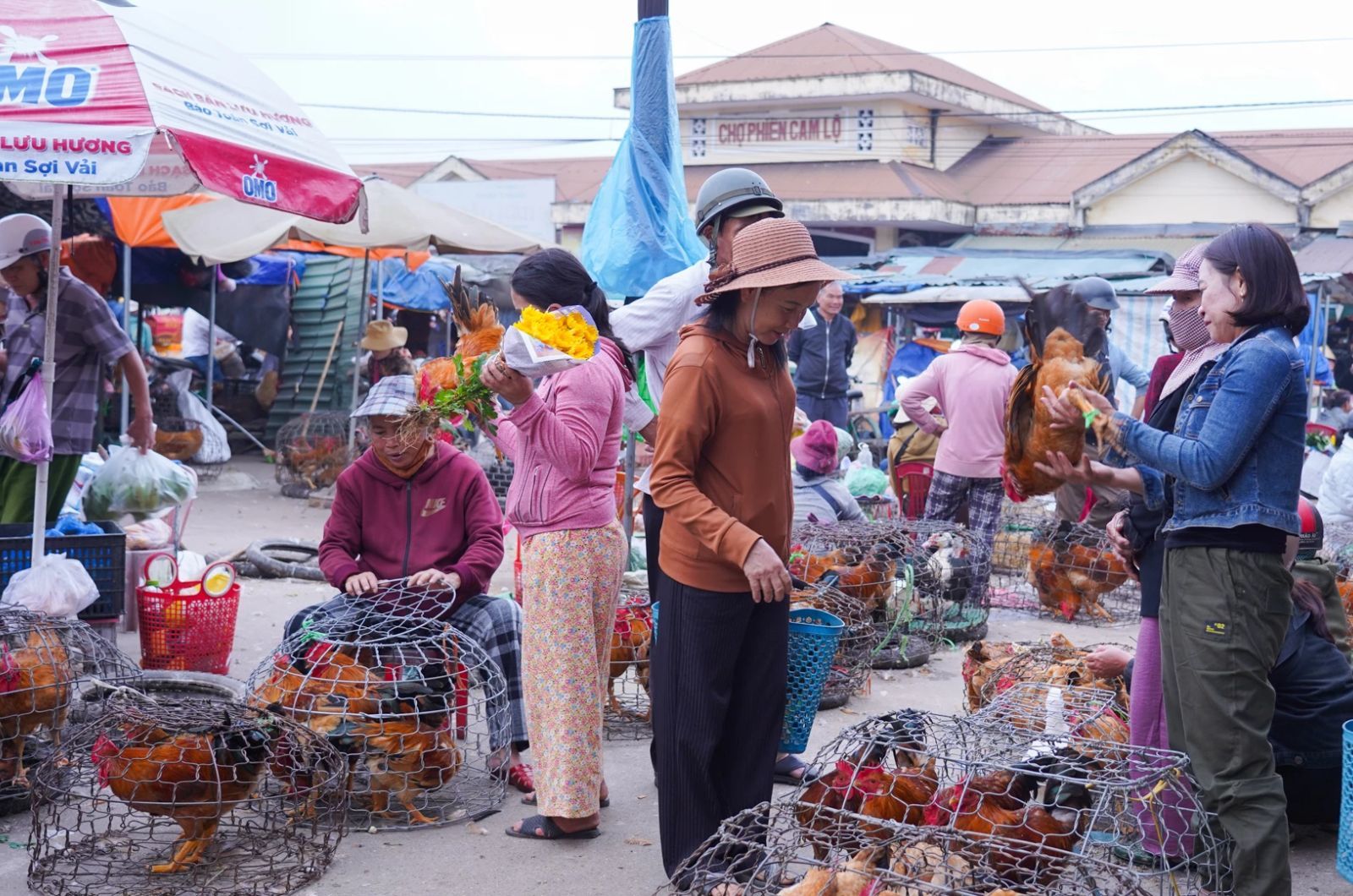
Cam Lo Periodic Market

Photo: Cam Lo Periodic Market 

Cua Viet Market and Cua Tung Fish Market

In the coastal region of Quang Tri, seaside markets offer a distinct rhythm of life. Cua Viet Market and Cua Tung Fish Market are renowned for their fresh catches-such as fish, shrimp, squid, and seaweed-as well as a variety of dried seafood products. Cua Tung Fish Market is particularly bustling when fishing boats dock; buyers and sellers quickly trade right at the waterfront, creating a scene that epitomizes the atmosphere of a coastal village. These markets also offer visitors the chance to purchase fresh seafood or sample dishes prepared with local ingredients.

Bich La Communal House Market

While the aforementioned markets operate regularly, Bich La Communal House Market boasts a unique feature: it takes place only once a year, spanning the night of the second day and the early morning of the third day of the Lunar New Year (Tet). People gather here for reasons beyond mere commerce; items such as fig fruit, sugarcane, salt, and betel leaves are exchanged in the hope of securing good fortune for the year ahead. Sellers rarely quote inflated prices, and buyers do not haggle, as the true value of the goods lies in the symbolic act of "purchasing good fortune."

Consequently, the market is deeply imbued with cultural and spiritual significance, attracting both locals and tourists eager to explore Quang Tri’s unique Tet traditions.

3. Signature local products on sale at rural markets in Quang Tri.

Wandering through a rural market in Quang Tri, visitors can encounter products from various landscapes all in one place. From garden vegetables and river or sea catches to familiar fermented sauces and traditional cakes, each item reflects how locals utilize the resources around them.

Seasonal produce: Gio An watercress, wild field greens, red rice, glutinous rice, Vinh Linh black pepper, Khe Sanh coffee, bananas, jackfruit, and more are typically sold according to the harvest season.

  • Seafood and aquatic products: Fish, shrimp, squid, clams, and dried seafood. Many stalls also offer fermented shrimp paste, fermented anchovy sauce, and other signature fermented sauces from the Quang Tri coast.

  • Traditional cakes and rustic dishes: tapioca dumplings, steamed rice flour dumplings, steamed rice sheets with pork offal, ramie leaf cakes, and Cua Tung agar jelly cakes. In the food court area, visitors can sample thick noodle soup with fish, vermicelli with small river clams, fish cake noodle soup, lemongrass pork skewers, and fermented pork sausage.

  • Dried goods and spices: Fish sauce, various fermented sauces, black pepper, wild tea, and other ingredients essential to Central Vietnamese cuisine.

  • Handicrafts and household items: Some markets still feature bamboo and rattan woven goods, betel and areca nuts, fruits for ancestral altars, and seedlings for agriculture.

This diversity stems from Quang Tri’s varied topography, which encompasses plains, midlands, mountainous areas, and the coast. Thus, visiting the market offers a glimpse into the characteristics of each region through everyday items. For travelers, a packet of pepper, a bottle of fish sauce, some local cakes, or a regional specialty makes for a simple yet lasting memento of the journey.

Bargaining when shopping at the market

Photo: Bargaining when shopping at the market 

4. Tips for Exploring Rural Markets in Quang Tri

To truly soak up the atmosphere of a rural market in Quang Tri, take your time to stroll through, observe the locals trading, and sample the food right on the spot. Here are a few tips to make your visit smoother:

  • Pick the right time: Aim for the 5:00 AM – 9:00 AM window when fresh produce, seafood, and prepared dishes are first brought out. Coastal fish markets tend to be livelier in the late afternoon as boats return to shore. If visiting the Cam Lo periodic market, check the lunar calendar for the correct market days; note that the Bich La Communal House Market takes place only during the Tet holiday.

  • Plan your transport: Major markets like Dong Ha and Quang Tri Market are easily accessible by motorbike, taxi, or bus. For rural markets located further from the center, it is best to use a private vehicle or incorporate the visit into a broader local itinerary.

  • Shopping and bargaining: Carry cash, as some small stalls do not yet accept digital payments. When buying local specialties or goods in bulk, ask about the origin and price beforehand. For food items, you can order a small portion to taste before deciding to buy more.

  • Sample the food: The food court area is well worth exploring. Start your morning with thick noodle soup or steamed rice rolls, then try clam vermicelli, seafood, or other local specialties depending on the specific market.

  • Combine with sightseeing: You can pair a visit to Dong Ha Market with the Quang Tri Ancient Citadel, combine a coastal market trip with Cua Viet and Cua Tung beaches, or visit the Cam Lo market while exploring the Route 9 – Khe Sanh area. These combinations allow you to experience local daily life, cuisine, and culture all in one trip.

Nên đi chợ vào buổi sáng để mua được thực phẩm tươi sống

Photo: Go to the market in the morning to buy fresh food

Quang Tri country markets are not luxurious or prominent destinations on the tourism map, but they are the places that best preserve the everyday, rustic traits of the local people. From how goods are displayed and simple dishes to conversations between sellers and buyers, everything creates an intimate, easily felt atmosphere. If you want to better understand the people, culture, and Quang Tri cuisine, spending a morning strolling through a country market is definitely an experience not to be missed.

Loading......

Featured destinations