Rare Animals on Con Co Island: Rock Crabs, Sea Cucumbers, and Moon Snails
Central
Quang Tri
Con Co Island
Sovaba.travel
Updated at: 02/10/2026
1. General introduction to the ecosystem of Con Co Island and the necessity of conservation
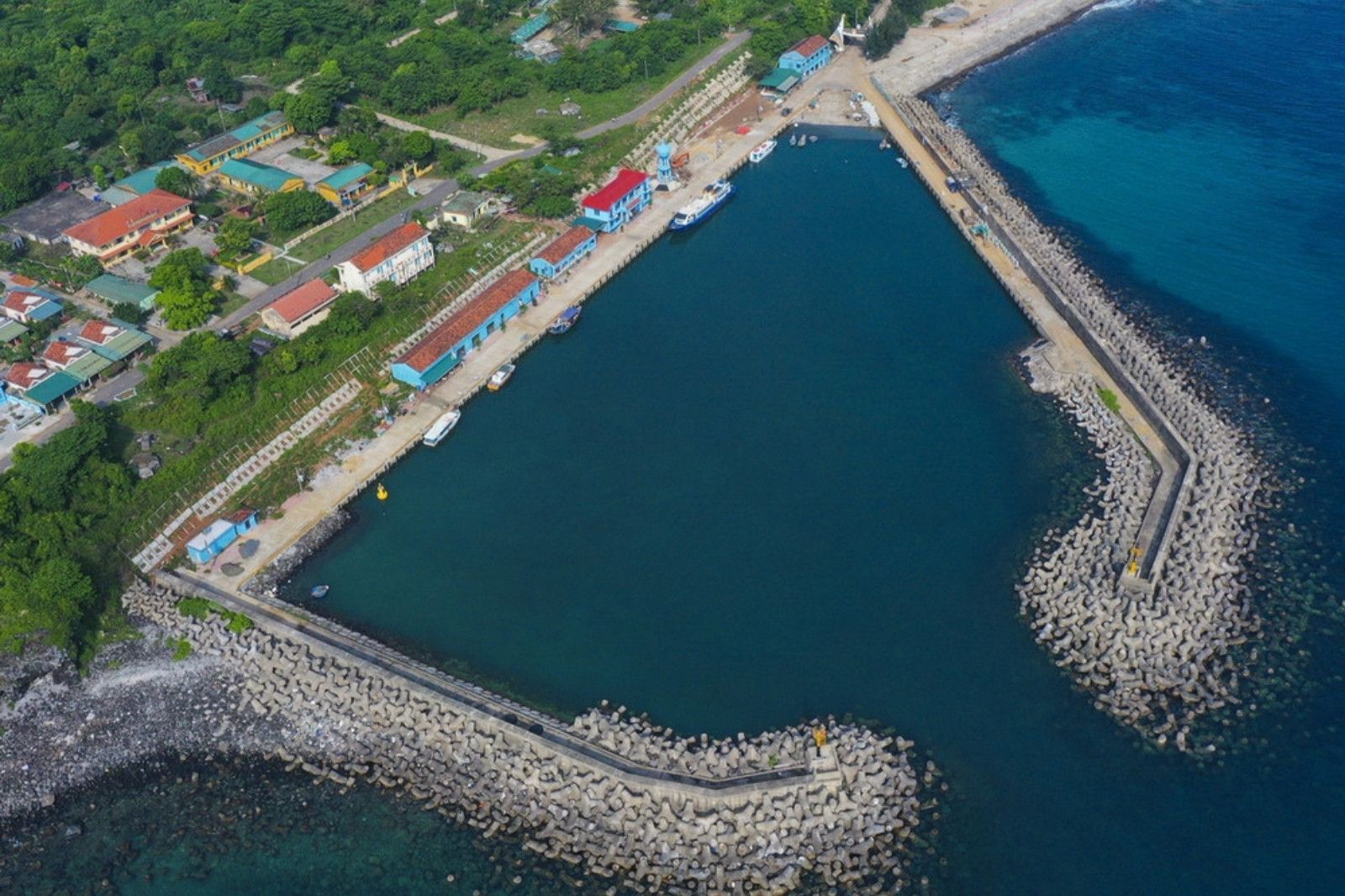
Con Co Island is located about 13-15 nautical miles (around 24-30 km) off the mainland, with an area of only about 2.3 km². Formed by basaltic volcanic activity, the island possesses unique geology featuring basalt shelves, and beaches made of coral debris and sand.
The island ecosystem includes:
Three-layered primary forest: Covering nearly 70% of the island's area, rare in Vietnam, creating a fresh environment and terrestrial biodiversity.
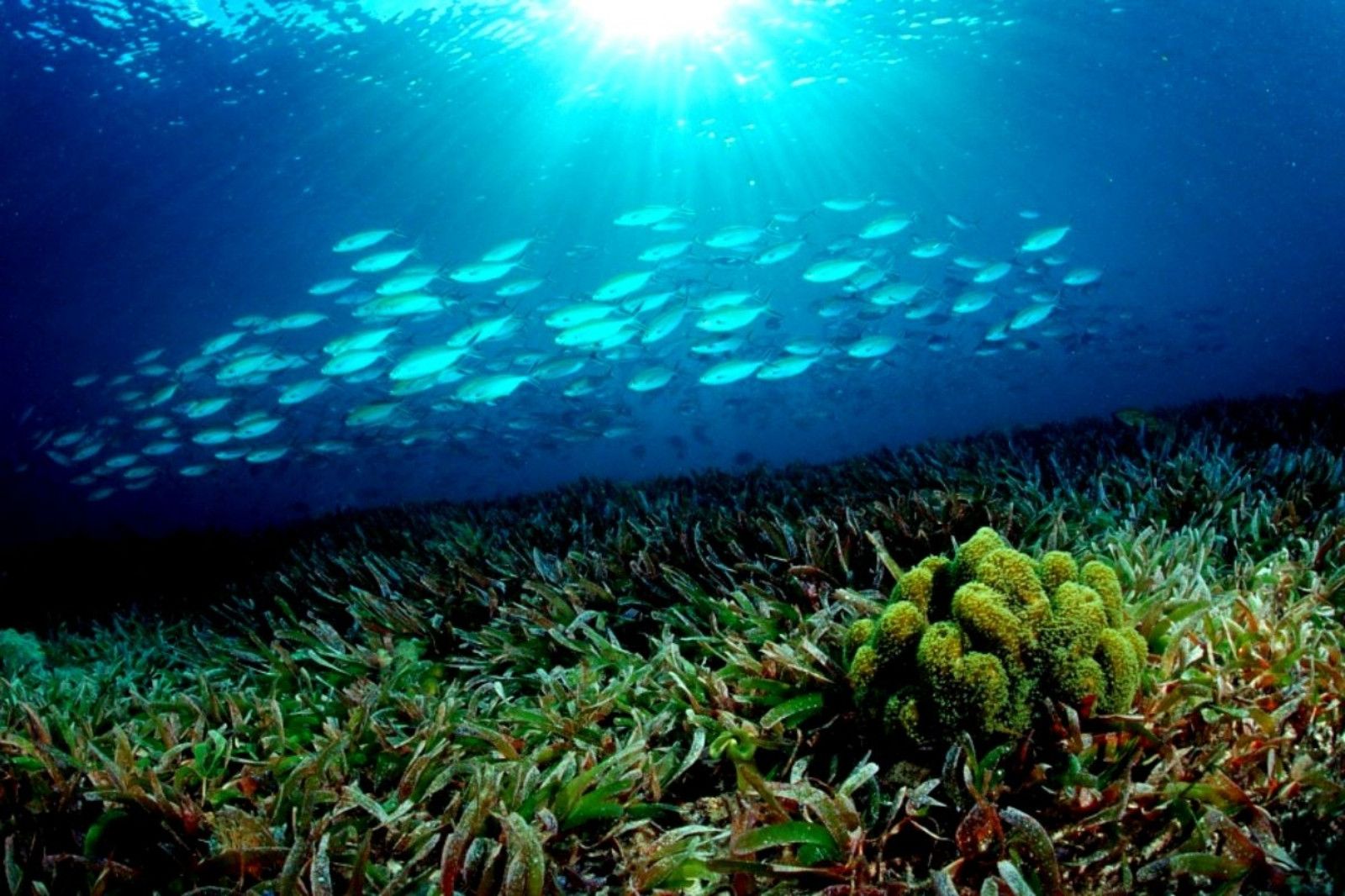
Marine ecosystem: Featuring a vast coral reef (about 274 ha, coverage >30%), seaweeds, seagrasses, and over 950 marine species. Among them are 113 hard coral species, hundreds of reef fish species, and benthic animals.
Con Co Island Marine Reserve was established in 2009 with an area of over 4,500 hectares, including strictly protected, ecological restoration, and development sub-zones. It is home to many rare and precious species such as sea turtles, dolphins, and endemic species.
Photo: Colorful island ecosystem
2. Rare animals on Con Co Island
Con Co Island is not only an attractive destination with pristine beauty, but also a sanctuary for many rare animals, playing a vital role in the marine island ecosystem. To better understand these special "residents" and the importance of their conservation, let's explore species such as Rock Crabs, Sea Cucumbers, and Moon Snails below.
Rock Crab
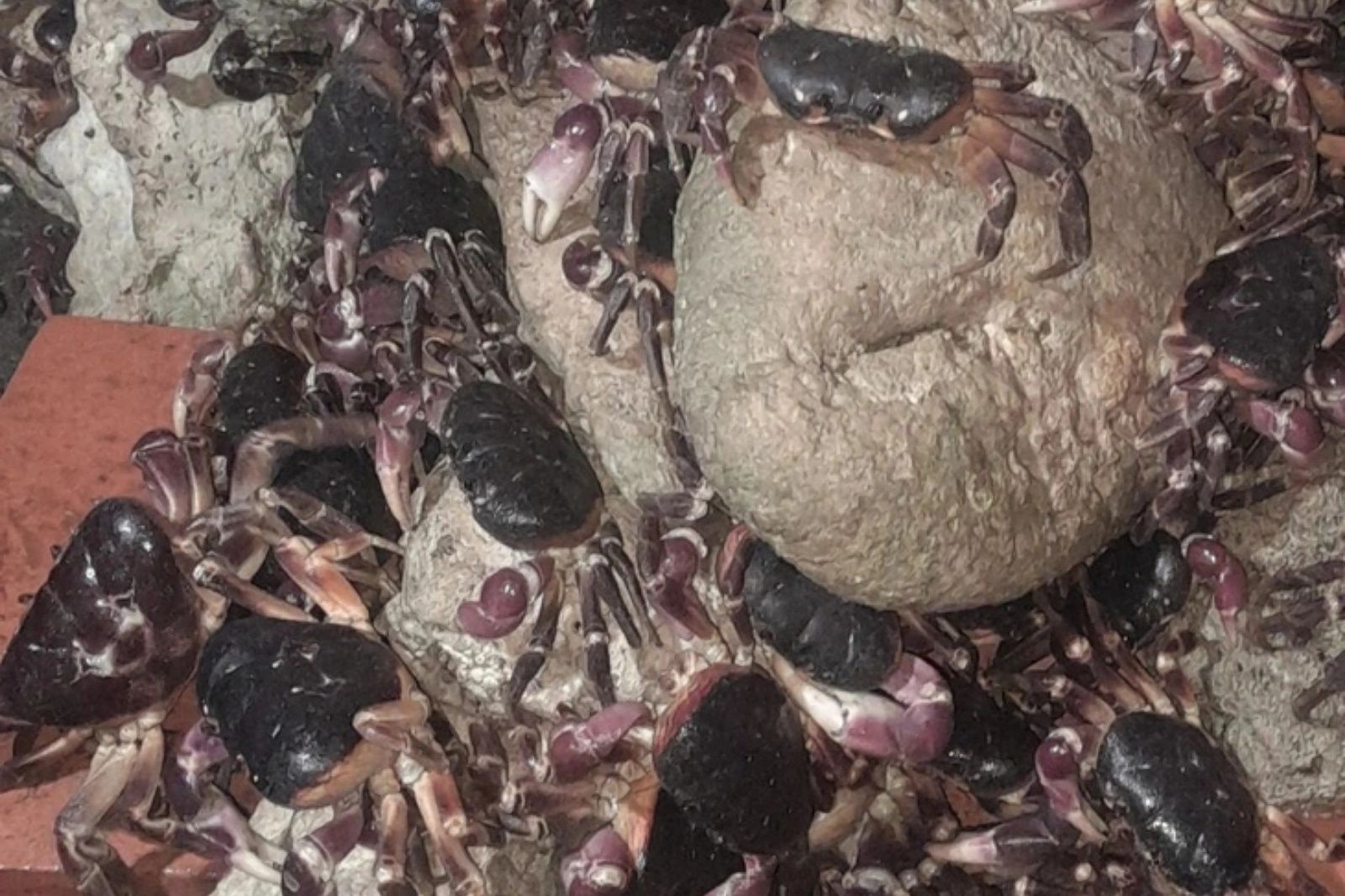
The rock crab (also known as Con Co crab) is a rare crustacean that once featured in the song "Con cua da" and sustained soldiers during the war. They live in rock caves, crevices, and tree roots along the shore, active mainly at night.
Key characteristics:
Size as large as a hand span, with firm, sweet, delicious, and highly nutritious meat.
An endemic species adapted to basaltic rock environments and clean seawater.
Once facing extinction due to overhunting, they are now strictly protected and experimentally farmed to reduce pressure on wild populations.
The rock crab is not only a specialty but also a cultural and historical symbol of Con Co.
Photo: Rare rock crab species on Con Co Island
Sea Cucumber
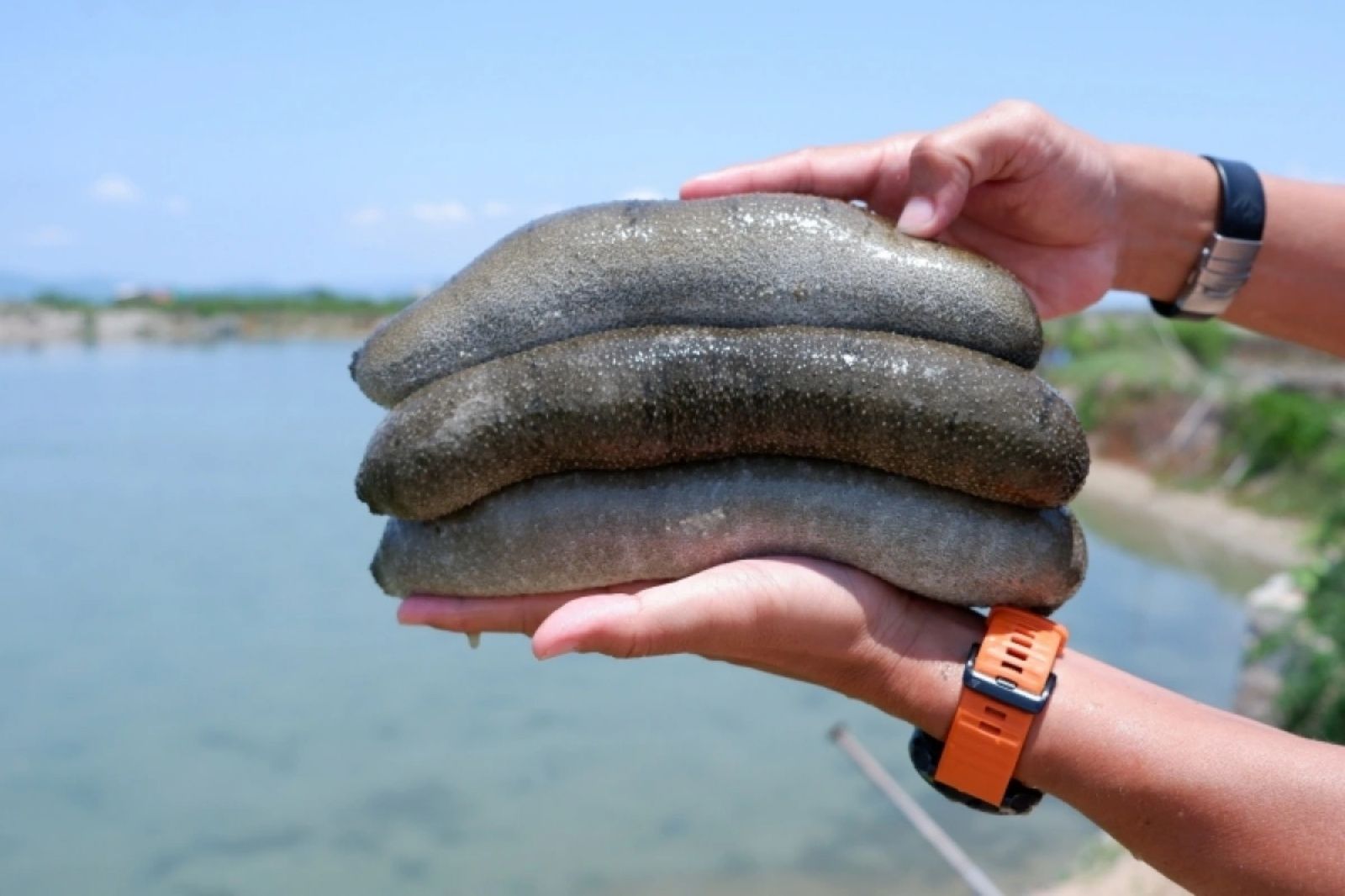
Sea cucumbers (sea leeches, ginseng of the sea) are echinoderms living on the seabed near coral reefs and seagrass beds. Con Co is famous for black and white sea cucumbers, large in size (as long as a hand span).
Value:
High nutritional content, rich in protein and minerals, considered on par with bird's nest.
Benefits: Nutritious, enhances health, and supports vitality (according to traditional medicine).
Ecological role: Feeds on organic detritus, contributing to cleaning the seabed.
Sea cucumber is one of the rare species being monitored for conservation due to natural exploitation.
Photo: Some sea cucumber species on Con Co Island
Moon Snail
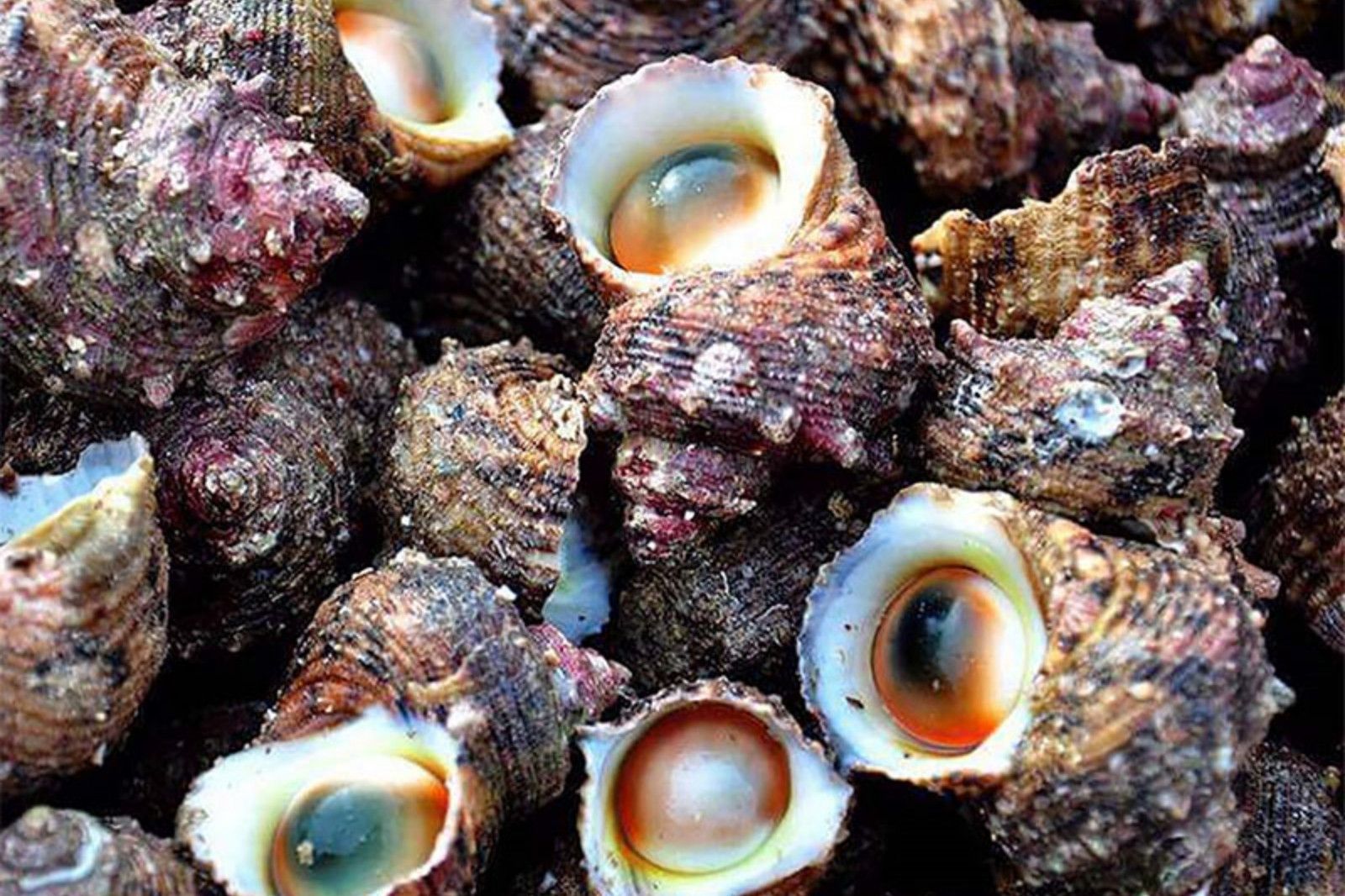
Moon snails belong to the Naticidae family, famous for their circular operculum, sparkling like a moon or a pearl eye. They are abundant in the central sea region of Vietnam, especially around Con Co.
Characteristics:
Crispy, sweet, and delicious meat, often prepared by stir-frying with lemongrass and chili, grilling, or boiling.
Lives in sandy sea bottoms or near coral reefs.
High economic value, serving as a popular local delicacy for tourists.
This species is susceptible to overexploitation, requiring sustainable management.
These three species not only contribute to biodiversity but also shape the culinary and tourism identity of the island.
Photo: Moon snail
3. Measures to conserve and promote the value of rare animals on Con Co Island
To sustainably protect and enhance the value of rare animals such as Rock Crabs, Sea Cucumbers, and Moon Snails on Con Co Island, close and synchronized coordination is required:
Raise community awareness: Organize regular environmental education programs for locals, fishermen, and tourists about the importance of marine and island conservation, especially rare species. Encourage responsible tourism and limit negative impacts on the natural environment.
Establish and effectively manage marine reserves: Ensure regulations of the Con Co Marine Reserve are strictly enforced, closely control harvesting activities, prevent illegal fishing, stop the use of destructive tools, and prevent discharge polluting the habitats of species.
Scientific research and monitoring: Conduct in-depth research on populations, biological behaviors, and threat levels of Rock Crabs, Sea Cucumbers, and Moon Snails to establish an accurate scientific database. From there, propose and apply the most suitable and effective conservation solutions, including captive breeding for conservation (if necessary).
Develop sustainable ecotourism: Aim for eco-friendly tourism models, limiting visitor numbers and activities that cause negative impacts. At the same time, integrate conservation elements into tourism products, creating sustainable income sources for the local community through preserving and promoting natural resource values.
Protecting these rare animals is not only a responsibility but also the key to preserving the beauty and ecological balance of Con Co Island, ensuring a sustainable future for both nature and humans.
Photo: Ecosystem conservation tourism on the island
Overall, rock crabs, sea cucumbers, and moon snails are not only uniquely beautiful creatures but also testimony to the precious biodiversity of Con Co. Preserving them is not only a responsibility but an essential action to maintain natural balance and ensure a sustainable future for this "pearl island". The island tours by Sovaba Travel are proud to serve as a bridge helping visitors discover and appreciate this natural beauty, while contributing to conservation efforts for rare animals so that Con Co remains a lush and vibrant destination forever.