Tan An Rice Paper Craft Village: Returning to Traditional Values

Central

Quang Binh

Sovaba.travel

Updated at: 24/09/2026

1. Tan An – The Scent of Central Vietnam’s Sun on Rice Paper Drying Sheets

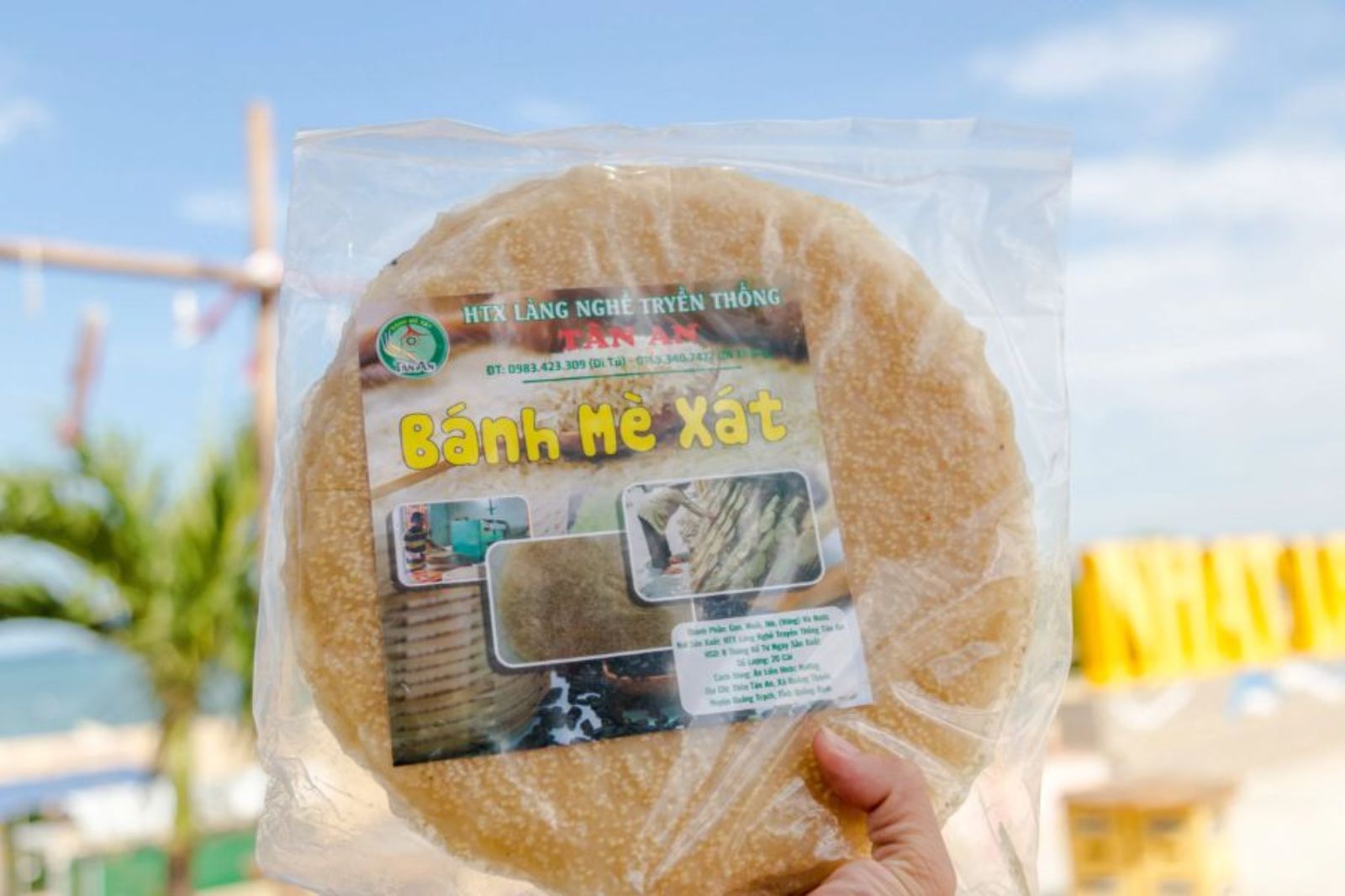
Tan An rice paper craft village, located in Quang Thanh commune, Quang Trach district, Quang Binh province, is a living cultural heritage that has existed for over a century. This place was once known by many endearing names such as Ba Phuong, Loc Dien, or more colloquially "phuong bun banh" (noodle and rice paper ward)—names associated with long-standing traditions and the diligent lifestyle of local residents. Nestled against the Gianh River, Tan An village is not only a peaceful rural area but also the cradle of the signature hulled sesame rice paper craft, a rustic yet flavorful specialty that carries the essence of Quang Binh's sun, wind, and sky.

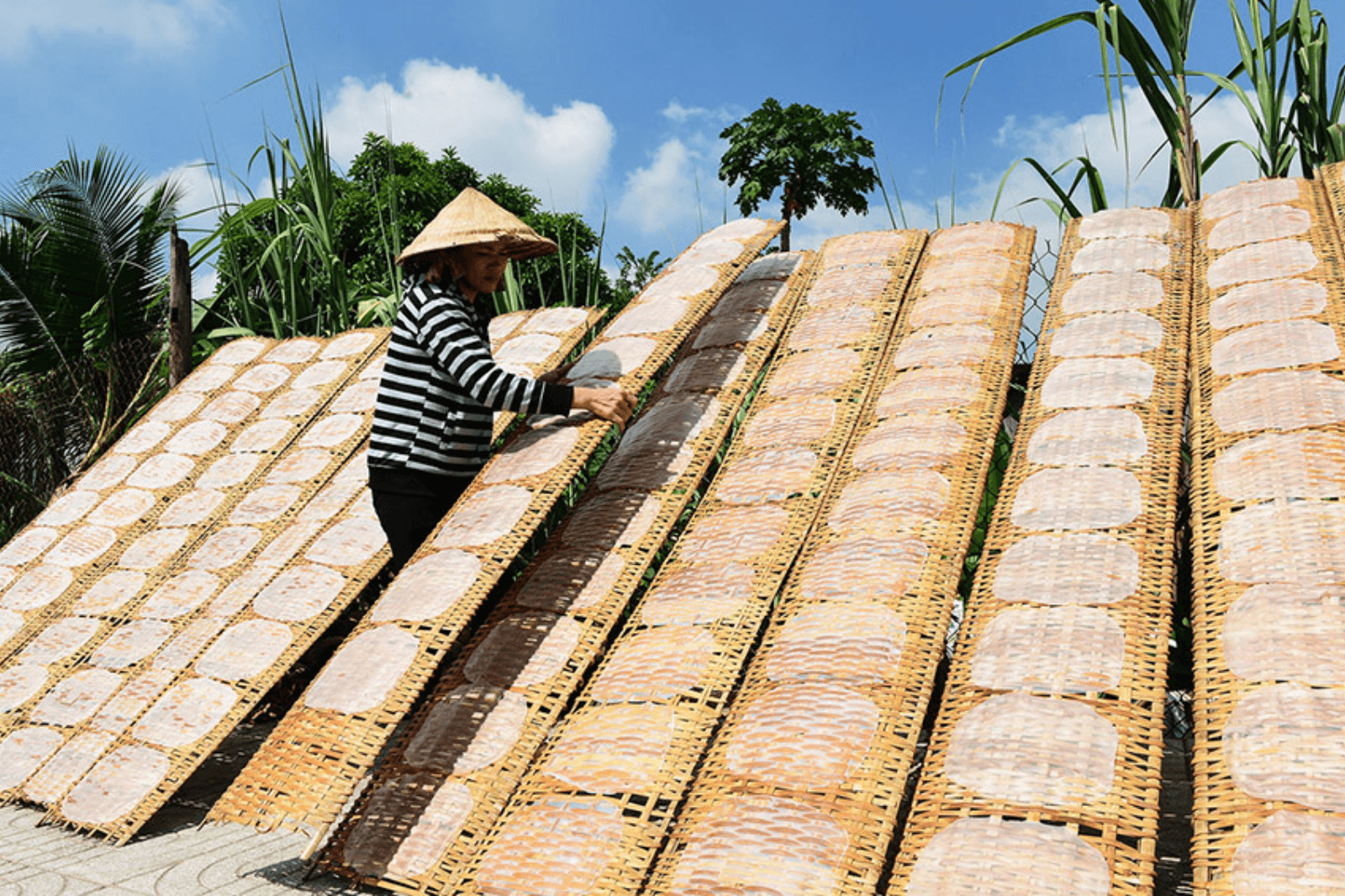
Today, thanks to the efforts of the Hulled Sesame Rice Paper Cooperative, established in October 2010, Tan An rice paper products have not only spread across Central Vietnam to places like Ha Tinh, Quang Tri, and Thua Thien-Hue, but have also reached international markets, exporting to Laos and Thailand. Walking along the small alleys in the village, visitors can easily encounter long stretches of bamboo drying racks where thin sheets of rice paper bask in the sun, creating a picturesque rural scene while demonstrating the enduring vitality of a century-old craft village.
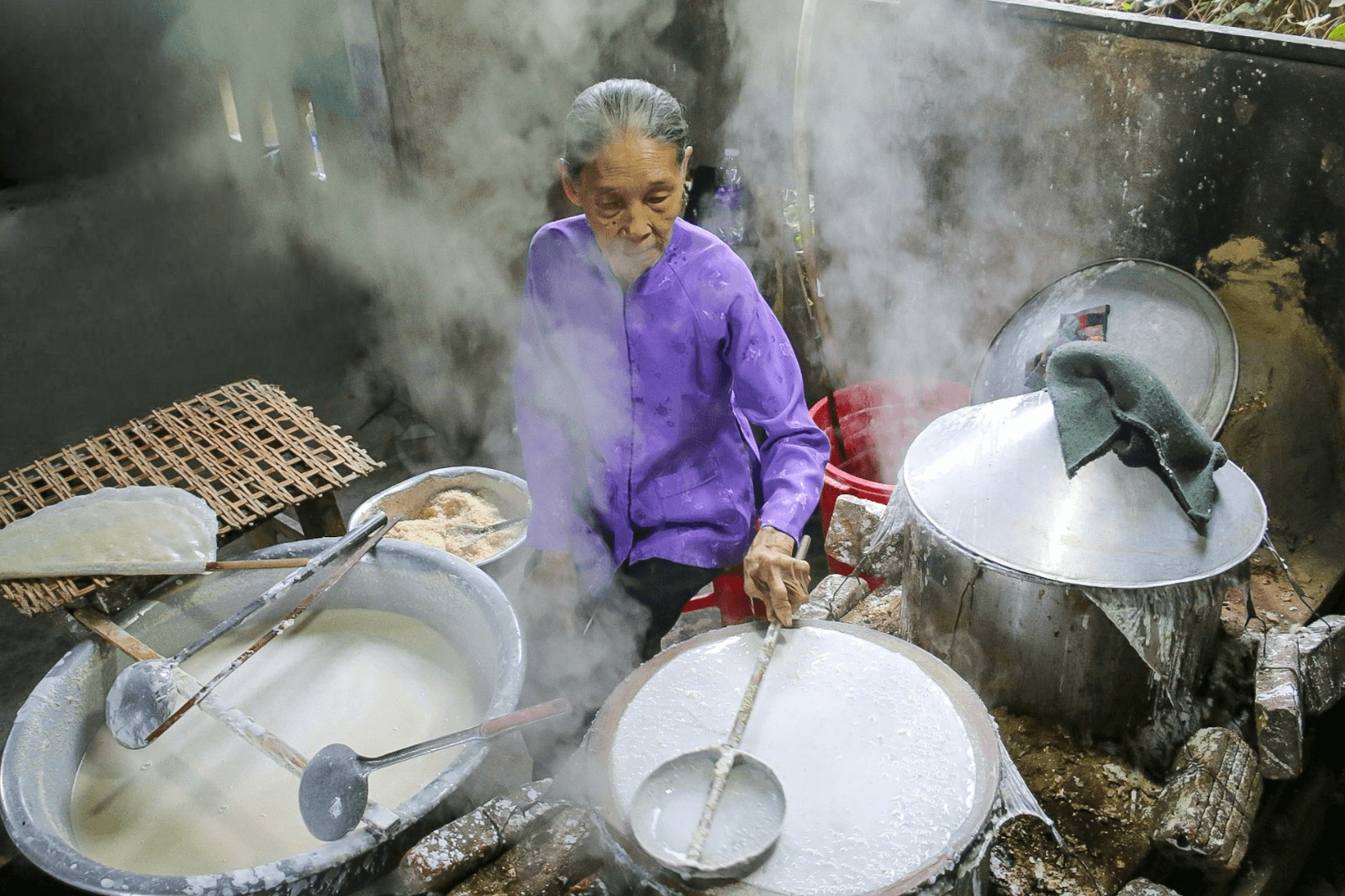
Rice paper making process
Photo: Rice paper making process 

2. Tan An Rice Paper and Warm Memories of Home

No one remembers exactly where the origin of Tan An rice paper craft began, only that it has been deeply ingrained in the lives of the locals for a very long time, back when they made rice noodles, fresh rice sheets, and square glutinous rice cakes. Gradually, sheets of hulled sesame rice paper became the "soul" of the craft village. Rice paper here is not only a familiar dish but also carries special cultural value, appearing on Tet holiday feast trays, death anniversaries, and ceremonies as a symbol of reunion, family bonding, and deep, rustic hometown pride.

Made from finely ground fragrant rice blended with golden roasted sesame seeds in a ratio of 10 cans of rice to 1.5–2 cans of sesame, Tan An rice paper has a unique, unmistakable flavor: the rich, nutty taste of sesame, the natural crispness of rice, and a subtle hint of Central Vietnam's sun and wind. Notably, the people of Tan An do not wait for festive occasions to make rice paper; all year round, the craft ovens burn bright, with kitchen smoke billowing continuously like the unbroken breath of the village craft. This diligence brings diversity to every product, from black sesame paper, yellow sesame paper, and hulled sesame paper to fresh roll papers and various spring roll wrappers, enriching the culinary tapestry of this land.

Across small alleys, brick yards, and verandas, long stretches of bamboo drying racks can be seen everywhere. Layers of opaque white paper dotted with golden sesame seeds give the impression that the entire village is basking in the sun alongside flavorful memories—memories that are both aromatic and crispy, like an unfading call of home.

3. The Meticulous Steps to Craft a Sheet of Rice Paper

Making Tan An rice paper is not simply a matter of cooking; it is an elaborate process that demands meticulous care and delicate sensitivity from the artisan, from selecting raw materials to the moment the paper takes shape and dries crisp under the sun. The main ingredient is high-quality rice, carefully selected, soaked in clean water, sifted, and washed multiple times until it reaches the necessary clarity, then finely ground into a smooth batter. The batter is then mixed with water according to a secret ratio to achieve just the right consistency.

The special feature that creates the identity of hulled sesame rice paper is the layer of sesame seeds that have been thoroughly hulled, turning golden and highly fragrant. This is not just a seasoning, but also a decisive factor in the aroma and attractive appearance of each sheet of paper. Once the batter is ready, the maker quickly scoops a small ladle, pours it onto a cloth stretched tightly over a pot of boiling water, and steams the paper with steam. The cooked paper is lifted off using a bamboo tube, then delicately placed onto a bamboo grid to dry in the sun.

The craft of making rice paper requires meticulous attention to detail
Photo: The craft of making rice paper requires meticulous attention to detail 

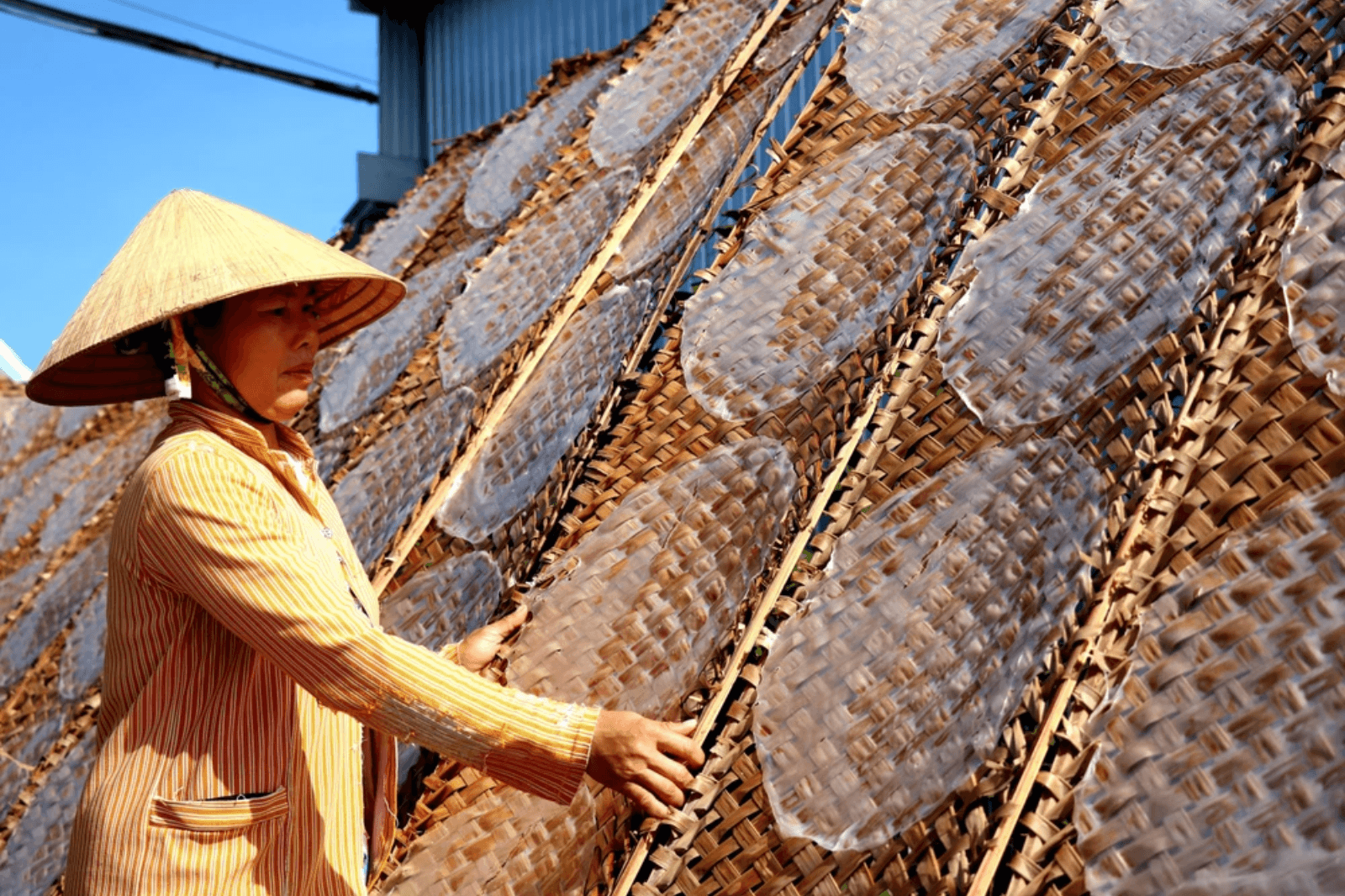
Drying the paper is a crucial step that requires precise monitoring of the sunlight. Each paper must be dried for at least 3 hours, and during that time, it must be turned over regularly morning and afternoon to prevent warping or cracking, ensuring even dryness, flexibility, and proper aroma. If the sun is too harsh, the paper becomes brittle and breaks easily; if the sun is weak, the paper turns soggy and bland. Everything depends on the experience and masterly eye of the artisan. It is precisely this meticulousness that creates a rice paper made not just to be eaten, but to be remembered—tasting the hard work, sun, wind, and human warmth of the Quang Binh region.

4. Keeping the Flame Alive – The Hardships of Making a Living and Efforts to Preserve Tan An Rice Paper Village

For the residents of Tan An village, the rice paper craft is not only a tradition but also the main source of livelihood for hundreds of households. With over 360 manufacturing households, workers can earn between 150,000 and 200.000 VND per day—a modest sum, but the fruit of hard labor beside glowing stoves in cramped, hot spaces. The work is considered even harder than farming, as it directly affects the craftsmen's health, especially during sweltering summer days.

The main production season lasts from February to October, when sunny weather favors high-quality drying. When the rainy season arrives, the stoves must rest, and people take the opportunity to tend to their fields and gardens. However, the craft village also faces numerous challenges: fierce competition from cheap industrial rice paper, a lack of capital to invest in modern drying machinery and technology, and especially risks during the rainy season when forced to use dry charcoal for drying, which reduces quality, leads to price squeezing by traders, or even results in losing entire batches of paper.

Sunny days must be carefully monitored so the rice paper does not spoil
Photo: Sunny days must be carefully monitored so the rice paper does not spoil 

Furthermore, the indifference of the younger generation is also a major concern. Many leave the countryside seeking more stable jobs in urban areas, leaving the craft village in the hands of older generations who patiently preserve every batch of paper. Nevertheless, amid difficulties, there are lights of hope. The Hulled Sesame Rice Paper Cooperative, under the passionate leadership of Ms. Phan Thi Cam Tu, has step by step brought Tan An rice paper beyond the village bamboo hedges: expanding markets, building a brand, and combining with experiential tourism. Visitors to the village can not only steam rice paper alongside locals, but also taste it, listen to stories of the craft, and take home a piece of hometown flavor—a way to promote and preserve the soul of the craft amidst the ever-changing pace of modern life.

5. Return to Tan An – Listening to the Whispers of the Countryside's Soul in Every Rice Paper

Located just about 50 km from the center of Dong Hoi city along National Highways 1A and 12A, Tan An rice paper village appears simple yet full of vitality, like a fresh touch in the sandy, windy landscape of Central Vietnam. Visitors can easily rent a motorbike or car to reach the village, visit the drying racks stretching under the sun, experience the rice paper making process, and try spreading a thin sheet of paper fragrant with rice and roasted sesame with their own hands. In that moment, one learns not only how to make a dish, but also relearns patience, meticulousness, and gratitude for values that have endured through time.

Nothing is more enjoyable than sitting in a sun-warmed brick courtyard, enjoying hulled sesame rice paper wrapped with pork and fresh herbs, dipped in rich spicy fish sauce, while listening to an old artisan share stories of the craft, the stove fires, and the village. Tan An is not just a place to visit, but a space to feel—to clearly see the soul of the Vietnamese countryside in every slice of paper and every cheerful laugh by the drying racks.

Purchased rice paper will be grilled over glowing charcoal
Photo: Purchased rice paper will be grilled over glowing charcoal 

Tan An rice paper craft village stands as a beautiful testament to the enduring vitality of traditional trades, where working hands not only craft products but also preserve the memory, culture, and pride of an entire community. Facing many challenges from natural disasters and market forces to the changing times, the local people remain persistent, quietly "shaping" each piece of paper as if keeping a unique, unmistakable flavor for their homeland.

In the modern whirlwind, as industrialization and urbanization seep into every corner, traditional crafts like Tan An rice paper need not only preservation, but understanding, appreciation, and sharing. Visit the craft village at least once, not just to bring back a few stacks of crispy, aromatic rice paper, but to carry away a piece of Vietnamese memory—quiet yet profound, lingering somewhere in the sun, the wind, and the rustic essence of Quang Binh. Together with Sovaba Travel, you will have the opportunity to explore such unique cultural and traditional beauty on a truly meaningful travel journey.

Loading......

Featured destinations