The legend of Ban Co Peak originates from the rich folklore treasury of the Quang Nam – Da Nang land, passed down through generations and appearing quite early in historical records. One of the reliable documentation sources mentioning this story is the work Phu Bien Tap Luc (Miscellaneous Records of the Border Pacification) by scholar Le Quy Don (1726–1784)—a famous book recording the geography, customs, and legends of the South Central Coast region in the 18th century.
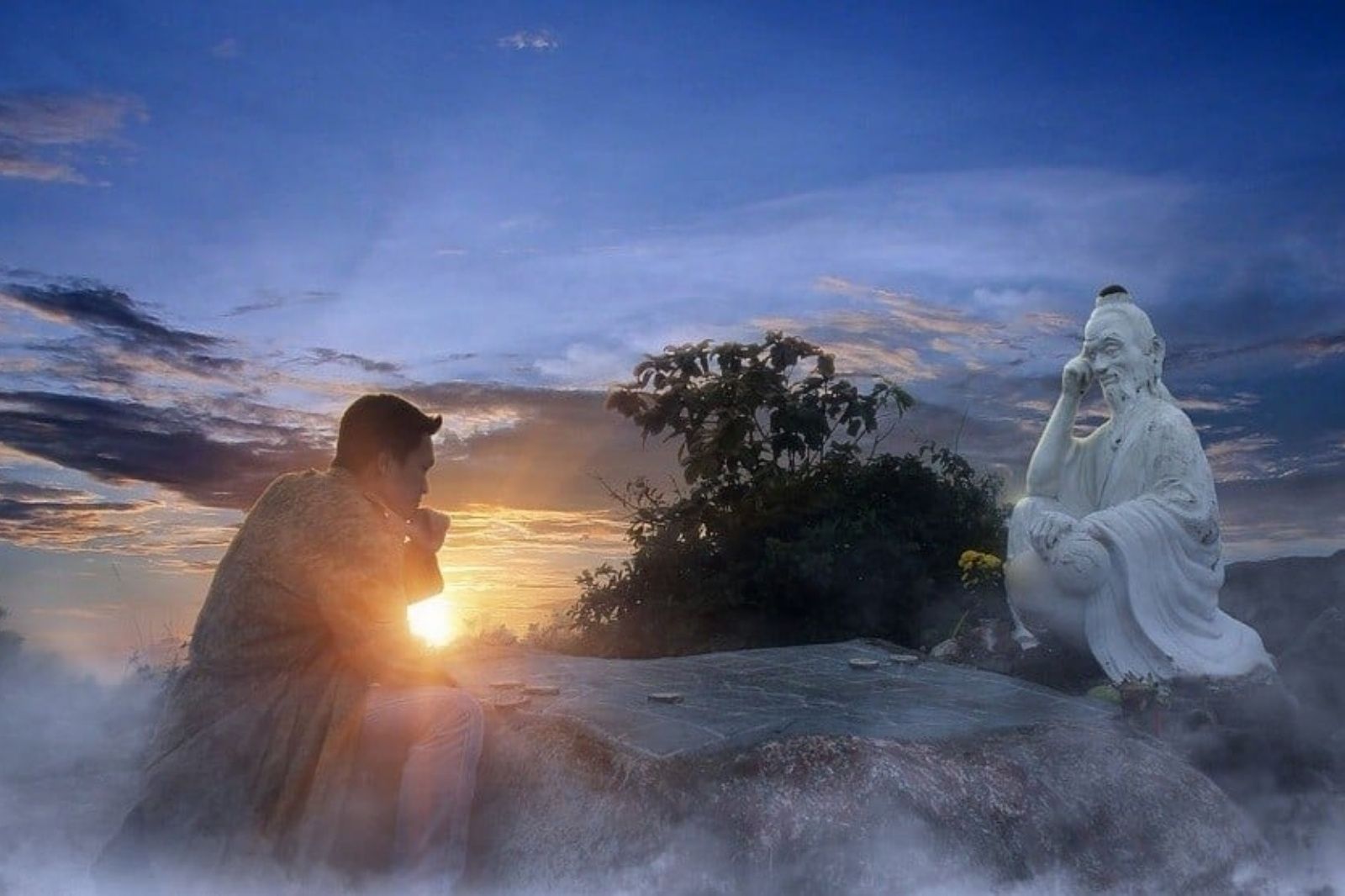
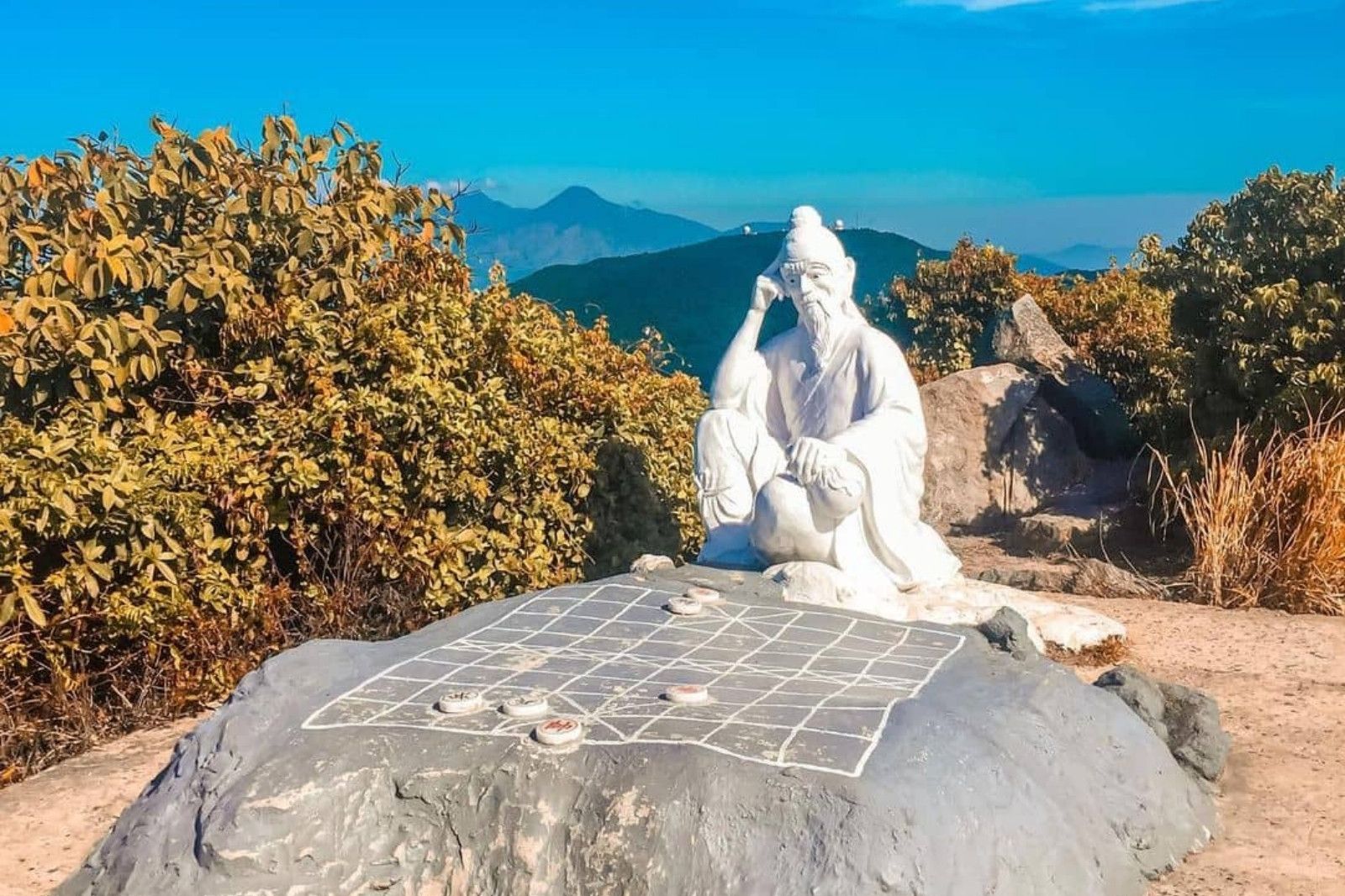
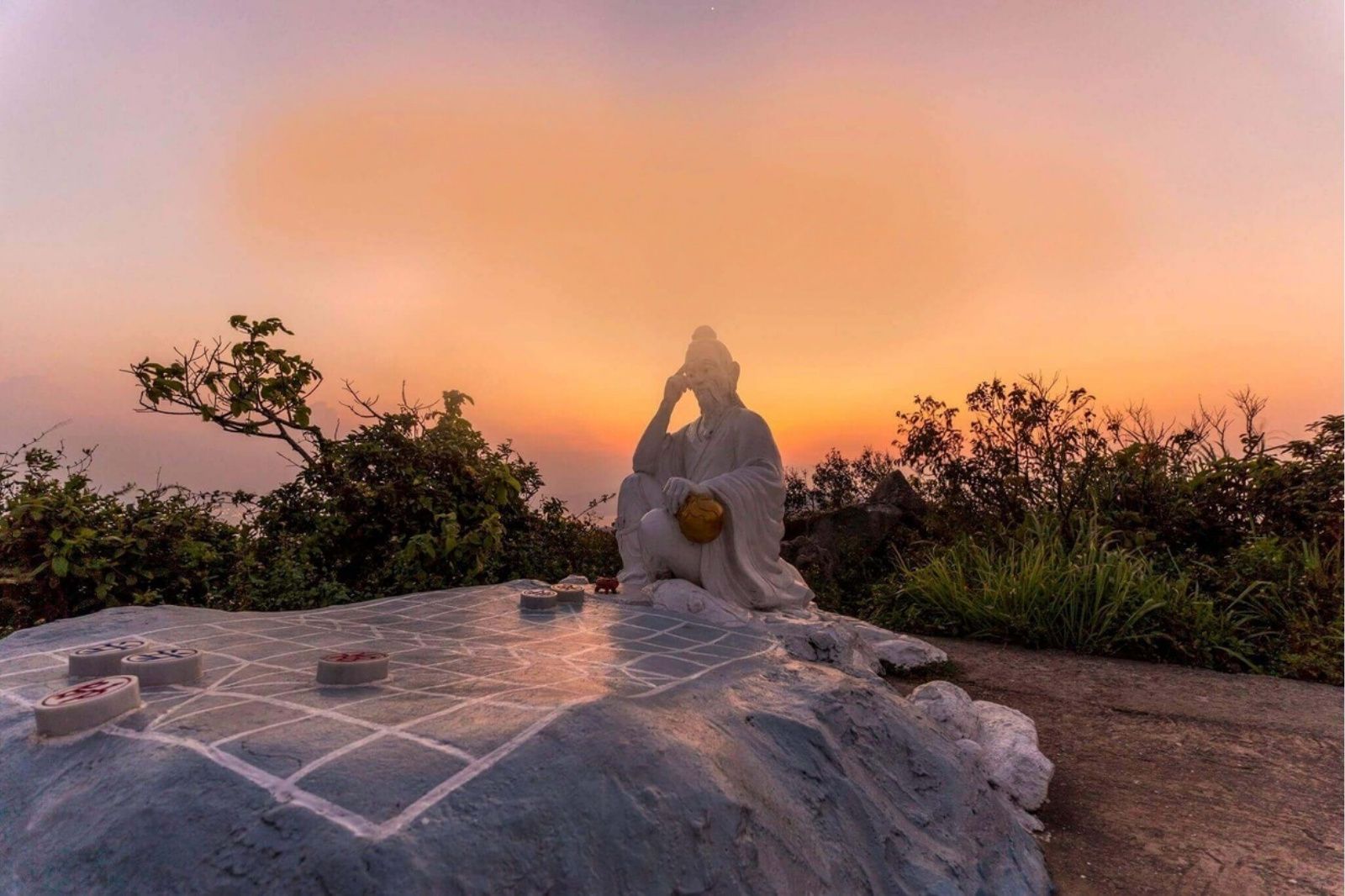
According to the records in the book, Son Tra Peninsula (formerly known as Hon Nghe or Tien Sa Mountain) was a place where “deities often descended to bathe in the sea.” In that pristine and mystical natural setting, two old deities were said to have sat playing chess on the mountain peak for many days and nights without deciding a winner. The story is intertwined with the magical beauty of the local mountains, forests, and sea, creating an image of a space resembling a “fairyland paradise”—where immortals could stop to enjoy the view.
This legend is not the product of a single individual, but rather a crystallization of Vietnamese folklore, while also drawing certain influences from East Asian religious and spiritual elements, particularly the figure of Sakra (De Thich) in Buddhism. Over time, the story has been retold by local people as an intersection between reality and myth, helping to explain the origin of surrounding landmarks such as Tien Sa Beach or the strange rock slabs on Ban Co Peak. Today, this legend is still passed down through the narratives of elders and has become the “cultural soul” of Ban Co Peak, contributing to the special appeal of this destination in the journey of discovering the nature and history of Da Nang city.