Top 7 Must-Visit Ancient Pagodas in Hoi An

Central

Da Nang

Hoi An

Sovaba.travel

Updated at: 24/09/2026

1. Chua Cau (Japanese Covered Bridge)

Location: Nguyen Thi Minh Khai Street, Minh An Ward, Hoi An.

Covered Bridge Pagoda (Chua Cau), also known as Lai Vien Kieu, is one of the most famous ancient pagodas in Hoi An and is considered a symbol of the city. Located right in the heart of the ancient town, the pagoda is not only a place of worship but also a bridge connecting the two banks of the Thu Bon River, witnessing vibrant commercial development since the 17th century.

The pagoda bridge was built by the Japanese about 400 years ago for convenient travel and trade between the two riverbanks. According to legend, it is associated with the story of the monster Namazu (sea monster) in Japanese mythology, whose head was in India, body in Vietnam, and tail in Japan. Chua Cau acted like a sword pinning down the monster's back to prevent natural disasters. Featuring a unique design with a softly curved roof like a rainbow, it harmoniously combines Japanese and Vietnamese styles. Inside, instead of Buddha, it worships Bac De Tran Vo – the guardian deity of the region, bringing joy and happiness. At both ends of the bridge stand statues of monkeys and dogs as guardian mascots, creating an ancient yet culturally vibrant appearance.
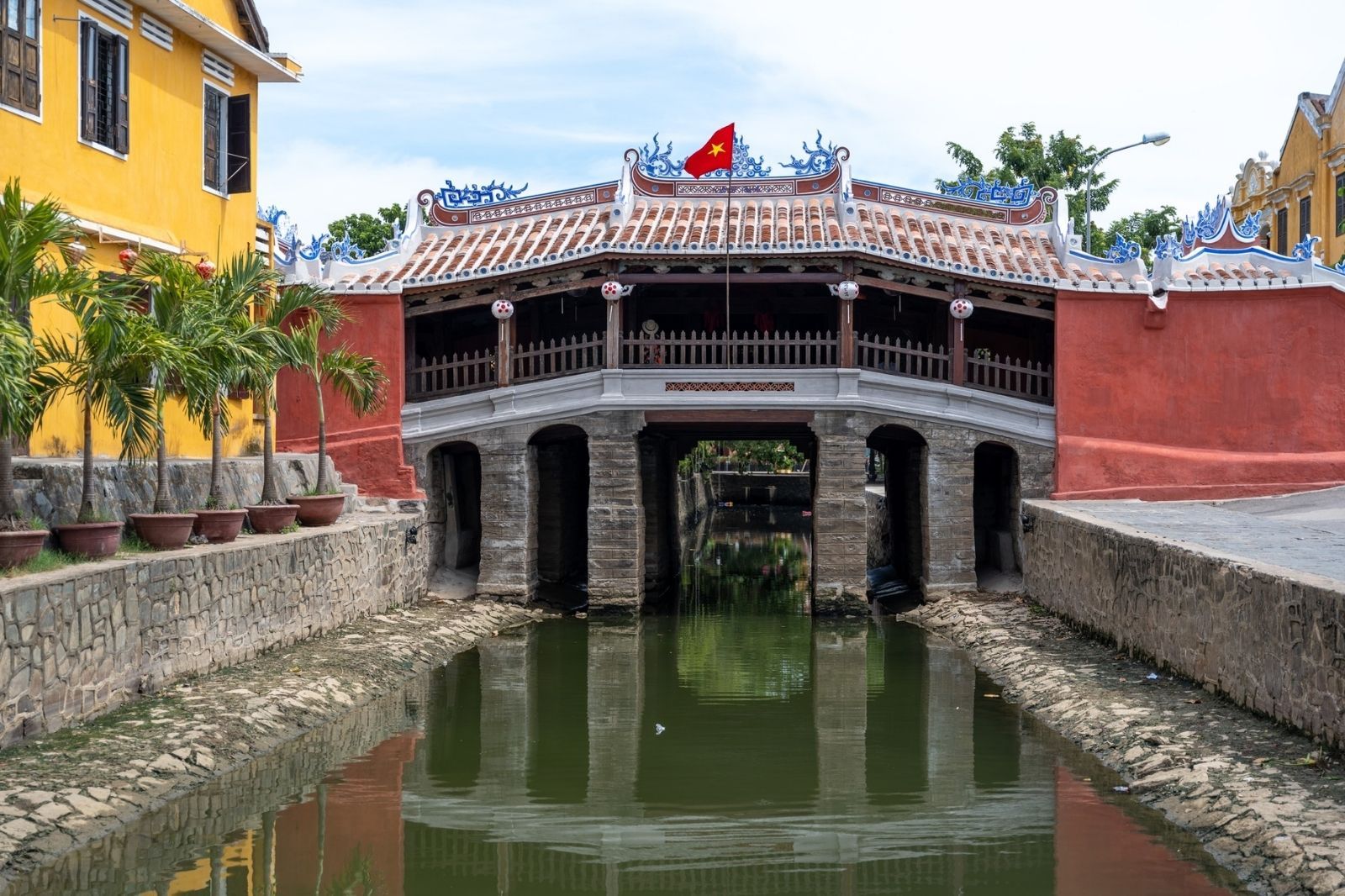
Chua Cau Hoi An Covered Bridge
Photo: Chua Cau Hoi An Covered Bridge 

2. Ong Pagoda

Location: 24 Tran Phu Street, Minh An Ward, Hoi An.

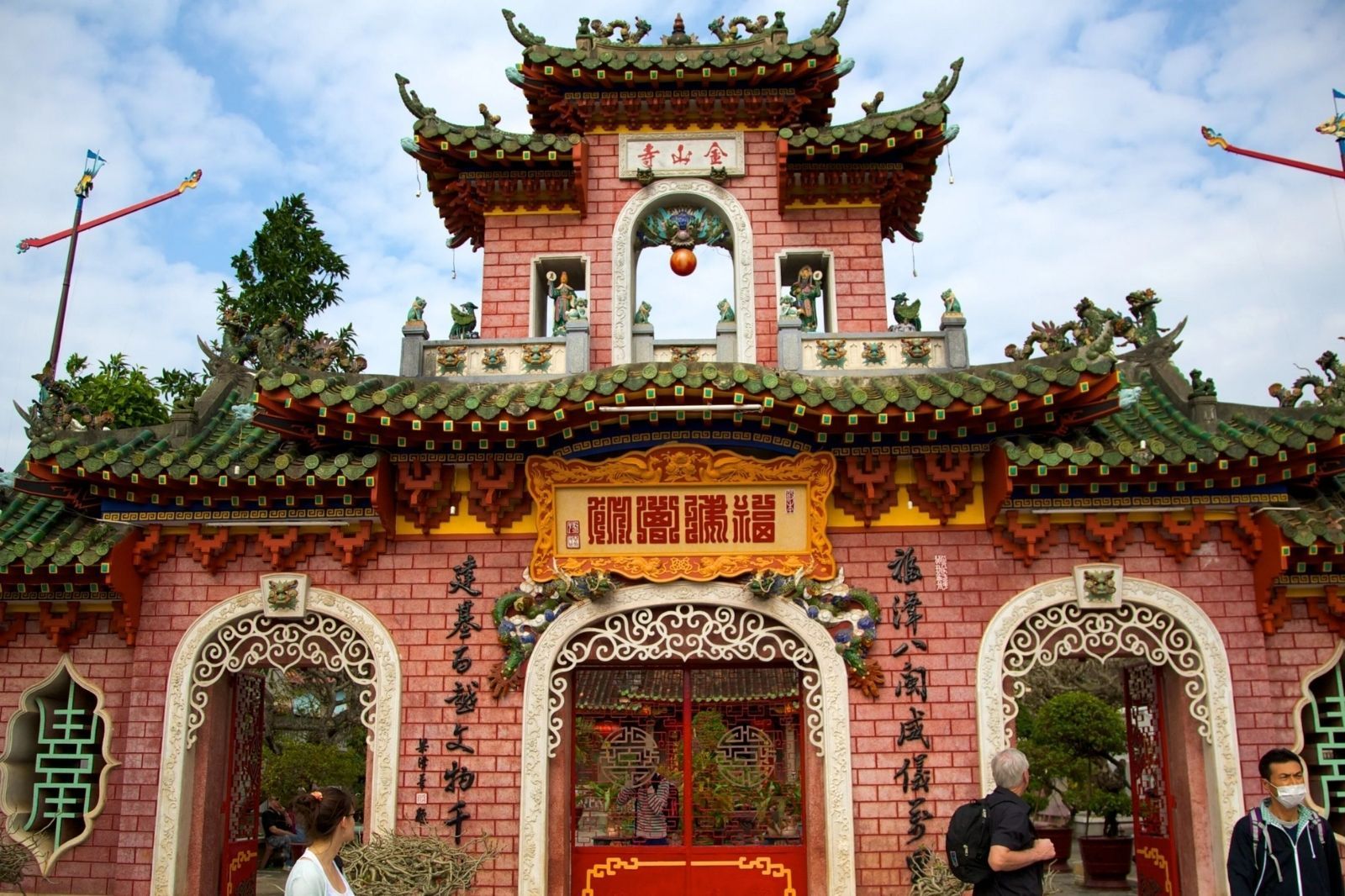
Chua Ong, also known as Quan Cong Temple, is one of the iconic ancient pagodas in Hoi An, deeply imbued with Chinese cultural influences and constantly attracting visitors with its sacred space and long-standing historical value. Built in the mid-17th century to worship Quan Vu (Quan Cong) – a famous general of the Three Kingdoms period symbolizing loyalty and heroic spirit; in 1991, the temple was recognized as a National Historical - Cultural Relic. 

Architecturally, Chua Ong stands out with a distinctive Chinese style, expressed through sturdy pillars, intricate decorative patterns, and elaborately carved worship statues, with the main altar featuring a majestic statue of Quan Cong as the highlight. Beyond being a place of religious activity, the temple was closely linked to the former merchant community – a place where they made business commitments, debts, and prayed for luck; today, Chua Ong has become a symbol of loyalty and peace, visited by many for sightseeing and worship.

Chua Ong Temple, also known as Quan Cong Temple
Photo: Chua Ong Temple, also known as Quan Cong Temple 

3. Ba Mu Pagoda

Location: 675 Hai Ba Trung Street, Minh An Ward, Hoi An.

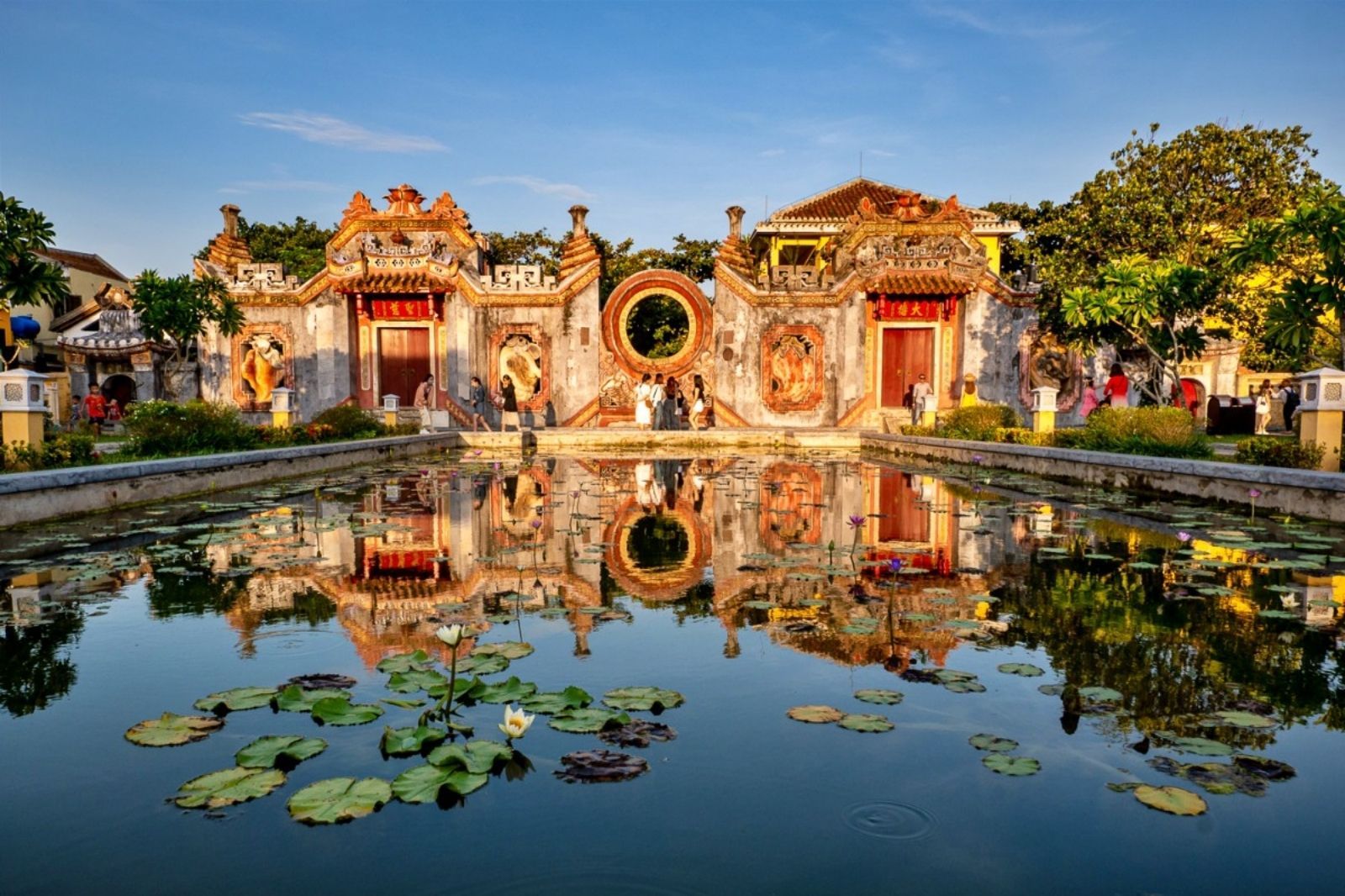
Ba Mu Pagoda, also known as Cam Ha Palace or Quan Am Buddhist Temple, is one of the ancient pagodas closely linked to the spiritual life of the Chinese community in Hoi An. Built in the 17th century, the pagoda worships Ba Mu (Lady Thien Hau) – the patron goddess of women, children, and childbirth, and a familiar spiritual sanctuary for Hoi An residents across generations. Over time and historical changes, the pagoda has been restored, restoring a spacious and solemn atmosphere, becoming a unique architectural highlight in the heart of the ancient town. With a harmonious layout, open courtyard, and traditional East Asian decorative details, Ba Mu Pagoda not only holds spiritual value but also clearly reflects the intersection of Vietnamese and Chinese cultures, making it a meaningful stop for visitors seeking to understand the historical depth and beliefs of Hoi An.

Tam Quan Gate of Ba Mu Pagoda
Photo: Tam Quan Gate of Ba Mu Pagoda 

4. Phap Bao Pagoda

Location: No. 7 Hai Ba Trung Street, Minh An Ward, Hoi An.

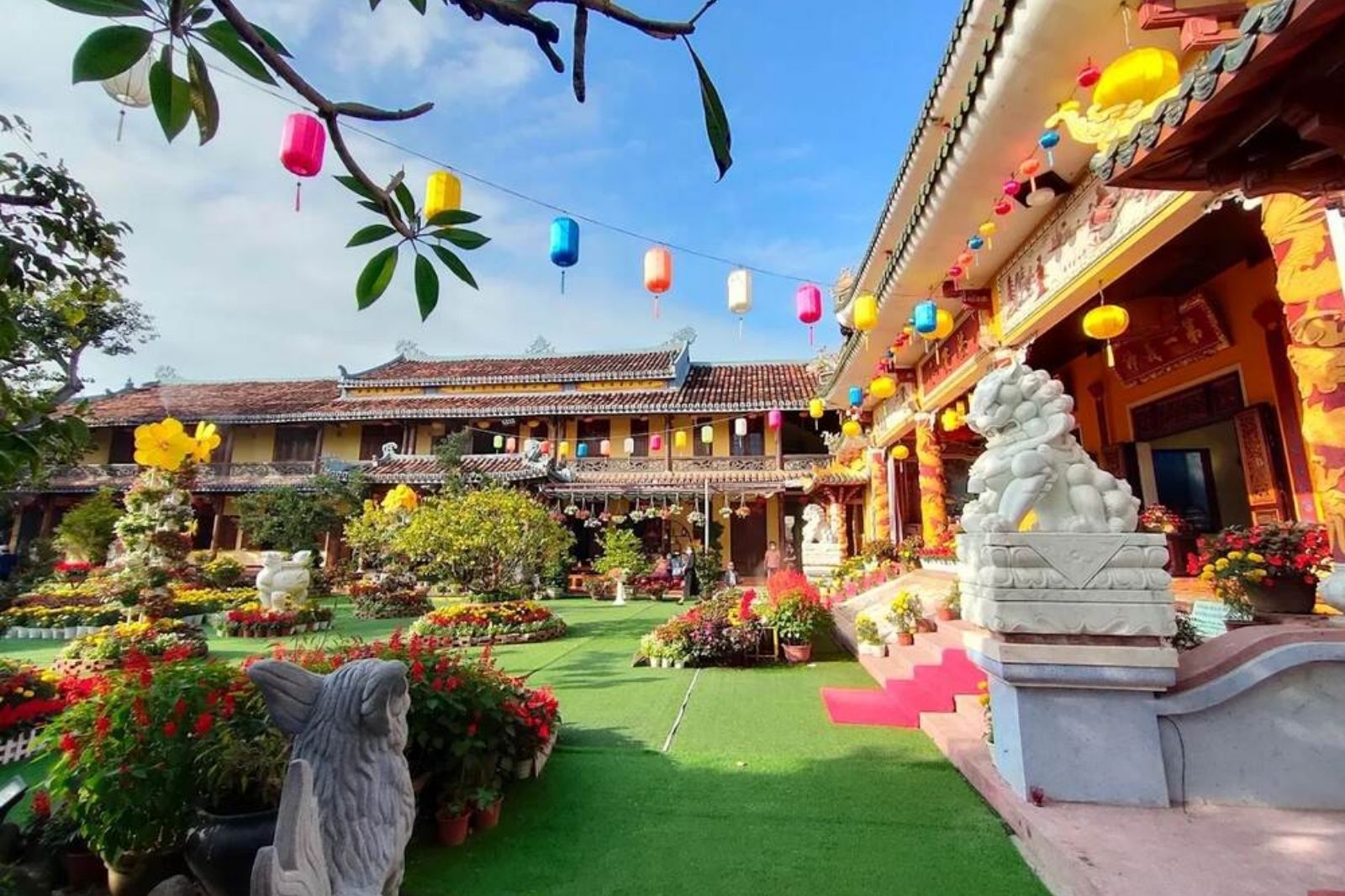
Phap Bao Pagoda is one of the exemplary Mahayana Buddhist pagodas in Hoi An, well-known to many Buddhists and tourists as a peaceful space for practice in the heart of the ancient town. Built in the early 20th century, the pagoda is associated with the development of the Buddhist movement in Quang Nam – Hoi An, and currently serves as the headquarters of the Executive Board of the Buddhist Sangha of Hoi An City. Architecturally, the pagoda features a traditional style with a compact layout, curved tile roofs, a solemn main hall, and harmoniously arranged Buddha statues, creating a tranquil and peaceful atmosphere. Beyond being a place of worship, Phap Bao Pagoda plays an important role in Buddhist propagation, festivals, and social work, contributing to preserving spiritual life and spreading profound humanistic values among Hoi An residents.

Phap Bao Pagoda
Photo: Phap Bao Pagoda 

5. Vien Giac Pagoda

Location: No. 23 Hung Vuong Street, Cam Pho Ward, Hoi An.

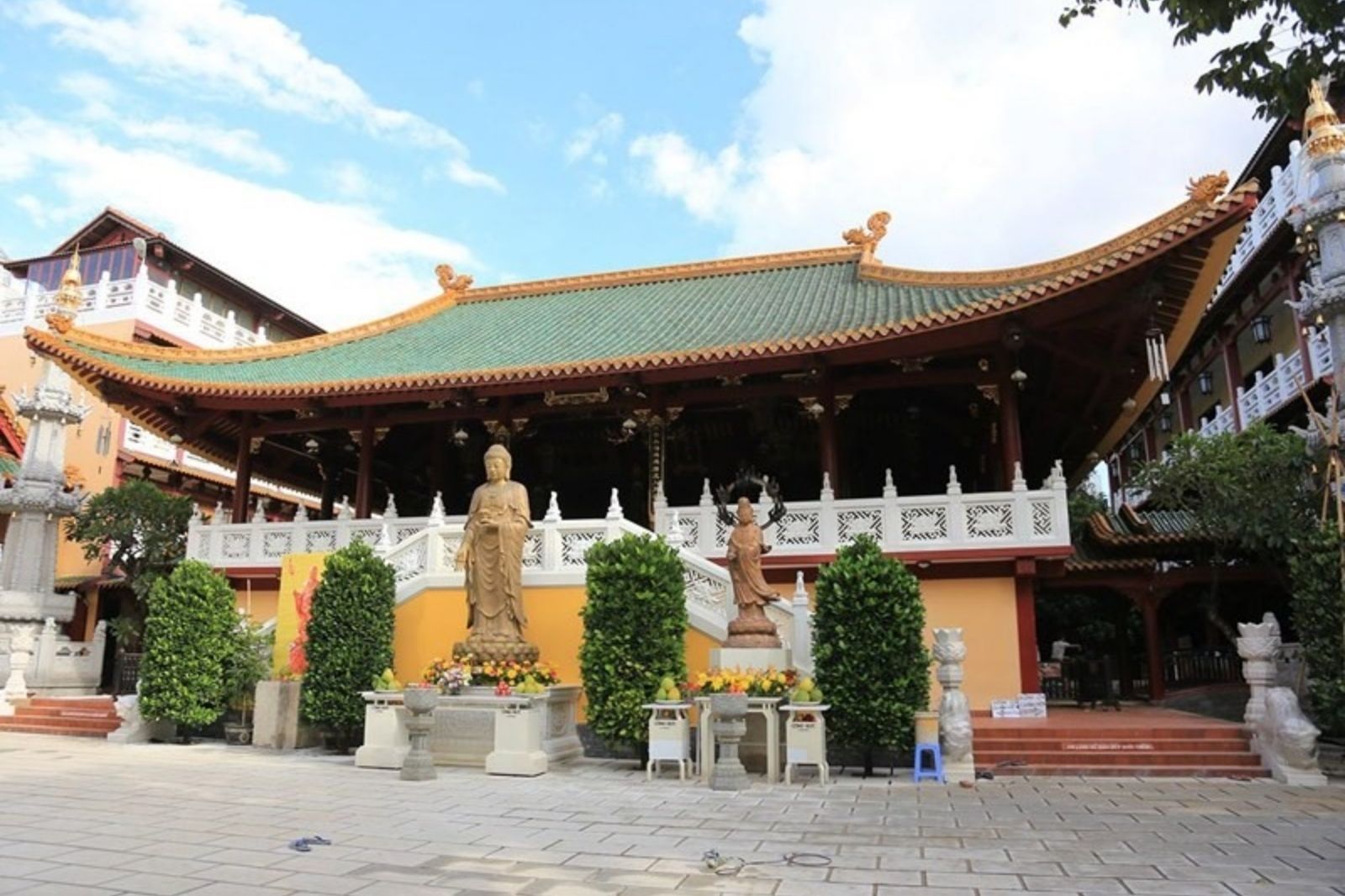
Vien Giac Pagoda is one of the long-standing ancient pagodas in Hoi An, closely tied to the spiritual life of local residents over many generations. Built in the 18th century, it bears the marks of Vietnamese Buddhism during its strong formation and growth phase in Quang Nam region. The pagoda's architecture is traditional, featuring yin-yang tiled roofs, sturdy wooden structures, and a solemn worship space, creating a peaceful feel separated from the bustle outside. Having undergone several restorations, Vien Giac Pagoda still retains its inherent ancient charm, serving as an important religious venue and a meaningful destination for those wishing to explore Buddhist history and the spiritual life of Hoi An people.

Vien Giac Pagoda Hoi An
Photo: Vien Giac Pagoda Hoi An 

6. Chuc Thanh Pagoda

Location: V8QG+CJF, Area 7, Hoi An.

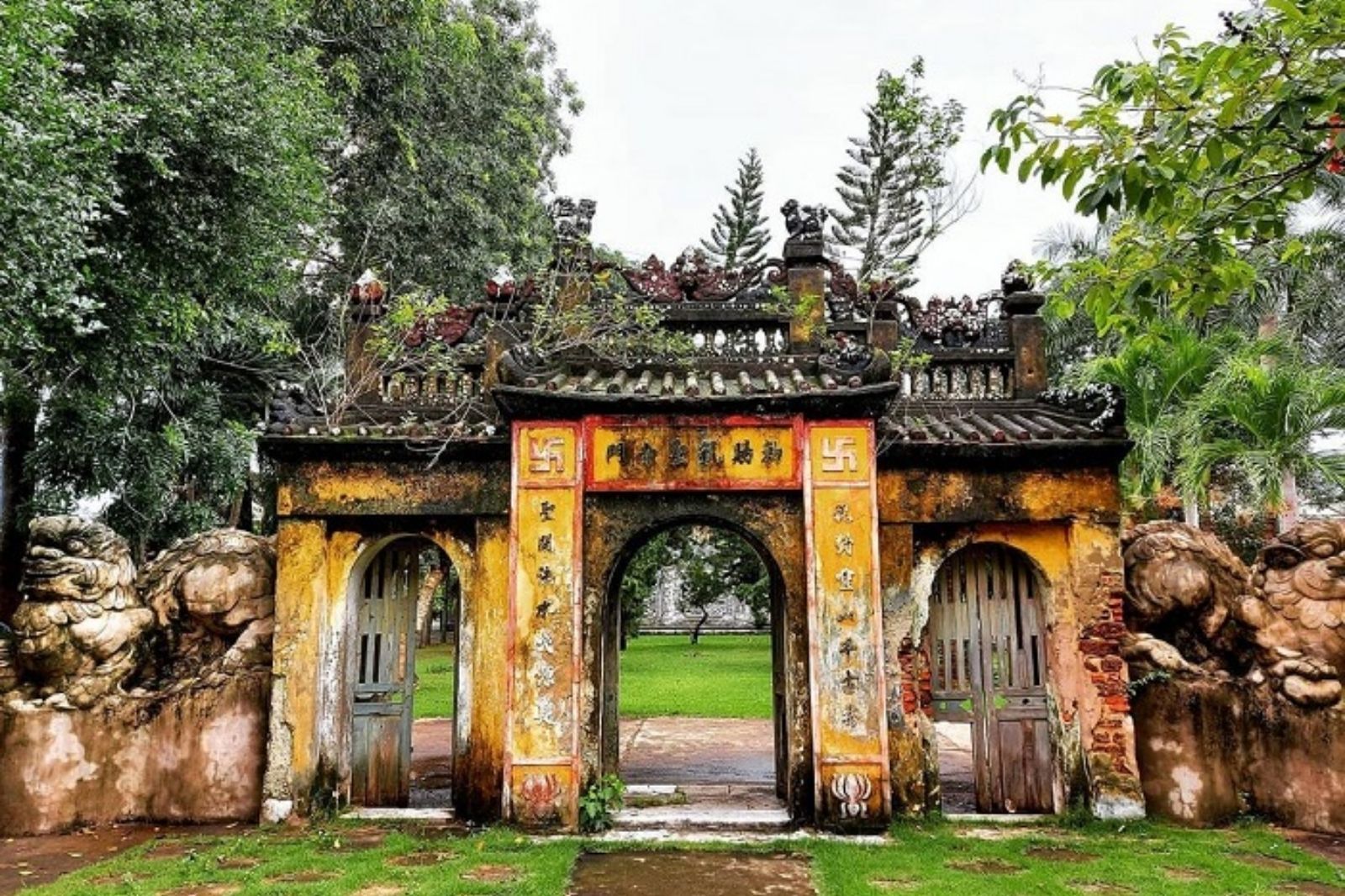
Chuc Thanh Pagoda is one of the ancient pagodas holding a special place in the history of Buddhism in Hoi An in particular and Central Vietnam in general. Founded by Zen Master Minh Hai – Phap Bao in the late 17th century, the pagoda became the ancestral temple of the Lam Te Chuc Thanh Zen lineage, one of the widely influential Zen sects in Vietnam. Situated in a peaceful setting, the pagoda features traditional Buddhist architecture with a triple-arch gate, main hall, and patriarch stupa area harmoniously arranged to convey a solemn and ancient appearance. More than just a place for meditation, Chuc Thanh Pagoda plays a vital role in propagating the Dharma, nurturing talented monks, and preserving Buddhist spiritual values across generations, making it a culturally and spiritually significant destination for visitors and Buddhists in Hoi An.

Chuc Thanh Pagoda Hoi An
Photo: Chuc Thanh Pagoda Hoi An 

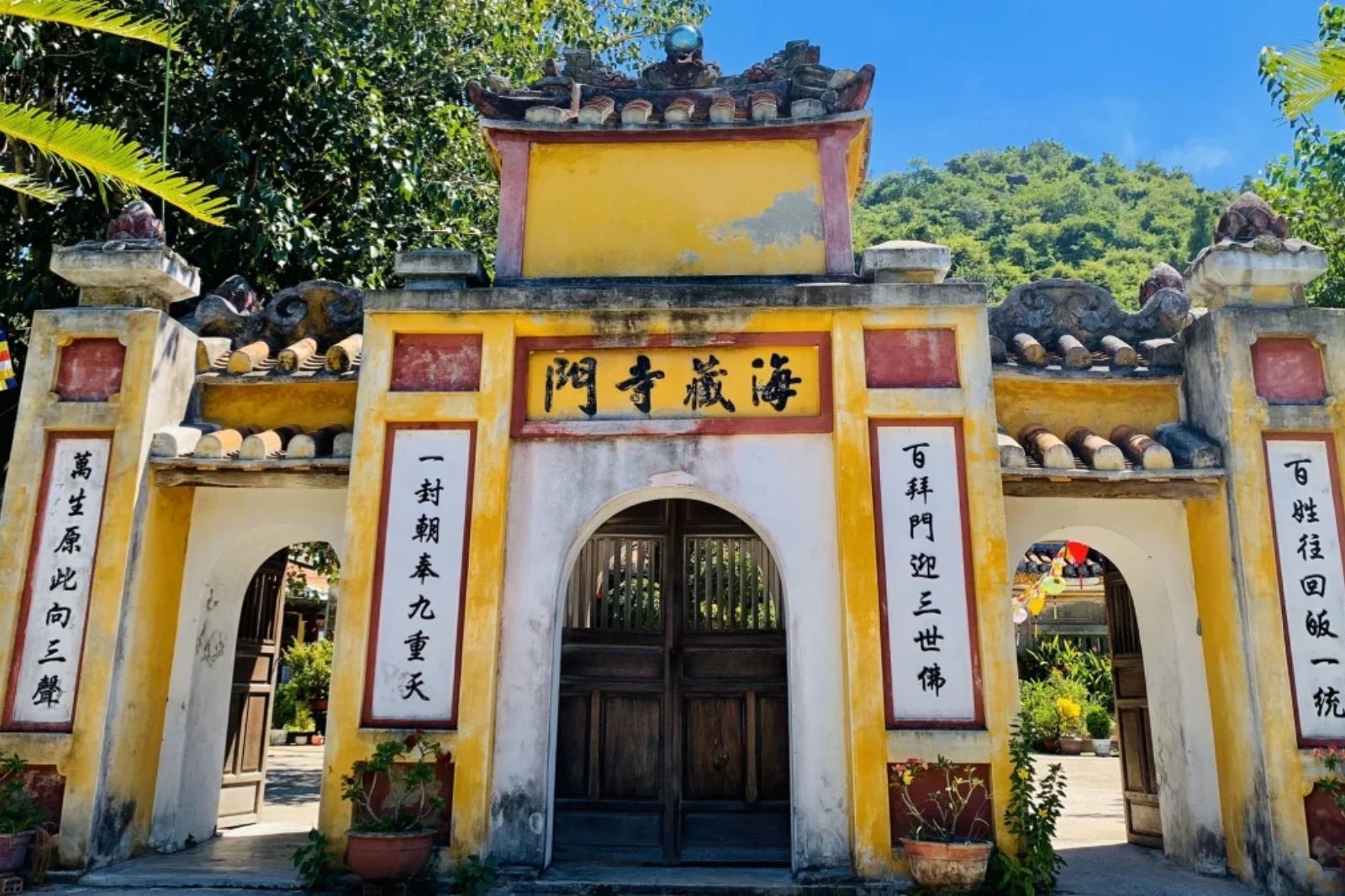
7. Hai Tang Pagoda

Location: Cham Islands (Cu Lao Cham), Hoi An.

Hai Tang Pagoda is an iconic ancient pagoda associated with the history of formation and development of Cham Islands (Cu Lao Cham), in Hoi An city. Built in the mid-18th century (around 1758), the pagoda served as an important religious center for island residents as well as fishermen in the coastal area of Quang Nam. Featuring traditional Buddhist architecture combined with folk elements, the pagoda is modestly sized with a balanced layout comprising the main sanctuary, ancestral house, and an open courtyard, well-suited to the island environment. Having undergone several restorations due to weather and historical impacts, Hai Tang Pagoda still acts as a sacred spiritual refuge where locals and visitors pray for peace and safe voyages, while reflecting the deep connection between the island community's spiritual life and the sea.

Hai Tang Pagoda
Photo: Hai Tang Pagoda 

Exploring the Top 7 famous ancient pagodas in Hoi An not only takes visitors through historical architectural structures, but also opens a doorway into the spiritual life and cultural depth of Hoi An. Each pagoda carries its own unique mark, reflecting religious harmony, the urban development process, and the enduring faith of the local community over centuries. Amidst the slow pace of life in Hoi An, these ancient pagodas quietly preserve a tranquil environment, offering an ideal stop for travelers to pause, feel, and gain a deeper appreciation of the distinct cultural identity of this heritage land.

Loading......

Featured destinations