Travel Guide to the Bru-Van Kieu and Pa Co Regions (Quang Tri): Discover Wild Nature & Unique Culture!

Central

Quang Tri

Sovaba.travel

Updated at: 24/09/2026

1. Why the Bru-Van Kieu and Pa Co region has become an attractive destination in Quang Tri?

The Bru-Van Kieu (including the Van Kieu, Tri, Khua, and Ma Coong groups) and Pa Co are among the oldest indigenous inhabitants of the Truong Son region, concentrated mainly in Huong Hoa and Dakrong districts (Quang Tri). With a population of nearly 70,000 Bru-Van Kieu people in Quang Tri alone, they live in harmony with nature, preserving a vibrant cultural identity through stilt houses, gongs, folk songs, festivals, and traditional customs.

Why it attracts visitors:

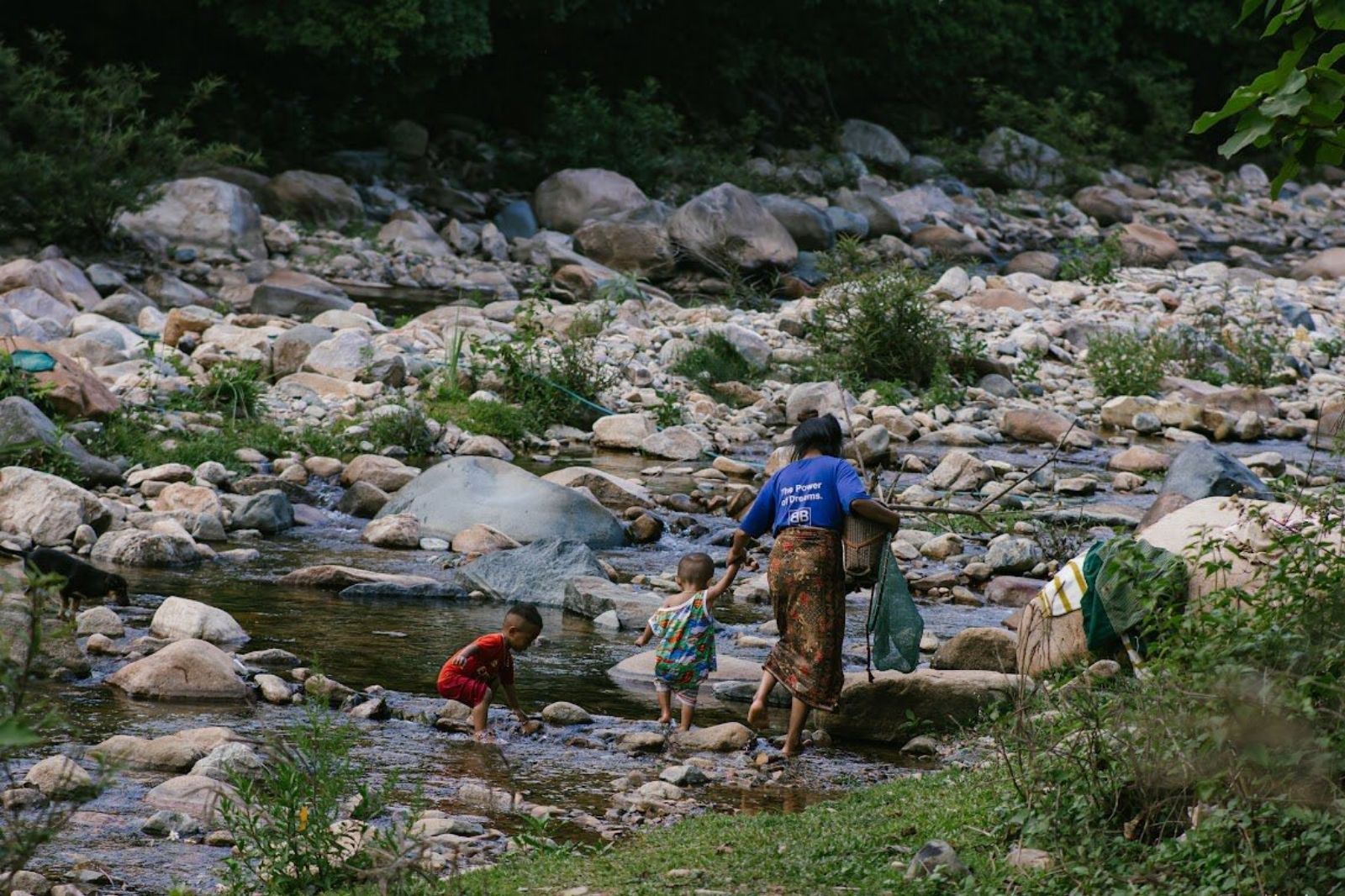
  • Pristine nature: Truong Son mountain forests, waterfalls (such as Ta Puong Waterfall, Chenh Venh), and crystal-clear streams.
  • Authentic community tourism: Stilt house homestays, daily life experiences, learning brocade weaving, and traditional cooking.
  • Unique culture: Gong music, panpipes (khen be), antiphonal folk singing, as well as ancestor worship, rice deities, and mountain/river gods.
  • Sustainability: Tourism development projects that help locals preserve their culture while improving livelihoods.

This is an ideal destination for experiential travelers, photographers, cultural researchers, or anyone seeking peace amid the vast wilderness.
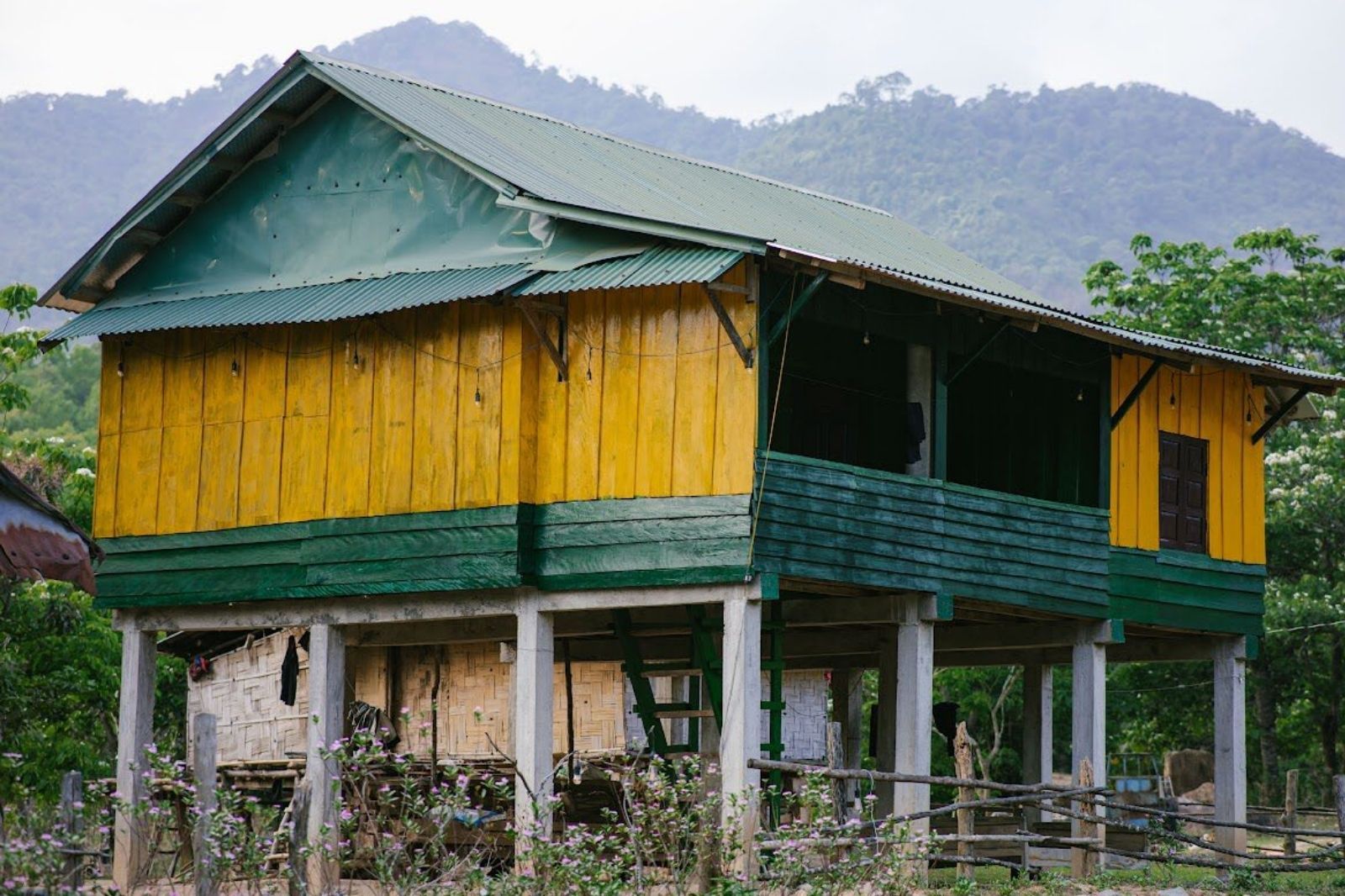
Stilt house culture of ethnic minorities
Photo: Stilt house culture of ethnic minorities 

2. Best time to visit the Bru-Van Kieu and Pa Co region

Quang Tri has a tropical climate with two distinct seasons. The best time to explore the Bru-Van Kieu and Pa Co areas is from March to September (especially April to August), when the weather is dry, sunny, and convenient for traveling and participating in local festivals.

  • Dry season (March - August): Ideal for trekking, visiting villages, and photographing lush green fields.
  • Rainy season (September - December): The landscapes are greener, but roads can be slippery and stream flash floods may occur.
  • Festivals: Usually take place after the rice harvest (September - November), such as the New Rice Festival and rice seeding ceremonies – the best opportunities to experience vibrant local culture.

Tip: Check the weather forecast before your trip and avoid the storm season (September - November) if you are unfamiliar with mountain terrain.

Best to visit during the dry season
Photo: Best to visit during the dry season 

3. Travel guide to Bru-Van Kieu and Pa Co villages

Villages of the Bru - Van Kieu and Pa Co ethnic groups are mainly located in Huong Hoa and Dakrong districts, about 70 to 130 km from Dong Ha city center.

From Dong Ha (center of Quang Tri):

  • About 70-130 km depending on the village.
  • Self-drive motorbike/car: Take National Highway 9 (QL9) to Khe Sanh (Huong Hoa), then turn onto the Western branch of Ho Chi Minh Highway. Travel time is around 2-3 hours.
  • Bus: From Dong Ha bus station, travel to Khe Sanh or Lao Bao, then hire a local motorbike taxi or vehicle to enter the villages (Ka Lu Village, Lang Cat, Ta Rut, Chenh Venh...).

From other provinces:

  • By air: Fly to Dong Hoi Airport (Quang Binh) or Phu Bai Airport (Hue), then travel by road.
  • By train/bus: Arrive at Dong Ha Railway Station or bus station, then transfer to local transport.

Note: Mountain roads are winding, so make sure your vehicle is in good condition, fuel is full, and carry personal identification documents. Hiring a local guide helps navigate the villages easily while showing respect for local customs.

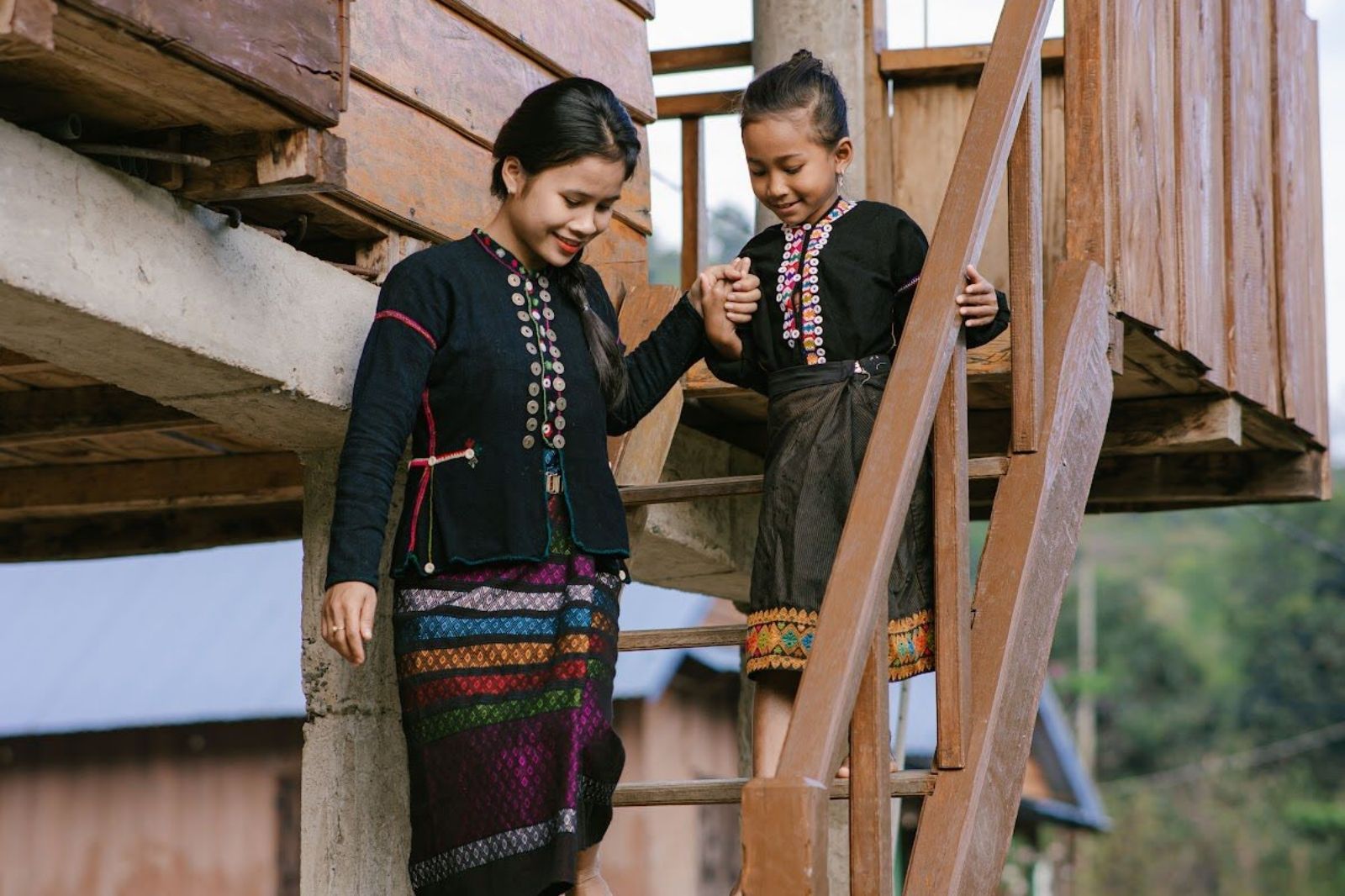
Traditional attire of the Bru-Van Kieu people
Photo: Traditional attire of the Bru-Van Kieu people 

4. Discover the traditional cultural beauty of the Bru-Van Kieu and Pa Co people

The culture of the Bru - Van Kieu and Pa Co ethnic groups has evolved over generations, deeply tied to the majestic Truong Son mountains. In their spiritual life, villagers maintain ancestral worship along with belief in guardian spirits such as the rice deity, mountain deity, river deity, and hearth god, reflecting a deep bond between humans and nature.

In addition to their unique spiritual heritage, the Bru - Van Kieu and Pa Co communities possess a rich folklore treasure, featuring resonating gong music, traditional folk melodies, and handicrafts such as brocade weaving and bamboo-rattan weaving. Visitors also have the opportunity to savor authentic mountain flavors, including bamboo-cooked rice (com lam), grilled meats, wild vegetables, and tube wine (ruou can). Experiencing cultural exchanges, listening to folk songs around the hearth, or learning about traditional weaving will help visitors appreciate the rustic, sincere, and identity-rich beauty of this land.

5. Unique customs and traditions of the Bru-Van Kieu and Pa Co people

Besides pristine natural landscapes, the land of the Bru - Van Kieu and Pa Co attracts visitors with traditional customs and practices handed down through generations. These distinct values contribute to the unique charm of the villages in western Quang Tri.

In community life, each village has a village elder or chief playing a vital role in governance, preserving customs, and uniting residents. Rituals regarding marriage, childbirth, funerals, or religious worship follow traditional rules, demonstrating reverence for ancestors and faith in guardian deities. In particular, communal rituals, harvest festivals, and activities centered around the hearth and stilt house remain an indispensable part of local cultural life.

When visiting Bru - Van Kieu and Pa Co villages, tourists should respect local customs, protect the environment, and ask for permission before taking photos, filming, or taking part in religious activities. This not only makes the trip more meaningful but also contributes to preserving the precious traditional cultural heritage of the local community.

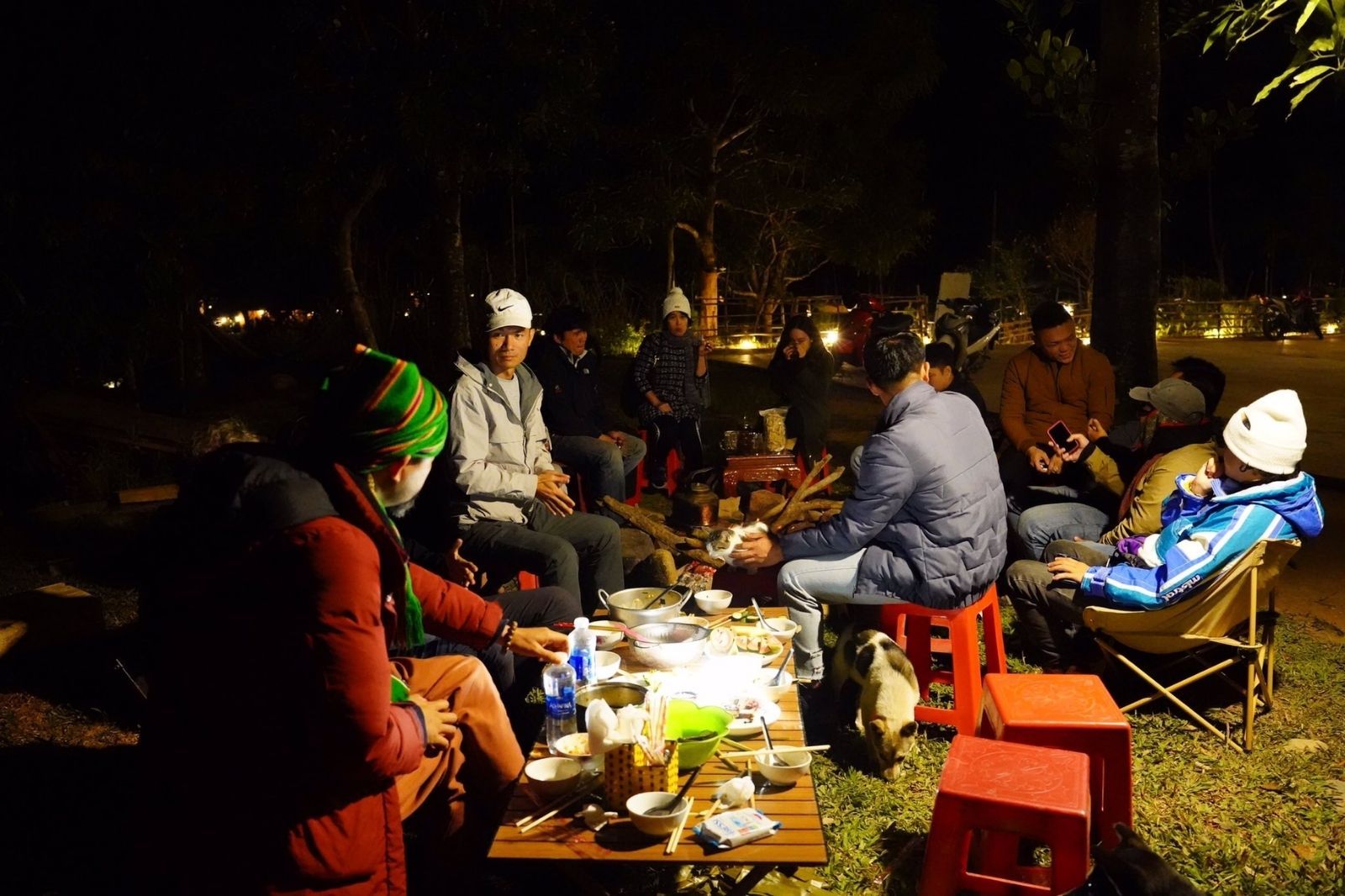
Community-based tourism
Photo: Community-based tourism 

6. Experience stilt houses and the daily life of the local people

The traditional stilt houses of the Bru – Van Kieu are not merely residences but also depositories of unique cultural values. Staying overnight at local homestays allows visitors to experience the simple and authentic rhythm of life in the heart of the Truong Son mountains.

  • Discover traditional stilt house architecture: Built on high wooden posts with curved roofs at both gables and spacious wooden floors; the hearth is placed directly on the floor, while the poong area serves as the sacred place for family worship.
  • Wake up in nature's embrace: Welcome the sunrise to the sounds of crowing roosters, singing birds, and babbling streams around the village.
  • Experience daily life: Join locals in working on mountain fields, gathering wild vegetables, preparing ingredients, and cooking traditional dishes.
  • Gather around the hearth: Listen to village stories, local customs, and enjoy rustic folk songs performed by the Bru – Van Kieu people.
  • Overnight stay on a stilt house: Feel the warmth of the hearth, the serene atmosphere, and the heartfelt hospitality of local hosts.
  • Embrace a slow-paced lifestyle: Escape urban noise to immerse yourself in nature and authentic cultural heritage.

Staying in a Bru – Van Kieu stilt house is more than just an overnight stay; it is an immersive journey into local life, helping travelers better understand the cultural beauty and community bonds of these highland dwellers.

7. Unique traditional festivals of the Bru-Van Kieu and Pa Co people

For the Bru – Van Kieu and Pa Co people, festivals are not just occasions for celebration and gathering, but also sacred spaces to express faith and gratitude to ancestors and deities. Each ritual is closely tied to agricultural cycles, major life milestones, and aspirations for a prosperous, peaceful life.

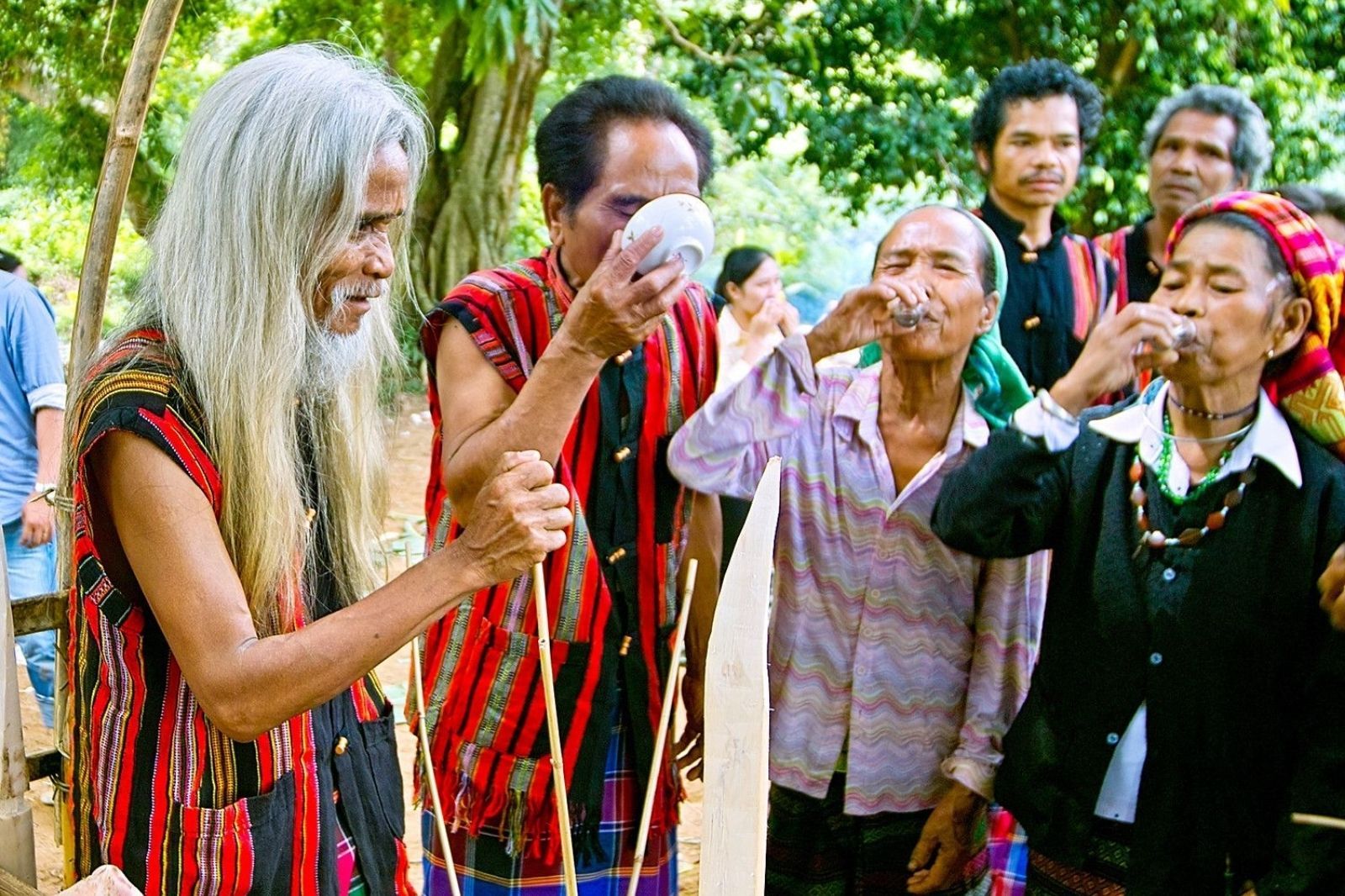
  • New Rice Festival (Kner or Tang Kin): Held after the harvest season to thank the rice deity for a bountiful crop. This is one of the largest festivals, featuring sacrifices, singing, dancing, gong performances, and enjoying traditional feasts together.
  • Rice Seeding Ceremony: Takes place before the new planting season begins, offering prayers for favorable weather, healthy crop growth, and high yields. The festive atmosphere brings the whole village together.
  • Buffalo Sacrifice Ceremony: A key spiritual ritual among local ethnic groups, usually held on special occasions to express gratitude to gods and pray for health, peace, and prosperity for the community.
  • Life-cycle rituals: Including birth rituals, wedding ceremonies, and funeral rites. Each ceremony follows specific customs reflecting views on family, community, and ties with ancestors.

These traditional festivals not only enrich the spiritual life of the Bru – Van Kieu and Pa Co communities but also represent a valuable cultural heritage passed down through generations. They serve as a "gateway" helping travelers deeply understand the identity, beliefs, and everyday beauty of communities along the majestic Truong Son range.

Rice seeding festival
Photo: Rice seeding festival 

Traveling to the villages of the Bru – Van Kieu and Pa Co is not merely sightseeing, but an opportunity to gain deeper insight into the lifestyle, beliefs, and communal values of ethnic groups tied to the Truong Son mountains for generations. Maintaining a respectful attitude, learning about customs, and behaving properly will not only ensure a memorable trip but also contribute to preserving unique cultural traditions that are gradually fading.

A meaningful journey allows you to bring home not only beautiful photos but also genuine empathy and understanding of the land you visited. For an in-depth itinerary with local guides, check out Quang Tri tours combining cultural experiences at sovaba.travel

Loading......

Featured destinations