What is Backpacking? Everything About Backpacker Culture for Beginners

Central

Quang Binh

Sovaba.travel

Updated at: 24/09/2026

1. What is backpacking? The most complete and easy-to-understand definition

Phượt, also known as backpacking or budget travel, is a form of self-guided travel where you plan, navigate, and explore on your own without depending on traditional tours. The term 'phượt' originates from Southern Vietnamese dialect meaning "to speed along" or "dash ahead," gradually coming to describe rugged, adventurous journeys.

Unlike conventional travel, phượt emphasizes freedom: you can choose a motorbike, bicycle, or even walk to conquer distant routes. It is not just a trip, but a journey of self-discovery, allowing you to reach breathtaking natural landscapes that tours can rarely access. For example, a phượt trip can last anywhere from a few days to several months, with a low budget and plenty of surprises.

To put it simply, phượt is like a personal adventure: you decide the destination, schedule, and means of travel. Today, phượt culture has spread widely, especially in Vietnam with famous routes such as Ha Giang, the Northwest, or Da Lat – Nha Trang.
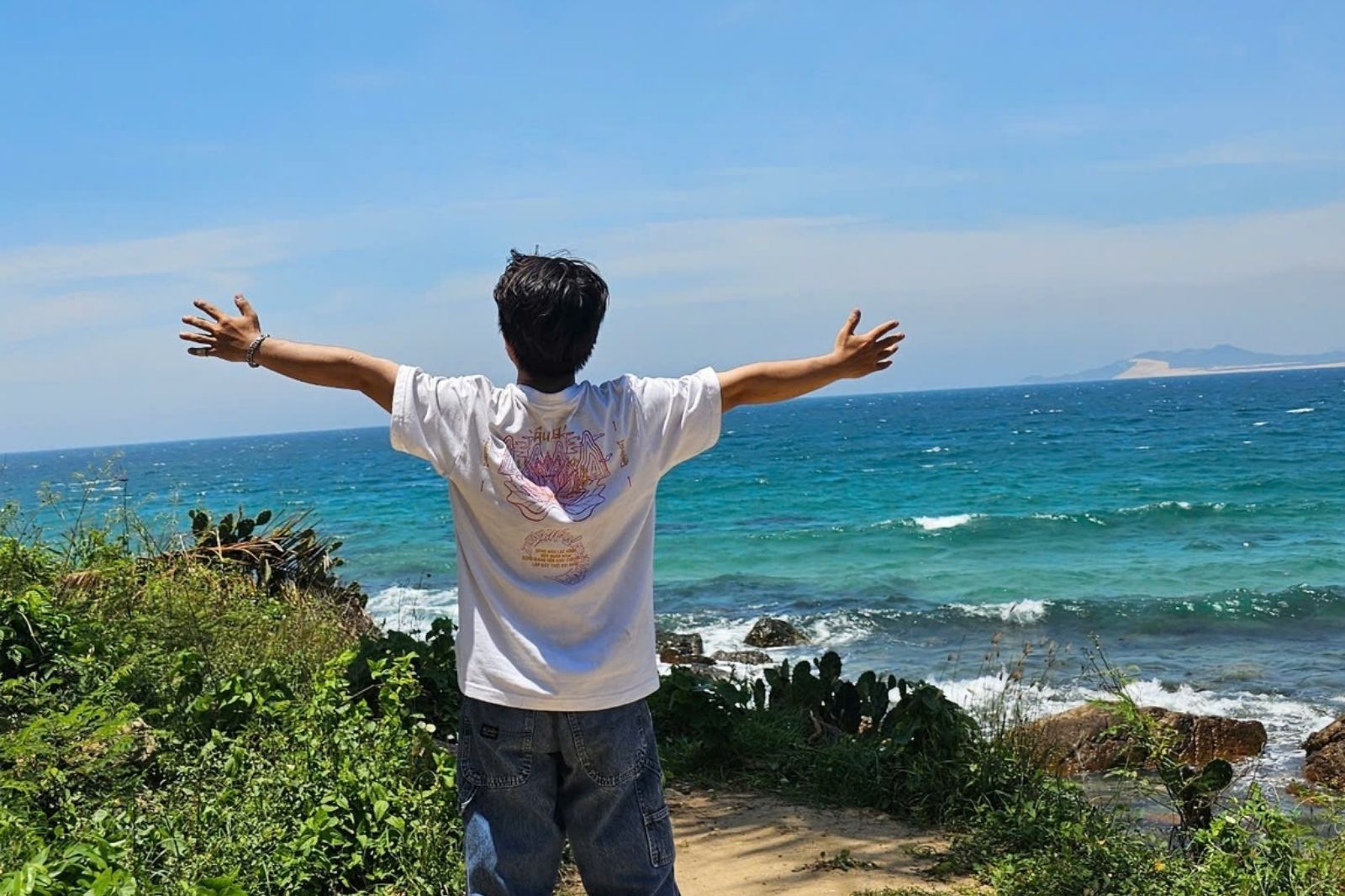
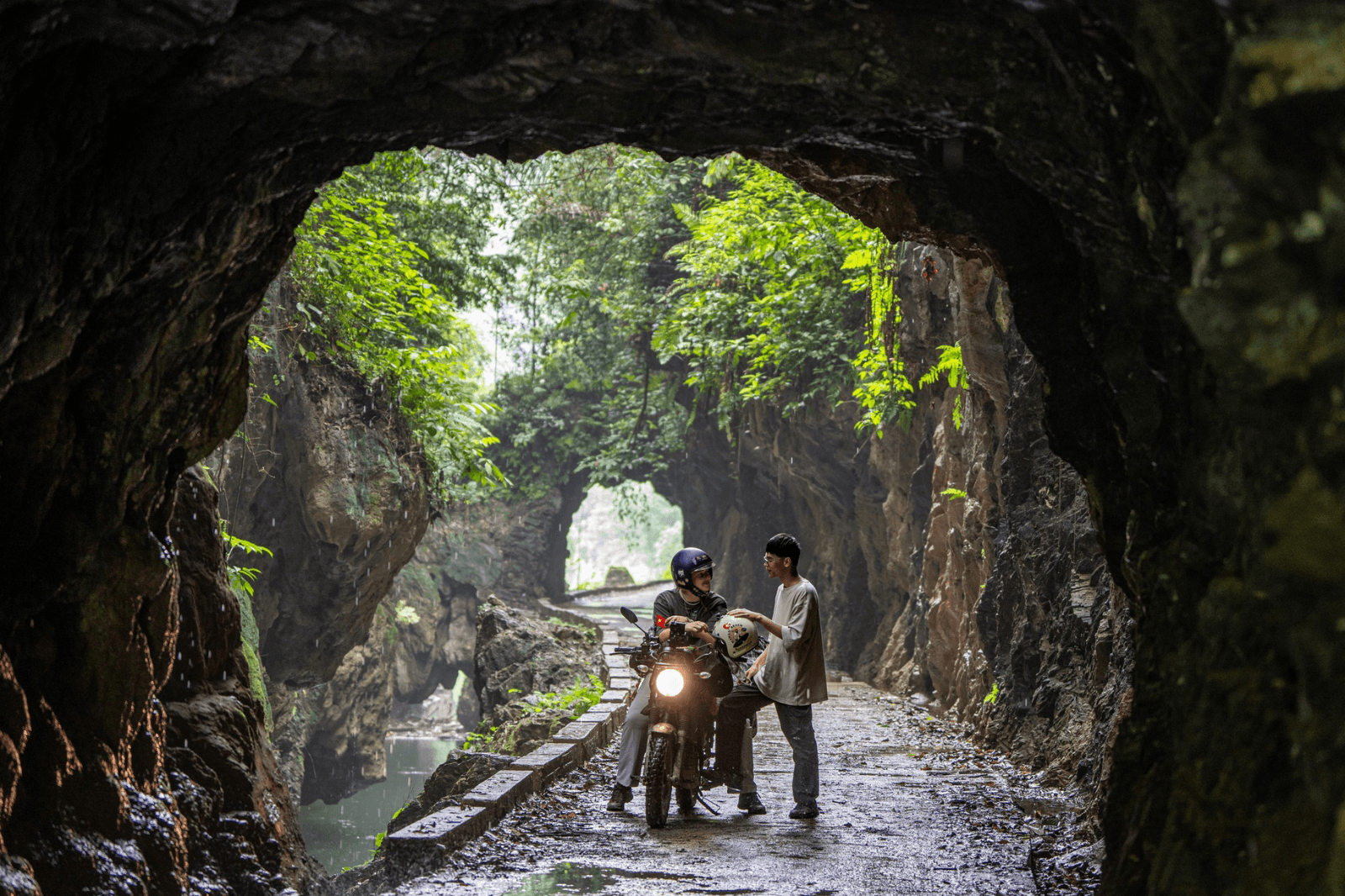
Backpacking is also a way to step out of your comfort zone
Photo: Backpacking is also a way to step out of your comfort zone 

2. How is backpacking different from regular travel?

Many people confuse phượt with conventional tourism, but in reality, these two forms of travel have distinct differences. Based on analyses from Hoteljob.vn and VnExpress, here are the key highlights:

  • Planning: Conventional tourism usually follows tours with fixed itineraries, tour guides, and full services. In contrast, phượt offers total freedom without detailed planning; you can change your route at any time.
  • Cost and Transportation: Phượt is more economical, typically utilizing motorbikes or public transport, and staying in homestays or tents. Traditional tourism is more expensive, involving hotels, flights, and upscale meals.
  • Experience: Phượt involves higher adventure, allowing you to immerse yourself in local culture and explore off-the-beaten-path locations. Conventional tourism focuses more on leisure, relaxation, and safety.
  • Purpose: Phượt is about self-conquest and overcoming challenges, whereas conventional tourism is generally for enjoyment and entertainment.

For example, a tour trip to Phu Quoc offers comfort in a resort, but backpacking by motorbike over Hai Van Pass delivers a sense of freedom and a closer connection to nature.

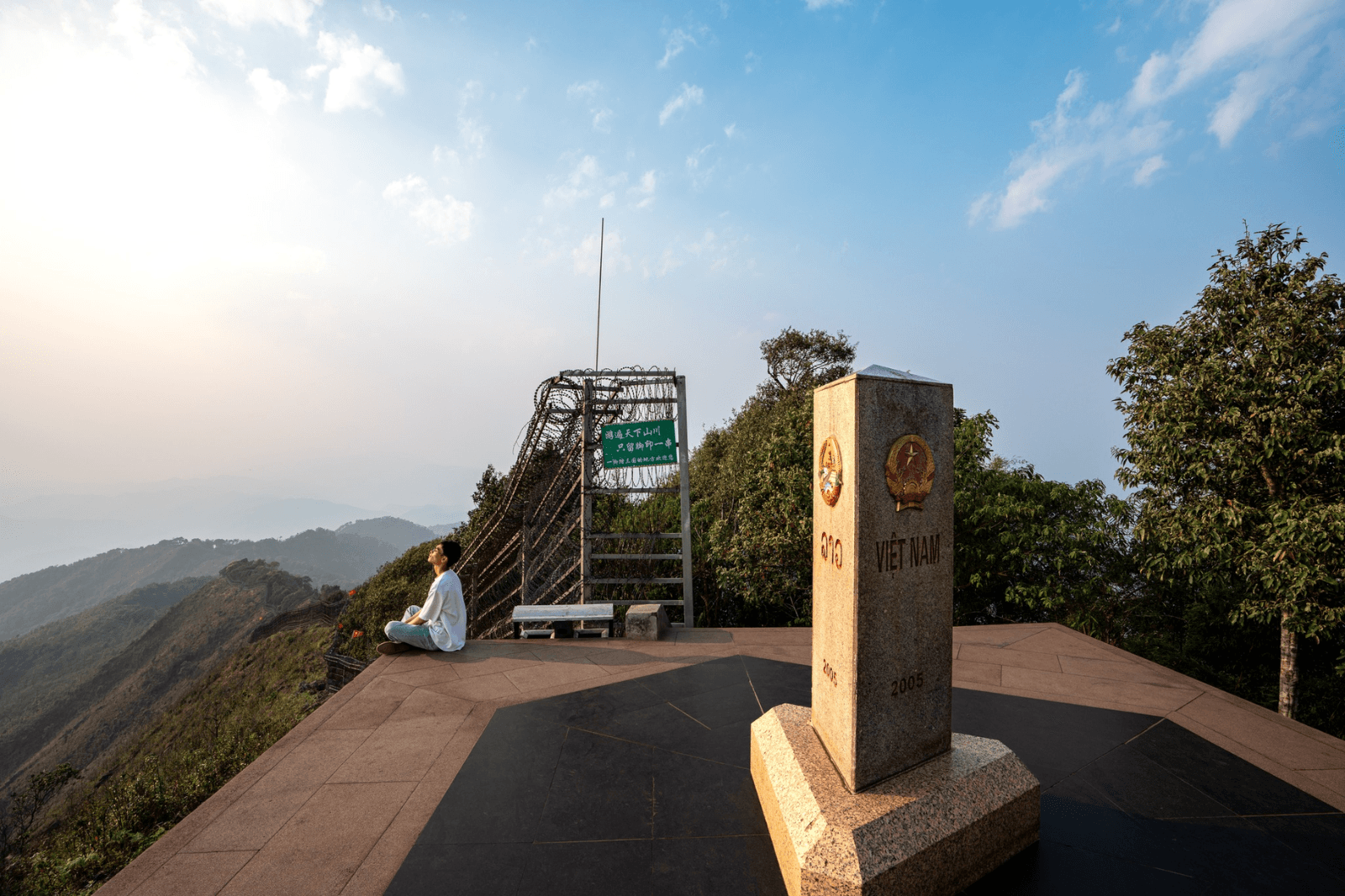
Setting foot in a new land with many exciting things
Photo: Setting foot in a new land with many exciting things 

Phượt is diverse with various styles tailored to different interests and fitness levels. Based on sources like Shadow.vn and Bigbike, here are the most popular types:

  • Picnic/Camping Backpacking: Short trips close to the city, focusing on picnicking and relaxing in nature.
  • Trekking Backpacking: Long-distance hiking through forests and mountains, such as trekking Ta Nang – Phan Dung or Fansipan.
  • Exploration Backpacking: Traveling by motorbike or bicycle to discover local culture and cuisine.
  • Off-road and Trek Backpacking: Combining difficult terrains, tailored for thrill-seekers with off-road vehicles.
  • Voluntourism / Charity Backpacking: Combining travel with community support activities, such as bringing gifts to children in highland areas.
  • Night Riding / Backpacking: Traveling at night to avoid the sun, popular among young adrenaline lovers.

In Vietnam, motorbike backpacking is the most popular, with routes like Mau Due – Du Gia (Ha Giang) or Da Lat – Nha Trang. In addition, hitchhiking is also gaining popularity among budget travelers. 

Thoroughly preparing your luggage before going backpacking
Photo: Thoroughly preparing your luggage before going backpacking 

4. Why do young people love backpacking?

Young people are increasingly passionate about backpacking because it is not just travel, but a lifestyle. According to Tripi and other sources, here are the main reasons:

  • Self-Discovery: Backpacking helps push personal limits, building endurance and confidence.
  • Adventure and Thrills: Conquering mountain passes and discovering new lands provides an adrenaline rush.
  • Stress Relief: Escaping urban life and immersing oneself in nature to relax.
  • Making Friends and Cultural Experience: Meeting like-minded people and interacting with locals.
  • Cost Savings and Freedom: Low cost, flexible schedules, suitable for students and young adults.

For example, Gen Z enjoys motorbike trips to admire majestic mountains and vast oceans, something daily work cannot offer.

5. What do beginners need to prepare for a backpacking trip?

For beginners, thorough preparation is key. Based on Wetrek.vn and Shadow.vn, here is a basic checklist:

  • Personal Identification Documents: ID card/Citizen ID, driver's license, vehicle registration, motorcycle insurance, passport (if needed).
  • Protective Gear: Helmet, gloves, protective clothing, waterproof shoes.
  • Personal Items: Waterproof backpack, 5-7 outfits, rain gear, personal medications, power bank.
  • Support Tools: Map, GPS, repair kit (spare inner tube, tire pump), sleeping tent if camping.
  • Health and Finances: Health check before the trip, carry cash and debit/credit cards.

Start with short trips to test your stamina, and remember to choose a reliable motorbike like Honda Wave or Yamaha Exciter.

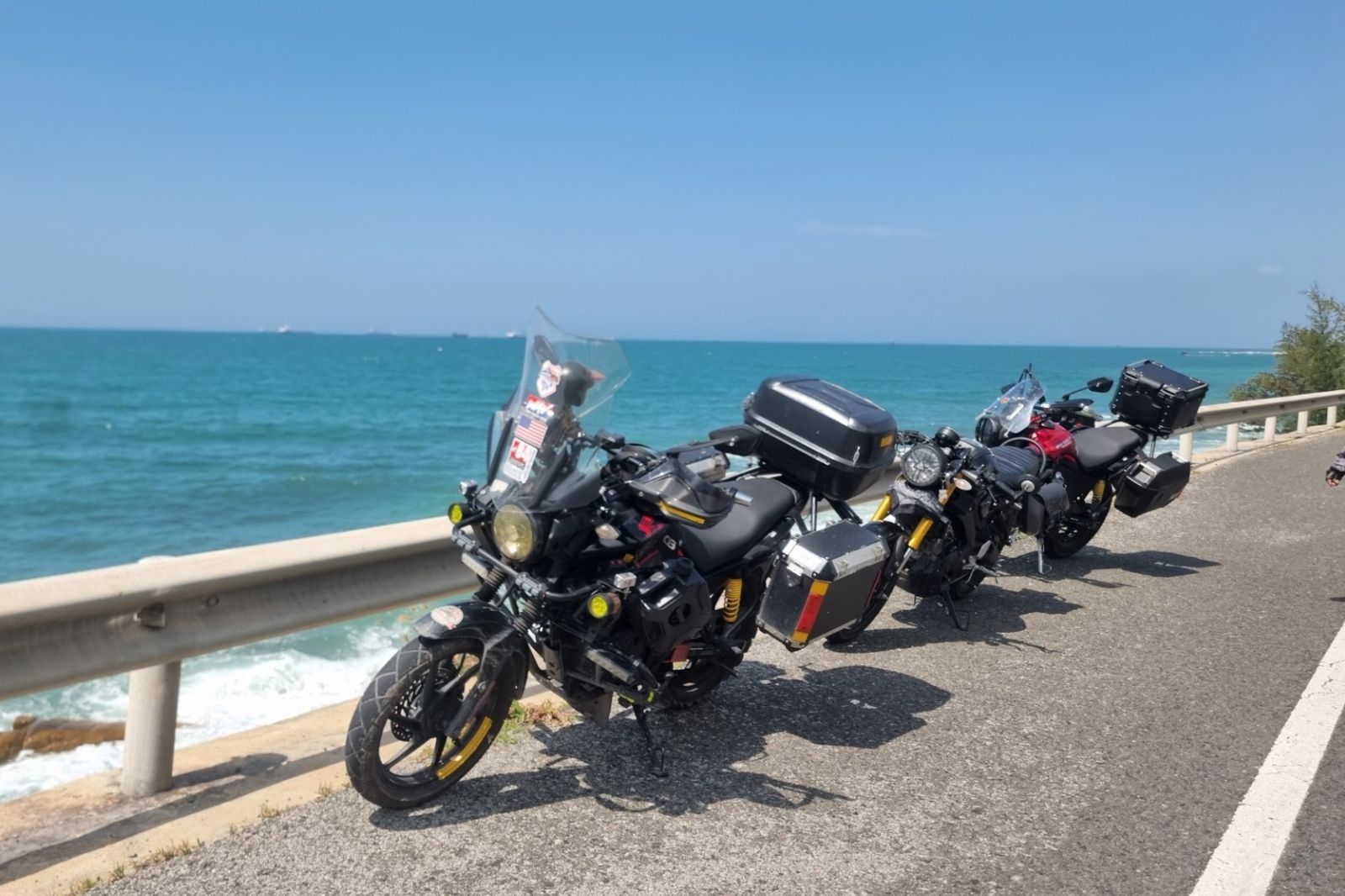
The journey of putting on a backpack and roaming on the roads
Photo: The journey of putting on a backpack and roaming on the roads 

6. Safe backpacking tips for beginners

Safety is always the top priority on any backpacking trip, especially for beginners. Below are crucial tips to help minimize risks and ensure a safer journey:

  • Clear Planning: Research the route, weather, and rest stops. Use apps like Google Maps.
  • Vehicle Maintenance: Check brakes, tires, and engine oil before departing.
  • Travel in a Group: Beginners should travel in groups of 3-5 people, riding in staggered formation to support one another.
  • Health and Gear: Eat properly, carry emergency medication, and always wear protective gear.
  • Ask Locals: Consult local residents for insights to avoid risks like poor road conditions or unpredictable weather.
  • Avoid Night Riding If Inexperienced: Stick to daytime itineraries for safety.
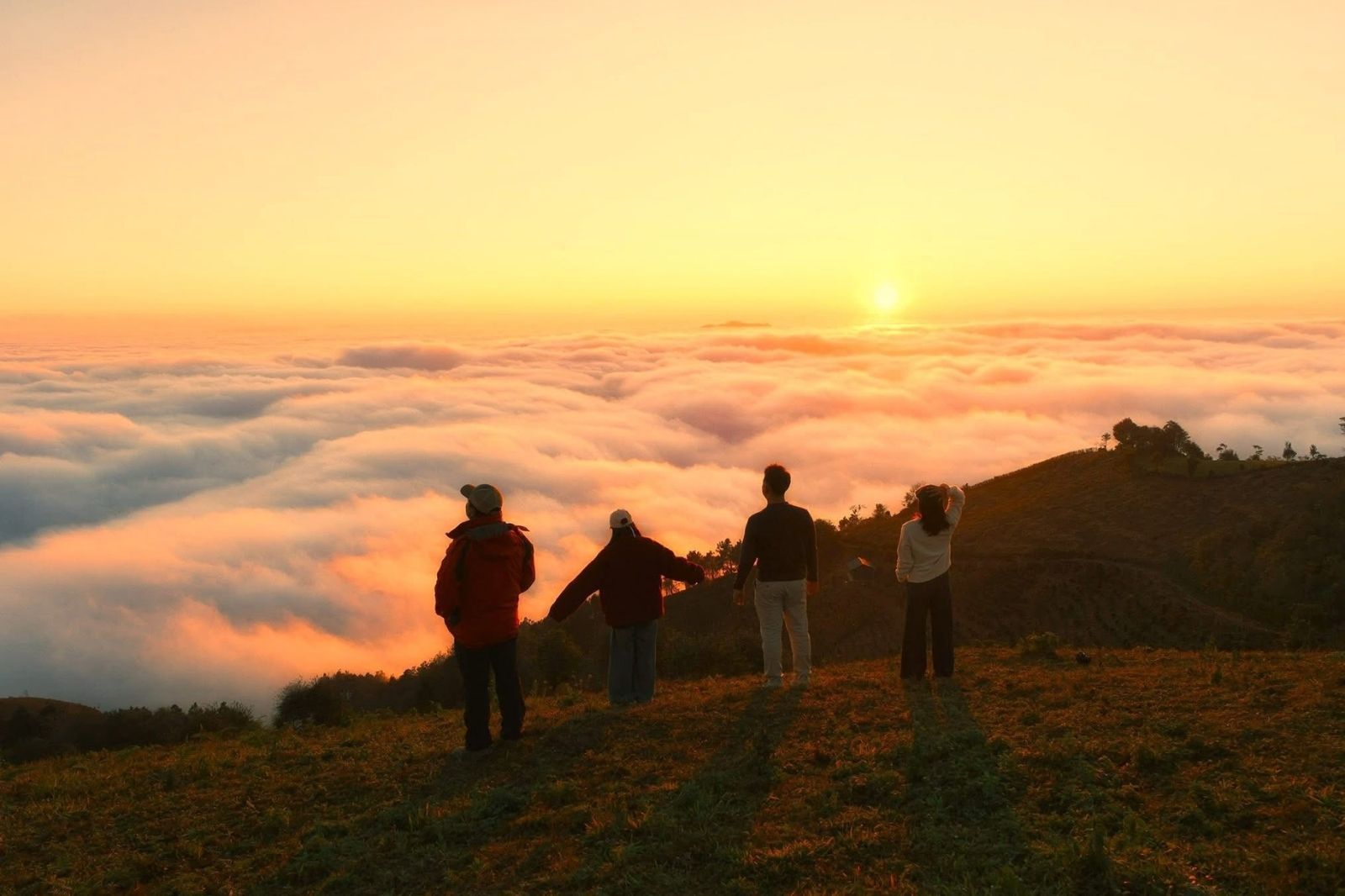
First-time backpackers should travel with friends
Photo: First-time backpackers should travel with friends 

Phượt is not merely a form of budget travel, but also a journey of self-discipline, proactiveness, and respect for nature and people. When you properly understand what phượt is, grasp the core values of backpacker culture, and prepare with the necessary knowledge, even beginners can start safely and meaningfully. What matters most is not how far you go, but how you experience every road, every moment, and grow after each trip. If you are harboring dreams for your first backpacking adventure, start with suitable routes, prepare thoroughly, and always put safety first. From there, every trip will not only be an exploration of a new land, but also a journey of discovering yourself.

Loading......

Featured destinations