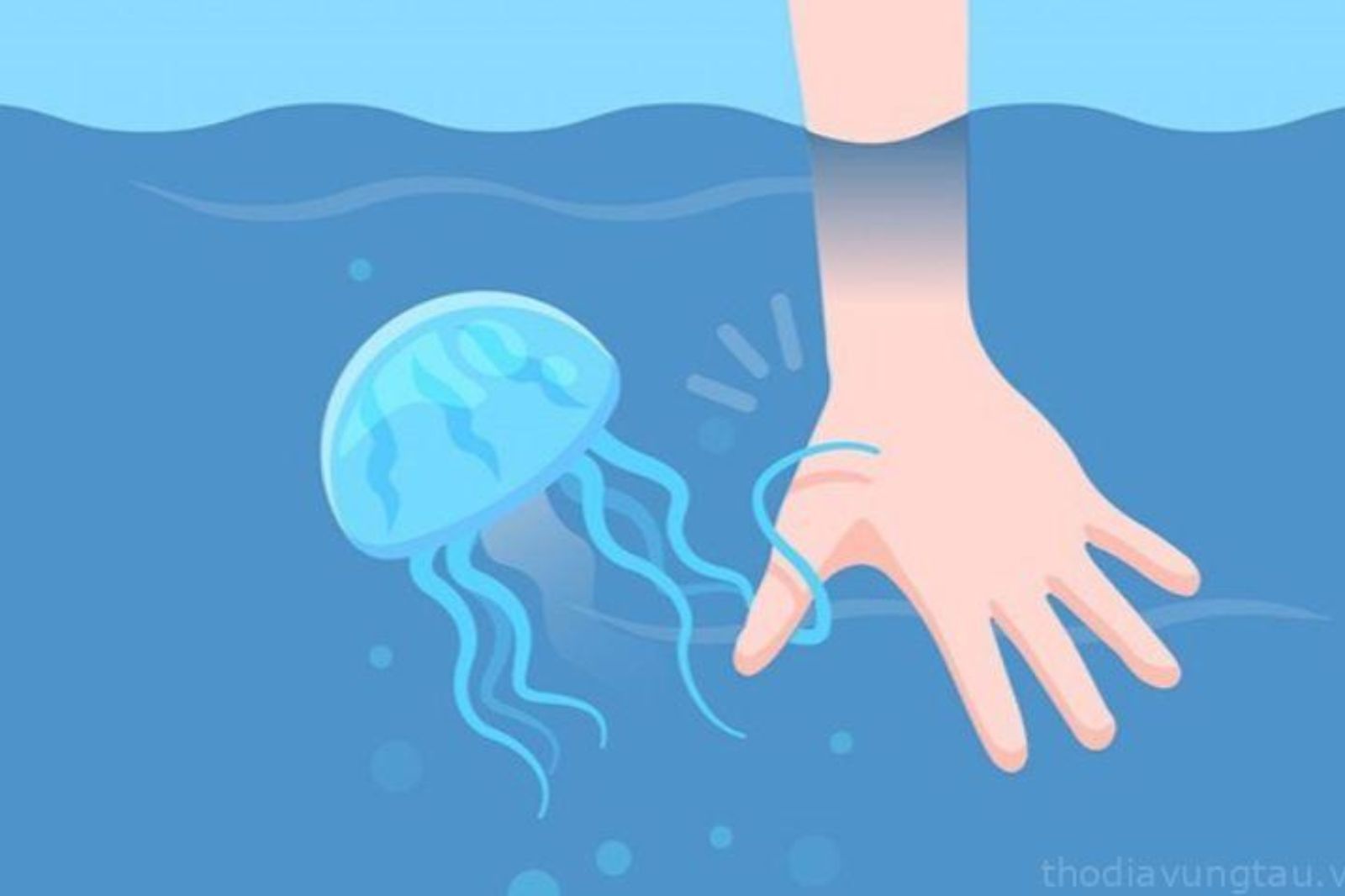
What to do when bitten by insects or stung by jellyfish while traveling to the beaches of Quang Binh?

Central

Quang Binh

Nhat Le Beach

Da Nhay Beach

Sovaba.travel

Updated at: 24/09/2026

1. Recognizing symptoms of insect bites or jellyfish stings

To respond quickly and effectively, it is essential to identify common "uninvited guests" and recognize the signals your body sends out.

Insect bites

Along the smooth sandy beaches of Quang Binh, you might accidentally encounter tiny "residents" such as mosquitoes, fleas, sea worms, or occasionally mischievous ants. The marks they leave behind are usually quite easy to recognize:

  • Mild: Redness, itching, and mild swelling at the bite site.
  • Severe: Significant swelling, pain, spreading red rash, or in rare cases, anaphylactic shock (difficulty breathing, dizziness, swollen lips).

Mosquitoes in coastal areas sometimes carry unwanted "gifts" such as dengue fever pathogens. Therefore, pay special attention if the bite is accompanied by a high fever.
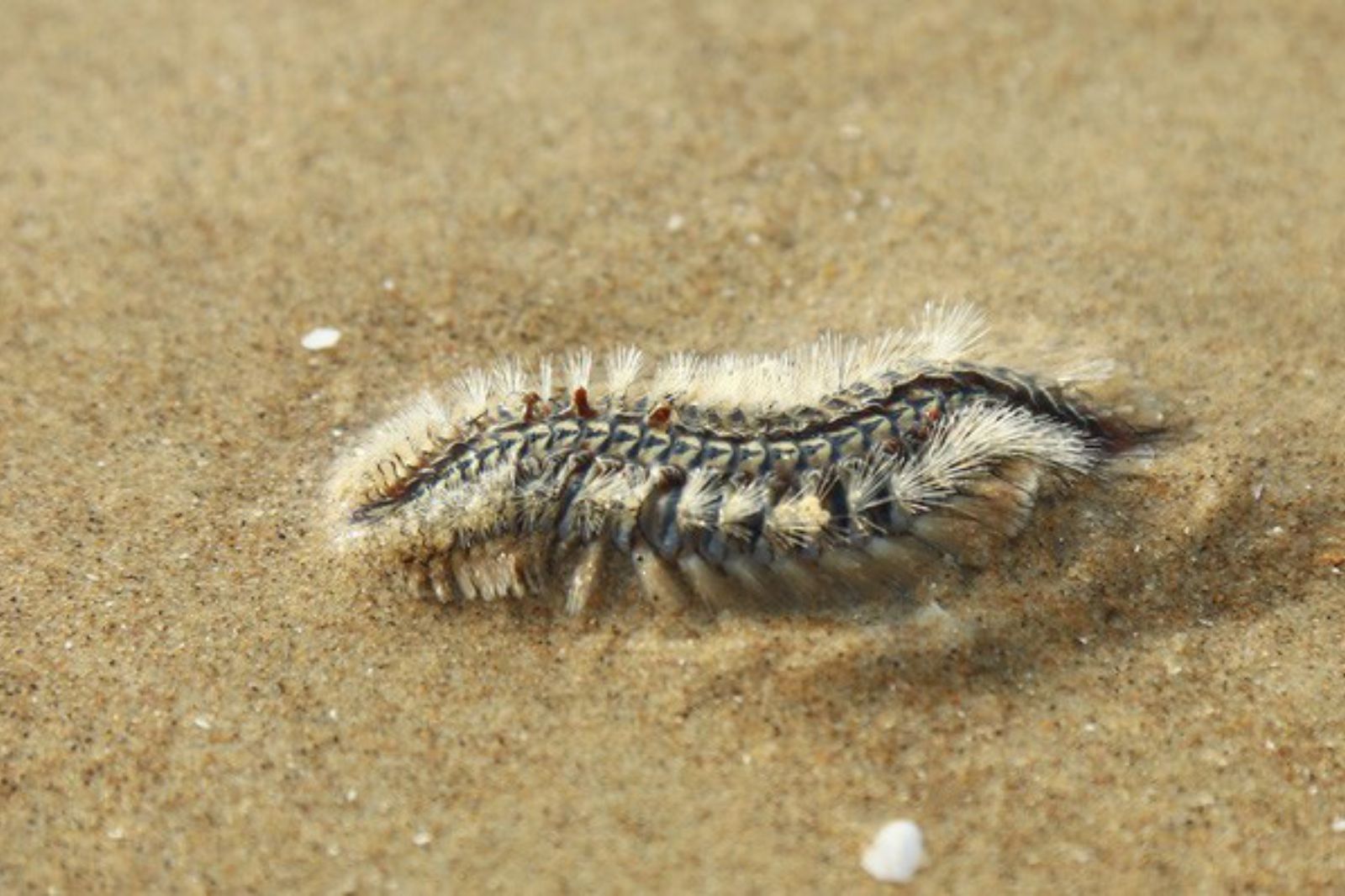
Species of sea worm causing itchiness to tourists
Photo: Species of sea worm causing itchiness to tourists 

Jellyfish stings

Jellyfish, especially fire jellyfish, often appear in the waters of Quang Binh from April to August. Symptoms of a jellyfish sting:

  • Mild: Red rash, burning itch, sharp pain, spiral or straight whip-like marks on the skin, sometimes with blisters.
  • Severe: Headache, nausea, breathing difficulty, drop in blood pressure, or in severe cases, respiratory arrest.

The venom of fire jellyfish is usually much stronger than that of harmless counterparts like moon jellyfish. Therefore, timely and proper treatment when stung by fire jellyfish is extremely important.
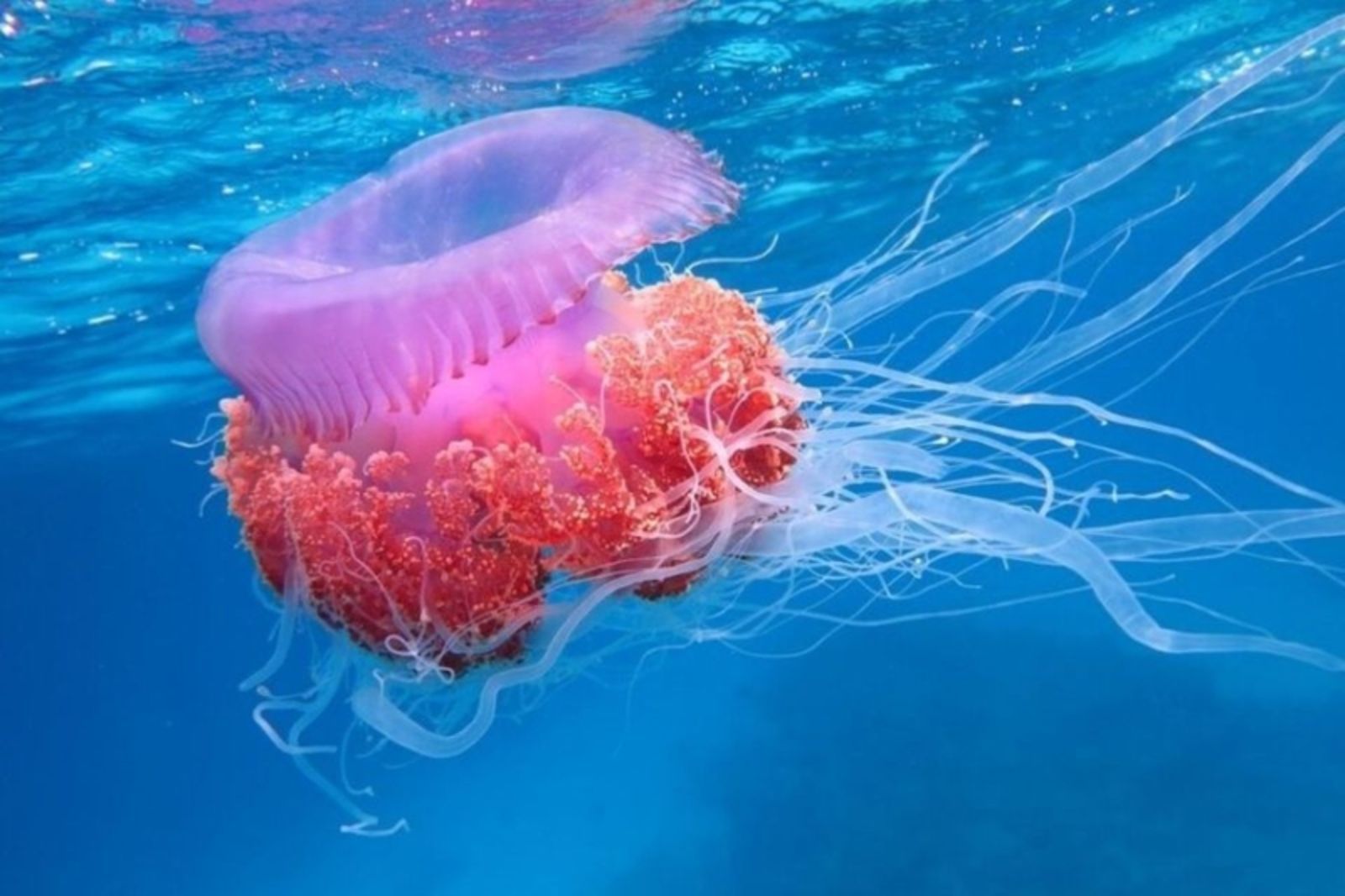
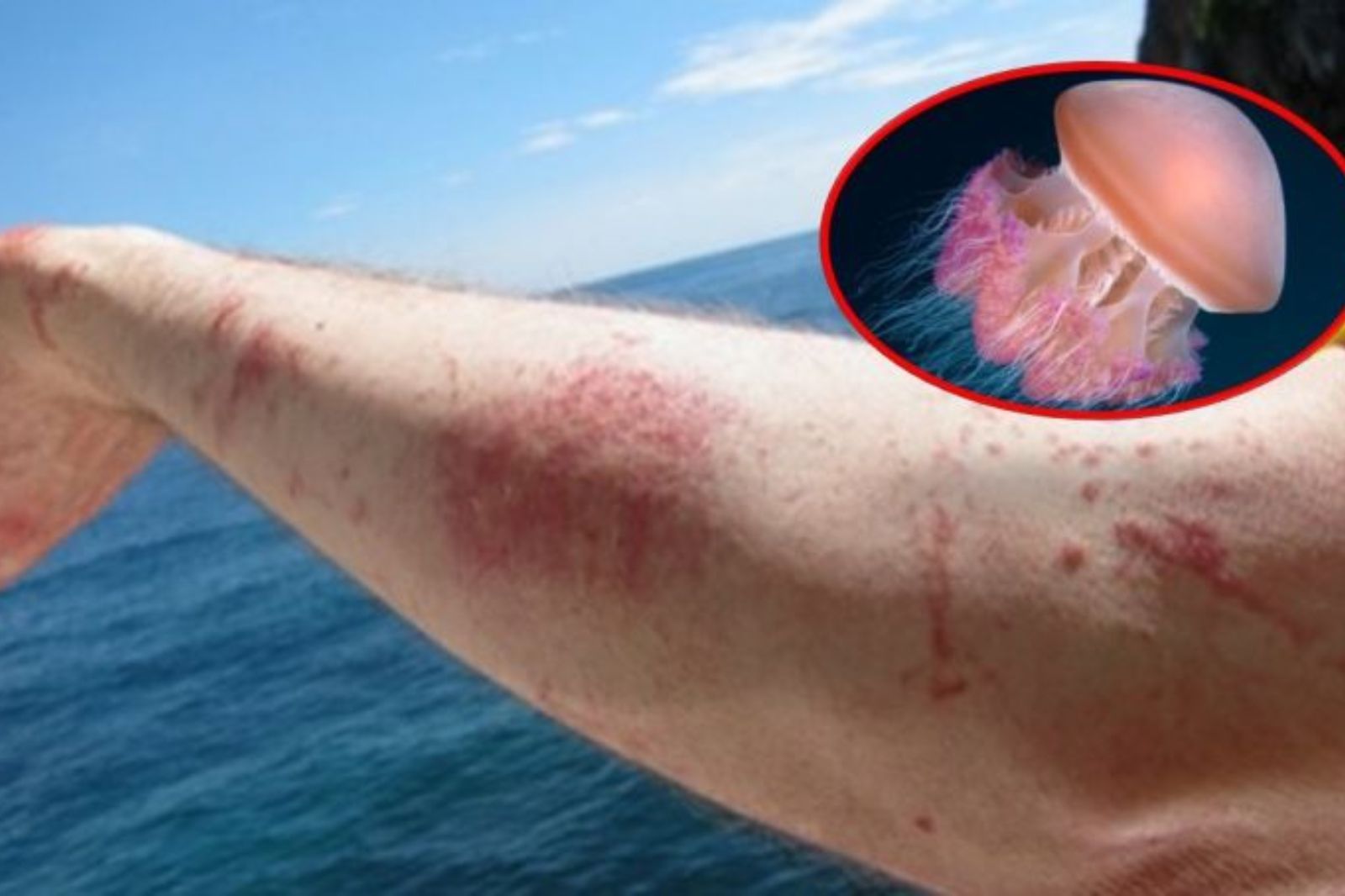
Fire jellyfish causing skin irritation in humans
Photo: Fire jellyfish causing skin irritation in humans

2. How to handle insect bites

A fun moment on the beaches of Quang Binh can be interrupted by these tiny guests. Don't worry, equip yourself with the following simple first-aid steps to quickly soothe the discomfort:

Step 1: Clean the bite

  • Wash the bite with clean water or physiological saline to remove bacteria. Mild antiseptic solutions can be used if available.
  • Avoid scratching to prevent skin abrasions, which can easily lead to infection.

Step 2: Reduce swelling and itching

  • Warm compress: Soak a clean towel in warm water and apply it to the bite for about 10 minutes to stimulate blood circulation and reduce swelling.
  • Cold compress: If it itches intensely, apply an ice pack for 5 minutes to soothe the discomfort.
  • Topical medication: Use cream containing hydrocortisone, antihistamines, or insect bite creams (e.g., Yoosun Gotu Kola) to reduce itching and inflammation.

Step 3: Monitor and visit a medical facility

  • If the bite swells with pus, hurts persistently, or shows signs of infection (fever, spreading rash), go immediately to the nearest hospital such as Quang Binh General Hospital (Dong Hoi City).
  • For venomous insects (like hornets), manage immediately by removing the stinger (if present) and see a doctor if there are signs of severe allergic reaction.

Never apply saliva or medicated oil to the bite on your own initiative. These actions are not only ineffective but also carry a high risk of causing infection or skin irritation, worsening the condition.

3. How to handle jellyfish stings

The mystical beauty of Quang Binh's seas sometimes conceals risks from marine creatures like jellyfish. If you or your loved ones happen to be 'touched' by a jellyfish, stay calm and follow these steps to minimize discomfort:

Step 1: Stay calm and remove tentacles

  • Exit the water immediately to avoid further contact with jellyfish.
  • Use gloves, plastic bags, or items like seashells or spoons to remove tentacles sticking to the skin. Do not touch directly with bare hands as venom can spread.

Step 2: Rinse the wound

  • Rinse the sting with seawater or vinegar (diluted 1:10 with clean water) to neutralize venom. If vinegar is unavailable, diluted lemon juice, soda, or ammonia can be used.
  • Do not use fresh water or hot water as it stimulates sting cells (nematocysts) to release more venom.
Allergic reaction from a jellyfish sting
Photo: Allergic reaction from a jellyfish sting

Step 3: Reduce pain and itching

  • Cold compress: Place an ice pack on the sting for 10-15 minutes to reduce pain and swelling.
  • Topical medication: Apply cream containing corticosteroids (such as hydrocortisone) or antihistamines to soothe itching. Yoosun Gotu Kola cream is also a good option for mild stings.
  • Oral medication: Take paracetamol or ibuprofen if experiencing significant pain. Oral antihistamines can help reduce itching all over the body.

Step 4: Monitor and seek medical assistance

  • If severe symptoms appear, such as difficulty breathing, nausea, cyanosis, or rapid pulse, take the victim to Quang Binh General Hospital or the nearest medical facility immediately.
  • For children or the elderly, it is advisable to visit a dermatologist even with mild symptoms, as sensitive skin can easily develop complications.

Never use urine to wash a jellyfish sting. This is a misconception with no scientific basis that may even cause wound infection. For children and the elderly, even if they show only mild symptoms after being stung by jellyfish, taking them to a dermatologist for consultation and monitoring is recommended, as their sensitive skin can easily experience worse developments.

4. Prevention tips when traveling to Quang Binh's beaches

To fully enjoy the beauty of Quang Binh's beaches without worrying about minor "accidents" from insects or jellyfish, proactive prevention is extremely important. Equip yourself with the following effective measures:

For insects

  • Use insect repellent: Apply creams containing DEET or Permethrin to skin and clothing before going to the beach.
  • Wear long clothing: Especially in the evening when mosquitoes are highly active along the coastal areas.
  • Maintain hygiene: Avoid leaving food waste that attracts insects.

For jellyfish

  • Check local information: Ask lifeguards or locals about jellyfish presence before swimming.
  • Wear protective clothing: Use long-sleeved rashguards or wetsuits to minimize skin contact with jellyfish.
  • Avoid dangerous areas: Do not swim in warning-flagged zones or deep waters where jellyfish commonly appear.
  • Prepare essential items: Carry a bottle of vinegar, antihistamines, and Yoosun Gotu Kola cream in your personal first-aid kit.
Do not touch jellyfish or unfamiliar sea insects
Photo: Do not touch jellyfish or unfamiliar sea insects 

With these simple yet effective preventive measures, you can fully enjoy wonderful moments on the beautiful beaches of Quang Binh, ensuring your sea memories remain joyful and unforgettable.

So there you have it, those "uninvited guests" in Quang Binh's waters may sometimes bring minor annoyances. But don't let that interrupt your joy of discovery. With careful preparation, proper first-aid knowledge, and high alertness, you can easily overcome these small incidents and continue immersing yourself in the charming beauty of blue seas and white sand. Always remember to carry essential first-aid supplies, listen to advice from dedicated lifeguards, and above all, bring an open heart to fully embrace all the wonderful things Quang Binh has to offer. 

Loading......

Featured destinations