Why All-Inclusive Trekking Tours Are Becoming More Popular Among Travelers

Central

Quang Binh

Sovaba.travel

Updated at: 02/10/2026

1. What is an all-inclusive trekking tour?

An all-inclusive trekking tour is a travel service package organized by professional companies, covering all the necessary elements for a long-distance hiking trip to explore nature. Instead of travelers having to handle everything from A to Z, this tour provides a comprehensive service, helping participants focus entirely on enjoying the journey.

Specifically, an all-inclusive trekking tour usually includes:

  • Professional tour guides: Leaders who understand the terrain, local culture, and first aid skills, ensuring the group's safety.
  • Transportation: Pickup and drop-off vehicles from the starting point to the trekking location, which may include local transport like jeeps or boats if necessary.
  • Meals and accommodation: Nutritious meals suitable for trekking activities (usually local menus), drinking water, and rest accommodations such as tents, homestays, or hotels depending on the terrain.
  • Support equipment: Includes backpacks, specialized footwear (if rented), trekking poles, flashlights, and insect or weather protection items.
  • Insurance and medical support: Basic travel insurance, first-aid medical supplies, and emergency response plans.
  • Detailed itinerary: Pre-designed from easy to hard levels, suitable for target groups such as beginners, families, or professional groups.

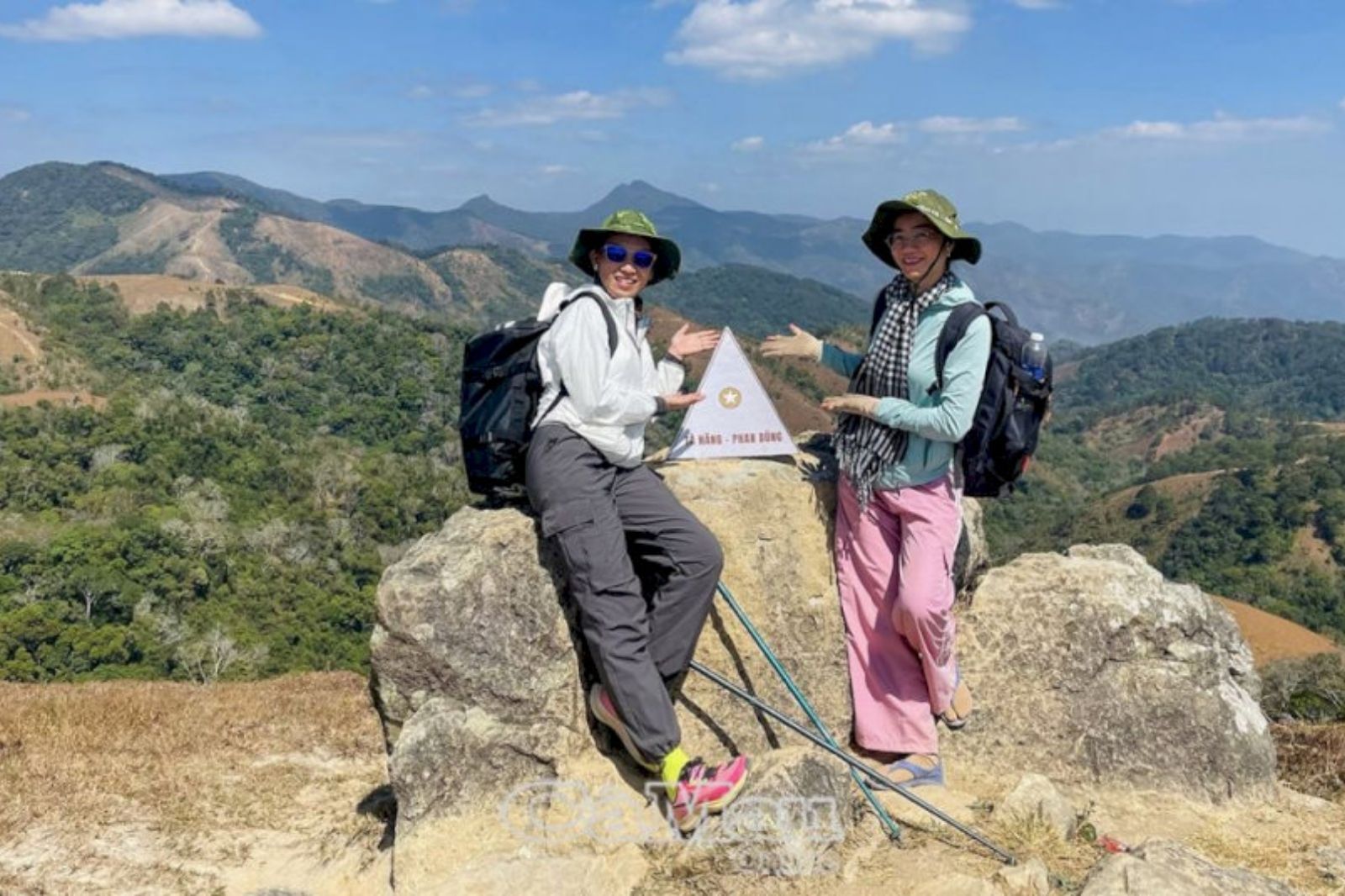
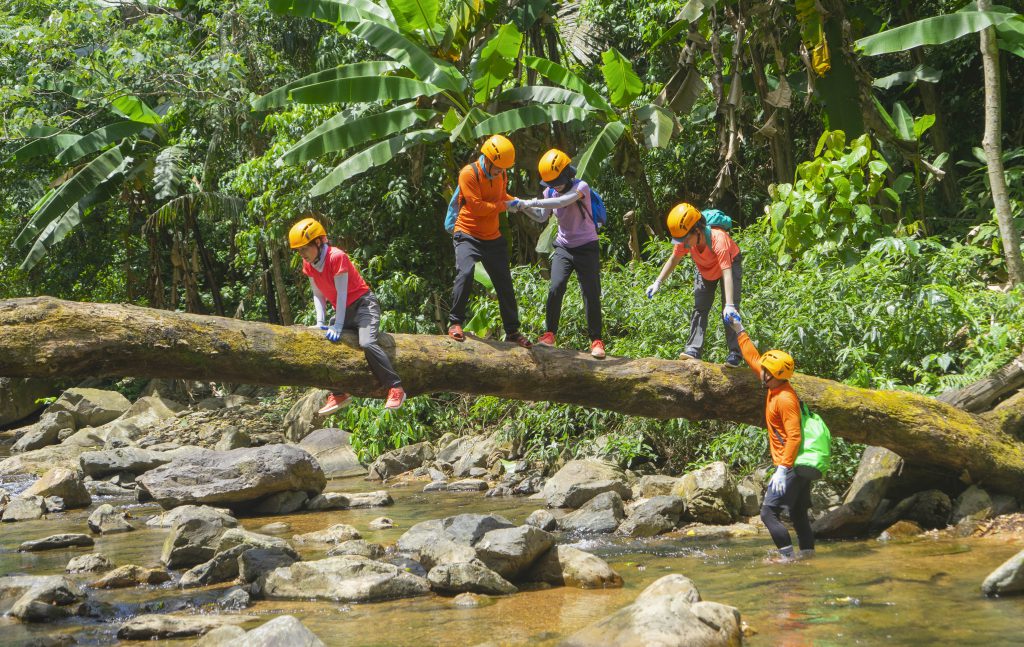
In Vietnam, alongside familiar spots such as Sa Pa, Fansipan, Ta Nang – Phan Dung, or Pu Luong, Phong Nha – Ke Bang National Park is becoming a trekking destination chosen by many travelers thanks to its unique system of primary forests, caves, and rivers. All-inclusive trekking tours here often combine jungle trekking, stream crossing, and cave exploration with prices ranging from about 2 to 10 million VND per person, depending on the duration (2–5 days) and service level.
Choosing an all-inclusive trekking tour offers many outstanding advantages

The boom of all-inclusive trekking tours is no coincidence. With a busy lifestyle and growing safety awareness, travelers are seeking convenience while still ensuring quality experiences. Below are the main reasons making this type of tour a top choice:

  • Convenience and time-saving: In a busy era, not everyone has the time to make detailed plans. All-inclusive tours handle everything from booking, securing local permits to food preparation, allowing travelers to simply "pack their backpack and go". 
  • High safety and professionalism: Trekking often involves difficult terrain such as mountains, forests, and streams, making it easy to encounter risks like getting lost, bad weather, or injuries. Tour guides in all-inclusive tours are intensively trained (often certified by international guide associations), helping to minimize accidents. For example, on Fansipan tours, guides use GPS devices and continuously monitor group health. 
  • Rich and sustainable experiences: Tours often integrate cultural elements, such as visiting ethnic villages or learning local cooking, delivering deeper value. Furthermore, many companies commit to green tourism, such as minimizing waste and supporting local communities, aligning with the rising trend of sustainable tourism. In Vietnam, tours like Ta Nang trekking have contributed to preserving primary forests through tourism revenue.
  • Suitable for everyone: From beginners to seniors or families with children, all-inclusive tours can customize difficulty levels. Pricing is flexible, ranging from basic to premium packages (including photographers or eco-experts). 
  • Long-term cost savings: Although the initial price might be higher than self-organized trips, all-inclusive tours cover everything to avoid unexpected expenses such as emergency vehicle rentals or buying expensive equipment. Many tours also offer group discounts of 10-20% for large groups.

Overall, the preference for all-inclusive trekking tours reflects modern travel trends: safe, convenient, and meaningful, helping travelers connect more deeply with nature without worries.

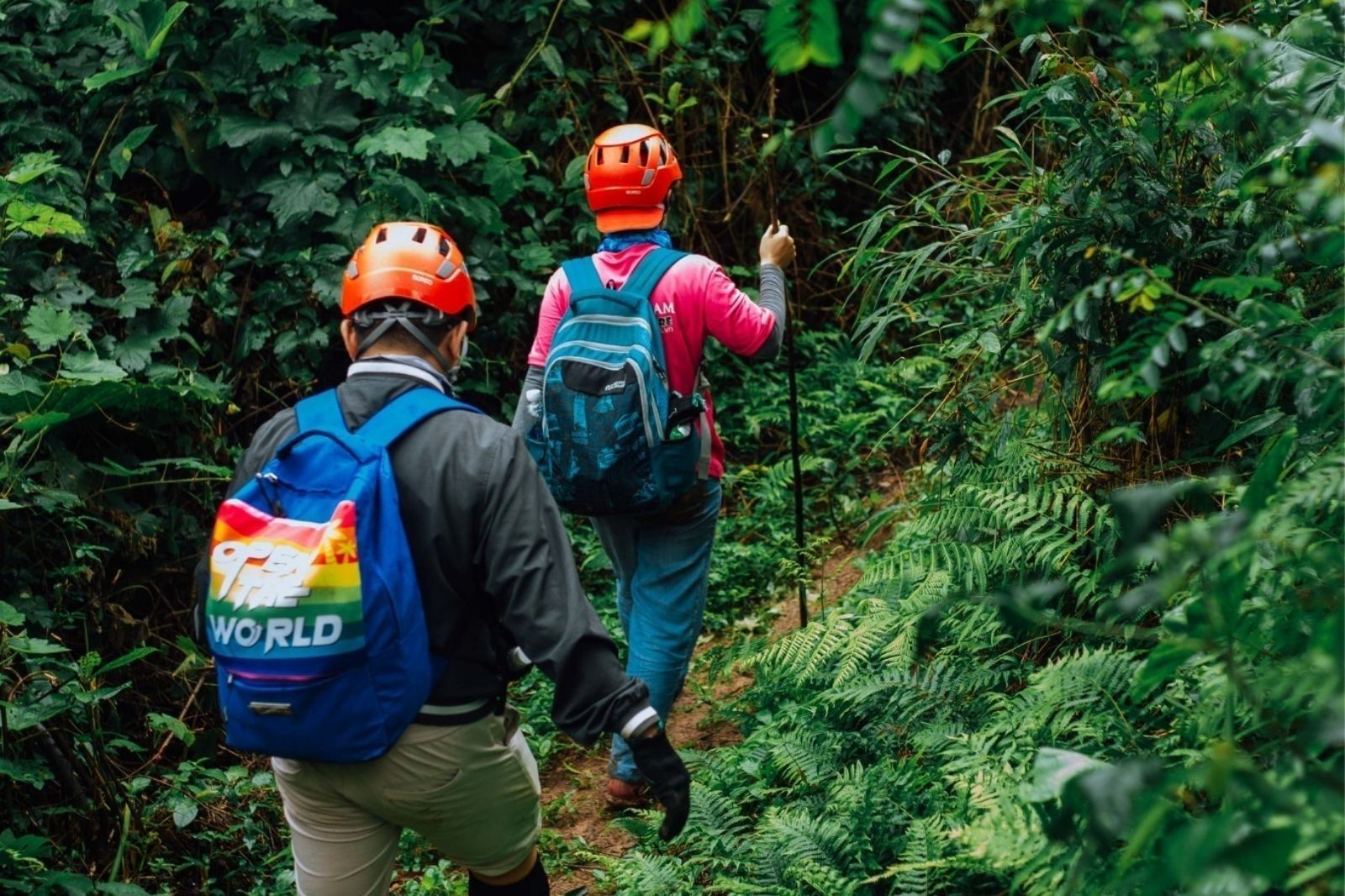
All-inclusive trekking tour with a professional guide
All-inclusive trekking tour with a professional guide 

3. Comparing all-inclusive trekking tours and self-guided trekking

To help you make a better decision, below is a detailed comparison table between an all-inclusive trekking tour and self-organized trekking. 

CriteriaAll-Inclusive Trekking TourSelf-Organized Trekking
CostHigher initially, but all-inclusive with fewer unexpected expenses.Lower, but easily incurs extra costs like renting equipment or rescue.
ConvenienceEverything is pre-arranged; just join in.Must handle planning, shopping, and bookings yourself.
SafetyIncludes tour guides, insurance, and specialized equipment.High risk if lacking experience, no emergency support.
FlexibilityFixed itinerary, but customizable for groups.Free to change route and timing.
ExperienceRich: Combines culture and knowledge from tour guides.Personalized: Self-exploring, but may miss deep insights.
Suitable ForBeginners, families, large groups, those short on time.Experienced hikers who enjoy independent adventure.
RiskLow: Backup plans for weather and health.High: Getting lost, injuries, legal issues (local permits).

From the table above, if you are a beginner or prioritize safety, an all-inclusive trekking tour is clearly superior. Conversely, self-organized trekking is better suited for those who want to challenge themselves and save costs.

4. Things to consider when choosing a reputable all-inclusive trekking tour

Choosing the wrong company can turn a trip into a nightmare. Based on experience from travel experts and customer reviews, here are important notes:

  • Check the company's reputation: Choose an agency with a travel business license from the local Department of Tourism or the Ministry of Culture, Sports and Tourism. 
  • Evaluate tour guides: Ensure guides hold certifications (such as international tour guide certificates or survival skills). Ask about the guide-to-guest ratio (maximum 1:10 to ensure safety).
  • Assess itineraries and equipment: Check the detailed itinerary, including difficulty level, rest times, and contingency plans. Equipment must be new and standard-compliant (such as waterproof tents, non-slip shoes). If the tour involves high altitudes, ask about pre-trip health checks.
  • Insurance and cancellation policies: Reputable tours must include full accident insurance. Check the refund policy if canceled due to weather or personal reasons (usually 50-100% if notified early).
  • Pricing and promotions: Compare prices from multiple sources, avoiding overly cheap tours (a sign of compromised quality). Prioritize tours with offers like group discounts or included professional photography.
  • Sustainability and responsibility: Choose tours committed to no littering and supporting local communities to contribute to environmental protection.

By applying these tips, you will have a memorable all-inclusive trekking tour. If you are in the Central region like Quang Tri, you can start with nearby tours such as Pu Luong or Da Nang trekking.

Research reputable tour operators before booking a tour
Research reputable tour operators before booking a tour  

The growing popularity of all-inclusive trekking tours clearly reflects modern travel trends: prioritizing deep experiences while ensuring safety and convenience. When itineraries, logistics, and risks are meticulously prepared, travelers can fully immerse themselves in enjoying the journey amidst nature, from mountain routes to primary forests or caves. For beginners, families, or groups of friends who want to explore without worrying too much about preparations, all-inclusive trekking tours become a sensible and sustainable choice. More importantly, this format helps ensure that each trekking trip is not just a physical challenge, but a complete and memorable experience. 

Loading......

Featured destinations