Tour chùa Từ Hiếu
TRAVEL GUIDETu Hieu Pagoda

A self-guided tour of Tu Hieu Pagoda is an ideal journey for those seeking peace of mind and wishing to immerse themselves in the ancient and profound atmosphere in the heart of the ancient capital of Hue. From leisurely steps under the rustling green pine trees to quiet moments by the half-moon lake or admiring the rustic architecture steeped in Vietnamese Buddhist identity, a self-guided trip to Tu Hieu Pagoda promises to bring precious moments of serenity.

In this guide by Sovaba Travel, you will find detailed instructions on outstanding stops such as the triple-gate entrance, the main hall, the ancient tomb tower garden, and the tranquil pond, along with suggested itineraries suitable for a day trip. In addition, do not miss self-guided travel tips for Tu Hieu Pagoda, such as the ideal time to visit, convenient transportation routes, and how to prepare to fully appreciate the meditative beauty and depth of the spiritual culture here.
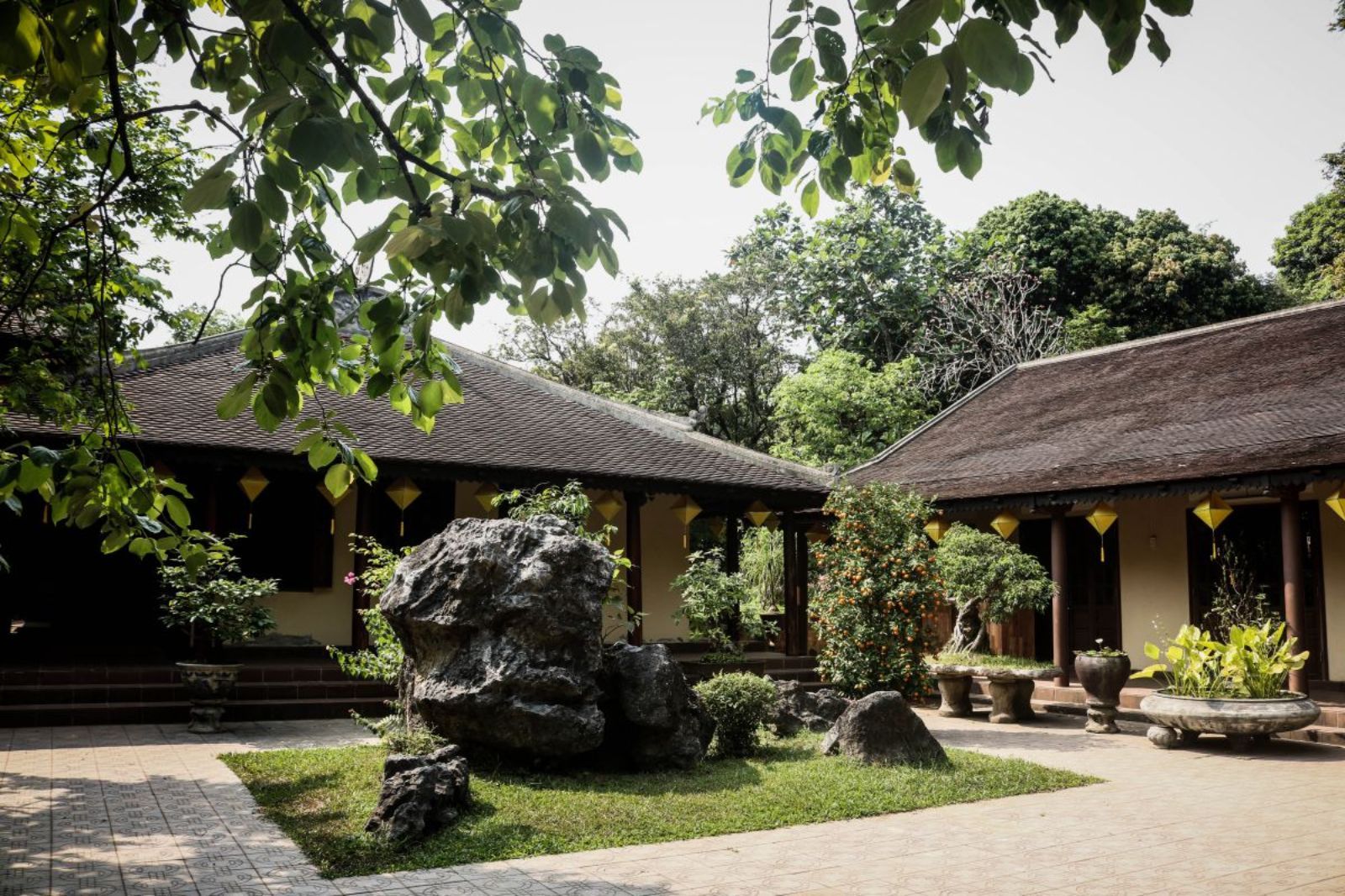
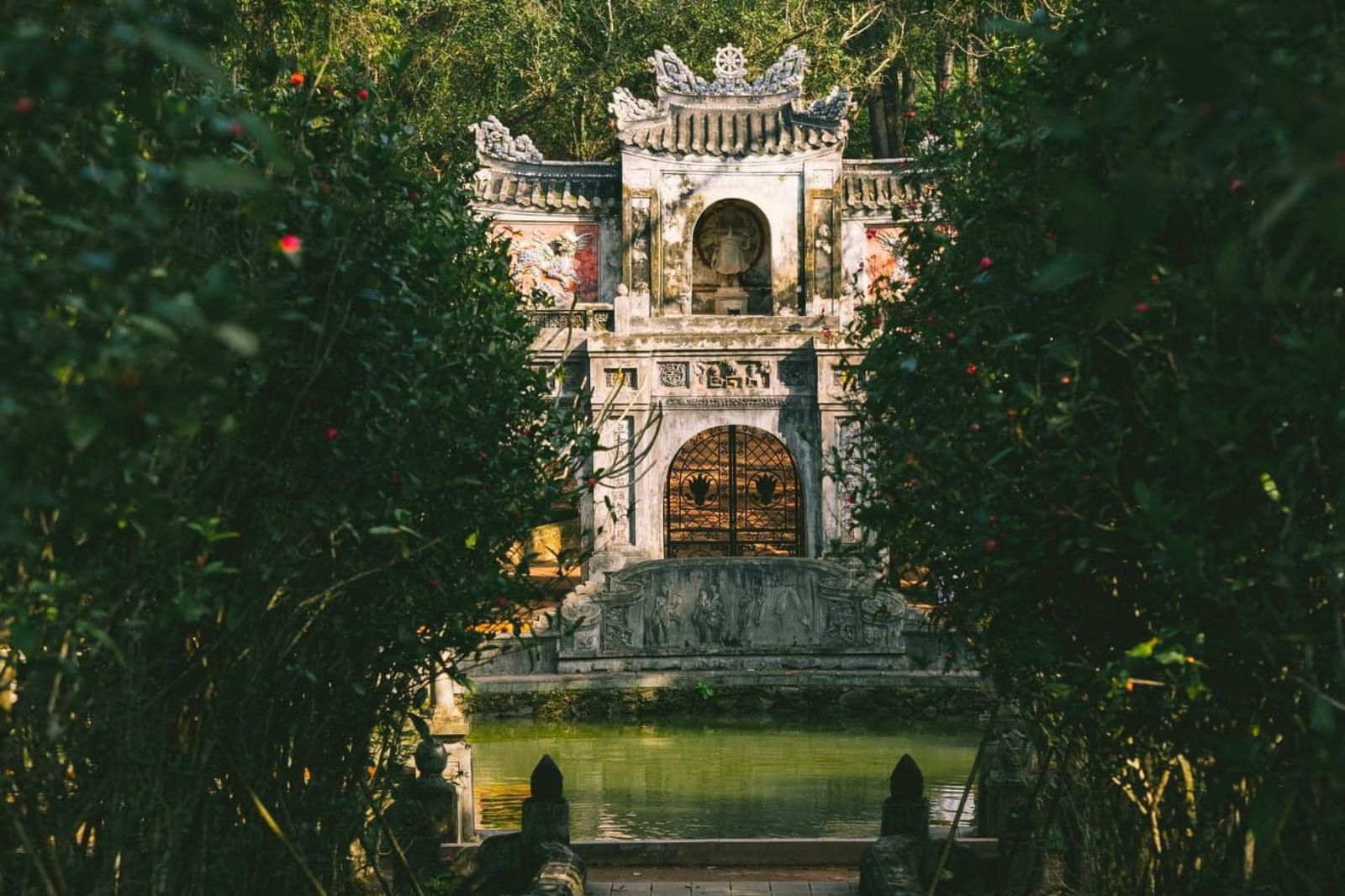
Introduction to Tu Hieu Pagoda

Tu Hieu Pagoda, also known as Tu Hieu Ancestral Temple, is located in Duong Xuan Thuong III Hamlet, Thuy Xuan Ward, Hue City, Thua Thien Hue Province. Built in 1843 by Most Venerable Nhat Dinh, the pagoda originally started as a simple thatched hut named "An Duong Am", where he practiced Buddhism and cared for his elderly mother. With a history of nearly 200 years, Tu Hieu Pagoda is not only a famous scenic spot but also holds deep cultural and historical values tied to the Nguyen Dynasty and a touching tale of filial piety.

Tu Hieu Pagoda is renowned for its tranquil environment hidden in lush green pine forests, giving a sense of serenity and closeness to nature. It is also where Zen Master Thich Nhat Hanh, one of the most influential Buddhist leaders in the world, was ordained and chose as his place of retirement in his final years.

Một góc không gian chùa Từ Hiếu
Photo: A peaceful corner of Tu Hieu Pagoda 

Ideal Time to Visit the Pagoda

Hue has a distinct climate divided into two clear seasons: wet and dry. The ideal time to visit Tu Hieu Pagoda is from February to April, when the weather is dry and cool, making it pleasant to travel and admire the natural surroundings around the pagoda. This spring season brings fresh life to the pagoda grounds with vibrant greenery and crisp air.

Additionally, if you wish to experience the festive atmosphere and spiritual culture, you can visit the pagoda during the full moon of the 7th lunar month. This is when the Vu Lan Festival (Filial Piety Festival) is held, attracting numerous Buddhists who come to pray for their parents and participate in traditional rituals. However, during this time, the pagoda tends to be crowded, so you should prepare mentally and manage your time accordingly.

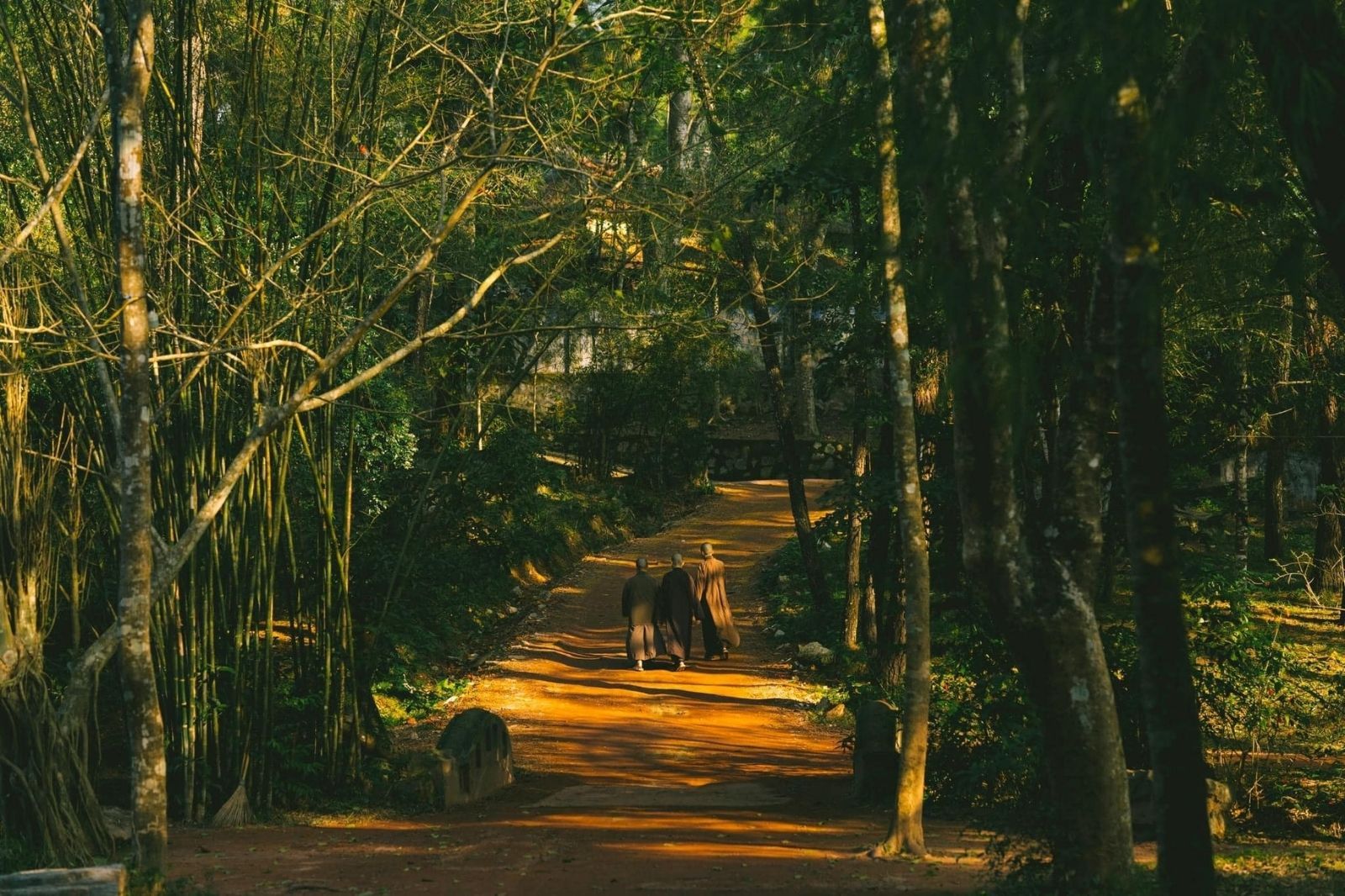
If you prefer a quiet experience, consider coming early in the morning or late in the afternoon, when the sunlight is gentle and the pagoda atmosphere feels even more serene.

Đến chùa Từ Hiếu vào sáng sớm
Photo: Visiting Tu Hieu Pagoda early in the morning 

The Story Behind Tu Hieu Pagoda

Tu Hieu Pagoda is deeply tied to the touching story of filial piety of Most Venerable Nhat Dinh. In 1843, Most Venerable Nhat Dinh, who held the prestigious title of "Tang Cang Giac Hoang Quoc Tu" in the Royal Palace, resigned from his noble position to retreat into seclusion to care for his elderly mother. As a devoted son, when his mother fell ill, he tended to her medicine carefully, but her condition did not improve. People advised that adding meat and fish would help her recover faster. Despite being a strict Buddhist monk, Most Venerable Nhat Dinh decided to walk 5km through the forest every day using his cane to buy meat and fish to nourish his mother.

The story of his filial devotion spread among the public, but it also caused misunderstandings and rumors that a monk was eating non-vegetarian food. Ignoring the gossip, he remained dedicated to caring for his mother. This story reached King Tu Duc, a emperor famed for his own filial piety. Deeply moved by Most Venerable Nhat Dinh's devotion, King Tu Duc bestowed upon the pagoda the title "Sac Tu Tu Hieu Tu", marking the birth of the pagoda as a symbol of filial piety.

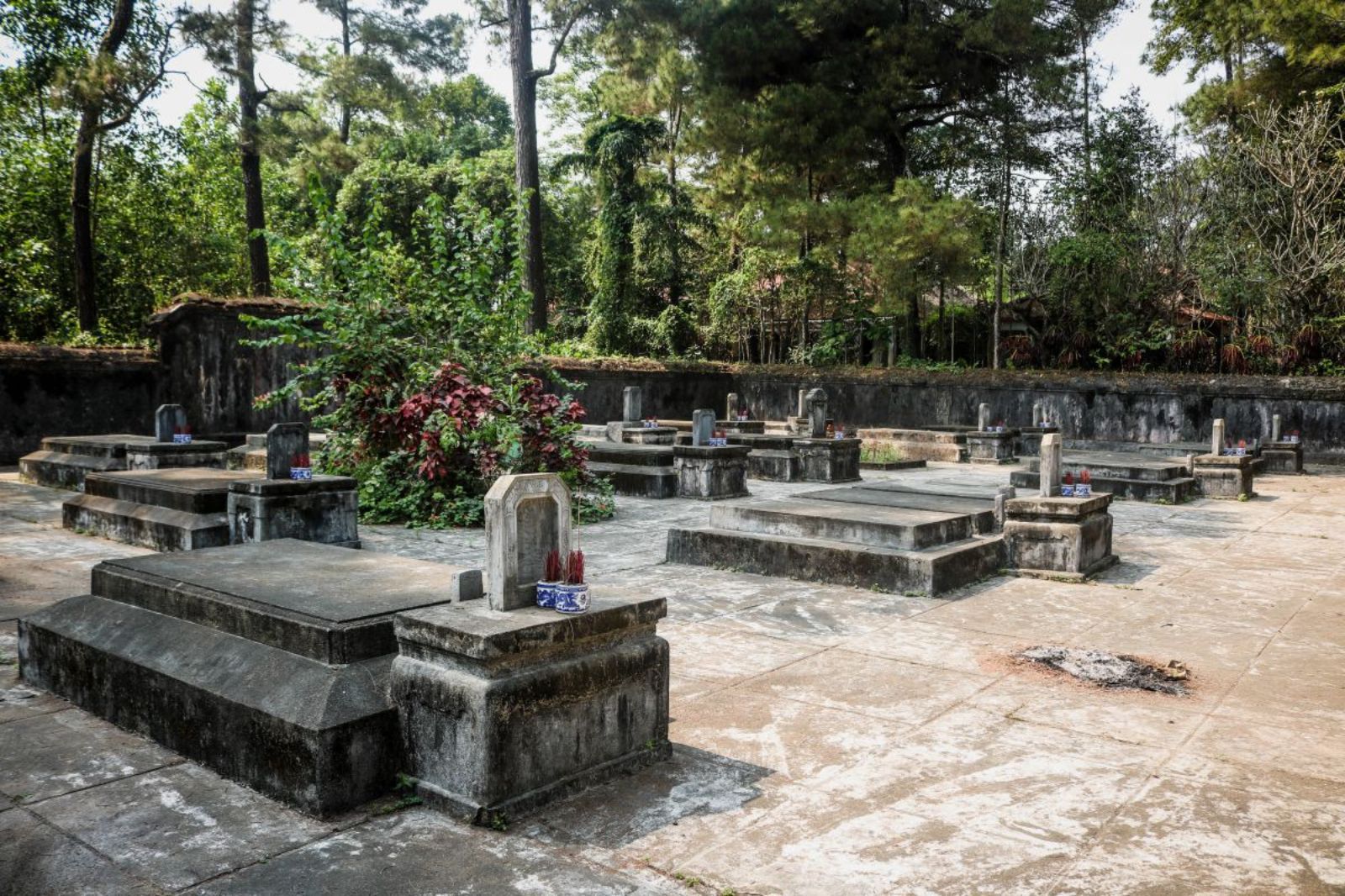
The pagoda is also the final resting place of over 24 eunuchs of the Nguyen Dynasty who had no families and chose to take refuge at the temple. The dedicated cemetery for eunuchs within the pagoda grounds is a unique feature reflecting the compassion and gratitude of the pagoda toward those who served the royal court.

Nơi an nghỉ của 24 vị thái giám triều Nguyễn
Photo: Resting place of 24 Nguyen Dynasty eunuchs 

How to Get to Tu Hieu Pagoda

Tu Hieu Pagoda is situated about 5km southwest of Hue city center, on Le Ngo Cat Street, Thuy Xuan Ward. Here is a detailed guide on how to get there:

From Hue City Center:

  • Starting from the city center, drive straight along Dien Bien Phu Street.
  • Turn into Le Ngo Cat Street, passing by famous pagodas such as Tu Dam Pagoda and Thien Minh Pagoda.
  • Continue straight for about 2km until you see the sign directing to Tu Hieu Ancestral Temple. Turn following the sign and travel another 200–500 meters to reach the pagoda.

Means of Transportation:

  • Motorbike: This is a popular, convenient, and budget-friendly option. You can rent a motorbike in Hue for about 100,000–150,000 VND/day. The road to the pagoda is easy to navigate, lined with shady pine trees offering a relaxing drive.
  • Car or Taxi: If traveling in a group, you can opt for a taxi or rental car. The Xanh SM electric taxi service in Hue is an eco-friendly choice, affordable, and smooth. You can book via the Xanh SM app or call their hotline 1900 2088.
  • Bicycle: For travelers who enjoy a slow-paced experience, cycling is a wonderful way to explore the road leading to the pagoda, enjoying the fresh air and poetic views.

Notes:

  • The entrance lane to the pagoda is relatively narrow, so mind your speed, especially if riding a motorbike.
  • You can ask locals for directions if you are unsure, as Tu Hieu Pagoda is a well-known landmark in Hue.

Architectural Beauty of Tu Hieu Pagoda

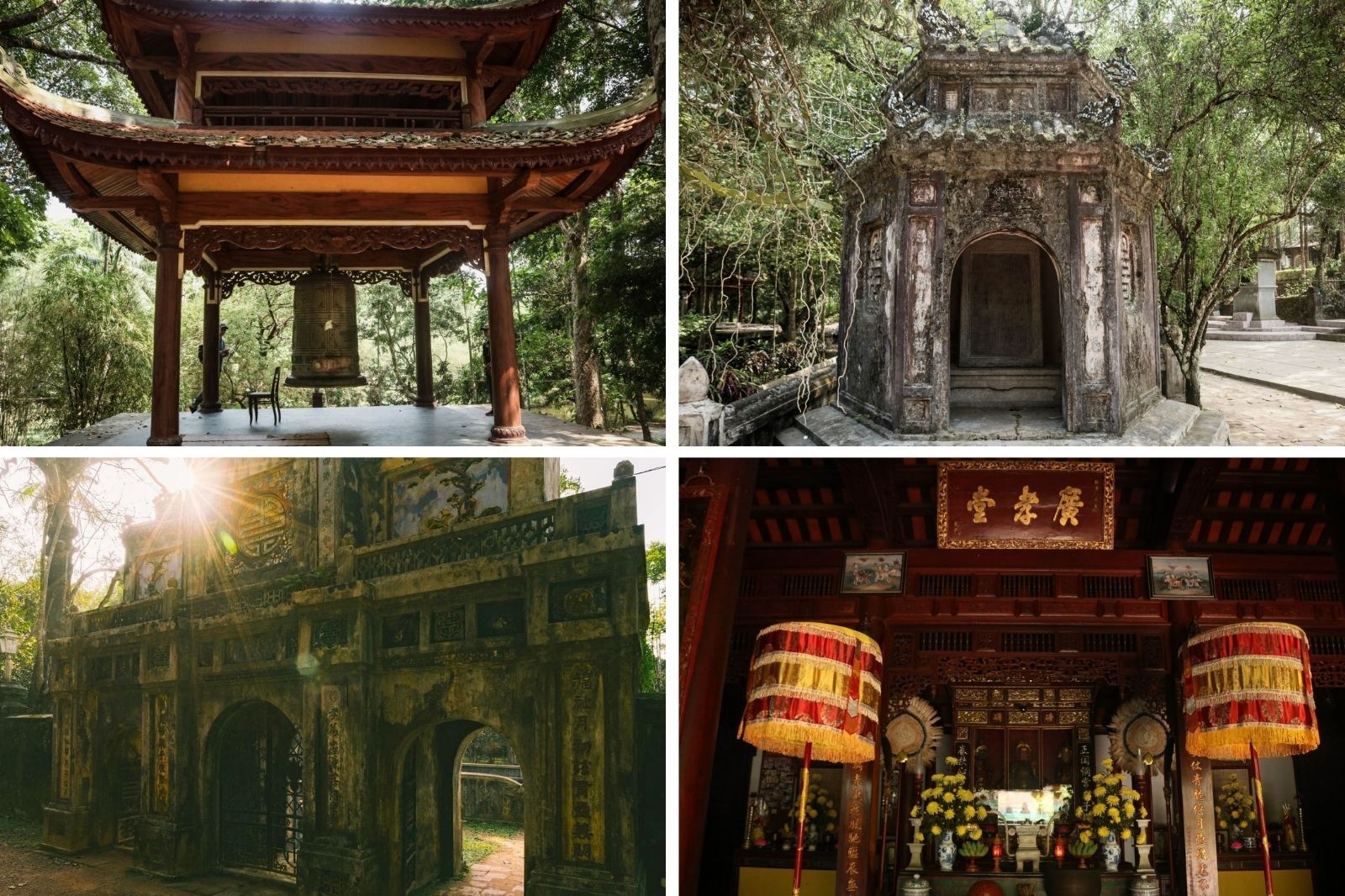
Tu Hieu Pagoda is a masterpiece of ancient Vietnamese Buddhist architecture, harmoniously blending nature with man-made structures. Despite undergoing several restorations in 1894, 1931, 1962, and 1971, the pagoda still retains its ancient, solemn features from the era of King Tu Duc. Here are the architectural highlights of the pagoda:

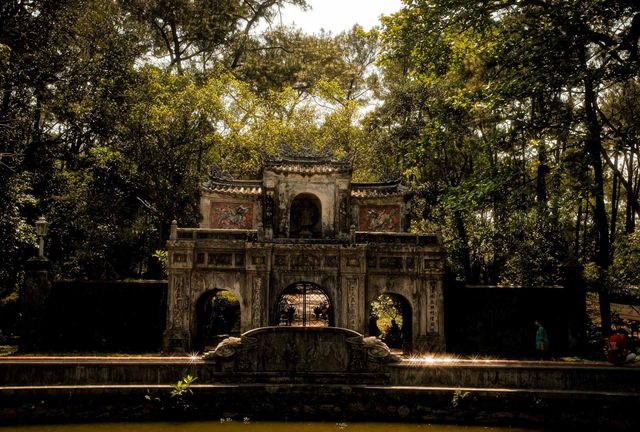
  • Triple-Gated Entrance (Tam Quan): Built in 1894, the gate features a two-tiered tiled roof with curved eaves and intricately carved dragon and phoenix motifs. The gate embodies Buddhist philosophy, symbolizing three perspectives: Emptiness (Nirvana), Form (Illusion), and Middle Way (Harmony). Relief couplets on both sides add to its grand and ancient look.
  • Pagoda Grounds: Spanning about 50,000m², the pagoda is surrounded by lush pine forests and a poetic crescent pond. Stone-paved paths leading into the pagoda are shaded by trees, conveying a profound sense of peace. The grounds also feature the Bo De Stupa, built in 1896, and tombs of Nguyen Dynasty royal concubines.
  • Main Hall (Chanh Dien): The main hall is solemnly arranged with Buddha statues and exquisite dragon and phoenix carvings. The tiled roof, pillars, and decorative patterns reflect the classic Hue timber-frame (nha ruong) architecture, creating harmony between art and spirituality.
  • Eunuch Cemetery: A unique feature of the pagoda is the 1,000m² cemetery dedicated to Nguyen Dynasty eunuchs. It serves as the resting place for those who devoted their lives to the court but had no family, demonstrating the pagoda's great compassion.

The architecture of Tu Hieu Pagoda is not only a spiritual sanctuary but also an artistic work reflecting the sophistication and depth of Hue culture.

Chùa phản ánh sâu sắc tâm linh và văn hóa Huế
Photo: The pagoda deeply reflects the spirituality and culture of Hue 

Important Notes when Visiting Tu Hieu Pagoda

To make your visit to Tu Hieu Pagoda complete and show proper respect to the sacred environment, please keep the following tips in mind:

  • Attire: Dress modestly and politely, avoiding short or revealing clothing such as short skirts or tank tops. This shows respect for the sacred site.
  • Maintain silence: The pagoda is a place of peaceful reflection, so refrain from talking loudly, joking around, or using improper language. When taking photos, ask for permission beforehand inside the main hall area.
  • Environmental care: There are no drink stalls or food services inside the pagoda, so bring your own bottled water and light snacks. Dispose of trash in designated bins to keep the grounds clean.
  • Visiting hours: The pagoda is open from early morning to late afternoon. To avoid crowds, come early in the morning or late in the afternoon. If participating in rituals, follow the instructions of the monks.
  • Combine nearby attractions: Tu Hieu Pagoda is located near famous tourist spots such as Tu Duc Tomb (2km away), Thien Mu Pagoda (5km away), and Hue Imperial Citadel (6km away). You can combine these to enrich your travel experience.
Thể hiện sự tôn trọng không gian tâm linh
Photo: Showing respect for the spiritual sanctuary 

Tu Hieu Pagoda is not only a renowned spiritual destination in Hue, but also a sanctuary preserving values of history, culture, and filial piety—one of the highest virtues in Vietnamese culture. Amidst the peaceful pine woods, ancient architecture, and touching story of Most Venerable Nhat Dinh, the pagoda brings visitors not just inner peace, but a deep lesson in filial duty and gratitude. If you want to experience this beauty to the fullest, consider the Tu Hieu Pagoda tour organized by Sovaba Travel – combining temple worship, exploring Tu Duc Tomb, cruising the Perfume River, and tasting traditional Hue cuisine.

Articles related to Tu Hieu Pagoda