Why Tu Hieu Pagoda is Called the “Eunuch Pagoda”? A Little-Known Story

Central

Thua Thien Hue

Tu Hieu Pagoda

Sovaba.travel

Updated at: 02/10/2026

1. Why is Tu Hieu Pagoda called the "pagoda of the eunuchs"?

Tu Hieu Pagoda is called the “Eunuch Pagoda” due to the significant contributions of the Nguyen Dynasty eunuchs in constructing and patronizing the temple. According to historical documents, in the 19th century during the reigns of Emperors Thieu Tri and Tu Duc, eunuchs—who were castrated to serve in the royal palace—donated money and labor to restore and expand the pagoda. They not only provided financial support but also viewed the temple as their final spiritual sanctuary, as their lives were filled with loneliness, without wives, children, or lineage.

When the French occupied Vietnam, they called the pagoda "Pagode des Eunuques" (Pagoda of the Eunuchs) after noticing this special connection. Specifically, in 1893 under the reign of Emperor Thanh Thai, eunuch Nguyen Van Tuong initiated a fundraising campaign to build a dedicated cemetery for his colleagues, turning the temple into their permanent resting place.  Today, this name is still passed down, highlighting the unique historical value of Tu Hieu Pagoda, which preserves the tragedy of a group of people forced into a difficult plight by feudal society.

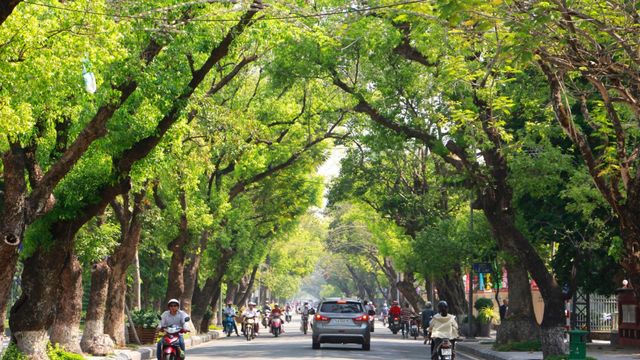
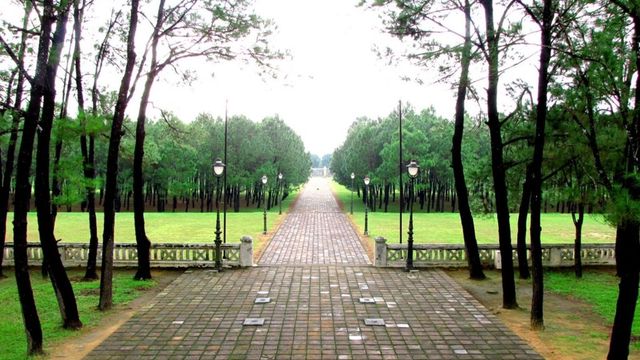
Tu Hieu Pagoda nestled in a peaceful pine forest
Photo: Tu Hieu Pagoda nestled in a peaceful pine forest  

2. The stories of Nguyen Dynasty eunuchs associated with Tu Hieu Pagoda

Under the Nguyen Dynasty (1802-1945), eunuchs were a special class, castrated from a young age to serve in the inner court, ensuring absolute loyalty to the emperor. They were mainly recruited from two sources: voluntarily castrated to enter the court to earn a living (usually from poor peasant families) or captured from border regions. Their lives were filled with tragedy: wealthy yet lonely, without wives or children, and constantly worried about their afterlife since there was no one to perform ancestor worship for them.

The story of their connection to Tu Hieu Pagoda began with eunuch Chau Phuoc Nang. Around 1848, under the reign of Emperor Tu Duc, he raised funds from his colleagues and local people to restore the pagoda, transforming the humble hut into a spacious ancient temple. The deeper reason was that they wanted a place to rest in peace, avoiding becoming "wandering spirits" after death. Many eunuchs, such as Nguyen Van Tuong and Mai Van Hoan, ordained as monks or became lay disciples, seeking spiritual peace at the temple.

In 1893, they officially built a dedicated cemetery within the pagoda grounds. This is the resting place of about 24-25 eunuchs, including the last ones such as Giam Dong, Giam Tuan, and Giam De after the fall of the Nguyen Dynasty. This story not only reflects their tragic fate but also demonstrates their wisdom in finding a refuge for the end of their lives, making Tu Hieu Pagoda a symbol of Buddhist compassion.

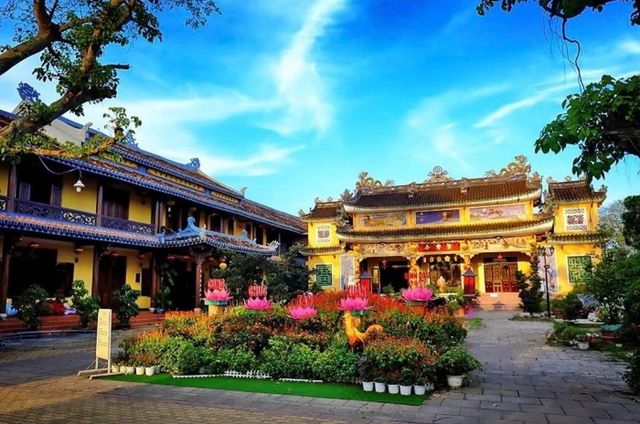
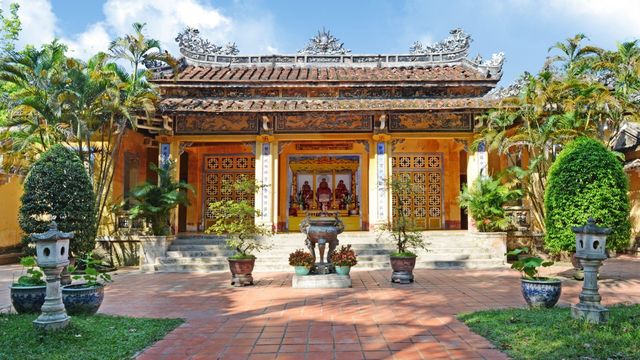
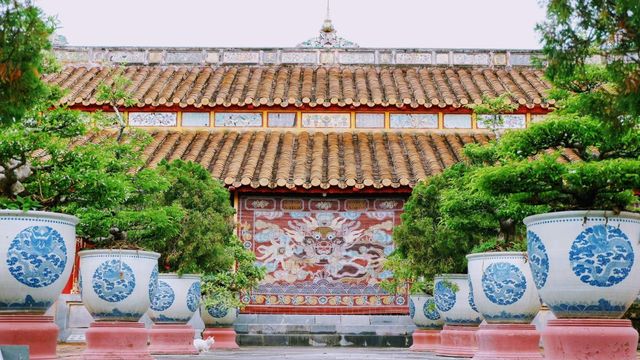
The pagoda associated with the story of the Nguyen Dynasty eunuchs
Photo: The pagoda associated with the story of the Nguyen Dynasty eunuchs 

3. What is unique about the eunuch cemetery at Tu Hieu Pagoda?

The eunuch cemetery at Tu Hieu Pagoda is a unique site in Vietnam, located about 50m to the right of the main sanctuary, covering an area of nearly 1,000m² with a surrounding wall 1.5m high. It is the final resting place of more than 24 Nguyen Dynasty eunuchs, built in 1893 on the initiative of eunuch Nguyen Van Tuong.

The most distinctive feature is the arrangement of the tombs according to rank: the highest tier is reserved for eunuch Chau Phuoc Nang—the largest contributor—whose tomb is larger and positioned at the center. The remaining tombs are simple rectangular structures, inscribed only with their names and birth/death years, without detailed tombstones or family symbols, reflecting their lonely lives. The tombs are divided into three tiers, symbolizing their ranks in the royal court.

The cemetery is not only a burial ground but also preserves a historical tragedy: many eunuchs were buried with their severed male organs to become "whole again" after death. Though once "forgotten" by the tourism industry, it has now become an attraction drawing visitors curious about feudal history. Compared to other cemeteries, this place carries profound humanistic value, serving as a reminder of ancient social injustices.

The eunuch cemetery on the grounds of Tu Hieu Pagoda
Photo: The eunuch cemetery on the grounds of Tu Hieu Pagoda  

4. The role of Tu Hieu Pagoda in the spiritual lives of former eunuchs

For the eunuchs of the Nguyen Dynasty, Tu Hieu Pagoda was not just a place of worship, but also the most important spiritual sanctuary in their unfortunate lives. Stigmatized by society and lacking families of their own, they turned to Buddhism to ease their solitude. The pagoda became a place where they took vows, practiced monastic life, or became lay disciples, studying Buddhist teachings to cope with the tragedy of their status.

Its greatest role was providing peace at the end of their lives. They donated money to build the temple to ensure a final resting place and to be remembered and prayed for by the monastic community after death—something their biological families could not provide. Most Venerable Nhat Dinh and his disciples, such as Hai Thieu Cuong Ky, welcomed them as spiritual children. The temple also performed memorial services (requiem rites), giving them hope for a better next life. Today, Tu Hieu Pagoda remains a symbol of compassion, where visitors can feel the deep humanistic values originating from this history.

5. Tips for visiting Tu Hieu Pagoda for first-time visitors

To make your visit to Tu Hieu Pagoda more complete and meaningful, especially for first-time visitors, you can refer to the following useful information:

  • Location and how to get there: Tu Hieu Pagoda is located about 5 km from the center of Hue City, in Duong Xuan Thuong III hamlet, Thuy Xuan ward. From Truong Tien Bridge, you can travel by motorbike, taxi, or bicycle along Le Ngo Cat street; travel time is about 20 minutes.
  • Entrance fee: The pagoda does not charge an admission fee. However, visitors can voluntarily make a donation to support the temple fund and contribute to preserving the landscape and operations of the pagoda.
  • Best time to visit: The most suitable time is in spring (February–April) or autumn (September–November), when Hue's weather is pleasant. During the day, it is recommended to visit early in the morning (7:00–9:00 AM) or late in the afternoon (3:00–5:00 PM) to avoid the heat and experience the serene atmosphere.
  • Attire and etiquette: Wear long pants and modest clothing, maintain a respectful attitude, speak softly, and avoid taking photos in worship areas without permission.
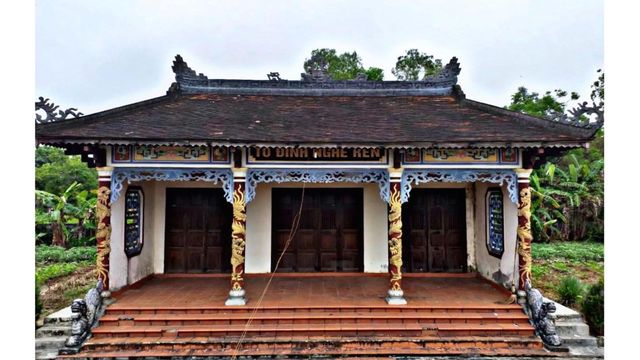
Tu Hieu Pagoda is also a serene destination for visitors
Photo: Tu Hieu Pagoda is also a serene destination for visitors

To make your experience even more fulfilling, Sovaba Travel suggests a Tu Hieu Pagoda tour combined with cycling around Thuy Bieu Village—a gentle yet poetic trip that takes you winding through lush green village lanes, savoring local specialties, and soaking in the everyday charm of Hue. This is a great way to discover history while immersing yourself in the cultural rhythm of the Ancient Capital.

Featured destinations