History of Tu Hieu Pagoda in Hue: The Ancient Pagoda Associated with Buddhism and the Nguyen Dynasty

Central

Thua Thien Hue

Tu Hieu Pagoda

Sovaba.travel

Updated at: 24/09/2026

1. Who is the founder of Tu Hieu Pagoda?

Tu Hieu Pagoda in Hue was founded in 1843 by Most Venerable Nhat Dinh – a famous Zen master known for his rare filial piety. Previously, he held the position of Tang Cang at Giac Hoang Royal Pagoda and Bao Quoc Pagoda, the largest pagodas in Hue at that time. However, when his elderly mother fell seriously ill, Nhat Dinh decided to give up his noble position, handed over authority to his fellow disciple Nhat Niem, and returned to Duong Xuan Thuong III village (now Thuy Xuan Ward, Hue City) to establish a simple thatched hut named "An Duong Am". This place was not only a sanctuary for spiritual practice but also a home for him to care for his elderly mother.

Zen Master Nhat Dinh's role went far beyond founding the pagoda: He was a living symbol of filial piety in Vietnamese Buddhism. Legend has it that every day he walked with a cane through forest and streams for over 5 kilometers to buy fish and meat to cook porridge for his mother, despite receiving criticism from Buddhists for violating vegetarian precepts. This action not only demonstrated devotion but also conveyed the message that filial piety is the foundation of all spiritual practice. Hearing the spreading story, King Tu Duc – a king renowned for his filial piety to his mother – was moved and granted the royal title "Tu Hieu Tu" in 1848, transforming the thatched hut into an official pagoda. Nhat Dinh passed away in 1858, but his legacy remains a profound moral lesson for future generations.
Chùa nổi tiếng với câu chuyện về lòng hiếu thảo
Photo: The pagoda famous for its story of filial piety  

2. Tu Hieu Pagoda and Hue Buddhism in Historical Context

In the context of Hue Buddhism flourishing under the Nguyen Dynasty, where kings like Gia Long and Minh Mang regarded Buddhism as the state religion – Tu Hieu Pagoda quickly became an important ancestral temple. Hue at that time was the Buddhist center of Central Vietnam, with a system of pagodas like Thien Mu and Linh Ung at its core. Tu Hieu Pagoda contributed to that flow by organizing major Great Precept Ordination Platforms, such as the 1924 Ordination Platform presided over by Most Venerable Tam Tinh and King Khai Dinh, or the Van Hanh Ordination Platform in 1965. These events not only imparted precept laws but also gathered eminent monks such as Hue Minh, Hue Phap, and Vien Giac.

Furthermore, the pagoda was a place for printing and disseminating Buddhist scriptures, from The Sutra of Filial Piety to the Mahayana Immeasurable Life Sutra. Through generations of abbots such as Cuong Ky, Hue Minh, and Chon Thiet, the pagoda nurtured hundreds of talented monks, contributing to the preservation of the Theravada and Lieu Quan Zen sects. In the history of Hue Buddhism, Tu Hieu Pagoda represents a harmonious combination of individual practice and community activities, helping Buddhism overcome dynastic fluctuations to endure firmly.

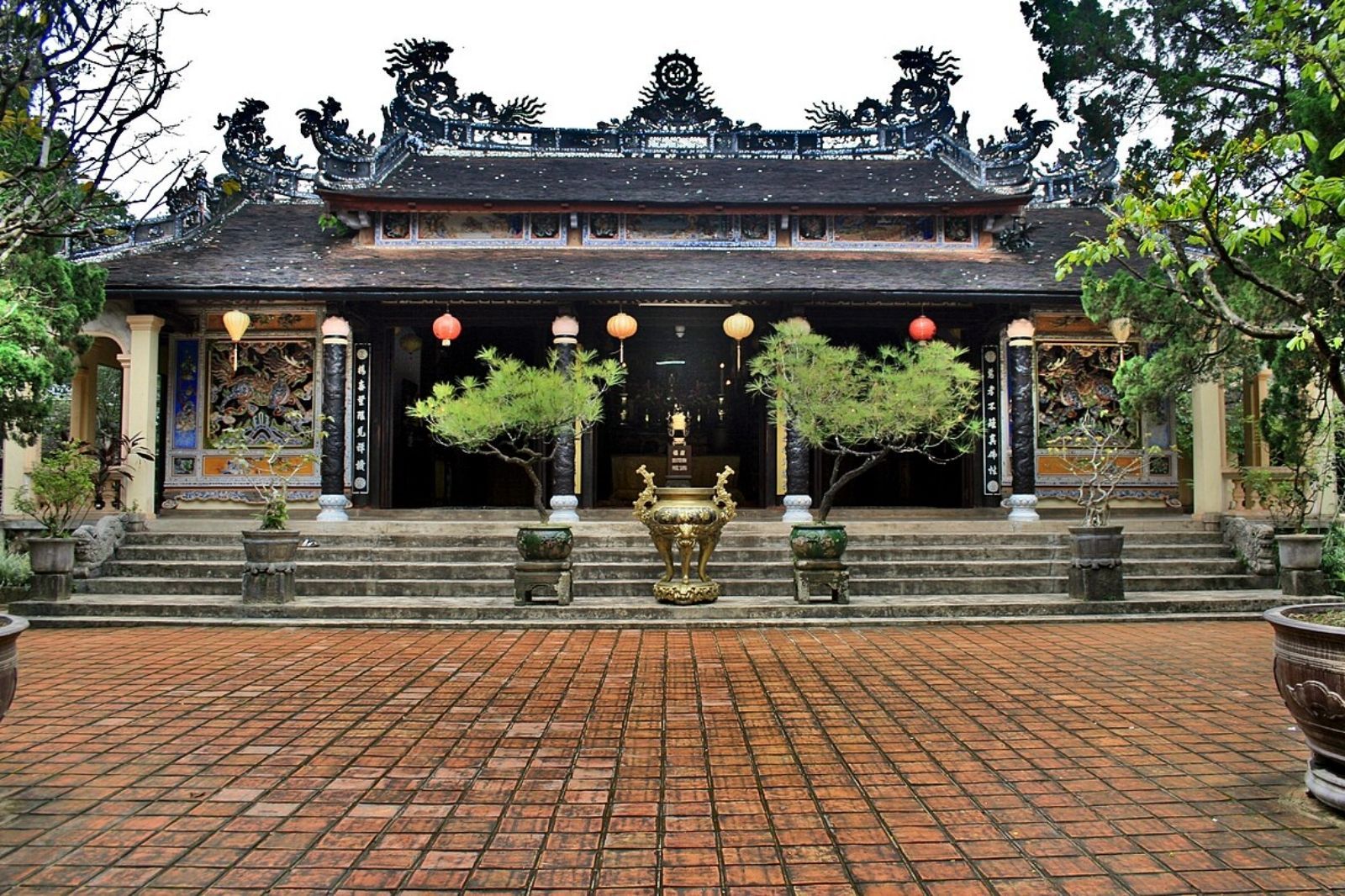
Chính điện chùa Từ Hiếu
Photo: Main hall of Tu Hieu Pagoda  

3. The connection between Tu Hieu Pagoda and the Nguyen Dynasty

The connection between Tu Hieu Pagoda in Hue and the Nguyen Dynasty is a special historical chapter, demonstrating royal patronage of Buddhism. As early as 1848, King Tu Duc not only bestowed the royal title but also provided construction funds and held a grand inauguration ceremony attended by Queen Mother Tu Du and high-ranking court officials. This reflected the Nguyen Dynasty's policy of considering Buddhism a tool to reinforce social morality, especially filial piety – a core value of Confucianism pursued by this dynasty.

Afterwards, kings like Thanh Thai (in 1894) continued to support renovations, turning the pagoda into a royal relic. The pagoda grounds also preserve the tombs of Nguyen Lords' concubines, demonstrating a deep bond. The Nguyen Dynasty considered Tu Hieu Pagoda as a "national pagoda", where the royal family came to pray for peace and practice filial piety, contributing to shaping the cultural identity of Hue – where Buddhism intertwined with the royal court.

4. Why is Tu Hieu Pagoda closely linked to the Nguyen Dynasty eunuchs?

Tu Hieu Pagoda is also known as the "Eunuch Pagoda" thanks to a special connection with the eunuchs of the Nguyen Dynasty – those who served in the royal palace but lived lonely lives without descendants. Under the Nguyen Dynasty, there were about 200 eunuchs serving in the Imperial City; they dedicated their lives but were not allowed to die inside the palace or build their own tombs. Eunuch Chau Phuoc Nang – a person of great merit – mobilized his peers to donate money and land to expand the pagoda from 1842 to 1848, turning it into a place for retirement.

The unique feature is the eunuch cemetery behind the pagoda, spanning about 1,000m², with 24 tombs of eunuchs like Chau Phuoc Nang. After retiring, these individuals donated their assets to build the pagoda and chose this place as their final resting spot, showing loyalty to the court. The pagoda also houses tombs of concubines of the Nguyen Lords, affirming its historical role in the feudal dynasty.

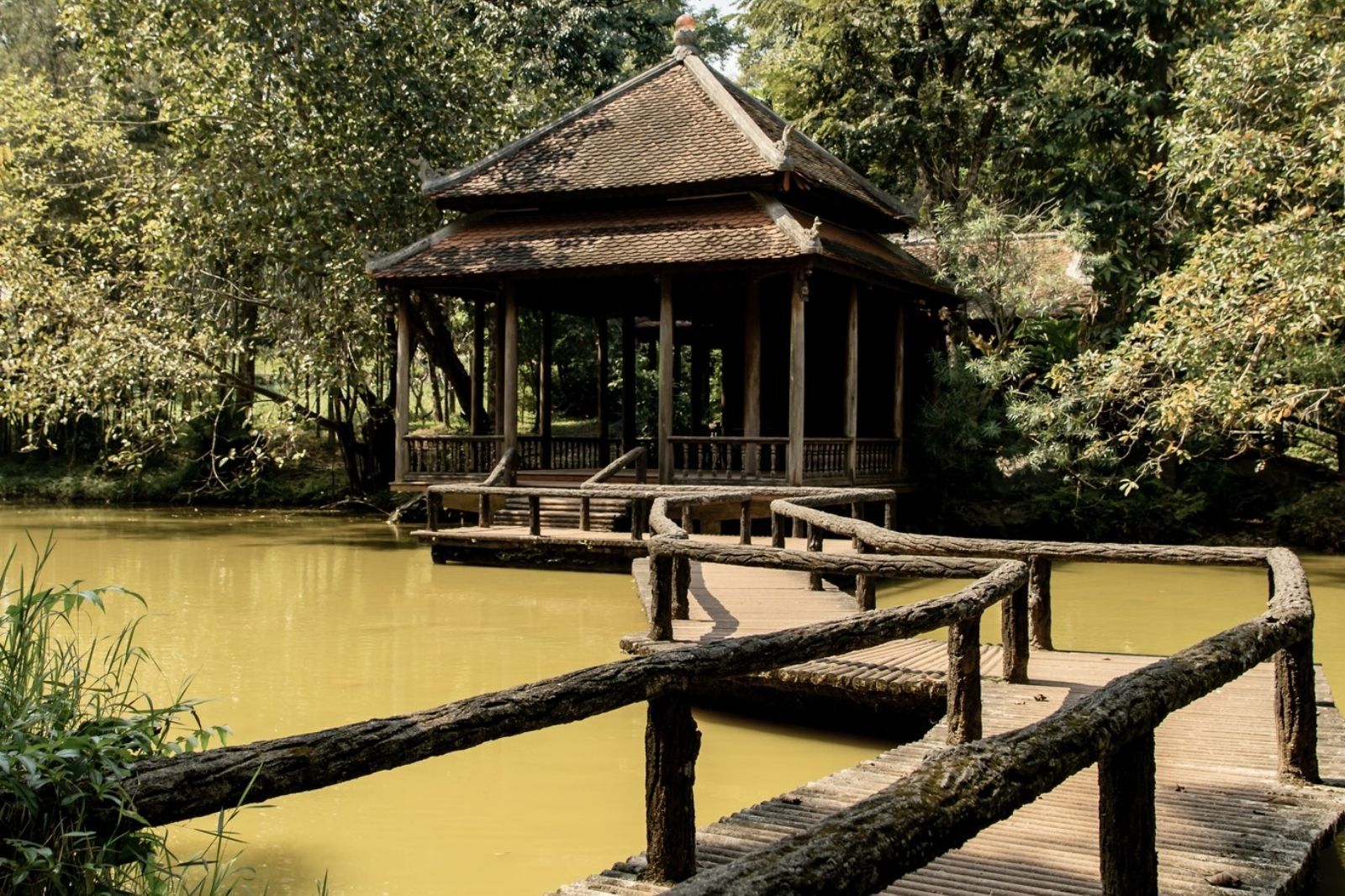
Chùa Từ Hiếu mang vẻ đẹp cổ kính và gắn liền với Triều Nguyễn
Photo: Tu Hieu Pagoda carries an ancient beauty and is closely associated with the Nguyen Dynasty 

5. Tu Hieu Pagoda in the spiritual life of the ancient capital's residents

For the people of Hue, Tu Hieu Pagoda is a close spiritual sanctuary, a place to confide feelings through festivals such as Vu Lan in the 7th lunar month – an occasion for young Buddhists to express filial gratitude and pray for peace for their parents. The peaceful atmosphere among the pine forest helps residents of the ancient capital find peace of mind amid the hustle and bustle of life, through daily activities like listening to sutras and chanting. The pagoda is also a venue for funerals and weddings, reflecting a community life closely tied to Buddhism.

In Hue culture, the pagoda represents "filial piety, brotherly love, loyalty, and trust", helping locals maintain traditional moral values. Many elderly people choose the pagoda as a place to take refuge in Buddhism, making it a "second home" where their souls find peace and salvation in the afterlife.

Today, Tu Hieu Pagoda plays a pivotal role in preserving Hue Buddhism by maintaining the ancestral temple, holding periodic ordination platforms, and digitizing scriptures. As the place where Zen Master Thich Nhat Hanh once practiced, the pagoda spreads global mindfulness, attracting international monks and nuns. Furthermore, through sustainable tourism, the pagoda educates the younger generation about filial piety and environmental protection (the pine forest is proof). With support from the Vietnam Buddhist Sangha, the pagoda continues to be a "shield" for Central Vietnam's Buddhist heritage against urbanization.

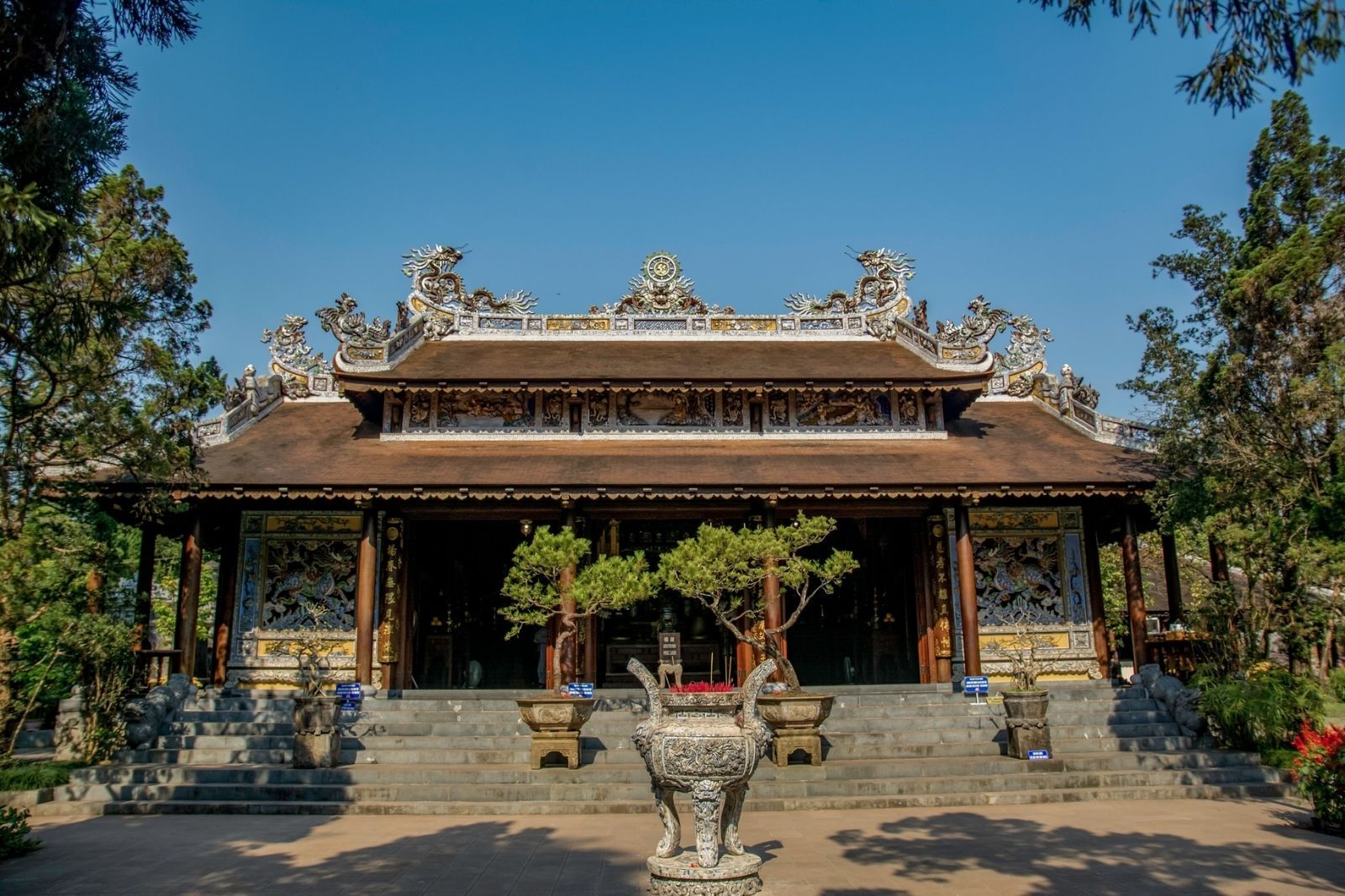
Chùa Từ Hiếu là chốn tâm linh người dân Huế gửi gắm niềm tin
Photo: Tu Hieu Pagoda is a spiritual sanctuary where Hue residents place their faith 

Concluding the journey to learn about the history of Tu Hieu Pagoda, visitors not only feel the beauty of an ancient pagoda but also touch the cultural, spiritual, and filial values deeply embedded in Hue's history. Today, many sightseeing tours include Tu Hieu Pagoda in itineraries combined with other famous destinations such as the Tomb of King Tu Duc, Thien Mu Pagoda, or traditional craft villages, bringing a richer and more complete experience. If you want to explore further, visit sovaba.travel to check out diverse tours to visit Tu Hieu Pagoda and learn more interesting information about this pagoda closely associated with Buddhism and the Nguyen Dynasty.

Loading......

Featured destinations