Tour du lịch Sapa
TRAVEL GUIDE
Sapa - Lao Cai

Introduction

Sapa Travel Guide from A to Z: Useful Tips and Recommendations

Sa Pa is not only a famous tourist destination in the Northwest region, but also a journey of discovery into majestic nature and the unique cultural identity of highland ethnic groups. From the floating sea of clouds on Fansipan Peak, the winding terraced rice fields in Muong Hoa Valley, to the rustic lifestyle in villages like Cat Cat Village, every experience in Sa Pa brings a sense of novelty. The beauty of this land changes with each season of the year, yet it always retains its unique appeal for nature and exploration lovers.

In recent years, Sa Pa tourism has constantly developed with many new trekking routes, unique indigenous cultural experiences, and an increasingly improved service system. Aiming to help travelers easily plan their trips, Sovaba Travel has compiled the ultimate self-sufficient Sa Pa travel guide from A to Z, sharing comprehensive information on the ideal time to visit, transportation, attractions, cuisine, and useful tips. We hope this guide will help you discover Sa Pa not only through its famous landmarks but also through the most peaceful and authentic moments of the Northwest highlands.

Introduction to Sapa Tourism

Amidst the vast Northwest mountains, Sapa emerges as a beautiful symphony between nature and culture. This town was discovered by the French in 1905 and quickly became an ideal resort destination, thanks to its cool climate year-round and majestic landscapes. Not only featuring terraced rice fields stretching like steps to heaven, Sapa is also a rare place in Vietnam where you can touch white snowflakes when winter comes, giving it the look of a miniature Europe in the heart of the Northwest.

5XX (1600 x 1066 px) (7).png
Photo: Sapa town immersed in the early morning fog

But what forms the soul of Sapa is not just nature, but also the unique cultural identity of the six brotherly ethnic groups: Kinh, H'Mong, Red Dao, Tay, Giay, and Xa Pho. Each ethnic group brings a distinct color, creating a fascinating cultural fusion. Festivals such as the Roong Pooc Festival of the Giay people, the Sai San (Mountain Trampling) Festival of the H'Mong, or the Tet Nhay (Dancing Festival) of the Dao are not only traditional rituals but also the very breath of Sapa, leaving tourists curious and eager to immerse themselves in local life.   

Ideal Time to Travel to Sapa

Sapa has a distinctive beauty throughout the four seasons, but each period brings unique experiences and landscapes, catering to different travel preferences.

  • March – May (spring): This is the time when Sapa is adorned with the pink and white hues of blooming plum, cherry, and pear blossoms across hillsides and villages. The weather is cool, with temperatures around 15–20°C and little rain, highly favorable for trekking and nature exploration.
  • September – November (autumn): Considered the most beautiful season of the year when the terraced rice fields turn into a brilliant golden color during the harvest season. The sky is clear, the climate is pleasant, and there's a high chance of cloud hunting, creating impressive scenery for photography and adventure lovers.
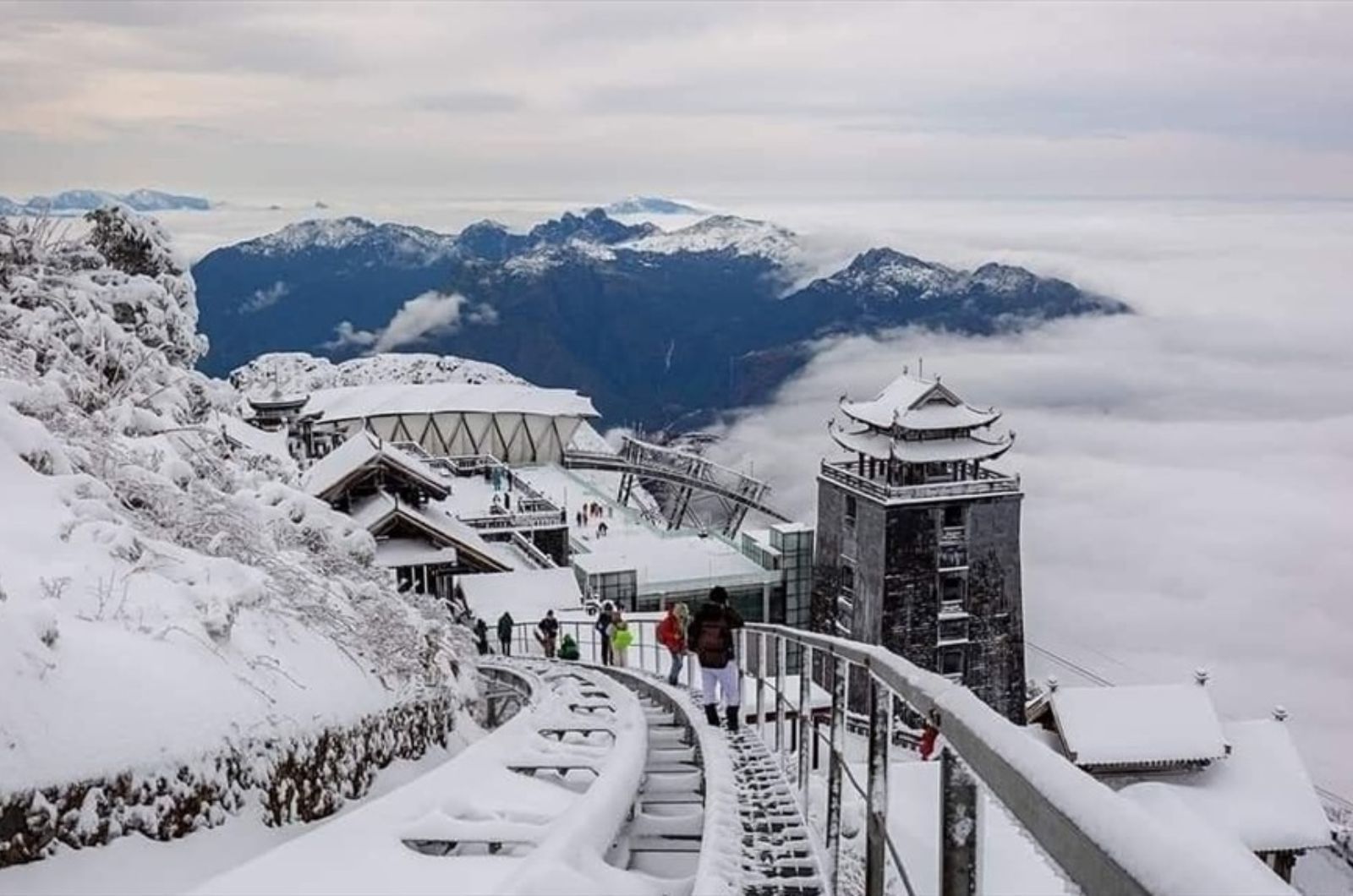
  • December – February (winter): Temperatures can drop to 0–10°C, especially on the summit of Fansipan where rare frost or snowfall occasionally occurs. This is the perfect time for those who want to experience the characteristic winter atmosphere of the Northwest mountains.
  • June – August: Usually the rainy season with dense fog and potentially slippery mountain passes, so it is advisable to consider your schedule if you plan to trek or move around outdoors a lot.

If you are visiting Sapa for the first time, September – October is considered the ideal choice to admire the gorgeous ripe rice season while enjoying pleasant and less crowded weather.

Mùa đông ở Sapa thường xuất hiện tuyết
Photo: Snow often appears in Sapa during winter  

Guide on Traveling to Sapa Individually

Sapa is in Sa Pa, about 320–370 km from Hanoi. Thanks to an increasingly convenient transportation system, tourists have various choices of transport to travel to this highland town.

From Hanoi – the most popular route:

  • Limousine or sleeper bus: Travel time is about 5–6 hours via the Hanoi – Lao Cai highway, with ticket prices ranging from 280,000 to 450,000 VND/one-way. Reputable bus companies usually depart from My Dinh, Gia Lam bus stations, or the Old Quarter area.
  • Hanoi – Lao Cai train: Takes about 7–8 hours, suitable for tourists who want to experience a night train journey. The train stops at Lao Cai Station, then you continue for about 1 hour by taxi or bus to go up to Sapa.
  • Self-drive motorbike: Suitable for those with experience driving on mountain passes, who want to be active with their schedule and combine exploring the Northwest routes. However, careful preparation for safety and health is required.

From HCMC and Southern provinces: Tourists usually fly to Noi Bai International Airport (about 2 hours of flight), then continue by limousine or passenger bus to Sapa.

Many travelers choose night buses to both rest on the bus and save on accommodation costs. In addition, booking early via online platforms usually helps reduce costs by about 10–20% compared to booking last minute.

Famous Attractions in Sapa

Sapa possesses many famous landscapes that combine majestic nature and unique local culture. Below are the typical destinations in most Sapa exploration itineraries.

  • Sun World Fansipan Legend: a famous tourist area with a cable car to conquer Fansipan peak (3,143 m), dubbed the "Roof of Indochina".
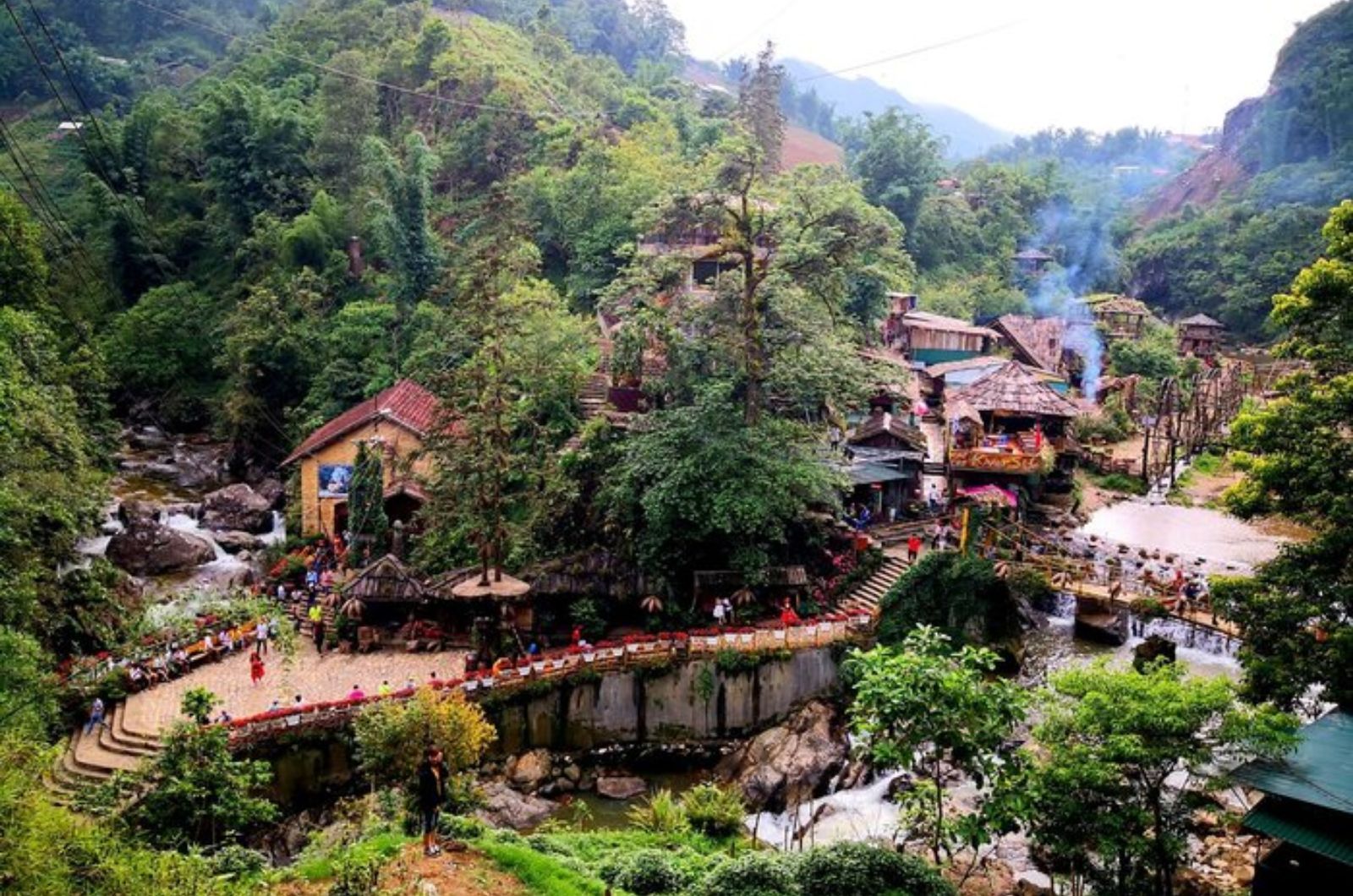
  • Cat Cat Village: a traditional H'Mong village about 2 km from the center, prominent with waterfalls, stilt houses, and ethnic cultural activities.
  • Sapa Stone Church & Sun Plaza Sapa: two iconic check-in spots right in the town center.
  • Ham Rong Mountain and O Quy Ho Pass: places to admire the panoramic majestic view of the Northwest mountains.
  • Silver Waterfall, Love Waterfall, Ta Van Village: ideal for trekking and exploring nature.
  • Sapa Market & Bac Ha Market: places to experience highland culture and buy typical brocade products.

These locations are usually combined in a 2–3 day itinerary, helping tourists fully discover the beauty of Sapa.

Bản Cát Cát nổi bật với những thác nước và nhà sàn
Photo: Cat Cat Village stands out with its waterfalls and stilt houses  

Sapa Cuisine

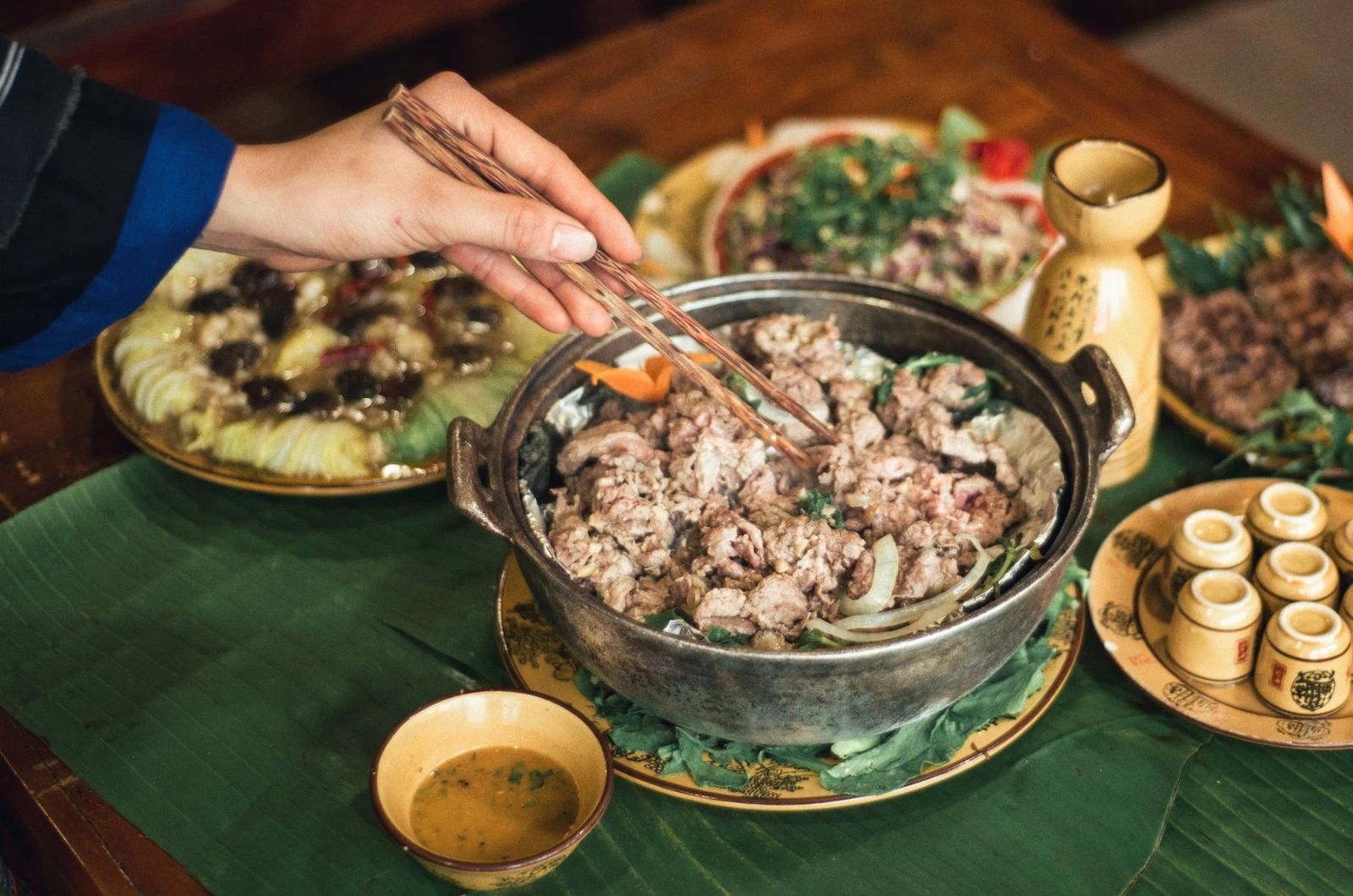
Sapa cuisine features bold flavors of the Northwest mountains with fresh ingredients and unique preparation methods by local ethnic groups. This is an appealing part of the experience on every trip to Sa Pa.

  • Salmon / Sturgeon hotpot: A famous dish with the natural sweetness of coldwater fish, usually served with wild vegetables. The price is about 300,000 – 600,000 VND/pot at local restaurants.
  • Thang co: A traditional specialty of the H'Mong people with rich flavors, suitable for tourists wishing to experience local cuisine.
  • Sapa grilled food: Dishes like skewers, grilled vegetables, grilled eggs, or bamboo-tube rice are popularly sold at Sapa Night Market, with prices ranging from 20,000 – 100,000 VND/serving.
  • Other unique dishes: Pho con sui (dry noodle), black chicken stewed with Chinese herbs, stir-fried horse meat, or grilled sausages – signature flavors of the highlands.
  • Creative dishes: Some local eateries also serve "H'Mong Pizza" or oven-grilled sausage pizza, which are highly loved by young tourists.

In the evening, stroll around the night market to enjoy many specialties at reasonable prices and in a lively atmosphere. However, if you plan to trek or move around a lot, you should eat moderately to save energy for your exploration journey.

Ẩm thực Sapa nổi tiếng với nhiều món ngon mang hương vị núi rừng
Photo: Sapa cuisine is famous for many delicious dishes with mountain flavors  

Accommodation in Sapa

When traveling independently in Sa Pa, tourists have a wide range of accommodation choices, from nature-friendly homestays to premium hotels and resorts with full amenities.

  • Village homestays: Concentrated in areas like Ta Van Village, Cat Cat Village, or Lao Chai. Prices range from about 300,000 to 600,000 VND/night, featuring nature-friendly spaces and impressive views of terraced fields.
  • Town center hotels: Priced from 500,000 to 1,500,000 VND/night, convenient for moving to highlights such as Sapa Stone Church and Sun Plaza Sapa. This is a suitable choice for families or tourists wanting to be close to shopping and dining areas.
  • Luxury resorts: With prices from 2,000,000 VND/night and up, resorts in Sapa offer luxurious vacation spaces, mountain views, and high-standard services.

It is recommended to book rooms about 1–2 months in advance on online booking platforms to get the best rates. If you want to experience the local culture, choose homestays with shared kitchens or join trekking tours to explore the villages.

Sapa Independent Travel Experience

To make your exploration of Sa Pa smooth and budget-friendly, tourists should prepare with some practical tips below:

  • Reference budget: Food costs about 300,000 VND/day, accommodation starts from 400,000 VND/night, local transportation is about 200,000 VND, and sightseeing tickets (especially at Sun World Fansipan Legend) are about 1,000,000 VND depending on the service package.
  • Luggage preparation: You should bring a warm jacket, non-slip trekking shoes, sunscreen, basic cold medicine, and a power bank for convenience when moving around a lot outdoors.
  • Safety notes: Avoid walking alone at night, check prices before shopping, and respect the local culture, especially do not take photos of local people without permission.
  • Sustainable tourism: Protect the environment, limit plastic waste, and prioritize purchasing handmade products made by local residents to support the community.
  • Cost-saving tips: Travel in groups of 3–4 people to share transport costs, enjoy food at local markets, and book Fansipan cable car tickets online to get better deals.

Preparation will help your Sapa exploration journey become more complete, safe, and memorable.

Chuẩn bị áo ấm vì Sapa khá lạnh
Photo: Prepare warm clothes because Sapa is quite cold 

Sapa always brings memorable experiences to all tourists, from the majestic terraced field scenery, the sea of clouds on Fansipan peak, to the peaceful rhythm of life in highland villages like Ta Van Village or Cat Cat Village. With the tips and suggestions in this guide, you can completely plan a perfect Sapa trip that fits your time and budget.

If you want your journey to be simple, time-saving, and fully taken care of from transportation, accommodation, to sightseeing itineraries, consider the all-inclusive Sapa tour packages organized by Sovaba Travel. The tour programs are flexibly designed, combining outstanding destinations with unique local cultural experiences, suitable for families, groups of friends, or first-time travelers to Sapa. You can easily find information and book tours online at the website sovaba.travel to start your Sapa exploration journey in the most convenient and complete way.

TRAVEL GUIDE


Attractive destinations


Suggested hot tours in Sapa - Lao Cai