A Luoi Zeng Weaving in Hue: The Craft Village Preserving the Essence of Traditional Brocade

Central

Thua Thien Hue

Sovaba.travel

Updated at: 31/10/2026

1. Where Is the A Luoi Zeng Weaving Village in Hue?

Nestled amid the majestic Truong Son mountains, A Luoi is home to the Ta Oi people who have resided here for generations, preserving customs, practices, and crafts deeply rooted in indigenous culture. Located approximately 70 km from downtown Hue along the Ho Chi Minh Highway, this highland region is also the cradle of traditional Zeng weaving—where brocade fabrics are created by the skillful hands and patient devotion of local women.

Zeng weaving is practiced across numerous villages in A Luoi, including A Hua, A Dot, A Roang, Nham, Phu Vinh, Hong Thuong, and the former A Luoi township area. Notably, the A Hua and A Dot Zeng weaving craft villages were recognized by the People's Committee of Thua Thien Hue Province as traditional craft villages in 2016, affirming the vital role of the weaving craft in local cultural life.

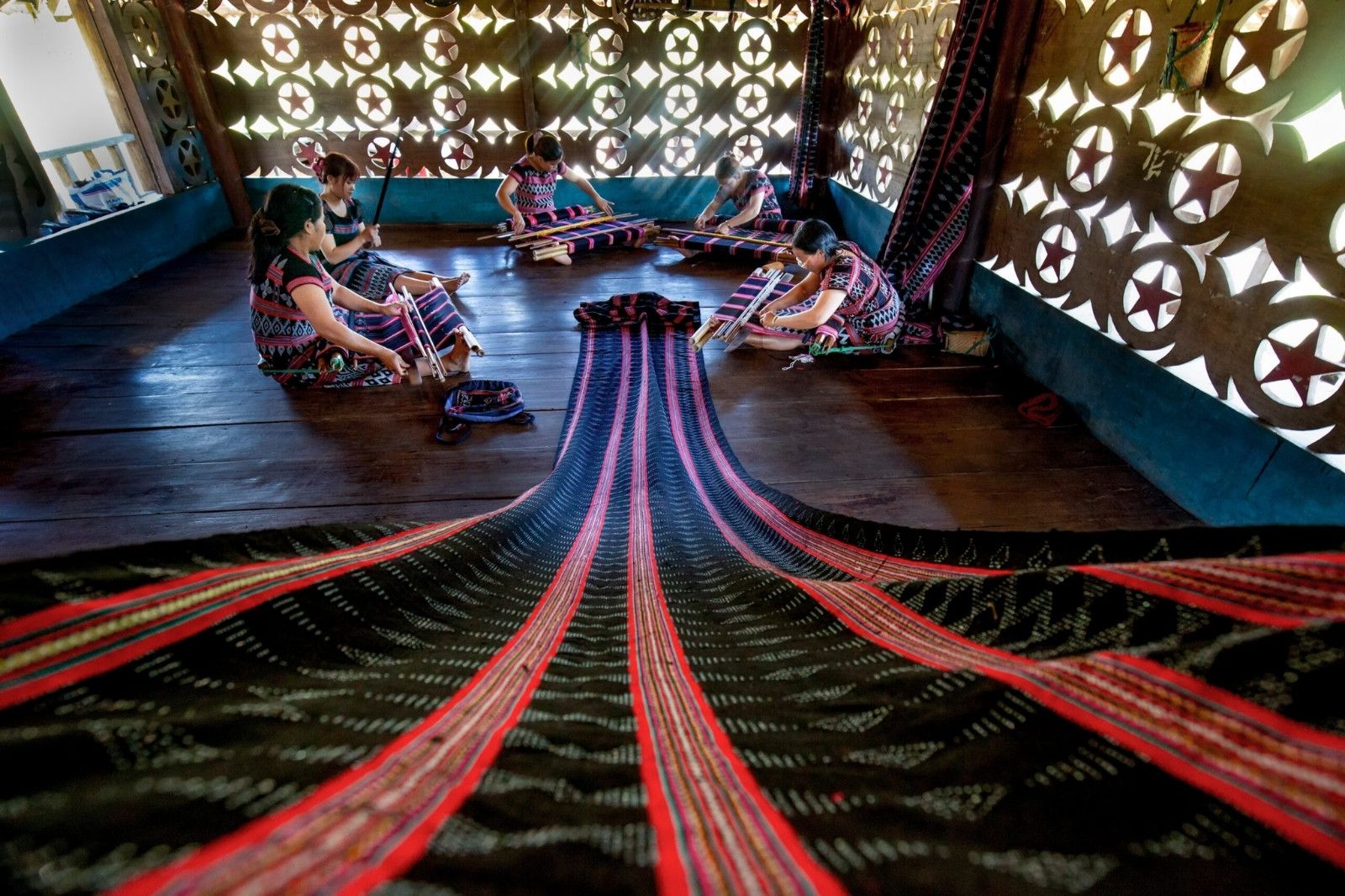
The essence of brocade amid the great forest

Photo: The essence of brocade amid the great forest

2. Discovering the Traditional Zeng Weaving Process of the Ta Oi People

To craft a piece of Zeng featuring distinctive colors and motifs, Ta Oi women must carry out numerous meticulous stages. From spinning thread and natural dyeing to setting up the loom, weaving, and threading individual beads, each step demands skillful hands and painstaking patience. A single piece of Zeng can take anywhere from several weeks to several months to complete, depending on its size and the complexity of its patterns.

  • Preparing raw materials: Every September, villagers harvest cotton (ca pai) grown on highland swiddens. The cotton is sun-dried, separated, fluffed, rolled, and hand-spun into yarn. Today, in addition to natural cotton fibers, artisans also utilize commercial cotton thread, wool, or industrial yarn to meet demand.

  • Dyeing with natural ingredients: Yarns are dyed using forest leaves, bark, tubers, and roots. Black is obtained from the bark or leaves of the ta-ram (ta rong) tree, red from a-chat tubers, and yellow from a-rac (pa-rat) tubers. Additives such as stream snail shells, cassava powder, or sticky rice powder help set the colors. The traditional primary palette consists of black, red, and white, with yellow, blue, and purple incorporated in more recent times.

  • Setting up the loom and weaving: The loom is remarkably simple and lightweight, crafted from bamboo, reed, or small wooden pieces. The weaver sits on the ground, leaning back with the loom strapped to her waist to keep the warp taut, using her feet as footrests. The fabric is woven entirely by hand without blueprints; all motifs and patterns exist solely in memory and personal creativity.

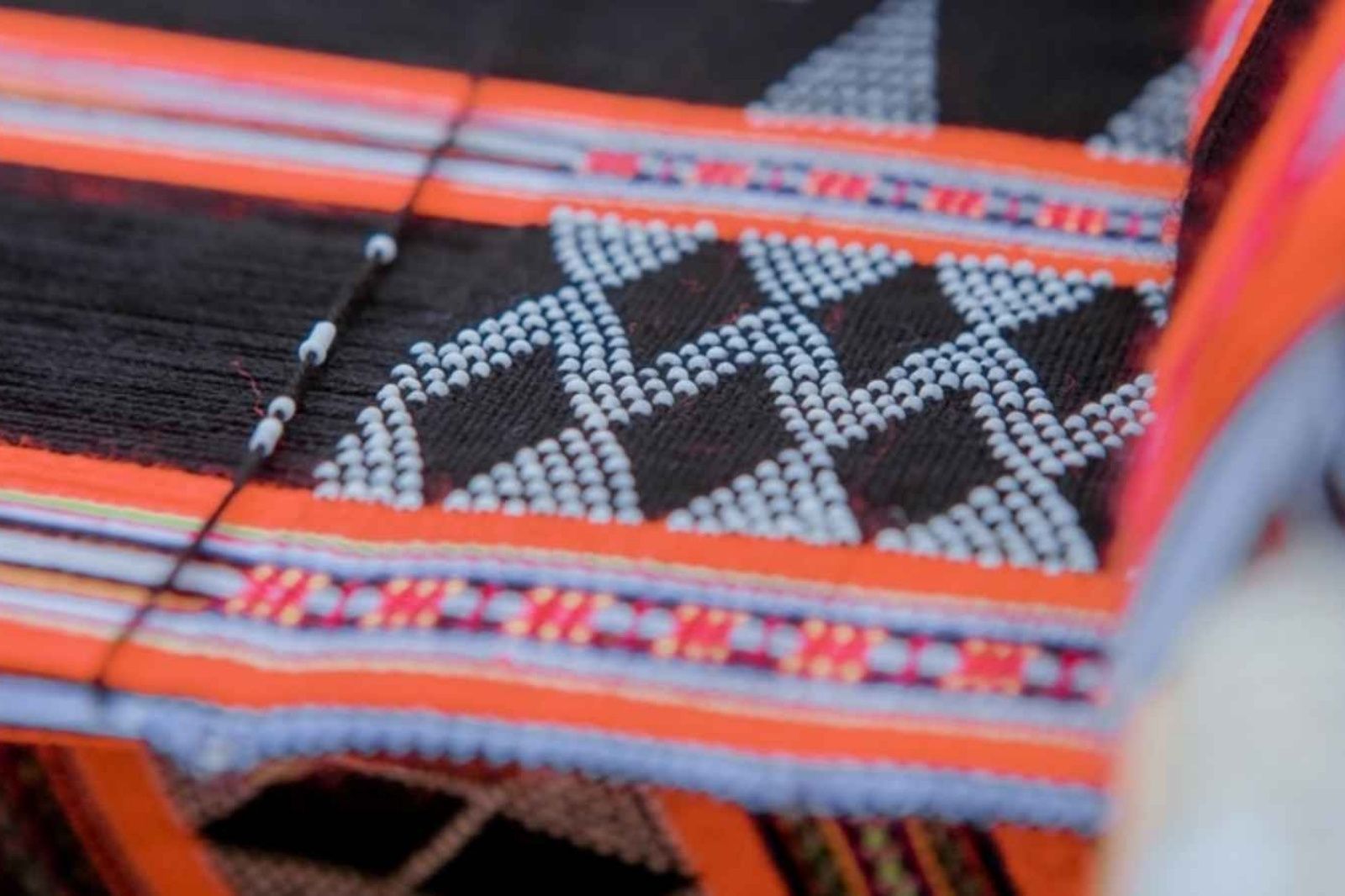
  • Bead incorporation: This is a unique technique in Vietnamese brocade weaving. Beads (historically made from wild a-rac seeds or lead, and nowadays usually glass beads) are individually strung onto thread and woven directly into the fabric during the weaving process, rather than being embroidered afterward. Each piece requires between 200 and 500 grams of beads. The result is a sparkling, raised motif across the fabric's surface that is both sturdy and shimmering.

From raw cotton on mountain slopes to a finished textile, the journey is one of tireless perseverance. Each piece of Zeng not only embodies weaving techniques passed down through generations, but also preserves the cultural memory and dexterity of Ta Oi women. Looking at each woven row and shimmering bead, one can truly feel their love for their traditional craft and homeland mountains.

Natural colors and unique brocade motifs

Photo: Natural colors and unique brocade motifs

3. Distinctive Zeng Products of the A Luoi People

In the traditional life of the Ta Oi, Zeng is not just a textile used for garments, but is intimately linked to customs, rituals, and milestone moments of every family. From Zeng, women tailor pull-over tunics, tube skirts (xin), loincloths, and various everyday items. Notably, in wedding customs, Zeng textiles are prepared as dowry. Depending on family circumstances, a bride may bring between 20 and 100 lengths of cloth as a testament to her skill and personal wealth.

Over time, Zeng weaving has increasingly adapted to modern lifestyles. Alongside traditional lengths of fabric, A Luoi artisans have created a wide variety of products with diverse designs and functions:

  • Traditional Zeng fabric: Available in plain weave or with finished patterns, especially intricate beaded designs. Reference prices range from 200,000–500,000 VND per standard piece, and 1–2 million VND for pieces featuring elaborate motifs and glass beads.

  • Zeng clothing: Tunics, skirts, belts, and jackets designed by blending Ta Oi motifs with modern fashion sensibilities, making this traditional material easy to wear in everyday outfits.

  • Souvenirs and decorative items: Handbags, purses, scarves, keychains, face masks, stuffed toys, and pillowcases are compact items ideal for personal use and gifting. Reference prices range from 35,000–500,000 VND depending on the item and level of craftsmanship.

  • Creative fashion pieces: A Luoi Zeng has also been incorporated by fashion designers into collections of Ao Dai, footwear, and accessories. Designer Minh Hanh and several other designers have contributed to introducing this material onto domestic and international runways, including showcases in Japan and France.

Behind this variety lies the dedicated effort of local collaborative groups and cooperatives. Initiatives such as Azakooh Green Brocade, Truong Son Xanh Cooperative, and A Co Hong Thuong Cooperative have helped unite weavers, innovate products, and expand market access. Several initiatives also link weaving with community-based tourism, enabling visitors not only to purchase a souvenir, but also to discover the cultural story behind every woven piece.
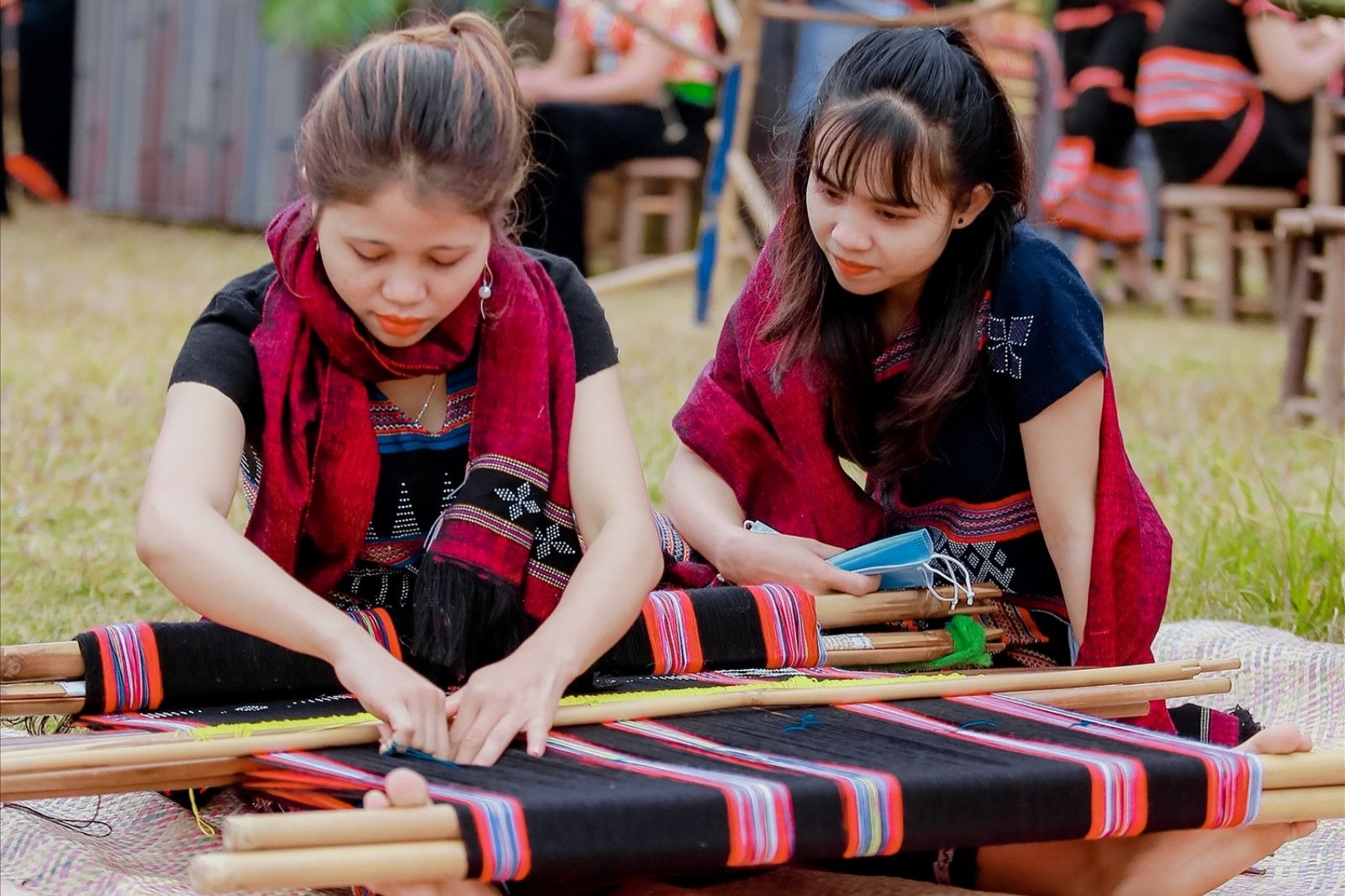
A Luoi Zeng weaving, from traditional handicraft to haute couture

Photo: A Luoi Zeng weaving, from traditional handicraft to haute couture

When bead-embellished Zeng fabrics leave the loom, they carry not only the beauty of vibrant hues and patterns, but also an entire narrative of culture and ethnic pride. A Luoi Zeng weaving stands as living proof that traditional values can flourish dynamically in modern times. It represents a harmonious blend of antiquity and contemporary spirit, of the skilled hands of Ta Oi women and the creativity of fashion designers. Thus, every Zeng creation serves as a cultural ambassador, carrying the essence of the A Luoi mountains and poetic Hue far and wide. Follow Sovaba Travel to discover more fascinating stories about Hue, from heritage and culinary arts to traditional craft villages.
Featured destinations